Classic car negotiation tips for beginners start with one truth: the price on the windshield is rarely the final price. In the collector market, negotiation is not a side skill; it is part of the buying process, just as important as checking rust, verifying matching numbers, or reading a title. A classic car can be a weekend cruiser, a long-term restoration, or an appreciating asset, but every outcome depends on what you pay, what you can prove, and how well you manage risk before money changes hands.
When I have negotiated classic car deals, the strongest results never came from aggressive haggling. They came from preparation, calm questioning, and knowing exactly where the car sits in the market. Negotiation strategies in the classic car world are the methods buyers use to determine fair value, identify leverage, structure an offer, and close with terms that protect both parties. For beginners, that means understanding condition grades, documentation, originality, restoration quality, and seller motivation before discussing price.
This matters because classic cars do not trade like ordinary used cars. Two vehicles with the same year, make, and model can differ in value by tens of thousands of dollars based on provenance, bodywork quality, driveline originality, or incomplete paperwork. Price guides from Hagerty, NADA, and auction results from Mecum, Barrett-Jackson, Bring a Trailer, and RM Sotheby’s provide direction, but they are not substitutes for inspection. The best negotiation begins when you can explain, in plain language, why your number reflects actual market evidence and the car’s real condition.
Beginners often ask a simple question: how do you negotiate a classic car without offending the seller or overpaying? The answer is to separate enthusiasm from evidence. You can love a 1967 Mustang fastback or a chrome-heavy 1957 Chevrolet Bel Air and still negotiate with discipline. The goal is not to “win” against the seller. The goal is to buy the right car at a supportable price with clear terms, accurate disclosures, and minimal surprises. That approach saves money upfront and protects resale value later.
Research the Market Before You Make Any Offer
The first step in classic car negotiation is establishing a credible value range. Start with recent comparable sales, not just current asking prices. Asking prices reflect hope; sold prices reflect what buyers actually paid. Use multiple sources because each marketplace has its own bias. Bring a Trailer often rewards cars with excellent photography, strong documentation, and active seller engagement. Live auctions can produce higher numbers under television lights or lower numbers when reserve pressure meets a thin bidder pool. Dealer inventory usually includes margin and reconditioning costs.
Build comps around the exact configuration of the car. A small-block, automatic coupe is not a reliable comp for a big-block, four-speed convertible. Note engine codes, transmission type, body style, trim package, factory colors, and meaningful options such as air conditioning, disc brakes, or power steering. If the car has been modified, compare it with similarly modified examples, not concours-correct cars. I also look at geographic differences. Rust-belt survivors, dry-state originals, and imported reentries can each trade differently because buyers price body integrity and provenance differently.
Condition grading is where many beginners get trapped. A seller may describe a car as “driver quality” when it is really a tired older restoration with cosmetic flaws and deferred maintenance. Learn the common grading language used by insurers and valuation guides: concours, excellent, good, fair, and project. Then pressure-test the description with photos, invoices, and inspection notes. If a car is represented as restored, ask when the restoration happened, who performed it, and whether there is documentation for paint, interior, engine, transmission, suspension, and chrome work.
Once you have market data, create a ceiling price and a walk-away price. Your ceiling is the maximum you would pay if the car checks out as represented. Your walk-away price is lower when documentation is weak, rust is suspected, or originality claims are unverified. Setting both numbers before contacting the seller prevents emotional bidding later. It also gives you confidence to negotiate firmly because you are relying on a researched value framework, not reacting in the moment.
Use Inspection Findings as Negotiation Leverage
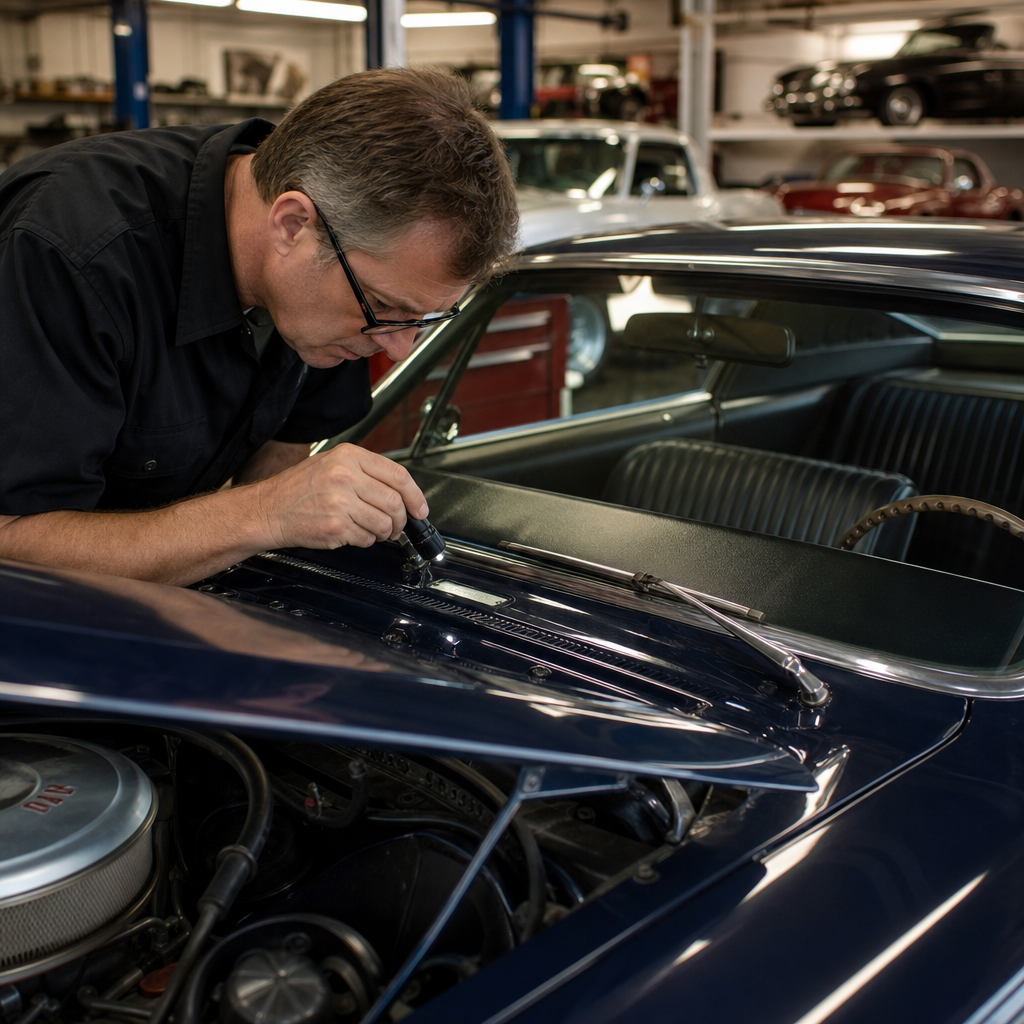
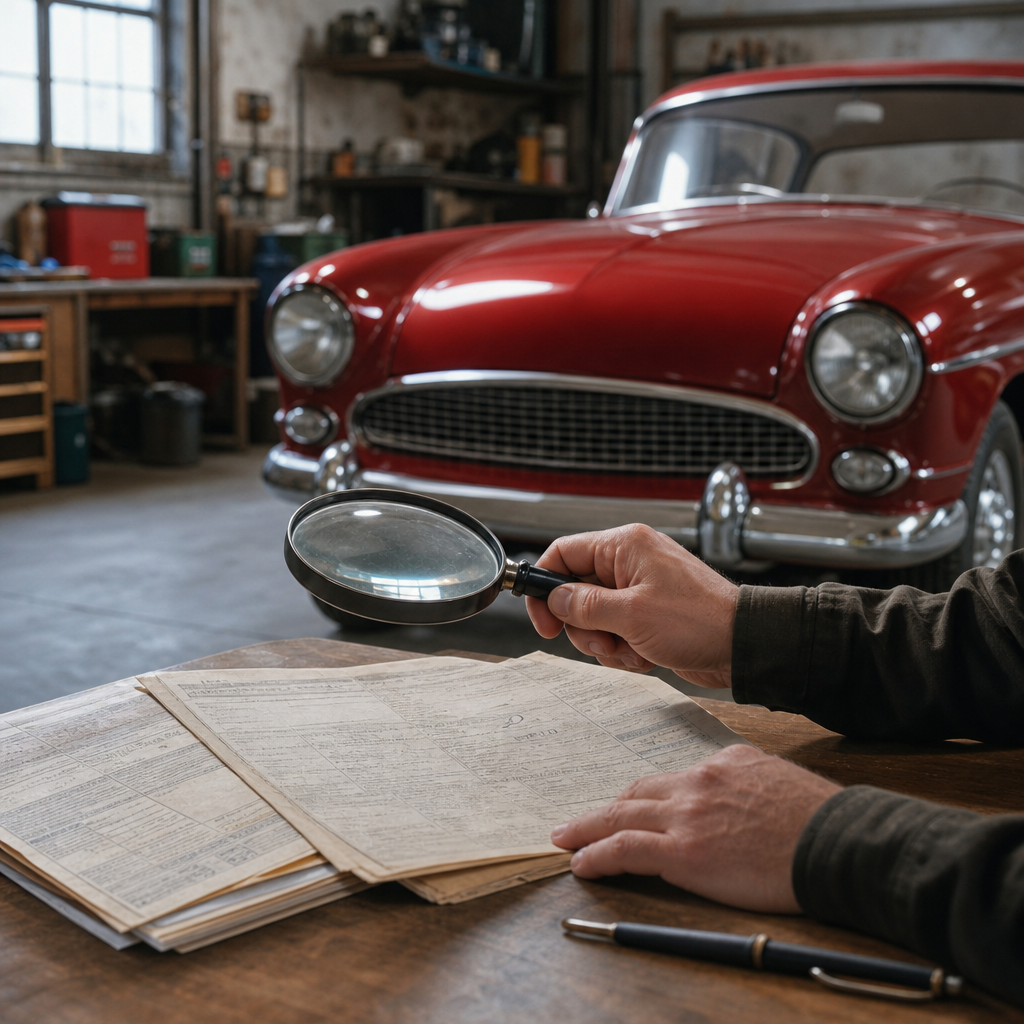
The most effective negotiation strategies are tied to facts you can verify. A pre-purchase inspection by a marque specialist, restoration shop, or experienced appraiser can uncover issues that dramatically affect value: rust in torque boxes, poor quarter-panel replacement, filler over previous collision damage, engine stamp inconsistencies, nonfunctional gauges, leaking seals, or unsafe brake lines. On older vehicles, hidden costs often matter more than visible flaws. A shiny repaint can hide structural corrosion, while a mediocre interior may be inexpensive compared with correcting a badly rebuilt engine.
Ask direct questions that produce negotiable details. Is the drivetrain numbers-matching? Are trim tags intact and consistent? Does the VIN match the title and any stamped chassis locations? Were the floors, trunk, frame rails, or rockers repaired? Has the car sat for long periods with old fuel or dry seals? Are there receipts for machine work, parts brands, and labor? If the seller says the car “needs nothing,” confirm whether that means roadworthy today or simply starts and idles in the driveway.
Inspection results help you convert problems into dollars. For example, if the car needs tires because the date codes are ten years old, that is a concrete cost. If the front suspension has play, you can estimate bushings, ball joints, alignment, and labor. If the paint bubbles around wheel arches, you should assume corrosion investigation and refinishing, not just touch-up. Serious buyers negotiate best when they translate defects into realistic repair categories rather than vague complaints. Sellers respond better to itemized logic than to broad statements that the car is “not worth that much.”
| Issue Found | Why It Matters | Typical Negotiation Impact |
|---|---|---|
| Non-matching engine | Reduces originality and collector appeal | Ask for a discount based on model-specific market penalties |
| Rust in floors or frame areas | Structural repair can escalate quickly | Lower offer to reflect metalwork, paint, and hidden risk |
| Old repaint with cracks or bubbling | May indicate filler or corrosion underneath | Negotiate for future body and refinishing costs |
| Missing records | Weakens restoration claims and provenance | Price car as uncertain, not fully documented |
| Mechanical leaks or poor drivability | Immediate usability and reliability are affected | Deduct expected repair and recommissioning expenses |
Use the inspection diplomatically. Instead of declaring, “Your car has major issues,” say, “The inspection showed three items that affect value for me: rust in the trunk drop-offs, no proof of the engine rebuild, and brake work needed before regular driving.” That framing keeps the conversation professional and anchored in evidence. If the seller disputes the findings, ask whether they have contrary documentation. If not, your revised offer stands on firmer ground.
Negotiate with the Seller, Not Against Them
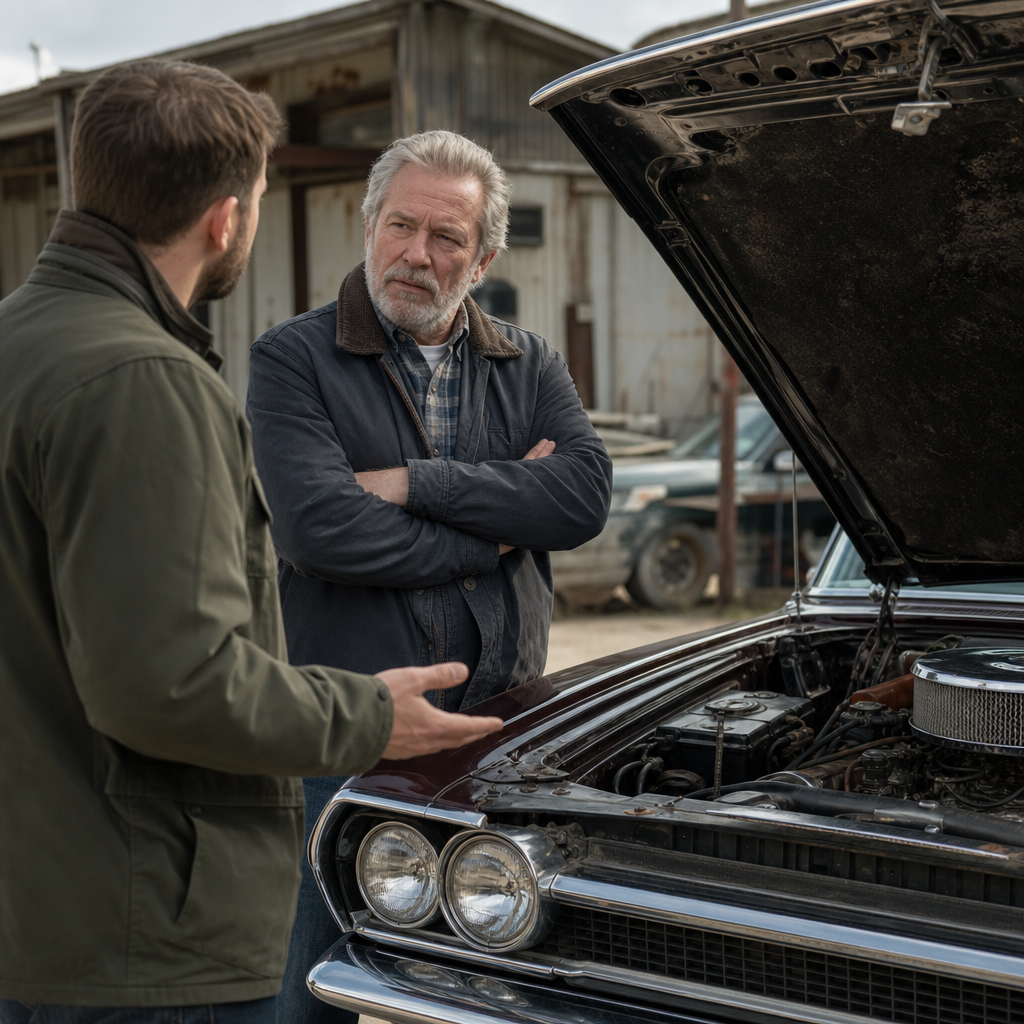
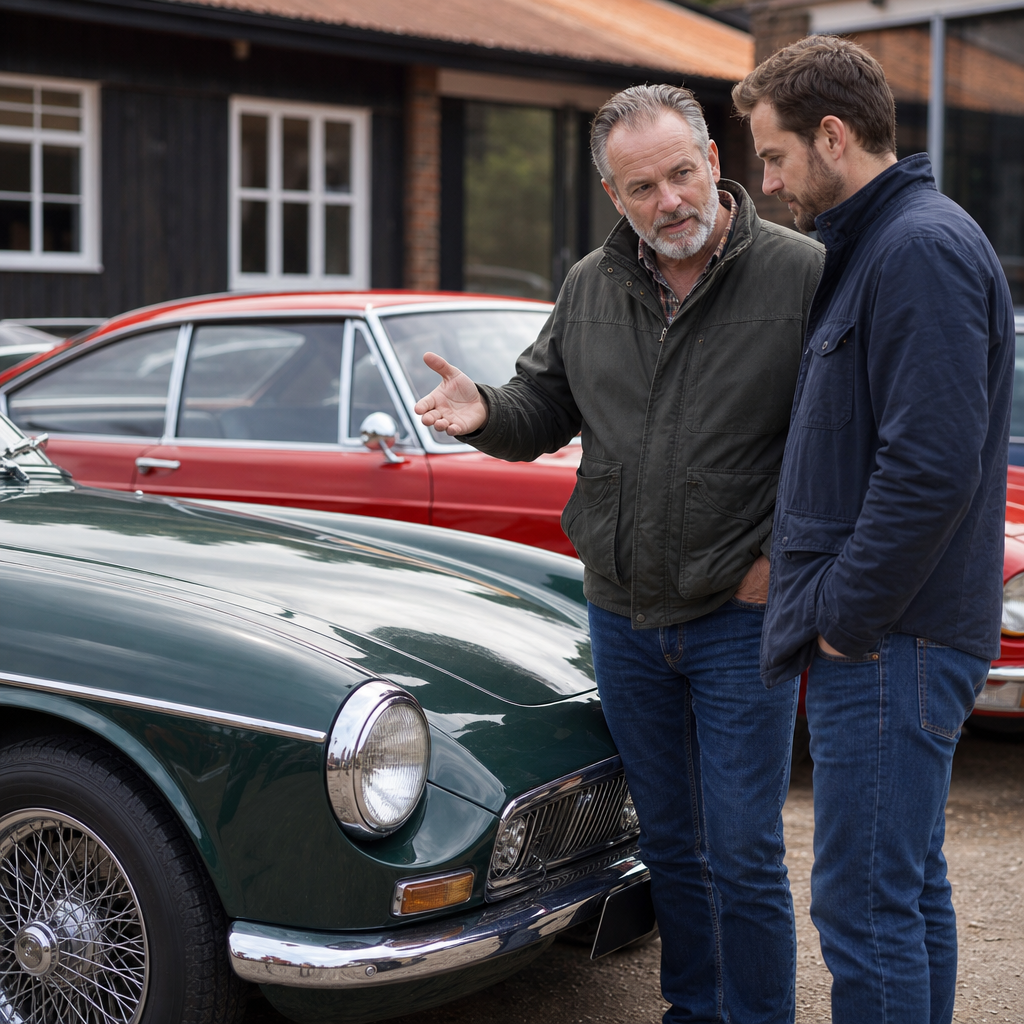
Seller psychology matters in classic car deals because many owners are emotionally attached. Some have owned the car for decades, restored it with family members, or tie its value to memories rather than the market. Beginners often make the mistake of attacking the asking price too early. A better approach is to ask how the seller arrived at the number. Their answer tells you whether they are following current comps, insurance valuations, restoration costs, or simple sentiment. Restoration cost is especially important because sellers frequently overvalue sunk expenses that the market will not fully repay.
Good negotiation sounds collaborative. Start by confirming what is positive about the car: clean trim, strong cold start, desirable options, documented ownership history, or recent service. Then explain where your valuation differs. For example: “The car presents well, and the paperwork is better than most, but the non-original transmission and older paint move it below the top-end sales I reviewed.” That sentence shows respect, demonstrates research, and creates room for a counteroffer without hostility.
Beginners should also learn the power of silence. After making a well-supported offer, stop talking. Sellers often fill silence with useful information, including flexibility, urgency, or included parts. I have seen deals improve because a buyer stayed quiet long enough for the seller to add spare trim, original wheels, or transport help. Fast talking usually weakens your position. Calm pauses communicate confidence and make your number feel considered rather than impulsive.
Timing can change leverage. A private seller who already bought another classic car may want quick liquidity. A dealer facing floorplan costs or aging inventory may cut price at month end. An auction seller with a no-sale result may be more realistic in post-auction negotiations. Seasonal factors matter too. Convertibles are stronger in spring. Projects may soften in winter when fewer buyers are ready to haul and store them. Negotiation is not just about words; it is about understanding when the seller has practical reasons to move.
Build a Smart Offer Structure and Protect the Deal
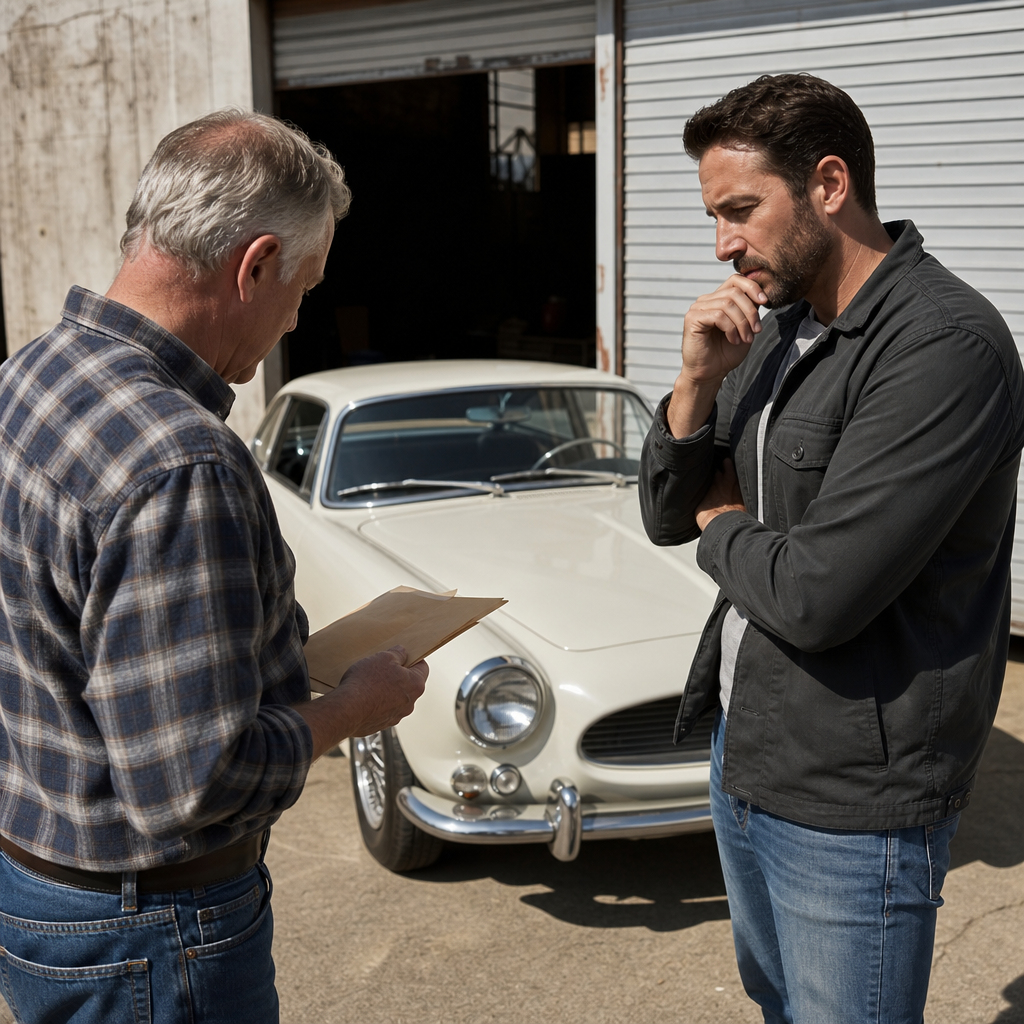
A strong classic car offer includes more than a number. It includes terms. State your price, any contingencies, your inspection basis, deposit amount, payment method, and timing. This reduces confusion and signals that you are a serious buyer. For example, a practical offer might be: “I can do $28,500 contingent on the title matching the VIN and receipt of the spare parts shown, with a small deposit today and bank wire within forty-eight hours.” Specificity often wins over slightly higher but uncertain offers.
Contingencies protect beginners from expensive mistakes. At minimum, confirm title status, VIN accuracy, lien release, and the seller’s legal ability to sell. For higher-value cars, require copies of restoration receipts, appraisal documents, judging sheets, and any heritage reports available for the marque. If the car is represented as matching numbers, ask what documentation supports that claim. Some brands have recognized registries and decoding resources. Others require expert confirmation. Never pay a premium for originality that no one can substantiate.
Payment and transport are negotiation points too. Cash does not always mean paper bills; in serious collector transactions, bank wire is standard because it is traceable and secure when handled properly. Escrow services can make sense for remote deals, especially six-figure purchases. Clarify who bears transport cost, when risk transfers, and whether the car must remain insured until pickup. If the seller offers delivery, specify whether the vehicle is transported enclosed or open, and document existing condition with detailed photos before loading.
Do not skip the bill of sale. Even when the title is clean, a written agreement should capture vehicle identification, sale price, included parts, odometer disclosure where required, and any representations made about the car’s condition or originality. “As-is” language is common in collector car sales, which makes your pre-purchase diligence even more important. If a seller refuses basic documentation or rushes you away from normal verification, treat that as a negotiation signal and a warning sign.
Common Mistakes Beginners Make and How to Avoid Them
The biggest beginner error is negotiating from desire instead of discipline. When buyers announce, “This is my dream car,” they give away leverage. Enthusiasm is fine, but keep it controlled. Another common mistake is focusing only on purchase price while ignoring total cost of ownership. A cheaper car with rust, poor trim fit, weak chrome, and unknown mechanical work can become far more expensive than a higher-priced example with documentation and sorted systems. Negotiation should account for the first year of repairs, not just the day of sale.
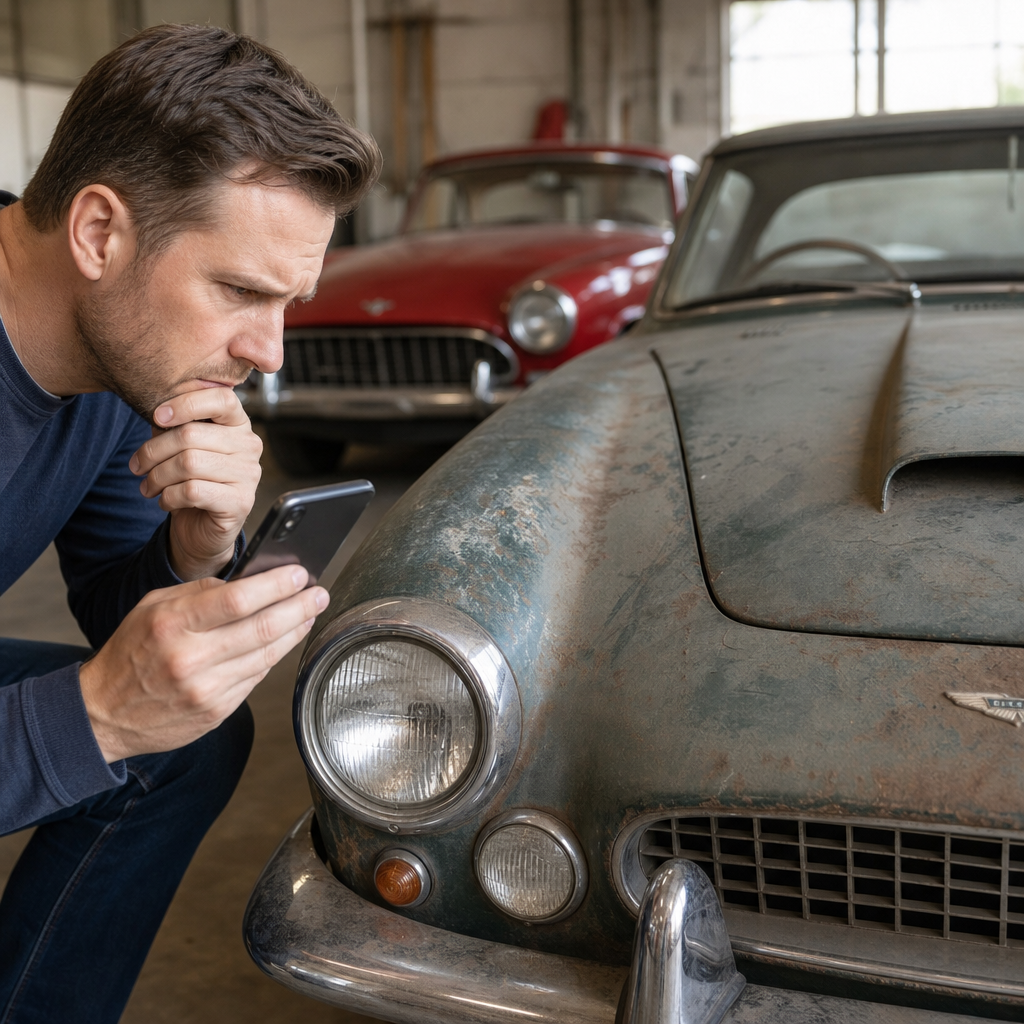
Many beginners also rely too heavily on online photos. Sellers naturally post flattering angles, warm lighting, and cleaned surfaces. Photos rarely reveal waviness in panels, magnet test failures, hard starting, smoke under load, or transmission behavior once hot. If you cannot inspect in person, hire someone who can. A $300 to $800 inspection can save thousands. The same logic applies to authenticity. Badge placement, trim details, date codes, carburetor tags, and casting numbers matter, and they are easy to misread without model-specific knowledge.
Another mistake is making a lowball offer with no explanation. That approach usually ends the conversation, especially with informed sellers. A lower offer works when it is justified by comps and documented issues. It fails when it looks disrespectful or unserious. Finally, beginners forget to plan for walking away. The willingness to leave is your strongest protection. There will always be another Chevelle, C10, Beetle, or 911. There may not be another chance to avoid a bad purchase.
As you continue researching Buying & Selling Classic Cars, use this negotiation guide as the central playbook for offers, inspections, and deal structure, then go deeper into valuation methods, title verification, auction bidding, and remote buying checklists. The main benefit of strong negotiation strategies is not simply paying less. It is buying with clarity. You reduce risk, preserve future resale value, and avoid the regret that comes from discovering expensive problems after the transporter leaves. Start every deal with market research, verify condition with evidence, present an offer with clear terms, and stay ready to walk away. If you follow that process, you will negotiate like a careful collector rather than an impulsive shopper, and your first classic car purchase will begin on much firmer ground.
Frequently Asked Questions
What should a beginner research before negotiating for a classic car?
Before discussing price, a beginner should build a clear picture of the car’s true market value, authenticity, condition, and risk factors. Start by researching recent sale prices for the same make, model, year, trim, and engine combination, because classic car values can vary dramatically based on originality, rarity, documentation, and restoration quality. A base-model driver and a numbers-matching, documented example may look similar in photos but command very different prices in person. Review auction results, classified listings, enthusiast forums, marque-specific clubs, and valuation guides to understand not just asking prices, but what cars actually sell for. Asking prices are often optimistic; sold prices tell a more useful story.
Next, learn the language and details that matter for that specific vehicle. Find out whether the engine, transmission, color, trim, and major components are original or later replacements. Understand what “matching numbers” means for that brand, because the definition is not always identical from one manufacturer to another. Research known trouble spots such as rust-prone areas, weak drivetrains, costly trim pieces, unavailable glass, or model-specific electrical issues. If one missing part is expensive or nearly impossible to source, that should affect your negotiating strategy. You should also verify how title status, VIN consistency, restoration receipts, ownership history, and inspection records influence value.
Finally, prepare a budget that includes far more than the purchase price. Beginners often focus on the negotiation itself and forget transport, insurance, taxes, registration, immediate repairs, fluid service, tires, brake work, and storage. A car that seems like a bargain can quickly become expensive if it needs hidden mechanical or structural work. Going into the conversation with comparable sales, a list of defects, and a realistic ownership budget gives you leverage and keeps you from negotiating emotionally. Good negotiation begins long before you make your first offer.
How do I make an offer on a classic car without offending the seller?
The best way to make an offer without offending the seller is to be respectful, informed, and specific. Sellers of classic cars often have emotional attachment to the vehicle, especially if they restored it, owned it for many years, or believe it is rare. If you make a low offer with no explanation, it can come across as dismissive. Instead, anchor your offer in facts. Mention the car’s strengths first, then calmly reference the items affecting value, such as paint age, rust repair, non-original components, missing documentation, worn interior pieces, title concerns, or mechanical needs discovered during inspection. This approach shows that you are not trying to “steal” the car; you are pricing it according to condition and risk.
It also helps to ask questions before making a number. Ask how the seller arrived at the asking price, what work has been done recently, whether there are receipts, and whether the seller is firm or open to reasonable offers. Those questions can reveal flexibility without creating tension. Once you are ready to present your offer, be direct but polite. A phrase like, “Based on the comparable sales I found and the repairs I’ll need to handle, I’d be comfortable at this number,” is much more effective than saying, “That price is way too high.” Tone matters. The goal is to create a conversation, not a confrontation.
Beginners should also avoid negotiating against themselves. Make one fair, supportable offer and stay quiet. Give the seller time to respond. Sometimes the seller will counter immediately; sometimes they need time to think. If your offer is rejected, do not argue. You can ask whether there is a number the seller would seriously consider. That keeps the discussion open and professional. In the classic car world, reputation and relationships matter. Even if you do not buy that car, handling the conversation respectfully may lead to a better opportunity later.
What problems should I use as negotiating leverage when buying a classic car?
The strongest negotiating leverage comes from issues that materially affect value, safety, originality, or future repair cost. Rust is usually at the top of the list, especially structural rust in floors, frame rails, rocker panels, trunk pans, suspension mounting points, or other critical areas. Cosmetic rust and bubbling paint are concerning, but hidden structural corrosion can change the economics of the purchase entirely. Poor bodywork is another major leverage point. Signs of filler, uneven panel gaps, overspray, mismatched paint, or evidence of collision repair may indicate that the restoration quality is lower than advertised. These issues are expensive to correct and should be reflected in the deal.
Mechanical condition also matters. If the car has hard starts, smoke, fluid leaks, weak oil pressure, transmission slipping, brake issues, overheating, steering play, or electrical faults, those are not minor talking points. They are real costs and real risks. Documentation gaps are equally important. If a seller claims the engine is original but cannot provide proof, or advertises a restoration without receipts or photo documentation, you should value the car more conservatively. Missing title paperwork, VIN discrepancies, or unclear ownership history are especially serious. Those problems do not just affect price; they can affect your ability to register, insure, or resell the car.
Originality and completeness can also be powerful leverage points. Missing trim, non-original carburetors, aftermarket modifications, incorrect interiors, replacement engines, or unavailable model-specific parts can reduce value or increase the difficulty of restoring the car properly. Beginners sometimes underestimate how much rare badges, chrome, date-coded wheels, factory air components, or correct gauges can cost to replace. The key is to translate every issue into money and uncertainty. The more accurately you can show what those problems will cost to fix or how they reduce market value, the stronger and more credible your negotiation position becomes.
Should I get a pre-purchase inspection before negotiating a classic car deal?
Yes, in most cases a pre-purchase inspection is one of the smartest tools a beginner can use. A classic car can look excellent in photos and still hide serious problems under fresh paint, new carpeting, or a cleaned engine bay. An inspection by a mechanic or marque specialist can uncover structural rust, poor repairs, compression issues, drivetrain wear, brake problems, electrical faults, and incorrect components that an inexperienced buyer may miss. That information does two important things: it protects you from buying a car with hidden liabilities, and it gives you objective evidence during negotiation.
An inspection is especially valuable when buying from out of state, from a private seller you do not know, or when the vehicle is being marketed as restored, original, rare, or investment-grade. Those descriptions often carry premium pricing, and premium pricing should come with proof. If the seller resists a reasonable inspection, treat that as a warning sign. A confident seller with a solid car and nothing to hide is usually willing to cooperate, as long as the request is handled professionally and the logistics are reasonable. You may pay for the inspection, but that cost is small compared with discovering major defects after the sale.
From a negotiation standpoint, an inspection report turns opinion into evidence. Instead of saying, “I think the brakes feel weak,” you can say, “The inspection found leaking wheel cylinders, aged brake lines, and front suspension play.” That changes the conversation. It also helps you decide whether to renegotiate, walk away, or proceed at the agreed price. Not every flaw should kill a deal, but every flaw should be priced honestly. For beginners, a pre-purchase inspection is not just a technical step; it is a negotiating advantage and a risk-management tool.
When should I walk away from a classic car negotiation?
You should walk away when the facts no longer support the price, the seller’s story does not match the evidence, or the risks exceed your budget and experience level. One of the biggest mistakes beginners make is becoming so focused on “winning” the negotiation that they forget the real goal is buying the right car at the right number. If the seller refuses to answer reasonable questions, pressures you to move quickly, discourages an inspection, will not provide title information, or keeps changing the details about the car’s history, those are strong reasons to pause or leave. Inconsistent paperwork, VIN issues, undisclosed rust, and hidden accident damage are not small concerns. They are signs that the deal may become expensive or difficult long after the handshake.
You should also walk away when the numbers stop making sense. If the purchase price plus transport, repairs, missing parts, and immediate maintenance puts you above the car’s realistic market value, it is usually better to be patient. This is especially true for beginners buying project cars. A cheap project can become far more expensive than a well-sorted driver once bodywork, trim sourcing, engine work, interior restoration, and labor are factored in. The seller’s emotional attachment or claim that the car is “rare” does not change your math. Discipline matters more than excitement.
Finally, walk away if you feel rushed, uncertain, or emotionally attached to the point that you are ignoring warning signs. There will always be another car. The collector market rewards patience, preparation, and self-control. In many cases, the strongest negotiating move is the willingness to leave without a deal. That posture protects your budget, prevents regret, and often brings the seller back with a more realistic counteroffer. Beginners who learn to walk away at the right time usually make better purchases and enjoy the hobby far more in