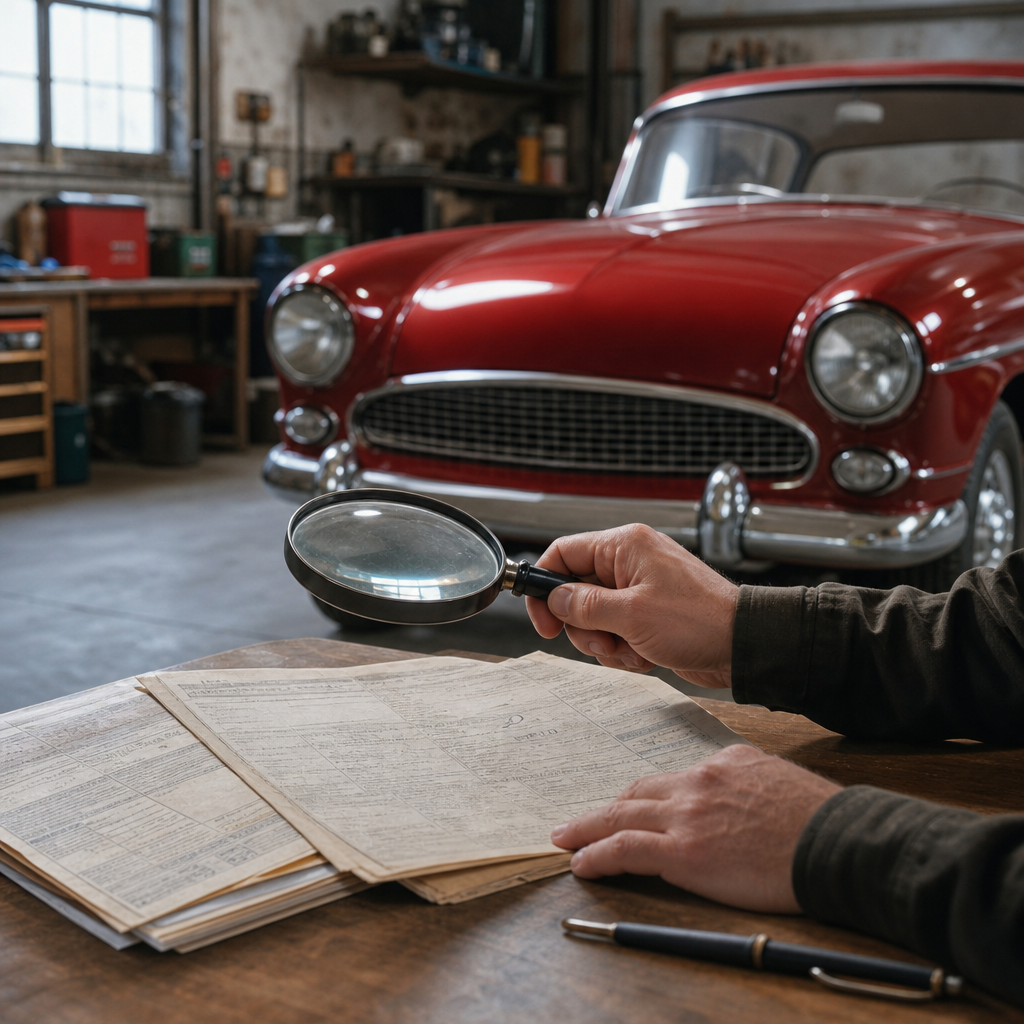

Making a strong offer on a classic car means combining market research, inspection findings, seller psychology, and disciplined negotiation into a price and terms package the seller can take seriously. In the classic car market, “strong” does not always mean the highest number. It means an offer that is credible, documented, timed well, and structured to reduce friction. I have negotiated purchases at auctions, through private-party listings, and with specialty dealers, and the pattern is consistent: buyers who prepare thoroughly usually pay less, avoid costly surprises, and win better cars.
This matters because classic cars are not commodities. Two examples of the same model year can differ dramatically in value based on originality, rust repair quality, driveline matching numbers, provenance, documentation, restoration standards, and current market appetite. A 1967 Chevrolet Camaro with a replacement engine, older repaint, and sparse records lives in a different pricing universe than a documented SS with period-correct components and a known ownership trail. If you make an offer without understanding those variables, you are not negotiating; you are guessing.
Negotiation strategies for classic cars start with valuation and extend through delivery. You need to know fair market value, but also the seller’s motivation, the risks hidden in the car, and the terms that matter beyond price. Transport timing, inspection contingencies, title status, included spares, and payment method can all move a deal. This article serves as the hub for negotiating a classic car purchase, covering how to value the vehicle, build leverage, present your offer, respond to counteroffers, and close cleanly. If you are also evaluating condition, ownership records, or title issues, those related topics should support your offer strategy because every fact you verify becomes a negotiating tool.
Start with valuation, not hunches
A strong offer begins with a valuation range, not a single number pulled from emotion. Use multiple pricing sources because no one guide captures every nuance. Hagerty Price Guide is useful for insurance-oriented market bands and condition categories. Collector Car Market Review gives broad benchmarks. Bring a Trailer and Cars & Bids provide transparent recent sale comps, especially for enthusiast-driven segments. Mecum and Barrett-Jackson results help with high-visibility auction examples, though premiums and presentation can distort private-sale relevance. NADA guides can offer another reference point, but transaction-based comps are usually stronger.
Build your range from the closest comparable vehicles, then adjust for what is different. The most important adjustments usually include body style, engine and transmission, originality, documentation, restoration age, rust history, color desirability, and region. For example, an air-cooled Porsche 911 coupe with documented engine rebuilds, original books, and an attractive factory color may command a major premium over a similar car with poor repaint quality and no service file. Likewise, a big-block Mopar four-speed car occupies a fundamentally different market tier than a small-block automatic version, even when cosmetics look similar online.
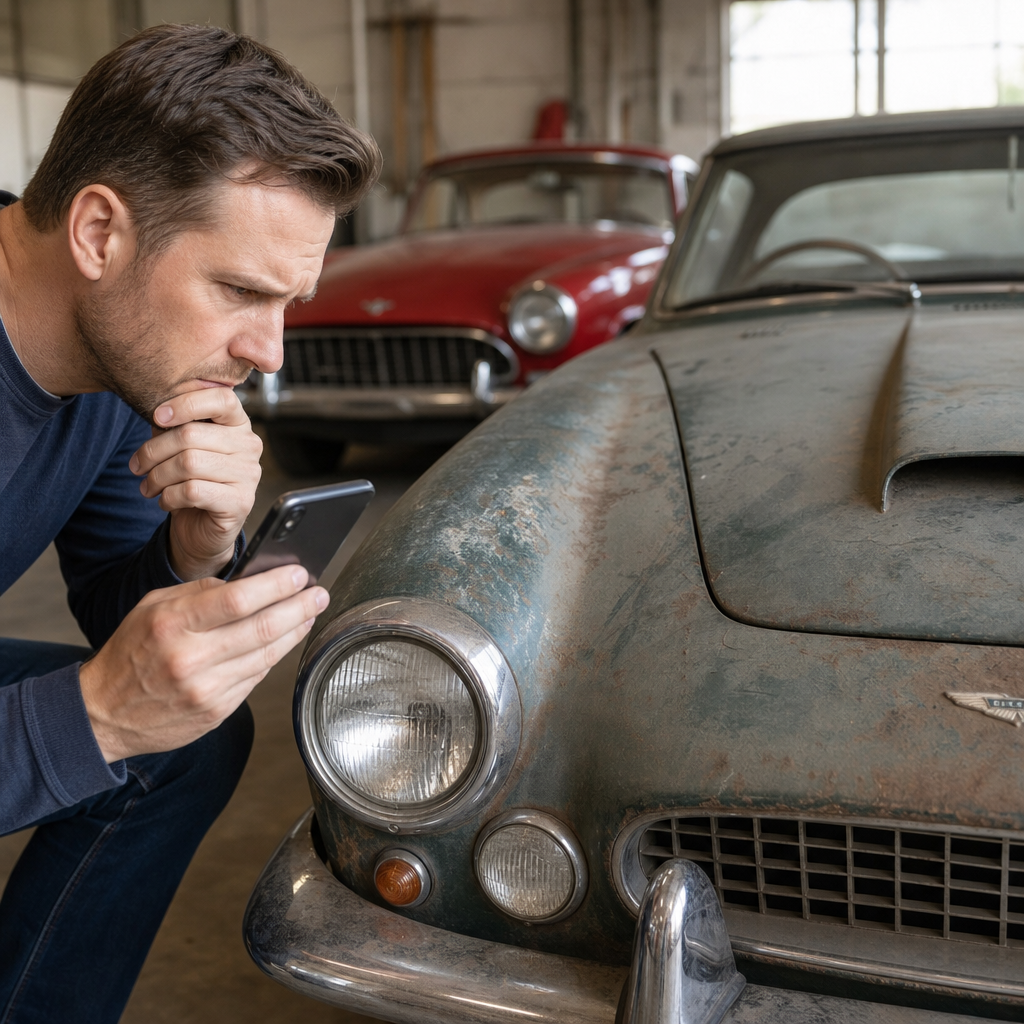
Condition grading needs discipline. Sellers often call a car “driver quality” when it is really a cosmetic project with deferred mechanical work. I separate value into four buckets: body and paint, interior, mechanicals, and documentation. If one bucket is weak, the offer moves. Paint meter readings, compression numbers, cold-start behavior, panel gap consistency, and date-coded components all matter because they tell you whether the advertised story is supported by evidence. Your valuation should end as a realistic low-high range, plus a maximum walk-away number you will not exceed.
Use inspection findings to create negotiating leverage
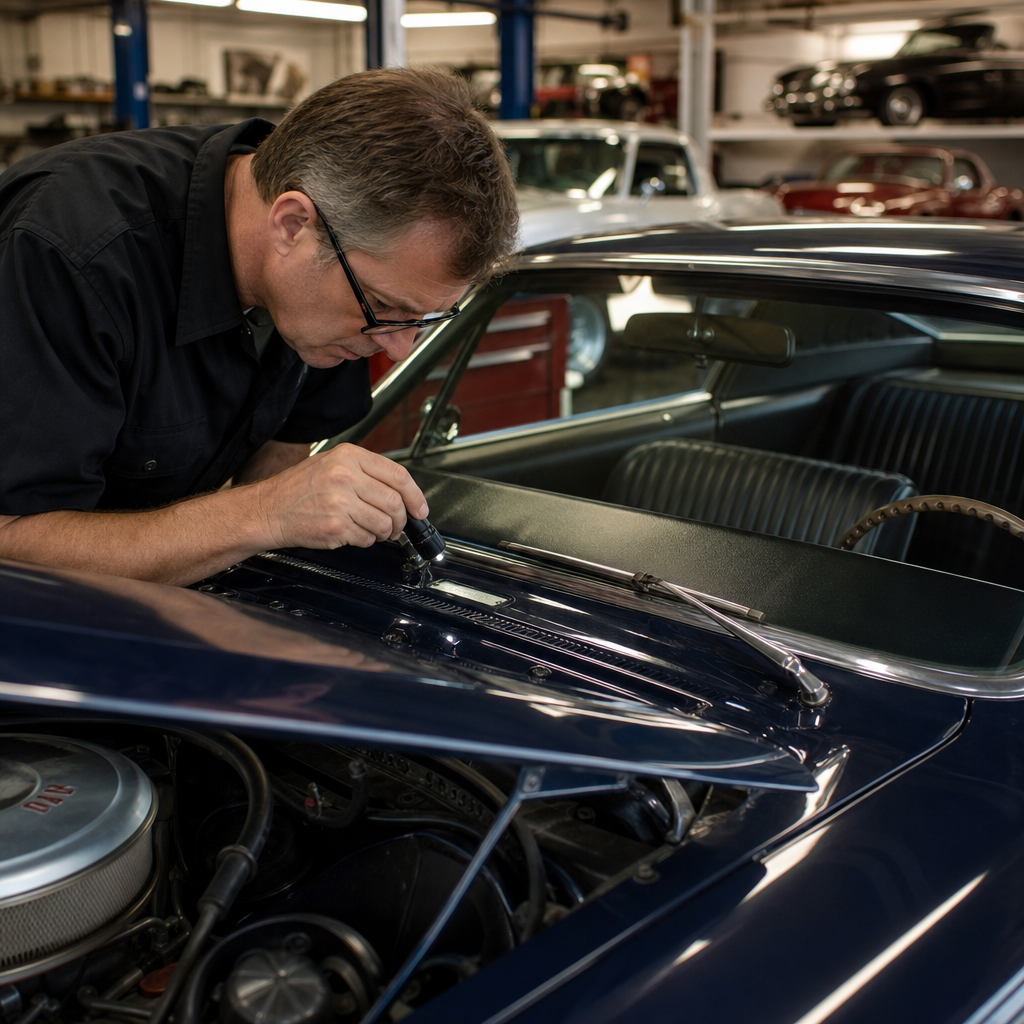
The cleanest leverage in classic car negotiation comes from facts, not opinions. A pre-purchase inspection by a marque specialist is often the highest-return money you can spend. On American muscle cars, that may mean verifying stampings, casting dates, underbody condition, and signs of prior collision or rust repair. On European classics, it often means checking corrosion hot spots, oil leaks, suspension wear, gearbox synchros, and electrical integrity. If the car is expensive or highly represented, inspection is not optional.
During negotiation, specific defects carry more weight than broad complaints. Saying “the car needs work” is weak. Saying “the left rear frame rail shows patch repair, the A/C compressor is inoperative, second gear grinds when cold, and the repaint has filler in the lower quarter” is persuasive because each issue has a cost. Gather repair estimates when possible. A seller may dispute your taste, but it is harder to dispute a specialist’s written note or a body shop estimate documenting bubbling rust and magnet-thin metal.
Documentation gaps are also negotiation points. Missing title corrections, no restoration receipts, unverifiable mileage, or absent ownership history increase buyer risk. So do modifications that reduce originality without clearly improving usability. An LS swap, aftermarket air suspension, or modern interior may expand appeal for some buyers but narrow it for collectors who want period-correct cars. Your offer should reflect that narrower buyer pool. If the seller insists the upgrades add full dollar-for-dollar value, that is usually a sign to slow down and return to comparable sales.
Read the seller before you name a number
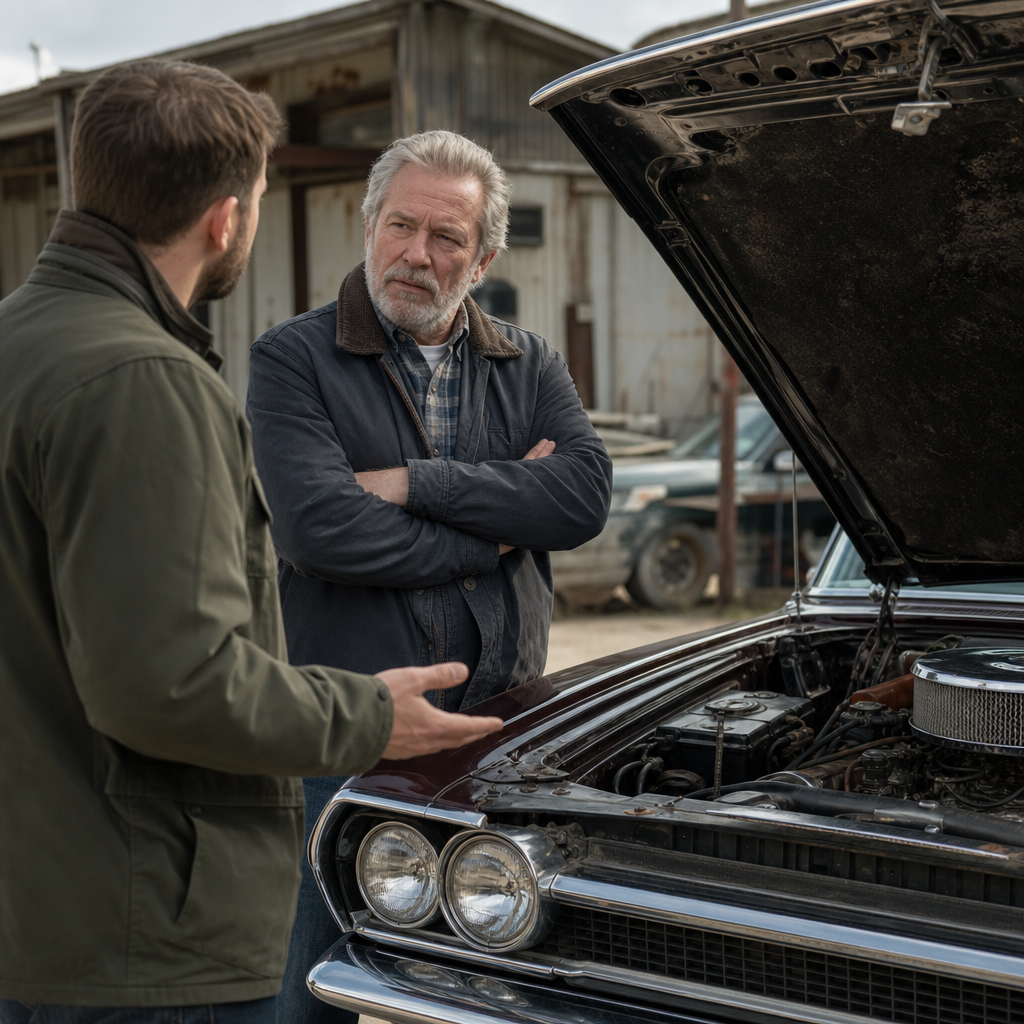
The same offer can succeed or fail depending on who receives it and how it is delivered. Before discussing price, learn why the car is for sale, how long it has been listed, whether the seller owns it outright, and what type of transaction they prefer. A private owner downsizing a collection responds differently than a dealer managing flooring costs. An estate sale may prioritize speed and simplicity. A seller who just completed a restoration may be emotionally anchored to receipts rather than market value, making negotiation slower and more delicate.
Ask open-ended questions and listen carefully. “How long have you owned it?” “What work have you done?” “What would you want the next owner to know?” “Have you had other serious inquiries?” These questions uncover motivation without sounding adversarial. In my experience, the biggest mistake buyers make is showing all their enthusiasm too early. If you declare the car your dream example before discussing flaws, you weaken your position. Stay respectful and engaged, but neutral enough that the seller understands you are evaluating a purchase, not chasing validation.
Timing matters. Cars listed for forty-five to ninety days often have more price flexibility than fresh listings, especially when the asking price was set from optimistic guide numbers rather than actual comps. Seasonal timing also matters. Convertibles usually draw stronger money in spring. Projects can soften in winter when casual buyers disappear. If a seller has already reduced the price once, there may be more room, but only if you present evidence rather than fishing for a discount.
Structure the offer so it feels easy to accept
A strong classic car offer is more than price. It is price plus clean terms. State your number clearly, explain the basis briefly, and remove avoidable friction. “Based on the specialist inspection, comparable recent sales, and the gearbox and rust repairs needed, I can offer $48,500, subject to clear title and inclusion of the original wheels, manuals, and spare parts.” That sentence works because it is specific, grounded, and actionable.
When the situation calls for comparison, organize the offer logic clearly.
| Negotiation element | Why it matters | Example effect on offer |
|---|---|---|
| Comparable sales | Sets market-based range | Recent sales at $52,000 to $56,000 support a bid below a $61,000 ask |
| Inspection defects | Creates documented deductions | $4,500 estimated rust repair reduces top-end valuation |
| Documentation quality | Changes confidence and resale appeal | Missing restoration receipts may justify a 5% to 10% risk discount |
| Payment readiness | Reduces seller uncertainty | Wire transfer and immediate deposit can win against a slightly higher but vague buyer |
| Pickup timeline | Simplifies logistics | Offering enclosed transport within three days can help close quickly |
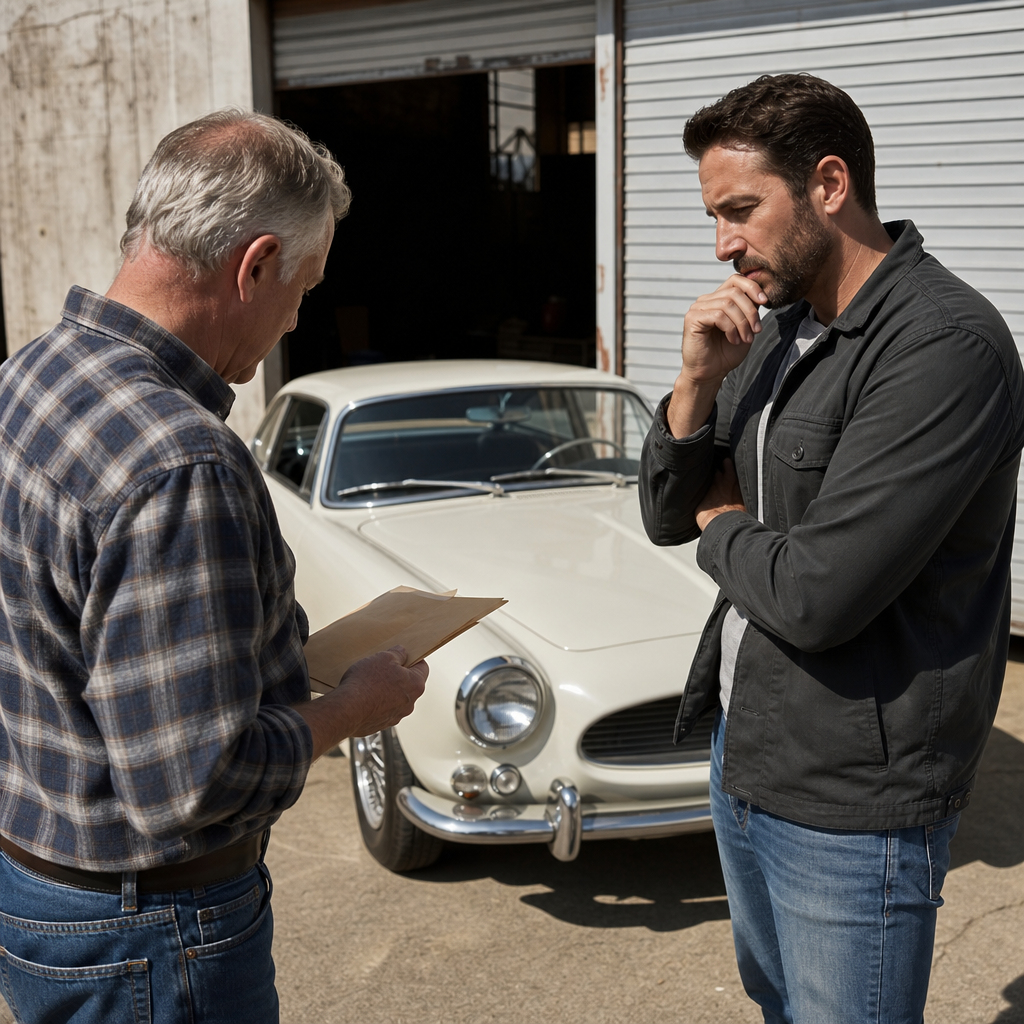
Deposits should be reasonable and documented. For private sales, a signed bill of sale with VIN, price, deposit amount, contingencies, and closing deadline protects both sides. For expensive cars, escrow services can reduce fraud risk, though some sellers prefer direct bank wire once title and identity are verified. If the car is represented as matching numbers, concours restored, or fully rust-free, put those material representations in writing. If they are wrong later, written language matters.
Your first offer should usually leave room to move without becoming unserious. On a properly priced car, a lowball offer is not strategic; it tells the seller you may be difficult. On an overpriced car with documented issues, a larger discount can be justified, but explain why. Precision is powerful. A $47,800 offer tied to specific costs sounds researched; a flat “forty-five cash” often sounds arbitrary, even if you are paying cash.
Handle counteroffers without losing discipline
Most worthwhile classic car deals involve at least one counteroffer. The key is to negotiate from your prepared ceiling, not from adrenaline. If the seller counters, do not respond instantly unless the number already fits your range. Pause, revisit your notes, and decide whether the gap is about money or terms. Sometimes the answer is to hold price and improve terms, such as shortening the closing timeline or accepting transport responsibility. Sometimes the right answer is to split the difference only if valuable extras are included, like original parts, hard-to-find trim, service manuals, or shop records.
Use conditional moves. “If the original carburetor, jack, and Protect-O-Plate are included, I can move to $50,000.” “If you can produce a clean title copy and cold-start video showing no smoke, I can close at your number.” This keeps concessions linked to value. Never negotiate against yourself by raising your bid without receiving something in return. That pattern encourages the seller to keep pushing.
Know when to walk away. Serious red flags include inconsistent VIN or engine stamp explanations, reluctance to allow inspection, title excuses, pressure for unusual payment methods, and stories that change when documents are requested. Another red flag is a seller who dismisses every defect as minor while expecting top-market money. There are times to pay strong money for a rare, verified, highly original car. There is no reason to pay strong money for uncertainty.
Avoid common mistakes buyers make on classic car offers
The most common mistake is negotiating on monthly affordability or emotion rather than on total acquisition cost. A classic car with weak brakes, old tires, stale fuel lines, and unknown cooling system condition may need thousands spent immediately, even if the purchase price seems reasonable. Build a post-purchase budget before making an offer. Include transport, tax, registration, insurance, immediate safety service, and likely deferred maintenance. Your real cost is the all-in number, not the headline sale price.
Another mistake is overvaluing rarity without asking whether the market rewards it. “One of 300 made” sounds powerful, but rarity only helps if collectors care about that specification and the car is documented correctly. Special-order colors, unusual options, or low production counts do not automatically translate into premium value. Desirability, authenticity, and condition still drive pricing.
Buyers also fail when they ignore provenance or assume every restoration adds value equally. I have seen six-figure restorations that sold at a discount because the work was over-restored, incorrectly finished, or poorly documented. Conversely, an honest survivor with original finishes and thorough records can outperform a flashier restored example. Your offer must reflect what the market consistently rewards, not what the seller spent.
Finally, many buyers talk too much after making a good offer. Once you have presented a justified number, stop filling the silence. Let the seller process it. Silence is uncomfortable, and inexperienced negotiators often start adding concessions simply to relieve tension. Discipline is part of strength.
Close the deal cleanly and protect yourself
When a price is agreed, move from negotiation to execution quickly. Confirm the exact VIN, agreed price, deposit, included parts, title status, contingency deadlines, and pickup date in writing. Verify that the seller’s name matches the title or that they have authority to sell. Check for liens. If the car is coming from another state, understand local registration and emissions rules before funds are sent. On higher-value cars, I prefer a direct bank-to-bank verification call using independently sourced contact information, not just a number from an email thread.
Shipping is part of negotiation because risk transfers during logistics. Enclosed transport is often worth the extra cost for high-value paint, fragile trim, or rare cars with low ground clearance. Photograph the vehicle thoroughly at handoff and arrival. If spare parts are included, inventory them separately. Missing trim, original wheels, date-coded components, and paperwork can represent meaningful value, and they are easiest to lose when everyone focuses only on the car itself.
A strong offer on a classic car is the product of research, evidence, timing, and restraint. Know the market, inspect carefully, understand the seller, and present a clean proposal that addresses price and terms together. The best negotiations are not theatrical; they are organized. When you can explain exactly how you reached your number, you gain credibility, avoid overpaying, and increase the odds of buying a better car. Use this guide as your negotiation hub, then apply the same rigor to condition checks, title verification, documentation review, and closing logistics before you make your next offer.
Frequently Asked Questions
What makes an offer on a classic car “strong” if it is not simply the highest price?
A strong offer on a classic car is one that gives the seller confidence that the deal is real, workable, and likely to close without drama. In practice, that means your offer is supported by research, tied to the car’s actual condition, and presented with clear terms. Sellers respond well when they can see that you understand the market, know what similar cars have sold for, and have paid attention to the details that affect value, such as originality, documentation, restoration quality, mechanical needs, title status, and provenance. A strong offer shows you are not guessing or throwing out a random number. You are making a reasoned proposal.
It also means reducing friction. If you are prepared with proof of funds, financing already arranged if needed, a timeline for payment, a plan for transport, and a straightforward inspection or contingency process, your offer becomes more attractive even if it is not the absolute top dollar figure. Many sellers, especially experienced private owners and specialty dealers, prefer a smooth, credible transaction over a marginally higher offer that may fall apart. In the classic car world, uncertainty carries a cost. An organized buyer who communicates clearly and acts professionally often stands out.
Timing and tone matter as well. A strong offer is usually delivered after enough diligence to justify your position, but before the seller loses interest or finds another serious buyer. It should be firm without being disrespectful. If the car has issues, explain how those issues affect value instead of using them as a blunt tool to attack the asking price. That approach keeps the negotiation grounded in facts. In short, a strong offer is not just a number. It is a complete package of price, evidence, readiness, and professionalism.
How should I research the market before making an offer on a classic car?
Start by identifying the exact car you are evaluating, not just the make and model in general. In the classic market, value can swing dramatically based on year, engine, body style, transmission, trim level, originality, restoration quality, colors, matching-numbers status, and historical documentation. A 1967 model with a desirable drivetrain and original sheet metal may live in a completely different pricing universe than a similar-looking car from the same era with replacement components and older cosmetic work. Good market research means narrowing down to true comparables, not broad category averages.
Look at recent sold results more than active asking prices. Asking prices show seller ambition; sold prices show what buyers actually paid. Auction archives, dealer sales histories, marque-specific forums, enthusiast groups, and valuation tools can all help build a realistic range. Pay attention to when the sale occurred, how the car was represented, and whether the comparable had meaningful differences from the one you want. If a comp sold at a major auction with exceptional presentation and strong bidder participation, that number may not apply directly to a private-party car with limited records and unresolved mechanical issues. Context matters.
You should also separate market value from replacement cost and emotional value. Sellers often cite restoration receipts, rarity, or sentimental attachment as proof of worth. Those factors can influence a negotiation, but they do not automatically set market price. Many restorations cost more than the car will ever be worth on resale. Your research should help you translate condition and specification into today’s actual market range. Once you have that range, refine it based on the specific car’s strengths and weaknesses. That gives you a defensible offer backed by evidence rather than opinion.
Finally, document what you find. Bring a short list of relevant comps, notes on condition differences, and any major pricing factors you uncovered. You do not need to overwhelm the seller with a spreadsheet, but you should be able to explain your number calmly and specifically. When a seller hears, “I’m at this figure because comparable cars have sold in this range, and this one still needs sorting in these areas,” your offer sounds informed and credible. That is exactly what makes it stronger.
How much should inspection findings influence my offer price and terms?
Inspection findings should influence your offer significantly because condition is one of the biggest drivers of value in the classic car market. Two cars that look similar in photos can be worlds apart once you inspect the body, chassis, driveline, electrical system, and documentation. Rust repair, poor prior restoration work, non-original components, accident history, compression issues, overheating, brake problems, and questionable title or VIN details all affect what the car is worth and how risky the purchase may be. A proper inspection helps you separate cosmetic presentation from structural and mechanical reality.
The key is to use inspection results thoughtfully, not mechanically. Buyers sometimes make the mistake of adding up every flaw and trying to subtract retail shop costs dollar for dollar from the asking price. That rarely reflects how the market works. Some needs are ordinary for a vintage vehicle and already baked into price expectations. Others are serious value changers. For example, minor leaks, aged tires, or a tune-up need are not in the same category as hidden corrosion, poor panel replacement, or an engine rebuild in the near future. Your offer should reflect the importance of the issue, the likely true cost to correct it, and how those issues compare with similar cars currently available.
Inspection findings can also shape the terms of your offer, not just the number. If the car generally checks out but there are a few unresolved concerns, you may structure a deal with a deposit subject to a specialist review, title verification, or confirmation of matching numbers. If major issues appear, you may lower the price and tighten your contingencies. In some cases, the smartest move is not to negotiate harder but to walk away. A strong buyer knows the difference between a car that needs manageable sorting and a car that is likely to become a financial sinkhole.
When discussing inspection findings with the seller, keep the conversation factual and professional. Share the major takeaways and explain how they affect your offer. Avoid sounding accusatory. Most sellers respond better when they feel you are addressing the car’s realities rather than trying to “win” the negotiation. That approach preserves trust, which is especially important in classic car transactions where records, representations, and seller credibility often matter as much as the car itself.
What is the best way to negotiate with a private seller, dealer, or auction seller?
The best negotiation strategy depends on who is selling the car, because each setting has different motivations and pressure points. With a private seller, the emotional component is often stronger. Many owners have history with the car and want it to go to someone who understands what it is. In that setting, being respectful, prepared, and genuinely knowledgeable can help a lot. Ask good questions, listen carefully, and show that you appreciate the car without overselling your enthusiasm. Then make a clear offer tied to market data and condition. Private sellers often respond well when they feel they are dealing with a serious, trustworthy buyer rather than someone just fishing for a bargain.
With a specialty dealer, the process is usually more businesslike. Dealers know the market, know their inventory costs, and know how long they can afford to hold a car. That means your negotiation should be concise and well-supported. Focus on real comparables, identified issues, and your ability to move quickly. Dealers are often more flexible on terms than many buyers realize. If the price itself does not move much, there may be room on shipping, documentation, minor service work, included parts, or timing. A clean, ready-to-close offer can be compelling, especially if the car has been in inventory for a while.
At auction, discipline matters more than conversation because the environment is designed to create urgency. Before bidding, set your ceiling based on market research, buyer’s premiums, transport, taxes, and post-sale repairs. Do not revise that ceiling upward in the moment because the room feels energetic or the commentary is flattering the car. A strong auction offer is really a strong bidding strategy: know your limit, inspect the car in advance if possible, understand the auction terms, and be willing to stop. If there is a post-block negotiation opportunity on a no-sale car, move quickly and use the same principles you would use in a private transaction: evidence, readiness, and clarity.
Across all three scenarios, the most effective negotiators stay calm, avoid unnecessary theatrics, and make it easy for the seller to say yes. State your number, explain it briefly, and define the next steps. If your offer is rejected, do not chase emotionally. Leave the door open. In the classic car market, many deals come back after the seller has had time to test the market or reconsider expectations. Professionalism can keep you in the running long after a more aggressive buyer has burned the relationship.
What terms should I include with my offer to make it more credible and easier for the seller to accept?
A credible offer on a classic car should include more than just the purchase price. You should clearly state how you will pay, when you will pay, whether the offer depends on inspection or documentation review, and how the car will be transported. If you are paying cash, say so and be prepared to provide proof of funds. If you are financing, have approval lined up before negotiations get serious. Sellers do not want uncertainty, and one of the easiest ways to strengthen your offer is to remove doubt about your ability to close. Even an excellent price can lose to