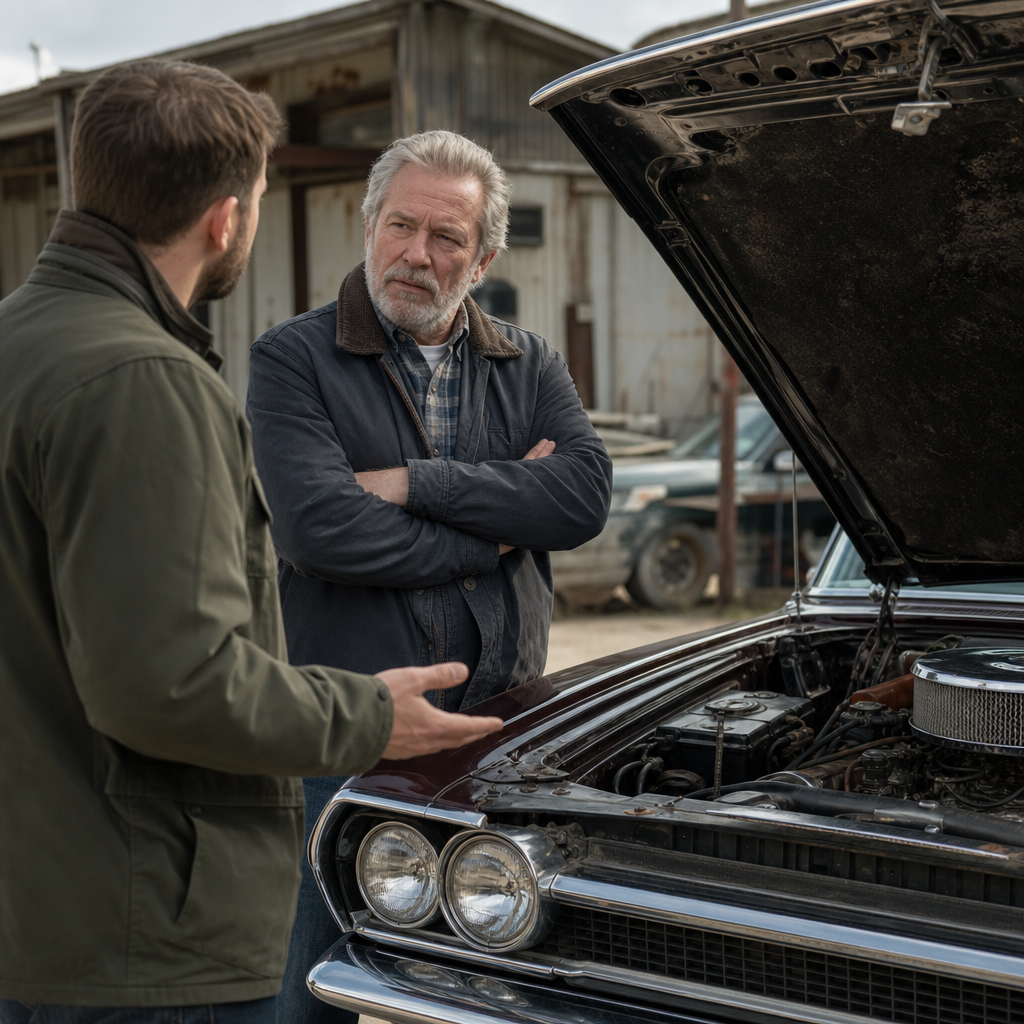
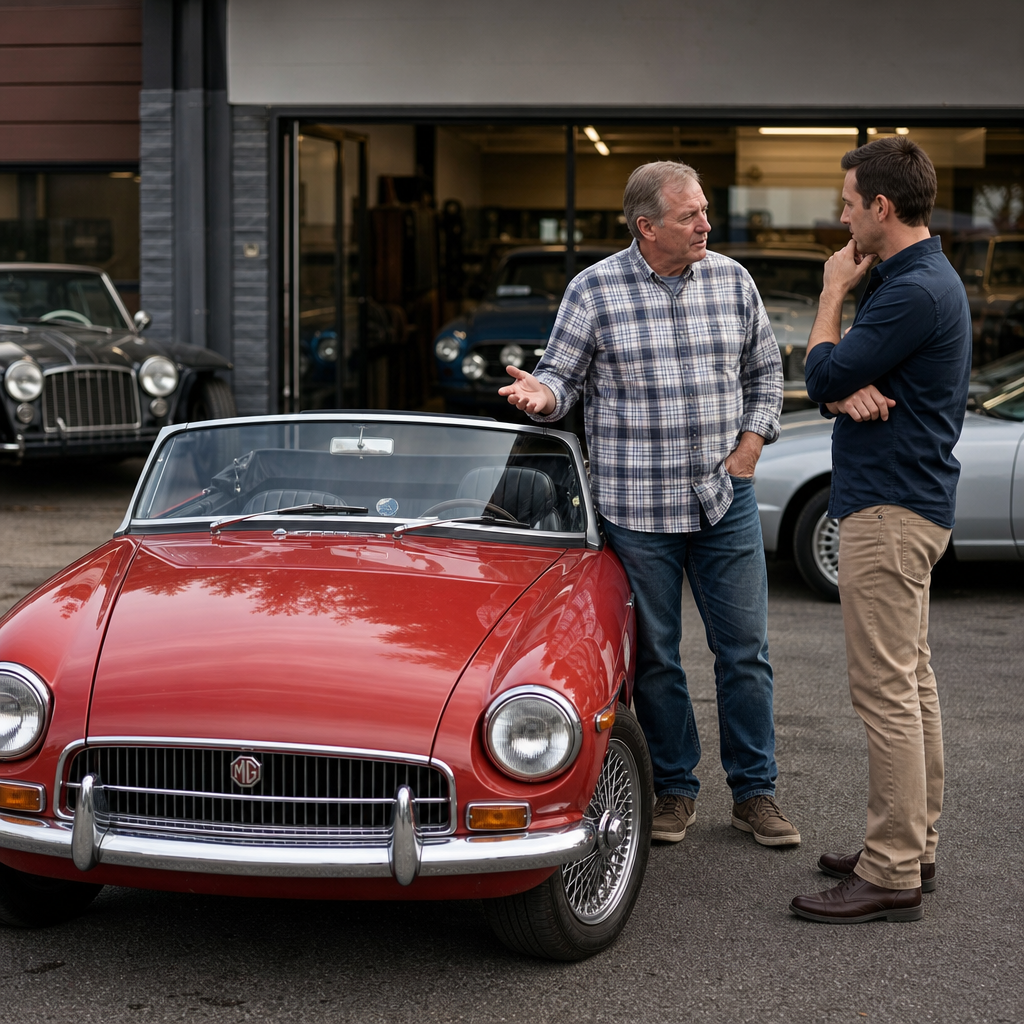
Buying a classic car from a private seller versus a dealer changes almost every part of the purchase, from pricing and paperwork to inspection risk, financing options, and the chance of post-sale support. In practical terms, a private seller is an individual owner selling a vehicle directly, while a dealer is a licensed business that acquires, markets, and transfers vehicles as inventory. For anyone learning how to buy a classic car, understanding that distinction is foundational because the source of the car shapes negotiation leverage, title confidence, disclosure quality, and total cost. I have helped buyers evaluate both types of transactions, and the strongest outcomes usually come from matching the buying channel to the car, the budget, and the buyer’s experience level. A seasoned enthusiast chasing a rare numbers-matching muscle car may accept more uncertainty from a private seller to access better provenance and lower pricing. A first-time buyer looking for a drivable vintage Mercedes or C10 pickup often benefits from the structure, financing, and administrative support a reputable dealer can provide. This article serves as a hub for how to buy a classic car comprehensively, with a focus on the tradeoffs between private-party and dealer purchases so you can choose the path that best protects your money and your long-term enjoyment.
How to Buy a Classic Car: Start With Goals, Market Research, and a Buying Standard
The first step in how to buy a classic car is deciding what kind of ownership experience you want. Buyers often say they want “a nice classic,” but that is too vague to guide a six-figure or even a $15,000 decision. You need to define body style, production years, originality level, intended use, and acceptable condition. A weekend cruiser, a concours project, and a car for vintage rallies are entirely different purchases. I advise buyers to write a buying standard before they shop: target models, acceptable colors, must-have driveline specs, rust tolerance, documentation requirements, and a ceiling price that includes transport, taxes, insurance, and immediate repairs.
Next, study the market using actual transaction data rather than asking prices alone. Tools such as Hagerty Price Guide, Classic.com, Bring a Trailer results, Mecum archives, and Barrett-Jackson sales histories help establish a realistic value range. Asking prices on classifieds can be inflated, especially for sentimental private sellers or dealers testing the market. A 1969 Camaro SS with a replacement engine, older repaint, and sparse documentation should not be valued like a documented, numbers-matching car with known ownership history. The more specific the model, the more valuation depends on trim tags, factory options, matching castings, and restoration quality.
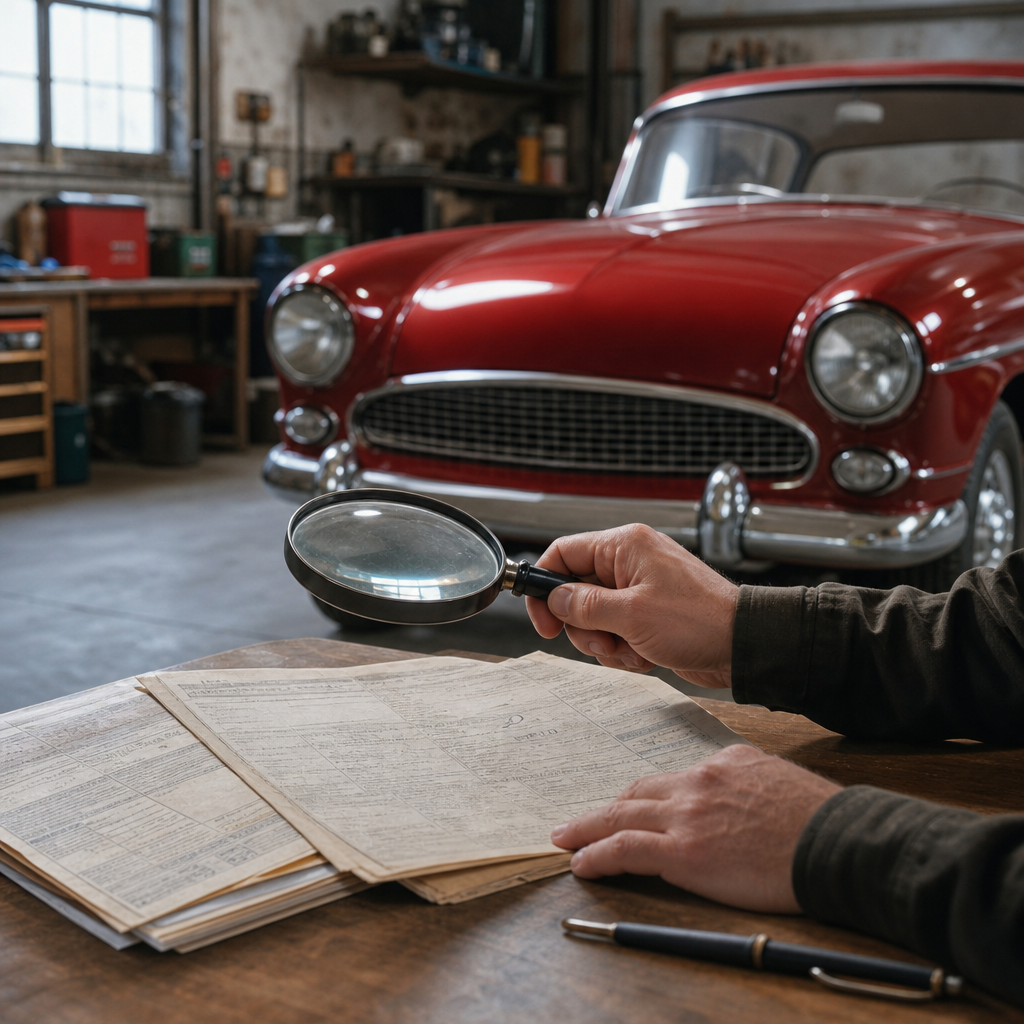
Documentation matters because classic car value is tied to authenticity and story. Before comparing private seller versus dealer inventory, build a checklist of records you expect: title, registration, VIN plates, body tags, restoration invoices, ownership chain, photos of metalwork, engine and transmission numbers, and any judging sheets or marque specialist reports. This standard keeps emotion from overruling evidence when you finally see the car. It also makes side-by-side comparison possible, which is essential in a market where two cars that look similar online can differ in value by tens of thousands of dollars once corrosion, poor repairs, or non-original components are revealed.
Buying a Classic Car From a Private Seller: Price Advantage, Story, and Higher Verification Burden
A private seller often offers the best chance of buying a classic car at a lower entry price. There is no retail overhead, no floorplan financing, and often less aggressive markup. Many strong enthusiast-owned cars surface privately through clubs, forums, estate sales, local shows, and word of mouth before they ever reach a dealer website. Some of the best examples I have seen came from long-term owners who kept detailed maintenance binders, knew every quirk of the car, and were transparent about flaws because they wanted the vehicle to go to a knowledgeable next caretaker.
That said, lower price usually comes with higher responsibility for the buyer. Private sales are typically as-is, and seller disclosures vary widely by state and by individual honesty. A seller may genuinely believe a car is “rust free” because the visible panels look clean, while hidden corrosion exists in the rockers, cowl, trunk drop-offs, frame rails, or floor supports. Private owners also may repeat myths told to them years earlier, such as “original miles” or “factory big-block” without paperwork to support either claim. In classic cars, bad information is not always malicious, but it is still expensive.
The practical advantage of private buying is access to the owner’s experience with the car. You can ask how cold starts behave, what parts were sourced recently, which gauges are inaccurate, and whether the transmission leaks after highway runs. These details are often more useful than polished listing copy. If the seller has owned the car for ten years, stored it indoors, and can explain each repair invoice, that history reduces uncertainty. If the seller flipped the car three months ago and cannot answer basic questions about casting numbers, paint age, or brake work, treat the opportunity like any high-risk transaction and lower your offer accordingly.
Buying a Classic Car From a Dealer: Convenience, Selection, and the Need to Vet the Seller
A dealer can simplify how to buy a classic car, especially for buyers who need financing, enclosed transport coordination, title processing, and a cleaner sales workflow. Reputable classic car dealers usually photograph inventory better, provide walkaround videos, and maintain staff who can gather supplemental information quickly. Some specialize by brand or era, which matters because expertise in air-cooled Porsche, Tri-Five Chevrolet, British roadsters, or postwar Cadillac is not interchangeable. A specialist dealer is more likely to know common failure points, authenticity details, and realistic values than a general used-car lot that happens to have an old vehicle in stock.
Dealers also create a retail environment that can reduce friction. They may accept trade-ins, offer third-party warranty products on certain restomods or late classics, and coordinate inspections at their facility. For out-of-state purchases, that infrastructure is valuable. Buyers who are new to the process often underestimate how much administrative work is involved in title transfer, temporary tags, tax handling, shipping paperwork, and lender requirements. A competent dealer can shorten that learning curve.
However, the biggest mistake buyers make is assuming a dealer-sold classic is automatically vetted. Some are excellent and disclose flaws clearly; others are simply better at presentation. Glossy photos, ceramic-coated paint, and staged showroom lighting can hide poor panel fit, bubbling filler, cheap interior work, and noisy drivetrains. Dealers may know less about a recently acquired car than its prior owner did. They may rely on consignor descriptions or auction notes, and some use broad disclaimers stating that mileage, originality, and equipment are not guaranteed. The right question is not whether a car is sold by a dealer, but whether the dealer has a documented process for verification and is willing to support independent inspection.
Private Seller vs Dealer: Key Differences That Affect Cost, Risk, and Buyer Protection
When buyers compare private seller versus dealer, they should focus on five variables: price, transparency, recourse, convenience, and inventory quality. Private sellers usually win on price and firsthand history. Dealers usually win on transaction convenience and access to multiple cars. Transparency varies in both channels, which is why inspection and documentation matter more than the sales format alone. Recourse is limited in most classic car transactions, but a licensed dealer may create more paper trail and legal accountability than an individual seller, depending on state law and representations made in writing.
| Factor | Private Seller | Dealer |
|---|---|---|
| Purchase price | Usually lower because there is no retail markup | Usually higher due to overhead, reconditioning, and margin |
| Vehicle history knowledge | Often stronger if the owner kept the car for years | Can be limited unless the dealer specializes or has full records |
| Paperwork support | Varies widely by seller experience | Usually better for title work, tax forms, and shipping coordination |
| Financing options | Rarely available directly | Often available through collector-car lenders |
| Inspection cooperation | Depends on the owner; good sellers usually agree | Professional dealers typically allow third-party inspections |
| Negotiation flexibility | Can be substantial, especially in estate or storage-driven sales | Often narrower, though stale inventory can create leverage |
In the real world, the best choice depends on risk tolerance. If you can evaluate originality, decode tags, inspect underbodies, and manage paperwork, private purchases can produce excellent value. If you are buying remotely, need financing, or want a more structured process, a reputable dealer may justify the premium. The premium itself is not the problem; paying it for a poorly vetted car is.
Inspection, Verification, and Authenticity: The Non-Negotiable Part of How to Buy a Classic Car
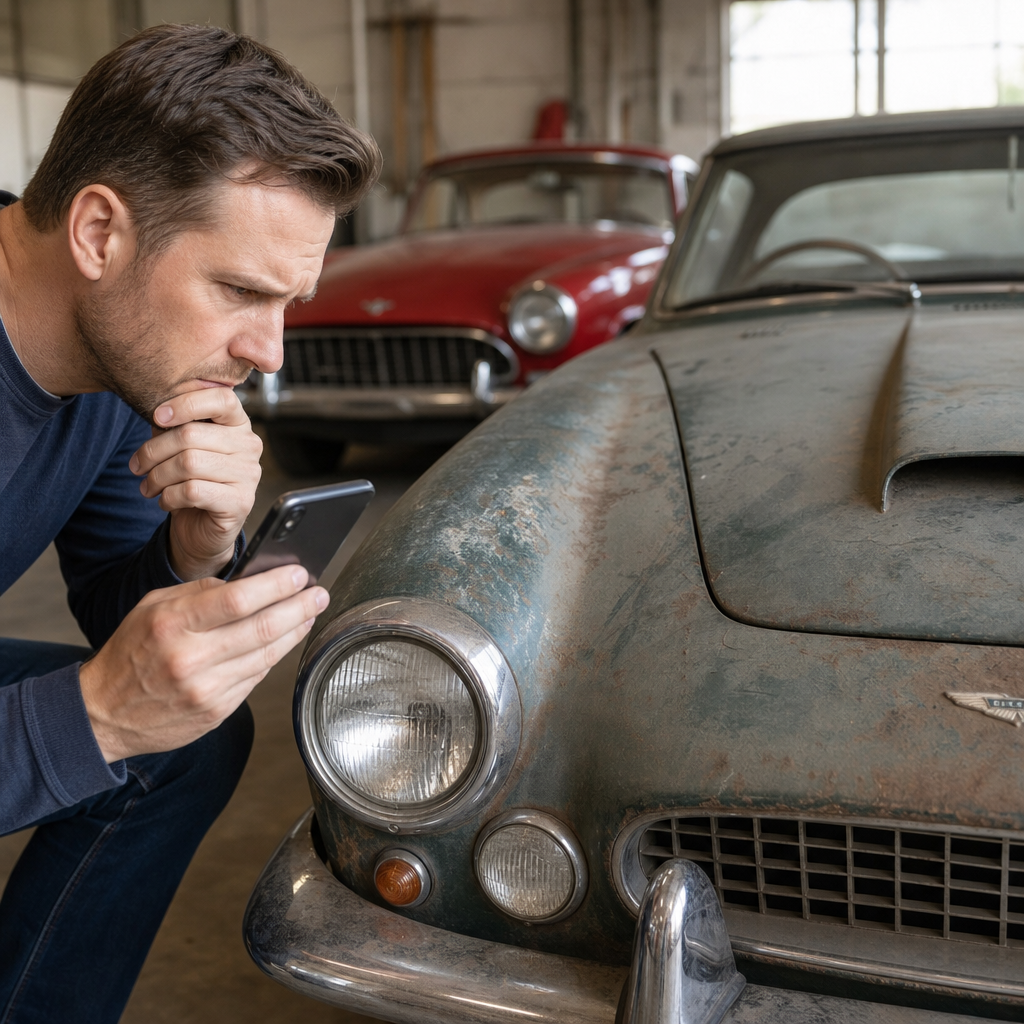
No matter where the car is listed, inspection is the core discipline in how to buy a classic car. Every buyer should verify identity, structure, driveline, and workmanship before funds move. Start with the VIN, trim tag, engine stampings, transmission numbers, and axle codes where applicable. Then inspect for accident damage, corrosion, panel replacement, filler depth, glass dates, weld quality, and underbody repairs. On unibody cars, poor structural repair can make a car unsafe and permanently reduce value. On body-on-frame vehicles, frame rust and bad mounts are common value killers.
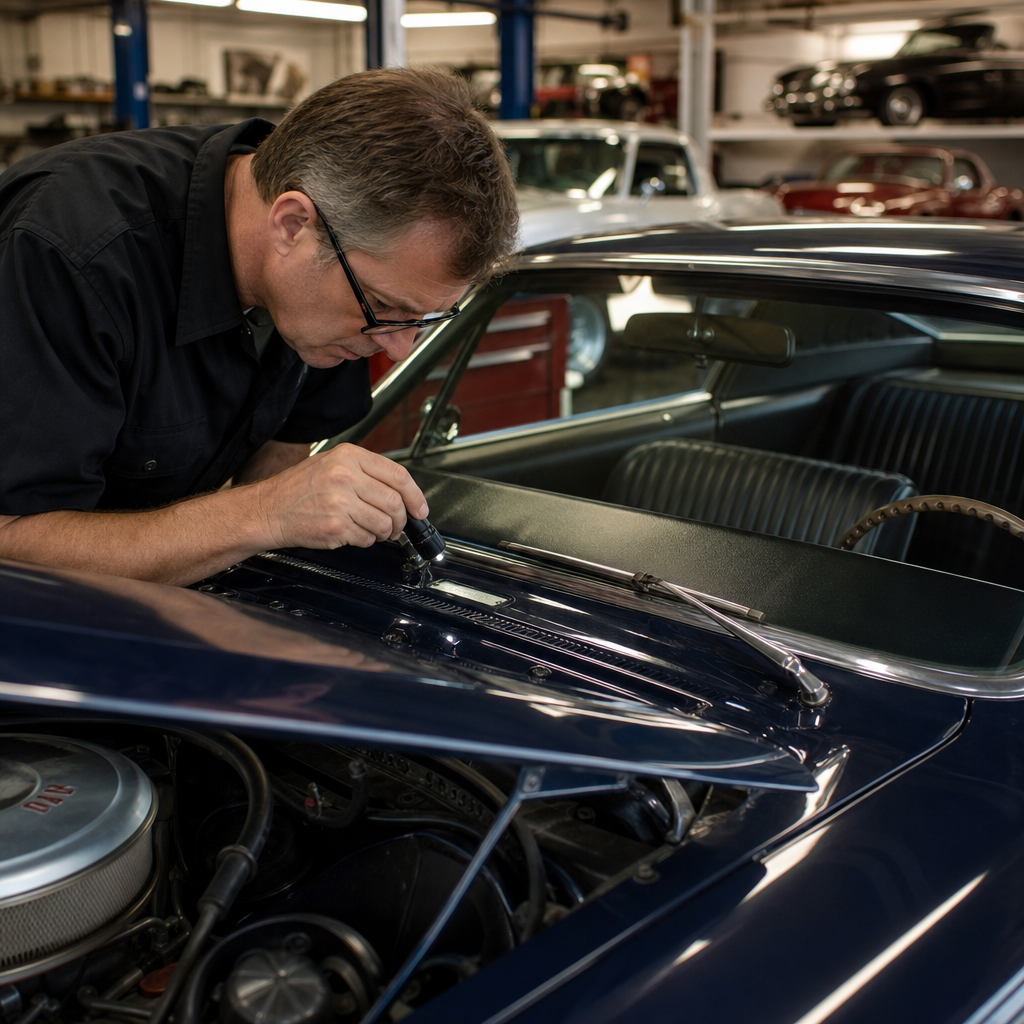
A pre-purchase inspection by a marque specialist is money well spent. General mechanics often miss model-specific issues like hidden torsion tube corrosion in a Porsche 356, weak cooling modifications in a big-block Mopar, vacuum-operated accessory problems on older luxury cars, or amateur electrical rewiring in 1970s imports. Compression and leak-down testing, fluid analysis, lift inspection, brake evaluation, and road-test observations can expose problems a seller never mentions. Paint-meter readings are also useful because “one repaint” can conceal extensive filler and pieced-together bodywork.
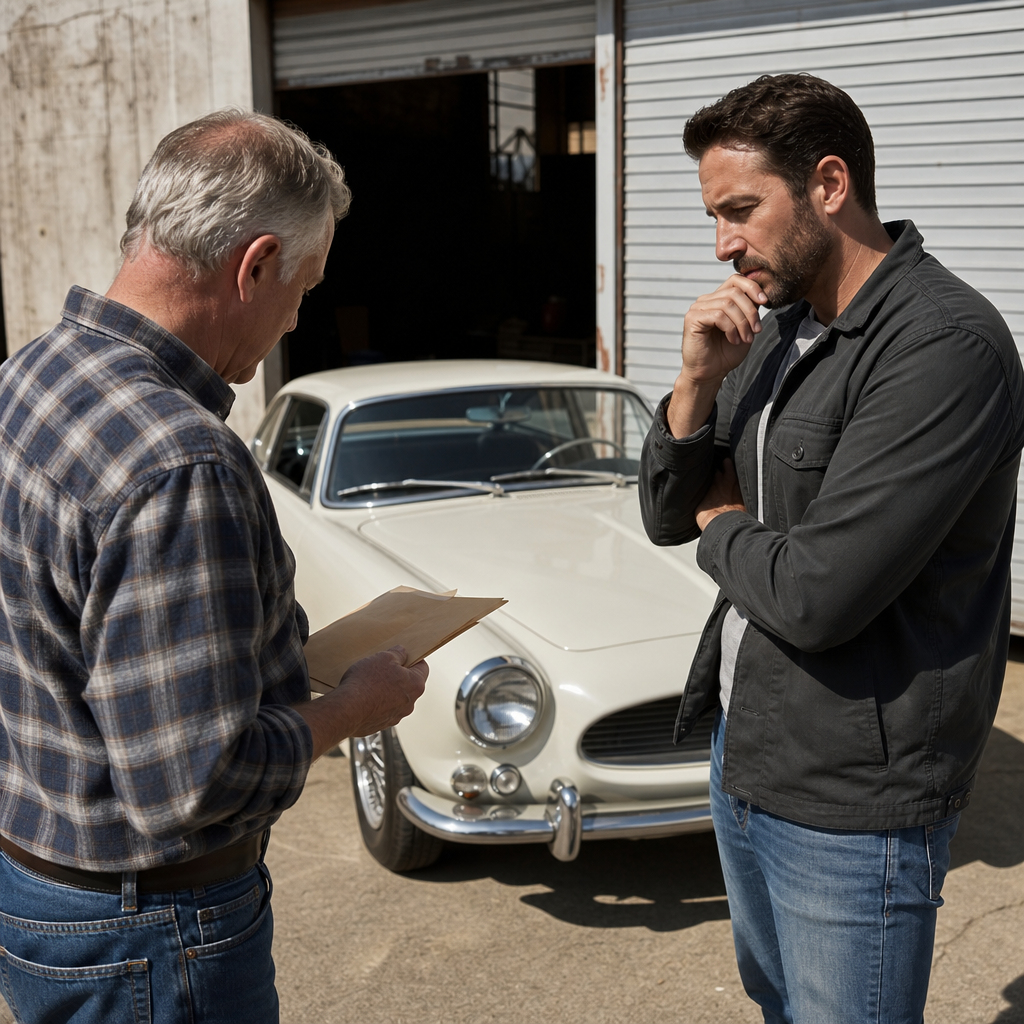
Authenticity checks affect value dramatically. Numbers-matching claims should be proven, not repeated. Factory colors and option combinations can often be confirmed through build sheets, broadcast sheets, heritage certificates, or marque registries depending on the brand. A clone or tribute car is not inherently a bad purchase if priced correctly and represented honestly. Trouble begins when reproduction tags, altered stampings, or vague wording create false scarcity. I have seen buyers save themselves enormous losses simply by paying a specialist to verify that a “rare factory performance model” was actually a standard car with later cosmetic upgrades.
Negotiation, Payment, Paperwork, and Delivery: Closing the Deal Without Costly Mistakes
Once the car passes inspection, negotiation should be evidence-based. Use comparable sales, inspection findings, missing documentation, tire age, fluid leaks, paint defects, and transport cost to justify your offer. In private sales, respectful detail often works better than aggressive bargaining because owners are emotionally attached. At dealers, ask for an out-the-door number including documentation fees, taxes where applicable, and any add-ons. A low advertised price can become significantly higher after fees, shipping, and financing costs are introduced.
Payment security matters. Wire transfers are common for collector cars, but they should only be sent after title verification, identity confirmation, and a signed bill of sale that states VIN, sale price, odometer disclosure when required, and representations about liens. For expensive transactions, escrow services can reduce risk, particularly in remote deals. Never rely on verbal promises about spare parts, extra wheels, original carburetors, hardtops, or historical records; list every included item in writing. If the car is financed, make sure the lien release process is clear before transport is booked.
Paperwork errors can turn a good buy into a registration nightmare. Confirm that the VIN on the title matches the car, that the seller’s name matches identification, and that state requirements for antique vehicles, bonded titles, emissions exemptions, or imported vehicles are understood in advance. If the car is being shipped, choose an insured transporter experienced with low-clearance classics, fragile trim, and non-running vehicles. Take dated photos at pickup and delivery. Small steps like documenting fuel level, noting chips, and securing loose parts prevent disputes later.
Which Buying Path Is Better for You?
Buying a classic car from a private seller is usually better when price discipline, direct ownership history, and access to enthusiast-kept cars matter most. Buying from a dealer is usually better when you value convenience, financing, title support, and a broader retail shopping experience. Neither path guarantees a good or bad outcome. The quality of the car, the honesty of the seller, the thoroughness of inspection, and the precision of paperwork decide the result. That is the real lesson in how to buy a classic car.
If you are building your plan under the broader Buying & Selling Classic Cars topic, use this page as the decision hub. Start with your target model and intended use, research true market values, demand documentation, commission a specialist inspection, and compare the total transaction cost rather than just the listing price. Then choose the channel that fits your risk tolerance and skill level. Done correctly, the right classic car will reward you with more than appreciation potential or show-field attention. It will give you a machine with history, character, and a driving experience modern cars cannot replicate. Make a checklist, slow the process down, and buy the best verified car you can afford.
Frequently Asked Questions
What is the biggest difference between buying a classic car from a private seller versus a dealer?
The biggest difference is the level of structure, accountability, and support that comes with the transaction. A private seller is usually the individual owner of the vehicle, which means you are buying the car directly from the person who has driven, stored, maintained, and lived with it. That can be a major advantage because the seller may know the car’s history in very personal detail, including what has been repaired, what still needs work, and how the vehicle behaves on the road. On the other hand, the process is usually less formal. Pricing may be more flexible, but paperwork, title handling, and problem resolution can be more inconsistent depending on the seller’s experience and honesty.
A dealer operates as a licensed business, and that changes the transaction in important ways. Dealers often have systems for advertising, documentation, title transfer, tax collection, and sometimes financing. They may also offer a limited warranty, return policy, or some post-sale assistance, although that varies widely. In exchange for that convenience and perceived security, dealer prices are often higher because they include overhead, reconditioning costs, marketing, and profit margin. For a buyer learning how to buy a classic car, the choice often comes down to priorities: a private seller may offer a lower price and deeper owner history, while a dealer may offer a smoother process and more formal protections. Neither option is automatically better in every case; the right choice depends on your budget, experience level, and tolerance for risk.
Is a classic car usually cheaper when bought from a private seller?
In many cases, yes, a classic car bought from a private seller is priced lower than a comparable car at a dealership, but that lower price should never be viewed in isolation. Private sellers do not usually have the same overhead that dealers do. They are not paying for showroom space, staff, inventory carrying costs, detailing departments, or large-scale advertising. Because of that, a private owner may be willing to accept a more direct market price, especially if they want a quick sale, are making room in a collection, or simply do not want to deal with repeated inquiries.
However, lower asking price does not always mean better value. A dealer may have already invested in mechanical sorting, cosmetic cleanup, documentation gathering, or title correction. A private sale may leave all of that work to you after the purchase. If the car needs tires, brake service, fuel system work, electrical repairs, or missing paperwork resolved, the initial savings can disappear quickly. This is especially important with classic cars, where deferred maintenance and age-related issues can be expensive and sometimes hard to diagnose during a short viewing.
It is also worth remembering that some private sellers overprice their vehicles because of emotional attachment or unrealistic expectations based on online listings rather than completed sales. Likewise, some dealers price cars aggressively because they know their inventory well or want to move a vehicle quickly. The smartest approach is to compare condition, originality, documentation, recent service, and market comps rather than focusing only on who is selling the car. A cheaper private sale can be an excellent opportunity, but only if the car’s real condition supports the price.
Which option is safer for paperwork, title transfer, and legal compliance?
Dealers are generally safer and more predictable when it comes to paperwork, title transfer, and legal compliance. Because they are licensed businesses, they are typically required to follow state rules for disclosures, odometer statements where applicable, tax processing, title assignment, temporary tags, and other transaction documents. That does not guarantee perfection, but it usually means the process is more standardized. For buyers who are unfamiliar with title procedures, emissions exemptions, registration rules, or interstate purchases, a reputable dealer can reduce the chances of administrative problems.
Private sales can still be handled correctly, but the burden often falls more heavily on the buyer to verify everything. You need to confirm that the seller’s name matches the title, that the vehicle identification number on the title matches the car, and that there are no liens, salvage branding issues, or ownership gaps that could complicate registration. With older vehicles, paperwork can be especially tricky because title laws vary by state, and some classic cars may have been transferred decades ago under looser standards. A missing title, an incorrectly assigned title, or a VIN discrepancy can turn a promising purchase into a frustrating legal and financial problem.
Whether buying from a dealer or a private seller, never rush through documentation. Review the title carefully, use a detailed bill of sale, verify any engine or chassis numbers relevant to the car, and check your state’s registration requirements before money changes hands. If the car is rare or high-value, it is wise to involve a title service, escrow provider, or attorney familiar with collector vehicles. The key point is that dealers usually make the paperwork process easier, while private sales often require more due diligence from the buyer.
How important is a pre-purchase inspection when comparing a private seller and a dealer?
A pre-purchase inspection is critical in both cases, and it may actually be even more important than the seller type. Classic cars are fundamentally different from modern daily drivers. Age, storage conditions, restoration quality, hidden rust, poor repairs, mismatched components, and mechanical wear can dramatically affect value and ownership cost. A car can look excellent in photos or under showroom lights and still have structural corrosion, weak compression, leaking seals, poor electrical work, or non-original parts that reduce authenticity and market value.
When buying from a private seller, an inspection helps verify the owner’s claims and gives you an objective assessment of the car’s true condition. A sincere private owner may still overlook or misunderstand issues, especially if they have owned the car for many years and grown accustomed to its quirks. When buying from a dealer, an inspection is equally important because dealer inventory may come from auctions, trades, estates, or consignments, and the salesperson may not have deep firsthand knowledge of the vehicle. A dealer presentation should never replace an independent evaluation.
Ideally, the inspection should be performed by a specialist who understands the specific make or era of the car. General mechanics can miss originality issues or model-specific weak points that matter to collector buyers. The inspection should include body and frame condition, rust-prone areas, paint quality, drivetrain health, brake and suspension components, electrical systems, signs of previous accident damage, and a review of identification numbers and documentation. In practical terms, a pre-purchase inspection protects you from overpaying and gives you negotiation leverage. Whether the car comes from a private garage or a dealer showroom, the inspection is one of the smartest investments you can make.
Should first-time classic car buyers choose a dealer instead of a private seller?
For many first-time buyers, a reputable dealer can be the easier and less intimidating starting point, but that does not mean a dealer is always the better choice. If you are new to the classic car market, a good dealer may simplify financing, title work, transportation arrangements, and general communication. Some dealers also curate their inventory, perform basic reconditioning, and provide a more organized buying experience. That can be valuable if you are still learning how condition, originality, and maintenance history affect price.
That said, buying from a private seller can still be an excellent route for a first-time buyer if the transaction is approached carefully. In some cases, a long-term owner can provide richer history, maintenance records, spare parts, and honest insight into the car’s behavior than a dealer ever could. Private sellers may also be more open to extended conversations, additional photos, and transparent discussion about flaws. For a beginner willing to do homework, bring in an expert, and verify documentation, a private sale can lead to a better car at a better price.
The real issue is not simply whether the seller is private or licensed; it is whether the car itself has been evaluated properly and whether the seller is credible, responsive, and transparent. First-time buyers should focus on a few non-negotiables: buy the best-condition car you can afford, insist on a pre-purchase inspection, verify title and VIN information, review service and restoration records, and research current market values. If a dealer offers convenience but the car is mediocre, that is not a smart purchase. If a private seller offers a well-documented, honestly represented car and allows independent inspection, that may be the stronger deal. Beginners often benefit from dealer structure, but informed due diligence matters far more than the sales channel alone.