Buying a classic car at auction can be the fastest way to secure a rare, desirable vehicle, but it is also one of the easiest ways to overpay if you arrive unprepared. A classic car auction is a public or dealer-focused sale where vehicles are offered to the highest bidder under terms set by the auction house, and those terms usually favor speed, finality, and informed buyers. In practice, that means you need to understand the car, the catalog, the fee structure, and your own limits before the bidding starts. I have spent enough time around auction lanes, online simulcast platforms, and preview tents to know that the winning bid is only one part of the transaction. Transport, documentation, taxes, storage, and immediate mechanical work can change the real purchase price dramatically. This matters because auctions remain one of the main marketplaces for classic Mustangs, Corvettes, Porsche 911s, Jaguars, air-cooled Volkswagens, muscle cars, trucks, and pre-war collectibles, especially when sellers want liquidity and buyers want selection. If you want to know how to buy a classic car, auctions deserve special attention because they compress research, negotiation, competition, and commitment into a short window. Done well, an auction purchase gives you access to cars with traceable provenance, visible market comps, and concentrated inventory. Done poorly, it locks you into an expensive mistake with no cooling-off period.
The key terms are straightforward but important. The hammer price is the amount the auctioneer accepts when the lot sells. The buyer’s premium is the additional percentage charged by the auction company on top of the hammer price; at major houses it can add thousands or tens of thousands of dollars. Reserve means the minimum confidential amount the seller will accept. No reserve means the highest bid wins regardless of amount. Lot number identifies the vehicle in the catalog. Provenance refers to ownership history, historical significance, restoration records, race history, factory documentation, and other evidence that supports value. Matching numbers usually means the engine, transmission, and other major components correspond to factory records or date-correct build data, though definitions vary by marque. Condition grading, title status, authenticity, and originality all influence bidding. A smart buyer treats the auction as the final execution point in a longer process of selection, inspection, valuation, and risk control. That wider process is the real foundation of successful classic car buying.
Understand how classic car auctions work before you bid
If you are asking how to buy a classic car at auction, start with mechanics, not emotion. Most auction houses publish a bidder agreement, registration requirements, payment deadlines, arbitration policy, and lot descriptions in advance. Read those documents carefully. The biggest mistake first-time buyers make is assuming an auction works like a casual marketplace listing. It does not. You generally buy the car as is, where is, with limited recourse after the sale. Statements from the block may supplement the printed description, but they rarely erase your responsibility to inspect. Some events are in-person only, some combine floor bidders, phone bidders, absentee bids, and online simulcast bidders, and some are online-only timed auctions. Each format changes the pace and your ability to react.
The catalog description is a starting point, not a guarantee. Auction houses may note restoration dates, engine specifications, ownership claims, awards, and documentation included with the car. Valuable as that information is, it still needs verification. I have seen polished catalog language describe cars as comprehensively restored when closer inspection showed cosmetic refurbishing over older repairs. I have also seen under-described cars that were better than expected because the seller cared more about presentation on site than copywriting. Understand that the auction company’s role is to market and facilitate the sale, not act as your independent advisor. The best buyers use catalog details to form a checklist, then confirm every important claim during preview.
Fees and deadlines deserve equal attention. A 10 percent buyer’s premium on a $100,000 hammer price turns the invoice into $110,000 before tax, title, shipping, and insurance. Some houses use tiered premiums, credit-card caps, or reduced rates for in-person bidders versus online platforms. Payment windows can be as short as same day or next business day. Failure to pay can trigger penalties, loss of bidding privileges, or legal action. If you plan to finance, confirm the lender can move quickly enough. Traditional auto finance is often a poor fit for auction timelines, so many classic car buyers use specialty lenders, lines of credit, or cash reserves. Knowing the rules in advance keeps you from winning a car you cannot close.
Research the right car, the right market, and the right auction house
To buy well, narrow your target before auction season begins. Decide whether you want a driver-quality classic, a show car, a preservation car, or a long-term project. Those categories carry different risk profiles. A driver-grade 1966 Ford Mustang coupe with a small-block V8 may be easier to maintain and insure than a concours-correct 1969 Boss 429, but it should also trade at a very different valuation multiple. If your goal is regular weekend use, originality may matter less than mechanical sorting, parts availability, and rust-free structure. If your goal is long-term collectibility, factory options, rare colors, numbers-matching drivetrains, and historical documentation matter much more.
Market research should be specific. Use recent auction results from RM Sotheby’s, Gooding Christie’s, Bonhams, Mecum, Broad Arrow, and Bring a Trailer to establish comparable sales. Compare body style, engine, transmission, condition, originality, color combination, and documentation, not just model year. A split-window 1963 Corvette coupe is not directly comparable to a later C2 roadster, and a 1973 Porsche 911T with a replacement engine should not be priced like a documented matching-numbers 911S. The Hagerty Price Guide and Sports Car Market can help frame market ranges, while marque forums and club registries can reveal hidden value drivers such as desirable carburetor setups, production changes, or known VIN anomalies.
Auction house reputation also matters. Some companies specialize in blue-chip European cars, some in American muscle and trucks, some in no-reserve enthusiast vehicles, and some in broad mixed catalogs. The best fit depends on your target. A high-volume sale may offer more choice and better price discovery on common models, while a curated event can present stronger documentation and more serious consignments. Review past catalogs and watch prior sales to learn whether listed estimates proved realistic, whether cars frequently sold above reserve, and whether the auctioneer maintained discipline or encouraged emotional bidding. A buyer who understands venue dynamics has a measurable advantage.
Inspect every car like the description is incomplete
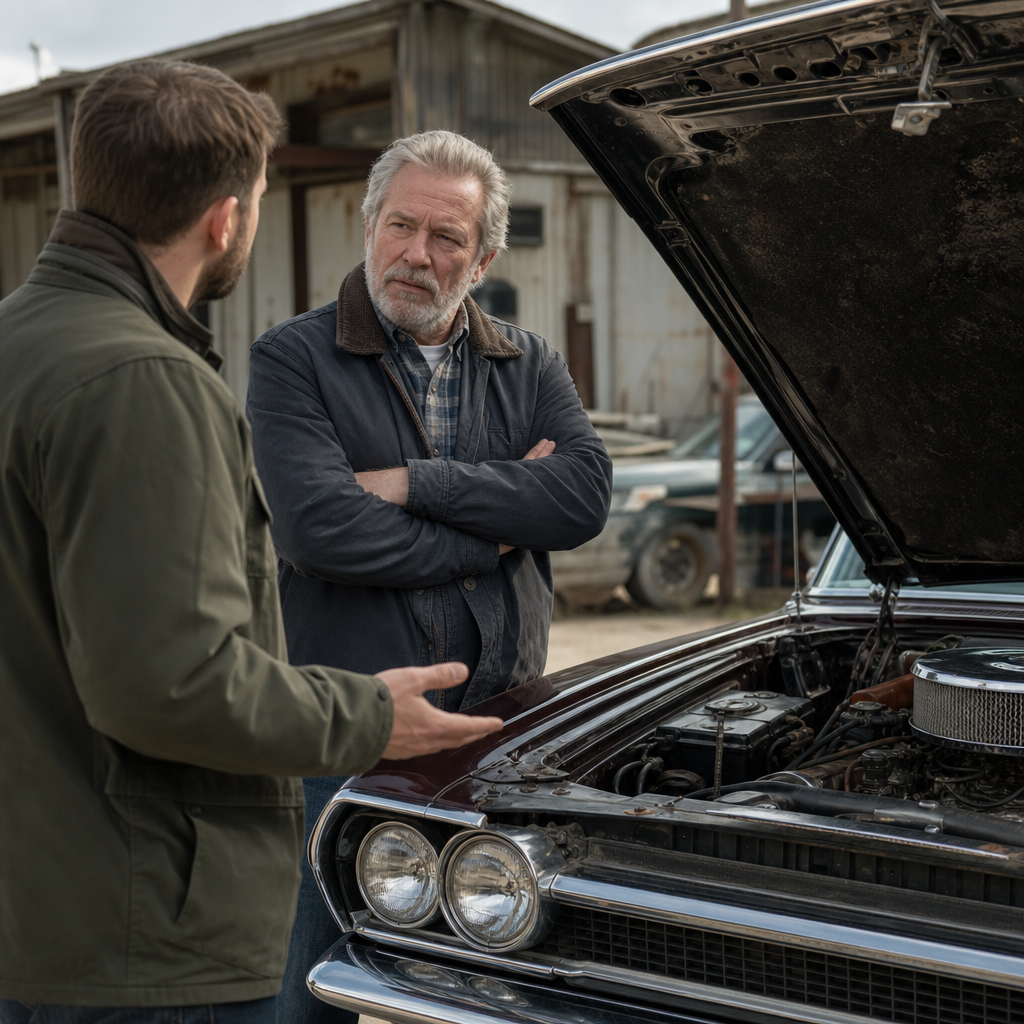
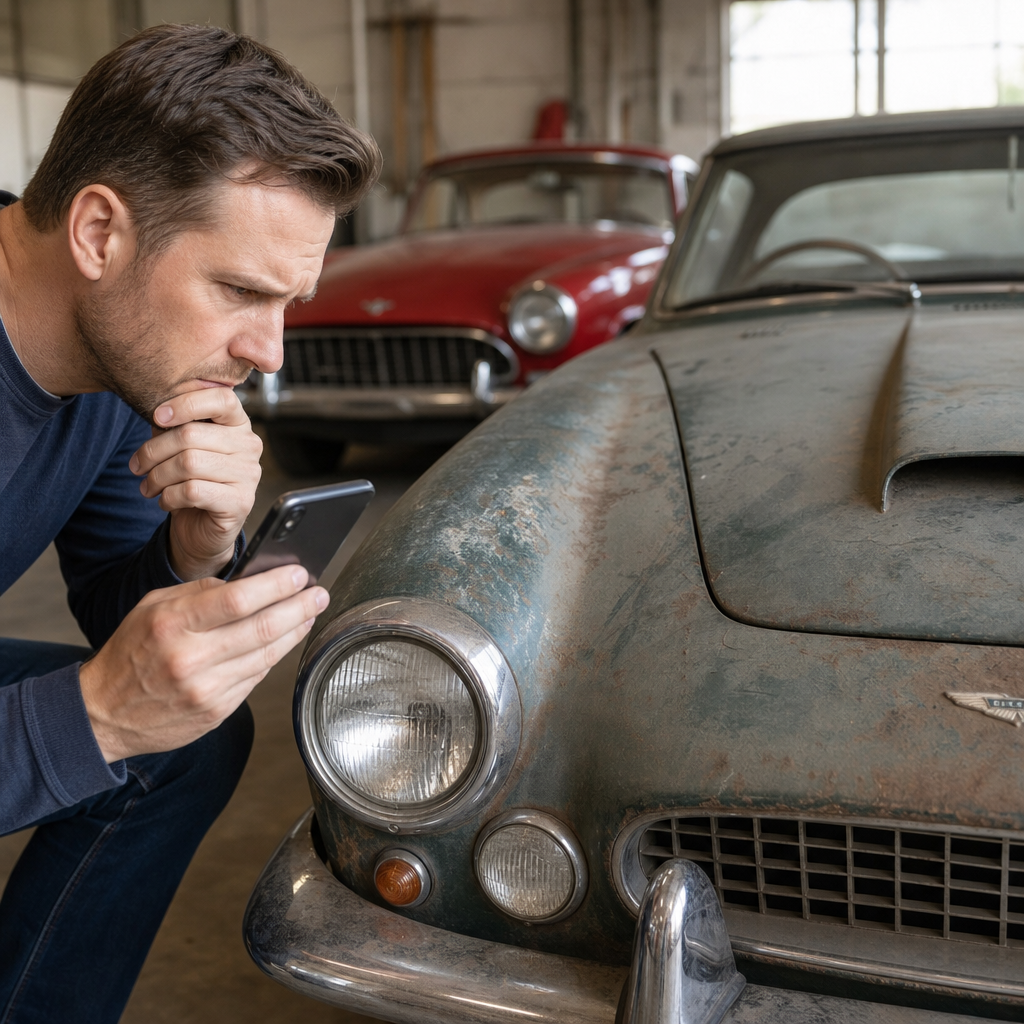
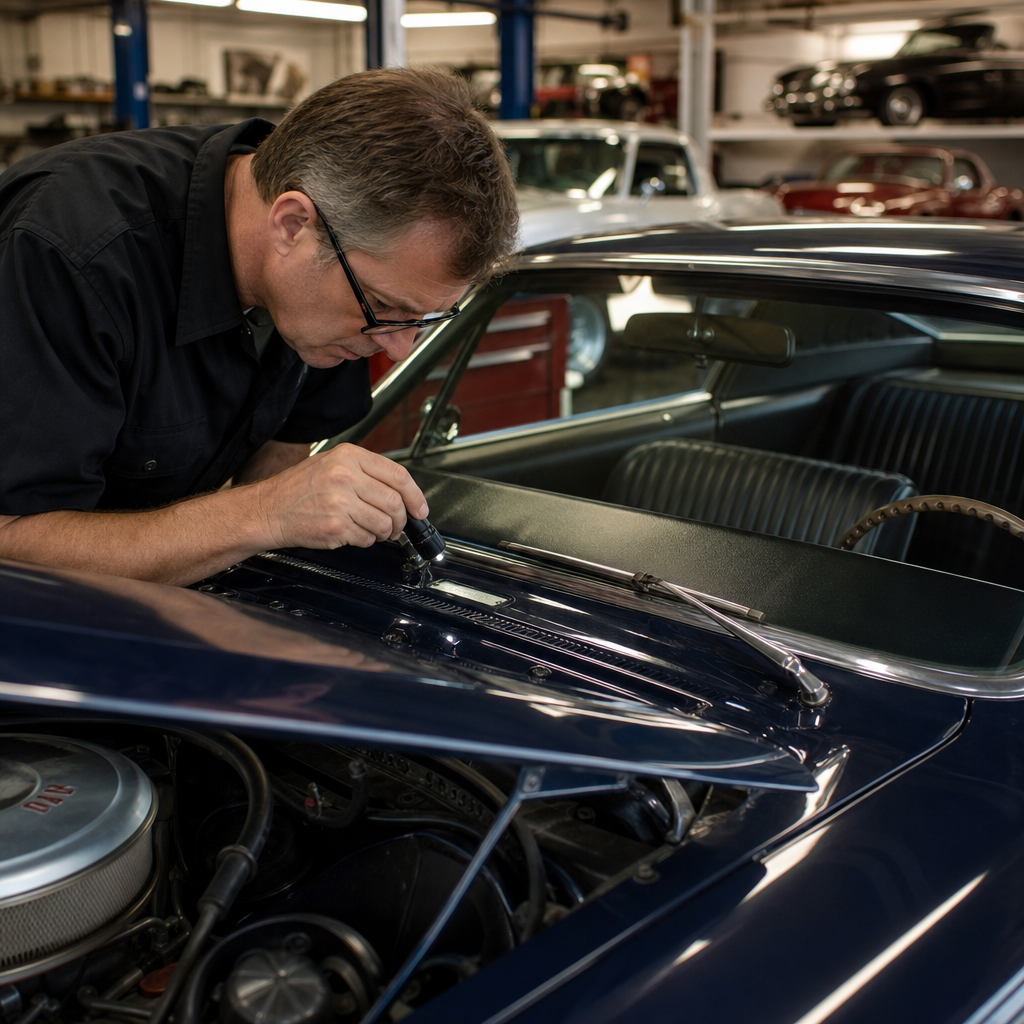
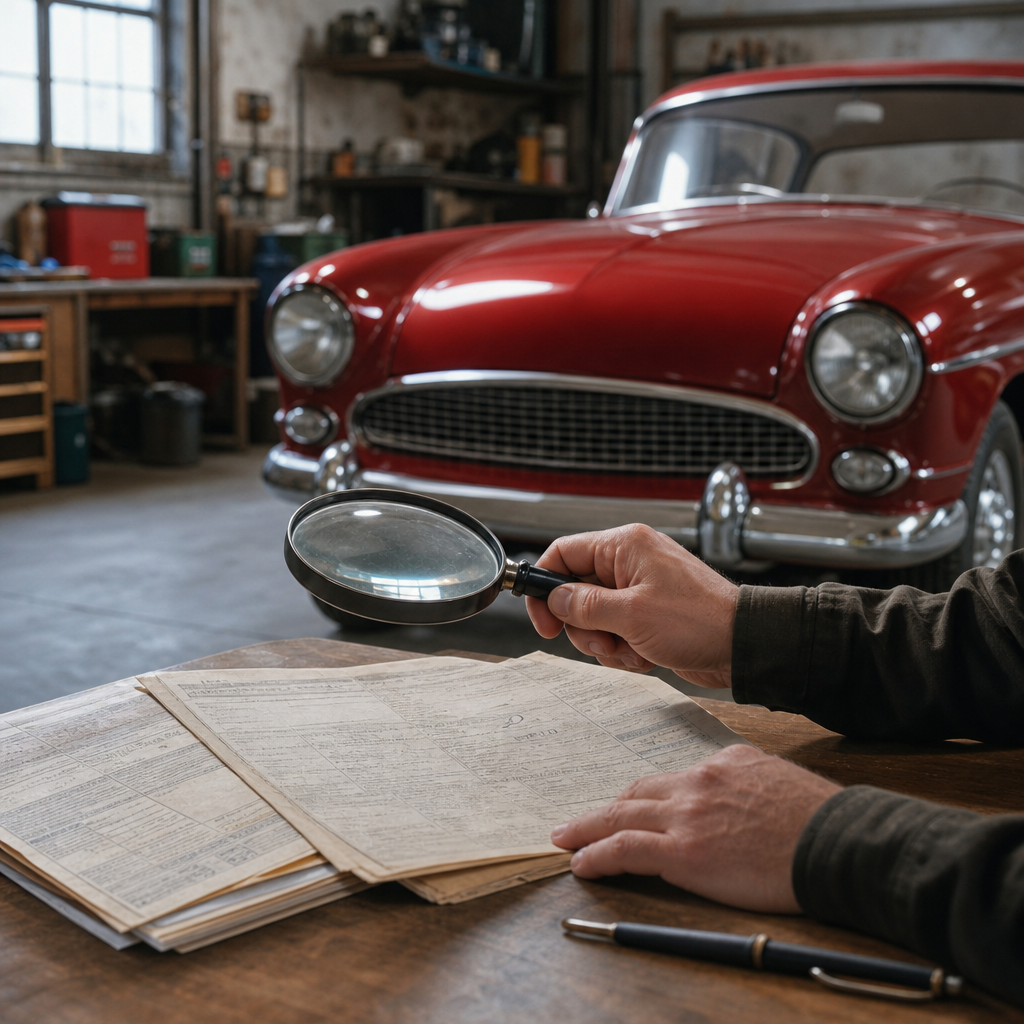
Inspection is where most auction wins are really earned. Preview days are your opportunity to verify identity, condition, originality, and completeness. Start with the VIN, chassis plate, engine stamping, body tag, and any factory build documentation. Confirm they align with the model, trim, drivetrain, and production period. On many classics, especially muscle cars and European sports cars, tiny details separate an authentic high-value example from a clone, rebody, or upgraded standard car. A 1970 Chevelle SS 454, for example, demands scrutiny of cowl tags, drivetrain codes, and paperwork because tribute builds are common. Likewise, many Porsche 356 and early 911 values depend heavily on correct numbers and body integrity.
Then assess structure. Rust repair quality matters more than shiny paint. Use a flashlight and magnet where appropriate, inspect pinch welds, frame rails, trunk floors, battery trays, suspension pickup points, rocker panels, floor pans, and lower fenders. Look for waviness in reflections, overspray on seals, mismatched undercoating, seam sealer inconsistencies, and corrosion bubbling at the edges of repaired panels. Panel gaps should make sense for the era, but asymmetry, fresh underbody coatings, and uneven welds deserve skepticism. I pay close attention to doors closing cleanly, hood alignment, and trunk fit, because structural fatigue and accident history often reveal themselves there before they show up in the catalog.
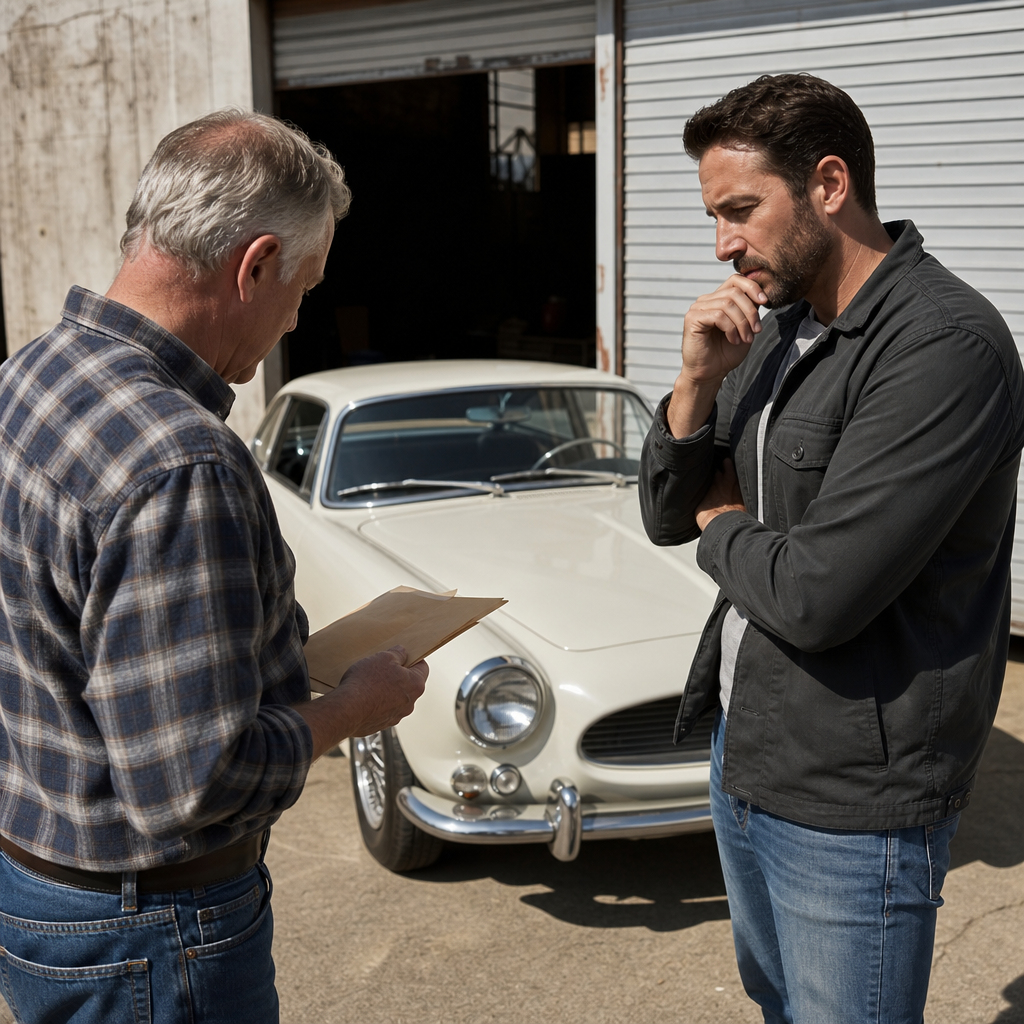
Mechanical assessment is next. Cold starts are ideal if permitted. Listen for top-end valvetrain noise, bottom-end knocks, timing chain rattle, smoke color, idle stability, and charging behavior. Check oil leaks, coolant condition, brake pedal feel, clutch take-up, steering play, and differential noise during any allowed movement. Review restoration receipts to see whether rebuilds included machining, internal engine components, brake hydraulics, wiring work, and fuel system refurbishment, or whether the restoration was mostly cosmetic. Documentation is part of condition. A rebuilt engine with invoices from a respected shop is more credible than a verbal claim. If the car is valuable enough, hire a marque specialist or inspector. The inspection cost is tiny compared with a bad six-figure decision.
| Inspection area | What to verify | Why it affects value |
|---|---|---|
| Identity | VIN, engine numbers, body tags, build sheets | Confirms authenticity and supports premium pricing |
| Body and chassis | Rust, crash repair, panel fit, frame condition | Structural problems are expensive and hard to reverse |
| Mechanical systems | Engine, gearbox, brakes, cooling, electricals | Determines immediate usability and repair budget |
| Documentation | Service records, restoration photos, ownership history | Improves trust, resale appeal, and provenance |
Set a bidding strategy that accounts for total cost, not just the hammer price
Every experienced buyer walks into the auction with a hard ceiling and a clear reason for that number. Build yours from the market backward. Start with what a comparable example should be worth in today’s market, then subtract your expected transport, tax, registration, immediate service, detailing, insurance, and any deferred repair costs discovered during inspection. Add the buyer’s premium to the hammer side of the equation, not after the fact. If your all-in budget is $75,000 and the premium is 10 percent, your actual maximum bid is well below $75,000. That sounds obvious, yet it is the arithmetic many bidders ignore when adrenaline rises.
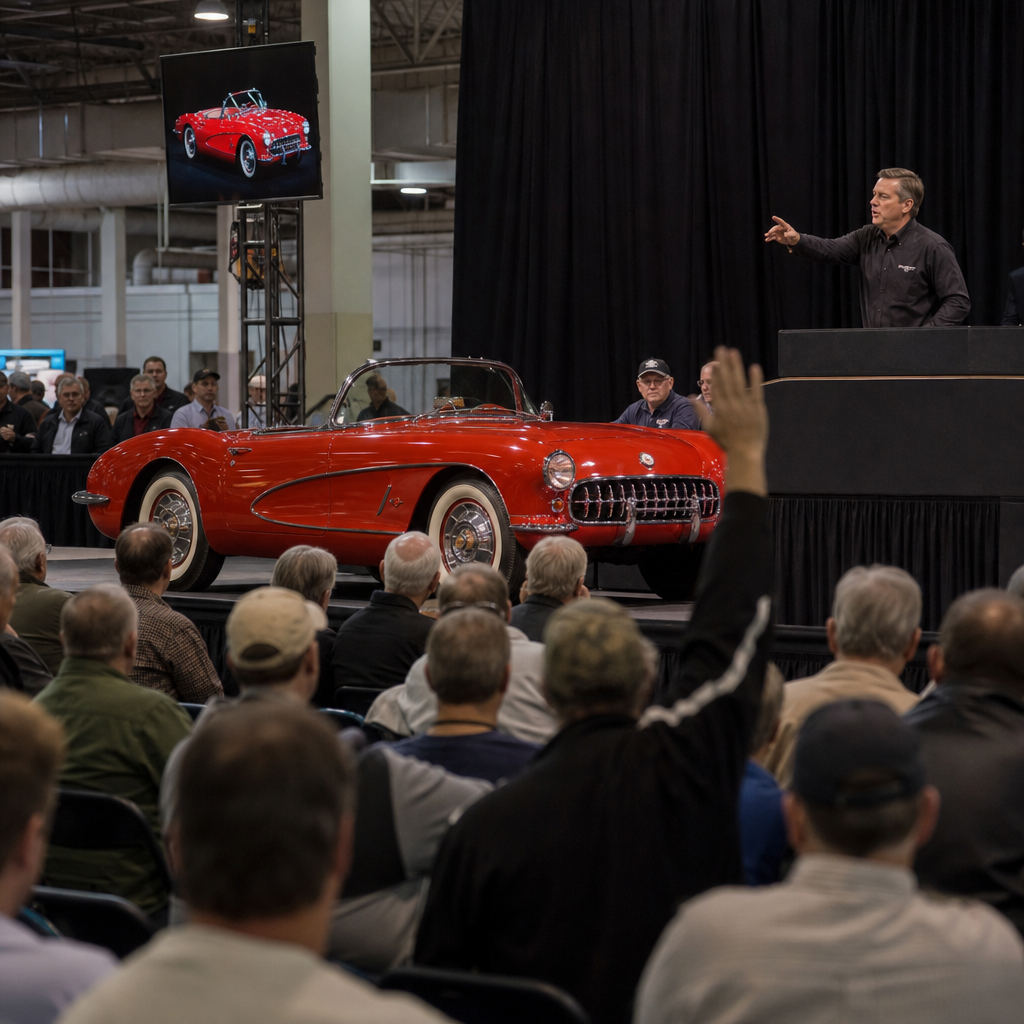
The best live bidding strategy is simple: bid deliberately, avoid performative jumps, and stop at your number. Auctioneers are skilled at maintaining urgency. Spotters call in online, phone, and floor bids, the room reacts to momentum, and social pressure can make one more increment feel trivial. It is not trivial. A few quick increments can equal the cost of enclosed transport, a brake overhaul, and a year of agreed-value insurance. Decide in advance whether you will bid early to signal strength or enter late to avoid attracting competition, but remember that tactics matter less than discipline. If reserve is not met, let the post-block negotiation happen calmly. Sellers often become more realistic once the room has spoken.
Online bidding requires different discipline. Lag, interface design, and missing in-person context can distort your pacing. Register early, verify internet stability, and know the increment structure. Many platforms extend the closing time when bids arrive near the end, preventing last-second sniping. That can be beneficial because it rewards real price discovery, but it can also tempt you into prolonged bidding wars. Keep your worksheet visible, including your maximum hammer bid, premium, and estimated all-in total. Treat every click like a signed commitment, because it usually is.
Close the deal properly after the auction and protect your downside
Winning the bid is not the end of buying a classic car; it is the beginning of ownership risk management. Once the invoice arrives, confirm the lot number, hammer amount, premium, and any additional fees are correct. Arrange payment exactly as required. Then verify title status, bill of sale, and supporting documents before transport is booked. For older vehicles, title handling varies by state and country, and some cars transfer on registration or supplemental ownership documents. If the car is imported, make sure customs paperwork, EPA and DOT exemptions where relevant, and prior import records are complete. Missing paperwork can delay registration for weeks or months.
Transport should match the car’s value and condition. Enclosed transport is the default for high-value classics, fresh restorations, convertibles with fragile tops, and low-ground-clearance sports cars. Ask whether the car runs, brakes, steers, and loads under its own power, because non-running transport can change cost and scheduling. Photograph the vehicle before pickup and on arrival. As soon as it reaches your garage or shop, perform a baseline inspection: fluid levels, tire age, belts, hoses, battery, fuel system safety, brake hydraulics, and electrical charging. Even a car represented as road ready may have been sitting, moved short distances, or prepared cosmetically for sale rather than mechanically for sustained driving.
Insurance is not an afterthought. Standard auto policies often do not value collectible cars correctly. Use an agreed-value policy from a specialist insurer such as Hagerty, Grundy, or American Collectors Insurance, and set the value based on your purchase price, market comps, and documented condition. Store the car properly, preserve records from day one, and create a maintenance plan immediately. If you intend to sell later, your stewardship will affect resale just as much as the previous owner’s stewardship affected your purchase. The buyers who do best over time are not just smart at the moment of bidding; they are organized from the first invoice to the first service entry.
Learning how to buy a classic car at auction really means learning how to reduce uncertainty in a fast-moving marketplace. The process is manageable when you break it into four parts: understand auction rules, research the right car and venue, inspect relentlessly, and bid within a disciplined all-in budget. Auctions can deliver outstanding cars, from affordable British roadsters to investment-grade Ferraris, but they reward preparation far more than enthusiasm. If this hub is your starting point for buying and selling classic cars, use it as your framework: define your target, compare recent sales, verify authenticity and condition, then close with paperwork, transport, insurance, and immediate mechanical diligence. That approach protects both enjoyment and value. Before your next auction, build a checklist, review the bidder agreement, and inspect every candidate like you already own the repair bill.
Frequently Asked Questions
What should I do before attending a classic car auction?
The most important work happens before you ever raise a bidding paddle. Start by researching the specific make, model, year, and trim levels you are interested in, because small differences in originality, engine specification, transmission type, restoration quality, and production numbers can have a major effect on value. Study recent sale prices from reputable auction houses, private sales, and dealer listings so you understand the current market rather than relying on asking prices alone. It also helps to learn the common problem areas for that vehicle, such as rust-prone body sections, hard-to-find trim, non-matching drivetrains, or known mechanical weaknesses.
Next, read the auction catalog carefully. The catalog may include descriptions, provenance, restoration notes, VIN or chassis information, and disclosures, but these entries are not a substitute for your own inspection. Many auction houses sell cars largely as-is, where-is, with limited recourse after the hammer falls. You should also review the auction terms and conditions in detail, especially the buyer’s premium, payment deadlines, storage fees, transportation requirements, and any rules around bidder registration or deposits.
If possible, inspect the car in person during preview days or hire a knowledgeable appraiser, marque specialist, or restoration expert to inspect it for you. Bring a flashlight, magnet, notepad, and a checklist. Look for signs of accident repair, rust bubbling, overspray, poor panel fit, fluid leaks, incorrect parts, and inconsistent documentation. Confirm title status and verify that chassis, engine, and body numbers match the paperwork where applicable. Finally, arrange your finances in advance and set a firm maximum budget that includes all fees and post-sale costs. Preparation is what keeps auction excitement from turning into an expensive mistake.
How can I tell whether a classic car at auction is worth bidding on?
A classic car is worth bidding on only when its condition, authenticity, documentation, and price potential line up with your goals. Begin with condition, because cosmetics can hide expensive problems. A shiny repaint may look impressive under auction lighting, but poor bodywork, rust repairs, filler, structural corrosion, or mechanical neglect can dramatically change the car’s true cost. Inspect the underbody, trunk, floor pans, frame rails, suspension mounting points, and engine bay if access is allowed. If the auction house starts the car, listen for smoke, knocks, rough idle, and drivetrain noises. Ask whether the vehicle is road-ready, recently serviced, or simply cosmetically prepared for sale.
Authenticity also matters, especially for higher-value classics. Matching numbers, correct colors, factory options, and original driveline components often influence value more than casual buyers realize. A non-original engine or incorrect interior may not be a deal-breaker if you want a driver-quality car, but it should affect what you are willing to pay. Documentation can add confidence and value as well. Service records, restoration photos, ownership history, factory build sheets, and certificates from recognized registries can support the seller’s claims and reduce uncertainty.
Then compare the car against market data. Look at recent auction results for similar examples in comparable condition, not just the same model in any condition. A concours-level restoration should not be priced like a tired driver, and a car with incomplete history should not command top-tier money without justification. In the end, a car is worth bidding on when you understand exactly what it is, what it likely needs, and what it should realistically cost after purchase. Clarity is more important than emotion.
What fees and extra costs should I expect when buying a classic car at auction?
The hammer price is only part of what you will pay. The biggest additional expense is usually the buyer’s premium, which is a percentage added by the auction house on top of the winning bid. Depending on the auction, that premium can be substantial, and it changes the true purchase price immediately. For example, a car won at a bid that seems comfortably within your budget can exceed it once the premium is added. Some auctions also charge online bidding fees, registration fees, or administrative charges, so it is essential to read the fee schedule before you participate.
Beyond auction fees, factor in taxes, title and registration expenses, and transportation. If the car is located in another state or country, shipping can become a major line item, especially for enclosed transport or international import. You may also face customs duties, broker fees, storage charges if the vehicle is not removed promptly, and insurance costs from the moment the sale is finalized. If the car is not immediately roadworthy, add the cost of towing, mechanical recommissioning, tires, fluids, battery replacement, brake work, and safety-related repairs.
There are also ownership costs that often get overlooked in the excitement of bidding. Older cars may need specialized parts, expert labor, paint correction, interior work, or electrical sorting even if they present well on the auction block. A smart buyer builds all of these numbers into the budget before bidding begins. The safest approach is to calculate your all-in maximum, including premium, taxes, transport, and likely initial repairs, and then stop bidding well before that ceiling becomes uncomfortable. Auctions move fast, and hidden costs are one of the easiest ways to overpay.
How do I avoid overbidding on a classic car at auction?
The best defense against overbidding is a hard limit set before the auction starts. Decide on your maximum all-in price based on market research, the car’s observed condition, the buyer’s premium, taxes, and expected repair costs. Write that number down and treat it as non-negotiable. Auction environments are intentionally exciting, and fast-paced bidding, crowd energy, and competitive instincts can make buyers chase a car beyond its rational value. If you have not defined your ceiling ahead of time, you are much more likely to make an emotional decision.
It also helps to understand the auctioneer’s rhythm and the way increments work. Bidding can accelerate quickly, and what feels like a small raise in the moment may represent thousands of dollars by the time fees are added. Do not confuse confidence with value. A well-staged presentation, enthusiastic commentary, or aggressive competing bidder does not guarantee the car is exceptional. Sometimes the smartest move is to stop bidding and let another buyer overpay. There will always be another car, but recovering from a bad purchase is much harder.
Another useful strategy is to focus on cars you have inspected thoroughly and to avoid bidding on vehicles with too many unanswered questions. Uncertainty should lower your bid, not encourage optimism. If documentation is incomplete, condition is hard to verify, or originality is in doubt, price those risks in aggressively. Some experienced buyers even bid through a proxy or advisor to reduce emotional involvement. However you approach it, discipline matters more than adrenaline. Winning the auction is not the goal; buying the right car at the right price is.
What happens after I win a classic car at auction?
Once the hammer falls in your favor, you are typically committed to the purchase under the auction house’s terms, so the post-sale process moves quickly. You will usually need to sign purchase paperwork, confirm your bidder information, and make payment within a short deadline. Some auction houses require an immediate deposit, while others expect full payment by wire transfer within a specified number of business days. Because auction sales are commonly final, this is not the time to revisit condition concerns you should have addressed before bidding.
After payment, you will need to handle title transfer, insurance, and transport. Ask exactly when and how the title or ownership documents will be released, because procedures vary depending on the seller, auction house, and jurisdiction. Arrange insurance coverage as soon as you become responsible for the vehicle, especially if it will be transported or stored before delivery. If the car is not local, book transportation promptly and confirm pickup deadlines to avoid storage fees. Enclosed transport is often the better choice for valuable or freshly restored classics.
Once the car arrives, inspect it carefully and compare it with the auction listing, photos, and any notes you made during preview. Then perform a baseline service before regular use, even if the car appeared well prepared for sale. Change fluids, inspect belts and hoses, check brakes, tires, battery, fuel system, and cooling system, and address any safety issues first. It is also wise to organize all purchase documents, photos, invoices, and transport records into a permanent ownership file. Winning the bid is only the start; proper follow-through protects both your investment and your enjoyment of the car.