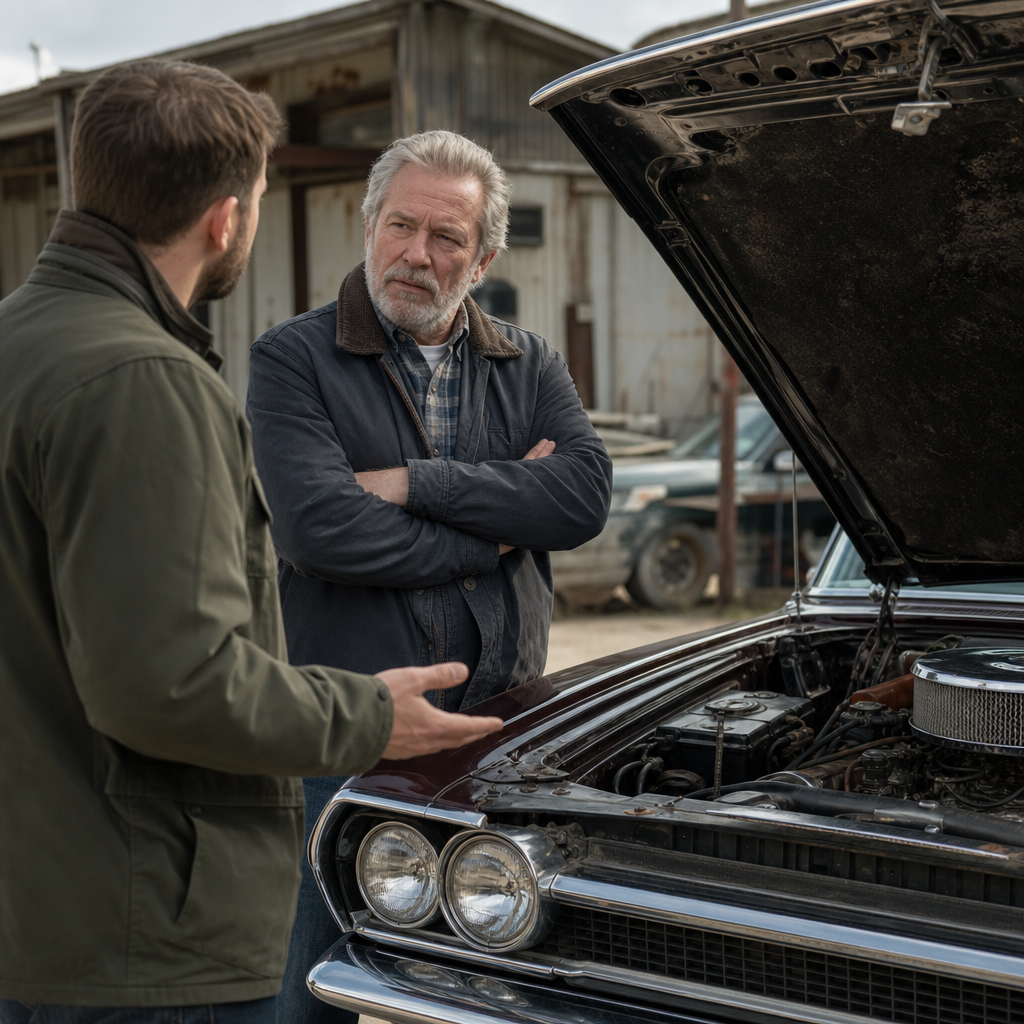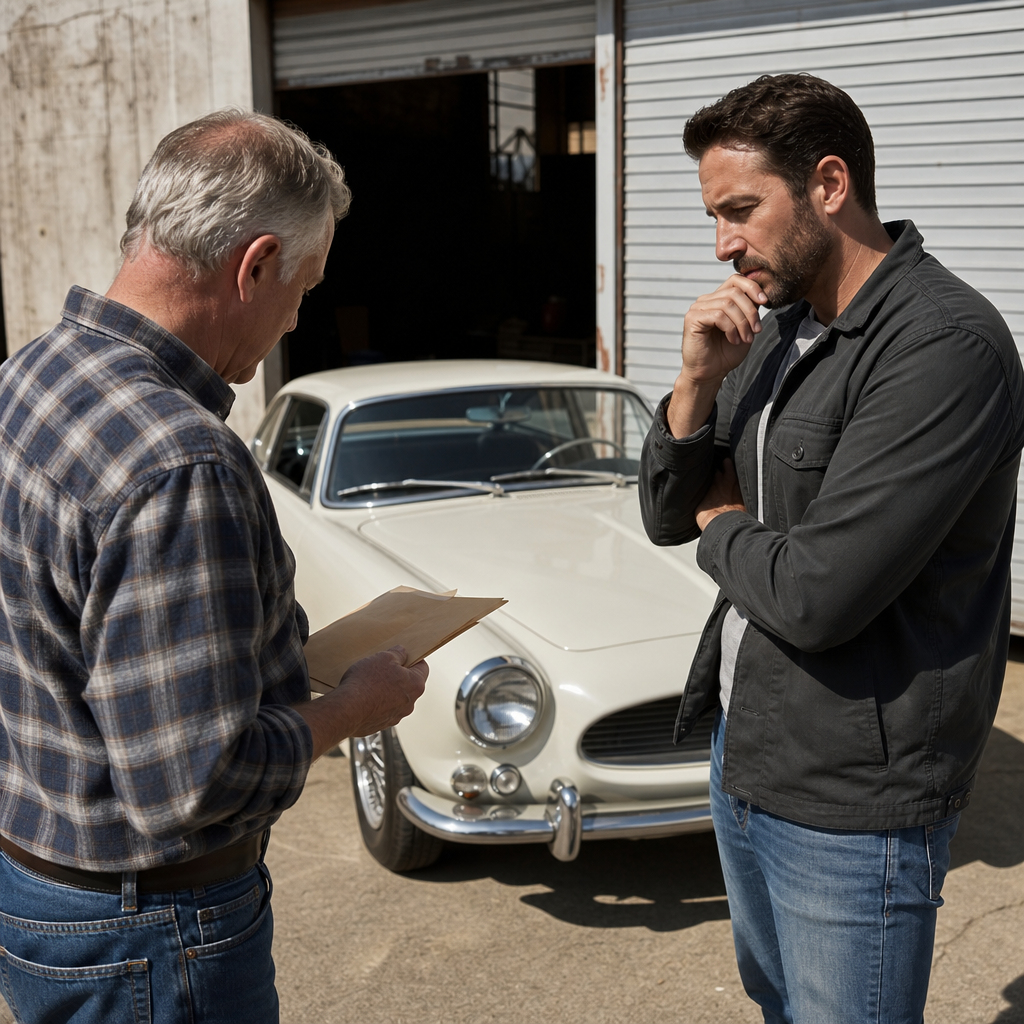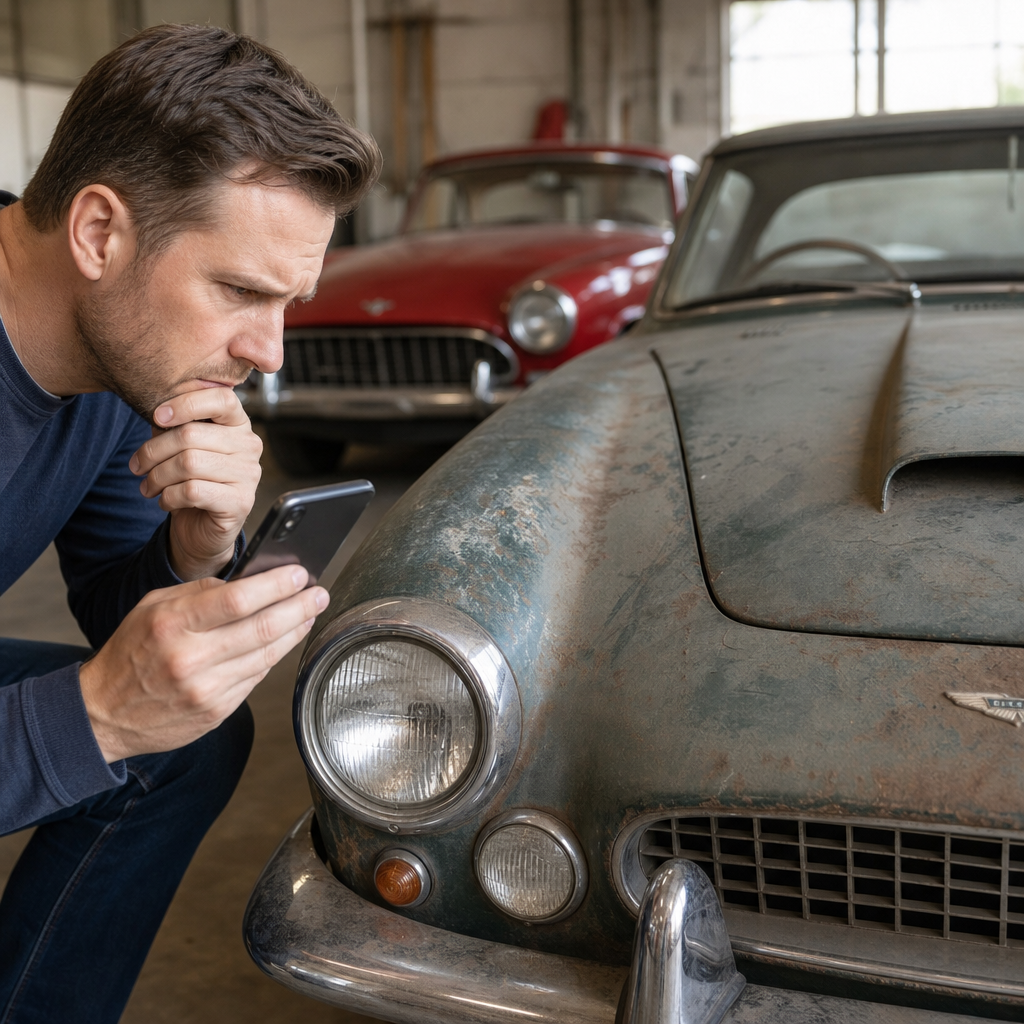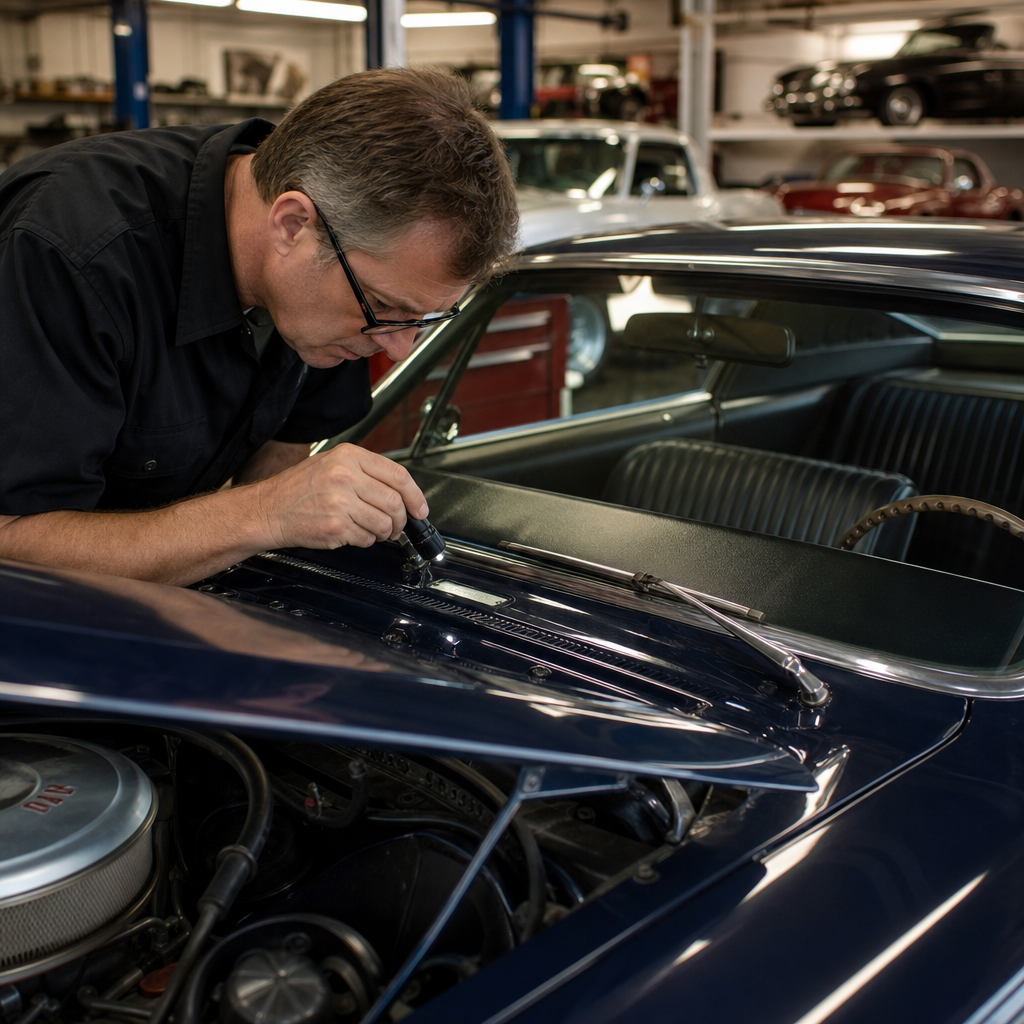
Buying a vintage automobile is rarely a simple retail transaction. It is a blend of enthusiast judgment, financial planning, mechanical risk assessment, title verification, insurance strategy, and negotiation discipline. When people search how to finance a classic car purchase, they are usually asking a broader question: how to buy a classic car without making an expensive mistake. In practice, financing is only one part of the decision. The right loan structure depends on the vehicle’s true market value, intended use, condition, originality, storage plan, and resale horizon. I have worked with buyers who focused on monthly payment first and regretted it later, because they skipped pre-purchase inspections, overestimated appreciation, or bought a car with title problems. A classic car, for clarity, is generally an older collectible vehicle valued for age, rarity, design, motorsport pedigree, nostalgia, or historical significance. Unlike ordinary used cars, many classics trade on condition grades, matching numbers, provenance, restoration quality, and auction comparables. That changes how lenders, insurers, and sellers evaluate them. This matters because a poorly financed purchase can trap you in negative equity on a car that needs immediate mechanical work, while a well-structured deal can preserve cash, reduce risk, and position you to enjoy or later sell the vehicle on favorable terms.
Start with the right classic car budget, not just the loan payment
The first step in how to buy a classic car is setting a total ownership budget. Buyers often fixate on what they can borrow, but lenders do not pay for every surprise that follows delivery. A realistic classic car budget includes purchase price, buyer’s premium if bought at auction, sales tax, transport, pre-purchase inspection, immediate service, registration, agreed value insurance, indoor storage, and a repair reserve. In my experience, adding 15 to 25 percent beyond the purchase price is prudent for many driver-quality cars, and more for dormant or partially restored examples.
Financing should support the purchase, not stretch it beyond your margin of safety. If your cash position allows a $35,000 all-in spend, shopping for $35,000 cars is too aggressive. A $25,000 to $28,000 target usually leaves room for inspection findings, brake work, tires, hoses, fluids, and inevitable sorting. This is especially important with carbureted, low-production, or imported models, where parts lead times and specialist labor can be significant. Set a maximum purchase price before contacting sellers, and separate your emotional ceiling from your financial ceiling. That discipline prevents overbidding when a desirable color, original tool roll, or fresh repaint clouds judgment.
Understand the main ways to finance a classic car purchase
Classic car financing is available, but it works differently from mainstream auto lending. Traditional banks often hesitate because older vehicles may not fit standard valuation systems such as NADA or Black Book in the same way late-model used cars do. Specialty lenders fill that gap by underwriting collectible vehicles individually. Common options include specialty classic car loans, personal loans, home equity products, securities-backed lines, and cash purchases with later refinancing. Each has different costs and risks.
Specialty classic car lenders are often the best fit for enthusiast buyers because they understand collector values, limited annual mileage, and non-daily-driver use. Companies such as Woodside Credit, J.J. Best Banc & Co., and LightStream are frequently considered, although exact terms vary by credit profile, loan size, vehicle age, and state. Some lenders offer longer terms than ordinary used-car loans, which lowers monthly payment but increases total interest. Others require that the car be garaged, insured on an agreed value policy, and used primarily for pleasure driving. That may align well with ownership reality.
Personal loans are faster and can avoid title restrictions, but rates may be higher and loan limits lower. Home equity financing may offer lower interest, yet it introduces a major risk: your house secures the debt on what is ultimately a hobby asset. Securities-backed borrowing can be efficient for affluent buyers, but a market downturn can trigger collateral pressure at the worst possible moment. For many buyers, a substantial down payment with a specialty vehicle loan strikes the best balance between liquidity and risk control.
| Financing option | Best for | Main advantage | Main drawback |
|---|---|---|---|
| Specialty classic car loan | Collector vehicles with strong documentation | Designed for older cars and agreed-value ownership patterns | May require strong credit, storage, and limited-use conditions |
| Personal loan | Smaller purchases or fast closings | No vehicle-specific underwriting in many cases | Often higher rates and shorter terms |
| Home equity loan or HELOC | Buyers seeking lower rates | Potentially cheaper interest | Your home is at risk if repayment fails |
| Cash purchase | Buyers prioritizing simplicity and leverage avoidance | Strong negotiating position and no interest cost | Ties up capital and reduces liquidity for repairs |
Know what lenders, insurers, and sellers look at before approving the deal
If you want approval without delays, prepare the same way a serious collector does. Lenders care about your credit profile, debt-to-income ratio, down payment, and the specifics of the car. They also look at the seller type, title status, VIN accuracy, bill of sale, and whether the vehicle is complete and insurable. A car with inconsistent VIN tags, salvage history, or unclear ownership can stall financing quickly. I have seen buyers lose great cars simply because they waited to gather basic paperwork until after a verbal agreement.
Insurers matter just as much. Most lenders require proof of coverage before funding, and classic car insurance is not standard auto insurance. Providers such as Hagerty and American Collectors Insurance typically underwrite based on agreed value, secure storage, driving record, and limited use. Agreed value is critical because standard actual cash value coverage may not reflect a collectible car’s market price or restoration investment. Sellers, meanwhile, want confidence that you can close. A buyer who already has lender pre-approval, insurer confirmation, and transport estimates will often win over a higher but less organized bidder.
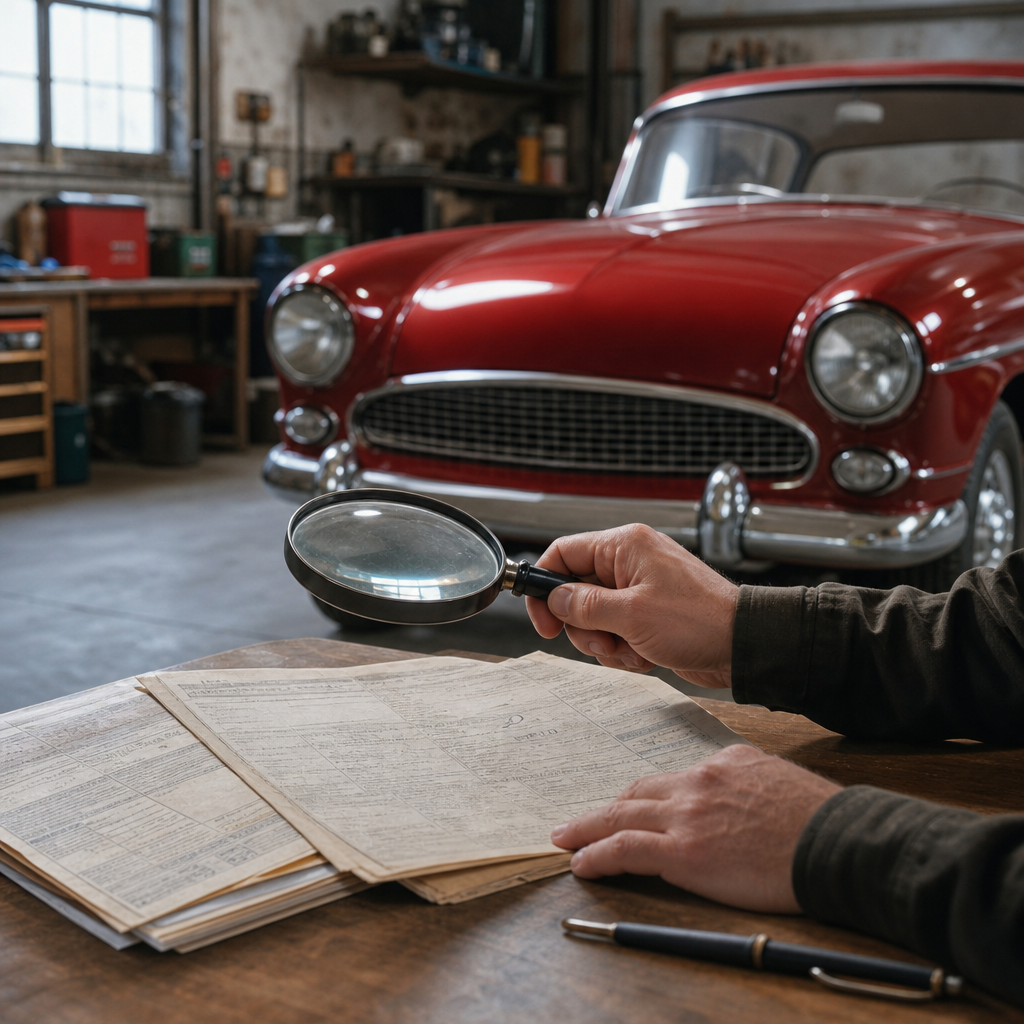
Have these documents ready: government ID, proof of income, proof of residence, insurance contact, seller name, VIN, photos, purchase agreement, and if applicable, restoration records and appraisal. Being organized shortens underwriting and signals professionalism during negotiation.
Evaluate the car correctly before you borrow against it
The most expensive mistake in classic car buying is borrowing against a car you have not valued correctly. Condition and originality determine market value more than model name alone. Two cars that look similar in listing photos can differ by tens of thousands of dollars if one has rust in structural areas, non-matching engine numbers, poor panel alignment, or low-quality restoration work. To buy a classic car intelligently, verify market value using multiple sources: recent Bring a Trailer sales, Mecum and Barrett-Jackson auction results, Hagerty Price Guide, Hemmings listings, marque forums, and specialist dealer inventory.
Then verify the individual car. A pre-purchase inspection by a marque specialist is not optional for serious money. Compression and leak-down tests, paint meter readings, underbody rust review, chassis stamp verification, electrical checks, and road testing can reveal issues invisible in glossy photos. For example, an air-cooled Porsche 911 may need head stud or gearbox attention; a chrome-bumper MGB may hide corrosion in the sills and castle rails; a first-generation Mustang may have cowl rust and patchwork floor repairs. Those findings should change your offer and may change your financing amount.
Appraisals are also useful when the market is thin. Lenders and insurers may accept a professional appraisal when comparable sales are limited. That is common for coachbuilt cars, unusual trims, or recently completed high-quality restorations. The goal is simple: borrow based on defendable market value, not seller optimism.
Use a disciplined buying process to avoid overpaying
A strong process protects both your wallet and your financing terms. Start by defining the exact vehicle profile you want: year range, body style, engine, transmission, originality level, and intended use. Then screen listings hard. Ask for cold-start video, underbody photos, VIN and data plate images, title copy, restoration invoices, ownership history, and any known defects. If a seller resists basic transparency, move on.
When the car passes the initial screen, compare asking price against condition grade and recent sales, not against the seller’s sunk costs. Restoration receipts do not automatically equal market value. I have reviewed six-figure build folders attached to cars worth far less than the money invested, because buyers in the market did not value every modification or outsourced repair at full cost. The proper offer reflects market demand, not sentiment.
Negotiation should be factual and calm. Present inspection findings, cite comparable sales, and separate safety repairs from cosmetic preferences. If financing is involved, know your closing timeline and deposit terms. Use escrow for distant private-party transactions when appropriate, and confirm whether the lender can fund a private seller directly. If not, you may need a bridge solution or an escrow service that coordinates title release and payment. For auction purchases, understand buyer’s premium, payment deadlines, and whether financing approval must be secured before bidding. Many auction houses treat bids as binding, and late financing can become your problem, not theirs.
Match the financing structure to your ownership plan
The best classic car financing depends on what you will do with the car over the next three to seven years. If the car is a long-term keeper and your income is stable, a longer term can preserve cash for maintenance and upgrades. If the market segment is volatile or you may sell within two years, a shorter term and larger down payment reduce the chance of owing more than the car can quickly bring in a private sale. This matters because collectible car values are not guaranteed to rise. Some blue-chip models have shown strong long-term appreciation, but many cars move sideways for years, and transaction costs are real.
Avoid the common assumption that interest expense will be offset by appreciation. That happens sometimes, not reliably. A better framework is to finance only the portion that leaves you with ample reserves and manageable monthly obligations even if the car’s value softens. Enthusiasts who buy from a place of financial flexibility tend to keep better cars longer and make calmer decisions. Before signing, run three scenarios: expected ownership, major repair within six months, and forced sale within twelve months. If the numbers still work, the financing is probably sound.
Protect the purchase after closing with insurance, records, and maintenance
Closing the deal is the start of ownership, not the finish. Once you buy the car, protect value immediately. Bind agreed value insurance, store the vehicle in a secure dry garage, and document condition with dated photos. Keep every invoice, title document, appraisal, and parts receipt in a dedicated file. Provenance and maintenance history materially affect resale confidence, especially for sought-after models where buyers scrutinize originality and care patterns.
Schedule a baseline service even if the seller claims the car is sorted. Change fluids, inspect fuel lines, check brakes, verify cooling performance where applicable, and establish a maintenance log. Old cars fail from age-related deterioration as much as from mileage. Rubber, seals, and electrical connections degrade with time. A financed classic that sits neglected is a financial drag; a financed classic with clear records, proper storage, and routine exercise remains liquid and easier to sell.
If you are still deciding how to finance a classic car purchase, remember the sequence that works: define your all-in budget, secure the right funding, verify value, inspect the car, negotiate from evidence, and protect the asset after closing. That is the practical answer to how to buy a classic car well. The reward is not just ownership. It is owning the right car, on terms you can comfortably sustain, with fewer unpleasant surprises. Build your shortlist, get pre-approved, and inspect before you commit.
Frequently Asked Questions
Can you finance a classic car the same way you finance a regular used car?
Not always. Financing a classic car is usually more specialized than financing an everyday commuter vehicle because lenders evaluate vintage automobiles differently. A standard auto loan is typically based on predictable depreciation, broad market pricing data, and straightforward age and mileage guidelines. Classic cars do not fit neatly into that model. Their value may be influenced by rarity, originality, restoration quality, documented ownership history, collector demand, and even matching-numbers status. As a result, many traditional banks either decline older vehicles outright or limit financing based on age, mileage, or title classification.
That is why buyers often turn to lenders that understand collector vehicles. These lenders may offer longer terms, tailored underwriting, and loan structures based on agreed value, appraisal support, or auction and private-sale documentation. In many cases, they also expect the borrower to have strong credit, stable income, and some familiarity with collector-car ownership. The financing process may include a closer look at the vehicle itself, not just the buyer’s financial profile. Before applying, it is smart to confirm whether the car has a clean, transferable title, whether the seller can document condition and restoration work, and whether the purchase price is consistent with market evidence. Financing approval becomes much easier when the vehicle can be clearly identified, valued, and insured.
What do lenders look at when deciding whether to approve a classic car loan?
Lenders generally assess two big categories: the borrower and the vehicle. On the borrower side, they usually review credit score, debt-to-income ratio, income stability, cash reserves, and the size of the down payment. Because collector cars are discretionary purchases rather than transportation necessities, underwriting can be stricter than with ordinary auto loans. A buyer with excellent credit, verifiable income, and a meaningful down payment will often have access to better rates and more flexible terms.
On the vehicle side, lenders want confidence that the car is worth what the buyer is paying and that ownership can be transferred cleanly. They may ask for photos, a bill of sale, VIN documentation, title records, appraisal materials, auction results, maintenance receipts, and restoration records. If the car has major modifications, a salvage history, inconsistent identification numbers, or weak provenance, financing can become more difficult. The lender may also evaluate whether the car is roadworthy, how it will be stored, and whether specialized insurance is already in place or ready to be activated at closing. In short, approval is not just about whether you can make the payment. It is also about whether the asset behind the loan is legitimate, insurable, and reasonably supported by the market.
How much should you put down when financing a classic car purchase?
A larger down payment is usually a smart move when buying a classic car. While some buyers focus on stretching the loan term to reduce the monthly payment, that approach can create unnecessary risk if the purchase price is too aggressive or if the car later requires expensive mechanical work. A solid down payment lowers the loan balance, reduces interest costs, improves approval odds, and creates a financial cushion if the market softens or the vehicle turns out to need more restoration than expected. It also signals to the lender that the buyer has discipline and liquidity, both of which matter in collector-car lending.
There is no universal number that fits every situation, but many buyers aim for at least enough down to keep the financed amount comfortably aligned with documented market value. That matters because the true value of a vintage vehicle can be difficult to pin down. If you overpay for a car based on emotion, poor inspection work, or overly optimistic restoration claims, financing the full amount can magnify the mistake. A down payment should be part of a broader buying strategy that also preserves funds for taxes, shipping, title transfer, immediate maintenance, storage, and insurance. In other words, do not put every available dollar into the purchase itself. Leave room for ownership costs, because classic cars almost always demand more cash after the sale than first-time buyers expect.
Is it better to finance through a classic car lender, a bank, or a personal loan?
It depends on the car, the deal structure, and your financial profile. A classic car lender is often the best fit when the vehicle has collector value, the purchase is coming from a private seller or auction, or the car falls outside normal bank auto-lending rules. These lenders are more likely to understand valuation complexity, limited production history, restoration quality, and agreed-value insurance. They may also be more comfortable with older model years and enthusiast-market pricing. If the vehicle is well documented and your credit is strong, a specialized lender can offer terms that are more practical than a general bank’s used-car program.
A traditional bank or credit union can still be worth checking, especially if you already have a strong relationship there. Some offer attractive rates, but many place restrictions on vehicle age or loan purpose. A personal loan is another option, particularly if the car is difficult to finance conventionally because of title issues, age, or seller circumstances. The advantage of a personal loan is flexibility, since it usually does not depend on the car as collateral in the same way. The downside is that rates are often higher and terms may be shorter. The best choice is the one that balances cost, speed, flexibility, and risk. Compare the annual percentage rate, loan term, prepayment rules, fees, and documentation requirements, but also weigh how well the financing method fits the realities of the car you are buying.
What mistakes should buyers avoid when financing a vintage automobile?
The biggest mistake is treating financing as the whole decision instead of one piece of a much larger purchase process. Buyers sometimes get preapproved, see a manageable monthly payment, and assume the transaction is safe. That can lead to overpaying for a car with hidden corrosion, poor restoration quality, missing records, title problems, or inflated seller claims. A lender’s willingness to fund a loan does not replace an independent pre-purchase inspection, title verification, market-value research, or a careful review of ownership history. If anything is unclear about the VIN, title status, restoration receipts, or authenticity of major components, pause before committing.
Another common mistake is underestimating total ownership cost. Financing may cover the purchase price, but it does not eliminate the need for transport, secure storage, collector insurance, registration fees, deferred maintenance, and inevitable repairs. Buyers also get into trouble by choosing a loan term purely for payment comfort without considering total interest cost and overall exposure. If the car’s true market value is uncertain, a long loan can lock you into a bad position. The disciplined approach is to set a full acquisition budget, verify the car independently, negotiate from documented facts rather than emotion, and use financing as a tool rather than as permission to stretch beyond reason. The best classic car purchase is not just one you can finance. It is one you can document, insure, maintain, and enjoy without financial regret.