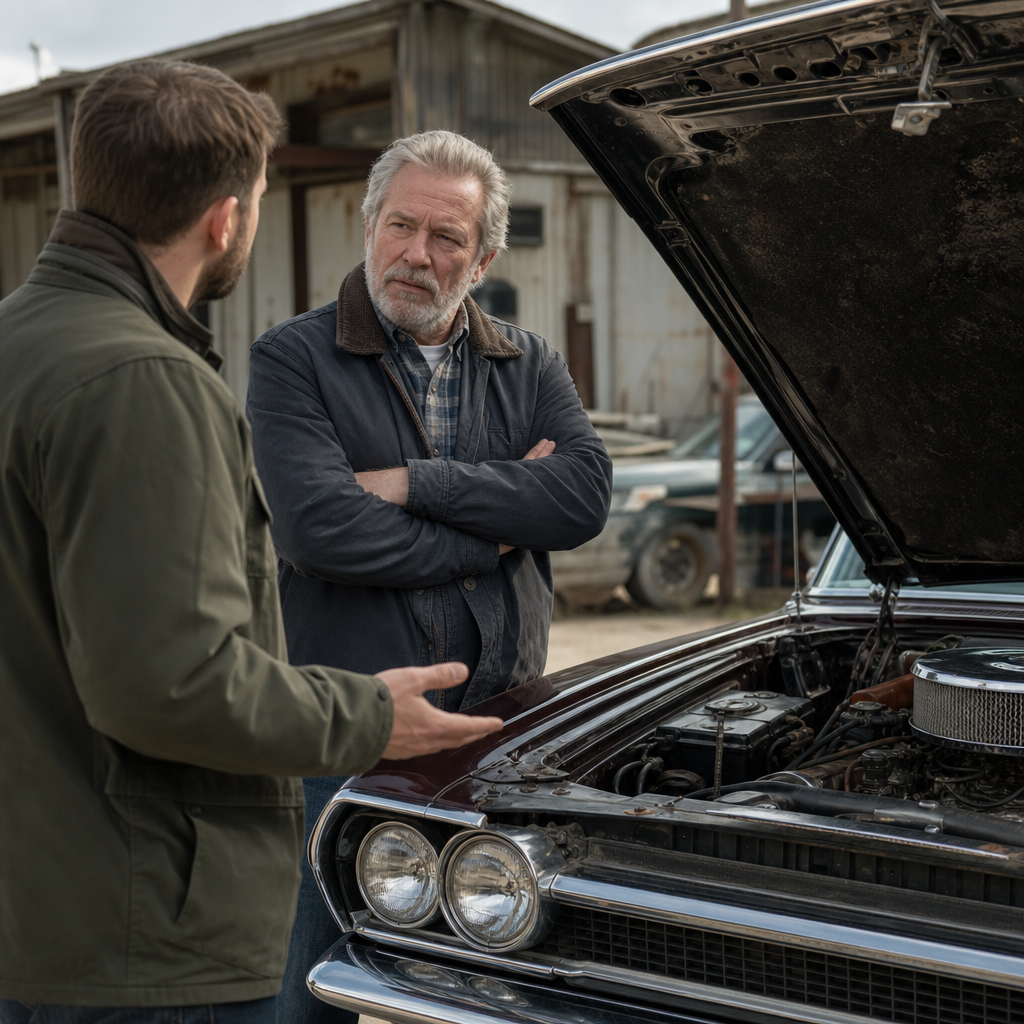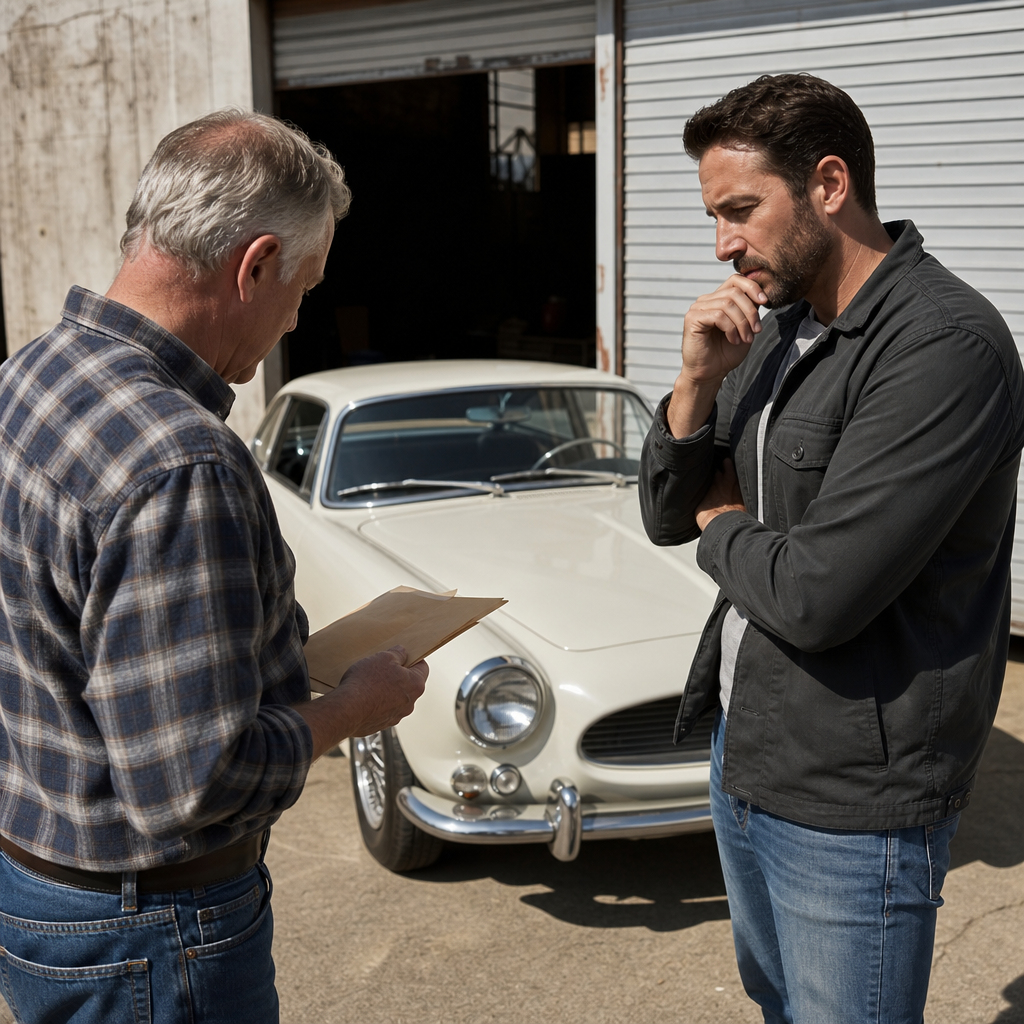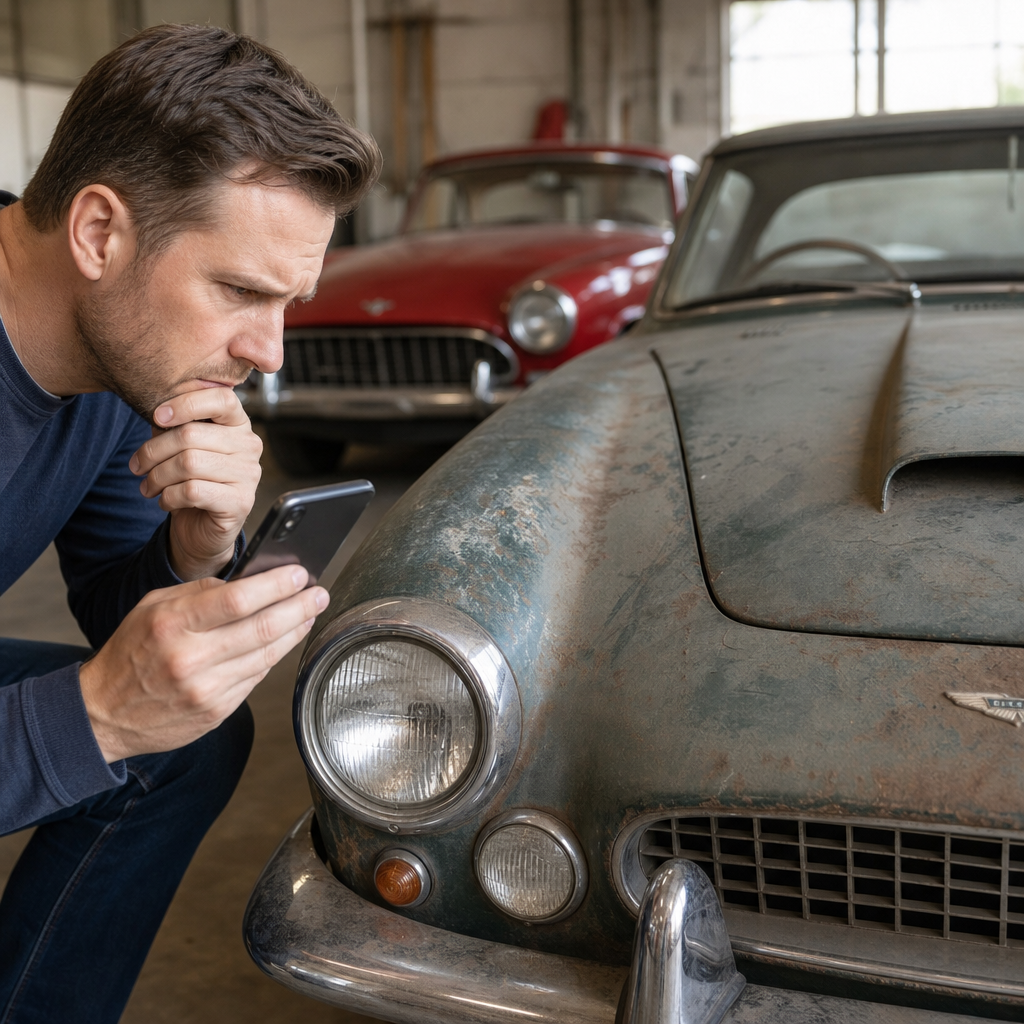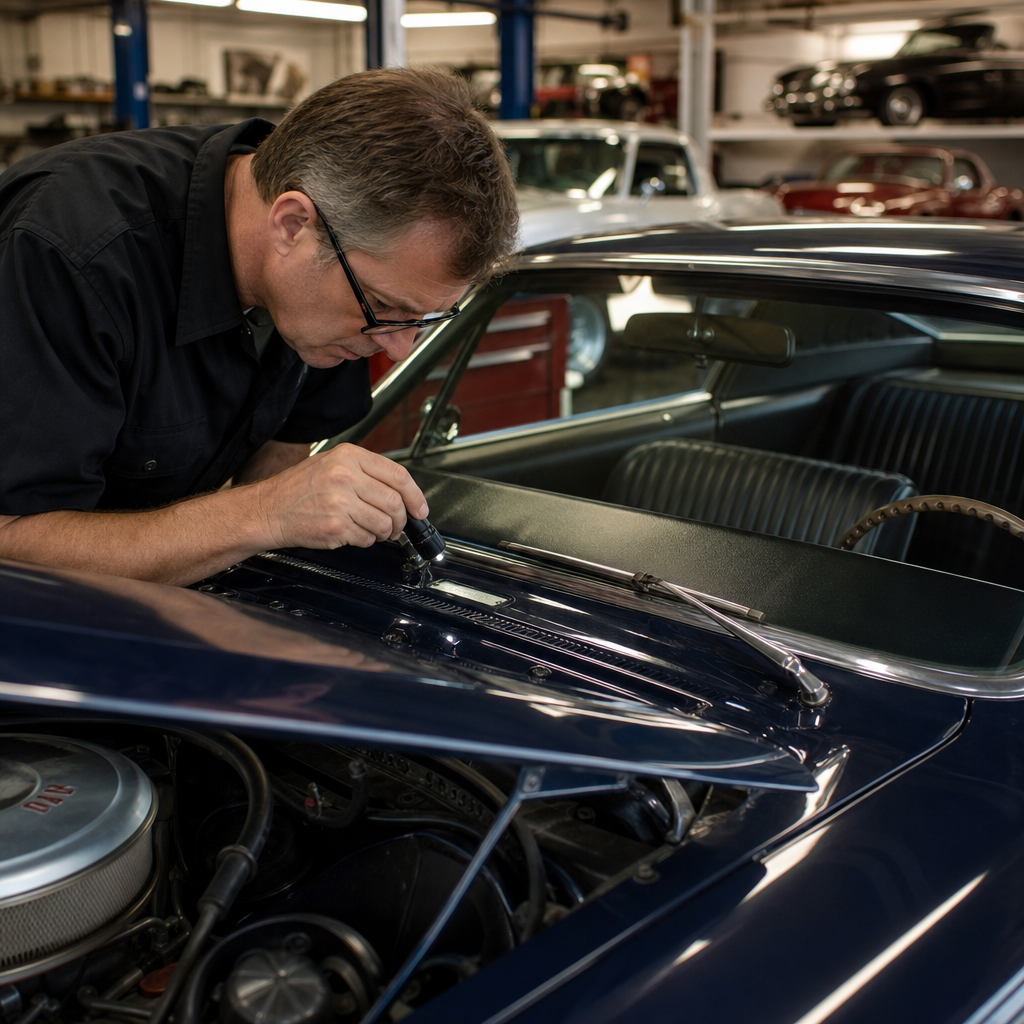
Selling a classic car quickly requires more than posting a few photos and waiting for a collector to call. A classic car is not just used transportation; it is an asset shaped by rarity, provenance, condition, originality, and market timing. When sellers treat it like an ordinary vehicle, they usually lose time and money. When they prepare it like a specialist listing, they shorten days on market, attract serious buyers, and reduce negotiation friction.
In the classic car market, speed does not mean desperation. It means removing the obstacles that slow a sale: unclear title status, weak documentation, vague pricing, poor photography, unrealistic expectations, and bad channel selection. I have worked with private sellers, estate representatives, and small dealers, and the pattern is consistent. The fastest sales come from cars that are accurately described, correctly priced, and presented with complete records before the first buyer inquiry arrives.
To sell a classic car quickly, you need to understand a few key terms. Matching numbers refers to major components, usually engine and transmission, corresponding to factory documentation. Provenance means ownership history, restoration records, awards, and any documentation that supports authenticity. Driver-quality describes a presentable, usable car with flaws, while concours-quality refers to a vehicle restored or preserved to an exceptionally high standard. Reserve price matters in auctions, and bill of sale, title, lien release, and VIN verification matter in private transactions. These details affect buyer confidence immediately.
This matters because the buyer pool for classic cars is smaller and more informed than the market for modern vehicles. Enthusiasts compare production totals, trim codes, paint codes, auction comps, and restoration quality. They also know what scares them away. A car can be desirable yet still sit for months if the seller cannot answer basic questions about rust, drivability, originality, or paperwork. The goal of this guide is to make this page the central resource for selling a classic car, whether you own a muscle car, vintage truck, British roadster, air-cooled Porsche, or postwar American convertible.
Prepare the Car Before You List It
The fastest way to sell a classic car is to remove uncertainty before the listing goes live. Start with paperwork. Confirm that the title is in your name, the VIN on the title matches the VIN on the car, and any lien release is available. If your state exempts older vehicles from title requirements, verify what transfer documents buyers need. Out-of-state buyers often ask this first, and if your answer is unclear, they move on.
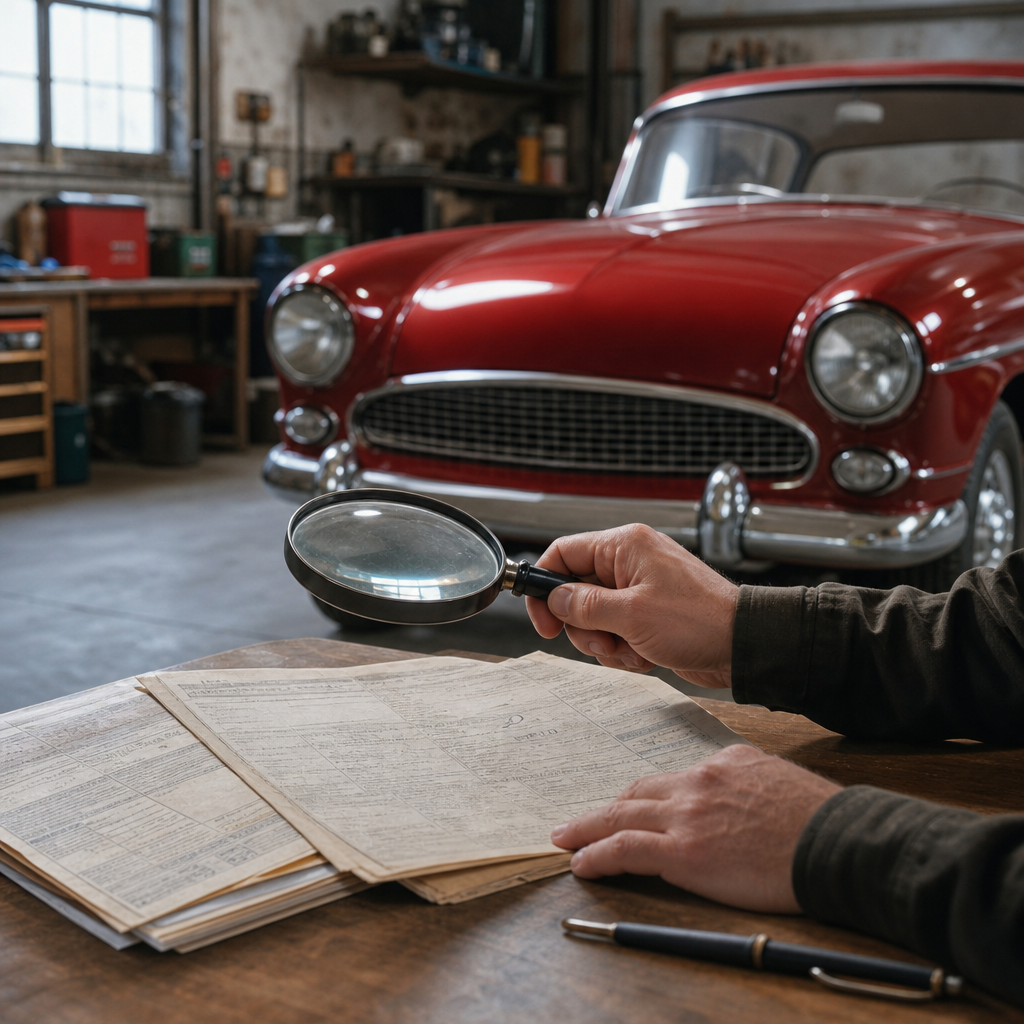
Next, assemble a documentation package. Include maintenance invoices, restoration receipts, ownership history, factory literature, judging sheets, heritage certificates where applicable, and photographs from restoration work. For models where numbers-matching status matters, gather casting numbers, stampings, and supporting references. A thick file does not guarantee a premium, but it dramatically improves trust and speeds due diligence.
Then address presentation. A quick sale rarely requires a full restoration, but it does require a clean, honest, mechanically sound impression. Wash, clay, and wax the exterior. Clean the glass, engine bay, wheel wells, trunk, and undercarriage. Replace cheap, distracting items such as burned-out bulbs, cracked lenses, worn wiper blades, loose trim clips, and missing knobs. Fix simple fuel leaks, hard starts, weak batteries, and inoperative gauges if practical. Buyers accept age; they do not accept preventable neglect.
Decide what not to do as well. Expensive restoration work almost never returns dollar for dollar when speed is the goal. I usually advise sellers to avoid repainting a mediocre but presentable car unless there is severe damage or active corrosion. A rushed repaint creates suspicion. The same goes for cheap seat covers, aerosol engine detailing, and heavy undercoating used to hide rust. Honest condition sells faster than cosmetic theatrics.
Price the Classic Car to Move
If you want to sell a classic car quickly, pricing is the single biggest lever. Most slow sales start with seller bias. Owners remember what they spent, the years they searched, and the compliments the car gets at shows. Buyers look at market evidence. Use recent comparable sales from Bring a Trailer, Mecum, Barrett-Jackson, Hemmings, Classic.com, Hagerty Price Guide, and marque-specific forums. Focus on cars with similar drivetrains, body styles, originality, documentation, and condition. A numbers-matching 1970 Chevelle SS 454 four-speed is not comparable to a cloned automatic driver, even if both look red in photos.
Market timing matters. Convertibles sell best in late winter and spring. Four-wheel-drive vintage trucks often gain attention in fall. Cars with fresh auction headlines in the news can spike temporarily, but asking prices are not sale prices. I tell sellers to build a price range from hard comps, then decide where they sit within it based on urgency. If speed is the priority, list near the lower end of fair market value and leave room for a small negotiation rather than a large correction.
Use this framework when setting expectations:
| Condition Level | Typical Buyer Reaction | Pricing Strategy for Speed |
|---|---|---|
| Concours or highly documented original | Strong interest from informed collectors, longer diligence | Price near market middle to high if provenance is exceptional |
| Sorted driver-quality car | Broadest buyer pool, fastest private-party interest | Price slightly below strongest comparable retail listings |
| Project with complete parts and title | Interest from hobbyists, high sensitivity to hidden issues | Price firmly from recent project sales, not restored values |
| Non-running or incomplete car | Limited pool, transport and risk concerns | Discount aggressively to reflect uncertainty and logistics |
A realistic price creates momentum. Momentum creates competition. Competition protects value. An overpriced listing does the opposite: it becomes stale, invites low offers, and raises suspicion that something is wrong with the car or the seller.
Create a Listing That Answers Buyer Questions
A high-performing classic car listing is specific, complete, and easy to verify. Start with a precise headline including year, make, model, body style, and a key attribute such as matching numbers, one-family ownership, recent restoration, or factory color combination. Then write the first paragraph like an executive summary. State the mileage shown, engine, transmission, title status, running condition, ownership duration, and the most important strengths and flaws.
After that, answer the questions every serious buyer asks. Is the car numbers matching? Has it been repainted? Is there rust, and where? What has been replaced? What works and what does not? When was it last driven at highway speed? Are there leaks, smoke, noises, or overheating issues? What date codes, tags, and documentation support originality? If the car is modified, list every major change, including engine internals, carburetion or fuel injection, ignition, brakes, suspension, wheel sizes, rear axle ratio, and electrical upgrades. Buyers of modified classics appreciate detail as much as originality-focused buyers do.
Photography is not optional; it is a qualification tool. Use natural light and include front, rear, both profiles, all four corners, interior, gauges with engine running, engine bay, trunk, undercarriage, VIN plate, trim tag, casting numbers, spare tire area, lower fenders, rocker panels, wheel arches, and any rust or paint flaws. Add a cold-start video, walk-around video, and driving video. In my experience, a car with thorough media gets fewer casual messages and more committed calls.
Do not hide defects. A buyer who discovers rust bubbles, nonfunctional lights, or a noisy gearbox after traveling to see the car will either leave or cut deeply into your price. A transparent listing saves time because it pre-qualifies the audience. The right buyer is not scared by an honest flaw; the wrong buyer is scared by uncertainty.
Choose the Best Place to Sell
The best place to sell a classic car depends on the car, your timeline, and your tolerance for fees. Online enthusiast auctions work well for desirable, well-documented vehicles with strong photography and a story. Bring a Trailer and Cars & Bids can produce fast national exposure, but success depends on quality presentation and active seller participation in comments. A mediocre listing on a premium platform still underperforms.
Traditional auction houses such as Mecum and Barrett-Jackson offer scale and urgency, especially for muscle cars, American classics, and recognizable collector models. The tradeoff is fees, transport, reserve strategy, and the possibility that your audience on a given day is stronger or weaker than expected. A no-reserve sale creates certainty of sale but can reduce price if the right bidders are absent.
Private-party marketplaces such as Hemmings, AutoHunter, Facebook Marketplace, Craigslist, and marque forums are often best for driver-quality cars and niche models. Facebook Marketplace can move cars quickly because of local reach, but it also brings noise, scams, and weak inquiries. Hemmings and brand-specific forums attract more knowledgeable buyers. Dealers and consignment shops offer convenience, especially for estates or sellers short on time, but you pay for that convenience through margin or commission.
If the goal is speed with minimal hassle, consignment can be effective when the shop has a strong reputation, indoor display, financing access, and a record of closing your type of car. If the goal is maximum control and solid value, private-party sale with strong documentation usually wins. If the car is rare, highly collectible, and visually compelling, a curated online auction can be the fastest route to a national buyer.
Screen Buyers and Close the Sale Safely
Once the listing is live, response management determines how fast the sale actually happens. Answer serious inquiries quickly and consistently. I recommend preparing a standard response that includes the full photo gallery link, video link, documentation summary, location, asking price, whether trades are considered, and your preferred contact method. This saves time and filters out people who never intended to buy.
Qualify buyers early. Ask whether they have funds available, whether they need shipping, and what questions remain after reviewing the materials. For test drives, require proof of identity and proof of funds. On high-value classics, I usually drive first with the prospect in the passenger seat, then allow them to drive on a preplanned route if they appear legitimate and insured. Never let an unknown buyer take the car alone.
Payment method matters. Bank wire is standard for high-value transactions. Cash works in person within practical limits, but count it at the bank. Cashier’s checks should be verified directly with the issuing bank, not by phone numbers provided by the buyer. Release the car and title only after funds have fully cleared. For distant buyers, use a purchase agreement that states the vehicle is sold as is, identifies the VIN, purchase price, deposit terms, included parts, and timeline for pickup.
Shipping logistics can make or break a quick close. Have the car accessible, documents ready, and spare parts boxed and labeled. Open transport is common for driver cars; enclosed transport suits higher-value vehicles, fresh restorations, and delicate originals. If the buyer is arranging shipping, be available for the carrier window. Delays after payment create avoidable tension.
Common Mistakes That Slow a Classic Car Sale
The first mistake is emotional pricing. The second is incomplete information. The third is poor communication. Sellers also lose momentum by listing the car before they are truly ready. If buyers ask for underside photos, title details, or cold-start video and you respond days later, the moment is gone. In this market, responsiveness signals professionalism.
Another common problem is inaccurate terminology. Calling a car restored when it was repainted ten years ago and freshened mechanically hurts credibility. Describing a car as rust free when it has patched floors is worse. Serious buyers know the language. Use it correctly. Say refurbished, partially restored, survivor, re-bodied, tribute, clone, period-correct modification, or non-original engine when those terms apply.
Finally, do not ignore the legal side. Some states require odometer disclosures for certain vehicles; others exempt older cars. Emissions rules, bonded titles, estate sales, and inherited vehicles can all complicate transfer. Clear these issues before taking a deposit. A fast sale depends on a transfer that can actually be completed.
To sell a classic car quickly, focus on certainty. Certainty comes from clean paperwork, realistic pricing, complete documentation, strong photos, and immediate answers to buyer questions. Classic car buyers will move fast when they believe the car is real, the condition is honestly represented, and the seller knows how to complete the transaction properly.
The biggest advantage of a well-run sale is not just speed. It is control. You avoid the downward spiral of a stale listing, repeated price drops, and endless lowball offers. Instead, you create a clear market position for the car and attract buyers who understand what they are looking at. Whether you are selling a restored Corvette, a driver-grade Mustang, a vintage pickup, or a European grand tourer, the principles are the same: prepare thoroughly, price from evidence, list with precision, choose the right channel, and close safely.
Use this page as your starting point for every step in selling a classic car. Review your paperwork, build your documentation file, study comparable sales, and rewrite your listing until it answers every serious buyer question before it is asked. That work is what turns interest into a fast, confident sale.
Frequently Asked Questions
What is the fastest way to sell a classic car without giving away too much value?
The fastest way to sell a classic car is to combine accurate pricing, strong presentation, and targeted exposure. Many owners make the mistake of choosing only one of those factors. For example, they may price the car aggressively but provide weak photos and almost no documentation, or they may create a beautiful listing but ask a price that is out of step with current market demand. Speed comes from reducing uncertainty for buyers while still positioning the car competitively.
Start by researching recent sales of comparable vehicles, not just asking prices. Pay attention to year, trim, engine, originality, restoration quality, mileage, ownership history, and any documentation that supports provenance. A rare, highly original car can justify a stronger price than a restored example, while a modified car may appeal to a narrower audience and need more strategic pricing. If your goal is a quick sale, price the vehicle realistically from day one instead of listing high and planning to negotiate later. Serious buyers often overlook stale listings because they assume the seller is unrealistic or that the car has hidden issues.
Next, prepare the vehicle as if it were being presented to a knowledgeable collector. Clean it thoroughly, correct small cosmetic distractions, organize records, and write a precise description that answers the questions a buyer would normally have to ask. Include VIN details when appropriate, restoration information, service history, title status, matching-numbers information if applicable, and a clear explanation of any flaws. The more complete the listing, the less friction in the sales process.
Finally, market the car where classic car buyers actually shop. That may include enthusiast marketplaces, marque-specific forums, collector auction platforms, and specialty dealers or brokers. A quick sale is rarely about rushing; it is about making the car easy to evaluate and easy to trust. When buyers feel informed and confident, transactions move much faster.
How should I price a classic car if I want to sell it quickly?
Pricing a classic car for a fast sale requires discipline and market awareness. The right price is not based on what you have invested in the car, what a neighbor thinks it is worth, or the highest listing you found online. It is based on what qualified buyers are currently willing to pay for a similar vehicle in similar condition, with similar history and equipment. That distinction matters because the classic car market is driven by rarity, documentation, originality, and buyer confidence.
Begin with sold-market data whenever possible. Compare recent sales from reputable auction platforms, dealer inventories with known turnover, and enthusiast marketplaces. Then adjust for meaningful differences. A documented, rust-free, numbers-matching car with strong provenance will usually command more than a car that looks similar in photos but lacks records or has unknown restoration work. Likewise, color combination, factory options, driveline specification, and even regional market demand can influence value.
If speed is a priority, resist the urge to “leave room” by listing far above market. Overpricing slows everything down. It reduces inquiries, attracts bargain hunters instead of committed buyers, and often leads to multiple price drops that weaken negotiating leverage. Buyers in the classic market pay attention to how long a vehicle has been listed. If it sits too long, they begin to assume the seller is unrealistic or the car has unresolved problems.
A practical approach is to set a price that reflects the car’s true market position while accounting for a smooth transaction. If the market range for your vehicle is narrow and well established, pricing at the fair or slightly attractive end of that range can create urgency and more serious conversations. If the car is rare and difficult to benchmark, a transparent listing with extensive documentation can support a strong but credible ask. In either case, a quick sale comes from being defensible, not merely cheap. Buyers move fast when the number makes sense and the car supports it.
What documents and information do buyers want to see before purchasing a classic car?
Serious buyers want enough information to assess authenticity, condition, ownership legitimacy, and future risk. In the classic car market, documentation often affects both speed and value because it reduces uncertainty. The more complete your paperwork and supporting details, the easier it is for a buyer to make a confident decision without long delays, repeated questions, or aggressive negotiation.
At a minimum, have the title ready and confirm that the ownership details are correct. If there is a lien, disclose it immediately and explain how it will be resolved. Beyond that, buyers appreciate service records, restoration receipts, ownership history, inspection reports, factory documentation, build sheets, original manuals, warranty books, and any historical photos that show the car before, during, or after restoration. If the car has received major mechanical work, be specific about when it was done, by whom, and whether receipts support the claim.
For higher-value collector cars, originality and provenance can be especially important. If the car is numbers-matching, provide evidence where possible. If it has a known ownership story, period competition history, or notable factory options, document those details carefully. If it is a tribute, re-creation, restomod, or modified example, say so clearly. Trying to frame a car as something more than it is can quickly derail a sale once a knowledgeable buyer starts asking questions.
It also helps to prepare a concise summary sheet that covers the essentials: VIN, engine and transmission details, mileage shown, ownership duration, restoration history, known flaws, recent maintenance, and what is included in the sale. Buyers do not expect every classic car to be perfect. They do expect honesty and clarity. A seller who is organized and transparent usually sells faster because buyers spend less time investigating basic facts and more time deciding whether to proceed.
Do I need to repair or restore anything before listing my classic car for sale?
Not every classic car needs major work before it goes to market, but nearly every classic car benefits from thoughtful preparation. The key is to separate high-return improvements from expensive projects that are unlikely to pay back in either price or speed. If your goal is to sell quickly, focus on actions that improve buyer confidence and first impressions rather than launching an open-ended restoration.
Start with the basics. A thorough detail, paint correction if appropriate, interior cleaning, engine bay tidying, and fixing small presentation issues can make a major difference. Replace inexpensive broken items if they create the impression of neglect. Address obvious fluid leaks, dead batteries, unsafe tires, inoperative lights, or known drivability problems if practical, because these issues can stop a sale or lead to steep discount requests. A car that starts easily, idles properly, and drives as represented is much easier to sell fast than one described as “just needs a few minor things.”
However, be careful with major restoration decisions. Full paintwork, upholstery replacement, engine rebuilding, or non-original cosmetic changes can consume time and money without guaranteeing a better outcome. Many collector buyers prefer to evaluate a car in its honest current state rather than pay for work done to someone else’s taste. In some segments of the market, originality is more valuable than freshness. Preserving factory finishes, patina, and documented authenticity may help the car sell more effectively than over-restoring it.
The best strategy is usually to disclose known issues clearly and decide whether fixing them will widen the buyer pool or simply increase your costs. If a repair removes a major objection, it may be worth doing. If it is largely cosmetic or subjective, honest disclosure may be the better route. Quick sales happen when the car is presented cleanly, represented accurately, and priced according to its true condition.
Where should I list a classic car to reach serious buyers quickly?
You should list a classic car where informed buyers already gather, not just where general used vehicles are posted. A classic car has a different audience, and that audience tends to care about details that mainstream platforms often do not highlight well. If you want a quick sale, choose channels that match the car’s value, rarity, and likely buyer profile.
For many vehicles, specialty classic car marketplaces are the most efficient starting point because they attract enthusiasts and collectors who understand terms like numbers-matching, frame-off restoration, period-correct components, and documented provenance. Marque-specific forums and enthusiast communities can also be extremely effective, especially for niche models, because buyers there are often actively searching and know exactly what they are looking at. If the car is highly collectible or investment-grade, a reputable auction platform may create broader visibility and urgency, though fees, reserve strategy, and timing should be evaluated carefully.
Consignment with a respected classic car dealer or broker can also speed up the process if you value convenience and professional representation. This route may reduce your direct involvement in calls, showings, and negotiation, and it can help if the dealer already has a buyer network for your type of vehicle. The tradeoff is commission cost and less control over the transaction. For some sellers, the time savings and reduced hassle make that worthwhile.
No matter where you list, the quality of the listing itself matters. Use professional-looking photos in good light, include undercarriage and interior shots when relevant, show VIN and data tags when appropriate, and provide a detailed written description. Mention documentation, recent service, known defects, and what makes the car desirable in the current market. A strong listing on the right platform attracts serious buyers quickly because it answers their concerns before they ever contact you.</