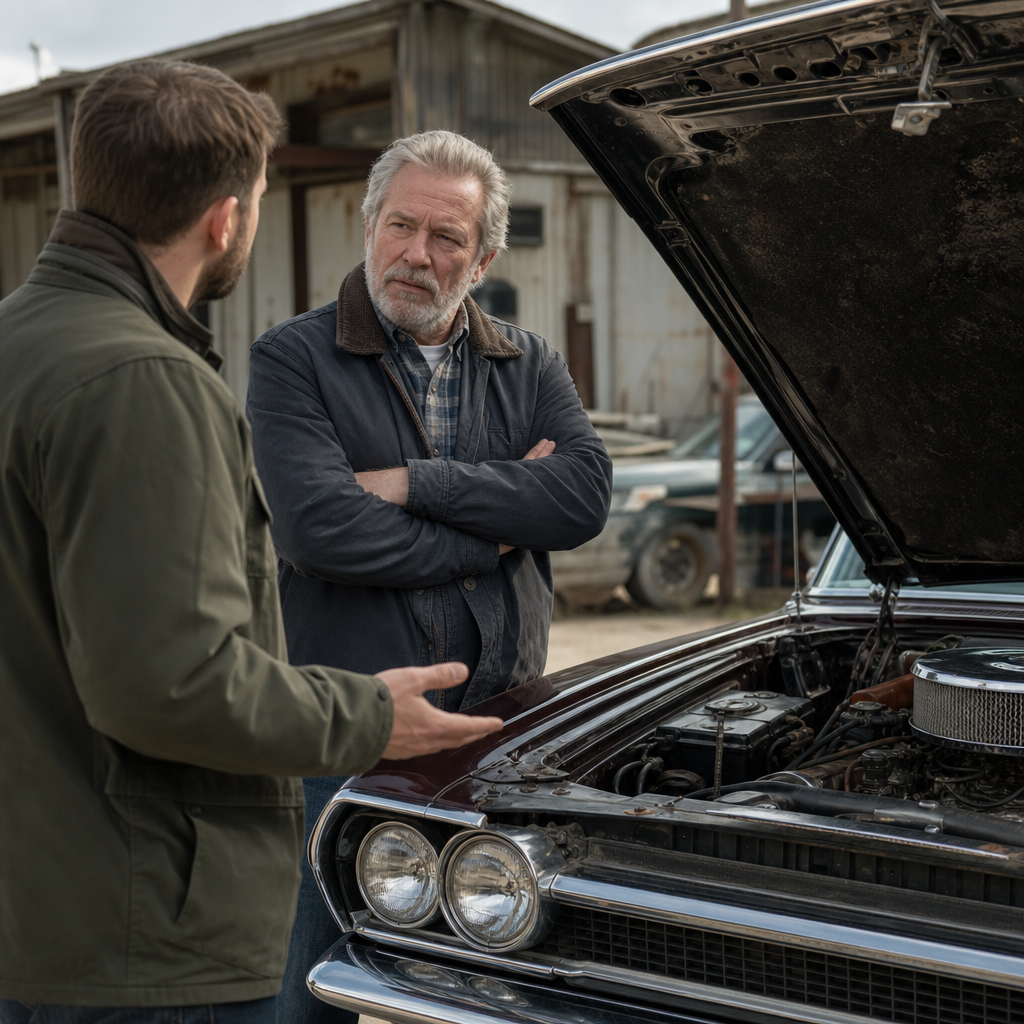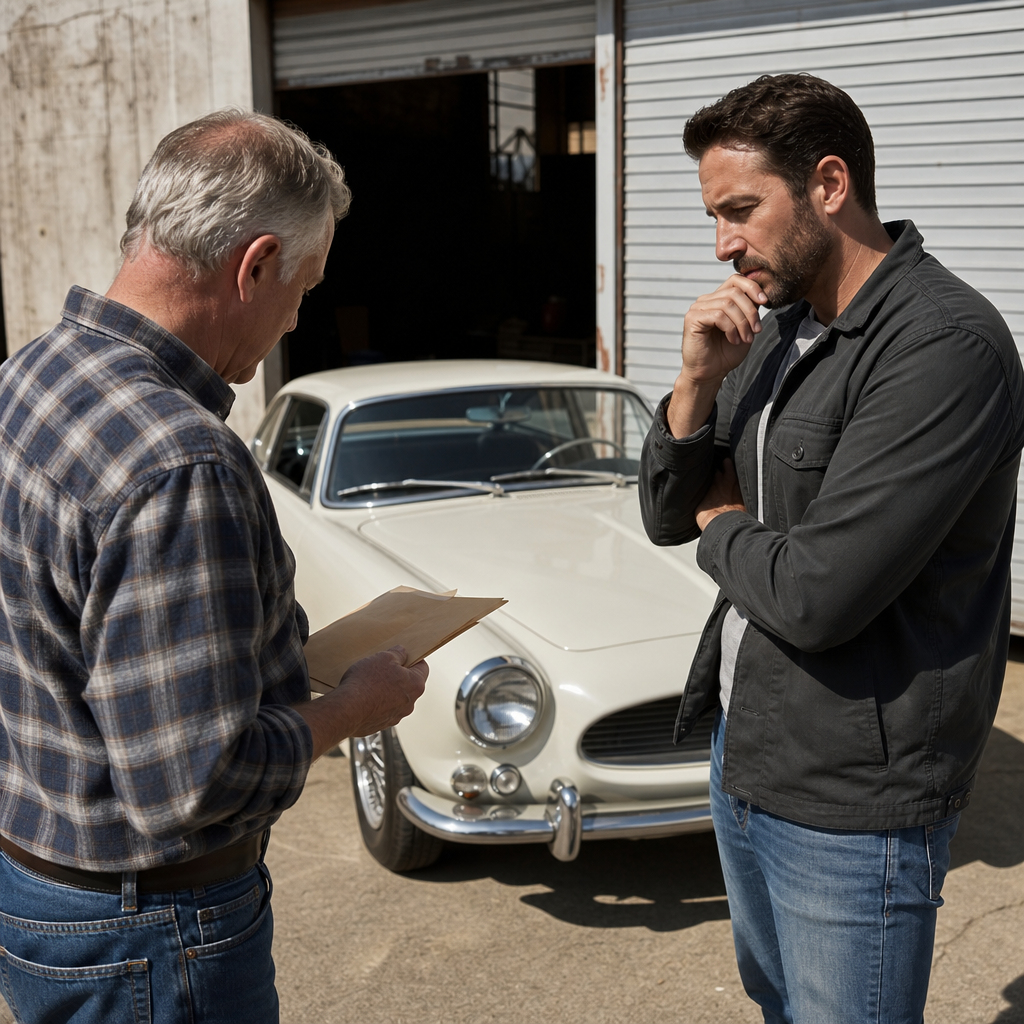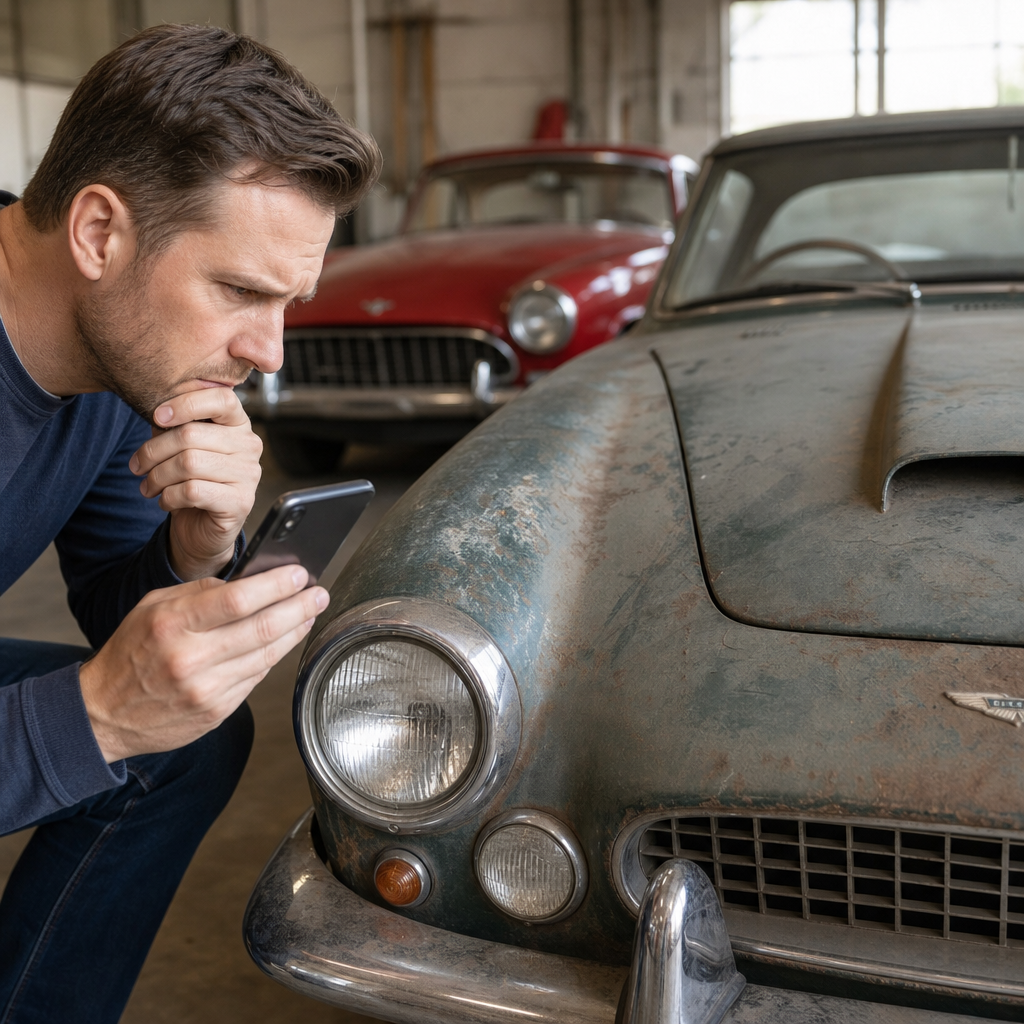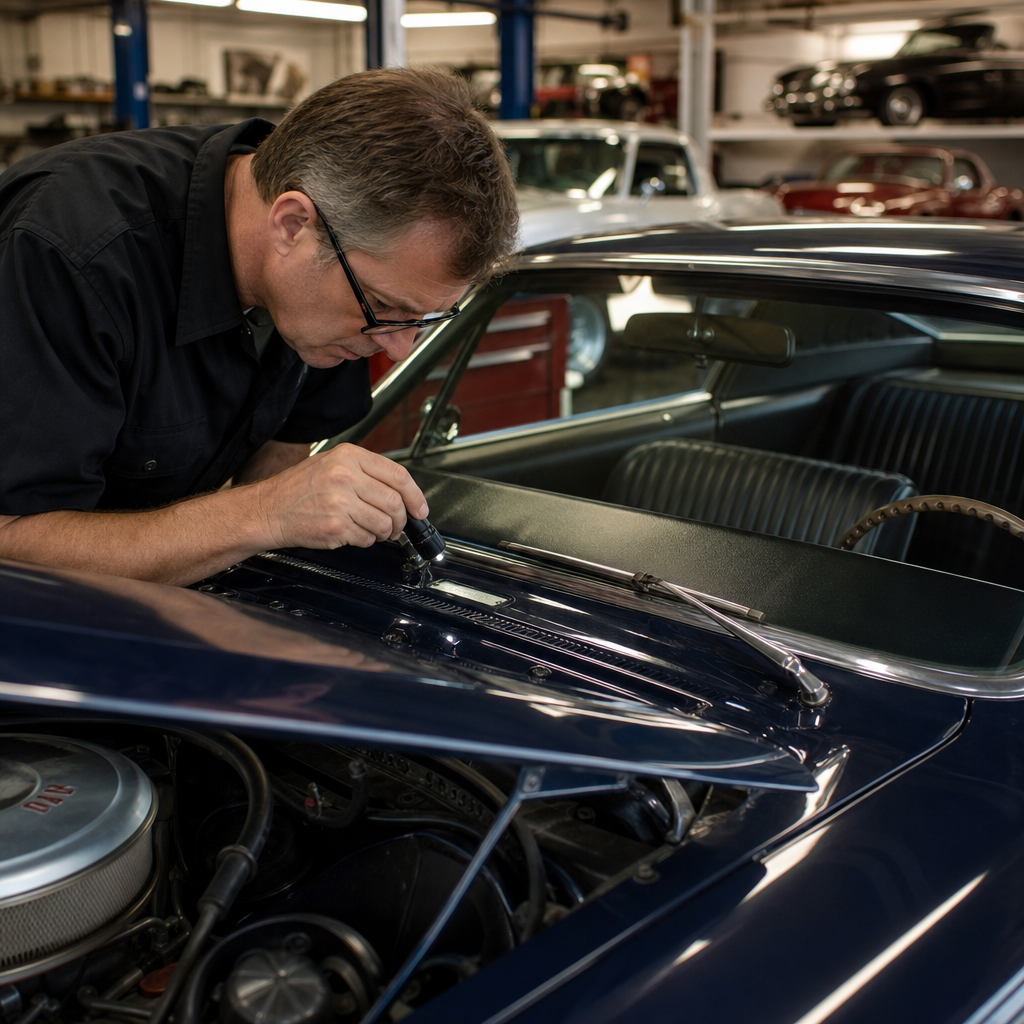

Selling a classic car looks simple from the outside: take photos, write a listing, name a price, and wait for a buyer. In practice, it is one of the easiest places for owners to lose money, waste months, or create legal problems they could have avoided. A classic car is not just used transportation. It is a collectible asset whose value depends on provenance, originality, condition, market timing, documentation, and buyer confidence. That combination makes mistakes expensive.
When I work with owners preparing a car for sale, the same issues appear again and again. A seller assumes sentimental value equals market value. Another skips records because the car “speaks for itself.” Someone else lists a partially sorted project as turnkey, then wonders why serious buyers disappear after one phone call. These are common mistakes when selling a classic car, and they matter because classic buyers are usually informed, cautious, and comparison driven. They know production numbers, option codes, known rust points, and current auction trends.
This hub article covers selling a classic car from start to finish. It explains where sellers go wrong, how to avoid the biggest pricing and presentation errors, what documents buyers expect, and how to choose the right selling channel. It also sets up the broader “Buying & Selling Classic Cars” topic by giving you the core framework for a successful sale: verify what you have, prepare it honestly, price it with evidence, market it clearly, and close the deal securely. If you do those five things well, you protect value and attract better buyers.
Misunderstanding value, market position, and buyer expectations
The biggest mistake when selling a classic car is mispricing it from the start. Most owners either anchor to emotional value or copy the highest asking price they can find online. Neither approach reflects the actual market. The right price comes from recent comparable sales, not unsold listings. In my experience, sellers who begin 20 percent too high often end up taking less than they would have received with a realistic launch price, because the car goes stale and buyers assume something is wrong.
To price a classic car properly, evaluate year, model, engine, transmission, originality, color combination, ownership history, restoration quality, and documentation. A numbers-matching driveline can materially change value. So can factory air, rare performance packages, or a highly desirable body style. Condition must be judged honestly across paint, chrome, glass, interior, underbody, mechanical operation, and panel fit. Industry benchmarks such as the Hagerty Price Guide and insurance condition tiers are useful starting points, but they are not substitutes for direct comps from Bring a Trailer, Mecum, Barrett-Jackson, Hemmings, marque forums, and dealer sales archives.
Buyer expectations also differ by segment. Muscle car buyers often focus on driveline authenticity, trim tags, and restoration correctness. Air-cooled Porsche buyers care deeply about service history, leakdown numbers, rust repair quality, and whether modifications are reversible. British roadster buyers may tolerate minor oil seepage but not structural corrosion. If you do not understand what your likely buyer values most, you will emphasize the wrong features and miss the details that actually drive offers.
Another frequent error is failing to define the car correctly. “Restored,” “survivor,” “driver,” “frame-off,” and “matching numbers” have specific meanings in the market. Using them loosely damages credibility. If the car was repainted fifteen years ago and freshened mechanically, it is not a concours restoration. If the engine block date does not align with the build date, you should not imply originality. Clear, accurate terminology attracts serious buyers because it reduces uncertainty. In classic car sales, certainty supports price.
Poor preparation before the car goes to market
Many sellers rush to list a car before it is ready. That costs money. Preparation does not always mean a full restoration or expensive cosmetic work. It means removing preventable objections. Start with a thorough detail, including engine bay, trunk, wheels, jambs, and undercarriage if appropriate. Dirt suggests neglect. A clean car signals care. I have seen average cars outperform better examples simply because they looked orderly, complete, and honestly maintained.
Mechanical sorting matters even more than shine. Fix easy reliability issues before listing: weak battery, fluid leaks from loose clamps, inoperative lights, old fuel, dead horn, sticky throttle linkage, or a nonfunctioning speedometer. Buyers expect an old car to have quirks, but they do not want to discover ten avoidable problems during the first inspection. If a repair is too costly to justify, disclose it clearly and price around it. Hidden issues kill deals faster than visible ones.
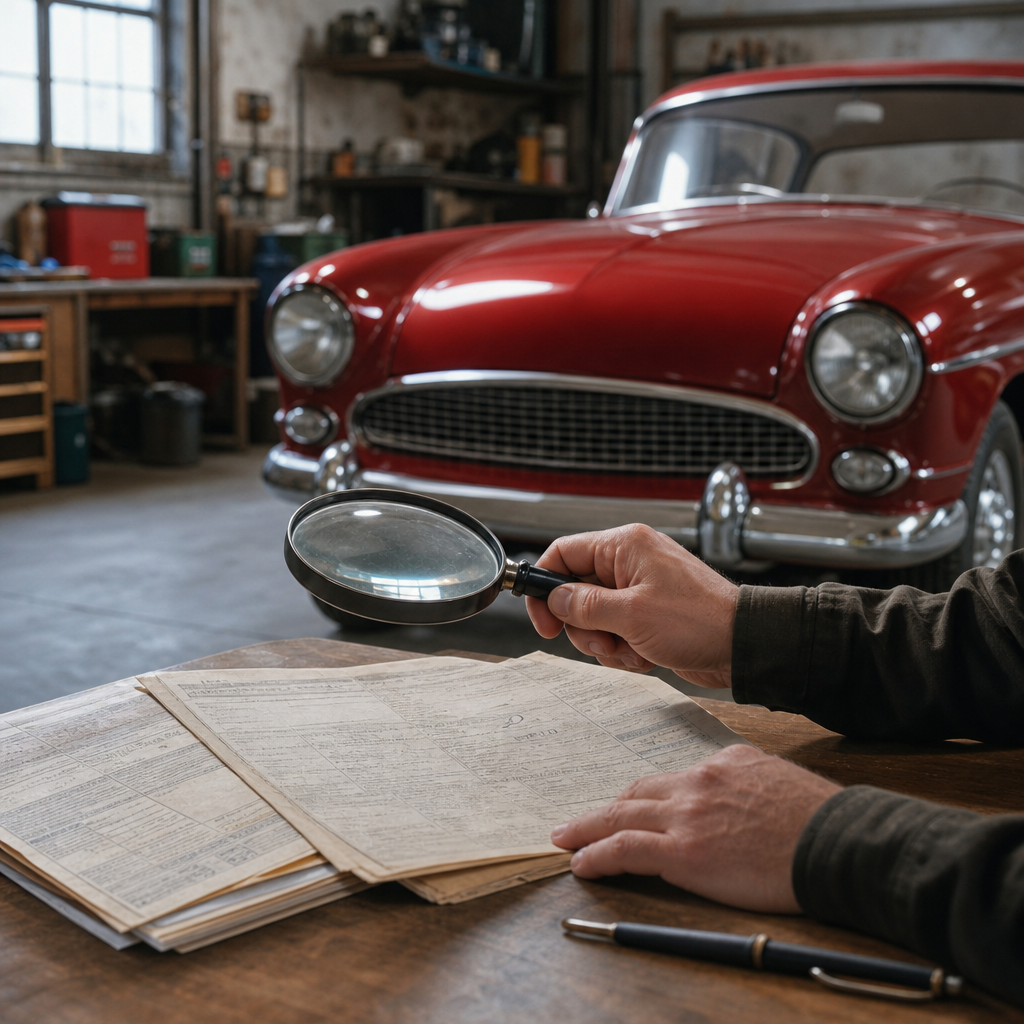
Documentation is part of preparation. Gather the title, registration, service invoices, restoration receipts, ownership history, original manuals, warranty booklet, spare keys, tool roll, jack, broadcast sheet, Protect-O-Plate, BMIHT certificate, Porsche Kardex or COA, and any judging sheets. Provenance adds confidence and, in many cases, value. A documented engine rebuild by a known specialist means more than a seller’s verbal assurance. A photo book showing metalwork before paint can answer rust concerns before they become negotiating leverage.
Sellers also underestimate presentation quality. Casual driveway photos, cluttered backgrounds, bad lighting, and a cold engine start tell buyers very little. Strong listings include exterior walkaround shots, interior details, VIN and trim tags, stampings if relevant, underside images, startup video, driving video, and close-ups of flaws. Good presentation does not hide imperfections; it frames them honestly. The best buyers are not scared away by flaws. They are scared away by missing information.
Using the wrong sales channel and weak listing strategy
Where you sell a classic car affects both speed and final price. One common mistake is choosing the easiest platform rather than the one that matches the car. A local classified ad may work for an entry-level cruiser, but a rare homologation special or well-documented split-window Corvette may need a national audience. Likewise, sending an ordinary driver-quality car to a high-fee auction can backfire if reserve strategy and bidder interest do not align.
Different channels serve different goals. Online auctions such as Bring a Trailer and Cars & Bids reward detailed listings, responsive seller engagement, and strong photo sets. Traditional auction houses like Mecum or RM Sotheby’s can be effective for high-profile cars, collections, and event-driven sales, but fees and transport costs matter. Hemmings, marque-specific forums, dealer consignment, and enthusiast Facebook groups still work well when the audience understands the model. The mistake is assuming one outlet fits every car.
| Sales channel | Best for | Main advantage | Main risk |
|---|---|---|---|
| Online auction | Documented cars with broad appeal | National exposure and transparent bidding | Weak presentation can cap results |
| Dealer consignment | Sellers wanting less involvement | Professional marketing and buyer handling | Commission reduces net proceeds |
| Private classified listing | Driver cars and local transactions | Low cost and direct negotiation | Smaller buyer pool |
| Live auction | Rare, high-demand, or event-friendly cars | Momentum and urgency | Fees, reserve pressure, and transport expense |
Listing strategy is just as important as platform choice. A weak description full of generic claims like “runs great” or “needs nothing” signals inexperience. Buyers want specifics: compression test results, repaint age, known rust repair locations, date codes on wheels, carburetor type, recent service, and what still needs attention. If the car has modifications, explain whether original parts are included. If it has flaws, list them before buyers ask. Detailed listings create efficient conversations and higher-quality leads.
Response management matters too. Serious buyers often test sellers with a few precise questions. If answers are slow, vague, or defensive, trust evaporates. Be ready with chassis numbers, cold-start behavior, ownership duration, title status, and a summary of recent maintenance. Keep a digital folder of photos and records so you can answer quickly. In classic car transactions, buyer confidence is built through competence long before money changes hands.
Ignoring legal, financial, and negotiation risks
Another major mistake when selling a classic car is focusing on the car while neglecting the transaction. Titles, liens, taxes, payment method, export paperwork, and bill of sale details can derail an otherwise solid deal. Before listing, confirm that the title is in your name, matches the car’s identification number, and is free of errors. Older vehicles sometimes use chassis numbers that differ from modern VIN formats; clarify this upfront so buyers and lenders are not surprised.
Payment risk is real. Cash is simple for small local deals, but many classic cars sell for amounts that require wire transfers or certified funds. Do not release the car or title until funds have fully cleared. Verify incoming wires directly with your bank, not from an emailed screenshot. If the buyer is overseas, define who handles shipping, insurance, customs forms, and storage timing. Escrow services can help, but only when they are reputable and independently verified.
Negotiation mistakes are equally costly. Sellers often talk too much, reveal desperation, or respond emotionally to lower offers. The strongest position is built before negotiation begins: accurate pricing, complete records, and clear disclosures. If your asking price is evidence based, you can explain it calmly using comps, options, and recent service. If a buyer points out real issues, acknowledge them and show that they are already reflected in the price. Defensiveness invites harder bargaining.
It is also a mistake to hide flaws in hopes of preserving value. Most serious buyers arrange inspections, use paint meters, or bring marque experts. Discovery after the fact can collapse a sale or expose you to claims of misrepresentation. The better approach is simple: disclose known rust, non-original stampings, replacement panels, accident history, imperfect gauges, and any title branding. Honest disclosure narrows the buyer pool slightly, but it dramatically improves the odds of closing with the right buyer at a fair price.
How to sell a classic car successfully from start to finish
The best classic car sales follow a repeatable process. First, identify the car accurately. Verify serial numbers, engine and gearbox numbers where relevant, option codes, production data, and ownership history. Second, assess condition honestly, including strengths and defects. Third, gather documents and create a complete visual record. Fourth, choose the sales channel that matches the car’s value bracket and audience. Fifth, price the car using recent comparable sales and adjust for condition, originality, and provenance. Finally, manage inquiries professionally and close the transaction with clear paperwork and secure payment.
Real-world results improve when sellers think like buyers. Ask what would make you hesitate if you were wiring significant money for a fifty-year-old machine you had never seen in person. Usually the answer is uncertainty: unclear photos, missing records, fuzzy claims, or a seller who cannot explain the car’s story. Reduce uncertainty and you reduce discounting. That is why a well-documented, accurately described driver can outsell a shinier but vague example.
This hub page should guide every other article in the “Selling a Classic Car” subtopic because the same principles apply whether you are moving a first-generation Mustang, an E-Type Jaguar, a C10 pickup, or an air-cooled 911. Preparation, evidence, honesty, and transaction discipline protect value. If you are getting ready to sell, start by building a file with records, photographing the car thoroughly, and benchmarking real sale prices. Then choose the channel that fits the car and present it with precision. Done properly, selling a classic car becomes less stressful, more credible, and far more profitable.
Frequently Asked Questions
What is the biggest mistake owners make when selling a classic car?
The most common and most expensive mistake is treating a classic car like an ordinary used vehicle. A classic car is valued very differently from a daily driver. Buyers are not just looking at mileage, paint shine, and whether it starts easily. They are evaluating originality, rarity, documentation, ownership history, restoration quality, drivetrain correctness, factory options, and how confidently the seller can support every claim being made. When an owner lists the car casually, guesses at the details, or assumes “someone will appreciate it,” the car often sits too long, attracts the wrong buyers, and ultimately sells for less than it should.
Another part of this mistake is failing to present the car as an asset. Serious buyers want evidence, not vague descriptions. If the seller cannot explain whether the engine is numbers-matching, what work has been done, whether rust repair was cosmetic or structural, or how long they have owned the car, trust drops immediately. In the classic market, lower buyer confidence almost always means lower offers. Owners who take time to organize records, verify facts, photograph the car properly, and describe it honestly usually sell faster and with less negotiation pressure.
How does incorrect pricing hurt the sale of a classic car?
Pricing errors damage a sale in both directions. If you price the car too high, you may think you are leaving room to negotiate, but in reality you often discourage the most qualified buyers from contacting you at all. Experienced classic car shoppers track the market closely. They compare your car against recent sales, current listings, auction results, condition grades, originality, and model-specific demand. If your asking price is clearly unrealistic, many of the best buyers simply move on. The listing then gets stale, and once a car has been sitting for a long time, buyers begin wondering what is wrong with it.
Pricing too low creates a different problem. While it may generate attention quickly, it can cost you a substantial amount of money, especially if the car has rare options, excellent provenance, or restoration quality that casual market guides do not fully capture. Undervaluing a classic car is particularly common when sellers rely on broad online estimates or compare their example to cars in very different condition. A smart approach is to evaluate comparable private sales, auction trends, documentation quality, originality, mechanical condition, and current market timing. A well-priced classic car feels credible to buyers and gives you leverage because it signals that you understand what you are selling.
Why are documentation and provenance so important when selling a classic car?
Documentation is one of the strongest value drivers in the classic car market because it reduces uncertainty. Buyers pay more when they feel they are purchasing a car with a clear, supportable story. That includes titles, service records, restoration invoices, ownership history, factory build information, manuals, window stickers, judging sheets, photographs of restoration work, and any records that confirm originality or important milestones in the car’s life. Even if the car is beautiful, a lack of paperwork can create doubts about authenticity, mileage, prior damage, or the quality of past work.
Provenance matters because classic cars are often bought emotionally, but justified financially. A car with known history, long-term ownership, period-correct components, and complete records inspires confidence. A car with gaps, inconsistent stories, or undocumented claims forces buyers to assume risk. That risk gets reflected in lower offers. Sellers often make the mistake of mentioning features such as “matching numbers,” “frame-off restoration,” or “rare factory option car” without backing those statements up. In this market, unsupported claims can do more harm than saying less. The stronger your paperwork, the easier it is for a buyer to justify your asking price and complete the transaction without hesitation.
What listing and presentation mistakes cause classic cars to sit unsold?
Poor presentation is one of the fastest ways to weaken buyer interest. Many owners take a handful of rushed photos in a dark garage, write a short description, and expect the car to sell itself. That rarely works well with collectible vehicles. Buyers want a complete visual and factual picture before they invest time in a call, inspection, or travel. Incomplete listings create uncertainty, and uncertainty lowers response quality. Strong listings include clear photos of the exterior from every angle, interior, engine bay, trunk, undercarriage, VIN tags, casting numbers when relevant, documentation, and any flaws. Hiding imperfections does not protect value; it damages trust when they are eventually discovered.
The written description matters just as much. A weak listing uses generic phrases like “runs great” or “beautiful car” without specifics. A strong listing explains what the car is, what makes it desirable, what has been restored or preserved, what remains original, how it drives, what recent maintenance has been completed, and what known issues still exist. Good sellers also disclose flaws directly, such as paint chips, non-working gauges, seepage, aftermarket modifications, or rust history. Detailed honesty attracts serious buyers because it shows professionalism. In classic car sales, transparency is not a disadvantage. It is often what separates a quick, clean transaction from months of wasted conversations.
What legal and transaction mistakes should sellers avoid when closing a classic car sale?
One of the biggest closing mistakes is assuming that once a buyer agrees on a price, the difficult part is over. In reality, paperwork, payment method, title transfer, state-specific requirements, and fraud prevention all matter. Sellers can create major problems by accepting unsafe payment arrangements, handing over the car before funds fully clear, signing the title incorrectly, or failing to document the terms of the sale. A classic car transaction should always include a clear bill of sale, accurate vehicle identification information, the agreed purchase price, odometer disclosure if required, and language clarifying whether the vehicle is being sold as-is, subject to applicable law.
Fraud risk is also higher than many first-time sellers expect. Wire scams, fake cashier’s checks, overpayment schemes, and buyers who pressure sellers into rushed shipping arrangements are all common issues. The safest sellers verify identity, confirm funds through their bank, maintain written communication, and avoid releasing the car or title until payment is secure. It is also important to understand your state’s title rules, lien release requirements, tax documentation, and whether the buyer is domestic or international. A sloppy closing can lead to delayed registration, disputes over condition, or even liability concerns if ownership was not transferred properly. Careful documentation and a disciplined payment process protect both your money and your peace of mind.