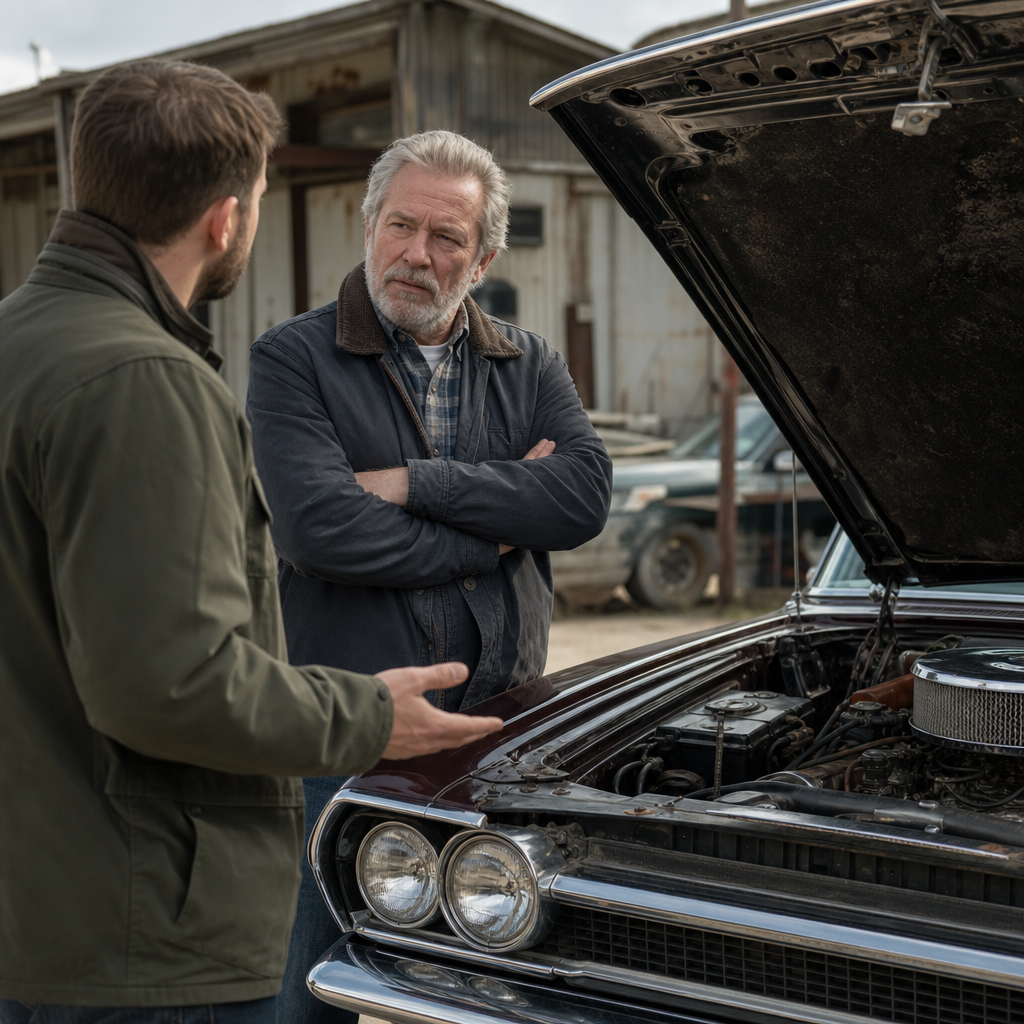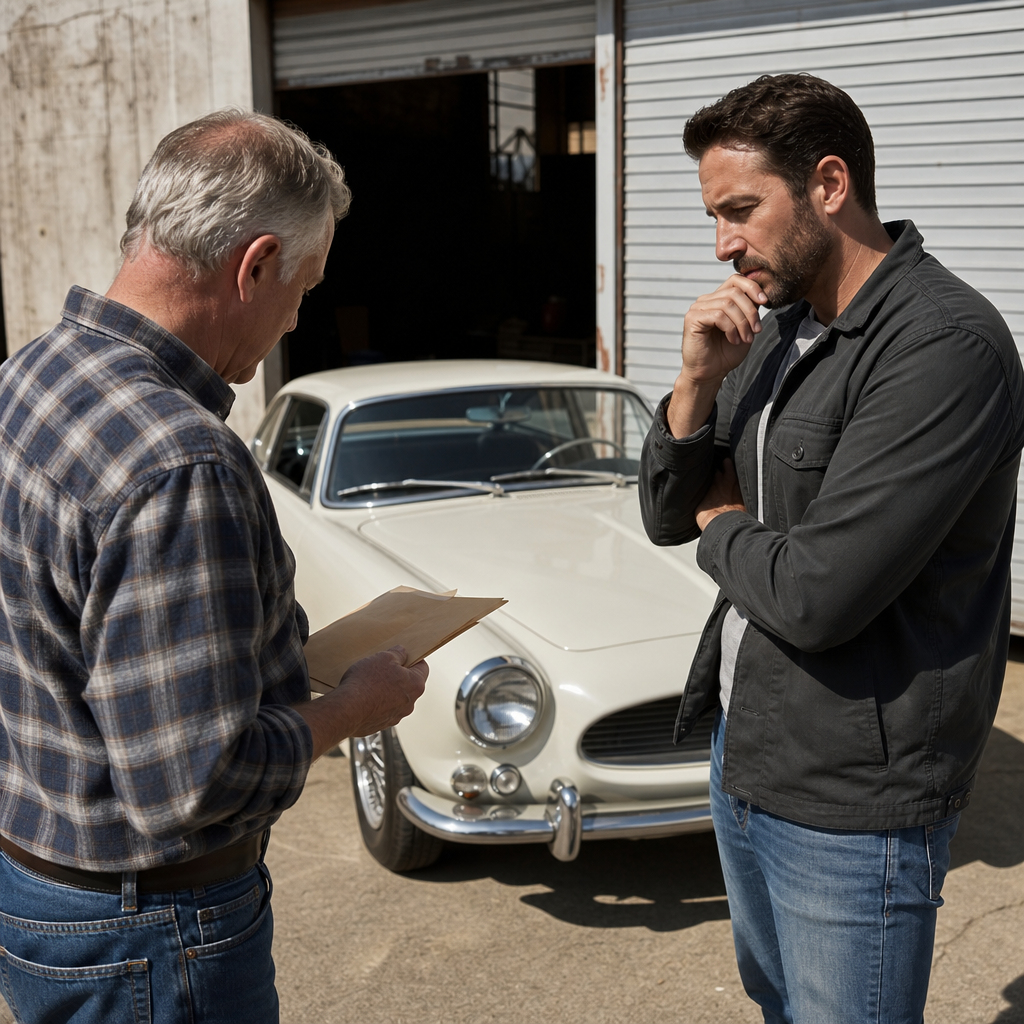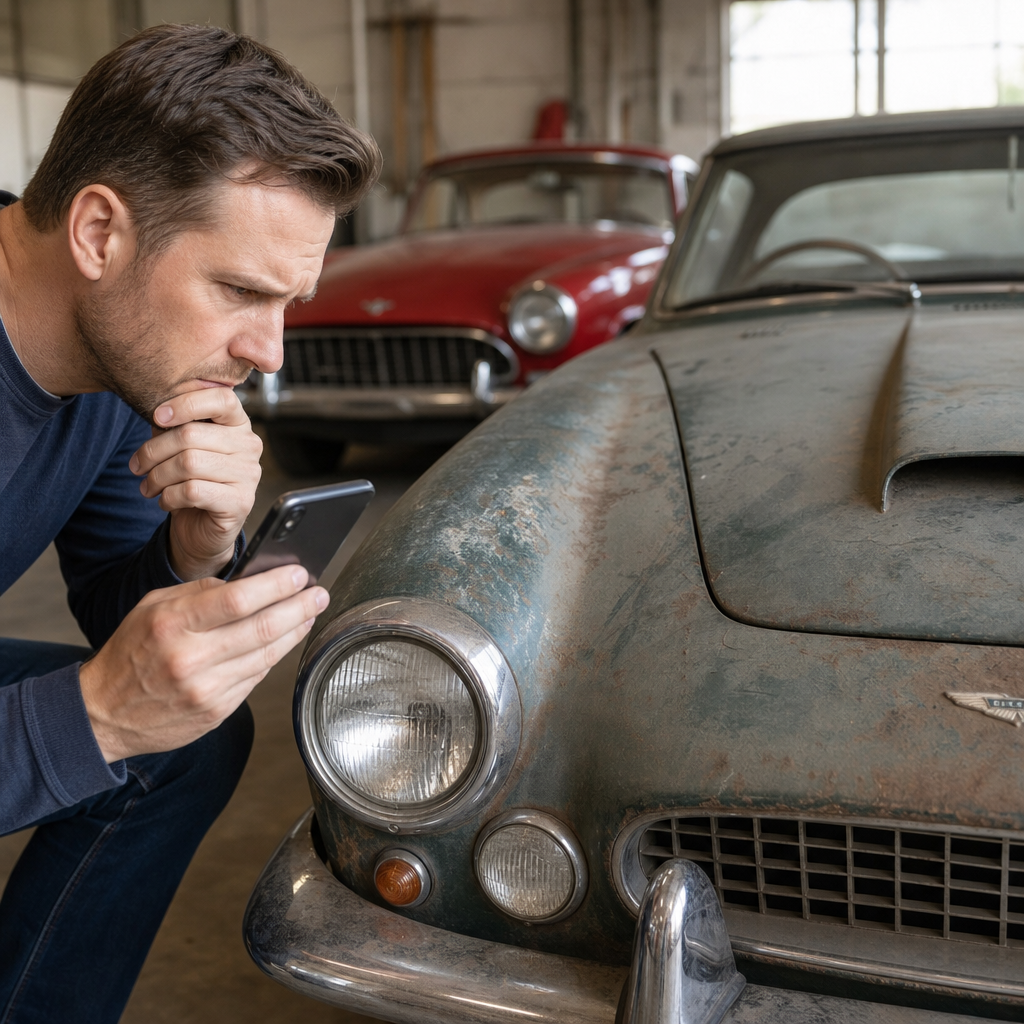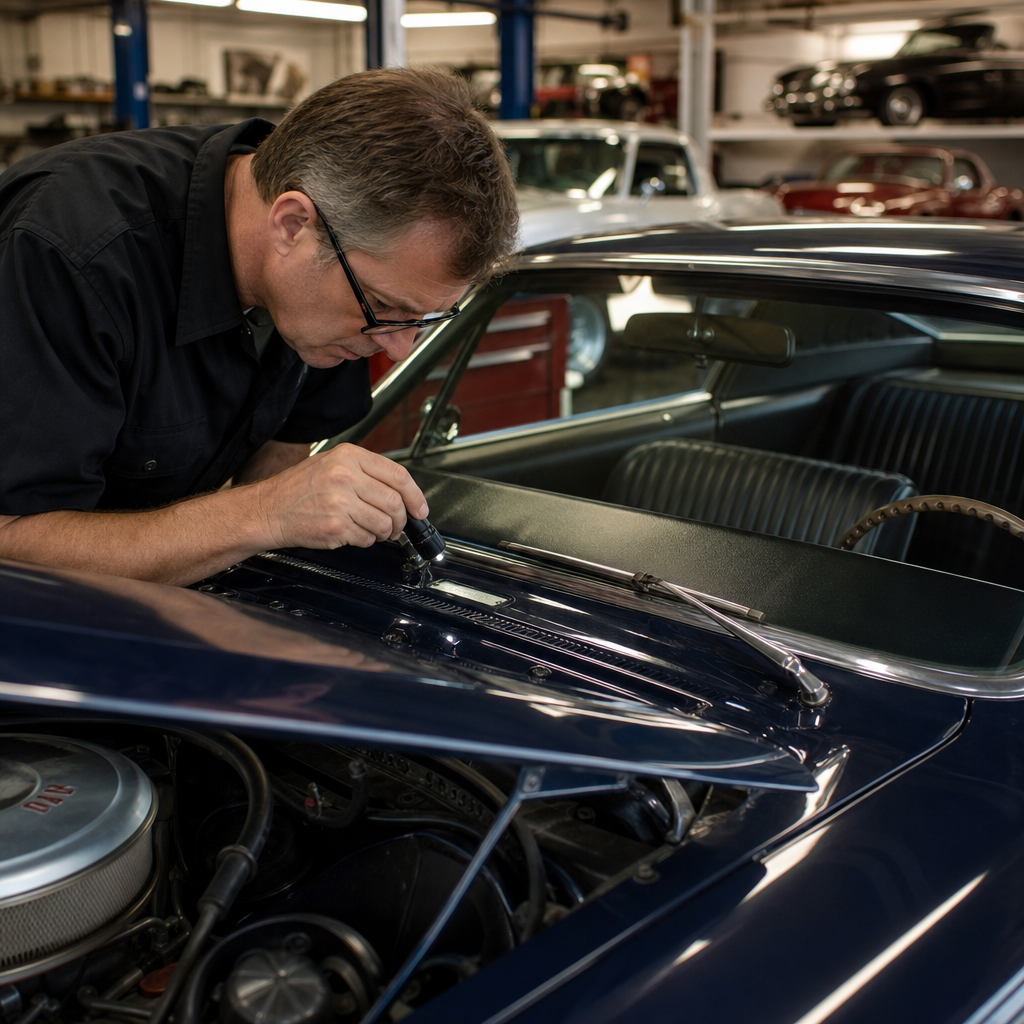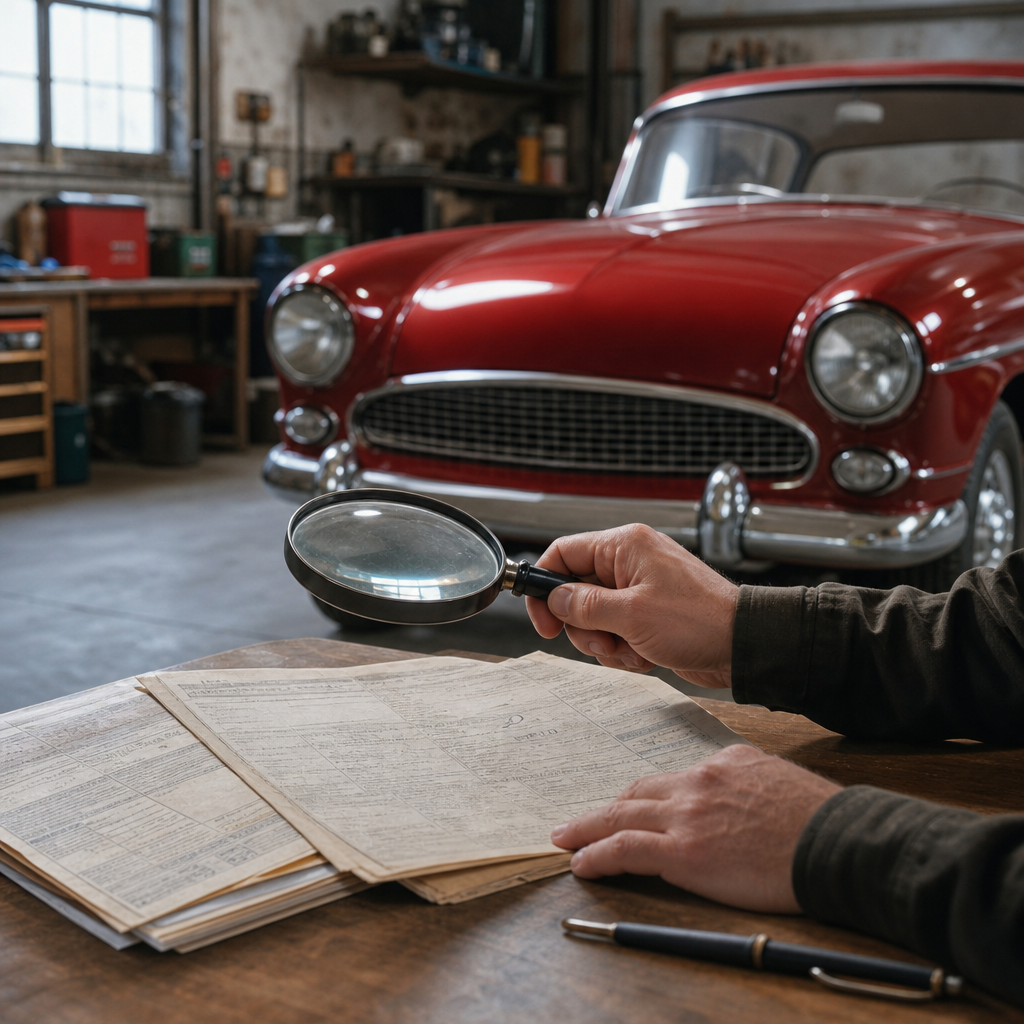

Selling a classic car is negotiation in its purest form: emotion meets market reality, originality meets buyer expectations, and price meets proof. In the classic car market, negotiating as a seller means more than naming an asking price and waiting for offers. It means understanding condition grading, provenance, matching numbers, restoration quality, title status, comparable sales, and the psychology of collectors who often know exactly what they want. When done well, negotiation protects value, reduces wasted time, and helps you close with confidence rather than second-guessing the deal afterward.
I have worked with sellers who assumed a desirable badge would carry the transaction, only to discover that documentation, presentation, and disciplined communication mattered more than nostalgia. A strong seller negotiates before the first conversation begins. That work includes assembling service records, photographing flaws honestly, verifying VIN and chassis details, identifying modifications, and studying recent sales from sources such as Bring a Trailer, Hemmings, Hagerty Valuation Tools, marque forums, Mecum, and Barrett-Jackson. This article serves as the hub for selling a classic car, showing how to set your position, manage buyers, justify your price, and know when to compromise.
Negotiation matters because classic cars are rarely interchangeable commodities. Two 1967 Mustangs, 911s, or E-Types can look similar in photos yet trade thousands apart due to rust repair quality, driveline originality, color combinations, ownership history, or whether the restoration was cosmetic instead of mechanical. Buyers ask direct questions: Is it numbers matching? Are there receipts? Has the car been repainted? Does everything work? Can it be driven home? Sellers who answer clearly and back claims with evidence command better offers and smoother closings. If you want to sell a classic car effectively, negotiation is the skill that turns interest into a fair, defensible sale price.
Build your negotiating position before listing the car
The best negotiation strategy starts with preparation, because leverage comes from certainty. Before listing, confirm the exact identity of the car: VIN, engine stampings, transmission codes, trim tags, body numbers, title name, and any supporting certificates from recognized registries or manufacturers. If the car is represented as matching numbers, be able to prove it. If it is not, say so plainly. In my experience, sellers lose more value from vague claims than from honest disclosures. A buyer can work with a non-original engine; a buyer will walk away from uncertainty.
Condition must be described using consistent language. Separate paint, body, undercarriage, interior, glass, electrical systems, brakes, cooling, drivetrain, suspension, and trim. Note what works, what was rebuilt, and what still needs attention. If rust was repaired, specify where and when. If the car has a restoration, identify whether it was frame-off, partial, driver-quality, or preservation-focused. Documentation is part of condition. Organize invoices, ownership history, judging sheets, manuals, spare parts inventories, and inspection reports into a digital folder you can share quickly. Buyers pay more when the file tells the car’s story without gaps.
Price strategy also belongs in preparation. Review current listings, but rely more heavily on completed sales because asking prices often reflect hope rather than market-clearing reality. Compare your car against the right peers: same engine, transmission, body style, originality level, and condition tier. Then establish three numbers: your public asking price, your realistic target price, and your walk-away number. That structure keeps you from improvising under pressure. If your listing includes links to more detailed pages about pricing, documentation, inspections, shipping, escrow, and fraud prevention, you also create a stronger path for serious buyers moving through your classic car selling process.
Price the car to create leverage, not confusion
Sellers often ask whether to price high to leave room for negotiation. The answer is yes, but only within the range the market can support. An inflated asking price weakens credibility, invites lowball offers, and causes serious buyers to skip the listing entirely. A disciplined ask creates room to negotiate while signaling that you understand the car’s place in the market. The strongest listings pair a firm but reasonable price with detailed evidence: restoration receipts, compression numbers, paint meter readings when available, cold-start videos, underbody photos, and a clear explanation of what distinguishes the car from cheaper comparables.
One effective framework is to anchor with evidence rather than emotion. For example, if a 1970 Chevelle SS is priced above another car that appears similar, explain why: documented build sheet, factory four-speed, recent suspension refresh, date-code-correct components, and rust-free original floors. Buyers do not mind paying more for substantiated quality. They resist paying more for adjectives. Words like “rare,” “investment-grade,” and “showroom” are overused and usually unhelpful unless supported by production data, concours results, or expert inspection findings. Precision beats hype in every negotiation.
It also helps to decide how you will handle offers before they arrive. Some sellers accept offers by phone only; others require written offers with contact details and proposed payment terms. Written offers reduce confusion and expose weak buyers quickly. If the market is active, you can state that the car will be sold to the first buyer who completes deposit, verification, and agreed paperwork. If demand is softer, inviting reasoned offers can widen the pool. What matters is consistency. When you negotiate from a defined process, buyers take both the car and the seller more seriously.
Manage buyer conversations with clarity and control
Most classic car negotiations are won in the first serious conversation, long before money changes hands. Your goal is to qualify the buyer, answer questions directly, and keep the discussion factual. Ask how long they have been looking, whether they know the model well, if they need financing, and whether they plan to inspect in person or send a specialist. Serious buyers appreciate directness because it saves time. Casual browsers usually reveal themselves through vague interest, repeated requests for information already in the listing, or immediate low offers without engaging the car’s specifics.
When buyers ask, “What is your best price?” do not negotiate against yourself. A better response is: “I’m open to reasonable offers after you review the documentation and understand the car.” That keeps the burden on the buyer to make a proposal. If a buyer identifies a real issue, such as old tires, inoperative gauges, or a non-original carburetor, acknowledge it and explain whether your price already reflects that factor. Never argue with facts. Address them, price them, and move forward. Credibility compounds over the course of a negotiation.
Communication discipline matters. Answer messages promptly, but do not become available at all hours. Keep records of what you said, especially around originality, repairs, and included parts. If multiple buyers are interested, be transparent without inventing urgency. Saying “I have two other active conversations and one inspection scheduled” is acceptable if true. Fabricated pressure backfires. For higher-value cars, I recommend moving substantive negotiation points into email or a written message thread so terms are clear. That practice reduces misunderstandings on deposits, inspection windows, included spares, transport timing, and title transfer responsibilities.
| Buyer signal | What it usually means | Best seller response |
|---|---|---|
| Asks for VIN, underbody photos, and records early | Serious due diligence | Provide organized documentation and invite specific questions |
| Opens with a steep discount and no discussion | Low-probability buyer or reseller | Restate evidence-based price and avoid extended debate |
| Requests inspection and discusses transport | High purchase intent | Set timeline, access terms, and deposit expectations |
| Focuses only on monthly payment or financing | Possible budget mismatch | Confirm ability to complete purchase before holding the car |
Handle inspections, objections, and concessions strategically
Every classic car sale eventually reaches the objection stage. Buyers may point to seepage, paint defects, worn bushings, incorrect hardware, or signs of prior metalwork. The right response is not defensiveness; it is context. Distinguish between flaws that are typical for an honest driver and flaws that materially affect value. A minor oil drip on an older British car may not carry the same weight as hidden structural rust on a unibody muscle car. By framing issues accurately, you prevent buyers from treating every imperfection as grounds for a dramatic discount.
Pre-purchase inspections often strengthen a good seller’s position because independent findings can validate your description. Set terms in advance. Decide who pays, where the inspection occurs, whether the car can be road-tested, and how long the buyer has to respond. If the inspection reveals an undisclosed issue, address it directly. You can repair it, reduce the price, split the estimated cost, or hold firm if the buyer is overstating its impact. The important point is to negotiate concessions selectively. Once sellers start offering random discounts just to keep momentum, buyers assume there is more value to extract.
Use concessions as trade-offs, not gifts. If you move on price, ask for something in return: a nonrefundable deposit, a shorter closing timeline, waived cosmetic requests, or buyer-paid shipping. You can also preserve headline price by including extras such as spare trim, original wheels, manuals, or a car cover instead of cutting cash. This works particularly well when the buyer values completeness. The most effective negotiators understand that a deal includes terms, not only price. Payment timing, inspection scope, storage period after sale, and included parts can all be negotiated to protect your outcome.
Close the deal safely and protect the transaction
Closing is where disciplined sellers separate themselves from hopeful amateurs. Once price and terms are agreed, summarize everything in writing: vehicle identification, sale price, deposit amount, payment method, contingencies, included parts, title status, and delivery timeline. A bill of sale should reflect the car accurately and comply with state requirements. If there is a lien, resolve it before advertising whenever possible. If the title has errors, duplicate applications, or name mismatches, fix them before the buyer is at your door. Title problems destroy trust faster than almost any mechanical issue.
Payment method deserves strict rules. For significant transactions, bank wire transfer is standard, often paired with identity verification and direct confirmation from your bank before releasing the car and title. Cash can work in person, but count and verify it at the bank. Cashier’s checks are widely used yet commonly misunderstood; they should clear fully before release. Escrow services can add protection for distant deals, particularly when the buyer cannot inspect personally. Do not accept overpayments, third-party pickup stories, or pressure to release the vehicle before funds are irreversibly settled. Fraud in collector car sales is common enough that caution is not optional.
Transport and handoff should be organized with the same care as pricing. Photograph the car on pickup day, note mileage, document included parts, and confirm who bears risk during shipping. If the buyer’s transporter is collecting the vehicle, verify company details and send a signed release note. Remove toll tags, personal items, and registration materials not required for transfer. After the sale, keep copies of every document and file any required notice of transfer with your state. A clean closing protects both your proceeds and your reputation, which matters if you sell another classic car later or participate regularly in enthusiast communities.
Know when to hold firm and when to walk away
The strongest classic car sellers are not the most aggressive; they are the most disciplined. Hold firm when your asking price is backed by current comparables, thorough records, honest presentation, and verified originality or restoration quality. If a buyer wants a large discount simply because they always negotiate hard, you do not need to reward that tactic. A fair market transaction is not the same as “meeting in the middle.” It is arriving at a number supported by evidence and terms that reduce risk for both parties.
At the same time, flexibility has value when the market is changing or the car appeals to a narrower audience. Modified classics, unfinished projects, unusual colors, and cars with partial histories often require a more pragmatic posture. The key is to concede intentionally. If your target is to sell a classic car efficiently, preserving momentum may outweigh squeezing out the final few percentage points. I have seen sellers lose strong buyers over small differences, only to accept less months later after additional storage, maintenance, and advertising costs. Time is part of price, even when sellers ignore it.
In the end, successful negotiation as a seller comes down to preparation, evidence, communication, and process. Know the car better than anyone who calls. Price it from real sales, not wishful listings. Answer questions directly, welcome inspection, and tie every concession to a return benefit. Close with secure payment and precise paperwork. If you are building your selling plan, use this page as your hub, then move into deeper guides on pricing, listing photos, documentation, inspections, escrow, title transfer, and shipment. A well-negotiated sale protects value, reduces stress, and puts the right classic car in the right hands.
Frequently Asked Questions
How should I set my asking price when selling a classic car?
Start with evidence, not emotion. In the classic car market, the strongest asking prices are built on documented value drivers such as condition, originality, provenance, matching numbers, restoration quality, title status, rarity, and recent comparable sales. Look at what similar vehicles have actually sold for rather than what sellers are currently asking. Auction results, private-sale data, marque-specific forums, dealer listings, and collector market reports can all help you establish a realistic range. Then adjust that range based on the exact strengths and weaknesses of your car. A highly original example with factory documentation and a clean title should be priced differently from a car with non-original components, older cosmetic restoration work, or incomplete records.
It also helps to decide on three numbers before you speak with any buyer: your ideal price, your acceptable price, and your absolute walk-away number. That structure keeps you from negotiating impulsively. In many cases, sellers benefit from pricing slightly above their true target to allow room for reasonable negotiation, but not so high that serious buyers dismiss the listing. Collector buyers are often well informed, and if your price seems disconnected from market reality, they may assume the car has issues or that the deal will be difficult. A strong asking price is one you can defend calmly with documentation, photos, service history, and market comps. When your number is backed by proof, negotiations become more controlled and more credible.
What documentation helps me negotiate more effectively as a seller?
Documentation is one of the most powerful tools a seller has because it reduces uncertainty for the buyer. The more verifiable information you can provide, the easier it is to justify your asking price and resist unnecessary discounting. At a minimum, gather the title, registration, VIN and engine-number documentation, service records, restoration receipts, ownership history, photographs of the work performed, inspection reports, manuals, and any factory or marque-specific authenticity documents. If the car has matching numbers, make that claim only if you can support it. If it has notable provenance, such as celebrity ownership, important event history, or original dealer paperwork, organize that material in a way that is easy for a buyer to review.
Good documentation does more than prove what the car is; it also tells a story about how it has been cared for. Buyers in the classic car market are often paying for confidence as much as they are paying for metal, paint, and horsepower. A thick file of records can support a stronger position during negotiations because it answers objections before they gain momentum. For example, if a buyer questions restoration quality, receipts and progress photos can show the scope and standard of the work. If a buyer tries to discount the car over uncertainty about mechanical reliability, maintenance records may counter that concern. Organized paperwork signals professionalism, honesty, and preparedness, all of which improve your leverage at the negotiating table.
How do I respond when a buyer points out flaws to push the price down?
Expect it, and do not take it personally. Serious buyers nearly always use flaws, omissions, or uncertainties as negotiation tools. Your best response is to stay calm, acknowledge legitimate issues, and separate factual concerns from bargaining tactics. If the buyer identifies a real weakness—such as paint imperfections, a non-original engine component, aged interior materials, or a gap in service records—be honest about it. Credibility matters. Trying to minimize obvious issues can damage trust and weaken your overall position. Instead, explain how those factors were already considered in your asking price, and support that explanation with comparable sales and documentation.
The key is to avoid negotiating against yourself. If a buyer lists every cosmetic blemish and mechanical unknown, do not immediately volunteer a discount. Ask follow-up questions, clarify the significance of the issue, and bring the discussion back to the car’s strengths: originality, rarity, provenance, restoration quality, drivability, or documentation. In many cases, buyers highlight flaws not because they are deal-breakers, but because they want to see how flexible you are. If a concern is legitimate and material, you can decide whether to adjust the price modestly, offer to address the issue before closing, or hold firm based on the total package. A disciplined seller listens carefully, responds with facts, and negotiates from the full value of the car rather than from the buyer’s list of criticisms.
Should I negotiate differently with collectors, dealers, and first-time classic car buyers?
Yes. Different buyers bring different goals, knowledge levels, and pressure points, and a smart seller adjusts accordingly. Collectors often know the model deeply and may focus on authenticity, production details, factory options, numbers matching, and provenance. With them, precision matters. They are more likely to respect a firm price if your car is properly represented and thoroughly documented. Dealers, on the other hand, usually negotiate with resale margin in mind. They may move quickly and transact efficiently, but they often want room to recondition, market, and profit from the vehicle. If you are dealing with a dealer, understand that their offer may reflect wholesale logic rather than retail value. That does not make it unreasonable, but it does mean you should evaluate it in the right context.
First-time classic car buyers often negotiate from a place of caution. They may be worried about maintenance, originality claims, hidden rust, title issues, or whether they are overpaying. With these buyers, education and reassurance can be just as important as price. A patient, transparent conversation can help maintain value without creating pressure. Explain the car clearly, provide documentation proactively, and walk them through why the car is priced where it is. In every case, the principle is the same: understand what matters most to the buyer, then negotiate around those priorities without giving away value unnecessarily. Tailoring your approach does not mean changing the truth; it means communicating the value of the car in a way that resonates with the person across from you.
When should I hold firm, and when should I accept an offer?
You should hold firm when your price is well supported, buyer interest is healthy, and the offer fails to reflect the car’s documented value. If you have strong comparables, complete records, a desirable specification, and confidence in the market for your particular car, there is no reason to panic over an aggressive low offer. Not every buyer is the right buyer, and part of negotiating well as a seller is knowing when to say no. Holding firm is especially appropriate when the buyer is using generic pressure tactics, mischaracterizing the car’s condition, or expecting a major discount without evidence. Confidence is persuasive when it is backed by facts.
You should consider accepting an offer when it aligns with your pre-established acceptable range and reflects the real-world market, not just your ideal outcome. Timing, storage costs, seasonality, insurance, carrying costs, and your own goals all matter. If the car has been on the market for a while, if serious inquiries have been limited, or if multiple knowledgeable buyers are clustering around the same number, that may be the market speaking. A fair, clean deal with a serious buyer is often better than holding out indefinitely for a perfect price that may never materialize. The best sellers negotiate with a clear plan: they know the car’s value, they know their minimum terms, and they recognize that a successful negotiation is not about winning every dollar—it is about closing a solid deal without compromising the car’s worth.