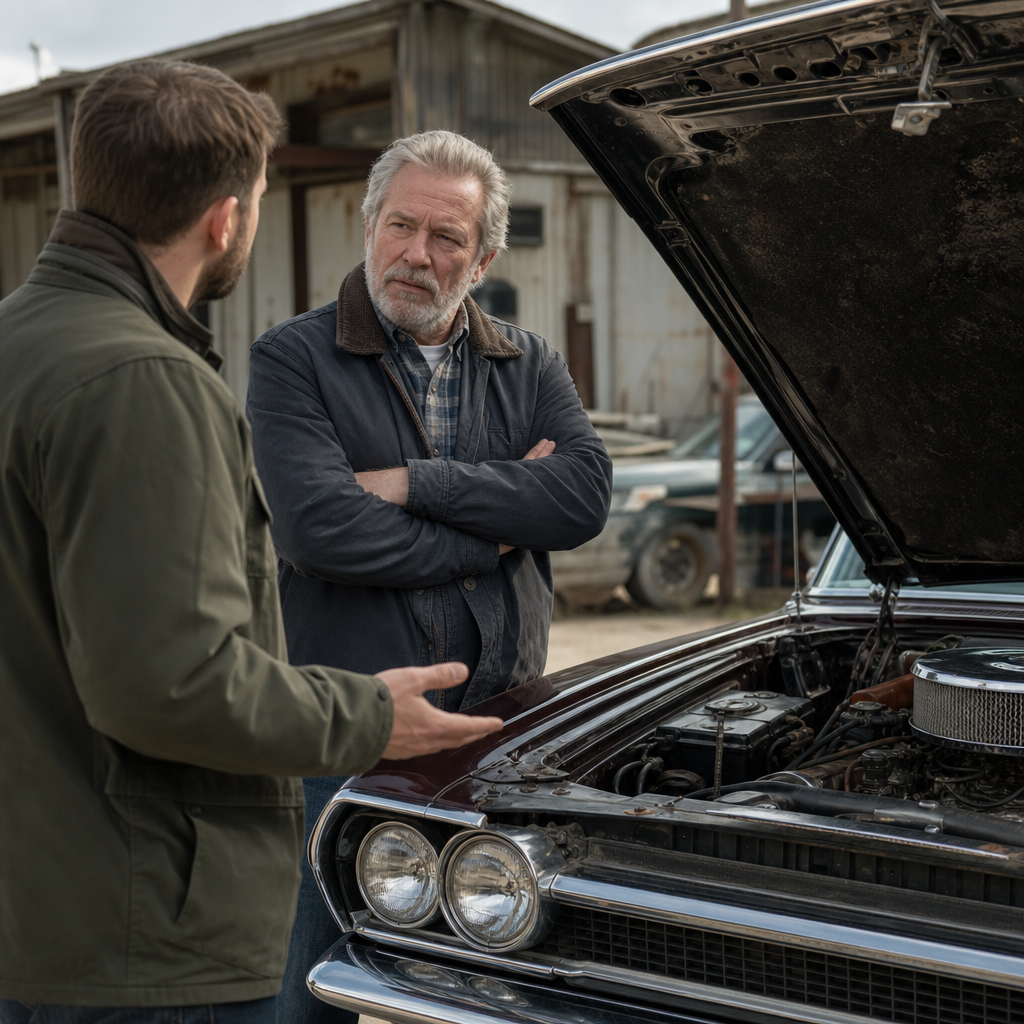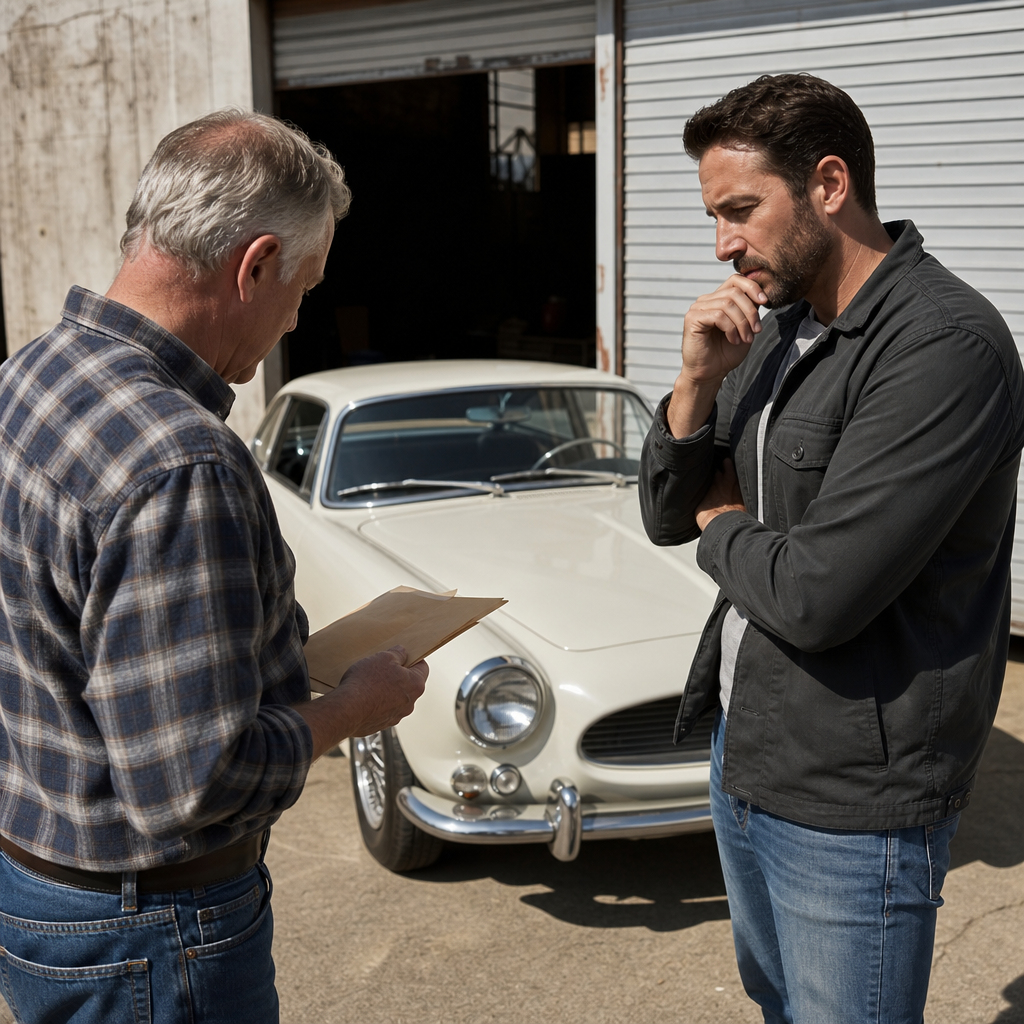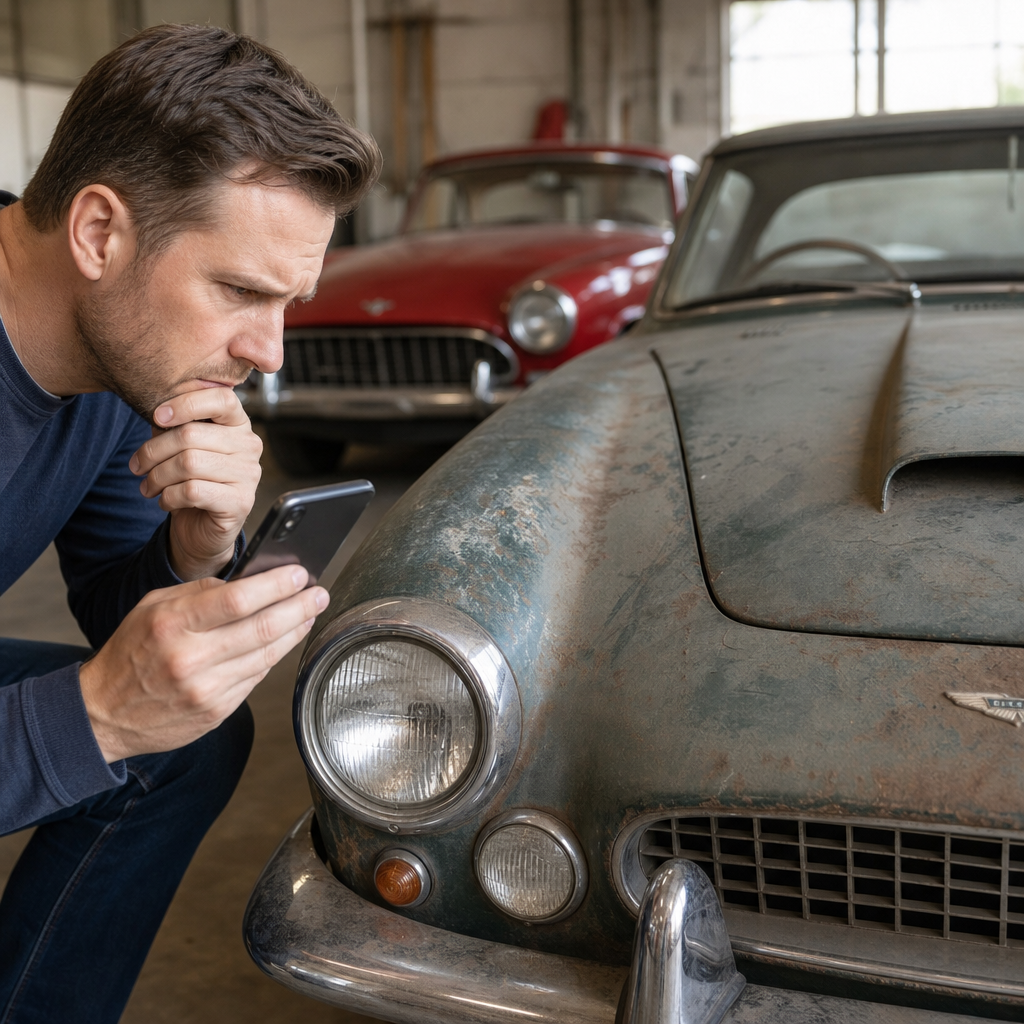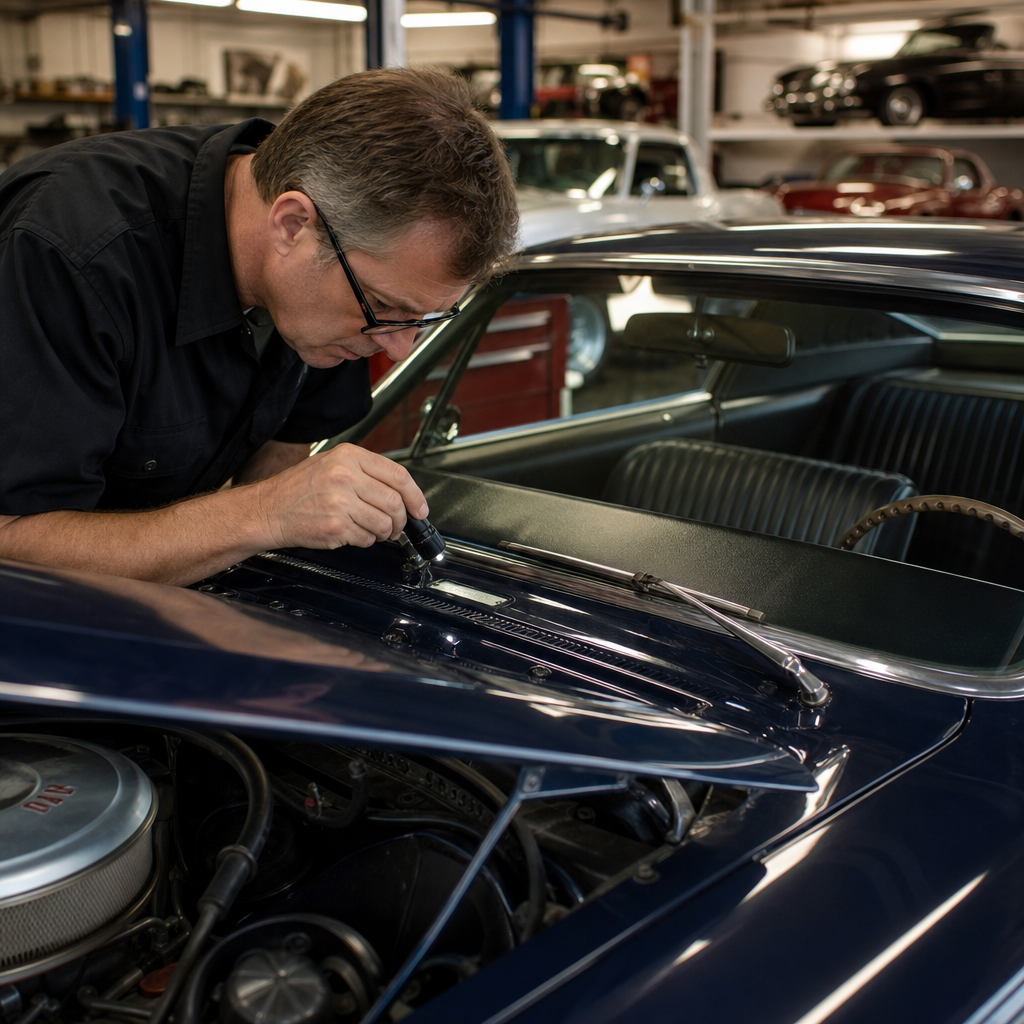
Selling a classic car is rarely a simple transaction; it is a process of valuation, storytelling, documentation, negotiation, and risk management, and the quality of your buyer screening often determines whether the sale closes smoothly or becomes expensive, stressful, and legally messy. In the classic car market, screening buyers means verifying identity, intent, financial ability, and fit before you hand over private information, allow a test drive, or accept a deposit. I have learned this the hard way across private sales, brokered listings, and auction follow-ups: the most enthusiastic caller is not always the safest or most qualified buyer, and the most serious buyer usually reveals that seriousness through preparation, specificity, and respect for process.
This matters because classic cars attract a wide mix of people: genuine collectors, first-time hobbyists, flippers, dreamers, scammers, overseas intermediaries, and casual browsers who just want to talk cars. Unlike ordinary used vehicles, classics often involve imperfect records, specialty financing, agreed-value insurance, transport logistics, originality questions, and emotionally charged pricing. A 1967 Mustang fastback, an air-cooled Porsche 911, or a square-body Chevrolet pickup may draw dozens of inquiries within days, but only a handful will be credible. Effective buyer screening protects your time, your safety, and your selling price while helping the right buyer move forward with confidence.
As a hub for selling a classic car, this guide covers the full screening workflow: preparing the vehicle file, qualifying inquiries, spotting red flags, structuring calls and viewings, handling deposits and payment, and documenting the handoff. It also points naturally to related parts of the selling process, including pricing a classic car correctly, writing an accurate listing, photographing the vehicle, choosing between private sale and auction, and completing title transfer. If you want better leads, fewer dead ends, and a cleaner sale, screening is the discipline that ties every other step together.
Start with seller preparation before the first inquiry arrives
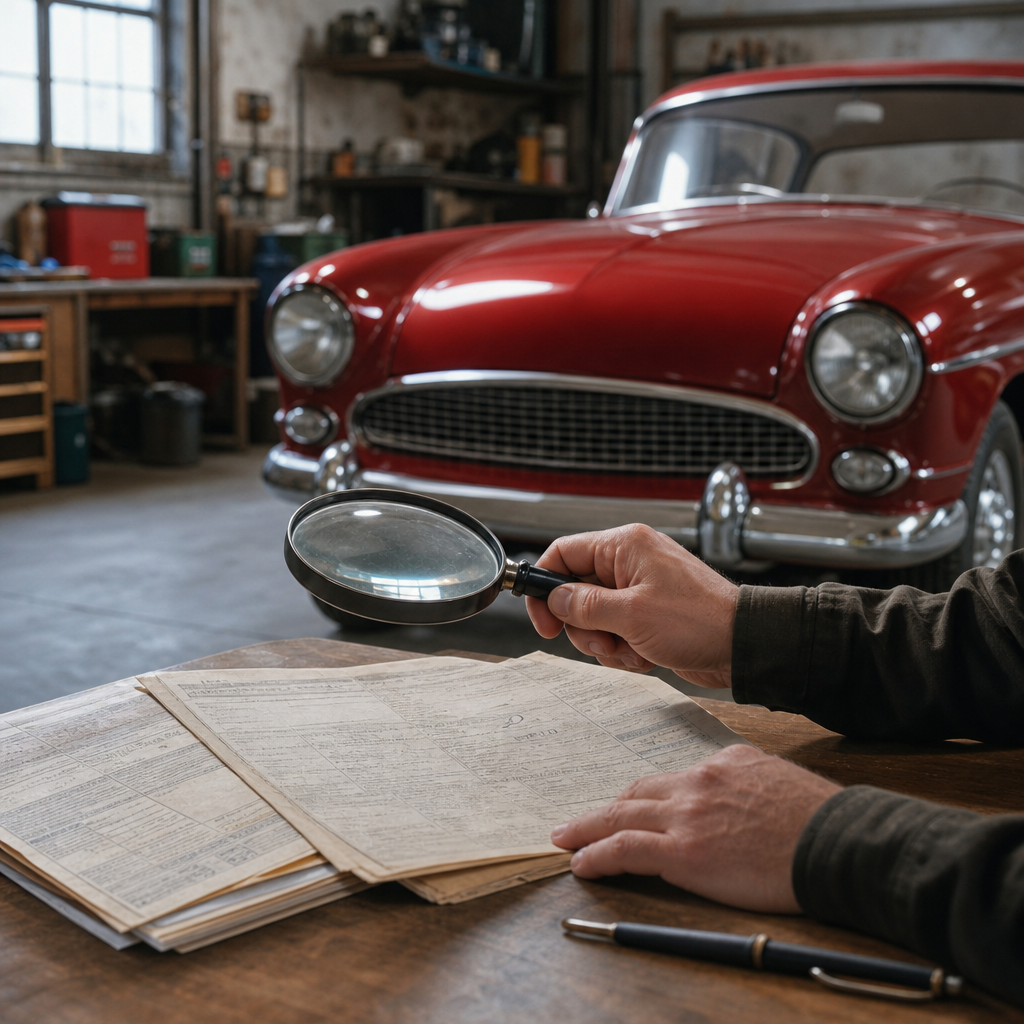
The best buyer screening begins before you publish the listing. If your records are disorganized, your answers inconsistent, or your asking price unsupported, qualified buyers will hesitate and low-quality buyers will dominate your inbox. Prepare a complete sale file that includes title status, VIN, body tag information where relevant, engine and transmission numbers if matching components matter, recent service invoices, restoration receipts, ownership history, photo documentation, and any judging sheets or marque expert reports. For higher-value cars, I also recommend a compression test summary, cold-start video, underbody photos, and a written disclosure of known flaws. Strong documentation does two things at once: it builds confidence with serious buyers and quietly filters out impulse shoppers who were never prepared to buy.
Your listing should also define the process. State your communication preference, whether inspections are welcome, whether test drives require proof of funds and insurance, and how payment will be handled. Serious buyers appreciate structure because it signals professionalism. Casual or risky buyers tend to push against boundaries immediately. If someone ignores your requested contact method, asks for your lowest price before reading the description, or pressures you to skip standard steps, you already have useful screening data.
Qualify buyer intent with direct, specific questions
When a buyer makes contact, your goal is not to interrogate them; it is to establish whether they are informed, financially capable, and aligned with the car you are selling. Ask plain questions early: What drew you to this particular car? Have you owned classics before? Are you looking for a driver, a show car, or a restoration candidate? Are you local, domestic, or overseas? Will you be paying cash, using collector financing, or working through a broker? Do you need to sell another car first? These questions reveal far more than a generic “Is it still available?” message ever will.
Good buyers answer in detail. They may mention model-year differences, factory options, rust-prone areas, or production details. A buyer interested in a 1970 Chevelle SS, for example, may ask whether the build sheet survives, whether the cowl tag aligns with the trim and paint, and whether the car retains its original rear end. A Porsche buyer may ask about leakdown numbers, chain tensioner updates, service intervals, and tool roll completeness. Even first-time buyers can be serious if they ask practical ownership questions about storage, parts availability, and insurance. What matters is thoughtful engagement.
By contrast, poor-quality inquiries often cluster around a few patterns: immediate price cutting without discussing condition, requests to move the conversation to encrypted apps, offers from “agents” with vague pickup plans, refusal to speak by phone, and canned messages sent to multiple sellers. In my experience, a short phone call is one of the fastest ways to distinguish a real buyer from a time waster. Tone, timing, and specificity tell you a lot.
Use documentation and transparency to build trust while protecting sensitive information
Classic car buyers want proof, but sellers should share records in stages. Start with enough material to validate the car: comprehensive photos, a clear VIN image if appropriate, scans of service invoices with personal addresses redacted, restoration summaries, and a list of known issues. Once a buyer demonstrates seriousness through a call, detailed questions, and scheduling intent, you can provide more. This measured approach reduces fraud risk, protects your privacy, and still supports buyer confidence.
Transparency is essential because surprises destroy deals. If the car has non-original paint, replacement floor pans, a restamped block, a salvage history, or nonfunctional gauges, say so before a buyer books transport or a flight. Honest disclosures screen out unrealistic buyers and attract the ones whose expectations match the car. I have seen sellers lose otherwise solid deals because they buried known faults until inspection day. A buyer can accept flaws; what they rarely accept is concealment.
For expensive vehicles, consider an independent pre-sale inspection from a respected marque specialist. Reports from shops familiar with Jaguar E-Types, Mercedes-Benz Pagodas, early Broncos, or split-window Corvettes carry real weight because they speak the buyer’s language. A credible third-party report shortens diligence, improves negotiating quality, and reduces the number of speculative inquiries.
Recognize the signals of a serious buyer versus a risky one
Most buyer screening comes down to pattern recognition. Serious buyers behave consistently: they read the listing, ask model-specific questions, respect your timeline, and understand that classics require diligence. Risky buyers behave inconsistently: they rush one moment, disappear the next, resist standard verification, and create urgency that benefits only them. The table below summarizes the difference.
| Buyer behavior | Usually a positive sign | Usually a red flag |
|---|---|---|
| First message | References the car’s details and asks informed questions | Generic script, poor specifics, immediate off-platform request |
| Pricing discussion | Asks how you arrived at value and reviews comps | Demands “bottom dollar” before discussing condition |
| Communication style | Agrees to a call and responds consistently | Refuses calls, changes numbers, inconsistent story |
| Inspection attitude | Welcomes PPI, asks practical logistics questions | Wants to skip diligence yet pushes for quick payment changes |
| Payment method | Uses bank wire, verified cashier’s check, or escrow | Overpayment schemes, third-party checks, vague agents |
| Pickup plans | Names transporter, timeline, and destination clearly | Unclear shipper details, urgent pickup before funds clear |
Scams in the classic car market are usually not sophisticated mechanically; they exploit impatience and trust. Common examples include forged wire confirmations, fraudulent cashier’s checks, overpayment requests with refund demands, and fake transport arrangements. Another recurring issue is the pseudo-buyer who seeks extensive documentation only to harvest identity details or clone a listing. If anything feels rushed, inconsistent, or oddly secretive, pause the process. A legitimate buyer will understand standard precautions.
Set firm rules for calls, meetings, inspections, and test drives
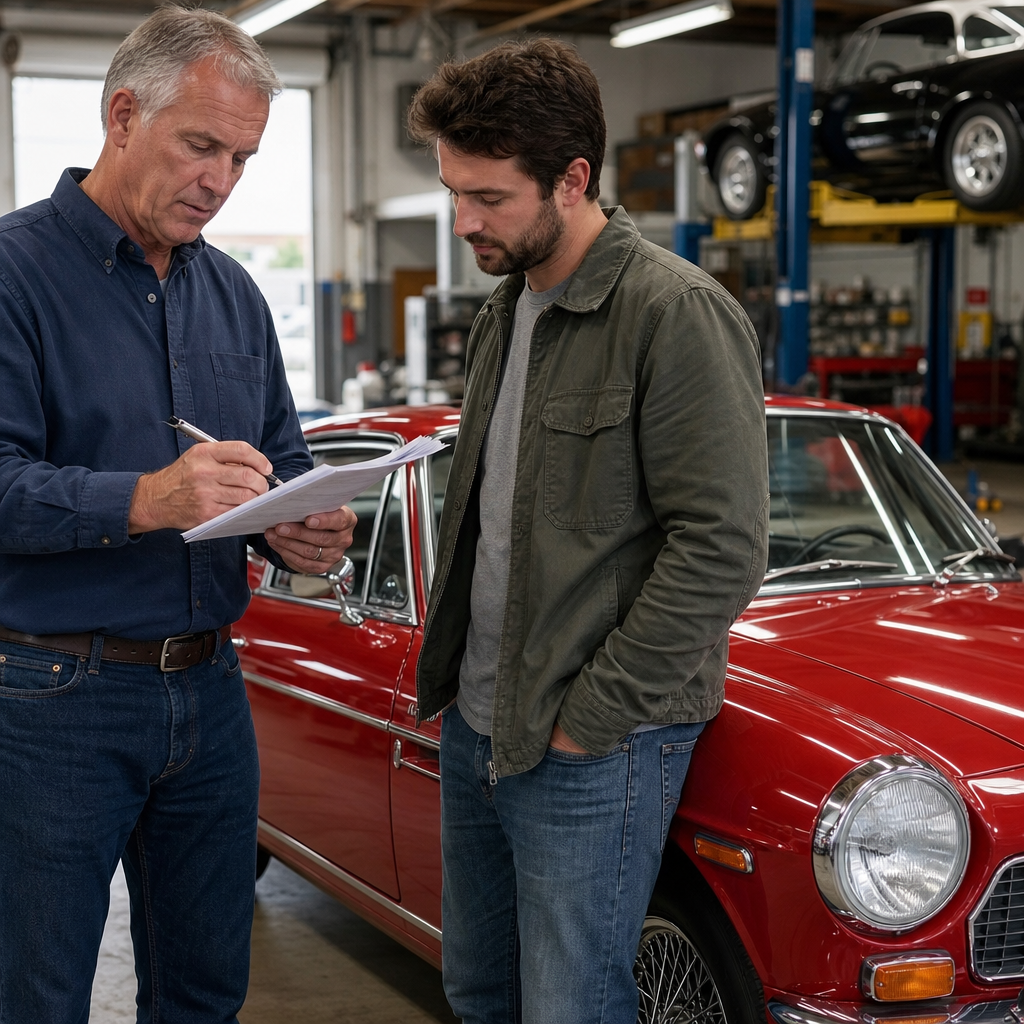
Once a buyer passes the initial screen, move to structured interaction. Schedule phone calls at set times, then in-person meetings in public or controlled settings whenever possible. Many sellers meet first at a storage facility, restoration shop, or bank parking lot rather than at home. If the car is stored at your residence, have another adult present and avoid displaying titles, spare parts inventories, or other vehicles until trust is established.
Inspections should be encouraged, but the terms should be clear. The buyer pays for a pre-purchase inspection, the car remains insured by you until funds clear, and any road testing by mechanics is limited and supervised. For test drives, require a valid driver’s license, proof of insurance, and evidence that the buyer can actually purchase the car. On six-figure cars, proof of funds before a drive is standard, not rude. If a buyer objects strongly to basic safeguards, that objection itself is a screening result.
I also recommend controlling the route and sequence. Start the car cold if that condition matters, demonstrate key functions yourself, then ride along if the buyer drives. For muscle cars, vintage exotics, and high-torque restomods, be especially careful. Mechanical sympathy varies widely, and a reckless test drive can damage the car or create liability. Your responsibility is not only to sell the vehicle but to preserve it until the transaction is complete.
Verify funds, deposits, and transaction mechanics before you say yes
A screened buyer still needs to pass the payment test. Deposits should be meaningful enough to confirm intent, documented in writing, and tied to clear conditions such as inspection period length, refundability terms, and final payment deadline. Small, casual deposits create ambiguity. I prefer a signed bill of sale or purchase agreement even for straightforward private sales, especially when the buyer is arranging transport or financing.
For payment, bank wire transfer is generally the cleanest option for higher-value classic cars, provided you verify receipt directly with your bank and not from an emailed screenshot. Cash can work for lower-value local sales, but count it at your bank. Cashier’s checks are only acceptable when you complete the transaction during banking hours and confirm authenticity before releasing the car and title. Reputable escrow services can be useful in cross-country or international deals, but use established providers and verify every instruction independently. Fraudsters often spoof escrow emails and shipping notices convincingly.
Transport should not be booked until funds are confirmed according to your bank’s guidance. “Pending” is not the same as settled. The same principle applies to title transfer. Never sign over the title early to accommodate a buyer’s transporter, lender, or customs broker. If the buyer is financing through a collector-focused lender, ask for the lender’s contact details and confirm process steps directly. The best transactions feel boring because every piece is verified.
Complete the sale professionally and connect screening to the broader selling strategy
The handoff is where careful screening pays off. Create a final packet with the signed bill of sale, title assignment completed exactly as your state requires, odometer disclosure if applicable, spare keys, records binder, parts inventory list, and transport condition photos taken on the day of release. Remove license plates if your jurisdiction requires it, cancel or adjust insurance only after transfer is complete, and keep copies of everything. If the buyer is out of state, review tax, registration, and emissions implications in advance so there are no surprises on pickup day.
Screening also supports every other article in the broader selling a classic car process. Accurate pricing helps attract qualified buyers instead of bargain hunters. Strong photos answer early questions before they become inbox clutter. A detailed listing reduces repetitive back-and-forth and gives searchers confidence. Choosing the right sales channel matters too: private sale offers control and margin, a broker offers reach and filtering, and an auction offers speed but less certainty about bidder fit. Whichever path you choose, buyer screening is the operating system underneath it.
The core lesson is simple: sell the car twice, first on paper and conversation, then in person and through payment. When you prepare records, ask direct questions, disclose honestly, insist on safe meeting terms, and verify funds methodically, you protect both the vehicle and the deal. That discipline brings better buyers to the surface and removes the noise that wastes weeks. If you are planning to sell a classic car, start by tightening your documentation and buyer qualification process today, then build the rest of your selling strategy around those standards.
Frequently Asked Questions
1. What should I verify first when screening a buyer for a classic car?
The first things to verify are identity, seriousness, and basic buying capacity. Before you share your home address, disclose sensitive documentation, or schedule an in-person meeting, ask for the buyer’s full name, phone number, city and state, and a brief explanation of their interest in the car. A legitimate buyer is usually comfortable answering straightforward questions about why they want the vehicle, how familiar they are with the model, and when they intend to buy. This is not about interrogating anyone; it is about establishing whether you are dealing with a real enthusiast, collector, dealer, investor, or someone casually browsing without the ability or intent to complete the purchase.
You should also pay close attention to how the buyer communicates. Serious buyers tend to ask informed questions about provenance, title status, originality, restoration history, matching numbers, service records, rust repair, drivability, and known flaws. Scammers or time-wasters often focus immediately on payment mechanics, rush the process, avoid direct answers, or send generic messages that could apply to any vehicle listing. If the buyer refuses to provide basic identifying information, pushes to move the conversation off-platform too quickly, or asks for unusual arrangements before discussing the car in detail, that is a reason to slow down.
As the conversation progresses, verify that the person’s story makes sense. If someone says they are buying the car for a collection, ask where the vehicle will be kept and whether they have owned similar classics before. If they claim to be purchasing on behalf of a client, clarify their role and ask for business information. If they want shipping, ask whether they have a transporter in mind and whether they understand the timeline for inspection, payment clearance, and pickup. These simple checks help you separate genuine buyers from those who may create risk, waste your time, or expose you to fraud.
2. How can I tell whether a buyer is genuinely qualified and financially capable of purchasing my classic car?
Financial qualification is one of the most important parts of buyer screening because classic car deals often fall apart when enthusiasm is not matched by actual funds. A serious buyer should be willing to discuss budget, timing, and payment method early enough in the process to avoid misunderstandings. You do not need to demand private banking details immediately, but you should ask whether they are ready to buy now, whether they need financing, and what payment method they intend to use. For a higher-value classic, it is completely reasonable to require proof of funds before allowing an extensive inspection, holding the car off the market, or accepting a test drive.
Proof of funds can take several forms depending on the situation. It might be a redacted bank statement, a letter from a financial institution, confirmation from a reputable collector-car lender, or evidence that the buyer has sold another vehicle and has the proceeds available. If the buyer is well known in the hobby, an established dealer, or represented by a respected broker, that background may support credibility, but it should not replace common-sense verification. The key is to confirm that the buyer can complete the transaction on your terms and timeline.
It is also wise to be direct about deposits and payment clearance. If you agree to a deposit, define whether it is refundable, under what conditions, and how long the car will be held. For final payment, bank wire transfers are often preferred for significant classic car transactions because they are faster and easier to verify than cashier’s checks or personal checks. Never release the vehicle or title until funds are fully confirmed by your bank, not merely shown in an email or screenshot. A buyer who becomes evasive when asked reasonable financial questions, or who insists on complicated third-party payment arrangements, is signaling unnecessary risk.
3. What information should I share with a prospective buyer, and what should I keep private until they are vetted?
You want to be transparent enough to build trust while still protecting yourself. Early in the process, it is appropriate to share the essentials: photos, a clear description of the car’s condition, VIN if you are comfortable doing so, title status, major restoration details, maintenance history, originality information, and any known defects. Classic car buyers expect candor, and withholding obvious issues usually leads to wasted time or conflict later. In fact, one of the best screening tools is thorough disclosure, because serious buyers appreciate accuracy and unserious ones often disappear when they realize the transaction will be handled professionally.
That said, some information should be shared in stages. Do not immediately provide your home address, garage location, full storage details, copies of your driver’s license, or highly detailed personal information. If you have documentation such as appraisals, receipts, ownership records, restoration binders, or confidential correspondence about the vehicle, it is reasonable to share that only after the buyer has demonstrated legitimate interest and basic credibility. Redacting personal account numbers, signatures, and unrelated private details is a smart precaution.
You should also think carefully about how and when you disclose sensitive access. For example, if the car is stored in a private residence, you can initially meet in a public place or provide general location information until the buyer is properly screened. If they request many close-up photos, videos, cold-start footage, compression numbers, or undercarriage images, that is often normal in the classic market, but combine that request with your overall assessment of the buyer. The goal is balanced transparency: enough information to support an informed decision, but not so much exposure that you create security, privacy, or fraud problems before trust has been established.
4. How should I handle test drives, inspections, and in-person meetings safely when selling a classic car?
Test drives and inspections are where buyer screening becomes practical risk management. Before any in-person meeting, confirm the buyer’s identity, verify their phone number, and agree on expectations in advance. Ask to see a valid driver’s license before a test drive, and confirm that your insurance covers the situation. Many classic car sellers choose to drive first with the buyer as a passenger, especially if the car is high-value, difficult to operate, or recently restored. That allows you to demonstrate cold start behavior, clutch feel, braking, gauges, and drivability without immediately handing over control.
If you do allow the buyer to drive, set boundaries clearly. Limit the route, accompany them, and hold the keys unless you are present and comfortable. Some sellers require proof of funds before any test drive, which is especially reasonable for rare or expensive vehicles. A legitimate buyer should understand that a vintage car is not the same as a casual used commuter car sale. You are protecting both the asset and the transaction. If the buyer resists basic safety measures, that resistance itself tells you something important.
Independent pre-purchase inspections are common and often a positive sign because they show the buyer is serious. You can support the process while still controlling risk by choosing a reputable shop, agreeing on who pays for the inspection, and making sure the vehicle is not released to a transporter or third party without confirmed payment and paperwork. For in-person meetings, public or semi-public locations can be useful for early contact, while later viewings may take place where the car is stored once trust is established. Bring another person if possible, keep records of all communication, and never let urgency override your normal precautions. In classic car sales, careful process usually prevents expensive mistakes.
5. What are the biggest red flags when screening buyers for a classic car sale?
The biggest red flags are inconsistency, unnecessary urgency, and resistance to normal verification. Be cautious if a buyer refuses to speak by phone, avoids direct questions, or gives answers that do not align with the type of vehicle you are selling. For example, someone claiming to be a serious collector who asks almost nothing about originality, documentation, condition issues, or title history may not be genuine. Likewise, a buyer who immediately agrees to the asking price without discussion and then tries to control the payment or shipping process in unusual ways deserves extra scrutiny.
Another major warning sign is pressure. Scammers and problematic buyers often create urgency by saying they are out of town, buying for a relative, sending an agent, or needing immediate pickup before payment is fully verified. Be wary of overpayment schemes, requests for refunds from excess funds, complicated escrow proposals from unknown services, or insistence on using a transporter before the money clears. In legitimate classic car transactions, there is usually a logical sequence: discussion, disclosure, verification, inspection if needed, documented deposit, cleared payment, signed paperwork, then release of the car and title. Anyone trying to scramble that sequence is increasing your risk.
You should also watch for subtle signs of future legal or transactional trouble. A buyer who seems indifferent to written terms, avoids confirming “as-is” expectations, minimizes the importance of title details, or becomes argumentative when you document disclosures may be setting up a dispute later. The best buyers are usually not just enthusiastic; they are organized, respectful, informed, and willing to follow a clear process. If something feels off, it is acceptable to pause, ask more questions, or walk away. Screening is not about being suspicious of everyone. It is about recognizing that the wrong buyer can turn a valuable classic car sale into a financial and legal headache, while the right buyer makes the process straightforward, secure, and professional.