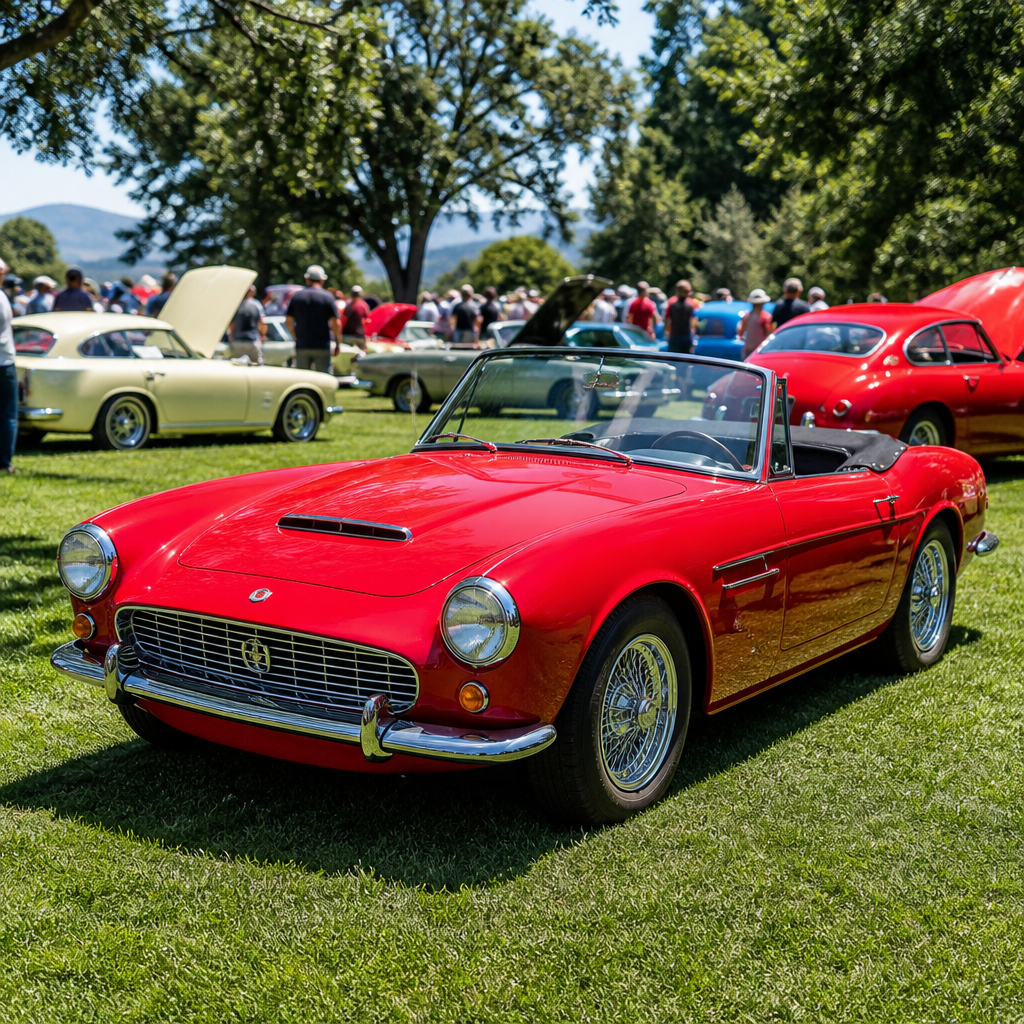
Registering a classic car for show use only sounds simple, but the legal details vary enough by state, insurer, and emissions program that owners regularly make expensive mistakes. In my work helping collectors document title histories, inspection records, and specialty insurance applications, I have seen the same problem repeatedly: people assume “classic,” “antique,” and “show use only” mean the same thing everywhere. They do not. The safest approach is to treat show-use registration as a distinct legal status with strict limits on when, where, and how the vehicle can be driven.
A classic car, in registration terms, is usually an older vehicle that meets a state age threshold, often 20, 25, or 30 years. An antique vehicle may face a different threshold and tighter operating restrictions. “Show use only” generally means the car is registered under specialty plates that limit driving to exhibitions, club events, parades, maintenance trips, testing, and sometimes occasional pleasure drives. Those categories are defined by statute or motor vehicle agency policy, not by owner preference. If your state says commuting is prohibited, driving to work once can create registration, insurance, and liability issues.
This matters because registration status affects taxes, inspection requirements, emissions exemptions, insurance eligibility, and roadside enforcement. It also influences resale value because clean paperwork reassures buyers. A properly registered show car may qualify for lower annual fees and agreed-value coverage, but only if the owner follows the rules and maintains records. This article serves as a hub for registration and legal requirements within classic car ownership, explaining how show-use registration works, what documents you need, how inspections and insurance connect to legal compliance, and where owners most often run into trouble.
Understand What “Show Use Only” Legally Means
Show-use registration is a restricted registration class intended for collector vehicles that are not used as ordinary transportation. The exact label varies. One state may issue antique plates, another hobbyist plates, another collector vehicle registration. Despite the naming differences, the central idea is consistent: the vehicle can be operated only for limited purposes authorized by law. Those purposes commonly include travel to and from car shows, club meetings, exhibitions, organized tours, service appointments, fuel stops connected to an event, and road testing after repair.
The first step is reading your state’s current department of motor vehicles rules, not forum posts or old club newsletters. States routinely update definitions, especially where emissions exemptions and plate misuse became common. Pennsylvania, Texas, Florida, California, and New York all handle older-vehicle registration differently. Some states grant broad flexibility for occasional use, while others narrowly define permissible trips. In practice, I advise owners to print or save the regulation page and keep a copy in the vehicle binder along with registration and insurance documents. If an officer questions the plate class, having the language available helps.
Owners should also understand that “show use only” does not automatically exempt the vehicle from every other requirement. Title transfer rules still apply. Sales tax or use tax may still be due. VIN verification may be required for out-of-state vehicles. Some states still require periodic safety inspections even when emissions testing is waived. If the car has a reconstructed title, assembled-vehicle history, or engine swap, additional documentation may be necessary before specialty registration is approved.
Gather the Core Documents Before You Apply
Most applications fail because the vehicle is not old enough, the title chain is incomplete, or the owner cannot prove the car meets the specialty class requirements. Before filing, assemble the title, bill of sale, odometer disclosure if required, proof of identity, proof of address, insurance card, and photographs if your state or insurer asks for them. If the vehicle came from another state, confirm whether that state issued a transferable registration instead of a title for older cars. That distinction matters in Vermont, Maine, and several title-history edge cases.
For a car that has been off the road for years, check whether back fees, lapsed registration penalties, or estate paperwork apply. If the previous owner is deceased, probate documents or executor authority may be necessary. If the vehicle was imported, customs forms, EPA and DOT entry documents, and foreign ownership records can become part of the file. I have seen clean restoration projects delayed for months because owners rebuilt the car first and addressed the paperwork later. Always clear the legal identity of the vehicle before investing heavily in paint, trim, and drivetrain work.
Photos can be more important than people expect. Several insurers and some motor vehicle agencies want current images showing the exterior, interior, VIN plate, and overall condition. For show-use registration, these images help establish that the vehicle is maintained as a collectible rather than used as daily transport. Keep digital scans of everything. A cloud folder with PDFs of the title, registration, inspection report, appraisal, and event entries makes renewals and claims much easier.
Check Eligibility, Restrictions, and Fees by Registration Type
Eligibility usually turns on age, vehicle condition, intended use, and sometimes club membership or owner certification. Many states require the applicant to attest that the vehicle will not be used for general transportation. Some also require the owner to maintain another regularly registered vehicle for daily use. That rule exists to prevent people from using low-cost collector plates as a substitute for standard registration. If your household has only one car, restricted registration may be denied or create insurance complications.
Fees and benefits vary enough that comparing the options is essential before choosing a plate class. In some states, antique registration is permanent or long-term and cheaper than annual standard registration. In others, the savings are modest, but emissions exemptions make the real difference. Choose the class based on actual use, not just cost. If you expect frequent test drives, weekend touring, or occasional errands, a standard registration may be safer than a restrictive show-only category that you will be tempted to violate.
| Registration type | Typical age threshold | Common permitted use | Common restrictions | Possible benefits |
|---|---|---|---|---|
| Standard registration | None | Unlimited lawful driving | Full inspection and emissions rules | Maximum flexibility |
| Classic or collector | 20 to 25 years | Limited hobby use, events, maintenance | Often no commuting | Lower fees, possible emissions relief |
| Antique or show use only | 25 to 30 years | Shows, parades, exhibitions, repairs | Strict mileage or purpose limits | Lowest fees, strongest specialty status |
Also verify whether your jurisdiction limits modifications. A heavily modified restomod may still qualify in one state but not in another, especially if the registration class expects historical authenticity. When the law uses phrases like “maintained for use in exhibitions” or “preserved as a collector’s item,” agency interpretation matters. If the rules are unclear, ask for written guidance from the DMV or motor vehicle division.
Handle Inspections, Emissions, and Insurance as One Compliance Package
Registration, insurance, and inspection should be treated as one package because each can affect the others. Specialty insurers such as Hagerty, Grundy, and American Collectors often require secure storage, a clean driving record, and proof of another daily-use vehicle. They also expect limited annual mileage and hobby use consistent with collector registration. If your policy says the car is garaged and used for shows, but a loss occurs during an undisclosed commute, coverage can be disputed. The registration class and insurance use statement should align.
Emissions and safety inspections are equally important. Many older vehicles are exempt from emissions testing, but exemption thresholds differ by state and model year. Safety inspections may still apply to lights, brakes, steering, tires, horn, and windshield equipment. Show cars that spend years in restoration often fail basic roadworthiness checks because owners focus on appearance before brake hydraulics, fuel lines, or steering play. Before application, perform a pre-inspection using a reputable shop familiar with older vehicles, not just a modern quick-service lane.
For owners of modified classics, document every major change: engine family, transmission swap, brake conversion, tire size, and lighting updates. Some states care only that the car remains safe. Others evaluate whether the emissions configuration still matches the exempt category or whether the VIN and body type match title records. Maintain receipts and a build sheet. These records support valuation, prove lawful parts sourcing, and answer questions if an inspection station or insurer flags inconsistencies.
Avoid the Mistakes That Trigger Fines, Denials, or Coverage Problems
The most common mistake is misuse after approval. Owners get the antique plate, then start using the car for coffee runs, office commutes, or school pickups because enforcement seems unlikely. That is short-term thinking. If you are stopped, involved in a collision, or challenged during a claim, the issue becomes whether the vehicle was being used outside the permitted scope. Another frequent error is assuming a verbal statement from a clerk overrides the published rule. It does not. Agency websites, statutes, and written guidance carry the legal weight.
A second major mistake is incomplete title work. Mismatched VIN digits, unsigned titles, missing lien releases, and incorrect model-year descriptions can all delay registration. This is especially common with imported Land Rovers, older Volkswagens, and vehicles sold from long-term storage. Third, owners often underestimate the importance of storage. Specialty insurers strongly prefer locked private garages or commercial collector storage. Street parking can raise premiums or make a show-use policy unavailable.
Finally, do not ignore recordkeeping. Keep event registrations, service invoices, inspection receipts, and mileage logs. If your state limits use to exhibitions and maintenance, those records help prove compliance. They are also valuable during resale because buyers of collector cars place a premium on organized paper trails. Good records turn a registration file into a credibility file.
Create a Long-Term Compliance Plan for Renewals and Future Transfers
Once the car is registered, the job is not finished. Review renewal terms, plate-transfer rules, and any annual certification requirements. Some states issue multi-year or permanent plates but still require address updates, insurance maintenance, or occasional verification. If you move across state lines, do not assume your old registration class will translate neatly. A car legally registered as antique in one state may need a different category, inspection, or valuation process in another.
For future sale or inheritance, organize a binder that includes title copies, registration history, appraisal reports, restoration photos, club memberships, and insurer correspondence. This helps heirs, dealers, or private buyers understand exactly how the vehicle was classified and used. If the car will spend long periods off the road, ask whether non-operation status, storage insurance, or registration suspension is available without penalties. Planning ahead prevents rushed decisions when life changes, collections shrink, or estate administration begins.
Registering a classic car for show use only is ultimately about matching the vehicle’s legal status to its real-world use. Get the definitions right, verify eligibility, align insurance with registration, complete title work carefully, and keep records that prove compliance. The reward is lower operating cost, cleaner paperwork, and fewer surprises when you renew, insure, display, or sell the car. Start with your state motor vehicle rules, then build a documentation file before filing the application. That simple sequence prevents most problems and makes classic car ownership far easier to manage.
Frequently Asked Questions
What does “show use only” registration actually mean for a classic car?
“Show use only” registration generally means the vehicle is being registered under a restricted-use category intended for exhibitions, parades, club events, occasional maintenance drives, and transport to and from car shows. The important part is that this is not a universal legal definition. Some states use terms like “antique,” “historic,” “collector,” or “exhibition” registration, and each category can come with different mileage limits, usage restrictions, inspection rules, and plate requirements. In one state, a vehicle may be allowed limited pleasure driving; in another, that same kind of use could violate the registration terms.
That is why owners should avoid assuming that “classic,” “antique,” and “show use only” are interchangeable. They often are not. A true show-use registration is best treated as a distinct legal status with its own rules, not just a cheaper or easier version of standard registration. Before applying, review your state motor vehicle agency’s wording carefully, including any references to “occasional transportation,” “maintenance operation,” “testing,” or “educational display.” Those phrases often determine whether a trip is lawful. If the language is vague, get clarification directly from the state agency rather than relying on hobby forums or informal advice.
It also helps to think beyond registration alone. Your insurer may define permitted use differently than your state does. For example, a state may allow occasional drives to keep the car in running condition, while your specialty insurer may require that the vehicle not be used for errands, commuting, or unsupervised regular transportation. If those definitions do not align, you can be technically registered correctly but still uninsured during a loss. The safest approach is to make sure your registration category, insurance policy, emissions status, and actual use all match.
What documents do I usually need to register a classic car for show use only?
Most owners should expect to provide the same core ownership documents required for any vehicle registration, plus additional proof that the car qualifies for a restricted collector category. Typically, that starts with a valid title in your name or properly assigned to you, a bill of sale if required, proof of identity, proof of residency, and an application for title or registration. If the vehicle has a complicated history, such as an out-of-state title, an older transferable registration, or a gap in ownership records, resolve those issues before applying for specialty plates. Restricted-use registration categories do not usually erase title problems.
Many states also require supporting documentation tied specifically to the vehicle’s age and authenticity. That may include the vehicle identification number verification, photographs of the car, proof of model year, or forms certifying that the vehicle is maintained primarily for exhibition or collection purposes. If the state requires an odometer disclosure, inspection form, or law enforcement VIN verification, submit exactly what is requested and keep copies. Older vehicles frequently encounter record mismatches, title brand confusion, or VIN formatting issues, especially if the vehicle predates modern 17-character VIN standards.
Insurance documentation is another area where owners make preventable mistakes. Some states will accept standard proof of financial responsibility, but specialty insurers may ask for garage photos, storage details, another daily-use vehicle in the household, and estimated annual mileage before issuing a collector policy. If your registration depends on having insurance in place first, gather that paperwork early. It is also wise to keep a file with the title history, inspection records, emissions exemption approvals if applicable, and copies of all forms submitted. That record can save time if your application is questioned or if you later sell the vehicle and need to prove how it was legally registered and used.
Do classic cars registered for show use only still need inspections or emissions testing?
Sometimes yes, sometimes no, and this is one of the most misunderstood parts of the process. Whether a show-use classic car needs safety inspection, emissions testing, or both depends almost entirely on state law, and in some cases county or metropolitan emissions rules. Many states provide exemptions for older vehicles, but those exemptions are not automatic just because the vehicle is old or used mainly for shows. Some programs require the vehicle to meet a minimum age threshold, such as 20, 25, or 30 years old. Others require a specific registration class before the exemption applies.
Owners also need to be careful about assuming that antique plates automatically eliminate all testing obligations. In some areas, a vehicle may be exempt from emissions but still subject to a safety inspection. In others, a collector vehicle may qualify for reduced testing only if it is driven below a certain annual mileage cap or covered under collector insurance. There are also jurisdictions where a vehicle registered under a restricted category can avoid periodic testing, but only after an initial inspection or verification process. Missing that step can delay registration or trigger penalties.
The practical takeaway is to confirm the rules in writing before you spend money on repairs, transport, or registration fees. Review the state DMV or motor vehicle department guidance, then check the emissions authority if your area has a separate testing program. Ask specifically whether your intended registration class changes inspection requirements, whether exemptions must be applied for separately, and whether you need to carry documentation proving exempt status. If your car is borderline on age or modified from original configuration, get clarification in advance. Modified engines, kit components, or reconstructed title histories can affect how the vehicle is classified for emissions and inspection purposes.
Can I drive a show-use-only classic car for errands, weekend cruising, or occasional commuting?
In most cases, no, at least not safely from a legal or insurance standpoint. Show-use-only registration is usually designed for limited-purpose operation, not open-ended recreational driving. Some states allow travel to and from exhibitions, club activities, repair facilities, storage locations, and occasional road tests or maintenance runs. That does not necessarily include grocery trips, commuting to work, school drop-offs, or informal weekend cruising. Even if a trip feels minor, using the vehicle outside the permitted scope can create trouble if you are stopped, involved in an accident, or asked to verify compliance.
This is where owners often run into expensive problems. They rely on the broad idea that a classic car “isn’t a daily driver,” but the law and the insurance contract often require much more precision. A specialty insurer may deny or limit coverage if the vehicle was being used for a purpose outside the policy terms, even if your state registration category itself is somewhat vague. Likewise, a police officer or motor vehicle investigator may interpret routine personal use as inconsistent with a restricted plate class. The result can be citations, registration issues, claim disputes, or all three.
If you want flexibility for pleasure driving, compare the actual language of alternative registration categories before applying. Some states offer a historic or collector class with more room for occasional leisure operation than a strict exhibition-only class. It may cost more or require different insurance, but it can be the better option if you realistically plan to drive the car beyond show events and maintenance use. The key is honesty at the application stage. Register the car based on how you will really use it, not how you hope enforcement or insurance will interpret it later.
How can I avoid the most common mistakes when registering a classic car for show use only?
The biggest mistake is treating restricted classic-car registration as a casual shortcut rather than a legal category with real consequences. Start by verifying four things separately: title status, registration eligibility, insurance requirements, and inspection or emissions obligations. Owners often focus only on the plate application and discover too late that the title has an unresolved error, the insurer wants different usage limits, or the local emissions authority does not recognize the same exemption they assumed applied. Handling those issues in the right order prevents delays and expensive rework.
Another common mistake is failing to document the vehicle’s history and condition. Keep copies of the current title, prior registrations if available, bills of sale, VIN verifications, repair receipts, photos, insurance declarations, and any state correspondence approving antique or exhibition status. If your state limits use, maintain a simple mileage log and note show attendance, service visits, and transport dates. That level of recordkeeping may seem excessive, but it becomes very valuable if an insurer questions use, a buyer later wants proof of lawful registration history, or a state agency flags the vehicle for review.
Finally, do not rely solely on informal advice from sellers, clubs, social media groups, or even general DMV counter guidance if the rules are unclear. Collector-vehicle laws are highly state-specific, and terminology is inconsistent enough to cause genuine misunderstandings. Read the statute or official agency guidance if possible, and ask follow-up questions in writing when a restriction is ambiguous. If the car has an unusual ownership chain, an out-of-state title, a reconstructed history, or emissions-related modifications, consider consulting a title specialist, registration service familiar with collector vehicles, or attorney in your state. A little due diligence up front is far less costly than undoing a registration error after the fact.