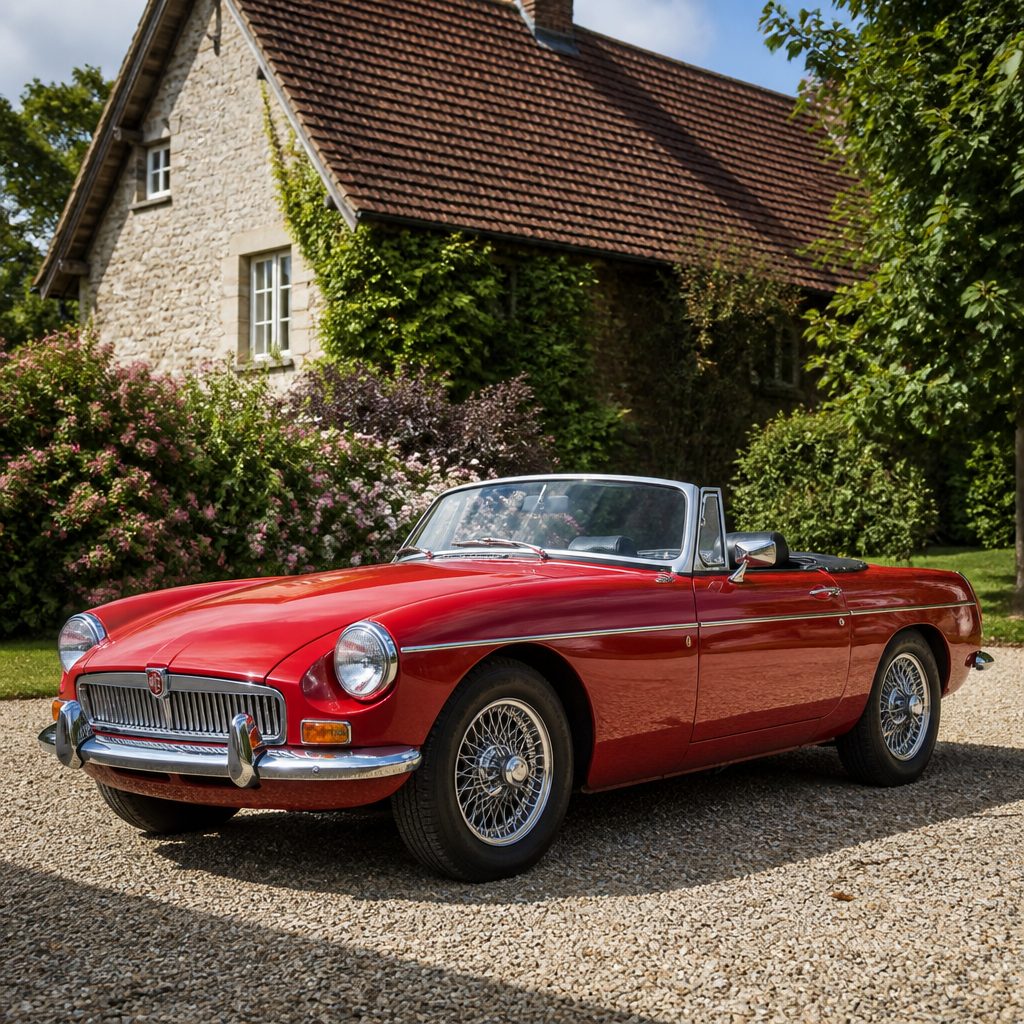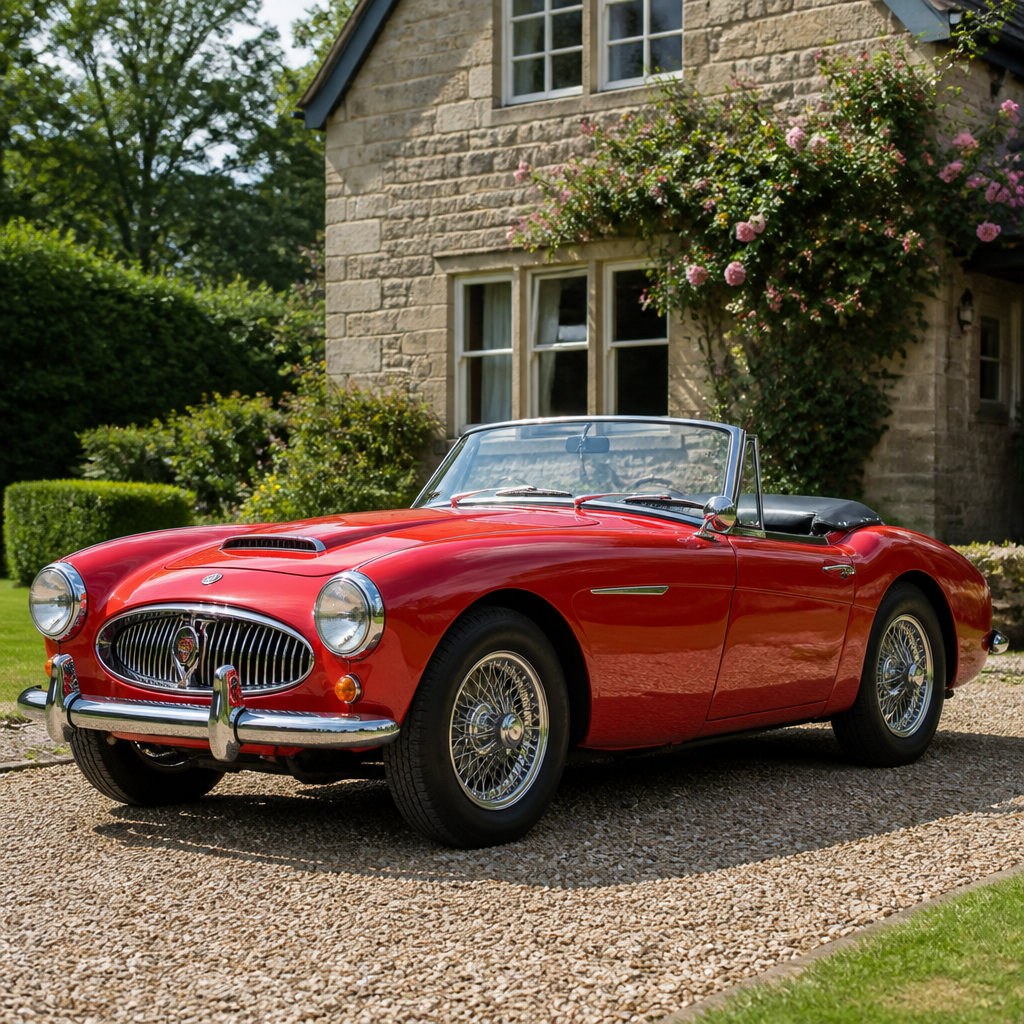
Classic car owners often ask a deceptively simple question: are classic cars exempt from safety regulations? The accurate answer is no, not in any universal sense. A classic car may be exempt from some modern vehicle safety standards, emissions testing rules, or inspection requirements, but those exemptions depend on where the car is registered, how it is used, and which law is being applied. In practice, “classic car exemption” is a patchwork of federal manufacturing rules, state registration statutes, annual inspection programs, insurance conditions, and event-specific operating restrictions.
That distinction matters because many owners assume age alone creates a blanket exemption. It does not. I have worked through registrations, title corrections, safety inspections, and agreed-value insurance applications for older vehicles, and the biggest legal mistakes usually come from applying one rule too broadly. A 1967 Mustang may be exempt from current crashworthiness standards because it was built long before airbags and electronic stability control became mandatory, yet that same car can still be subject to state equipment laws covering brakes, lights, tires, mirrors, windshields, seat belts if originally equipped, and safe roadworthiness.
For classic car ownership, registration and legal requirements form the foundation of everything else. Before discussing restoration budgets, storage, or resale value, an owner needs to know how the vehicle is classified, titled, insured, inspected, and lawfully driven. Terms also matter. “Classic,” “antique,” “historic,” and “collector” are not interchangeable legal labels. Many departments of motor vehicles assign different age thresholds and usage limitations to each category. One state may define a historic vehicle at 25 years old, another at 30, and another may reserve special plates for vehicles maintained primarily for exhibitions, club activities, parades, and occasional pleasure driving.
This hub article explains how safety regulations apply to classic cars within the broader framework of registration and legal requirements. It covers the difference between federal standards and state operating laws, how registration classes affect what an owner can do, where inspections and emissions rules still apply, what equipment must remain functional, and how insurance and documentation fit into compliance. If you want to register a classic car correctly, avoid fines, preserve coverage, and drive with confidence, you need to understand the legal categories before you turn the key.
How safety regulations apply to classic cars
Classic cars are generally exempt from newer design standards, not from the obligation to be operated safely. That is the core rule. In the United States, federal motor vehicle safety standards govern manufacturers and importers at the time a vehicle is built or substantially altered for sale. An older vehicle is not expected to be retrofitted with modern airbags, backup cameras, tire-pressure monitoring systems, or side-impact structures simply because those features are required on new vehicles today. The National Highway Traffic Safety Administration regulates compliance by model year and production status, not by forcing every existing vehicle to match current showroom specifications.
Once a classic car is on the road, state law usually governs whether it is roadworthy. That is why an owner can be legally right about one issue and still fail an inspection or receive a citation on another. A 1955 Chevrolet Bel Air will not be judged against 2026 crash standards, but if its brake lights do not work, tires are corded, or steering linkage is unsafe, the vehicle can still be declared unfit for public roads. In some states, law enforcement can issue equipment violations even when no periodic inspection is required.
Another complication is that certain safety obligations depend on original equipment. Many states require seat belts to be present and functional if the vehicle was manufactured with them. If a 1969 coupe came with factory lap belts, removing them during restoration can create legal and insurance problems. By contrast, a pre-seat-belt vehicle may not need retrofitted restraints to remain road legal, though adding them can still be a practical safety upgrade. Windshield rules show the same pattern: safety glass and unobstructed visibility are usually enforced, but the specific requirements can differ for roadsters, prewar vehicles, and period-correct accessories.
Registration classes define most legal obligations
The most important legal step in classic car ownership is selecting the correct registration class. Standard registration typically allows unrestricted use, subject to ordinary insurance and inspection rules. Historic, antique, or collector registration often offers lower fees, special plates, and sometimes reduced inspection obligations, but those benefits usually come with limited use rules. Owners who miss this tradeoff can accidentally violate the law while believing they are saving money.
State motor vehicle agencies commonly restrict special registrations to occasional use. That may include club events, exhibitions, maintenance drives, testing after repairs, and limited pleasure driving. Daily commuting, commercial use, and routine transportation are often prohibited. Some states spell this out in statute; others leave more room for interpretation but still expect limited annual mileage and hobby use. If an owner drives a historic-tagged vehicle to work every weekday, the issue is not safety equipment alone. The registration itself may be invalid for that pattern of use.
| Registration type | Typical age threshold | Common benefits | Common limitations |
|---|---|---|---|
| Standard | None | Full road use, broad flexibility | Regular fees, inspections, and emissions may apply |
| Classic | Usually 20 to 25 years | Special plates, lower fees in some states | Rules vary; may still allow broad road use |
| Antique or Historic | Usually 25 to 30 years | Reduced fees, possible inspection exemptions | Limited driving, no commuting, event-focused use |
| Collector | Varies | Recognition for maintained or modified hobby vehicles | Often tied to insurance, storage, or mileage conditions |
Because this article serves as a registration and legal requirements hub, it is worth emphasizing one practical rule: always read the statute, not just the plate description on the DMV website. I have seen owners rely on summary language and miss a clause about mileage logs, club membership, or route restrictions for repairs and testing. If your broader classic car ownership plan includes regular family outings, weekend road trips, or seasonal commuting, standard registration may be the safer legal choice even if a special plate looks appealing.
Inspection, emissions, and equipment rules by state
Periodic safety inspection is where many owners first learn that classic car exemptions are conditional. Some states exempt vehicles over a certain age from annual safety inspections entirely. Others exempt only antique or historic registrations. Still others continue to inspect all registered vehicles for basic roadworthiness regardless of age. Emissions rules follow a similar pattern. States with inspection and maintenance programs often exempt older model years, set rolling age exemptions, or excuse low-use collector registrations from tailpipe or onboard diagnostics testing.
For example, a 1995 collector car may be exempt from OBD-II emissions testing because the system was not required on all passenger vehicles until the 1996 model year. That does not mean it is exempt from every emissions rule. Anti-tampering laws, visible smoke standards, or county-specific requirements may still apply. California is a useful reminder that classic-friendly assumptions can be dangerous; the state is stricter than many others, and owners routinely discover that popular advice from forums based in different states simply does not fit California registration law.
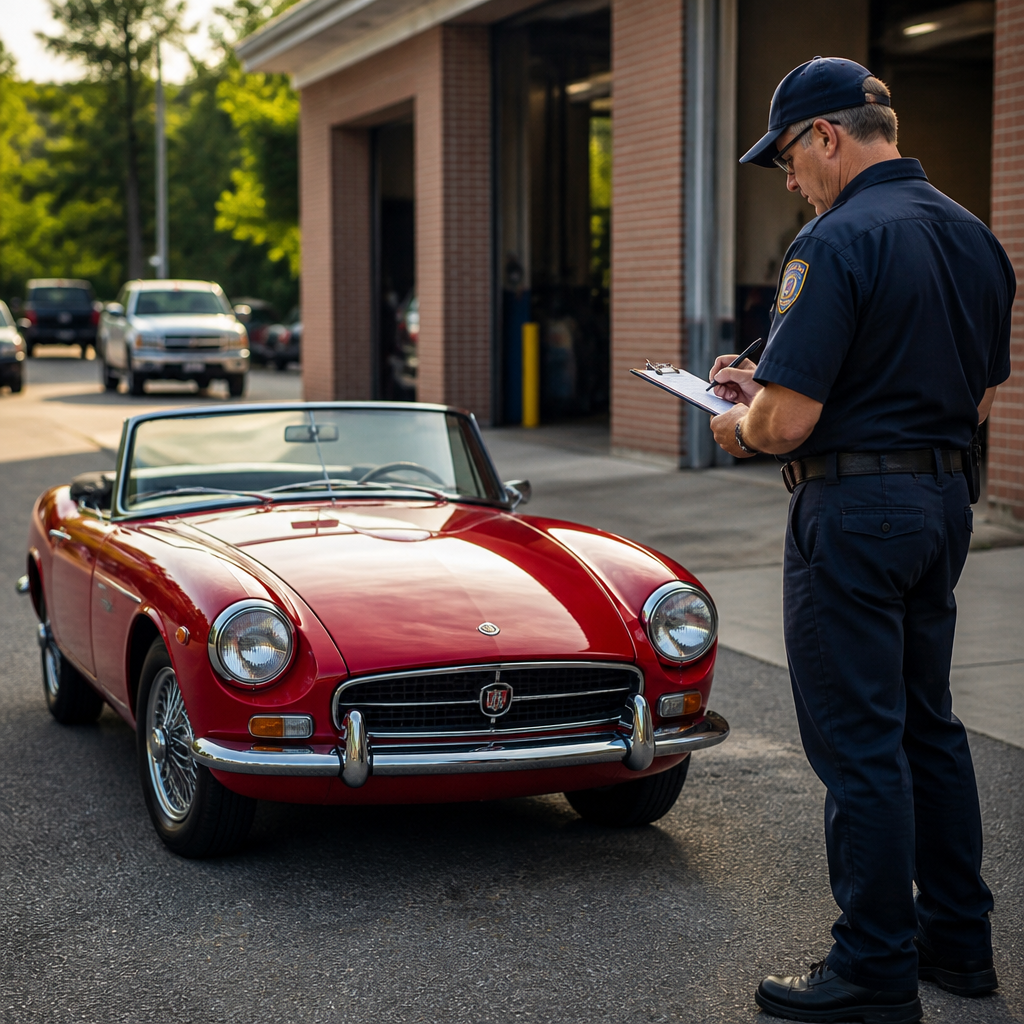
Safety inspection criteria also focus on components that directly affect operation. Brakes, steering, suspension play, headlamps, turn signals, horn, mirrors, tires, windshield wipers, and glass condition are common checkpoints. Modified classics receive extra scrutiny. A lowered suspension, aftermarket steering wheel, engine swap, or disc-brake conversion may be legal, but the workmanship must still meet state equipment standards. In reconstructed or specially constructed vehicle cases, additional title branding and inspection procedures often apply. That is especially important for hot rods assembled from mixed-year parts, where the registration category may differ from a largely original classic car.
Titles, VIN issues, and proving legal ownership
Registration starts with title status, and title problems are common in the classic market. Older cars may have outdated paperwork, handwritten bills of sale, missing lien releases, or serial numbers that do not match current database formats. Before buying, verify how your state handles pre-1981 vehicle identification numbers, frame versus body tags, and bonded titles. A valid sale means little if you cannot convert the paperwork into a legal title and registration.
States differ sharply on acceptable proof of ownership for older vehicles. Some will process a registration from an out-of-state transferable registration card for pre-title-era cars. Others insist on a title, court order, or surety bond. If the VIN plate is missing, altered, or attached with incorrect rivets, expect delays and possible law-enforcement inspection. This is not bureaucracy for its own sake; VIN fraud and stolen classic parts remain real issues, especially with high-value muscle cars and early trucks.
Owners should keep a documentation file with the title, previous registrations, purchase agreement, restoration receipts, photographs, and any appraisal. That file helps with DMV questions, insurance underwriting, estate planning, and eventual resale. If the car has a replacement engine or major body-shell work, document it clearly. Transparency prevents future accusations that the vehicle was re-bodied, cloned, or misrepresented.
Insurance, usage restrictions, and liability exposure
Insurance is not a separate issue from registration and safety law; it is one of the main enforcement mechanisms. Collector-car insurers such as Hagerty, Grundy, and American Collectors often offer agreed-value policies, but they typically require secure storage, another daily-use vehicle in the household, and limited hobby use. If the insured use says exhibitions and pleasure drives, but the car is actually commuting, a claim can become contentious after an accident. The registration class and the insurance application should tell the same story.
Liability exposure rises when an owner treats exemptions as permission to ignore maintenance. If a crash investigation shows bald tires, inoperative brake lamps, or knowingly defective steering, the fact that the car is old will not help. Courts and insurers focus on negligence and mechanical condition. A classic vehicle can be legally exempt from annual inspection yet still create substantial exposure if it is operated in an unsafe state.
Owners should also understand that modifications may affect both legality and coverage. A roll cage in a street-driven classic, modern racing seats, non-DOT lighting, or deleted bumpers can trigger underwriting concerns or state equipment violations. Ask the insurer to confirm coverage for major modifications in writing, and keep receipts for safety-related upgrades such as dual-circuit master cylinders, radial tires, or three-point belts.
How to stay compliant without losing originality
The best approach is to separate originality from operability. Preserve the character of the car, but maintain every system that affects safe use. Start by reading your state DMV rules for standard, classic, and antique registration. Then confirm county or metropolitan emissions rules, because local requirements sometimes differ from statewide summaries. If anything is unclear, ask the DMV or state patrol inspection office in writing.
Next, inspect the car against a practical safety checklist: brakes, fuel lines, steering play, wheel bearings, lights, tires, wiring, glass, belts, and wipers. Use factory service manuals, marque-club judging guides, and recognized standards from organizations such as SAE when evaluating period-correct parts versus modern replacements. Keep records of what was repaired and why. Documentation demonstrates diligence if questions arise later.
Finally, match usage, registration, and insurance. If you want unrestricted driving, choose standard registration and insure accordingly. If you want low fees and special plates, accept the operating limits that come with historic status. Classic cars are not broadly exempt from safety regulations; they exist within an older legal framework that still demands roadworthiness, honest paperwork, and responsible use. Review your state rules before your next renewal, and make compliance part of your ownership routine.
Frequently Asked Questions
Are classic cars completely exempt from safety regulations?
No. Classic cars are not automatically or universally exempt from safety regulations. That is one of the most common misunderstandings among collectors and hobbyists. In reality, whether a classic vehicle is exempt depends on several separate legal frameworks, including federal manufacturing standards, state registration rules, inspection laws, emissions requirements, and the way the vehicle is actually being used. A vehicle may be old enough to avoid compliance with certain modern equipment standards that apply to newly manufactured cars, but that does not mean it is free from all legal safety obligations.
For example, an older vehicle may not be required to have features that were not mandated when it was built, such as airbags, backup cameras, electronic stability control, or modern crash protection systems. However, that same car may still need to have functioning brakes, lights, tires, steering components, mirrors, seat belts if originally equipped, and other basic safety items in good working order. In some states, a vehicle registered as a classic, antique, or historic car may receive limited inspection or emissions exemptions, but those exceptions often come with restrictions on mileage, event-only use, or limited personal driving. The key point is that “exempt from some rules” does not mean “exempt from all safety laws.”
What safety rules usually still apply to a classic car?
Even when a classic car qualifies for certain exemptions, it is still typically subject to roadworthiness requirements. That means the vehicle generally must be safe to operate on public roads. States commonly require core systems such as brakes, steering, headlights, taillights, turn signals where applicable, windshield wipers, horn, tires, suspension, and glass to meet minimum safety standards. Law enforcement can also cite a driver for operating an unsafe vehicle if something is clearly defective, regardless of the car’s age.
Another important distinction is between standards for original manufacture and standards for present-day operation. A classic vehicle usually is not forced to be retrofitted to meet every modern federal safety design rule that applies to newly built vehicles. But if the vehicle originally came with certain equipment, such as seat belts, many jurisdictions expect that equipment to remain present and functional. In addition, general traffic laws still apply. Owners must carry proper registration, insurance where required, and comply with rules about vehicle lighting, license plates, and safe operation. So while age can limit which modern equipment mandates apply, it rarely removes the owner’s responsibility to keep the vehicle mechanically safe and legally operable.
Do classic car registration plates or antique vehicle status create automatic exemptions?
Not automatically. Special registration categories such as classic, antique, vintage, or historic vehicle plates can provide benefits, but those benefits vary widely from one state to another. In some places, antique registration may reduce registration fees, extend inspection intervals, or waive emissions testing. In others, it mainly serves as a legal classification that restricts the vehicle’s use to exhibitions, club activities, parades, occasional pleasure driving, or maintenance-related travel. Because these categories are created by state law, there is no single nationwide rule that applies in every jurisdiction.
Owners should also be careful not to assume that qualifying by age alone settles the issue. A state may define a “classic” vehicle as 20 years old, while another may use 25 or 30 years. Some states distinguish between “classic” and “antique” registrations, with different privileges and limitations for each. In addition, a special plate classification does not necessarily override local enforcement of safety defects. If a car has failing brakes, bald tires, broken lamps, or dangerous steering issues, antique status will not usually protect it from being declared unsafe. The registration category may change which inspections or emissions checks are required, but it does not turn an otherwise unsafe vehicle into a legally roadworthy one.
Are classic cars exempt from modern federal safety standards and emissions laws?
Sometimes, but only in a very specific sense. Federal motor vehicle safety standards generally apply to manufacturers and importers at the time a vehicle is built or brought into the country, not as a blanket rule forcing every older car owner to upgrade an already existing vehicle to modern specifications. That is why a classic car built decades ago can often remain legal without airbags, modern bumpers, advanced crash structures, or current electronic safety technology. The car is usually judged according to the standards that applied when it was originally manufactured, not those imposed on newly produced cars today.
Emissions rules can be more complicated because federal law interacts with state testing programs. Many states exempt older vehicles from periodic emissions inspections once they reach a certain age, but not all do, and some require special registration categories to claim the exemption. States with stricter environmental programs may have narrower exemptions or additional conditions. Imported vehicles raise another layer of complexity, because age-based federal import exemptions may exist for certain antique or collector vehicles, but those exemptions do not automatically resolve state titling, inspection, and use requirements afterward. In short, classic cars often avoid some modern federal manufacturing and emissions obligations, but that does not create a universal pass from all state-level safety or environmental regulation.
How can a classic car owner find out which exemptions and safety requirements actually apply?
The safest approach is to check the rules in the specific state where the vehicle is registered and, if relevant, where it will be driven regularly. Start with the state department of motor vehicles, department of transportation, or state police inspection authority. Look for definitions of classic, antique, historic, or collector vehicles; inspection and emissions exemptions; mileage or use restrictions; and any equipment rules tied to year of manufacture. It is also smart to review insurance policy terms, because collector-car insurers sometimes require limited-use compliance or storage conditions that indirectly affect how the vehicle may be operated.
Owners should also understand that legal compliance is not just about qualifying for an exemption on paper. A car can be technically exempt from annual emissions testing and still be unsafe if it has poor brakes or degraded fuel lines. Before driving, have the vehicle inspected by a mechanic familiar with vintage cars, especially if it has been stored for long periods or recently restored. If the vehicle has been modified, rebuilt, or imported, consider consulting a lawyer, title service, or specialty registration expert, since altered vehicles can trigger different rules than stock originals. The most reliable rule of thumb is simple: verify the law in your state, match the vehicle’s registration to how it is actually used, and keep the car in safe operating condition even when a formal exemption exists.