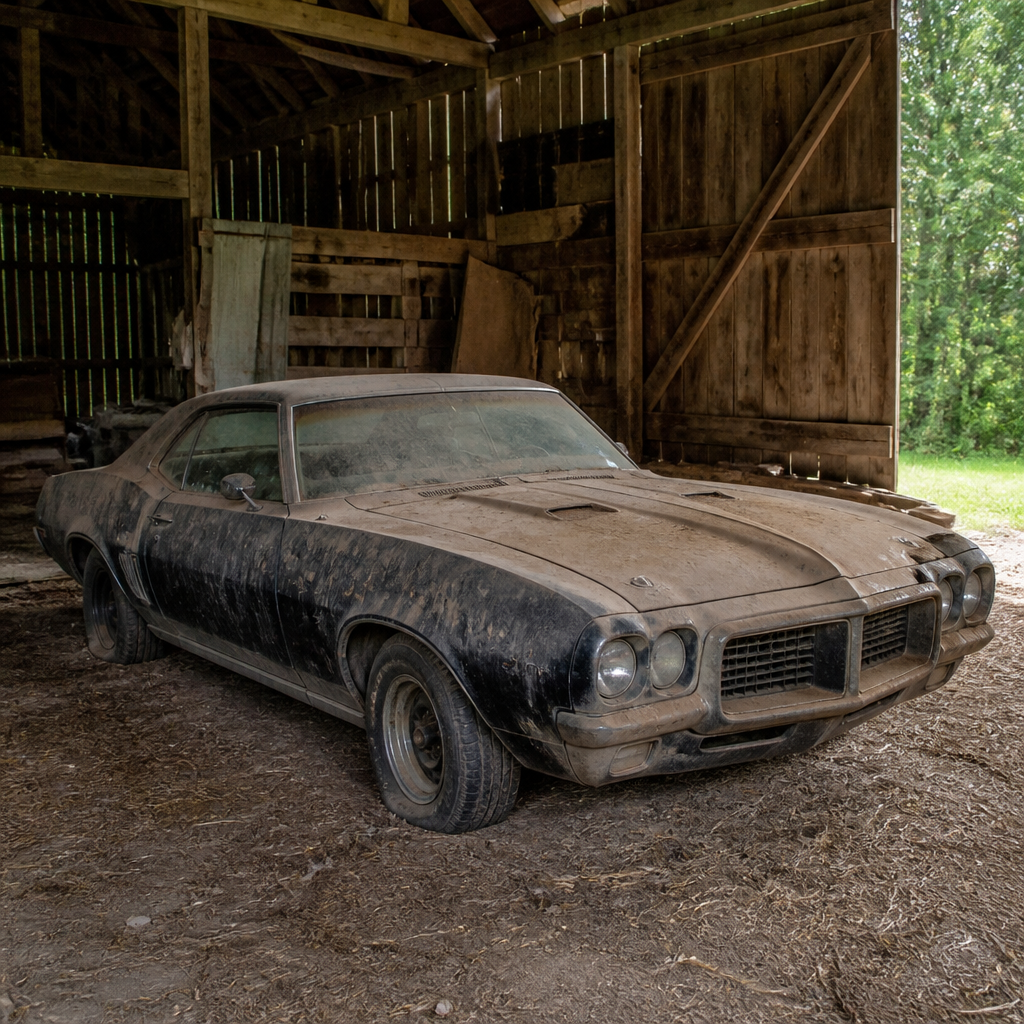
Finding a forgotten classic in a barn is exciting, but learning how to register a barn find is what turns a dusty discovery into a road-legal car. A barn find is any vehicle that has been stored for years, often without current registration, clear title paperwork, or a documented chain of ownership. In practice, that means your first challenge is usually administrative, not mechanical. I have helped owners register everything from long-parked Mustangs to prewar trucks, and the pattern is consistent: success depends on identifying the vehicle correctly, proving ownership, and matching your paperwork to your state’s legal process. Because registration rules vary by jurisdiction, there is no single national shortcut, but there is a reliable framework. If you understand titles, VIN verification, bonded title procedures, bills of sale, probate issues, and emissions or safety inspections, you can avoid the delays that trap many first-time buyers. This guide explains the registration and legal requirements that matter most, shows where common problems arise, and gives you a practical path from barn dust to valid plates.
Start With Ownership Proof and Vehicle Identity
The first step in how to register a barn find is confirming two things: who legally owns the car and what the car legally is. Those sound obvious, yet they cause most failed applications. Before spending money on restoration, inspect the title status and locate the vehicle identification number. On newer classics, that usually means the dashboard VIN plate, door jamb sticker, and a stamped chassis number. On older vehicles, the serial number may be on the firewall, frame rail, engine pad, or manufacturer plate. Numbers must match the paperwork exactly. If a seller gives you a handwritten bill of sale but the chassis tag is missing or altered, stop and investigate before buying.
Ownership proof can include a signed title, prior registration card, bill of sale, probate documents, lien release, or storage lien paperwork, depending on your state. In many Department of Motor Vehicles systems, the title is the key ownership instrument, while registration only shows the vehicle was once permitted on public roads. If the titled owner is deceased, an heir usually cannot simply sign over the car without estate authority. I have seen buyers lose months because they accepted a verbal promise from a family member instead of getting executor documents from the estate. When you are buying a barn find, ask for copies of every available document before transport.
If the vehicle has been off the road for decades, its records may not appear in current DMV databases. That does not automatically mean the car is unregistrable. Many states archive old records or purge inactive files after a set period. In those cases, the burden shifts to you to establish lawful ownership through alternate documents. It is also smart to run a title history or theft check through the National Motor Vehicle Title Information System, when applicable, or request law enforcement verification in states that offer it. A stolen vehicle, a live lien, or a serial number discrepancy can stop the process immediately.
Understand the Registration Path Your State Uses
There are several legitimate ways to register a barn find, and the correct route depends on the paperwork you have. If you possess a properly assigned title, the process is straightforward: transfer title, insure the car if required, complete VIN verification if needed, and pay taxes and fees. If there is no title, many states offer a bonded title process. A bonded title lets you claim ownership by purchasing a surety bond based on the vehicle’s appraised value. The bond protects prior owners or lienholders for a defined period, often three to five years, while you hold a usable title.
Other states allow registration with a bill of sale for older vehicles, especially those beyond a certain age threshold such as 15, 20, or 25 years. Vermont historically became well known for older vehicle registration alternatives, though procedures change and nonresident options should always be verified before relying on forum advice. Some states provide a court-ordered title route, an abandoned vehicle process, or a mechanic’s lien or storage lien path when the car was left on private property and statutory notice requirements were satisfied. These are technical procedures with deadlines, mailing rules, and publication requirements; missing one step can invalidate the claim.
The safest approach is to contact your state DMV, motor vehicle agency, or title bureau and request the exact checklist for antique, classic, or untitled vehicle registration. Also review whether your state distinguishes among antique registration, historic plates, standard registration, and collector insurance-supported registration. Historic or antique tags often restrict use to exhibitions, parades, club events, testing, or occasional pleasure driving. If you want unrestricted road use, a standard registration may be more appropriate even if the fees are higher. Registration class affects legality just as much as title status, so choose based on how you will actually drive the car.
Key Documents, Common Scenarios, and Typical Requirements
When owners ask how to register a barn find, they usually need to know which paperwork matters most in real life. The answer varies by scenario, but some documents appear repeatedly across states and across vehicle ages. The table below summarizes common situations and what agencies typically request. It is not a substitute for state instructions, yet it reflects the practical patterns I see most often when helping owners prepare complete files before they visit the counter or submit an application by mail.
| Scenario | Typical documents needed | Common extra steps |
|---|---|---|
| Signed title available | Assigned title, bill of sale, ID, odometer disclosure if applicable | Sales tax payment, insurance, VIN verification |
| No title, older vehicle | Bill of sale, prior registration, VIN photos, application for bonded or substitute title | Appraisal, surety bond, inspection, waiting period |
| Owner deceased | Title or registration, death certificate, executor or heirship documents, bill of sale | Probate review, affidavit forms, possible court order |
| Abandoned on property | Tow or storage records, certified mail notices, affidavit of abandonment | Lien process, public notice, law enforcement check |
| Out-of-state barn find | Foreign title documents, bill of sale, VIN verification, tax forms | Emissions or safety inspection, translation or customs paperwork if imported |
Several supporting items deserve special attention. First, a bill of sale should include the full legal names and addresses of buyer and seller, sale date, purchase price, year, make, model, VIN or serial number, and both signatures. Second, VIN verification may be performed by police, DMV staff, licensed inspectors, or certified verification services depending on the state. Third, if the car was imported long ago or discovered with foreign documents, U.S. Customs and Border Protection forms, EPA exemption paperwork, and Department of Transportation import records may be necessary before any title office will act.
Taxes and fees also surprise owners. Even when a barn find is cheap, states may assess sales or use tax on a presumptive value rather than the purchase price if the amount looks unrealistic. Some agencies use NADA, J.D. Power, or internal valuation schedules. Others accept a licensed appraisal. If your project was purchased for one dollar from a relative, expect questions. Honest documentation matters. Trying to understate value to save tax can trigger penalties and make clerks skeptical of the rest of your file, which is the last thing you want when dealing with an unusual registration.
Inspections, Roadworthiness, and Compliance Rules
Registering a barn find is not only about proving ownership. In many states, you must also prove the vehicle is identifiable, safe, and compliant with applicable equipment laws. VIN inspection is the most common checkpoint. Its purpose is to confirm that the serial number on the vehicle matches the documents and does not appear tampered with. On heavily restored cars, inspectors may scrutinize replacement dashboard tags, reproduction body shells, or frame swaps. If major components were changed, be ready with receipts and restoration photos. A transparent build history helps distinguish legitimate repairs from identity fraud.
Safety inspections vary widely. Some states inspect lights, brakes, tires, steering, glass, horn, and wipers before issuing registration. Others have no periodic safety inspection but still require the vehicle to meet equipment rules if operated on public roads. Antique registration sometimes reduces inspection obligations, but not always. Emissions rules are even more state-specific. Many older vehicles are exempt due to age, model year cutoff, or historic registration class. Others must pass tailpipe testing or onboard diagnostics if they fall within modernized emissions programs. Always confirm the exemption rather than assuming old equals exempt.
Insurance is another legal requirement that often intersects with registration timing. Standard insurers may cover a project car before it is drivable, but collector-car policies from companies like Hagerty, Grundy, or American Collectors Insurance typically expect secure storage and may impose mileage or usage limits. Lenders, if involved, may require broader coverage. If your state requires proof of insurance before plates are issued, arrange the policy early and verify that the VIN on the binder matches your application exactly. One transposed digit can result in a rejected registration packet or an insurance database mismatch.
When the car is not yet roadworthy, temporary permits may allow movement for inspection or repair. These permits are useful if the vehicle needs brake work or lighting repairs before full registration. However, do not drive a noncompliant barn find casually because you have insurance and a bill of sale. In most jurisdictions, that is still unregistered operation. I advise owners to trailer the car until title and inspection issues are resolved. It prevents tickets, avoids coverage disputes, and keeps the registration process clean.
Special Cases: Missing VINs, Probate, Liens, and Rebuilt Vehicles
The hardest barn find registrations usually involve legal complications beyond a missing title. Missing or damaged VIN plates are one example. Some states will not title a vehicle with an unreadable public VIN unless a secondary confidential number or stamped chassis number can be verified. Others may assign a state-issued identification number after inspection. This can affect value, especially for high-end collector cars where originality and matching-number status influence price. If you own a rare Corvette, Porsche, or Hemi Mopar, involve a marque expert before disturbing tags or replacing panels near identification numbers.
Probate is another frequent obstacle. If a vehicle belonged to a deceased owner, the estate may need to be opened before title can transfer legally. Small-estate affidavits can simplify matters in some jurisdictions, but not all. Family members often assume possession equals ownership, and that assumption creates avoidable title defects. Liens add another layer. Even if a paper title is found in the glovebox, a recorded lien may still appear in state records. You will need a formal lien release from the lender or proof that the lien is no longer enforceable under state law. Never assume an old bank merger erased the issue automatically.
Rebuilt, reconstructed, or assembled titles matter when the barn find has been modified extensively. A car built from multiple donor vehicles, fitted with a replacement frame, or revived from salvage may not qualify for a standard title description. States often require receipts for major parts, anti-theft inspections, and branding that follows the vehicle permanently. This does not make the car unusable, but it changes resale expectations and insurance underwriting. Full disclosure is essential. Trying to pass a reconstructed vehicle off as an untouched original usually creates bigger legal and financial problems later.
Best Practices for a Smooth Registration Process
The most effective way to register a barn find is to build a complete evidence file before you submit anything. Create a folder with high-resolution photos of the vehicle from all sides, close-ups of VIN locations, all paperwork, seller identification if available, towing receipts, and any restoration invoices tied to the car’s serial number. Then read your state forms line by line. Many applications are delayed by simple errors such as unsigned affidavits, missing notarization, incorrect purchase dates, or omitted odometer exemptions. On older cars, clerks may also need help interpreting model-year numbering conventions, so clear supporting documents reduce confusion.
It is equally important to know when to escalate. Local DMV offices vary in experience with vintage vehicles. If a front-counter employee seems unsure, politely ask for a supervisor or a title specialist rather than accepting inconsistent verbal guidance. For complicated probate, lien, or abandoned vehicle cases, a lawyer who handles motor vehicle title work can be money well spent. So can a professional title service, provided it operates legally in your state and does not rely on dubious loopholes. Shortcuts that appear on forums often work until they do not, and then untangling the record becomes expensive.
Keep copies of every submission and track every mailing. Use certified mail when statutes require notice to prior owners or lienholders. Record the dates of inspections, calls, and agency responses. If your application is rejected, ask for the reason in writing and correct the deficiency systematically. Patience matters. Some bonded titles, archive searches, and court-related transfers take weeks or months. The payoff is certainty: once the car is properly titled and registered, you can insure it correctly, sell it cleanly, and enjoy it without legal doubts. Review your state checklist, gather your documents, and start the process before turning the first wrench.
Frequently Asked Questions
What documents do I need to register a barn find?
In most cases, you will need enough paperwork to prove three things: what the vehicle is, who owns it now, and why it does not already have a current registration record in your name. The most important document is usually the title, but many barn finds do not come with one. If there is no title, the next best documents are a bill of sale, any prior registration cards, old insurance documents, maintenance records, or other paperwork that links the vehicle’s VIN or serial number to a previous owner. If you bought the vehicle from an estate, you may also need probate documents, letters testamentary, or executor paperwork showing the seller had the legal authority to transfer it.
You should also gather clear photographs of the VIN plate, chassis stamping, body tag, and the vehicle as found. For older vehicles, especially pre-1981 models, the VIN format may not match modern standards, so supporting evidence matters. Some states will ask for a VIN verification form completed by law enforcement, a DMV inspector, or a licensed verifier. Others may require a statement of facts explaining how the vehicle was acquired and why standard title documents are missing. If the car has been off the road for decades, it is common for the DMV to want additional clarification rather than less.
The smartest approach is to build a complete file before you ever visit the DMV. Include the bill of sale, seller identification if available, prior ownership documents, photographs, inspection forms, and any correspondence related to the vehicle. A barn find registration usually succeeds when the paperwork tells a clear, believable story from the vehicle’s past ownership to your current possession. The better your paper trail, the easier it is to move the vehicle from forgotten storage to a legal registration.
Can I register a barn find without a title?
Yes, in many states you can register a barn find without a title, but the process depends heavily on local law and the age of the vehicle. Older vehicles are often exempt from standard title rules or may qualify for alternative ownership procedures. Common solutions include applying for a bonded title, using a court-ordered title process, completing a title search, or registering through a lost-title procedure if the previous owner can still cooperate. Some states also allow title alternatives for antique or historic vehicles when conventional records no longer exist.
A bonded title is one of the most common paths. This usually means you purchase a surety bond based on the vehicle’s appraised value, then submit that bond with your title application. The bond protects any unknown prior owner or lienholder who later proves a legal claim. After a set number of years, the bonded status may fall away if no one contests ownership. A court-ordered title, by contrast, typically involves filing paperwork with a judge and presenting evidence that you acquired the vehicle in good faith and have made reasonable efforts to identify prior owners or lienholders.
The key point is that “no title” does not mean “no path.” It means you need more evidence and more patience. Before spending money on repairs, run the VIN through your DMV and, if possible, through the National Motor Vehicle Title Information System or similar resources available in your state. Confirm there is no theft record, active lien, or unresolved ownership issue. Once you know which no-title procedure applies where you live, you can follow the right route and avoid wasting time on methods your state does not accept.
How do I verify ownership and make sure a barn find is not stolen?
Ownership verification should be your first administrative step, even before restoration planning. Start by checking the VIN or serial number exactly as it appears on the vehicle. On older cars, the identification number may be on a door pillar, firewall plate, frame rail, engine bay tag, or chassis stamping. Make sure the number on the car matches every document you have. If there are missing tags, altered rivets, scratched plates, or conflicting numbers, stop and investigate before moving forward. Those issues do not always mean fraud, but they are red flags that need to be resolved.
Next, contact your state DMV or title agency and ask for a title record search or ownership history request, if available. Some states allow this directly, while others require a formal form and fee. You may also be able to ask law enforcement to run the VIN through stolen vehicle databases. For added protection, check whether there are any recorded liens against the vehicle. A barn find can sit untouched for decades and still carry a paper problem, especially if it was financed, inherited, or abandoned without proper legal transfer.
If the seller claims the vehicle came from a family property or long-term storage, ask for details and supporting documents. Old registrations, repair receipts, tax records, storage agreements, or estate paperwork can help establish a chain of ownership. What you want is consistency: the story, the paperwork, and the vehicle identification should all line up. If they do, you can proceed with more confidence. If they do not, it is better to pause before registration than to discover later that your “barn find” has a theft report, title dispute, or unresolved lien attached to it.
What is the process for registering a barn find if the previous owner is deceased or impossible to locate?
This is a very common barn find situation, and it is usually solvable, but it requires a more careful paper trail. If the previous owner is deceased, the person selling you the vehicle must have legal authority to do so. That might be an executor, administrator, surviving joint owner, or heir acting under state inheritance rules. You may need copies of the death certificate, probate filings, letters of administration, or estate distribution documents to show the vehicle was legally transferred before it reached you. A simple handwritten bill of sale from a relative is often not enough if the title was still in the deceased owner’s name.
If the prior owner cannot be located, the DMV may require you to show that you made a good-faith effort to find them. This can include certified letters sent to the last known address, returned mail, title record requests, newspaper notices in some jurisdictions, or affidavits documenting the history of the vehicle and your attempts to identify the lawful owner. In some states, this evidence supports a bonded title or court petition. In others, it may be part of an abandoned vehicle process, although that route is usually limited and very fact-specific.
The biggest mistake people make is assuming possession equals ownership. It does not. A vehicle sitting in a barn for 30 years still has a legal ownership status that must be addressed. The cleanest strategy is to identify which legal transfer mechanism your state recognizes, then gather exactly the documents that support that route. If the facts are messy, a short consultation with a local title service or attorney who handles old vehicles can save months of frustration. Done correctly, even a car with a broken ownership chain can often be registered legally.
Should I restore the vehicle before registering it, or register it first?
Register it first, or at least confirm the title and registration path before investing serious money in restoration. This is one of the most important practical rules with any barn find. Mechanical work can be expensive, and cosmetic restoration can become a sunk cost very quickly if you later discover the vehicle cannot be titled in your name, has a VIN discrepancy, or carries an unresolved lien. I always recommend treating paperwork as the first phase of the project, not an afterthought.
That does not mean you cannot do basic preservation work right away. It is fine to clean the vehicle, document its condition, stabilize rust, inspect brakes, and assess whether the engine turns over. But before you spend heavily on paint, upholstery, driveline rebuilding, or rare parts, verify that the VIN is clean, the ownership trail is workable, and your state will accept the documents you have. If an inspection is required, keeping the vehicle substantially as found can even help, because original tags, stampings, and identifying features are easier to evaluate before disassembly.
Once the legal path is clear, you can decide whether to pursue standard registration, antique registration, historic plates, or another category that fits the vehicle’s age and intended use. Each option may carry different insurance, inspection, and usage rules. By securing the registration strategy early, you protect your investment and make the restoration process much more predictable. In short, the smart order is verify identity, confirm ownership, understand your state’s title procedure, and then restore with confidence.