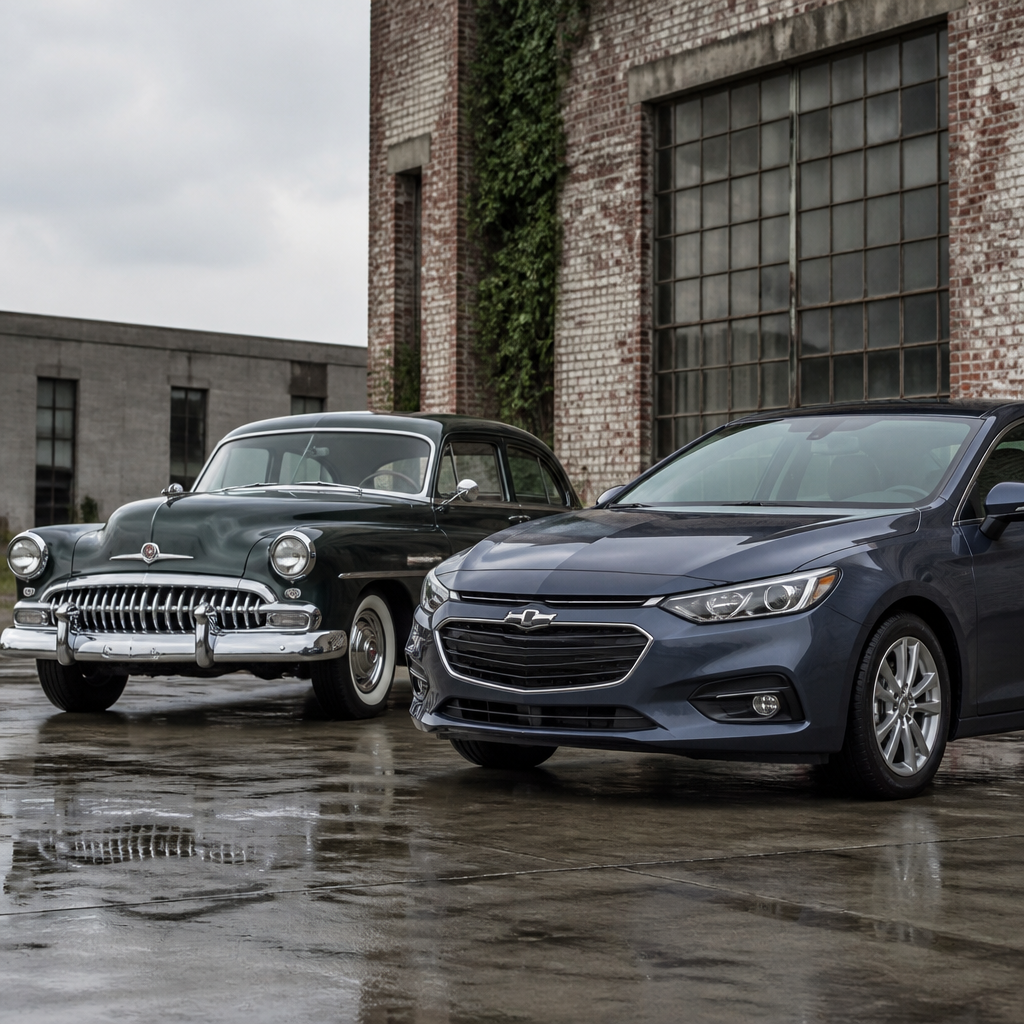
Classic car import laws determine whether an older vehicle can legally enter the country, clear customs, meet federal standards, and ultimately receive a title, registration, and license plates. For collectors, restorers, and first-time importers, the rules can feel fragmented because they involve multiple agencies, overlapping definitions, and state-level registration procedures after the car lands. I have worked through these steps on imported British roadsters, German coupes, and Japanese classics, and the pattern is always the same: the purchase is the easy part, while compliance is what protects your investment.
At a basic level, classic car import laws cover admissibility, safety compliance, emissions compliance, customs documentation, taxes and duties, and registration in the state where the vehicle will be driven. In the United States, the key federal players are U.S. Customs and Border Protection, the National Highway Traffic Safety Administration, and the Environmental Protection Agency. The Department of Transportation framework matters because imported vehicles normally must conform to Federal Motor Vehicle Safety Standards, while emissions requirements are governed separately. A “classic car” is not a single legal category at the federal level; age thresholds drive many exemptions, and those thresholds do not always match insurance, tax, or state registration definitions.
Why does this matter so much? Because one wrong assumption can leave a vehicle stuck at the port, denied entry, forced into expensive modifications, or impossible to title. Buyers often assume that if a car is old, rare, or valuable, it is automatically exempt. That is not true. The most important age-based rule is the 25-year exemption for safety compliance under federal law, paired with the EPA’s 21-year exemption for emissions in many cases when the vehicle remains in original configuration. Those two numbers are the starting point for nearly every classic car import decision, but they are not the whole story. Bonded releases, customs declarations, state VIN inspections, and documentary proof of ownership still decide whether your imported car becomes road legal.
This guide explains registration and legal requirements comprehensively so it can serve as a practical hub for classic car ownership research. If you are comparing import strategies, preparing shipping paperwork, or planning state registration after customs clearance, the sections below will show what each agency requires, where the common pitfalls are, and how experienced importers avoid costly delays.
Federal import rules: the legal framework every buyer must understand
The United States does not treat every imported classic car the same. The central question is whether the car qualifies for an exemption from modern safety and emissions rules or whether it must be imported through a more complex compliance process. For safety standards, vehicles that are at least 25 years old are generally exempt from Federal Motor Vehicle Safety Standards. The age is measured by month and year of manufacture, not model year marketing language. If a car was built in November 1999, it does not become exempt until November 2024. I have seen shipments delayed because buyers relied on a seller’s model year claim instead of the actual production date on factory records or the VIN plate.
For emissions, the EPA generally exempts motor vehicles that are at least 21 years old if they are in original, unmodified configuration. That original configuration requirement matters. Engine swaps, aftermarket turbocharging, or altered emissions equipment can change how the EPA views the vehicle. In practice, a stock 1980s European coupe is usually straightforward, while a modified imported sports car may trigger more scrutiny even if it clears the safety age threshold. Importers should complete the proper declaration forms accurately rather than assuming customs officers will infer eligibility from the car’s age alone.
If the vehicle is newer than 25 years, the process becomes far more restrictive. The car generally must conform to applicable federal safety standards or be imported through a Registered Importer authorized by NHTSA. Conversions can be expensive, and some vehicles are not eligible at all unless NHTSA has determined they are substantially similar to a U.S.-certified counterpart. This is why many collectors wait for the 25-year mark before importing models such as Japanese performance cars or European-market luxury sedans. It is usually the cleanest legal path.
Temporary import categories also exist, including show or display, racing, and nonresident personal use, but these are narrow exemptions with strict limits. They are not shortcuts to normal road registration. If your goal is regular driving and state title issuance, permanent lawful importation under the correct exemption is the standard to pursue.
Customs clearance, duties, and the documents that move the car
When the vehicle arrives at a U.S. port, Customs and Border Protection controls release. The core paperwork usually includes the foreign title or registration, a bill of sale, the bill of lading from the shipping company, EPA Form 3520-1, DOT Form HS-7, and entry documents prepared for customs. Accuracy matters more than volume. A typo in the VIN, purchase price, or production date can cause delays, examinations, or requests for correction. On valuable collector cars, I always advise clients to maintain a document file that includes translated records if the original registration is not in English, proof of payment, and photographs of the VIN plate and chassis stamping.
Duties are another point of confusion. Passenger vehicles are generally subject to a 2.5 percent duty based on the declared purchase price, while motorcycles are commonly assessed at a different rate and trucks can face much higher tariffs. Shipping, marine insurance, port handling, broker fees, storage, and inland transport are separate costs that should be budgeted early. A bargain purchase can stop looking cheap once destination charges are added. Many importers use a licensed customs broker, and in my experience that fee is often money well spent, especially for first-time shipments entering busy ports such as Newark, Long Beach, or Savannah.
The table below summarizes the main compliance checkpoints most classic car importers encounter.
| Stage | Main agency or party | Key requirement | Common mistake |
|---|---|---|---|
| Purchase | Buyer, seller | Obtain bill of sale and proof of build date | Relying only on model year listing |
| Export and shipping | Shipper, port agent | Accurate bill of lading and VIN details | Mismatched names or VIN characters |
| U.S. entry | CBP | Customs entry, duty payment, title documents | Undervaluing purchase price |
| Safety declaration | NHTSA/DOT | HS-7 exemption or compliance basis | Using wrong age or exemption box |
| Emissions declaration | EPA | 3520-1 exemption or compliance basis | Ignoring modifications |
| State titling | DMV or equivalent | Title, VIN inspection, tax payment | Missing customs-stamped entry proof |
Customs can also inspect for agricultural contamination, undeclared parts, or discrepancies between declared and actual contents. A car packed with spare engines, trim, or loose components may require more scrutiny than a clean rolling vehicle. Before shipping, remove personal effects and document any extra parts separately.
Safety and emissions exemptions: where most legal misunderstandings happen
The biggest misunderstanding in classic car import laws is the idea that age alone solves everything. Age creates eligibility for exemptions, but the importer still must claim those exemptions properly and support them with evidence. On the safety side, the 25-year rule is straightforward in concept and unforgiving in application. Customs and NHTSA care about the actual manufacturing date. If documentation is unclear, a manufacturer letter, heritage certificate, or recognized chassis registry can help establish the date. This is particularly important for low-volume classics, hand-built vehicles, and gray-market performance cars.
On the emissions side, original configuration matters because the EPA exemption for older vehicles is not designed to legalize heavily modified cars by default. For example, an imported 1978 Mercedes-Benz with its factory engine and emissions hardware is one thing; the same car fitted abroad with a later turbo diesel from another model can raise questions. In real transactions, this issue often surfaces when enthusiasts buy already-restored or restomodded vehicles from overseas auctions. Restoration quality does not equal compliance.
Another issue is the distinction between federal import legality and state road-use legality. A car can enter the country lawfully under a federal exemption and still face state-level requirements before registration. States may ask for a VIN verification, brake and light inspection, weight certificate, or proof that import duties were paid. California deserves special mention because registration there can be more complex, especially for vehicles that do not fit straightforward emissions exemption pathways or have incomplete documentation. Anyone planning to register an imported classic in California should verify current Department of Motor Vehicles and Air Resources Board procedures before purchase.
Importers should also understand that “show or display” approval is not a general collector loophole. NHTSA grants it only to historically or technologically significant vehicles, and annual mileage restrictions apply. It is useful for a tiny class of rare automobiles, not for ordinary enthusiast imports.
State title and registration requirements after the car clears the port
Once customs releases the vehicle, federal import law gives way to state title and registration rules. This is where many projects stall because owners assume the stamped customs forms are enough. In reality, most states require a chain of ownership document, proof of customs clearance, proof of identity, an odometer disclosure if applicable, and payment of title and use taxes. Some states issue titles readily for older foreign vehicles using the foreign registration and bill of sale; others want additional inspections or bonded title procedures if any document is missing.
VIN format is a recurring challenge. Many pre-1981 vehicles do not use the standardized 17-character VIN format familiar to DMV clerks. That does not make them illegal, but it can create administrative confusion. I have had to bring factory literature, marque-club verification letters, and customs paperwork to support legitimate shorter chassis numbers. Patience helps, but preparation helps more. Before the car leaves the port, confirm what your state DMV accepts for antique, historical, or standard passenger registration.
Registration class matters too. Many states offer antique or historic plates with lower fees and relaxed inspection schedules, but those registrations often restrict use to exhibitions, club events, maintenance drives, or occasional pleasure trips. If you plan to commute or use the car frequently, standard registration may be safer even if it costs more. Insurance eligibility can also depend on how the vehicle is registered and stored. Agreed-value collector policies from companies such as Hagerty, Grundy, or American Collectors Insurance usually require secure garaging and limited-use declarations.
Sales and use tax is another area where buyers get surprised. Even if federal duty has been paid, your state may still assess tax when the title is issued, usually based on purchase price and sometimes adjusted if the declared value appears unrealistic. Keep every invoice, wire confirmation, and auction receipt.
Common mistakes, legal risks, and the smartest way to plan an import
The most expensive mistakes in classic car importing are usually preventable. Buyers misread age exemptions, purchase cars with incomplete foreign paperwork, undervalue vehicles on customs forms, or assume a shipping company handles legal compliance. It does not. The shipper moves the car; the importer remains responsible for truthful declarations and lawful entry. Another common problem is buying a vehicle before verifying that the title history abroad is clean. Some countries use registration systems that differ sharply from U.S. titles, and a missing export certificate can become a registration nightmare later.
The smartest process is sequential. Verify the exact build date. Confirm exemption eligibility. Review the seller’s ownership documents before sending funds. Use a reputable shipper and, if needed, a customs broker. Budget for duty, port fees, storage, inland transport, and state taxes. Then call your state DMV or review its antique vehicle guidance before the car arrives. This hub article should anchor deeper research into related topics such as VIN inspections, bonded titles, antique plate restrictions, import insurance, and customs broker selection. If you are adding an imported classic to your garage, treat paperwork with the same seriousness as rust inspection or engine compression. Good documentation is what turns a foreign purchase into legal classic car ownership. Start with the rules, build a checklist, and import with confidence.
Frequently Asked Questions
What makes a car legally qualify as a “classic” or exempt from modern import rules?
The most important point is that “classic car” is not always the legal term that controls import eligibility. In practice, federal agencies focus on the vehicle’s age and whether it qualifies for a specific exemption under import law. In the United States, one of the best-known thresholds is 25 years for federal motor vehicle safety compliance. Once a vehicle is at least 25 years old, it is generally exempt from having to meet current Federal Motor Vehicle Safety Standards enforced by the National Highway Traffic Safety Administration. That exemption is the reason many collectors legally import older British roadsters, German coupes, and Japanese classics that were never originally sold in the U.S.
There is also a separate emissions rule to consider. The Environmental Protection Agency typically applies a 21-year threshold for certain emissions-related exemptions, provided the engine and emissions systems remain in essentially original configuration. That means a car may be old enough for one exemption but still require careful review under another agency’s rules. This is where many first-time importers get confused, because they assume one age cutoff solves everything. It does not. You need to evaluate the vehicle under customs, safety, emissions, and state registration requirements as separate checkpoints.
Another key issue is proving the vehicle’s age. Customs and state motor vehicle offices may rely on the foreign title, registration records, manufacturer documentation, chassis number decoding, bill of sale, and shipping paperwork. If the model year is ambiguous, or if the car was built in one year and first registered in another, that can delay clearance or titling. The safest approach is to assemble a documentation package before the car ships, rather than trying to resolve identity questions after it arrives at the port.
Finally, do not assume that “classic,” “antique,” “historic,” or “collector” plates at the state level mean the car was imported correctly at the federal level. Those labels usually affect registration class, usage restrictions, inspections, or insurance after the vehicle is already in the country. For import purposes, what matters most is whether the car qualifies under the relevant federal exemptions and whether your paperwork clearly supports that claim.
Which government agencies are involved in importing a classic car, and what does each one do?
Classic car imports often feel complicated because several agencies are involved, and each one handles a different piece of the process. U.S. Customs and Border Protection is the gateway agency at the port of entry. Customs reviews the shipment, collects applicable duties, confirms that the vehicle is being entered under the proper legal basis, and checks that the required supporting documents are in order. If your paperwork is incomplete or inconsistent, Customs can hold the car even if the vehicle itself appears eligible.
The National Highway Traffic Safety Administration, or NHTSA, is responsible for motor vehicle safety compliance. For older vehicles, the key question is usually whether the car qualifies for the 25-year exemption from Federal Motor Vehicle Safety Standards. This is commonly documented on the HS-7 declaration form. If the vehicle is under 25 years old and was not originally manufactured to U.S. standards, the process becomes much more difficult and may require a Registered Importer, conformity work, and additional expense. For true classics, the age-based exemption is what usually makes import practical.
The Environmental Protection Agency, or EPA, oversees emissions compliance. Importers typically declare the vehicle’s status on EPA Form 3520-1. Older vehicles may qualify for exemption based on age, but that exemption still needs to be properly claimed and documented. If the car has been heavily modified, engine-swapped, or altered from original emissions configuration, the analysis can become more complicated. That is especially important with enthusiast imports, where previous owners may have changed carburetion, exhaust, or engine management systems.
After federal entry, your state’s department of motor vehicles or motor vehicle agency takes over for title, registration, and license plates. This stage is often underestimated. States may ask for customs entry documents, the foreign title, a translated title if not in English, bills of sale, VIN verification, proof of insurance, odometer disclosures where applicable, and tax payments. Some states are straightforward with imported classics, while others are much stricter about document format and chain of ownership. In other words, clearing federal import rules does not automatically guarantee an easy state title process.
Depending on the vehicle and shipping route, other parties may be involved too, including port brokers, freight forwarders, agriculture inspectors, and state inspection stations. The practical lesson is simple: treat the import as a multi-agency process from the beginning. When you prepare for customs, prepare for titling too. That mindset prevents a common problem where the car lands legally but sits for weeks or months because the owner does not have the documents the state requires.
What documents do I need to import a classic car and get it through customs successfully?
The exact document list can vary by port, shipping method, and the vehicle’s country of origin, but several core documents appear in almost every classic car import. You should expect to need the foreign title or registration, a bill of sale showing the purchase price and parties to the transaction, the bill of lading from the shipping carrier, customs entry forms, the NHTSA HS-7 declaration, and the EPA Form 3520-1. If the car is coming from a country that issues export certificates or customs exit records, those may also be important. In some cases, a passport copy, power of attorney for your customs broker, and identity documents may be required as well.
Accuracy matters just as much as completeness. The chassis number or VIN must match exactly across the title, bill of sale, shipping paperwork, and customs forms. Older vehicles often have shorter serial numbers or non-standard VIN formats, and that can confuse carriers, brokers, and DMV staff who are used to modern 17-digit VINs. If one document includes extra spaces, prefixes, or transcription mistakes, you can run into delays. Before the car ships, compare every character on every form against the plate on the vehicle and any factory records you have.
It is also wise to gather supporting documentation that may not be strictly required at the border but can become extremely useful later. That includes a translation of any non-English registration documents, a manufacturer heritage certificate, appraisals, restoration invoices, photos of the vehicle identification plate, and proof of the model year. If the car’s production date is close to the 25-year threshold, or if there is any discrepancy between build date and first registration date, having backup evidence can save significant time. This is especially true with vehicles from markets where paperwork conventions differ from U.S. norms.
For customs clearance, many importers use a licensed customs broker, and for good reason. A broker can help classify the vehicle correctly, submit the entry package, calculate duties, and spot paperwork gaps before they become expensive port problems. While you can import a car yourself, a broker is often worth the cost if this is your first transaction or if the vehicle has unusual documentation history. The goal is not just to get the car off the boat; it is to create a clean documentary trail that will also support title and registration in your home state.
Do classic imported cars have to pay duties, taxes, or fees, and how are those costs calculated?
Yes, in most cases you should expect to pay import-related costs, even when the vehicle qualifies for age-based safety and emissions exemptions. Federal exemption from certain standards does not mean duty-free entry. U.S. Customs and Border Protection generally assesses duty based on the vehicle type and declared value, and the applicable rate can differ for passenger vehicles, motorcycles, and trucks. In addition to duty, importers may face port handling charges, customs broker fees, terminal fees, shipping costs, inland transport costs, storage charges if paperwork is delayed, and possibly state use tax or sales tax when the vehicle is titled.
The declared value is usually based on the purchase price shown on the bill of sale, but Customs can scrutinize the valuation if it appears unreasonably low compared to the vehicle’s condition or market norms. That matters with collector cars because values can vary dramatically depending on originality, rarity, restoration quality, and provenance. If you bought a project-grade car at a legitimate low price, keep records that support the transaction, such as auction listings, seller correspondence, photos, and payment records. The more unusual the deal, the more important your documentation becomes.
Importers should also understand that cost planning goes beyond federal duty. Once the vehicle is released, state-level title and registration costs begin. Some states calculate tax based on the purchase price, while others may use fair market value if they believe the declared price is inaccurate. You may also need a VIN inspection, safety inspection, emissions waiver documentation, or bonded title procedures in edge cases. If you are hiring transport from the port to your home or restoration shop, that is another line item many buyers forget to include in the total landed cost.
A practical rule is to build a conservative budget before you buy the car. Include ocean freight or container costs, marine insurance, customs duty, broker fees, port fees, domestic transport, state taxes, title fees, and a reserve for surprises. On older imports, surprises are common. Missing paperwork, storage accrual, cleaning requirements, and registration issues can all add cost. The car may still be worth importing, but