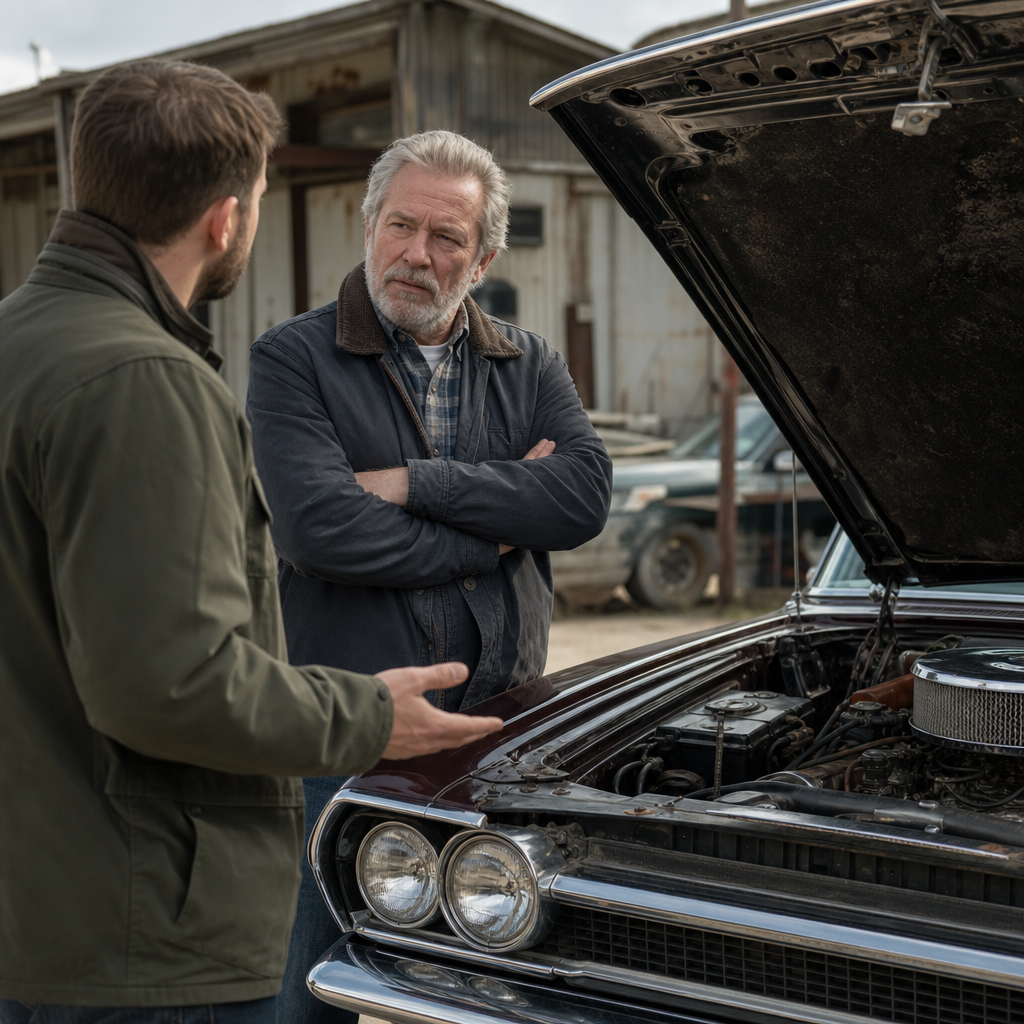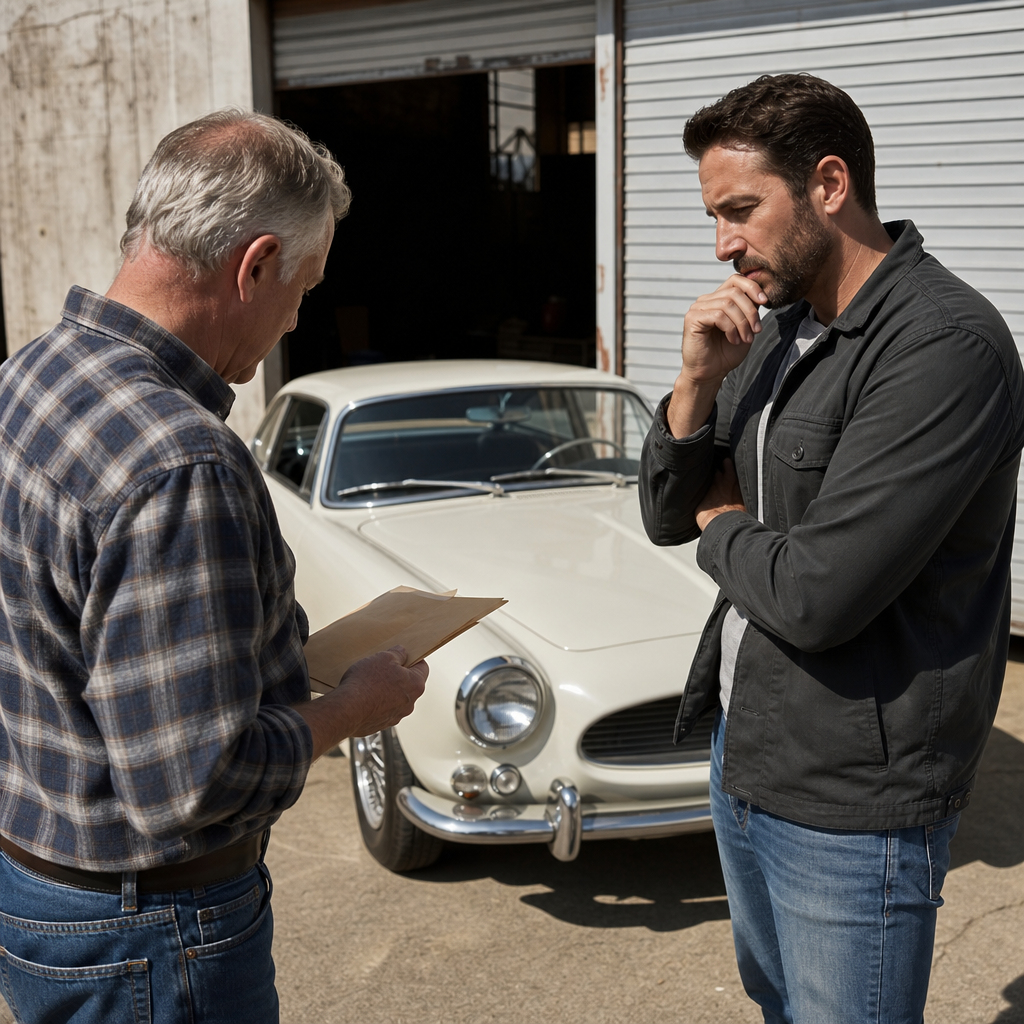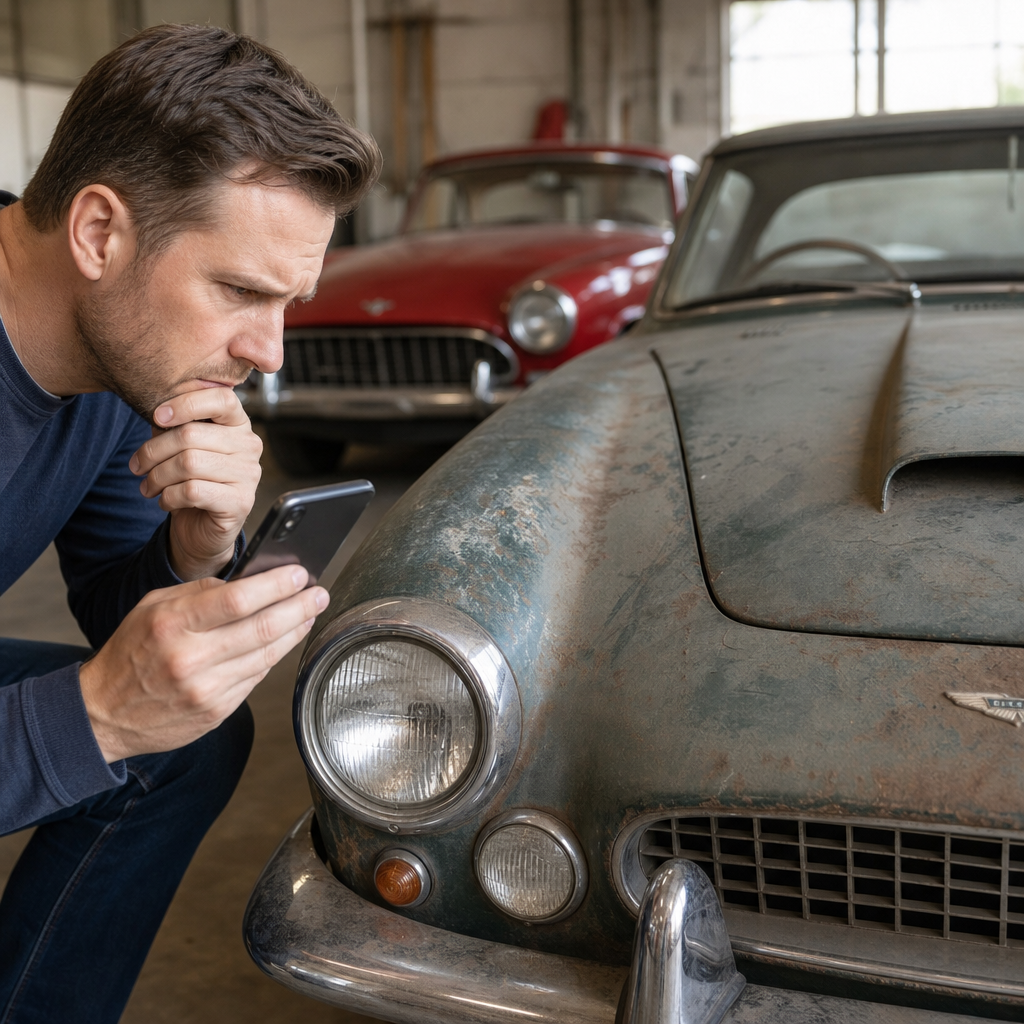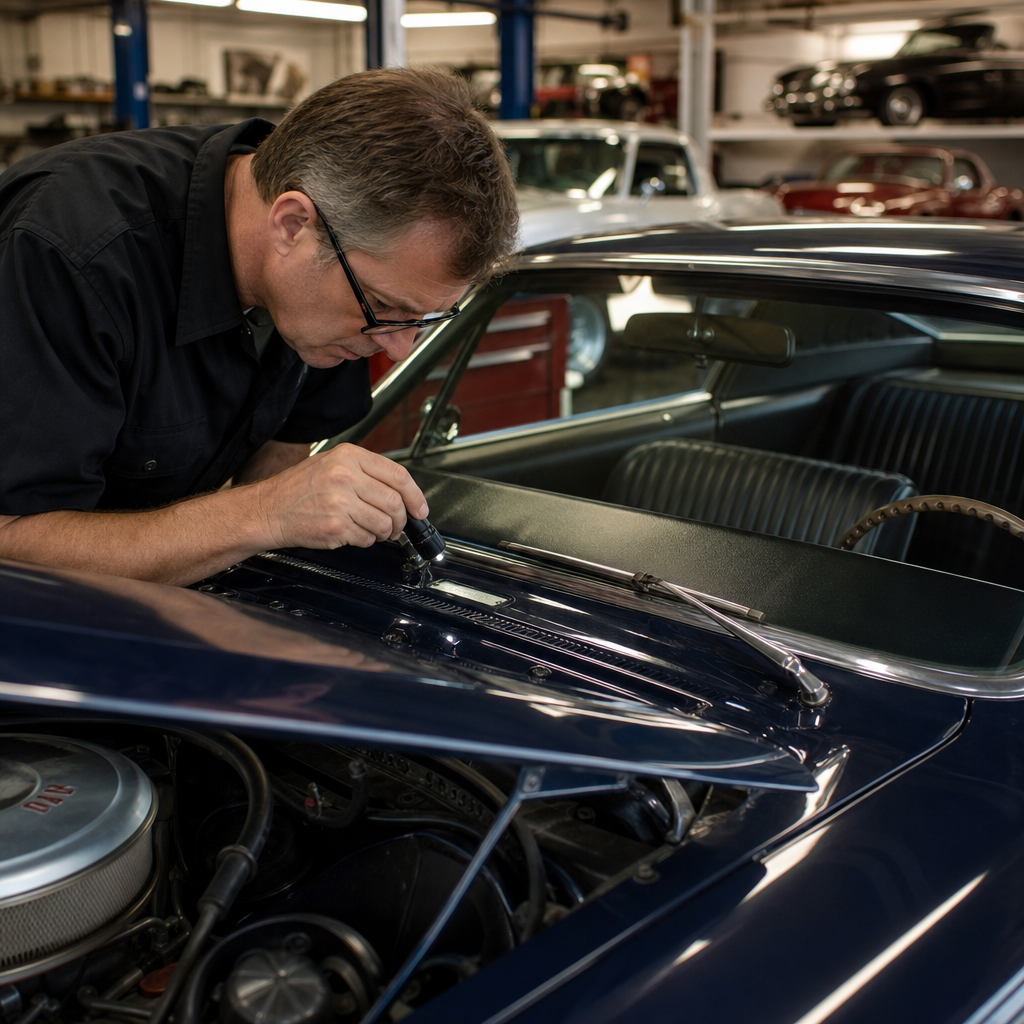
Negotiating at classic car auctions is not a matter of bluffing harder than the next bidder; it is a disciplined process built on market research, vehicle inspection, auction psychology, and clear financial limits. In the classic car world, “negotiation” happens before the hammer falls, during live bidding, and after the sale through fees, transport, documentation, and, in some cases, post-auction offers. I have bought and advised on auction cars across local estate sales, specialist collector events, and large televised auctions, and the same truth holds everywhere: the winning buyer is usually the one who prepared most carefully, not the one with the loudest paddle. For anyone interested in buying and selling classic cars, understanding negotiation strategies at auction matters because prices can move fast, premiums add up, and one emotional decision can erase years of careful budgeting.
A classic car auction is a public sale where vehicles are offered to competing bidders under terms set by the auction house. Key terms shape every negotiation decision. Reserve price is the confidential minimum the seller will accept. Hammer price is the final bid accepted by the auctioneer before buyer’s premium, taxes, and other charges. Buyer’s premium is the percentage added by the auction company, often 8 to 12 percent or more, and it materially changes your real ceiling. Provenance refers to documented ownership history, restoration records, notable race entries, awards, or historical significance. Matching numbers indicates that major components such as engine, transmission, and chassis correspond with factory records, which can strongly affect value on sought-after models. Condition grades, restoration quality, originality, and documentation are not talking points; they are price drivers.
This article serves as a hub for negotiation strategies within the broader buying and selling classic cars topic because auction success depends on connected skills. You need valuation discipline, inspection methods, title and paperwork review, transport planning, and an understanding of bidder behavior. A buyer negotiating at a Mecum, Barrett-Jackson, Bonhams, RM Sotheby’s, Silverstone, or a regional specialist auction faces different atmospheres, but the framework is the same. Know the car, know the terms, know your walk-away number, and know how to respond when auction energy tries to pull you past it. The sections below break that framework into practical actions you can apply whether you are chasing a driver-quality Mustang, an air-cooled Porsche, a split-window Corvette, or a prewar British tourer.
Research the Car, the Market, and the Auction House Before You Bid
The strongest negotiation position starts days or weeks before the sale. First, establish a realistic market range using multiple data sources rather than one headline sale. Auction archives from RM Sotheby’s, Bonhams, Broad Arrow, Bring a Trailer, and Hagerty Price Guide help you compare sale prices by year, engine, body style, originality, and condition. A 1967 Chevrolet Corvette coupe with a period-correct replacement engine trades differently from a documented matching-numbers L71 car with factory options and NCRS-level paperwork. The same badge can hide a six-figure spread. Use recent comparables from the last twelve to eighteen months because collector markets move with interest rates, demographics, and model-specific demand.
Next, study the auction house itself. Terms and conditions tell you whether cars are offered with reserve, what arbitration rights exist, how deposits work, and when payment is due. Some houses are strict about “as-is, where-is” language, which means your leverage after the sale is limited unless there is clear misrepresentation. Review buyer’s premium schedules and local taxes because those costs redefine your bid ceiling. If your total budget is $100,000 and the premium is 10 percent before tax, your hammer-price limit is far lower than many first-time bidders assume. Experienced buyers calculate the all-in number first, then work backward to a maximum paddle bid.
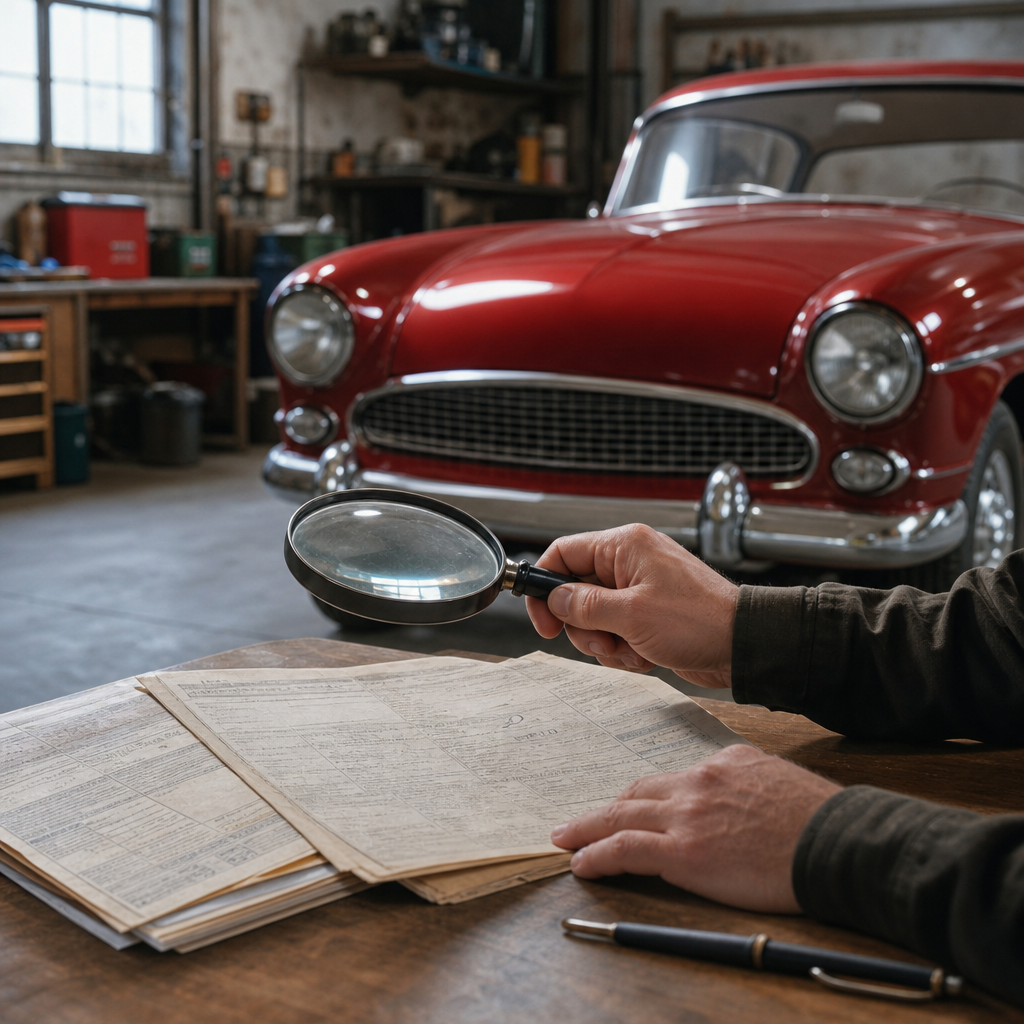
Catalog descriptions deserve skeptical reading. Good cataloging is useful, but it is not a substitute for inspection. Phrases like “older restoration,” “believed to be original mileage,” or “reportedly rebuilt” signal areas that require verification. Request copies of service records, ownership history, restoration invoices, photographs of the work, and any factory documentation such as build sheets, Heritage Certificates, Kardex entries, or dealer invoices. If the auction house has a condition report, read every line. Even small notes about paint meter readings, seepage, panel fit, or non-functioning gauges can become major bargaining facts in your internal valuation.
Inspect the Vehicle Like a Negotiator, Not a Spectator
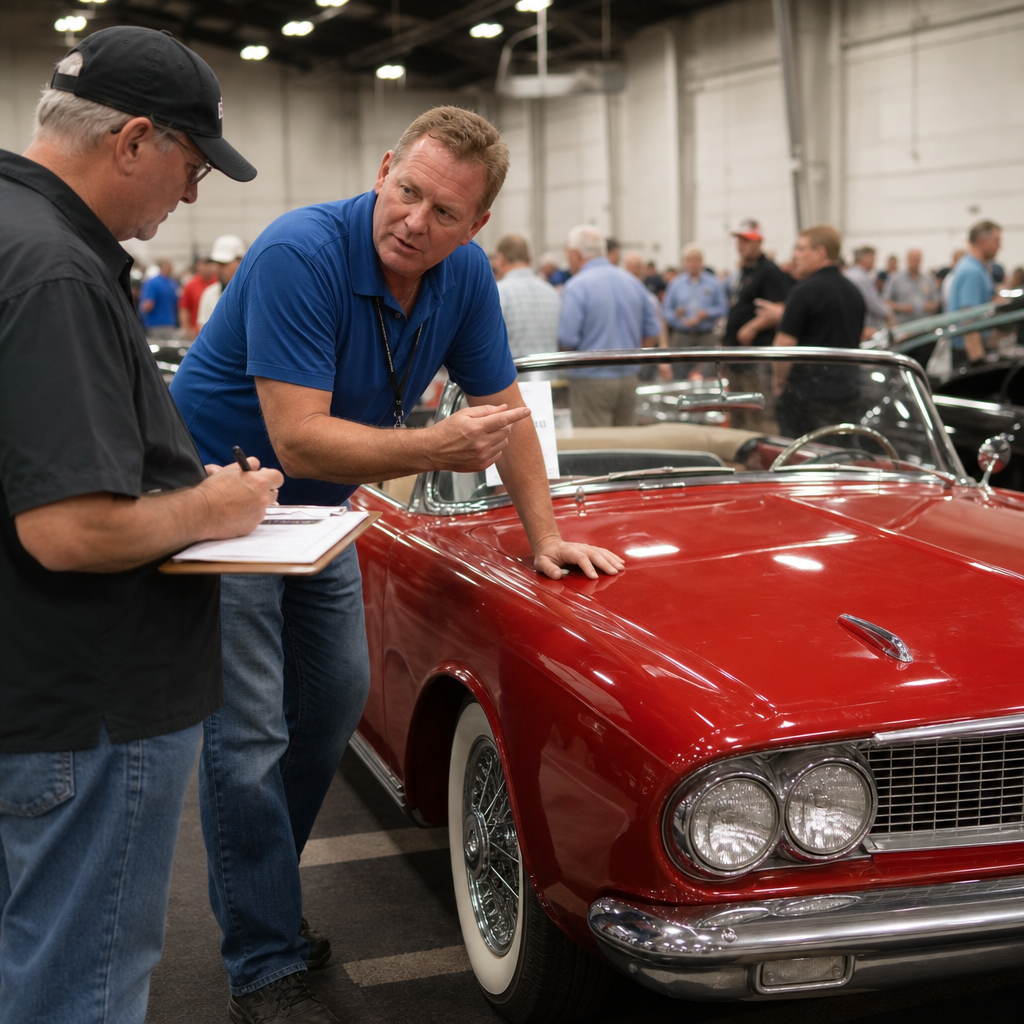
At preview, your goal is to identify value, risk, and future cost. Walk around the car slowly and systematically. Check panel gaps, overspray, trim fit, glass markings, tire dates, underbody corrosion, fluid leaks, and signs of accident repair. Look for inconsistent fasteners, fresh undercoating over old rust, or paint textures that suggest partial cosmetic work rather than a full restoration. On unibody cars, inspect common rust points: shock towers on vintage Mercedes, floor pans and torque boxes on Mustangs, kidney bowls on early Porsche 911s, and chassis outriggers on British roadsters. On body-on-frame American cars, frame integrity matters as much as chrome shine.
Mechanical inspection is equally important. If the auction allows engine starts, listen for cold-start behavior, smoke, valve train noise, and charging-system stability. Warm idle quality, oil pressure, and temperature control reveal whether a car was sorted or merely detailed. Verify that the VIN, chassis plate, engine stamp, and body tags align with documentation where applicable. For high-value lots, hire a marque specialist. I have seen buyers save tens of thousands by paying for a pre-sale inspection that uncovered non-original drivetrains, hidden corrosion, or poor restoration workmanship beneath glossy paint. Negotiation power comes from knowing what must be corrected after purchase and assigning a dollar amount to each issue.
Auction houses often move quickly during preview, so bring a repeatable checklist. Photographs, paint meter readings, and notes prevent memory errors once the room gets noisy. The following framework keeps valuation grounded:
| Inspection Area | What to Check | Why It Changes Negotiation |
|---|---|---|
| Documentation | Title, VIN, service history, restoration invoices, ownership chain | Strong records support premium pricing; missing paperwork lowers confidence and resale value |
| Originality | Matching numbers, factory colors, correct carburetion, trim, wheels | Original cars command stronger bids in many segments |
| Body and Paint | Rust, filler, panel fit, paint thickness, chrome quality | Cosmetic correction is expensive and easy to underestimate |
| Mechanicals | Leaks, compression evidence, cold start, brakes, cooling, transmission behavior | Mechanical sorting can quickly exceed any apparent bidding bargain |
| Market Position | Comparable sales, rarity, options, color combination | Prevents emotional overbidding and supports post-auction offers |
Set Your Bid Ceiling and Use Auction Math Ruthlessly
The most effective classic car auction negotiation strategy is a non-negotiable maximum bid based on all-in cost, not fantasy value. Start with your target retail value in the condition and specification actually in front of you. Subtract immediate repair or correction costs, deferred maintenance, transport, registration, insurance, and a contingency reserve. Then subtract buyer’s premium and taxes. What remains is your maximum hammer price. Write it down. If you rely on memory while adrenaline rises, you will rationalize a higher number in seconds.
Consider a simple example. You value a driver-quality 1970 Porsche 911T at $92,000 in today’s market, but the car needs tires, a gearbox reseal, and some interior corrections totaling $7,000. Shipping and registration add $2,500. You want a $5,000 buffer for surprises. That brings your pre-fee target to $77,500. If the buyer’s premium is 10 percent, your hammer-price ceiling is about $70,450 before any applicable tax. Many buyers mistakenly stop at the headline value and end up upside down before the car reaches their garage.
This ceiling also protects you from a common auction trap: anchoring to the auctioneer’s cadence instead of your own math. Fast increments can make another $2,500 feel small, yet five such moves add real money. On six-figure cars, one extra increment can equal a year of maintenance. Discipline matters more than bravado. If the car crosses your number, let it go. There will be another car, and often a better one. In collector markets, preserving capital is part of negotiation, because your next opportunity depends on not overpaying today.
Read Bidder Psychology and Control Your Own Signals
Classic car auctions are theaters of urgency. Lights, commentary, camera coverage, and crowd reaction are designed to create momentum. Your job is to separate excitement from value. Watch who is bidding. Some participants are deliberate and stop precisely at preplanned numbers. Others chase prestige and react emotionally to public competition. Dealers may bid aggressively on highly liquid models they understand well, then go quiet on unusual cars with thin buyer pools. Sellers, consignors, and auction staff also influence energy around the block, but the market still speaks through actual paddles and real money.
Control your own signals. Bid clearly but without performance. Do not telegraph desperation by jumping too fast, waving excessively, or nodding at every prompt. Calm, minimal gestures keep attention off you and reduce the chance of becoming emotionally committed to “winning.” Position matters too. In some rooms, sitting where you can see the auctioneer, ringmen, and other active bidders makes it easier to read pace and pauses. Online and phone bidding require the same emotional discipline, but they remove some in-room pressure, which can help buyers stick to limits.
Use timing strategically. Early decisive bids can discourage tentative participants on ordinary lots, while patient late entries can prevent you from bidding against yourself too soon. There is no universal rule; the right approach depends on the car and crowd. On a highly coveted Hemi Mopar or Ferrari Dino, a strong opening bid will not scare off serious buyers. On a niche British saloon needing recommissioning, it might. The point is not to outsmart everyone theatrically. It is to understand that auction negotiation includes pacing, confidence, and self-control as much as money.
Negotiate Before and After the Hammer, Not Only During Bidding
Many buyers think negotiation ends when bidding stops. In reality, some of the best opportunities arise before the car enters the lane or immediately after it fails to meet reserve. Before the sale, speak with a car specialist at the auction house. Ask direct questions: Has the seller set realistic expectations? How much interest has the lot generated? Is there flexibility if bidding stalls near reserve? Auction staff will not disclose confidential numbers, but experienced specialists often signal whether a consignor is serious about selling. That information helps you decide whether to engage hard on the block or conserve energy for a post-sale approach.
If a car is announced “on the market,” reserve is gone and the highest bid wins. If it is bid to but not through reserve, negotiation may continue after the lot leaves the stage. Post-block deals can be excellent because the public contest has ended and both sides have clearer information. The seller now knows the market’s actual highest bid. You know whether your number was close. In these moments, be concise and factual. Present your offer based on condition, documentation, and recent comparables, and include awareness of premium and transport costs. Emotional speeches do not close collector-car transactions; credible numbers do.
There are limits. Some sellers would rather take the car home than accept a rational offer, especially if they are anchored to restoration cost instead of market value. Let them. Chasing unrealistic sellers is expensive. A professional negotiator respects the seller’s right to say no and moves on quickly. That restraint preserves time, focus, and bargaining power for the next lot.
Common Mistakes That Weaken Your Position
The biggest mistake is buying the story instead of the car. Provenance matters only when documented, and restoration quality matters only when visible and verifiable. Another common error is ignoring liquidity. Rare does not automatically mean desirable. Some rare cars have tiny buyer pools, expensive parts supply problems, and weak resale demand. I have watched bidders pay scarcity premiums on obscure models, then struggle to sell them later even at a discount. Negotiation is stronger when you understand not just what a car is worth today, but how easily it can be sold tomorrow.
Other mistakes include skipping preview, underestimating premium and tax, failing to verify title status, and overlooking geographic compliance issues such as emissions, import paperwork, or state inspection requirements. International buyers face additional complexity around customs duty, VAT, EPA and DOT rules, and port handling. None of this is glamorous, but it directly affects your true acquisition cost. Finally, many first-time bidders do not prepare an exit plan. If you buy a project, know who will transport it, where it will be stored, and which specialist will work on it. Negotiation does not stop with price; it includes the total ownership decision.
Successful negotiation at classic car auctions comes down to preparation, valuation discipline, and emotional control. Research the model, verify the specific car, calculate your all-in ceiling, and treat every missing record, mechanical issue, or originality question as a concrete pricing factor. During bidding, stay calm, bid deliberately, and never confuse auction excitement with market value. Before and after the hammer, use specialists, condition reports, and post-sale opportunities to make rational offers grounded in facts. These habits consistently beat guesswork.
For readers exploring buying and selling classic cars, this page is the foundation for every negotiation strategy that follows. Whether you are pursuing an entry-level MGB, a numbers-matching big-block Corvette, or a blue-chip air-cooled Porsche, the same principles protect your capital and improve your results: inspect carefully, document thoroughly, and walk away when the numbers stop making sense. Use this hub as your starting point, then apply each tactic at your next auction with a written budget, a checklist, and the patience to wait for the right car.
Frequently Asked Questions
What does “negotiation” really mean at a classic car auction?
At a classic car auction, negotiation is much broader than trying to outsmart another bidder in the final seconds. In practice, it starts well before the event, when you research recent sales, compare condition levels, study the model’s market trajectory, and decide what the car is truly worth to you. That preparation is a form of negotiation because it determines how much flexibility you have once the car crosses the block. If you arrive without a pricing framework, you are not negotiating—you are reacting.
During the auction itself, negotiation takes the form of disciplined bidding behavior. You are reading the room, watching whether the auctioneer is pushing hard to meet reserve, and deciding whether to bid early, wait, or stop completely. You are also negotiating with yourself by resisting the temptation to chase the car beyond your limit. In many cases, the strongest negotiating move is simply not to bid again.
After the hammer falls, there may still be room to negotiate depending on the auction format and whether the lot sold, failed to meet reserve, or is moved into a post-sale offer window. Some auction houses facilitate conversations between underbidders and sellers after a no-sale. Even when the price is fixed, you may still be dealing with buyer’s premiums, taxes, title timing, transport costs, document fees, and storage deadlines. Serious buyers understand that the full deal structure matters just as much as the winning bid.
How should I research a classic car before bidding so I can negotiate from a position of strength?
Start with the market, not the car. Look at recent auction results for the same make, model, year, engine specification, body style, and transmission. Then adjust for originality, restoration quality, provenance, documentation, mileage, colors, and rarity. A numbers-matching, well-documented example with known ownership history can justify a significantly different value than a similar-looking car with replacement components and vague records. The more precise your comparison set, the less likely you are to overpay based on excitement alone.
Next, inspect the specific vehicle as carefully as the auction allows. Review the catalog description, condition report, photographs, and any supplemental materials, but do not treat them as a substitute for firsthand evaluation. Look for rust, panel fit issues, inconsistent paint, underbody corrosion, interior wear that does not match stated mileage, fluid leaks, smoke on startup, and signs of poor restoration work. Check VIN tags, engine numbers where appropriate, trim authenticity, and whether major components appear period-correct. If the auction permits inspections or preview days, use them. If the car is important or expensive enough, bring a marque specialist or inspector.
Finally, build a total-cost number, not just a bidding number. Include buyer’s premium, sales tax if applicable, shipping, insurance, immediate mechanical sorting, registration costs, and any deferred maintenance you can already identify. Once all of that is added, set a hard maximum and write it down. That figure is your negotiating anchor. It protects you from bidding based on ego, noise in the room, or the false belief that “just one more bid” will not matter. In collector car auctions, the buyer who knows the car and the market best usually negotiates best, even if they say very little.
What inspection issues give me the most leverage or should make me walk away entirely?
The biggest leverage points are defects that meaningfully affect value, safety, originality, or future restoration cost. Structural rust is one of the most important. Surface corrosion may be manageable, but rust in floors, frame rails, rocker panels, suspension mounts, trunk seams, or other structural areas can turn a seemingly attractive car into a major financial project. Poor bodywork is another red flag. Fresh paint can hide filler, patch repairs, or previous collision damage, so look for waviness, overspray, mismatched gaps, and inconsistent panel alignment.
Mechanical uncertainty is also significant, especially when the auction house uses phrases like “running when cataloged” or “reported to start easily” without stronger assurances. A car that starts is not necessarily a car that drives properly, cools correctly, shifts cleanly, or has healthy compression. Transmission issues, brake system problems, overheating, electrical faults, and fuel system neglect can become expensive quickly. If a seller has little documentation and the car cannot be meaningfully tested, your risk rises and your bid should fall accordingly.
Authenticity and paperwork issues can be even more serious than cosmetic flaws. Missing titles, VIN discrepancies, questionable stampings, non-matching identification numbers, undocumented engine swaps, and incomplete import papers can affect not only value but also your ability to register or resell the vehicle. Cars represented as restored, rare, or investment-grade should have evidence that supports those claims. If they do not, your leverage is in your willingness to price the car as uncertain. And if the documentation problems are severe enough, the best move is to walk away. At auction, there is always another car. Buying a problematic one because the room is excited is rarely a winning strategy.
What bidding strategy works best when the auction is live and emotions are running high?
The best live bidding strategy is simple, calm, and preplanned. Before the car appears, know your maximum all-in number and convert that into a top hammer bid after accounting for premium and fees. That way, you are not doing mental math under pressure. Once bidding begins, pay attention to the increments and the pace. Some buyers like to bid early to show confidence, while others wait to avoid signaling too much interest. Either approach can work, but neither matters as much as staying detached and consistent.
It also helps to read the auctioneer’s behavior. If bidding slows near the reserve, the auctioneer may ask for smaller increments or work the room more aggressively. That is the moment many buyers make mistakes. They start justifying exceptions because they feel invested in the contest. Experienced buyers do the opposite: they become more disciplined as the price approaches their ceiling. They do not let the performance of the auction create a false sense of urgency.
If possible, bid in a way that is visible and unambiguous so you do not get pulled into confusion or accidental extra bids. If you are using a telephone representative or online platform, understand the delays and procedures beforehand. Most important, stop exactly at your limit. Not near it, not slightly above it, and not after “one final try.” The winning feeling of buying the car fades quickly if the price no longer makes sense. In classic car auctions, emotional control is one of the strongest negotiating tools you have.
Can I still negotiate after the car doesn’t sell or after I win the auction?
Yes, in many cases there is still room to negotiate after the main bidding ends. If a car does not meet reserve, auction houses often move the lot into a post-auction discussion period. This is one of the most overlooked opportunities for buyers. The seller has just seen real-time market interest, the auction house wants to complete the transaction, and you may already be positioned as the strongest underbidder. If you know your numbers and can move quickly, this is often where the cleanest deal gets done.
When negotiating post-sale, keep the conversation grounded in facts rather than emotion. Reference the bidding level, the car’s condition, missing documentation, market comps, and the total cost you will absorb after premium, shipping, and mechanical work. Be respectful but firm. Sellers are more likely to respond to a buyer who sounds informed and ready than to someone simply fishing for a discount. If your offer is accepted, confirm all terms in writing, including title status, payment deadlines, storage windows, included spare parts, and any representations made by the auction house.
Even after a successful purchase, there may still be practical points to clarify and occasionally negotiate. For example, you may be able to coordinate pickup timing, transport logistics, release documentation, or the transfer of manuals, tools, hardtops, service records, and other accessories tied to the car. While major auction fees are usually fixed, details around delivery and documentation can make a meaningful difference in your overall experience. Smart buyers understand that the transaction is not complete at the hammer—it is complete when the car, the paperwork, and the financial reality all align with what was promised.