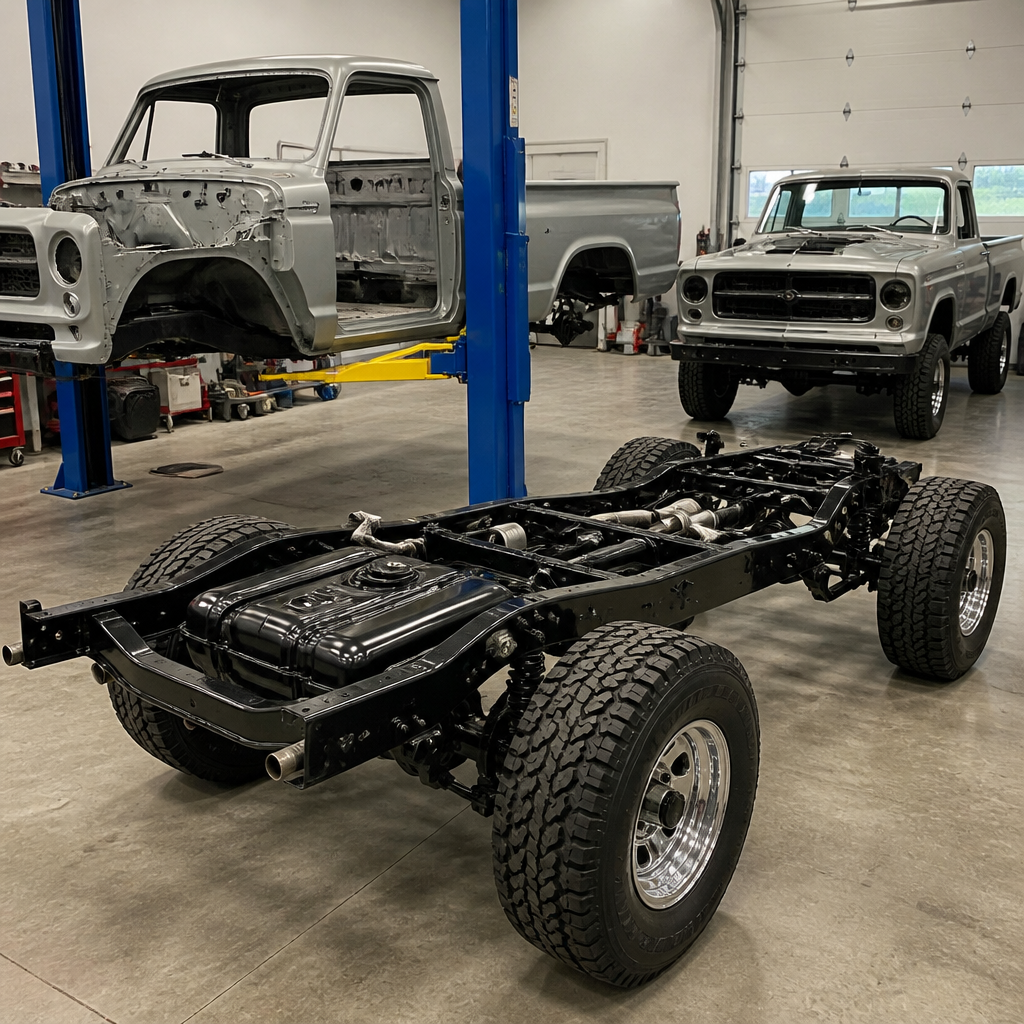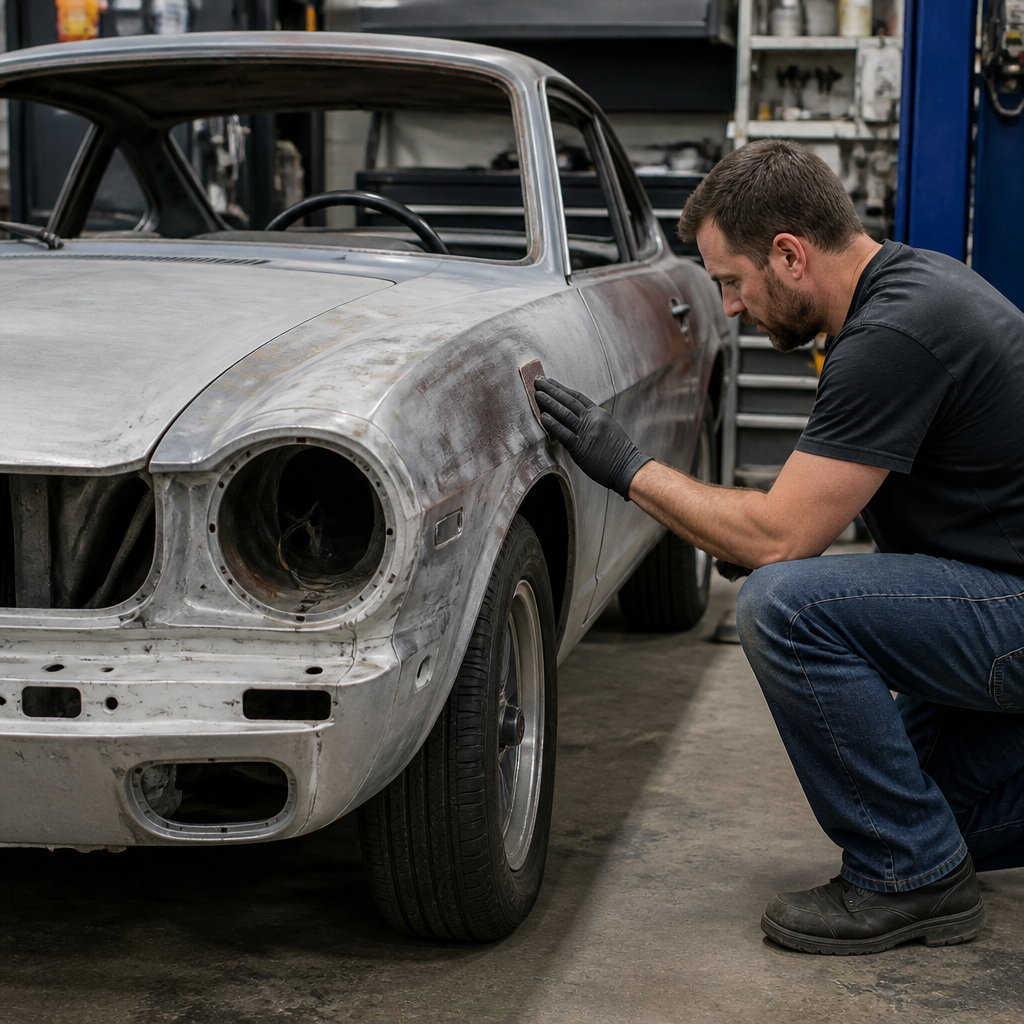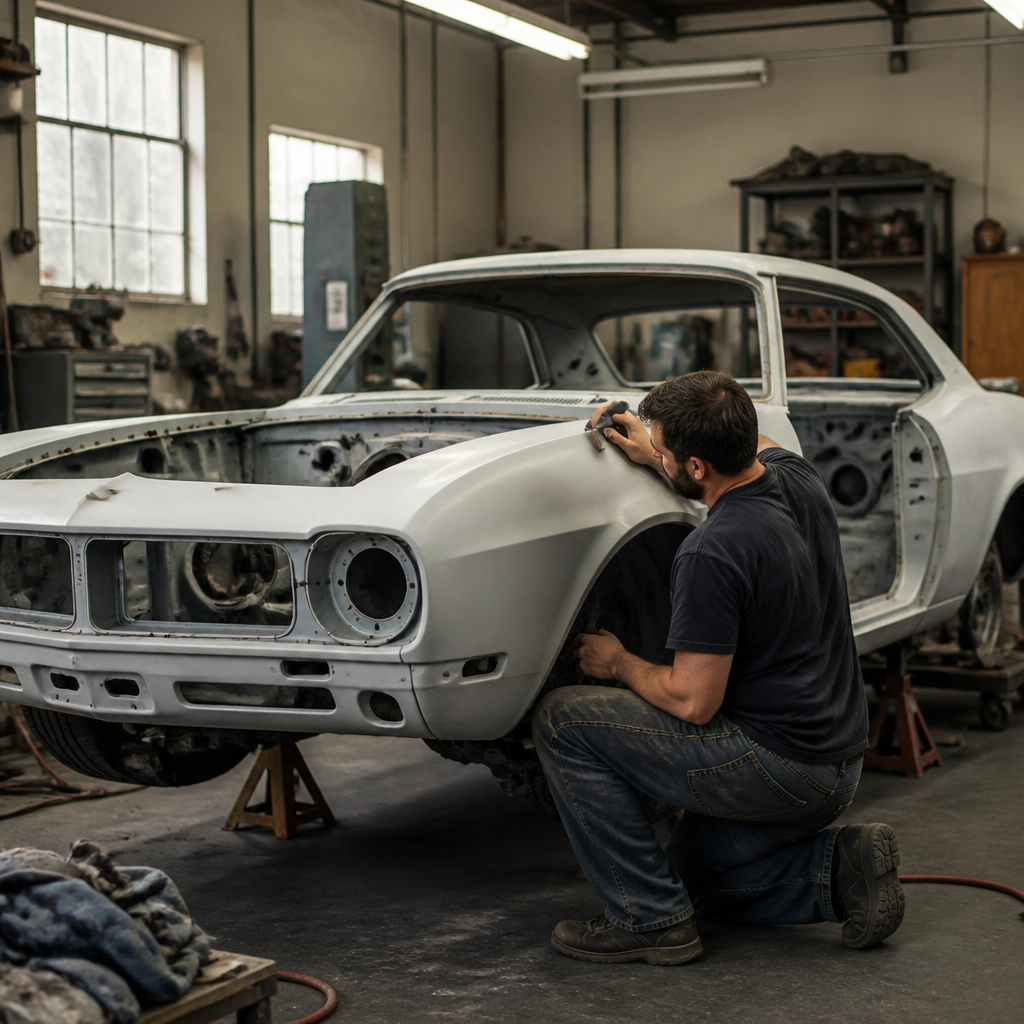
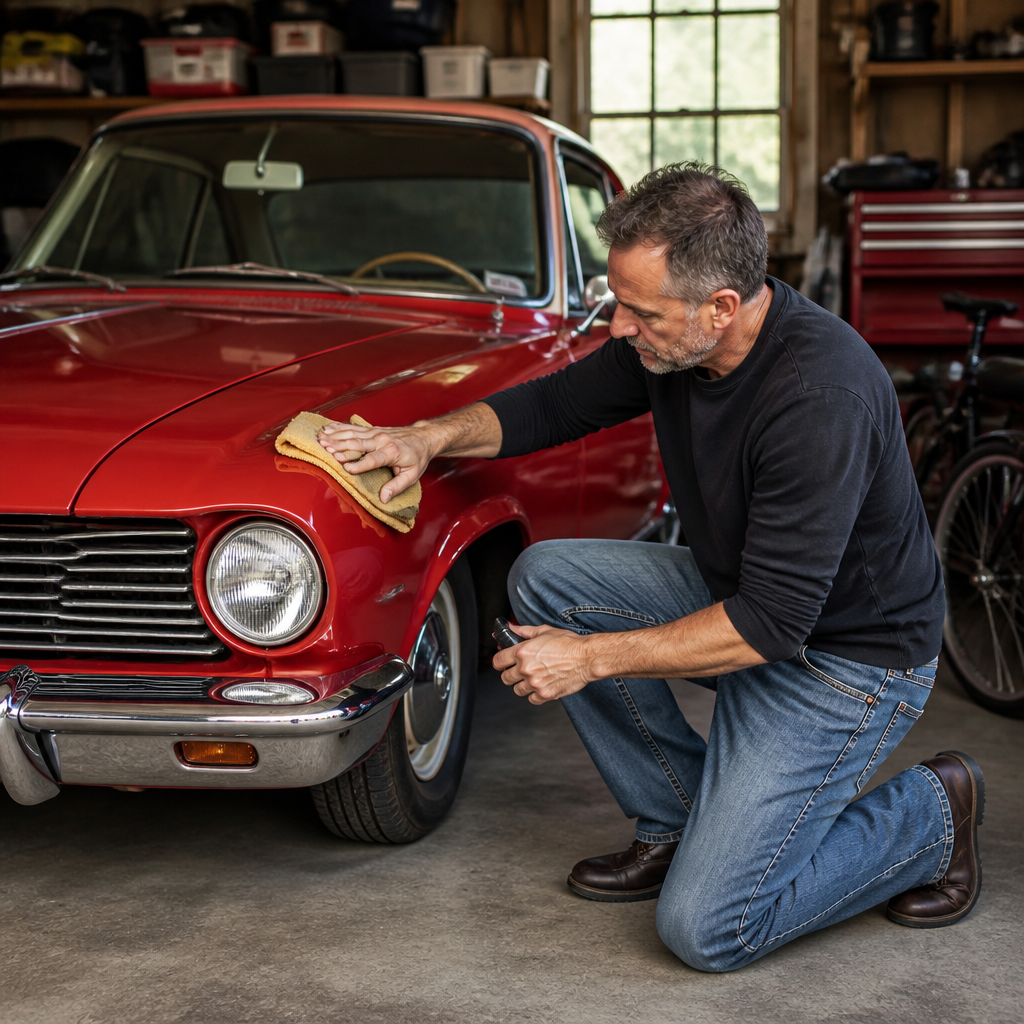
A classic car that spends most of its life parked still needs disciplined care, because inactivity creates a different set of mechanical problems than regular driving. Owners often assume low mileage equals low wear, yet seals dry out, fuel degrades, tires flat-spot, batteries sulfate, and moisture quietly attacks metal, upholstery, and electrical connections. In practical terms, maintaining a classic car that is not driven often means controlling time, temperature, humidity, and fluid condition as carefully as mileage. It is less about fixing obvious failures and more about preventing predictable deterioration before it becomes expensive restoration work.
In my experience with stored and lightly used classics, the cars that age best are not always the most valuable or the most restored. They are the ones with a routine. A dormant carbureted British roadster, an American V8 coupe, and an air-cooled German car all respond to the same fundamentals: stable storage, periodic exercise, clean fuel, a protected electrical system, and regular inspection. This matters because replacement parts for vintage vehicles can be scarce, original finishes are hard to preserve once damaged, and deferred maintenance compounds quickly. A neglected battery can ruin a charging system diagnosis, stale fuel can clog a carburetor, and a small coolant seep can become internal corrosion over a winter. For owners building a reliable maintenance plan, this hub covers the core practices that support every related task, from fluid service to storage preparation and seasonal recommissioning.
Start with storage conditions, not the wrench
The most important maintenance tip for an infrequently driven classic car is to improve the environment around it. Storage quality determines how hard every other system has to work. A clean, enclosed garage is ideal, but enclosure alone is not enough. Humidity is the real threat. When warm air meets cool metal, condensation forms on exhaust components, inside fuel tanks, under carpets, and on bare steel surfaces. That moisture begins corrosion long before you see rust bubbles. A target relative humidity between about 45 and 55 percent is generally safer than a damp garage or an overly dry space that can harden natural materials. A hygrometer and a dehumidifier cost far less than bodywork, chrome restoration, or mold remediation.
Use a breathable car cover only after the vehicle is clean and fully dry. Trapping dust is inconvenient; trapping moisture is destructive. Avoid plastic tarps, which can hold condensation against paint and trim. If the garage floor sweats, consider a vapor barrier or floor tiles that allow airflow under the car. Rodent prevention also belongs in storage planning. Mice chew insulation, nest in heater boxes, and contaminate interiors. Seal food sources, inspect entry points, and check engine bays, air cleaners, and trunk corners regularly. Good storage is active management, not simply parking the car and locking the door.
Protect fuel, fluids, and internal surfaces during downtime
Fuel systems suffer when a classic car sits. Modern gasoline, especially blends containing ethanol, absorbs water and loses volatility over time. In carbureted cars, evaporating fuel leaves varnish that sticks floats, blocks idle circuits, and hardens accelerator pump components. In fuel-injected classics, stale fuel can still foul injectors and create hard-start complaints. If the car will sit for more than a month or two, add a quality fuel stabilizer at the recommended ratio and drive long enough to circulate treated fuel through lines, pump, carburetor, or injectors. Keeping the tank relatively full reduces the air space where condensation forms, though this works best with a sound tank and cap.
Engine oil should be changed by time as well as mileage. I prefer storing a classic with clean oil because used oil contains combustion byproducts, moisture, and acids that can etch internal surfaces during long rests. Coolant deserves the same respect. A proper antifreeze mixture does more than prevent freezing; it raises boiling resistance and supplies corrosion inhibitors that protect iron blocks, aluminum components, radiators, and heater cores. Brake fluid is another overlooked item. Conventional glycol-based brake fluid is hygroscopic, meaning it absorbs moisture from the air. Infrequent use allows that moisture to sit in calipers, wheel cylinders, and steel lines, encouraging corrosion. On many classics, a periodic brake fluid flush is more important than owners realize.
| System | Main Risk When Sitting | Practical Maintenance Action |
|---|---|---|
| Fuel | Oxidation, varnish, water absorption | Add stabilizer, fill tank, circulate treated fuel |
| Engine oil | Acid buildup, moisture contamination | Change oil before long storage intervals |
| Cooling system | Corrosion, weakened inhibitors | Test mixture and replace coolant on schedule |
| Brake system | Moisture in fluid, internal rust | Flush fluid and inspect lines, hoses, cylinders |
| Differential and gearbox | Old lubricant, condensation | Check level, leaks, and service intervals |
Do not ignore the transmission and differential simply because the car is not accumulating miles. Manual gear oil and differential lubricant can degrade with age, contamination, or water ingress through breathers and seals. Automatic transmission fluid also oxidizes and loses effectiveness. A quick inspection for seepage around pan gaskets, output seals, axle seals, and drain plugs catches problems early. On older cars, small leaks are common, but common does not mean harmless. Low fluid levels in a rarely driven vehicle may go unnoticed for months.
Manage the battery and electrical system proactively
Battery failure is one of the most common reasons an infrequently driven classic becomes unreliable. Lead-acid batteries self-discharge, and partial discharge encourages sulfation, a condition where lead sulfate crystals reduce capacity and cranking performance. Short idling sessions do not solve this. In many older cars, the generator or alternator does not meaningfully replenish the battery unless the engine is driven at road speed long enough for charging voltage to stabilize. The best approach is to connect a smart maintenance charger designed to monitor state of charge and avoid overcharging. A modern maintainer is safer than repeatedly jump-starting a vintage electrical system.
While you are there, clean and tighten battery terminals, inspect ground straps, and check for parasitic draws if the battery repeatedly weakens. Classics are particularly sensitive to poor grounds. Dim lamps, slow cranking, erratic gauges, and ignition trouble often trace back to voltage drop, not failed major components. Corrosion at fuse holders, bullet connectors, and bulkhead connections is common on older vehicles stored in damp spaces. A methodical inspection with a multimeter and wiring diagram prevents needless parts replacement. If the car uses a cut-off switch, verify that it is correctly rated and installed to suit the charging system and any memory-dependent accessories.
Care for tires, brakes, and suspension even when the car stays parked
Tires age whether the car moves or not. Ultraviolet exposure, ozone, and sustained loading gradually harden rubber and can create sidewall cracking. Flat spotting is common when a classic sits in one position for weeks. Maintaining correct tire pressure is the first defense. For longer storage, rolling the car slightly every few weeks helps, and some owners use tire cradles to spread the load. Avoid placing the car on jack stands under suspension droop for extended periods unless the manufacturer or a marque specialist recommends a specific support method. Incorrect support can stress bushings, shocks, springs, and chassis points.
Brakes suffer from inactivity because unexercised friction surfaces and hydraulic parts corrode. Brake rotors can develop surface rust quickly, and drum brake components may stick if moisture enters. More serious is internal corrosion in calipers and wheel cylinders, especially when old fluid carries moisture. A classic that is driven rarely should still have the brakes applied during occasional controlled movement to keep components operating. After storage, confirm that the pedal feels firm, the car rolls freely, and no hose is collapsed internally. Suspension inspection matters too. Rubber bushings can crack with age, lever shocks can leak, and grease fittings on serviceable front ends need attention whether or not mileage is high.
Run the car correctly, or do not run it at all
Many owners start a classic periodically “to keep it healthy,” but a brief idle in the garage often does more harm than good. Unless the engine reaches full operating temperature and stays there long enough to evaporate moisture from the oil and exhaust, you are introducing condensation and incomplete combustion byproducts without the benefit of proper exercise. A better practice is planned operation: start the car, check gauges immediately, and then drive it for at least twenty to thirty minutes at varied road speeds if conditions are safe and legal. This circulates lubricants, charges the battery, heats the exhaust, moves the brakes, and reveals developing issues such as vibration, pull, or hesitation.
If the car cannot be driven, it may be better left properly stored than repeatedly cold-started. In that case, focus on battery maintenance, fluid condition, and periodic inspections. When you do start it, use correct technique for the specific vehicle. Carbureted engines may need choke adjustment and careful throttle input; excessive pumping can wash cylinder walls with fuel. Watch oil pressure, charging output, coolant temperature, and unusual smoke. Light use is still use, and every run should produce useful diagnostic information rather than just engine noise.
Preserve paint, chrome, weatherstripping, and the interior
Cosmetic preservation is maintenance, not vanity. Original paint, trim, glass, and upholstery are significant parts of a classic car’s value and character. Dust acts like an abrasive, so wash with pH-appropriate products, dry thoroughly, and use clean microfiber towels. Wax or sealant adds protection, but contamination removal matters first. Chrome and polished metal should be kept clean and lightly protected, especially in humid climates where pitting begins in tiny defects. Door, trunk, and window seals benefit from occasional conditioning products that help reduce drying and sticking, though product choice should match the rubber type and finish.
Inside the car, ventilation and cleanliness are essential. Leather can dry and shrink, vinyl can harden, and wool carpets can absorb moisture and odor. I always remove forgotten paper, food wrappers, and damp floor mats because they encourage mildew and pests. Sunshades help if the garage admits light, and crack inspection around dashboards and steering wheels is worth making part of your routine. Convertibles need special attention to top material, drains, and frame seals. A neglected top can leak water into floors and rear quarters, where corrosion remains hidden until repairs become extensive.
Use a maintenance calendar and inspection log
The best maintenance tips are useless without consistency. A classic car that is not driven often should be managed by date, not just odometer readings. Create a simple log for monthly, quarterly, and annual tasks. Monthly checks can include battery voltage, tire pressure, signs of leaks, pest activity, and humidity levels in the garage. Quarterly reviews can cover fluid levels, engine bay inspection, light operation, and a planned drive or full warm-up cycle if possible. Annual service usually includes an oil change, brake inspection, coolant evaluation, and a deeper chassis review. Documentation is valuable for your own planning and for future buyers who want proof that low use did not mean low care.
This hub article should anchor the rest of your restoration and maintenance planning because every specialized topic branches from these basics. Fuel storage, battery care, brake service, tire preservation, fluid changes, detailing, and seasonal recommissioning all work best as connected routines instead of isolated jobs. The main benefit is simple: consistent preventive maintenance preserves originality, reduces surprise failures, and makes every drive more enjoyable when the car does come out. Build a checklist, set calendar reminders, and inspect the car before problems announce themselves. A classic that rests well will usually run well, last longer, and cost less to keep on the road.
Frequently Asked Questions
How often should I start and drive a classic car that isn’t used much?
If a classic car spends most of its time parked, the goal is not simply to start it occasionally, but to bring it fully up to operating temperature in a way that benefits the engine, drivetrain, brakes, and charging system. In general, it is better to drive the car every few weeks than to let it idle in the garage for a few minutes. A short idle session can actually do more harm than good, because it may introduce condensation into the exhaust and crankcase without getting hot enough to evaporate that moisture. When possible, take the car on a meaningful drive long enough to warm the oil, circulate fuel through the system, charge the battery, move lubricants through seals and bearings, and work the brakes and transmission normally.
If driving is not possible, avoid the habit of frequent brief starts. Instead, focus on proper storage and periodic inspections. Starting an engine and shutting it off before it reaches full temperature can leave raw fuel in the oil, promote internal moisture buildup, and accelerate wear during cold starts. A classic car that is stored correctly, with stabilized fuel, a maintained battery, proper tire support, and controlled humidity, can often sit far more safely than one that is repeatedly started and barely run. The key is consistency: either drive it properly on a schedule or store it deliberately with systems protected against inactivity.
What happens to fuel when a classic car sits, and how can I prevent fuel system problems?
Fuel degradation is one of the most common storage-related problems in classic cars. Gasoline does not remain fresh indefinitely. As it sits, volatile compounds evaporate, oxidation begins, and varnish-like deposits can form in the tank, fuel lines, pump, carburetor, or injectors. In older vehicles, especially those with carburetors, this can lead to stuck floats, clogged jets, poor starting, rough running, and internal corrosion. Ethanol-blended fuel can make matters worse by attracting moisture, which increases the risk of phase separation and corrosion in metal components.
To reduce these risks, add a quality fuel stabilizer before storage and then run the engine long enough for treated fuel to circulate through the entire system. Many owners also choose to fill the tank nearly full before storage to reduce the air space where condensation can form, though this works best when the fuel is fresh and stabilized. If the car will sit for an extended period, it is wise to inspect rubber fuel hoses, because older materials can harden, crack, or deteriorate more quickly when exposed to modern fuels. On carbureted classics, periodic fuel system checks are especially important, since small passages are easily blocked by residue. Preventive attention is much easier and cheaper than rebuilding a neglected fuel system.
How do I protect the battery in a classic car that spends long periods parked?
A battery in an infrequently driven classic car often fails not because it is old, but because it spends too much time partially discharged. When a battery sits without being maintained, sulfation develops on the plates, reducing its capacity and shortening its lifespan. Older cars may also have small parasitic draws from clocks, radios, alarms, or accessory wiring, and even a modest drain can flatten the battery over time. Repeatedly recharging a deeply discharged battery is much harder on it than keeping it properly maintained from the start.
The best solution is usually a quality battery maintainer, sometimes called a trickle charger, although a true smart maintainer is preferable because it monitors voltage and charges only when needed. That keeps the battery at a healthy state without overcharging it. If the car is stored where power is unavailable, disconnecting the battery can help reduce drain, though it will not stop natural self-discharge entirely. It is also worth cleaning the terminals, checking the ground connections, and making sure the battery tray is dry and corrosion-free. Since many classic cars depend heavily on good voltage for reliable starting and proper ignition performance, a well-maintained battery is not a minor detail; it is one of the foundations of dependable storage and easy recommissioning.
What should I do about tires, seals, and fluids if the car mostly sits still?
Long periods of inactivity affect far more than the engine. Tires can develop flat spots when they support the vehicle’s weight in one position for too long, especially in colder conditions or if they are underinflated. Keeping tires inflated to the correct pressure is the first line of defense, and moving the car slightly from time to time can help if regular driving is not possible. Some owners use tire cradles or, for long-term storage, place the vehicle on stands to reduce sustained load, although that should be done carefully and in a way that does not stress the suspension or chassis improperly.
Seals and gaskets also suffer from disuse. When lubricated components are not cycled, seals can dry out, shrink, or harden, increasing the chance of leaks once the vehicle returns to service. That is one reason occasional proper operation is helpful: it redistributes oil, transmission fluid, brake fluid, and grease through the systems designed to use them. Fluids themselves also age while sitting. Engine oil can absorb contaminants, brake fluid can absorb moisture, coolant corrosion inhibitors weaken over time, and differential or transmission lubricants may become overdue based on age rather than mileage. For a seldom-driven classic, maintenance intervals should be based on time as much as distance. A car with very few miles may still need regular fluid changes to protect internal surfaces from moisture, corrosion, and chemical breakdown.
How can I prevent rust, mold, and interior deterioration while the car is in storage?
When a classic car is parked for long stretches, the storage environment often matters as much as the mechanical maintenance. Moisture is one of the biggest threats. It quietly encourages rust on body panels, undercarriage components, brake parts, and electrical connectors, while also creating ideal conditions for mold, mildew, and unpleasant odors inside the cabin. Leather can dry and crack, vinyl can harden, fabrics can absorb dampness, and wood trim can react poorly to repeated swings in temperature and humidity. Even a car that looks clean and protected can deteriorate quickly if it is stored in a damp or poorly ventilated space.
The best protection is a clean, dry, stable environment. A garage with controlled humidity is ideal, and even simple measures such as improving ventilation, fixing water intrusion, and keeping the floor dry can make a major difference. Wash and dry the car thoroughly before storage, because trapped dirt and moisture accelerate corrosion. Make sure weatherstripping, window seals, and trunk seals are intact so water cannot seep in unnoticed. Inside the car, use moisture absorbers if needed and avoid sealing a damp interior under a cover. Choose a breathable car cover rather than a plastic or non-ventilated one that can trap condensation. Finally, inspect the vehicle regularly. Catching a musty smell, a rust spot, or a damp carpet early is often what separates a well-preserved classic from one that slowly declines while sitting still.