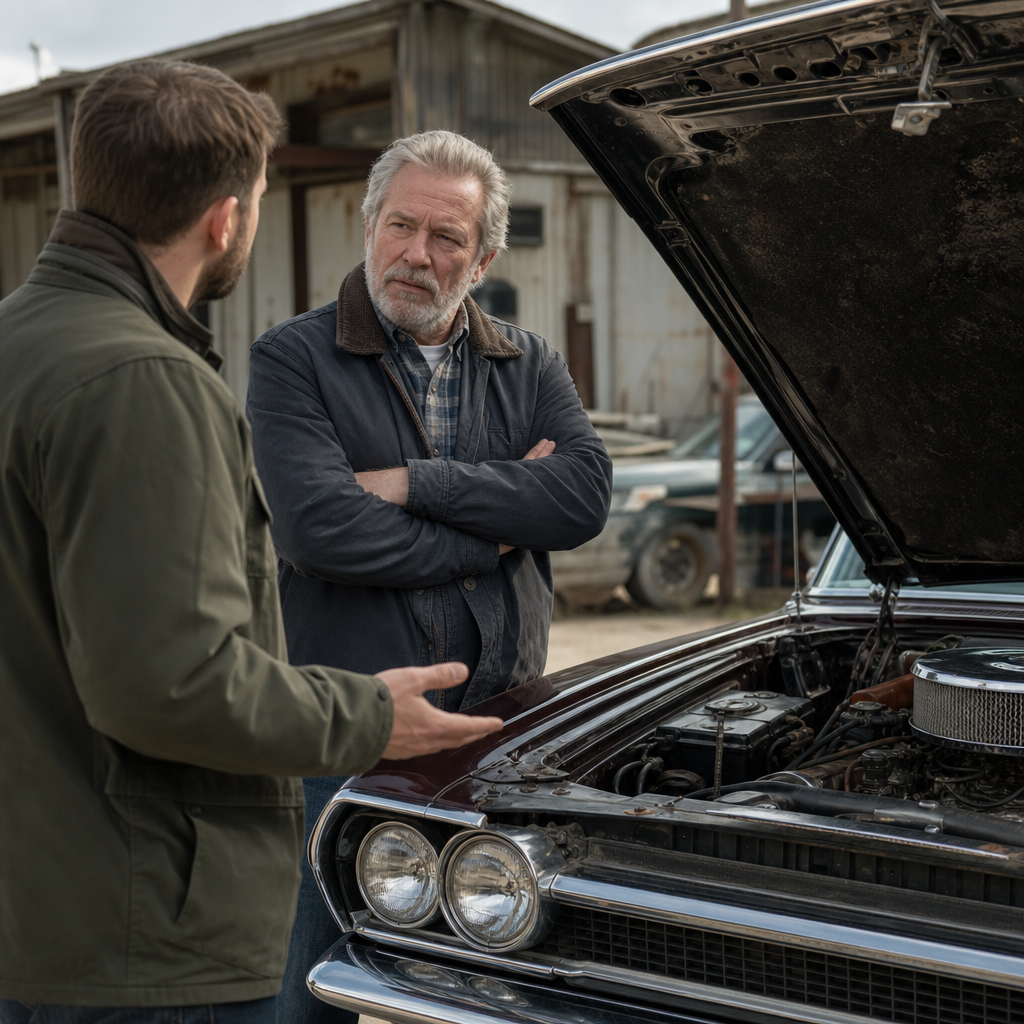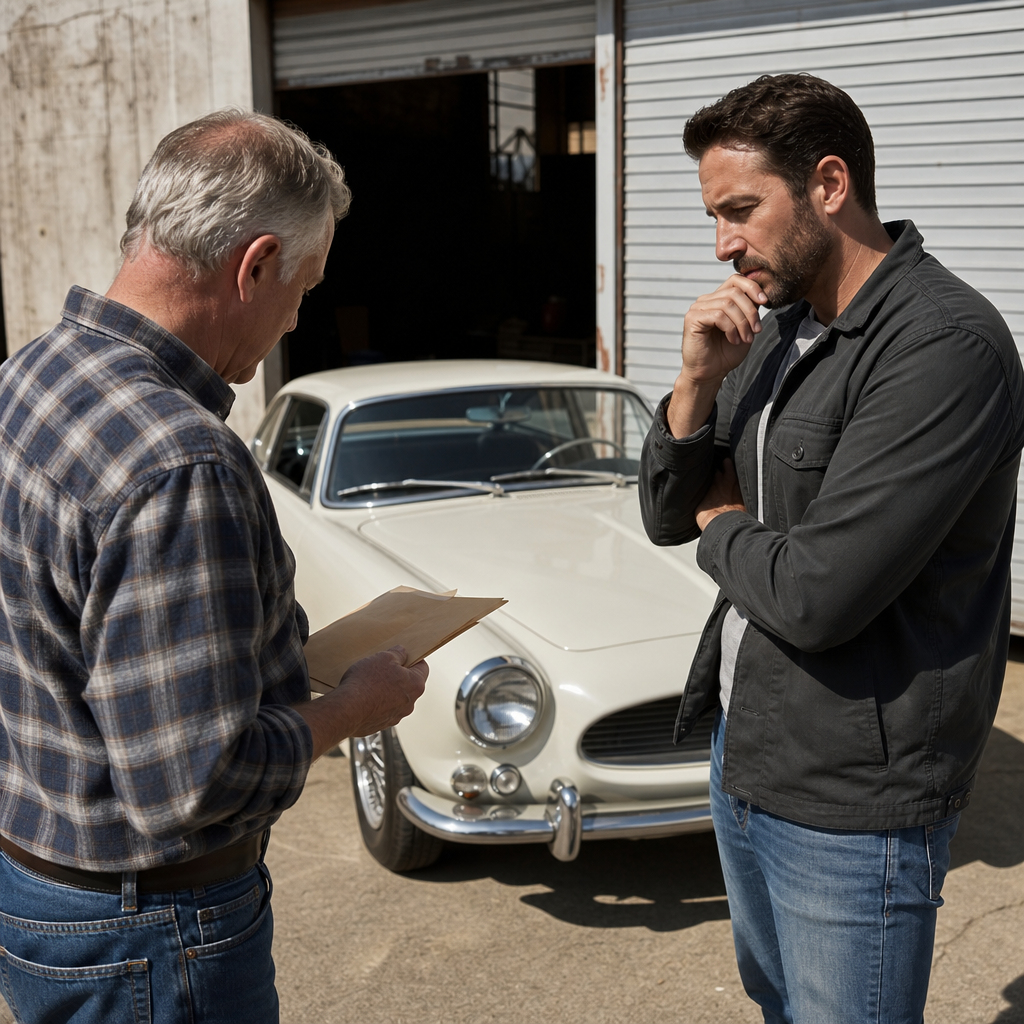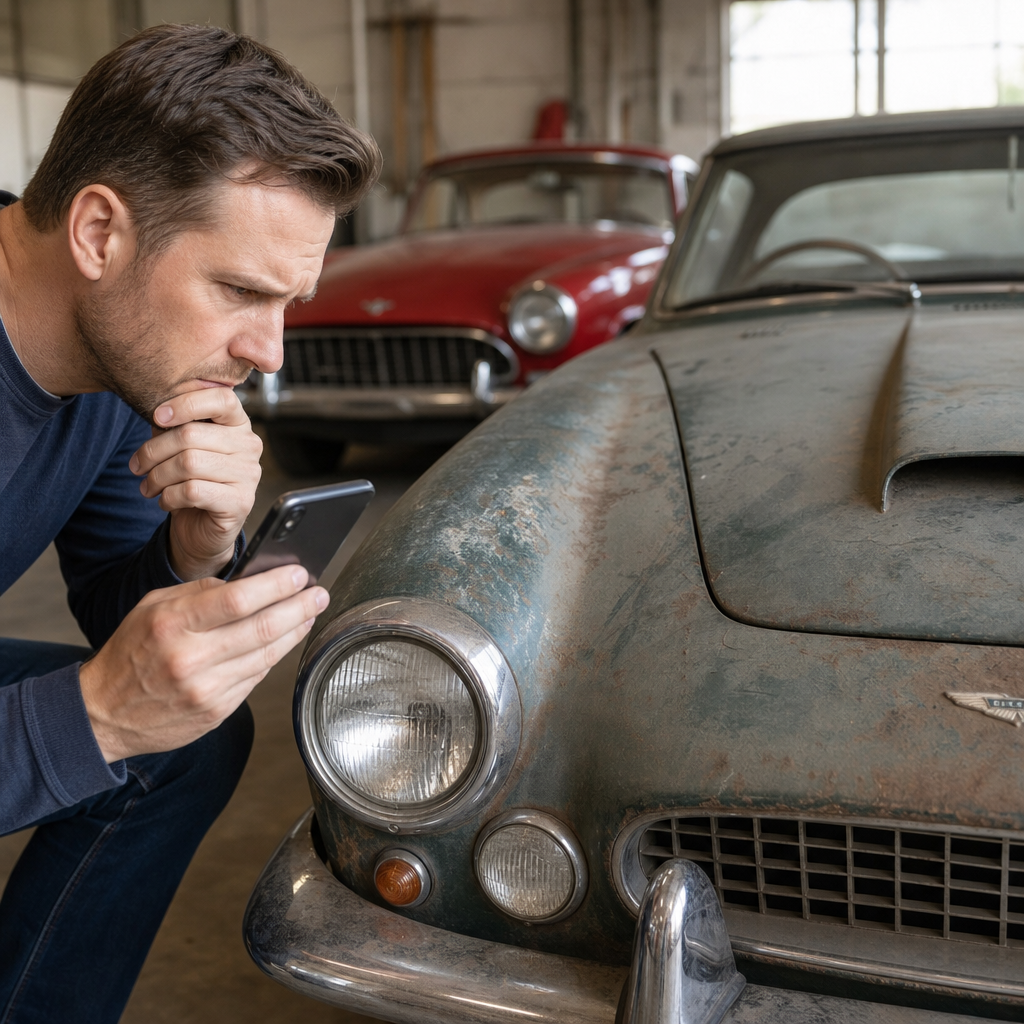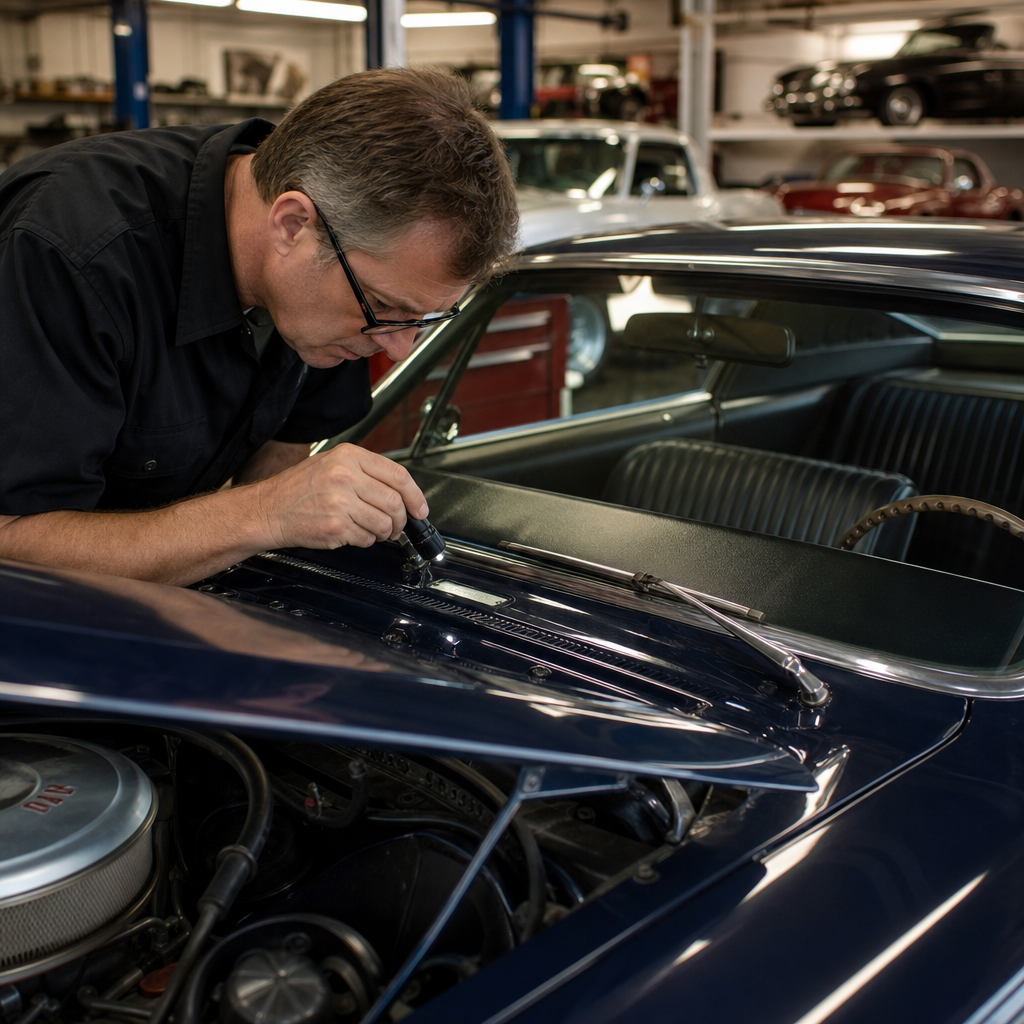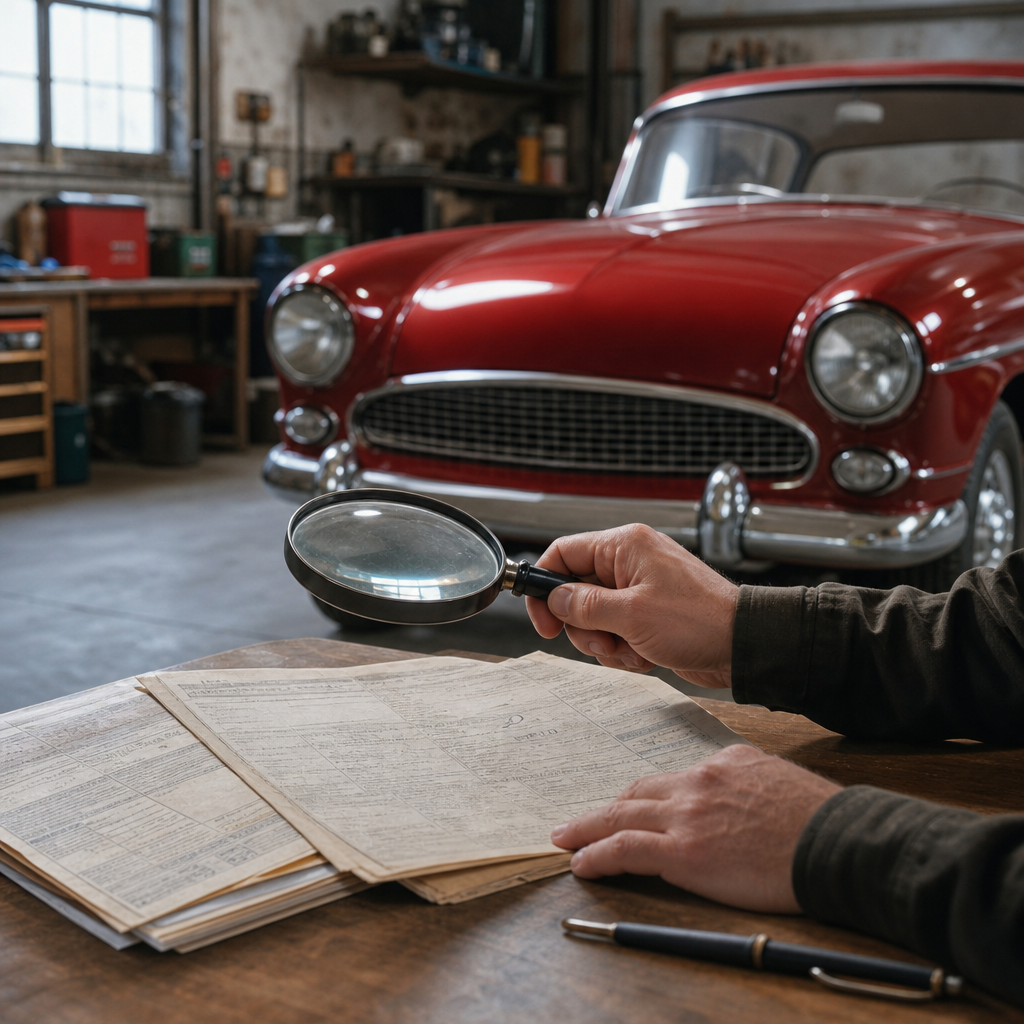

Closing a classic car deal successfully requires more than a love of vintage metal. It demands preparation, valuation discipline, negotiation strategy, and the ability to balance emotion with evidence. In the classic car market, “closing” means reaching mutually accepted terms on price, condition, documentation, payment, transport, and post-sale obligations, then converting that agreement into a clean transfer of ownership. Unlike ordinary used-car transactions, classic car deals often involve imperfect records, aging components, limited comparables, and buyers or sellers who are deeply attached to the vehicle. Those factors create both opportunity and risk.
I have negotiated classic car purchases at private garages, estate sales, dealer showrooms, and major auctions, and the same principle applies every time: the best deal is usually won before the first offer is spoken. Negotiation strategies work when they are grounded in research. You need to know the model’s production numbers, originality standards, recent sale prices, restoration quality tiers, title status, and market sentiment. A numbers-matching 1967 Corvette coupe, a modified 1970 Chevelle, and a partially restored air-cooled Porsche each require different tactics because buyers value authenticity, provenance, and usability differently across segments.
This matters because small mistakes become expensive quickly. A buyer who overpays by ten percent on a six-figure car may lose tens of thousands when resale time comes. A seller who accepts a strong sounding offer without verifying funds can waste weeks and miss a serious backup buyer. Poorly handled negotiation also damages trust, and trust is central in a market where hidden rust, replacement drivetrains, old accident repairs, and non-original trim can materially change value. Successful classic car negotiation is therefore not aggressive haggling. It is a structured process for reducing uncertainty, presenting facts clearly, and closing on terms both sides can execute.
Build leverage before discussing price
The strongest negotiators enter the conversation with a complete deal file. For buyers, that file should include recent comparable sales from Bring a Trailer, Mecum, RM Sotheby’s, Hemmings, and Hagerty Price Guide, plus marque-specific forum data when public sales are scarce. For sellers, it should include ownership history, restoration invoices, paint and trim codes, photographs of underbody and VIN stampings, and any judging sheets from organizations such as the AACA or marque clubs. Documentation is leverage because it turns claims into verifiable facts. When a seller says a car is original, you should be able to ask whether the engine suffix, transmission tag, and body plate support that statement. When a buyer claims the market is soft, they should be able to point to actual sale results.
Set your negotiation range before contact. Buyers should establish three figures: target price, walk-away price, and total acquisition cost including inspection, transport, taxes, and immediate mechanical sorting. Sellers should define ideal ask, acceptable sale floor, and minimum net after commissions or logistics. Without those numbers, people negotiate against themselves. I have seen buyers focus on winning a two-thousand-dollar concession while ignoring eight thousand dollars in deferred brake, cooling, and fuel-system work. Likewise, sellers sometimes hold out for a headline number that disappears once storage fees, auction commissions, or delayed payment are considered.
Pre-inspections also create leverage. A professional pre-purchase inspection by a marque specialist can reveal compression issues, non-original stampings, filler over rust repair, weak synchros, or unsafe wiring. Those findings let a buyer negotiate from evidence, not suspicion. On the selling side, a pre-listing inspection can help fix obvious problems before the market discounts them heavily. If a car needs tires because the existing ones are ten years old, replacing them may cost far less than the discount buyers will demand after spotting date codes.
Use valuation logic, not emotion
Classic car pricing is rarely arbitrary. Value usually comes from five variables: authenticity, condition, provenance, rarity, and market timing. Authenticity covers numbers matching, factory colors, original drivetrain configuration, and period-correct components. Condition spans paint, bodywork, interior, chrome, glass, undercarriage, and mechanical health. Provenance includes ownership history, documentation, celebrity connection, competition history, or notable restoration work. Rarity can mean low production, uncommon options, or survival rate rather than just build count. Market timing reflects current demand for certain decades, body styles, and drivetrains.
When negotiating, translate those variables into explicit adjustments. If a 1969 Camaro SS in #2 condition sold recently for a benchmark figure, then explain why the subject car should trade above or below it. Maybe it retains its original big-block and Protect-O-Plate, which supports a premium. Maybe it wears a color change and replacement transmission, which justifies a discount. This approach keeps the discussion objective. It also prevents the common mistake of valuing every restoration expense dollar-for-dollar. Restoration cost does not equal market value. Sellers often spend more than the market will return, especially on common models or over-restored cars with non-factory modifications.
| Negotiation factor | What it means | Typical impact on price | Best response |
|---|---|---|---|
| Numbers-matching drivetrain | Original engine and transmission align with factory records | Often supports a meaningful premium on muscle cars and sports cars | Verify stampings, casting dates, and documentation before paying up |
| Cosmetic restoration only | Fresh paint and interior without mechanical rebuilding | Can look expensive while hiding major future costs | Ask for receipts, test drive thoroughly, inspect underbody and driveline |
| Color change | Current paint differs from factory specification | Usually reduces value on highly original or concours-focused models | Use trim-tag data and market comps to quantify the discount |
| Long-term ownership with records | Seller has maintained the car for years with invoices | Often improves confidence and supports firmer pricing | Review records chronologically and confirm major work dates |
| Modified restomod build | Car upgraded for performance or drivability | Value depends on build quality and buyer audience, not parts cost alone | Evaluate workmanship, brand-name components, and street usability |
Buyers should never negotiate from desire alone. If you say, “I have always wanted this exact car,” you surrender leverage instantly. Sellers should avoid statements such as, “I need this gone today,” unless speed truly matters more than price. Emotional transparency may feel honest, but in negotiation it usually shifts bargaining power. Stay courteous, be specific, and keep returning to evidence. The side that explains value more clearly usually closes better terms.
Control the conversation with smart offer structure
How you present an offer matters nearly as much as the amount. A strong buyer offer is concise, justified, and easy to accept. It states the price, deposit amount, payment timeline, inspection or documentation contingencies, and transport expectations. A weak offer is vague or overloaded with last-minute conditions. Sellers should respond the same way: if countering, counter on all material terms at once. Do not negotiate price in one call, title issues in another, and included parts in a third unless you want confusion.
Anchoring is especially important in classic car negotiation. The first serious number often frames the rest of the discussion, so it should be defensible. If you are the buyer, opening too low can offend a knowledgeable seller, particularly when documentation and condition are strong. But opening at your maximum leaves no room to adjust for issues discovered during final review. A practical opening offer usually reflects documented market value minus known defects and transaction friction. For sellers, an asking price should leave room for negotiation without signaling fantasy pricing. If your ask is obviously disconnected from market data, serious buyers will move on.
Use conditional concessions. Never reduce price without receiving something in return. If a buyer asks for a lower figure, the seller might agree in exchange for a non-refundable deposit and a shortened payment window. If a seller refuses to move on price, the buyer might ask for inclusion of spare parts, a second set of wheels, shipping assistance, or resolution of a title discrepancy before closing. This keeps momentum alive and prevents one-sided negotiation. I have closed deals where the final number barely changed, yet the buyer still won meaningful value through documentation support, enclosed transport, and included original parts that would have been expensive to source later.
Silence also works. After making a reasoned offer, stop talking. Many people negotiate against themselves by filling the silence with unnecessary justifications or immediate concessions. In person, maintain a calm posture and let the seller process. By phone or email, be equally disciplined. State the offer, summarize the rationale, and wait for a response.
Handle inspections, flaws, and documentation without killing the deal
Most classic car deals tighten or collapse at the inspection stage. The key is to distinguish between expected age-related issues and genuine value-changing defects. A fifty-year-old car with minor seepage, imperfect panel fit, and some patina is normal. Structural rust, VIN irregularities, hidden collision repair, title branding, and non-disclosed drivetrain swaps are not. Buyers should create a defect hierarchy: safety issues first, authenticity issues second, cosmetic issues third. Safety defects such as bad brakes, cracked fuel lines, and dry-rotted tires deserve immediate financial adjustment because they affect use and transport. Authenticity defects matter most when originality drives value. Cosmetic defects are negotiable, but they should be priced according to real refinishing costs, not guesswork.
Sellers close more deals when they acknowledge flaws plainly. If a quarter panel has filler, say so and show paint meter readings. If the engine is a period-correct replacement rather than original, disclose it early. Buyers are far more flexible when they believe the seller is being straight. The reverse is also true. Once a hidden issue surfaces, every other claim becomes suspect, and negotiations harden fast.
Documentation should be reviewed like an auditor would review a file. Confirm the VIN on the car matches the title. Check whether the seller’s name matches the title or whether there is a legitimate consignment arrangement. Review restoration receipts for dates, shop names, and work scope. Confirm whether photos show metalwork before paint. For imported classics, verify customs paperwork and state registration requirements. A cheap-looking bargain can become uncloseable if title transfer is unclear.
Choose the right closing tactics for private sales, dealers, and auctions
Different channels require different negotiation strategies. In private sales, information asymmetry is highest, but flexibility is often greatest. Buyers can ask detailed questions, inspect the seller’s records, and sometimes learn how the car was actually used. Sellers can tell the car’s story directly and justify their price through long-term stewardship. Private transactions reward preparation and trust.
Dealer purchases usually offer cleaner paperwork and easier logistics, but pricing may be less flexible because overhead and reputation are built into the ask. Negotiation with a reputable classic dealer works best when you focus on comparable inventory, days on market, and reconditioning details. Dealers are often more willing to adjust terms than headline price, especially if the car is freshly serviced or marketed on consignment.
Auctions compress negotiation into bidding strategy and pre-sale diligence. There may be little room to discuss price once the hammer falls, and buyer’s premiums materially change total cost. Successful auction buyers inspect early, set a hard all-in ceiling, and refuse to chase adrenaline. Sellers at auction must understand reserve strategy. Too high a reserve can stall bidding and signal unrealistic expectations; too low a reserve risks a disappointing close if the room is thin. In both live and online auctions, quality photos, cold-start videos, underside images, and responsive answers to bidder questions have direct effects on final price.
Close cleanly and protect the transaction
The final stage is where disciplined negotiators separate from impulsive ones. Once terms are agreed, write them down immediately. A proper bill of sale should identify the vehicle by year, make, model, VIN, sale price, odometer disclosure where required, deposit terms, included parts, representations about title, and the date ownership transfers. For higher-value transactions, use a purchase agreement that also covers inspection contingencies, storage deadlines, and dispute handling. Payment should be verified before release. Bank wire is standard for major deals, but confirm receipt independently with the bank, not just by screenshot or email.
Transport and insurance should be settled before the car moves. If the buyer arranges enclosed shipping, confirm loading condition with timestamped photos. If the seller keeps the car after payment for a short period, specify who bears risk during storage. Remove plates according to local law, and keep copies of all signed documents. These details sound administrative, but they are part of closing successfully. A deal is not truly closed until ownership, money, paperwork, and possession line up without ambiguity.
The best classic car negotiations are structured, factual, and respectful. Buyers win when they research comparable sales, verify originality, quantify defects, and present offers with clear terms. Sellers win when they document the car thoroughly, disclose issues early, and counter with discipline rather than emotion. In every channel, from private garage to televised auction, the core strategy is the same: reduce uncertainty and make agreement easy to execute.
Remember the practical hierarchy. First, know what the car is. Second, know what the market is paying. Third, know what repairs, title issues, or originality gaps change the number. Fourth, shape the offer so both sides understand exactly how the deal will close. That process protects you from overpaying, underselling, or getting stuck in a transaction that cannot be completed cleanly.
If you are preparing to buy or sell, build your deal file before the first conversation. Gather comparables, inspect carefully, document everything, and negotiate from evidence. That is how to close a classic car deal successfully and set up a smarter move in every future transaction.
Frequently Asked Questions
What does it really mean to “close” a classic car deal successfully?
Closing a classic car deal successfully means far more than agreeing on a number and shaking hands. In the classic car market, a proper close includes final agreement on price, confirmed understanding of the car’s condition, verification of documentation, payment terms, transport logistics, and a clean legal transfer of ownership. A successful closing protects both buyer and seller from misunderstandings and prevents the deal from unraveling after emotions settle and paperwork begins.
For buyers, that means confirming exactly what is being purchased: the vehicle itself, matching-numbers status if claimed, spare parts, tools, service records, restoration invoices, photos, ownership history, manuals, and any representations made during negotiation. For sellers, it means ensuring the buyer understands the car’s true condition, known flaws, title status, and timing for payment and pickup. In both cases, the goal is not just to “win” the negotiation, but to create a transaction that is clear, enforceable, and unlikely to produce disputes later.
In practice, the close should end with all material terms documented in writing. That usually includes the agreed sale price, deposit amount if any, acceptable payment method, inspection contingency or as-is language, title and registration details, included accessories or documentation, transport responsibility, delivery timing, and signatures from both parties. If either side is still making assumptions at this stage, the deal is not truly closed. The best classic car transactions feel calm and structured because the important details have been addressed before money and ownership change hands.
How should I determine a fair price before negotiating a classic car purchase or sale?
A fair price in a classic car deal comes from disciplined valuation, not optimism, nostalgia, or isolated auction headlines. Start by identifying the car precisely: year, make, model, trim, engine, transmission, originality level, restoration quality, production rarity, and documentation strength. Two cars that look similar online can differ dramatically in value based on body integrity, authenticity, provenance, or whether they retain original drivetrain components. In the classic market, details are not minor—they are the value.
Use multiple pricing sources rather than relying on a single guide. Auction results, dealer listings, private-party sales, marque-specific forums, collector car valuation guides, and recent comparable transactions all help establish range. Then adjust for reality. Asking prices often reflect seller ambition, not market-clearing value, and headline auction sales may involve exceptional cars, celebrity ownership, or highly motivated bidders. The most reliable pricing comes from recent sales of comparable vehicles with similar condition and documentation.
Condition grading is especially important. A numbers-matching, rust-free, documented survivor or professionally restored example commands a very different price than a presentable driver with older paint, hidden corrosion, or uncertain history. Mechanical health matters too. A classic car with a strong cosmetic presentation but poor compression, cooling issues, or incomplete restoration work may require expensive correction. Buyers should estimate immediate and medium-term costs before deciding what they can responsibly pay. Sellers should do the same in reverse, recognizing that deferred maintenance and weak paperwork limit premium pricing.
The most effective negotiators arrive with evidence. If you are buying, bring comparable sales, inspection findings, and realistic repair estimates. If you are selling, organize restoration records, title history, photographs, expert appraisals if relevant, and proof supporting your valuation. A fair price becomes much easier to defend when it is tied to facts instead of feelings. In classic car transactions, the strongest number is not the loudest one—it is the one best supported by market data and the car’s actual condition.
What documents and verification steps are essential before finalizing a classic car deal?
Documentation is one of the biggest differences between an ordinary used-car sale and a well-executed classic car transaction. Before finalizing the deal, both parties should verify the title status, vehicle identification number, ownership chain if available, and any supporting records that affect authenticity or value. At minimum, the title should match the seller’s identity and the car’s identifying information. If the vehicle is from an era with unusual registration practices, or if it is being sold across state or national lines, confirm in advance what paperwork is legally required to register it in the buyer’s jurisdiction.
Beyond title, buyers should request service records, restoration receipts, inspection reports, prior appraisals, historical registrations, ownership history, and any factory documentation or certificates of authenticity. For certain collector cars, matching-numbers verification, body tags, trim tags, engine stampings, and drivetrain codes can materially affect value. If the seller claims originality, concours-level restoration, rare options, or notable provenance, those statements should be supported by evidence. If they cannot be documented, they should not be valued as certainties.
A pre-purchase inspection is often one of the smartest steps in the entire process. Ideally, it should be performed by a specialist familiar with the specific make or era, not just a general mechanic. Hidden rust, poor prior repairs, non-original components, weak compression, electrical issues, and cosmetic shortcuts are common in older vehicles and can dramatically change the economics of the deal. An inspection does not guarantee perfection, but it gives the buyer leverage, clarity, and a more accurate understanding of what they are accepting.
Before closing, reduce everything important to writing. The bill of sale should identify the vehicle accurately, state the purchase price, list any deposit, specify included parts or documents, and define whether the sale is as-is or subject to any specific promises. If transport is delayed, note storage expectations and pickup deadlines. If funds are contingent on wire confirmation or escrow release, spell that out as well. Thorough paperwork is not a sign of distrust; in classic car deals, it is a sign that both sides are taking the transaction seriously.
What negotiation strategies help close the deal without overpaying or scaring off the other party?
The best negotiation strategy in a classic car deal is calm, informed, and specific. Whether you are buying or selling, your leverage comes from preparation. Buyers should know the market range, understand the car’s flaws, and identify what matters most before making an offer. Sellers should know where the car genuinely fits in the market and be prepared to explain their price with records, condition details, and comparable sales. When both sides negotiate from evidence, conversations stay productive instead of becoming emotional standoffs.
For buyers, a strong approach is to anchor the discussion with a respectful, fact-based offer. Instead of saying a car is “worth way less,” explain how you arrived at your number: recent comparable sales, inspection findings, rust repair risk, missing documentation, or mechanical needs. This makes your position easier to take seriously and less likely to offend the seller. It also leaves room for constructive movement. For sellers, the same principle applies in reverse. If you reject a lower offer, explain what supports your asking price and where you may have flexibility, such as included parts, transport timing, or payment structure.
One of the biggest mistakes in classic car negotiations is focusing only on price. Many deals close successfully because the parties solve other terms creatively. A seller may hold firm on price but agree to include extra parts, provide additional documentation, assist with shipping coordination, or allow time for funds to clear. A buyer may accept the price if an inspection contingency remains in place or if the seller resolves a title issue before delivery. Flexibility on terms often unlocks agreement when the headline number alone creates tension.
It is also important to manage emotion. Classic cars naturally create attachment, nostalgia, and urgency, but those forces can lead to poor decisions. Buyers should resist fear of missing out and avoid paying premium money without premium proof. Sellers should avoid taking every offer personally, especially in a market where buyers are pricing in restoration risk. The strongest closers stay courteous, patient, and firm on the essentials. In many cases, the party who communicates clearly and keeps the process professional is the one who gets the deal across the finish line.
How do payment, shipping, and final ownership transfer usually work in a classic car sale?
Once price and terms are agreed, the final stage of a classic car deal must be handled carefully because this is where financial and legal risk is highest. Payment should be made using a method both parties trust and can verify. Bank wire transfers are common for larger transactions, though some deals use cashier’s checks, escrow services, or in-person bank-assisted payment. Buyers should never send funds until they are satisfied with the paperwork and terms. Sellers should never release the vehicle, title, keys, or valuable documentation until payment has fully cleared according to their bank’s confirmation, not just a screenshot or verbal assurance.
Escrow can be especially useful in long-distance or high-value transactions. A reputable escrow provider can hold the buyer’s funds while the parties complete agreed steps such as document review, inspection confirmation, or delivery. This adds cost, but it can significantly reduce risk when buyer and seller do not know each other personally. If no escrow is used, both parties should still document exactly when funds are due, when possession changes hands, and what happens if pickup or payment is delayed.
Shipping should also be addressed before the deal is considered closed. Decide who books transport, who pays for it, when the car will be available, whether enclosed transport is required, and how the vehicle’s condition will be documented before loading. High-resolution photos and a written