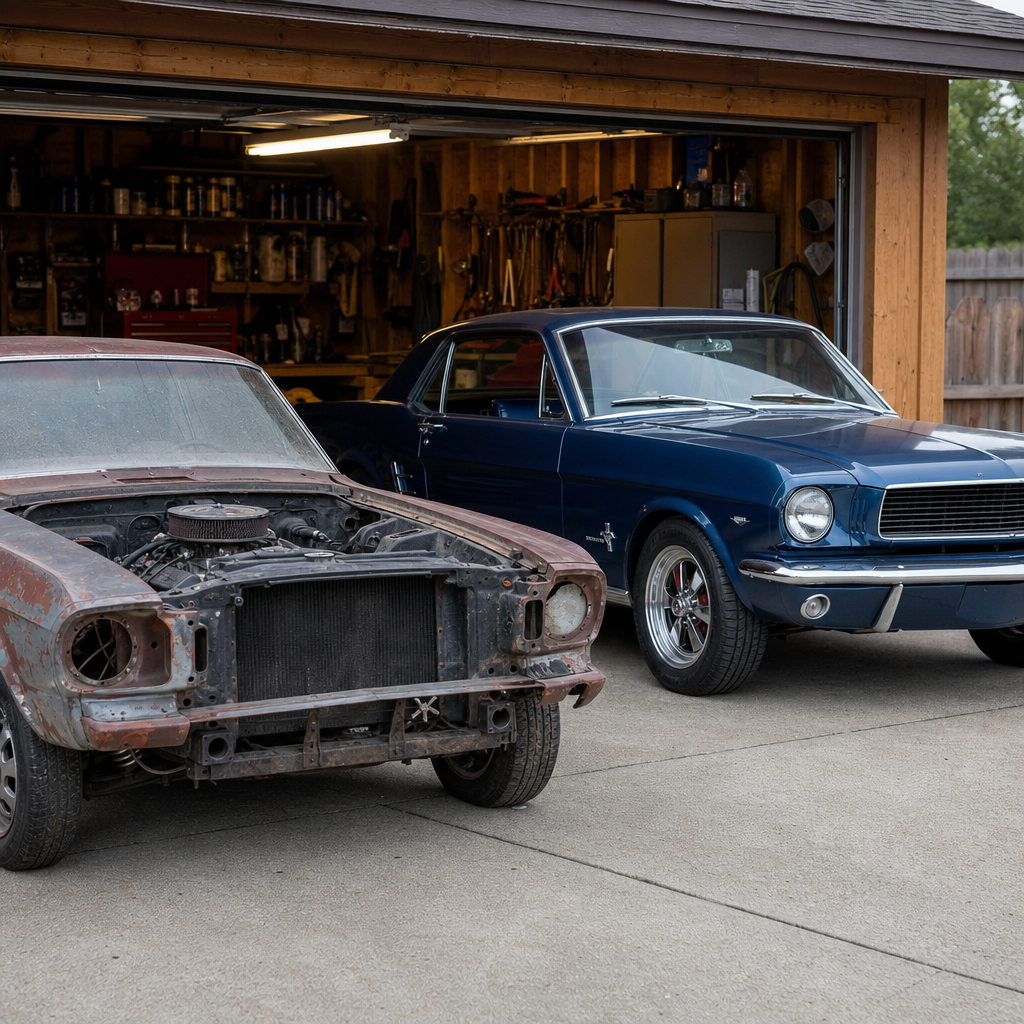
Buying a classic car starts with a simple question that shapes everything else: should you buy a project car or a finished car? In the classic market, a project car is a vehicle that needs cosmetic, mechanical, or structural work before it can be enjoyed reliably, while a finished car is already restored, preserved, or sorted well enough to drive, show, and maintain with limited immediate repair. I have helped buyers inspect both kinds, and the difference is never just purchase price. It is time, skill, storage, cash flow, parts access, and tolerance for surprises. For anyone learning how to buy a classic car, understanding that tradeoff is the foundation of a smart decision.
This matters because classic car values, restoration costs, and buyer expectations rarely move together. A project Mustang, 911, C10, or Series Land Rover may look affordable online, but bodywork, trim sourcing, paint correction, wiring repair, and driveline rebuilding can quickly exceed the cost of buying a stronger example upfront. The reverse can also be true: a finished car with weak documentation, old restoration work, or hidden rust can cost more than a transparent project. Buyers often focus on the headline number and miss total cost of ownership. The right purchase depends on your goals. Do you want a car to drive this season, a family restoration, a profitable flip, or a long-term collectible with documented provenance? Each goal points toward a different answer.
As a hub for how to buy a classic car, this guide covers the major decisions every buyer must make before money changes hands. It explains when a project car makes sense, when a finished car is the safer buy, how to inspect condition, how to verify title and numbers, how to set a realistic budget, and how to compare originality against drivability. If you are evaluating auction listings, dealer inventory, private sales, estate cars, or barn finds, the same rule applies: buy the seller and the story as carefully as you buy the sheet metal. A disciplined process prevents emotional overspending and protects you from common mistakes that turn dream cars into expensive storage pieces.
Start with your goal, budget, and skill level
The best classic car buying advice begins with honesty about use case. If you want dependable weekend driving, road trips, and local events, a finished car is usually the correct starting point. If you enjoy fabrication, diagnosis, and long parts hunts, a project can be rewarding. I tell first-time buyers to write down three numbers before shopping: acquisition budget, immediate repair budget, and annual maintenance budget. Without those figures, every listing looks possible. With them, choices narrow fast and rationally.
Skill level matters as much as money. Mechanical work such as brakes, ignition, carburetor tuning, and suspension refresh is manageable for many hobbyists with tools and space. Rust repair, metal fabrication, paint, upholstery, and wiring restoration are a different category. Those jobs consume time and cash, and the labor rates are real. In many U.S. markets, quality body and paint work can run well into five figures, while engine and transmission rebuilding costs vary widely by marque and parts availability. A cheap project with structural rust is usually not cheap. A finished driver with sound metal and average paint is often the better value.
Storage is another overlooked factor in how to buy a classic car. A project requires secure indoor space, parts organization, a workbench, and months or years of non-use. A finished car still needs dry storage, but it earns its keep immediately through use and enjoyment. If your garage is shared, your schedule is tight, or your city limits home wrenching, buy the best finished example you can afford. If you have workshop access, patience, and a model with strong parts support, a project may fit.
Project car vs finished car: the practical comparison
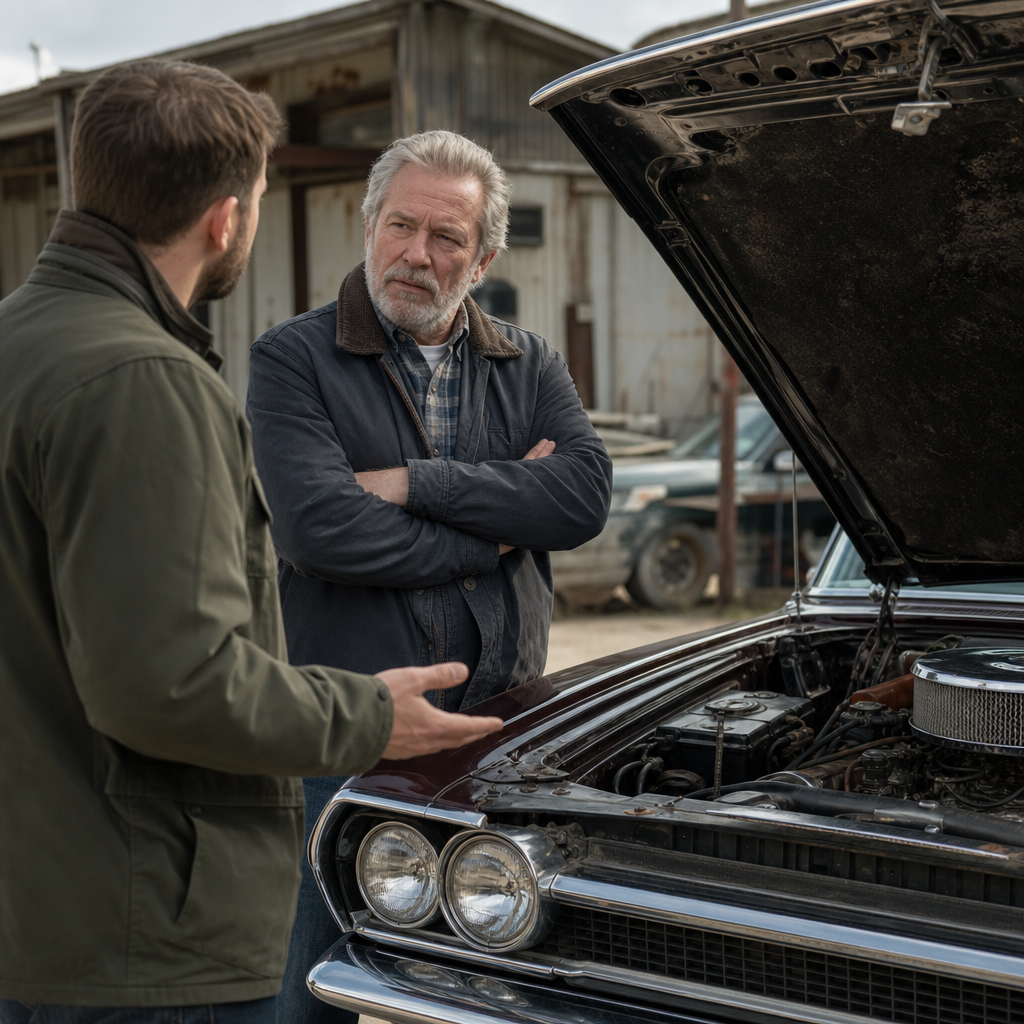
A project car generally makes sense when the purchase price is low relative to completed value, the model has excellent reproduction or new-old-stock parts support, and the car is fundamentally complete. Completeness is critical. Missing trim, glass, seats, unique brackets, factory emissions hardware, or model-specific fasteners can turn a promising restoration into a stalled search. Cars like first-generation Camaros, Ford Broncos, Tri-Five Chevrolets, and air-cooled Volkswagens often benefit from broad aftermarket support. By contrast, obscure trims, low-production coachbuilt cars, and one-year-only components can make even minor restoration tasks expensive.
A finished car is usually the better buy when you value immediate usability, want predictable costs, and lack restoration infrastructure. It also protects novice buyers from underestimating hidden work. A seller may describe a car as “older restoration” or “needs finishing,” but those phrases can cover poor filler work, unsafe fuel lines, tired cooling systems, weak charging circuits, and compromised floors. A finished car with extensive records, recent service, and inspection photos often costs more initially but less over the first three years.
| Factor | Project Car | Finished Car |
|---|---|---|
| Entry price | Lower upfront, often deceptively attractive | Higher upfront, easier to benchmark |
| Total cost | Highly variable; often exceeds plan | More predictable if records are strong |
| Time to enjoy | Months to years | Immediate or near-immediate |
| Skill required | Moderate to expert, depending on scope | Basic maintenance and troubleshooting |
| Risk profile | Hidden rust, missing parts, scope creep | Deferred maintenance, cosmetic aging, overrestoration claims |
| Best for | Hands-on hobbyists and long-term builders | Drivers, first-time buyers, and collectors wanting usability |
In plain terms, buy a project car when labor is your advantage and buy a finished car when time is your priority. If you plan to sell within a short window, a finished car with broad appeal is almost always safer. Restoration profit margins are thin because retail restoration labor is expensive, and buyers rarely pay full reimbursement for every receipt.
How to inspect a classic car before you buy
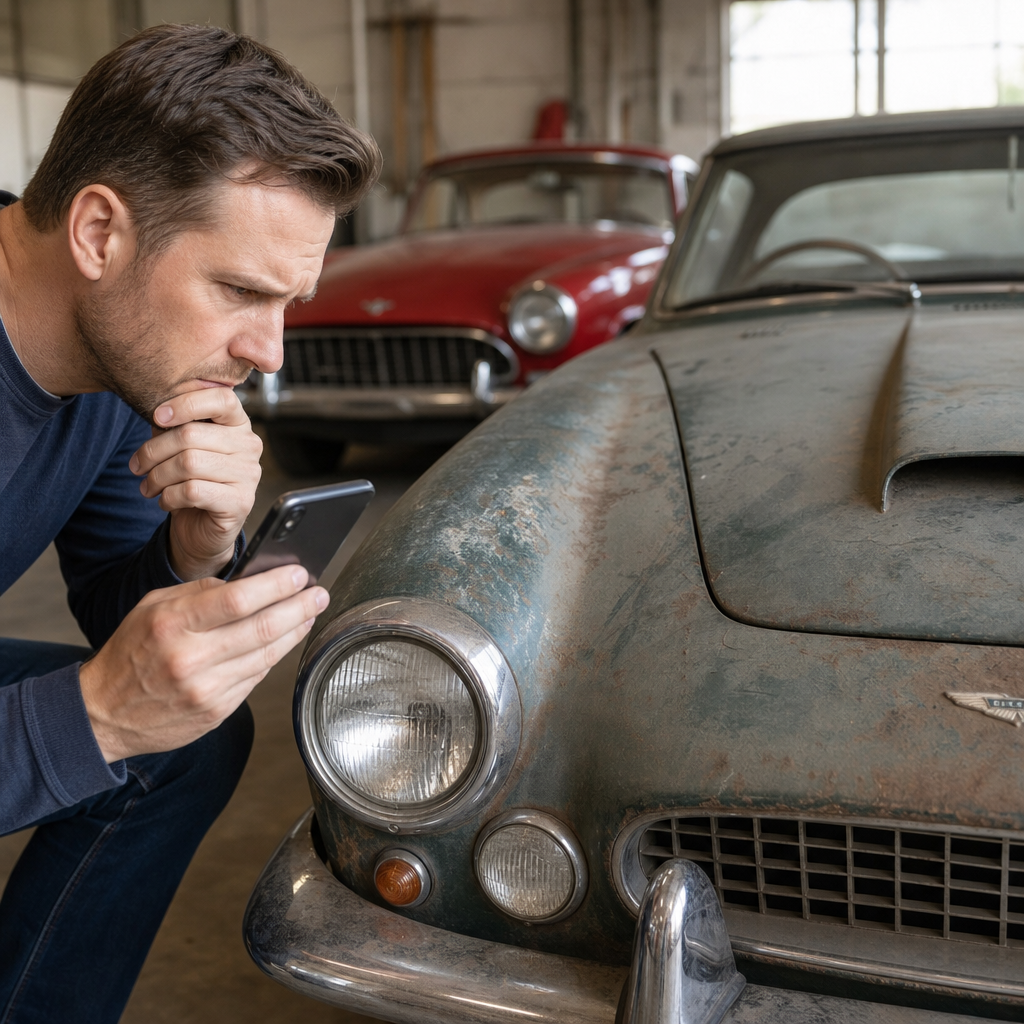
Condition inspection is the heart of how to buy a classic car. Rust always outranks paint. Start with known corrosion points for the model: floor pans, rockers, lower fenders, wheel arches, cowl, trunk floor, frame rails, pickup cab corners, battery tray, windshield channels, and suspension mounting points. Use a flashlight and magnet carefully, look for seam sealer irregularities, overspray, bubbling, patch panels, and mismatched undercoating texture. Fresh undercoating can hide weak metal. Panel gaps should be consistent, but remember factory tolerances on older cars were often looser than modern vehicles.
Next evaluate mechanical systems in a cold start, not after the seller has warmed the engine. Listen for valvetrain noise, piston slap, exhaust leaks, timing chain rattle, and fuel delivery hesitation. Watch for blue smoke, unstable idle, overheating, charging issues, or low oil pressure once hot. During a road test, check steering play, brake pull, clutch engagement, transmission synchro wear, axle noise, wheel bearing hum, and suspension knocks. On automatics, verify shift quality under light and firm throttle. On drum-brake cars, expect some quirks, but not dangerous behavior.
Electrical problems are common and often underestimated. Test lights, gauges, horn, wipers, heater fan, blower speeds, charging output, and any aftermarket accessories. Poor wiring repairs create fire risk. I have seen attractive drivers with crimp connectors hanging under the dash and unfused accessory feeds routed through sharp metal. That is not a small issue. It affects reliability, safety, and resale confidence.
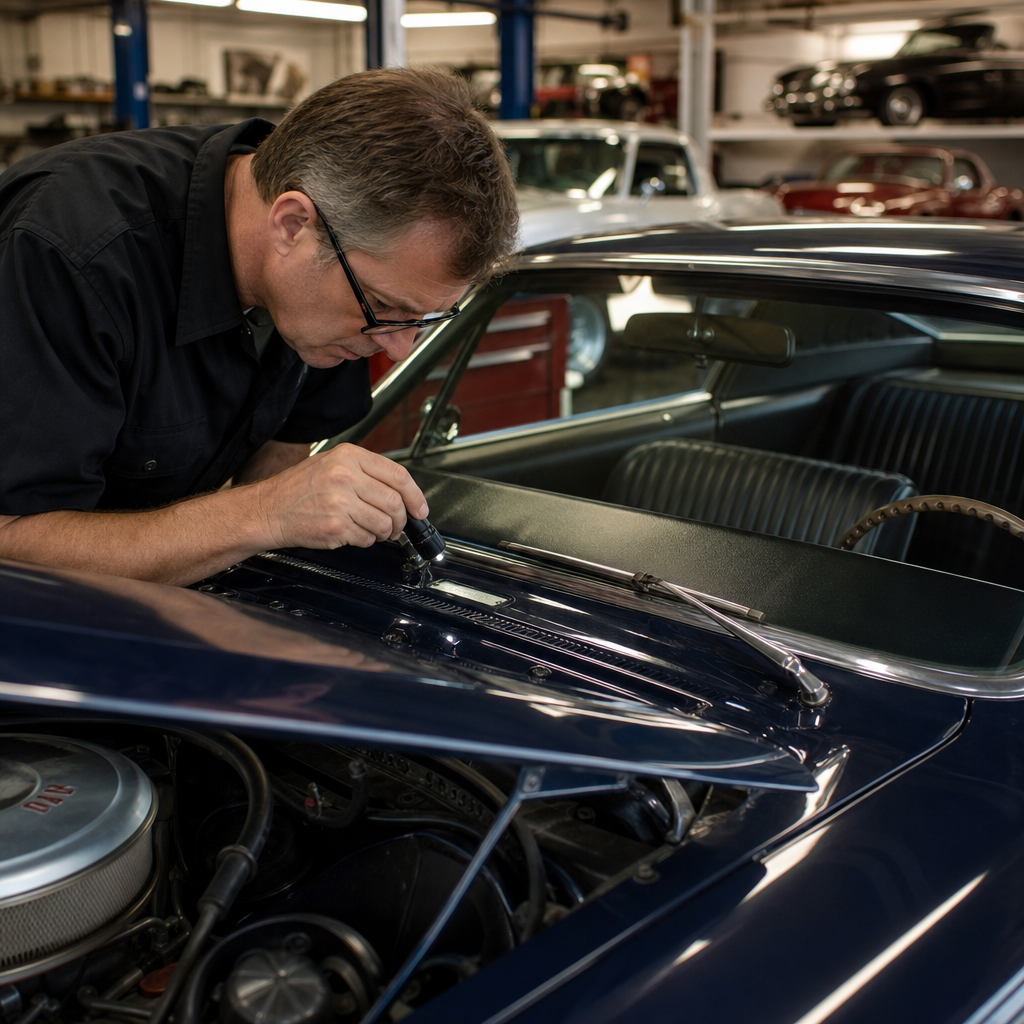
If you cannot inspect personally, hire a marque-aware pre-purchase inspector. Compression and leak-down testing, borescope images, paint-meter readings, and underside photos can save thousands. For higher-value cars, inspection is not optional. It is standard practice.
Verify title, numbers, records, and seller credibility
Documentation separates honest cars from expensive mysteries. Before buying, confirm the VIN or chassis number on the car matches the title, registration, and seller identification. On many classics, there may also be body tags, engine stampings, gearbox numbers, and axle codes. Matching numbers can influence value significantly, especially for high-demand models such as big-block Corvettes, early Porsche 911s, Mopar muscle cars, and certain European sports cars. However, matching numbers matter less than honest representation. A non-original engine is not a problem if priced accordingly and disclosed clearly.
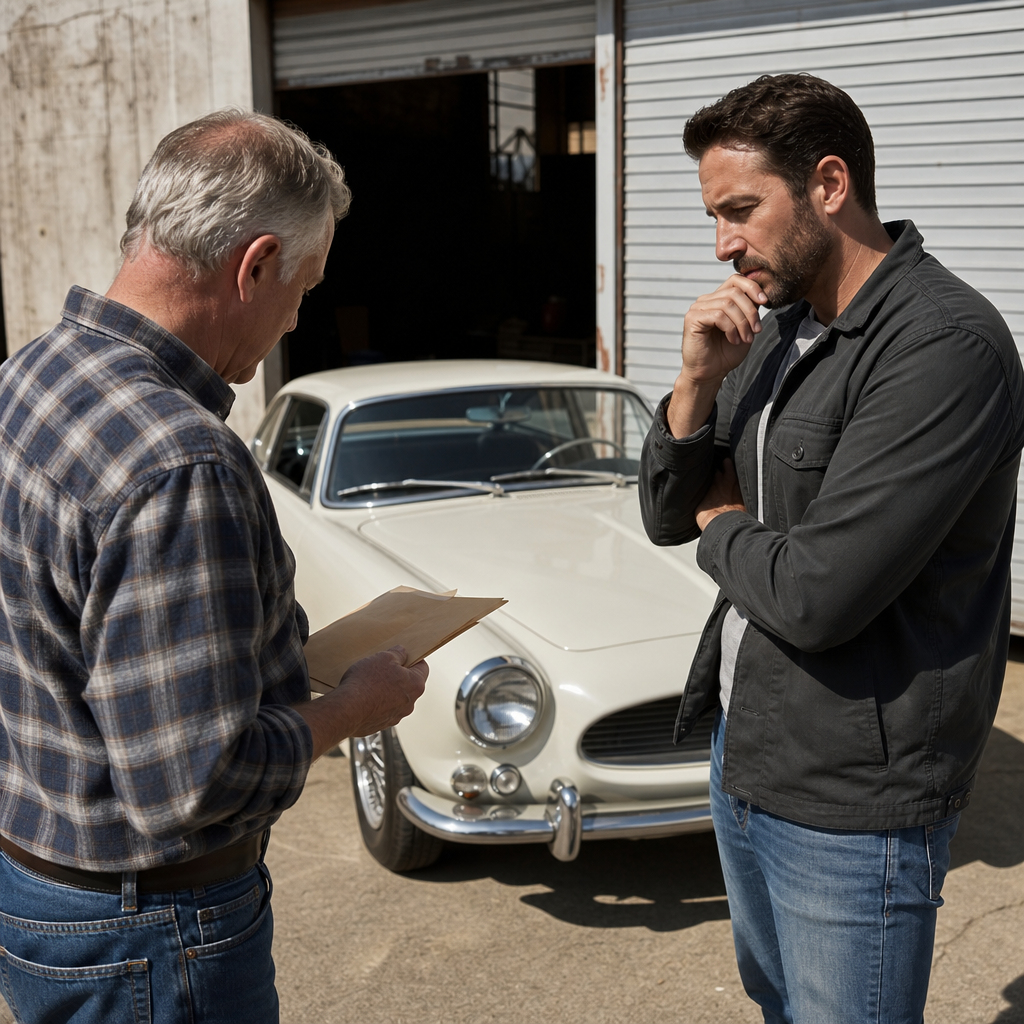
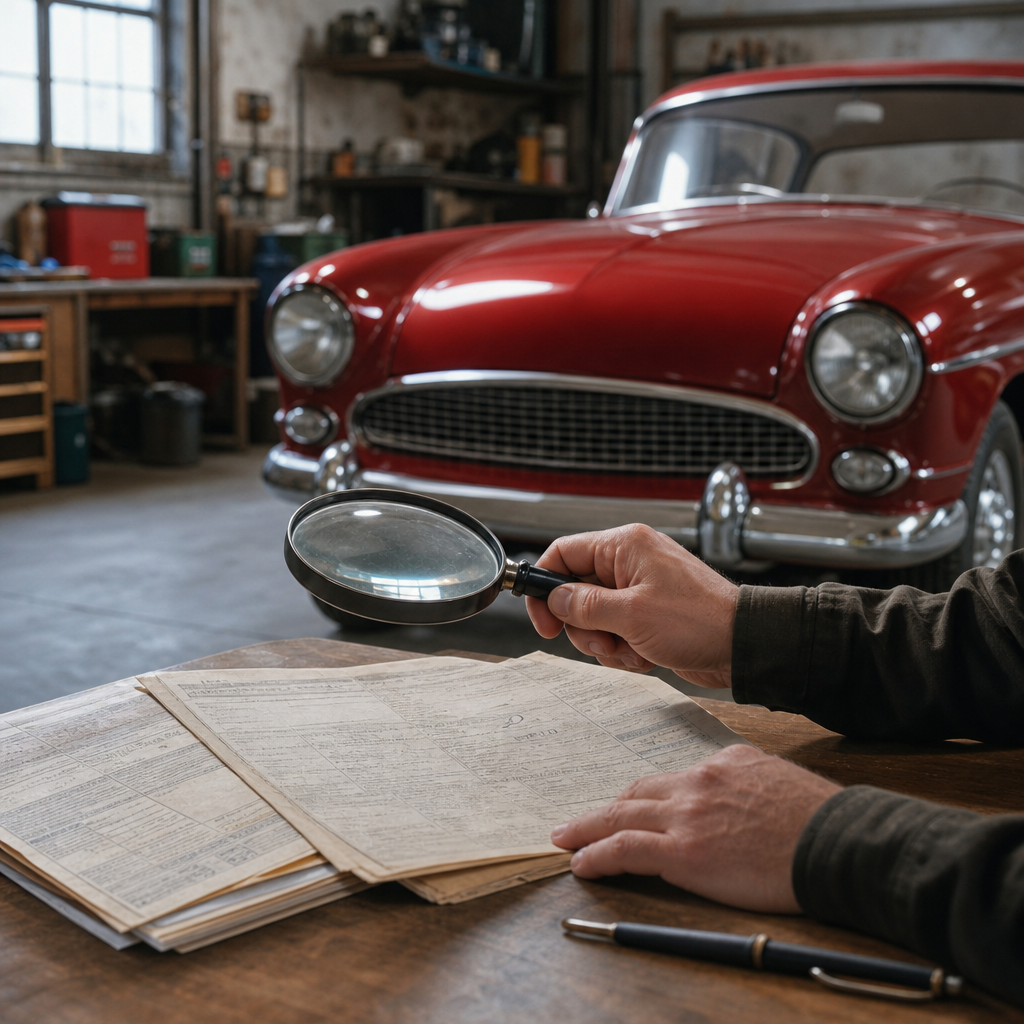
Ask for restoration receipts, service records, ownership history, photos of work in progress, and any factory documentation such as a build sheet, heritage certificate, window sticker, Protect-O-Plate, or dealer invoice. Records help validate mileage claims, repaint dates, machine work, and component replacements. They also reveal whether the car was maintained consistently or revived only for sale. A seller who can explain when the fuel system was rebuilt, who painted the car, and why the rear main seal was replaced is usually easier to trust than one who relies on vague phrases like “everything works.”
Seller behavior is itself a diagnostic tool. A strong seller answers direct questions directly, provides specific photos, and does not resist independent inspection. Be cautious with evasive responses, pressure tactics, missing titles, title jumping, or “selling for a friend” arrangements. For imported classics, verify customs paperwork, state titling status, and compliance rules where applicable. Administrative mistakes can delay registration for months.
Budget for purchase price plus the first year of ownership
Many classic car buying mistakes happen after the sale because buyers budget only for acquisition. The first-year budget should include transport, taxes, registration, insurance, fluids, belts, hoses, tires, battery, brake hydraulics, tune-up items, and a reserve for surprises. Even a genuinely finished car may need age-related work. Old tires with deep tread can still be unsafe due to date codes. Fuel hoses crack. Wheel cylinders seep. Cooling systems that passed a summer parade may not survive highway traffic.
A practical rule is to reserve at least 10 to 20 percent of purchase price for immediate sorting on a finished car and substantially more for a project. On a $30,000 driver-quality classic, that means holding back several thousand dollars instead of spending every available dollar on the purchase. If you are buying a project, create a phased plan: safety first, mechanical reliability second, cosmetics third. Cars become overwhelming when owners disassemble everything at once and lose momentum.
Insurance also deserves attention. Agreed value policies from specialty insurers can be excellent, but they usually require secure storage, limited use terms, and documentation. Understand mileage restrictions, spare parts coverage, and how claims are handled. If the car is a true project and not roadworthy, coverage needs may differ from a finished collector vehicle.
Choose originality, modified, or restomod with intent
Another core part of how to buy a classic car is deciding whether originality or usability matters more. Original cars with factory drivetrains, finishes, trim, and documentation often carry premium value, particularly in rare specifications. They appeal to collectors because originality is finite. Once altered, it cannot be recreated fully. On the other hand, modified classics and restomods can be better drivers. Electronic ignition, upgraded cooling, front disc brakes, overdrive transmissions, and modern radial tires can transform ownership.
The key is alignment between modifications and market demand. Sensible, reversible upgrades usually help usability without crushing value on mainstream models. Poorly executed modifications hurt both reliability and resale. I have seen cars with aggressive suspension drops, mismatched wheels, universal wiring kits installed badly, and engine swaps lacking proper documentation. Those cars look exciting in photos and become exhausting in ownership.
If long-term collectibility is your priority, buy the most original, well-documented example within budget. If dependable driving is your goal, buy a finished car with proven, professionally executed upgrades and records. If you want a project, choose one with a clear lane: preservation, factory-correct restoration, or performance build. Mixed direction is expensive.
Where to buy and how to negotiate without overpaying
Classic cars are sold through private sellers, specialist dealers, auctions, online platforms, estate sales, clubs, and enthusiast forums. Private sales often offer the best transparency because owners know the car’s behavior. Specialist dealers can curate inventory and handle paperwork well, but pricing usually includes margin. Auctions create access and urgency; they also create emotional bidding. Online marketplaces expand reach, yet photo quality can distort reality. Whenever possible, compare sold prices, not asking prices, using multiple sources and similar condition grades.
Negotiation works best when tied to evidence. Instead of saying a car feels overpriced, cite dated tires, weak paint-meter readings, non-matching engine, rust in known trouble spots, or missing records. On project cars, price deductions should reflect missing components and metalwork exposure, not optimistic finished values from top-condition examples. On finished cars, be willing to pay for known quality. Cheap classics are usually expensive later.
For a hub page on buying and selling classic cars, the final principle is simple: let inspection, documentation, and purpose drive the decision. Buy a project car only when you understand scope, parts, and labor. Buy a finished car when you want immediate use and controlled risk. In both cases, prioritize solid structure, honest paperwork, complete records, and sellers who welcome scrutiny. That approach will help you buy a classic car with confidence, avoid the most common traps, and end up with a vehicle you can actually enjoy. Before making an offer, create your checklist, line up an inspection, and compare total ownership cost, not just the sticker price.
Frequently Asked Questions
What is the main difference between buying a project car and buying a finished car?
The biggest difference is not the sticker price. It is the total commitment in money, time, skill, and risk. A project car is usually incomplete, worn, damaged, partially restored, or simply neglected enough that it needs meaningful work before it becomes reliable and enjoyable. That work might be cosmetic, such as paint and interior, mechanical, such as brakes, cooling, fuel system, or drivetrain, or structural, such as rust repair and chassis restoration. A finished car, by contrast, is already restored or well preserved and is generally ready to drive, enjoy, and maintain without major immediate intervention.
For most buyers, this choice comes down to whether they want a hobby or an experience. A project car gives you the opportunity to build the car your way, learn the platform, and sometimes enter the market at a lower upfront cost. But it also brings uncertainty. Hidden rust, poor prior repairs, missing parts, and escalating labor costs can quickly turn a cheap buy into an expensive long-term undertaking. A finished car costs more initially, but it usually provides faster enjoyment, a clearer understanding of the total investment, and fewer unpleasant surprises in the first year of ownership. If your goal is to drive the car often and predictably, a finished car is usually the safer choice. If your goal is to restore, customize, or save a specific model and you understand the work involved, a project car can make sense.
Is a project car actually cheaper than a finished car in the long run?
In many cases, no. This is one of the most common misunderstandings in the classic car market. A project car may look like a bargain because the purchase price is lower, but restoration and deferred maintenance costs add up fast. Paint and bodywork alone can exceed the price difference between a project and a finished example, especially if rust repair or panel replacement is involved. Mechanical rebuilding, upholstery, chrome work, glass, wiring, trim sourcing, and parts hunting can each become major line items. Even if you do much of the work yourself, your time has value, and specialist jobs still often require professional help.
The more realistic way to compare the two is to look at total cost of ownership over the first one to three years. With a project car, include transport, storage, tools, parts, machine work, labor, registration hurdles, and the inevitable surprises that appear once the car is disassembled. With a finished car, account for a higher purchase price but usually lower immediate repair needs, plus routine servicing and minor sorting. There are exceptions. If you buy a very solid, complete project in a desirable model and perform high-quality work yourself, you may come out ahead financially. But that is not the norm. Most buyers spend more than expected on project cars, and many ultimately realize they could have bought a better, ready-to-enjoy car for less than the full restoration bill.
How do I decide which option fits my budget, skills, and lifestyle?
Start by being honest about how you will use the car and how much time you can realistically devote to it. If you want a classic car for weekend drives, local shows, road trips, or immediate enjoyment with family and friends, a finished car is usually the better fit. It lets you spend your time driving instead of troubleshooting. If you enjoy mechanical work, have workshop space, understand project planning, and do not mind the car being off the road for months or longer, then a project car may suit your lifestyle.
Next, assess your practical resources. Do you have covered storage, a lift or at least basic tools, access to trusted specialists, and room in your budget for overruns? Restoration projects rarely move in a straight line. They pause while you wait for parts, machine work, body shop scheduling, or the next round of funding. Skill level matters too. If you can diagnose electrical problems, rebuild suspension, evaluate rust, and source hard-to-find components, you are in a much stronger position with a project car. If not, every step will depend on paid labor, which changes the economics dramatically.
Finally, think about your tolerance for uncertainty. A finished car offers more predictability, especially if it has documentation, inspection records, and evidence of recent maintenance. A project car can be rewarding, but it asks for patience and problem-solving. Buyers who thrive on the process often love them. Buyers who mainly want the romance of ownership without the grind of restoration usually do better with a finished example.
What should I inspect before buying a project car or a finished car?
The inspection priorities overlap, but the emphasis changes depending on which type of car you are considering. With a project car, structure and completeness are everything. Rust, collision damage, poor previous repairs, and missing hard-to-source parts can make or break the deal. Inspect floors, frame rails, rockers, trunk, lower fenders, windshield channels, suspension pickup points, and any model-specific rust areas. Check whether major trim, glass, interior pieces, engine components, and unique model-year items are present. A missing or damaged part on a rare classic can cost more than expected or take months to locate. Verify that the VIN, title, and tags all align and that the car can be legally registered.
With a finished car, you are looking for quality, authenticity, and evidence of proper upkeep. A shiny paint job is not enough. Look underneath for rust, leaks, patch panels, and overspray that may reveal cosmetic restoration over deeper issues. Review receipts, restoration photos, service records, and any appraisals. Test drive the car if possible and evaluate cold starts, oil pressure, charging, cooling, transmission operation, steering feel, braking performance, and overall drivability. Pay attention to panel fit, weatherstripping, trim installation, upholstery quality, and electrical function. In both cases, an independent pre-purchase inspection by a marque specialist is money well spent. The right expert can spot hidden problems, identify incorrect components, and help you understand whether the asking price reflects reality.
When is it smarter to buy a finished car instead of taking on a project?
It is smarter to buy a finished car when your priority is enjoying the car soon, controlling risk, and avoiding the long and often expensive restoration cycle. That is especially true for first-time classic car buyers, people with limited storage or tools, and anyone relying heavily on outside labor. It is also the better option when the model you want is widely available in good condition, because the premium for a sorted example may be far less than what it would cost to restore a rough one properly. In today’s market, many buyers discover that paying more upfront for a documented, well-maintained car is the most economical path overall.
A finished car is also the smarter move when market value matters. If the fully restored value of a specific model is modest, it rarely makes financial sense to start with a needy example unless you have sentimental reasons or can perform nearly all the work yourself. By contrast, a finished car gives you a clearer baseline for insurance, resale, and ongoing maintenance. You can still personalize it over time, but you are doing so from a usable starting point rather than trying to rescue a car that may never be cost-effective to complete. In short, buy a finished car when you want confidence, access, and immediate enjoyment. Buy a project car only when you fully understand the scope and genuinely want the restoration journey itself.