Buying a classic car sight unseen can work, but it is never the safest way to buy; it is a calculated risk that only makes sense when you control the process with inspections, documentation, market knowledge, and a clear limit on what surprises you can afford. In the classic car world, “sight unseen” usually means you commit to a purchase before personally inspecting the vehicle in person. That might happen through an online auction, a dealer listing in another state, a private sale several hours away, or an overseas import. The question matters because classic cars are not standardized used appliances. Condition, originality, rust, provenance, title status, and quality of restoration can change value by tens of thousands of dollars. I have seen buyers save a rare car by moving quickly on a well-documented remote purchase, and I have seen others inherit hidden rust, re-stamped tags, and poor repairs buried under fresh paint. If you want to learn how to buy a classic car intelligently, this is the central guide: when sight-unseen buying is reasonable, when it is reckless, what checks to perform, and how to structure the deal so one bad decision does not turn an exciting purchase into an expensive lesson.
When buying sight unseen makes sense
You should buy a classic car sight unseen only when the opportunity is strong, the downside is limited, and you can verify the car through independent sources. This usually applies in four situations. First, the car is exceptionally well documented: extensive photo sets, cold-start videos, compression numbers, restoration invoices, ownership history, and a clean title all line up. Second, the seller is established and accountable, such as a known marque specialist, a reputable auction company with transparent terms, or a dealer whose inventory and reviews show consistent quality. Third, the model is common enough that replacement parts and correction costs are predictable. A remote purchase of a first-generation Mustang coupe is easier to underwrite than a one-year-only Italian GT with unobtainable trim. Fourth, the purchase price leaves room for correction. If market value for an excellent 1968 Chevrolet C10 is $45,000 and you are buying a driver-grade truck remotely for $28,000 with solid records, the risk profile is manageable. If the asking price already assumes concours quality, remote buying becomes dangerous because every flaw is expensive. Fast-moving markets can also force remote decisions. Desirable air-cooled Porsches, early Broncos, and analog BMW M cars often sell before buyers can book travel. In those cases, success depends on replacing your eyes with a disciplined verification system, not on trusting your instincts.
When sight-unseen buying is a mistake
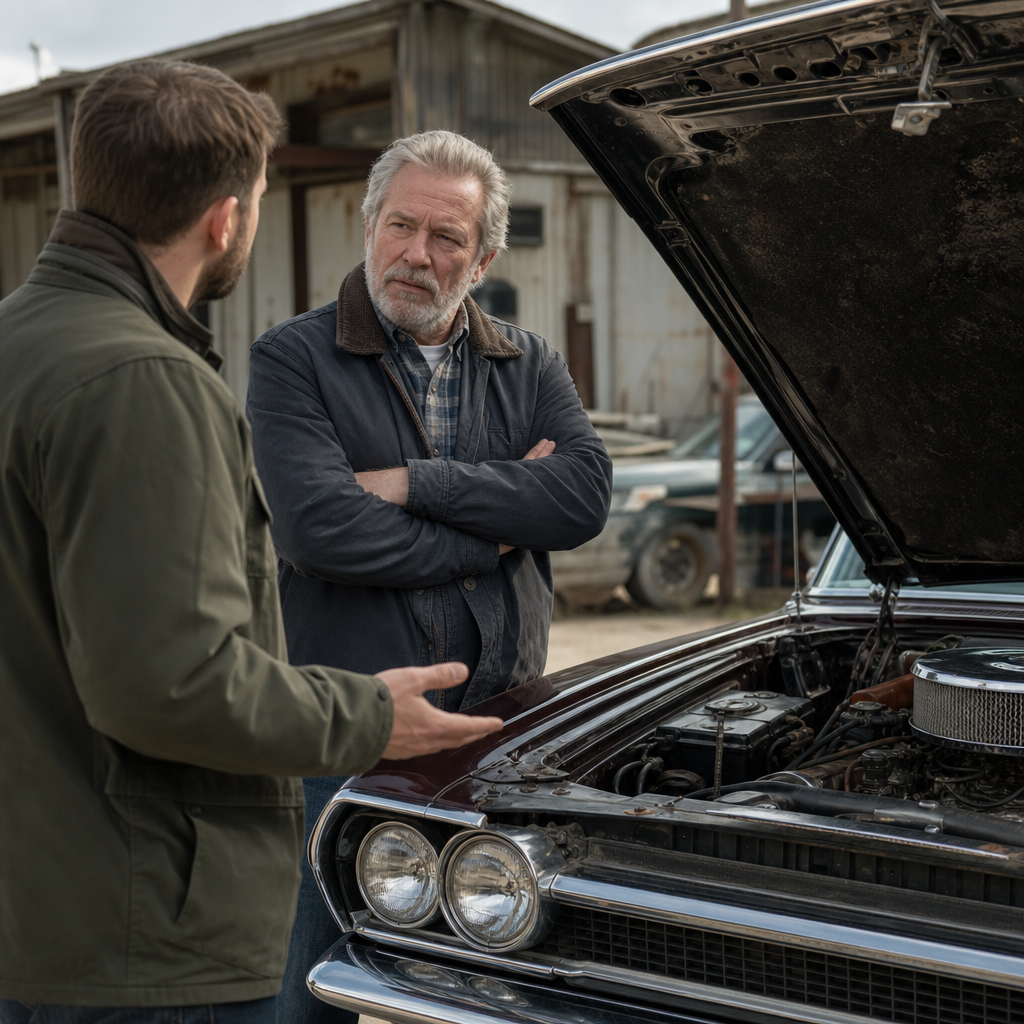
Do not buy sight unseen when the car has incomplete paperwork, suspiciously fresh cosmetics, vague ownership history, or any title irregularity. That advice is especially important for rusty unibody cars, heavily modified builds, and six-figure collector vehicles. Rust is the classic hidden cost because photos flatter sheet metal and conceal structural decay. Fresh undercoating, thick seam sealer, or newly installed carpets can hide expensive corrosion in floors, rockers, torque boxes, chassis rails, and trunk drop-offs. I have inspected cars that looked sharp online and revealed poor patch panels, brazed repairs, or filler over rust once they were on a lift. Modified cars carry a different risk: quality varies dramatically. A restomod with an LS swap, aftermarket wiring, Wilwood brakes, and custom suspension can be excellent if built by a known shop with receipts and setup notes. It can also be a half-finished project with wiring faults, driveline vibration, and geometry problems that no still photo will show. High-dollar cars raise the stakes further. On big-ticket Ferraris, Corvettes, Hemi Mopars, and homologation specials, matching numbers, date-coded components, and factory-correct details affect value enough that a remote mistake can be financially painful. If the seller resists specific questions, avoids live video, or pressures you to send a deposit immediately, treat that as a stop sign, not a negotiation tactic.
The inspection process that replaces an in-person visit
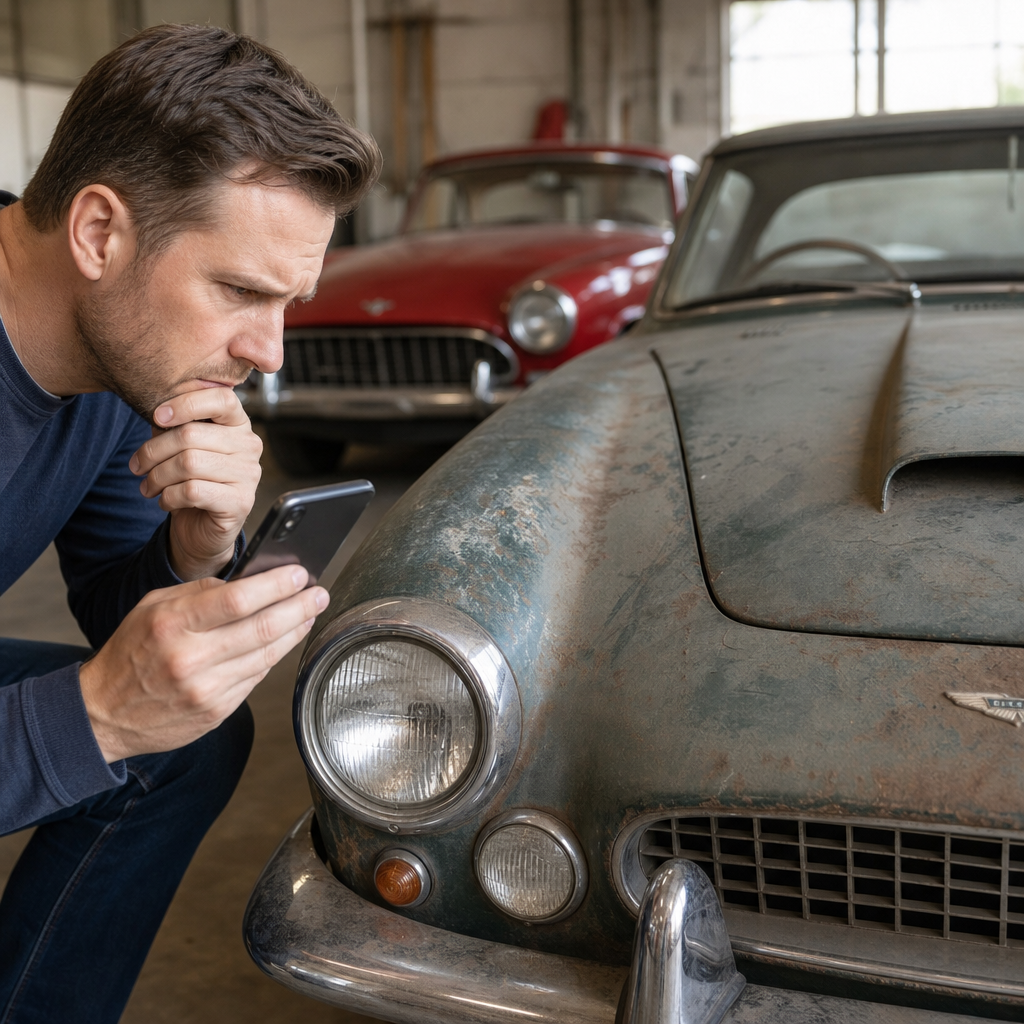
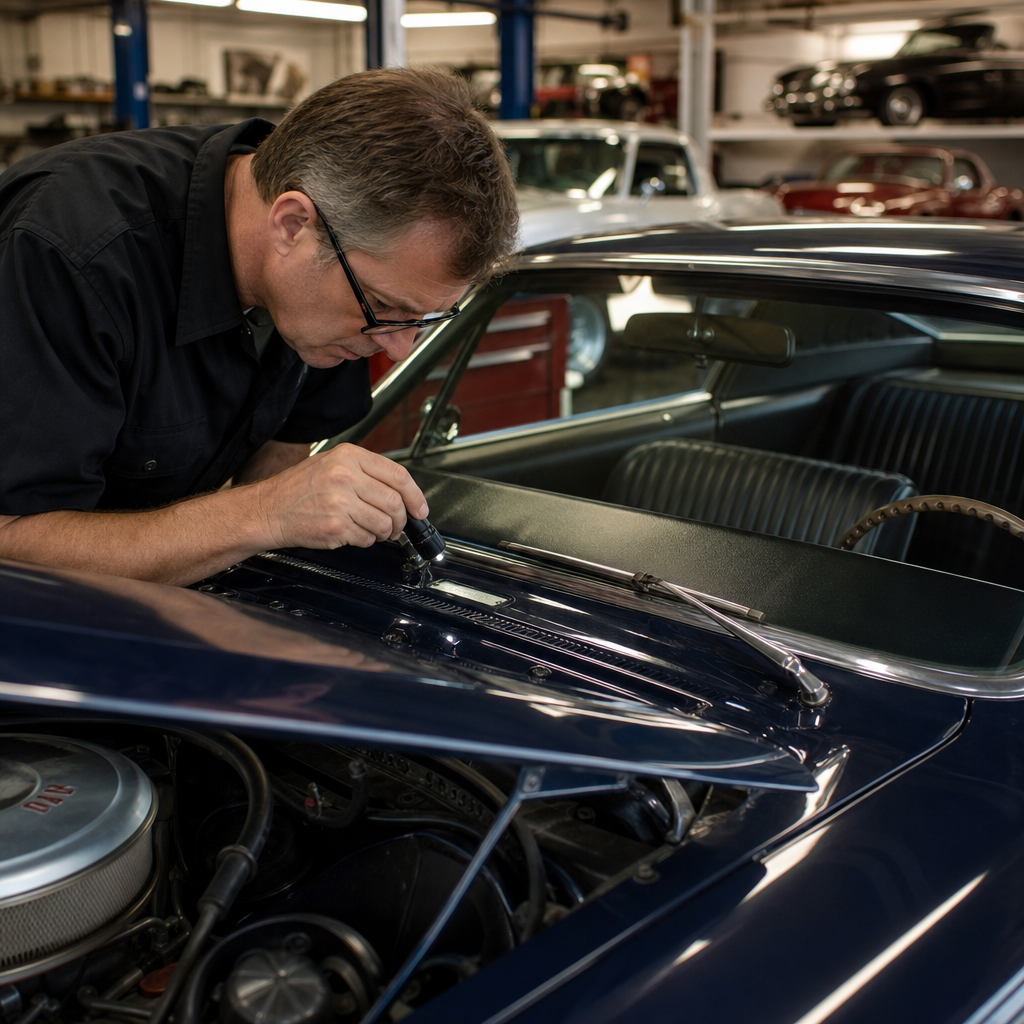
If you cannot inspect the car yourself, build a layered inspection process. Start with a live video walkaround in daylight. Ask the seller to begin with a cold engine and show the temperature gauge, exhaust at startup, idle quality, oil pressure, lights, gauges, glass markings, VIN plates, body gaps, wheel lips, lower quarters, and undercarriage. Then order an independent pre-purchase inspection from a shop familiar with that exact make or era. A general repair shop can confirm obvious issues, but a marque specialist knows where cars crack, rust, overheat, or wear. For example, an air-cooled Porsche specialist will inspect head studs, magnesium case leaks, and chain housing seepage; a Jaguar E-Type expert will focus on bonnet fit, frame condition, cooling health, and IRS leaks. Request compression and leak-down tests when relevant, plus photos of casting numbers, stampings, and suspension pick-up points. For body and rust evaluation, insist on lift photos of floors, frame rails, jack points, inner fenders, and the backside of repairs. Paint meter readings help identify filler and repaint history. If the car is represented as matching numbers, verify engine, transmission, axle, and trim tags against factory records or recognized decoding references. The best remote buyers use specialists the same way commercial truck fleets use inspectors: not as a formality, but as a decision filter.
Documents, provenance, and authenticity checks
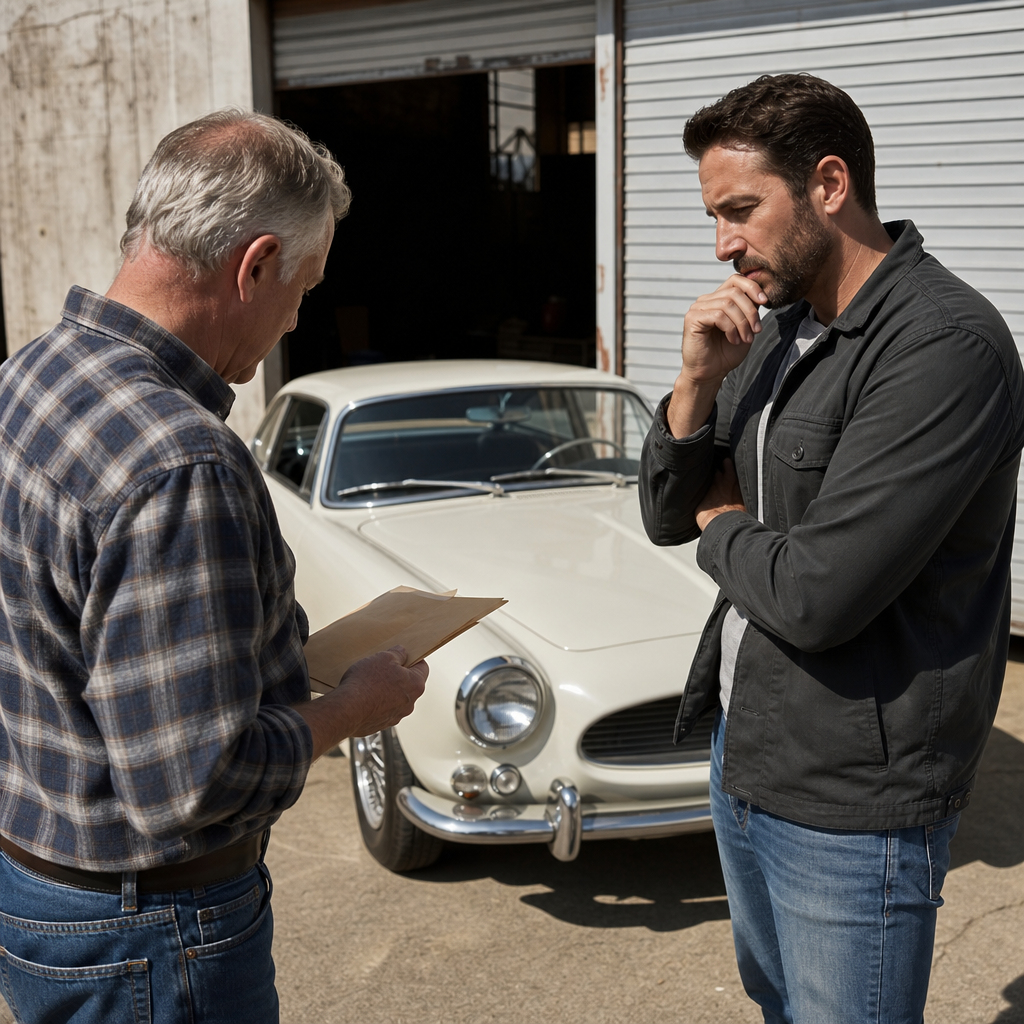
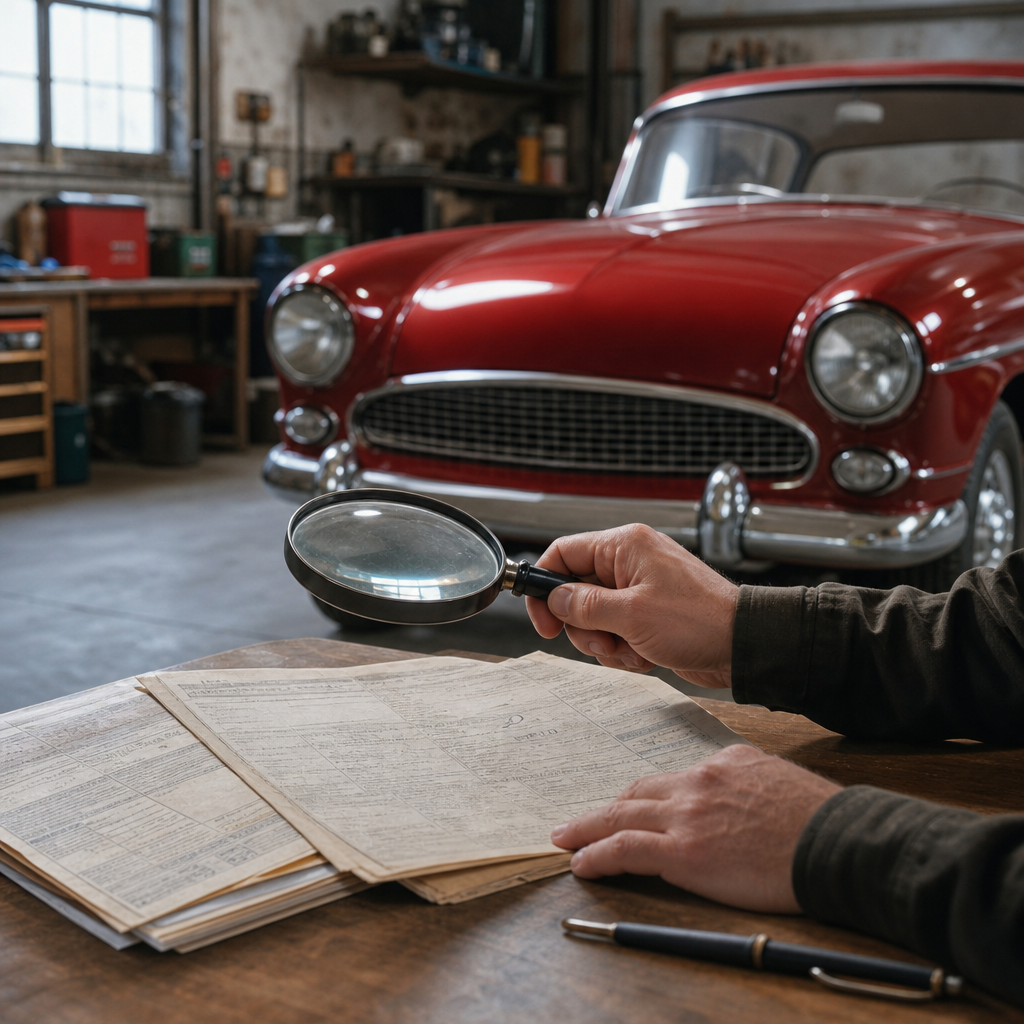
Paperwork matters almost as much as the car itself. At minimum, you need a clear title in the seller’s name, VIN consistency across the title and the vehicle, recent registration when applicable, and bills of sale that make the chain of ownership understandable. Beyond that baseline, provenance adds confidence and value. Service records show how the car was maintained and whether major work was done correctly. Restoration invoices reveal who performed bodywork, engine rebuilding, upholstery, chrome plating, and paint. Photos from disassembly and metal repair are more useful than glamour shots after completion because they show what was underneath. For factory-authentic cars, obtain model-specific documentation. That could mean a Porsche Certificate of Authenticity, a BMIHT certificate for a British car, a Pontiac Historic Services packet, NCRS shipping data for a Corvette, or a Marti Report for a Ford. These documents help confirm original colors, drivetrain configuration, and build details. Also check whether the car has liens, a salvage history, reconstructed branding, or a replacement VIN issue. In the United States, services such as Carfax can help on later classics, but they are incomplete for older vehicles, so title research and physical verification still matter. Authenticity disputes are common in valuable classics, and once you own the car, proving what it is becomes your problem. Buy the records with the vehicle, not as an afterthought.
How to evaluate price, risk, and total cost
The smartest way to buy a classic car is to underwrite the total ownership cost, not just the sale price. Establish market value using multiple sources: recent auction results from Bring a Trailer, Mecum, and RM Sotheby’s; dealer listings from marque specialists; and insurance valuation tools such as Hagerty Price Guide. Then adjust for body style, engine, originality, documentation, and condition. Condition must be graded realistically. In practice, a shiny driver with older paint, minor leaks, and cosmetic wear is not an excellent car. If you price a good driver like a top-tier example, a sight-unseen purchase becomes a bad bet immediately.
| Cost Area | What to Check | Typical Risk if Ignored |
|---|---|---|
| Transport | Open vs enclosed carrier, insurance limits, delivery timing | Damage claims, delays, added fees |
| Mechanical sorting | Brakes, cooling, tires, fuel system, fluids, belts, hoses | $1,500 to $10,000 in immediate work |
| Body and rust | Lift inspection, paint meter, magnet test, prior repair photos | $5,000 to $40,000-plus correction costs |
| Paperwork | Title, VIN, lien release, import documents | Registration failure or reduced resale value |
| Parts availability | Trim, glass, interior, model-specific components | Long delays and inflated restoration costs |
Budget for transport, tax, registration, insurance, immediate maintenance, and correction of hidden defects. Even strong cars often need tires due to age, brake hydraulic work, fuel system cleaning, and replacement of old hoses or weatherstripping. Imported cars may need customs paperwork, port fees, and compliance checks. If your budget is fixed, buy below your ceiling. The old rule remains true: the cheapest classic car to own is often the best one you can afford at the start.
How to buy a classic car safely from auctions, dealers, and private sellers
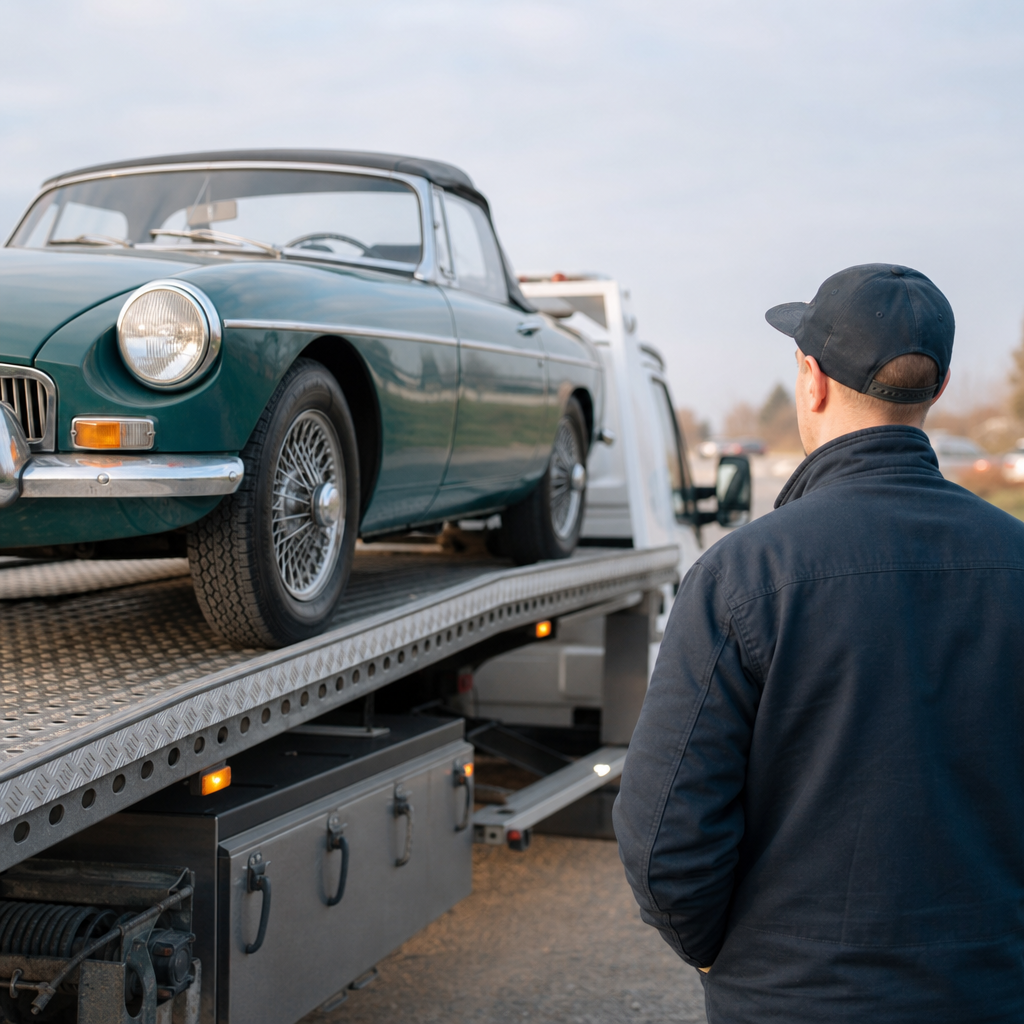
The buying channel changes the risk. Online auctions offer market visibility and large photo galleries, but terms often favor the platform and seller. Many auction houses make clear that all inspections are the bidder’s responsibility and sales are final. Read the comments, ask direct questions publicly, and understand buyer’s premiums. A well-documented auction car with active seller responses can be safer than a vague classified ad, but only if you still verify details independently. Dealers bring convenience and may offer financing, transport coordination, and some post-sale support, yet dealer inventory quality varies widely. Ask how long they have owned the car, whether they bought it at auction, and what work they personally performed versus repeated from a previous listing. Request underside photos and invoices, not just polished showroom images. Private sellers can provide the best transparency when they have owned the car for years and know its quirks, but they also create the most uneven transaction quality. Speak by phone, not only by text. A serious owner can usually explain cold-start behavior, fuel smell, charging voltage, and what still needs attention. Regardless of source, use a written purchase agreement that lists VIN, price, deposit terms, included parts, title status, and any explicit representations about matching numbers, drivetrain, or restoration scope. Send funds only after documents are verified. Wire transfers are common, but escrow services add protection on higher-value transactions. Shipping should be booked with a carrier experienced in collector vehicles, preferably enclosed for valuable cars. Photograph the car at pickup and delivery.
The practical verdict and best next steps
So, should you buy a classic car sight unseen? Yes, but only if you treat it like a due-diligence exercise instead of a leap of faith. Remote buying is safest when the car is well documented, the seller is accountable, the model is well understood, and an independent inspector verifies what photos cannot. It is a poor idea when paperwork is messy, authenticity is uncertain, rust is likely, or the asking price leaves no room for correction. The broader lesson for anyone learning how to buy a classic car is simple: buy condition, documentation, and honesty before you buy rarity or excitement. Start with the model you want, study current market values, and decide which flaws you can live with. Then verify title, numbers, service history, and structural condition before money changes hands. If a seller will not support that process, walk away. There will always be another car, and usually a better one. Use this page as your hub for every step in buying and selling classic cars: inspections, valuation, negotiation, transport, paperwork, and ownership planning. If you are considering a remote purchase now, build your checklist, line up a marque specialist, and let evidence—not urgency—make the decision.
Frequently Asked Questions
Is it ever a good idea to buy a classic car sight unseen?
Yes, but only in the right circumstances and only if you treat it as a controlled risk rather than a casual purchase. Buying a classic car sight unseen is rarely the safest option because photographs, seller descriptions, and even video walkarounds can miss the issues that matter most. Rust, poor bodywork, weak compression, fluid leaks, hidden accident repairs, electrical problems, and incorrect parts are all easier to conceal than many first-time buyers realize. That said, sight unseen purchases do happen successfully all the time in the collector car market, especially when the buyer understands the model well, has strong market knowledge, uses an independent inspection, and is financially prepared for surprises.
It makes the most sense when the car is rare, the asking price is in line with the market, the seller is transparent, and you have enough documentation to support the car’s condition and history. It can also be reasonable if you are buying from a highly reputable dealer, known collector, or auction platform with a strong record of accurate representations. Even then, you should assume there is some level of uncertainty. The key question is not whether sight unseen buying can work. It is whether you can verify enough of the car’s condition, originality, and value before money changes hands. If the answer is no, the risk usually outweighs the opportunity.
What should you verify before committing to a classic car you have not seen in person?
Before committing, you should verify identity, condition, documentation, and market value. Start with the basics: confirm the VIN or chassis number, trim tags, engine and transmission numbers if applicable, and title status. Make sure the seller’s name matches the title or that they can clearly explain why it does not. Ask for detailed photos of the car in natural light from every angle, including close-ups of common rust areas, body gaps, undercarriage, suspension pickup points, trunk floor, battery tray, interior wear, glass markings, wheel wells, engine bay, and any flaws. Generic glamour shots are not enough. You want evidence, not presentation.
You should also request cold-start video, running video, driving video, and footage of the gauges, lights, horn, wipers, windows, and other accessories operating. If the car is represented as restored, ask for restoration invoices, photo records, and the names of the shops that performed the work. If it is claimed to be original, survivor, matching numbers, or highly documented, ask for proof rather than accepting labels at face value. Review service records, ownership history, and any concours judging sheets or appraisals with caution, since those documents can be helpful but do not replace a current condition assessment. Finally, compare the car to recent sales of similar examples so you know whether you are paying for quality, rarity, or just seller optimism. The more expensive the car, the more rigorous this verification process should be.
Is a pre-purchase inspection really necessary for a sight unseen classic car purchase?
Absolutely. A pre-purchase inspection is one of the most important protections you have, and for many buyers it is the difference between a smart remote purchase and an expensive mistake. An independent inspector can often spot rust bubbling under paint, weak prior repairs, mismatched panels, drivetrain issues, suspension wear, signs of flood damage, and authenticity concerns that are easy to overlook in photos. They can also evaluate how the car starts, idles, shifts, brakes, tracks on the road, and behaves under load. That kind of information is difficult to obtain from a seller who may be honest but not objective, or worse, who may be selectively presenting the car.
The inspection should be performed by someone who knows the specific type of car if possible. A general mechanic is better than no inspection, but a marque specialist can identify common problem areas, missing original components, incorrect finishes, and model-specific authenticity details that affect value. Ask for a written report, compression or leak-down test when appropriate, paint meter readings if relevant, and lots of photographs. If the seller refuses an inspection, rushes you, or creates obstacles, treat that as a major warning sign. In most cases, if a car is worth buying, it is worth inspecting. The inspection fee is small compared with the cost of hidden bodywork, engine rebuilding, transport, and post-sale disappointment.
What are the biggest risks of buying a classic car sight unseen?
The biggest risks are hidden condition issues, inaccurate descriptions, overpaying, and underestimating the total cost of ownership. Rust is often the number one problem because it can be covered with filler, fresh paint, undercoating, or strategic photography. Mechanical problems are another major risk. A car may run well enough for a short video but still have overheating problems, poor oil pressure, transmission slipping, charging issues, or worn steering and suspension components. Cosmetic presentation can also be misleading. A shiny paint job may conceal poor prep work, panel replacement, or collision damage, while a clean interior may distract from serious structural issues underneath.
There is also the risk of buying the wrong kind of car for your goals. A car described as “driver quality” may actually be a project. A “restored” car may be an older cosmetic refresh with no mechanical sorting. A “matching numbers” claim may be incomplete or incorrect. Transport adds another layer of risk because delays, damage, and title or paperwork issues can complicate the transaction after payment. Most importantly, buyers often underestimate the emotional cost of a disappointing purchase. It is one thing to budget for repairs. It is another to discover you bought a car that was fundamentally misrepresented. That is why successful sight unseen purchases depend on setting a strict threshold for what surprises you can afford and walking away when the available information does not meet that threshold.
How can you reduce the risk if you decide to buy a classic car sight unseen anyway?
You reduce risk by slowing the process down and putting every major claim through some form of verification. First, research the exact make, model, year, and specification so you know what is correct, what commonly fails, and what separates a good example from an expensive problem. Next, vet the seller. Look for a verifiable business history, enthusiast community reputation, prior sales, references, and consistency in how they answer questions. Ask direct questions in writing about rust, accident history, repaint work, drivability, leaks, modifications, and title status. Clear written responses are useful because they create a record of what was represented before the sale.
Then arrange an independent inspection and review the results with someone knowledgeable if you are not an expert yourself. Build a realistic budget that includes not just the purchase price, but transport, taxes, registration, immediate maintenance, deferred repairs, and the inevitable fixes that often appear once the car arrives. If possible, use a purchase agreement that outlines what is being sold and any representations made about the car. Secure payment methods carefully, especially in private-party transactions, and confirm the title and bill of sale procedures before sending funds. Finally, be disciplined about your ceiling price. The safest sight unseen buyers are not the most optimistic ones. They are the ones who know exactly what level of uncertainty they are willing to accept and are prepared to walk away the moment the details stop adding up.