Buying a vintage vehicle is supposed to be exciting, yet many buyers sabotage the experience by paying too much before they understand how classic car negotiation actually works. In the collector market, price is shaped by rarity, originality, condition, documentation, timing, and emotion, and emotion is the factor that most often drains a buyer’s budget. Overpaying does not simply mean spending more than the seller’s asking price suggests. It means paying above defensible market value once the car’s true specification, restoration quality, ownership history, and future repair needs are accounted for. I have negotiated purchases at dealer showrooms, private garages, online auctions, and live sales, and the pattern is consistent: the buyer who arrives with evidence, process, and patience wins.
For this guide, negotiation strategies means the practical steps used to determine value, test claims, identify leverage, structure offers, and close on terms that protect both money and risk. This matters because classic cars are not commodity used cars. Two examples of the same model year can differ in value by tens of thousands of dollars based on matching numbers, factory colors, provenance, rust repair quality, and whether the restoration was cosmetic or mechanical. Buyers who focus only on paint, chrome, and seller confidence usually miss the expensive details. A smart negotiation starts long before the first offer and continues through inspection, paperwork review, transport, and final payment.
As a hub article within Buying & Selling Classic Cars, this page explains the core negotiation framework that supports every other subtopic, from pre-purchase inspections and title verification to auction bidding tactics and post-sale dispute avoidance. If you want to avoid overpaying for a classic car, the goal is not to “win” by being aggressive. The goal is to pay a fair number supported by market evidence and to leave enough room in your budget for the ownership realities that always follow a collector-car purchase.
Start with market value, not asking price
The most effective classic car negotiation strategy is simple: build your own value before you ever discuss price. Sellers anchor buyers with a listing number, but asking price is marketing, not proof. A credible valuation combines recent comparable sales, current supply, trim and engine specification, originality, documented restoration scope, and region. Use multiple sources. Hagerty Price Guide is useful for broad condition bands. Bring a Trailer and Cars & Bids reveal what informed online bidders actually paid, often with comments exposing flaws. Mecum and Barrett-Jackson results show auction trends, though fees and high-energy bidding can distort numbers. Hemmings listings help you measure unsold inventory and seller expectations.
When I build comps, I narrow the comparison hard. A 1967 Mustang fastback with a correct S-code V8, four-speed, and documented restoration is not directly comparable to a restomod automatic with aftermarket air conditioning. The same is true for air-cooled 911s, C2 Corvettes, early Broncos, and Pagoda SLs. Options, drivetrains, body style, and originality move value dramatically. You also need to classify condition honestly. Collector markets commonly use a one-to-four condition scale, but many seller descriptions exaggerate. “Driver quality” can mean a well-kept #3 car or a tired #4 car with shiny photos. Your comp set should match the real condition, not the seller’s adjectives.
Timing affects leverage too. Convertibles usually command stronger money in spring. Trucks and off-road classics can spike when lifestyle trends rise. Interest rates influence how quickly discretionary purchases move. If a model has softened over the last six months, that trend belongs in your negotiation. A seller may point to a headline sale from two years ago; you should counter with three fresher examples and explain why current market sentiment is different.
Verify the car’s story before you negotiate the number
Classic car buyers overpay most often when they negotiate on appearance instead of facts. The car’s story must be verified because hidden deviations from originality can erase value fast. Start with the VIN, trim tag, engine stampings, transmission codes, and date codes on major components where applicable. “Matching numbers” is one of the most abused terms in the market. On some cars it has a precise meaning; on others sellers use it loosely to imply period-correct components. Ask exactly what matches and request photographs. If a seller hesitates, that is not a bargaining detail. It is a valuation issue.
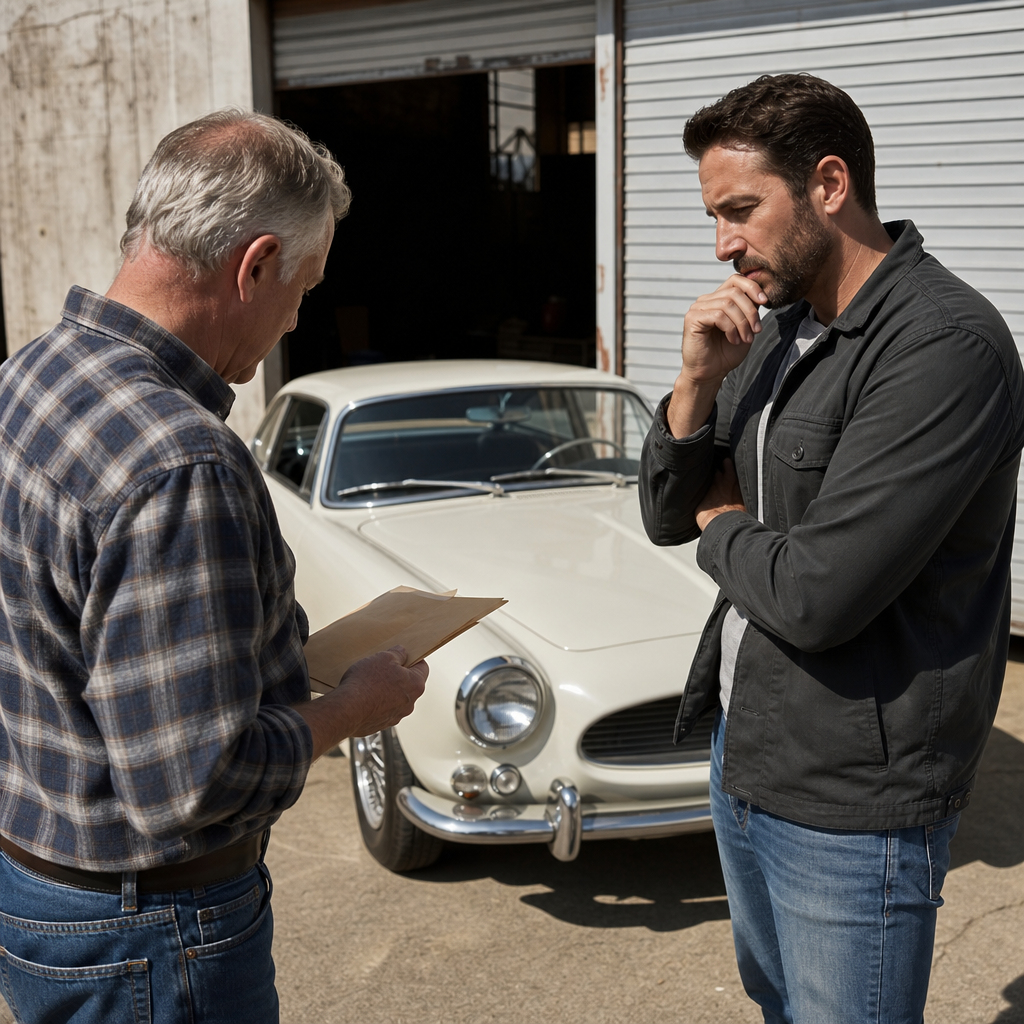
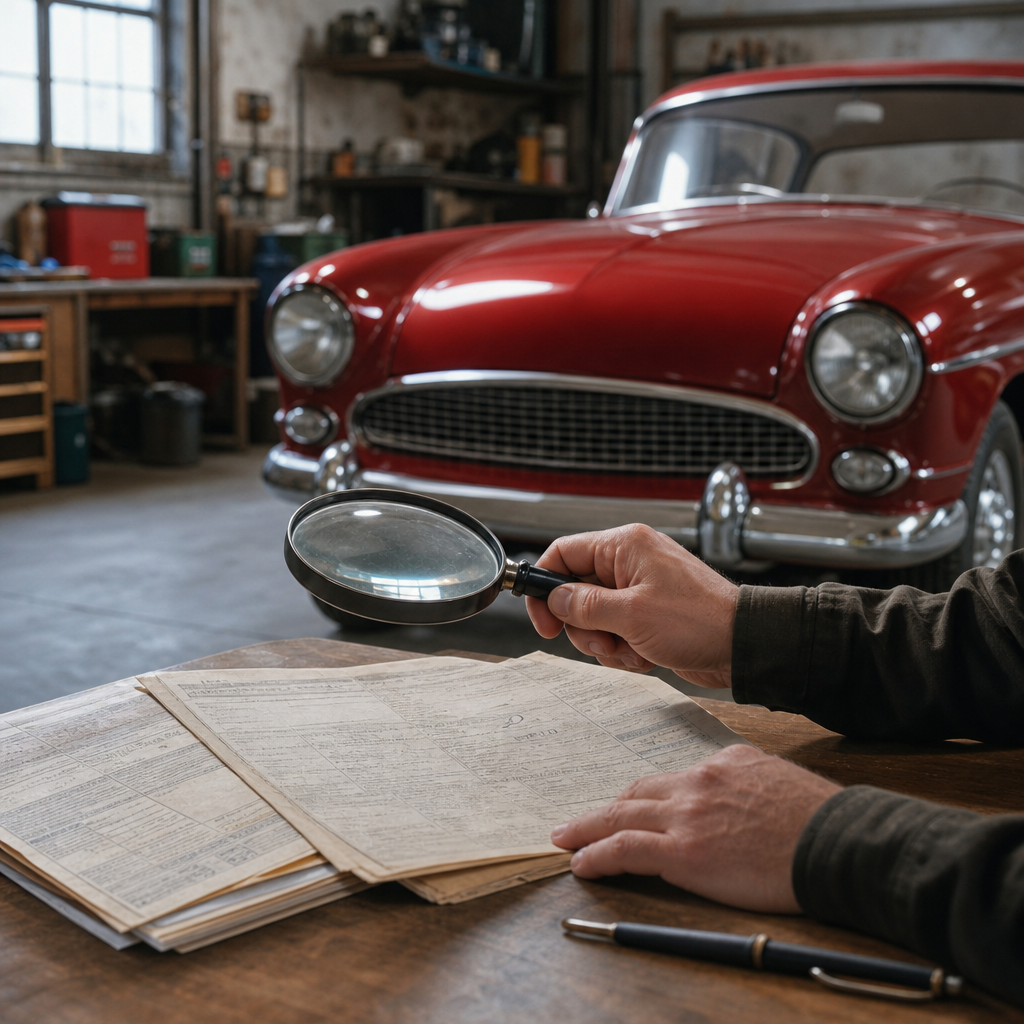
Documentation matters almost as much as sheet metal. Review title status, service records, restoration invoices, photos of metal work, ownership chain, factory build sheets, heritage certificates, and judging sheets from marque clubs when available. I place real monetary value on evidence that explains what was done and by whom. A thick file from a respected restoration shop supports the price. A verbal claim that “everything was rebuilt” does not. If the car crossed state lines, confirm the VIN presentation matches the title and registration exactly. Administrative problems can be more expensive than mechanical ones.
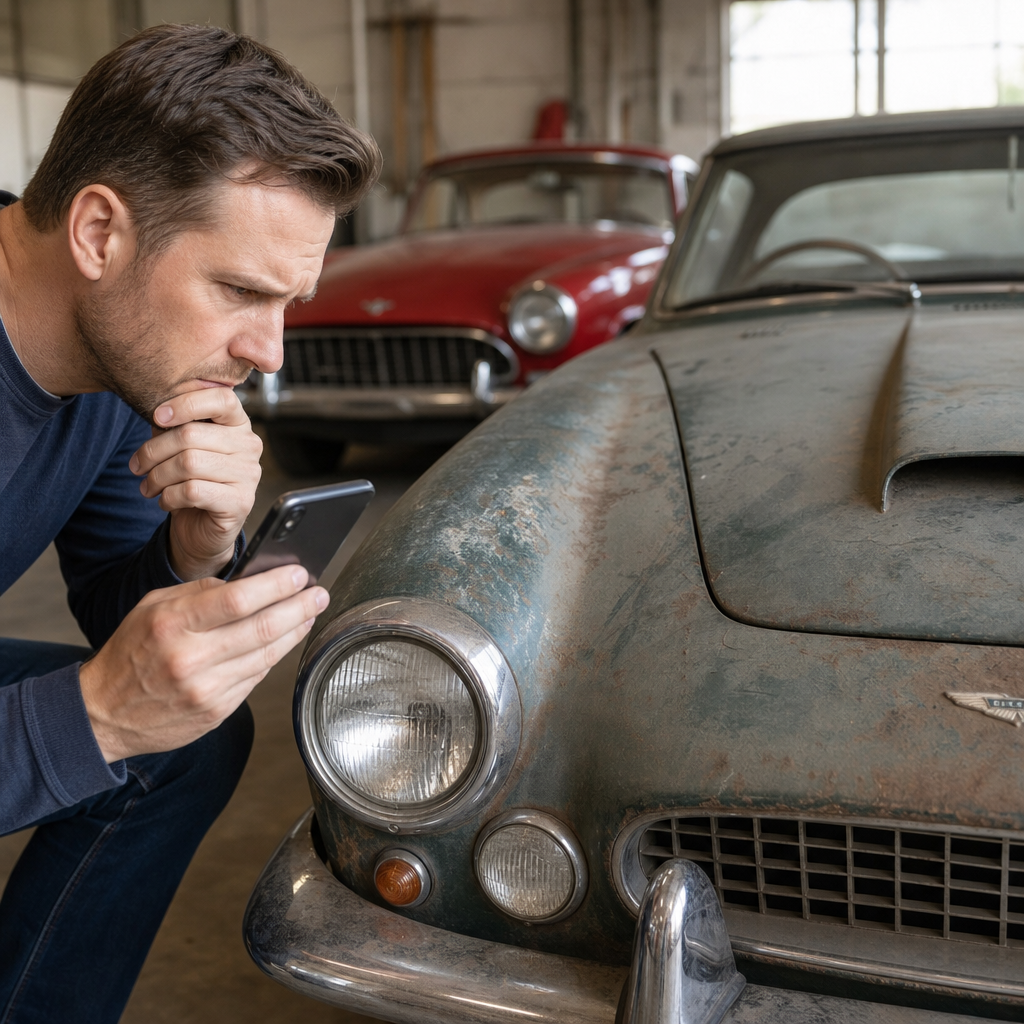
Rust and prior collision repair deserve special attention because poor metal work is costly to reverse. Bring a flashlight, magnet where appropriate, paint meter if you know how to use one, and inspect common rust zones for that specific model. On a classic Mercedes SL, inspect floors, rockers, subframes, and headlight buckets. On a first-generation Camaro, examine cowl, trunk drops, rear frame rails, and quarter seams. On vintage British sports cars, look at sills, outriggers, floors, and battery areas. If corrosion or filler appears in structural zones, do not merely subtract a guess. Get an estimate from a shop experienced with that marque and use that number in the negotiation.
Use inspection findings to create negotiating leverage
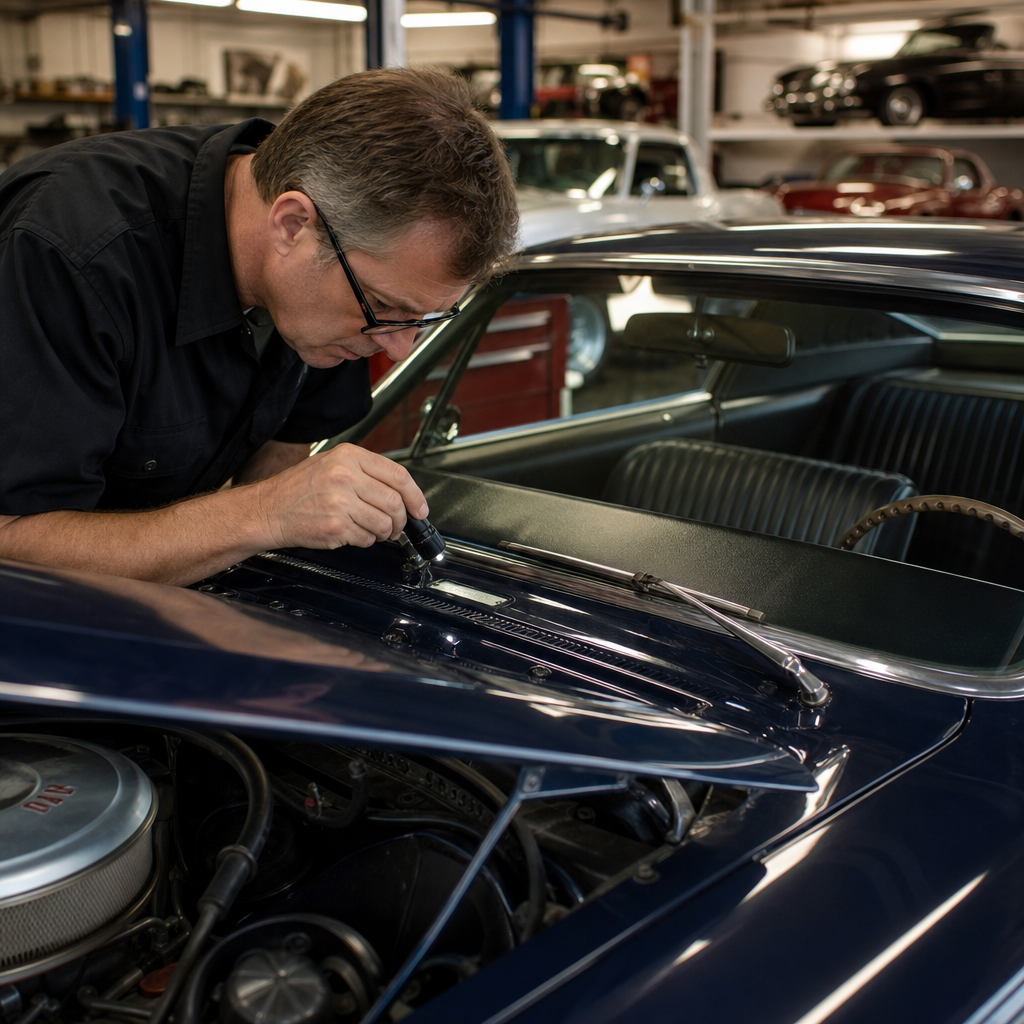
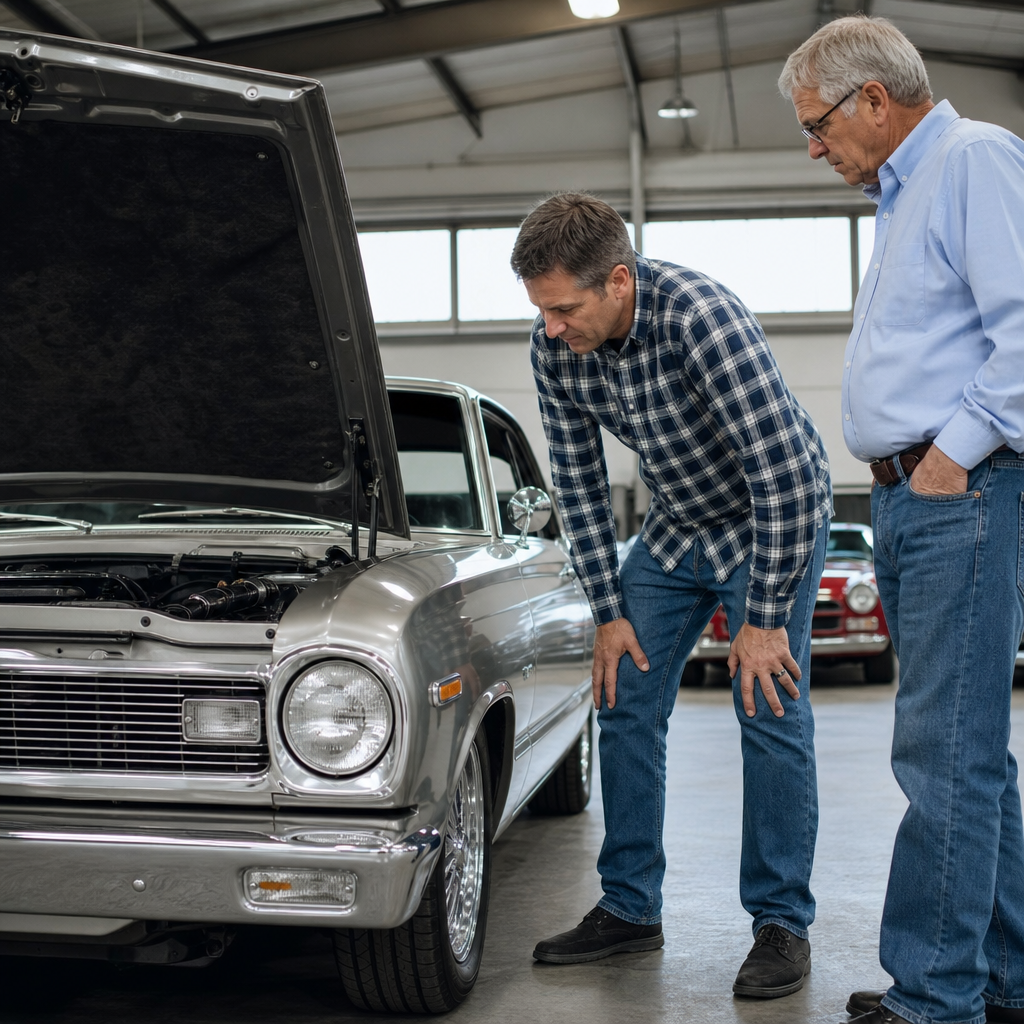
A pre-purchase inspection is one of the strongest tools for avoiding overpaying for a classic car because it converts suspicion into documented facts. For higher-value cars, I almost always arrange an independent specialist inspection, ideally by a shop that knows the exact model. A general mechanic can miss important details like incorrect carburetion on a big-block Mopar, improper suspension geometry on a Jaguar E-Type, or non-original fuel injection components on a 1963 Corvette split-window. The right inspector will assess compression, leak-down, cold start behavior, charging system output, fluid contamination, brake function, steering play, chassis integrity, and authenticity details that affect value.
The negotiation advantage comes from how you use the report. Do not dump a long defect list on the seller and demand a dramatic discount. Separate issues into three categories: safety and drivability, deferred maintenance, and originality or cosmetic corrections. Safety and drivability items justify direct dollar adjustments because they require immediate spending. Deferred maintenance supports a smaller but still real concession, especially if the seller advertised the car as “sorted.” Originality corrections depend on your goals. If you are buying an investment-grade example, a non-original carburetor or replacement block may require a substantial reduction. If you want a weekend driver, those issues may matter less.
| Issue found | Typical buyer response | Negotiation effect |
|---|---|---|
| Low compression in one cylinder | Request specialist estimate for engine work | Major price reduction or walk away |
| Older repaint with filler in quarter panel | Assess structural risk and cosmetic standard | Moderate reduction depending on metal quality |
| Non-matching engine | Compare against sales of similar non-original cars | Value reset, especially on investment-grade models |
| Missing restoration records | Assume unknowns in drivetrain and rust repair | Conservative offer with contingency |
| Worn tires, hoses, bushings, and brakes | Price immediate recommissioning costs | Direct deduction from offer |
Always attach numbers to findings. “It needs some work” is weak. “The inspection identified front suspension bushings, brake hoses, and a leaking rear main seal, and the local marque shop estimated $4,800” is persuasive. You are no longer haggling; you are reallocating cost based on verified condition.
Control emotion and structure the offer
The best negotiation strategies protect you from yourself. Classic cars trigger nostalgia and scarcity anxiety, and sellers know it. If you tell someone you have searched two years for this exact color and drivetrain, you just surrendered leverage. Stay enthusiastic but measured. Ask disciplined questions, keep your timeline flexible, and never negotiate standing beside the car with your heart rate elevated after a test drive. Step away, review notes, and calculate your ceiling. My rule is to set three numbers before making contact: target price, walk-away price, and total-in budget including transport, tax, registration, initial service, and immediate repairs.
Make offers that are specific, evidence-based, and easy to accept. A weak offer is just a low number. A strong offer explains the basis: comparable sales, inspection findings, missing documentation, and current market trend. Then it adds certainty. Sellers value a clean transaction. If your funds are ready, your transport is lined up, and your inspection contingency is clear, you may beat a higher but uncertain bidder. On a private sale, I often use language like this: based on the inspection, the non-original engine, and the last three comparable sales, I can offer $54,000 subject to title verification, with deposit today and pickup within seven days. That is harder to dismiss than “Would you take less?”
Silence is also useful. After making a well-supported offer, stop talking. Buyers frequently negotiate against themselves by filling the pause with concessions. If the seller counters, evaluate whether the difference is real value or pride. Splitting the gap makes sense only when the final figure still fits your pre-set ceiling and the car’s documented condition. If the seller refuses to move from an aspirational number, be willing to leave politely. Many of the best deals happen after a seller has had time to compare your informed offer with weaker interest from less-prepared shoppers.
Adapt your tactics to dealers, private sellers, and auctions
Where you buy affects how you negotiate. Dealers usually know market pricing, understand financing psychology, and may have room hidden in fees, trade assumptions, or inventory aging. Ask how long the car has been in stock, whether recent service was performed, and what documentation is included. A car sitting ninety days often creates leverage, particularly if it is niche or seasonally weak. Negotiate the out-the-door number, not just the sale price, and confirm whether there are dealer documentation charges, commissions, or consignment terms.
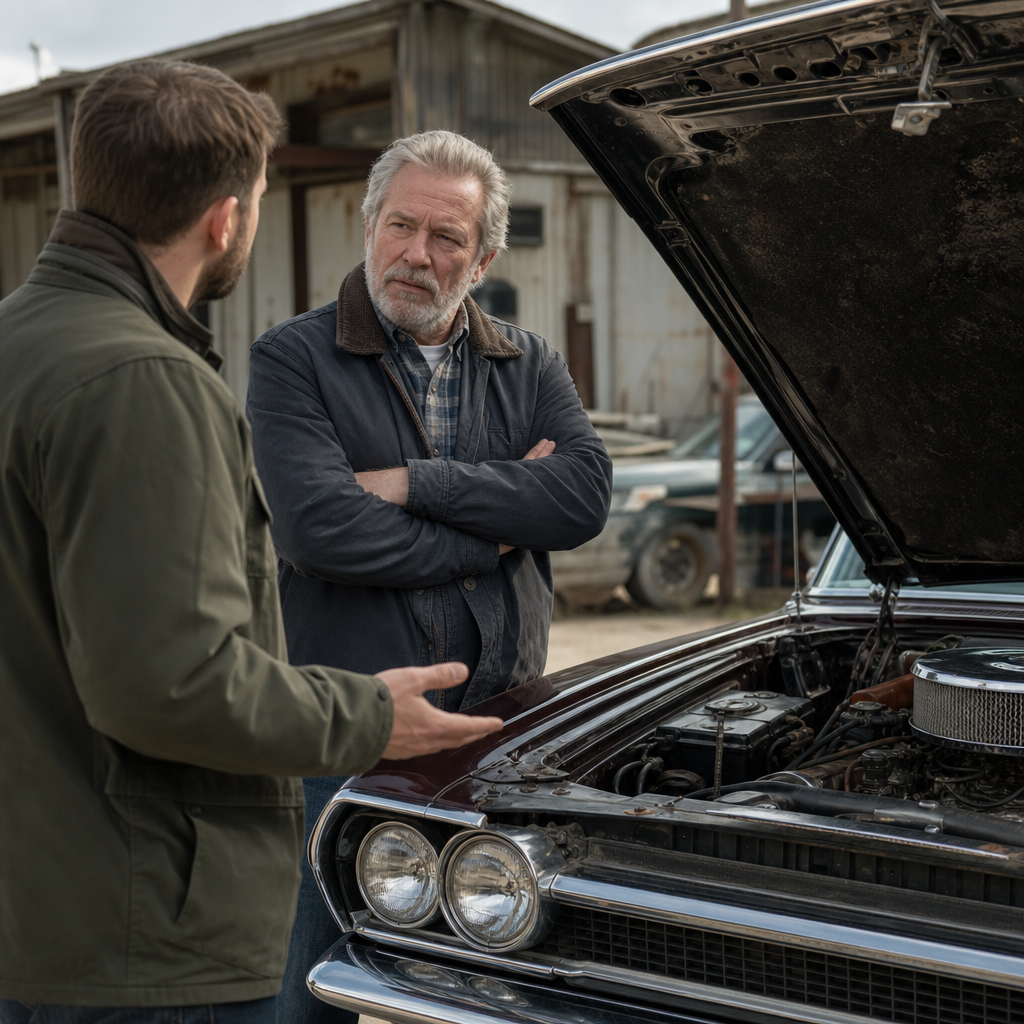
Private sellers vary widely. Some are realistic enthusiasts; others attach sentimental value that the market will never pay. With private parties, rapport matters, but facts matter more. Show that you understand the model, respect the car, and can complete the deal without drama. Many private sellers will prefer a competent buyer at a slightly lower price because they want the car to go to someone who will care for it. That goodwill can also help when you ask for spare parts, manuals, and extra records to be included.
Auctions are the hardest place to avoid overpaying because competition compresses decision time. Buyer’s premiums often add 5 to 12 percent, transport starts immediately, and many sales are effectively as-is. Set a maximum all-in number before bidding and write it down. Then deduct premium, tax, and expected recommissioning to determine your actual bid cap. If your cap is $80,000 all-in and the premium is 10 percent, your hammer limit is not $80,000. It is materially lower. At live auctions, stand where you can see the auctioneer and stay detached from crowd momentum. Online, place bids only after reviewing underside photos, cold-start videos, service documentation, and comment history. If key questions go unanswered, the safest negotiation strategy is not to bid.
Close carefully so the “deal” stays a deal
The final stage is where buyers sometimes give back the savings they fought to preserve. Confirm identity of seller, title status, VIN, payoff details if there is a lien, included parts, and written terms before funds move. Use a bill of sale that lists year, make, model, VIN, price, date, odometer reading if required, and any representations about included components or documentation. For expensive transactions, escrow services or attorney-managed closings reduce risk. Wire funds only after confirming instructions verbally with a known contact, because collector-car fraud often targets last-minute payment changes.
Transport and immediate maintenance also belong in the negotiation mindset. If the car is not road-ready, enclosed transport may be the prudent choice for high-value examples. Once it arrives, change fluids, inspect brakes, verify tire age, and address fuel-system safety before regular driving. Those first-week costs are part of what determines whether you overpaid. A disciplined buyer measures the purchase as total acquisition cost, not hammer price or handshake number alone.
The core lesson is straightforward: avoid overpaying for a classic car by replacing emotion with process. Research the market independently, verify the car’s story, use inspections to quantify defects, present an evidence-based offer, adapt tactics to the selling venue, and close with documentation that protects you. This approach does more than save money. It helps you buy the right car for your goals, whether that means concours originality, weekend touring, or long-term appreciation. As you continue through this negotiation subtopic, apply this framework to every related step, and make your next offer only after the facts support it.
Frequently Asked Questions
How can I tell if a classic car is priced above its true market value?
The most reliable way to spot an overpriced classic car is to separate the seller’s narrative from verifiable market evidence. A seller may emphasize sentimental history, recent cosmetic work, or a claimed level of rarity, but true market value is based on what comparable vehicles have actually sold for, not what someone hopes to get. Start by reviewing recent sales of the same make, model, year, engine configuration, body style, and restoration level. Auction archives, marque-specific forums, dealer listings, and collector car price guides can help establish a realistic range. Pay close attention to whether those comps were concours-quality, driver-quality, partially restored, or unrestored originals, because condition has a major effect on value.
You also need to evaluate originality, documentation, and correctness. Numbers-matching drivetrains, factory colors, original trim, and verified build information often support stronger values, while replacement engines, incorrect interiors, poor restoration work, or undocumented claims can weaken them. A car can look expensive in photos yet still fall short when judged against authentic examples. In many cases, overpaying happens because a buyer focuses on asking price relative to visible condition rather than on defensible value after considering flaws, missing records, and future repair needs.
Finally, factor in the total cost to bring the car to the level the price implies. If the seller is asking top-tier money for a car that still needs paint correction, chrome work, interior sorting, suspension refreshes, or mechanical recommissioning, then it is not truly a top-tier car. Market value is what the vehicle is worth in its current state, not what it might become after you spend another substantial amount. The best protection against overpaying is disciplined comparison shopping backed by evidence, not excitement.
What information should I research before negotiating on a vintage vehicle?
Before you negotiate, you should know far more than the seller expects. First, research the specific market for that exact car, not just the general brand or era. Values can vary significantly between coupe and convertible versions, small-block and big-block cars, manual and automatic transmissions, early and late production examples, and factory-optioned versus standard builds. Learn what buyers currently pay for excellent examples, good driver-quality examples, and project cars. This gives you a framework for identifying where the seller’s car truly belongs.
Second, study the model’s known problem areas. Many classic cars have predictable trouble spots, such as hidden rust, weak transmissions, overheating issues, hard-to-source trim, electrical gremlins, or poor prior restoration practices. If you know these vulnerabilities in advance, you can inspect with purpose and use any findings as legitimate negotiation points. Research parts availability and restoration costs as well. A car that appears reasonably priced can quickly become expensive if one missing trim piece costs thousands to replace or if bodywork requires specialty labor.
Third, verify the importance of provenance and documentation for that model. Some collector cars command strong premiums for original window stickers, service records, ownership history, restoration receipts, factory build sheets, and matching identification numbers. Others are more sensitive to originality than documentation. Understanding what the market rewards allows you to judge whether a claimed premium is justified. A seller may ask extra because the car is “rare,” but if that rarity is unverified, or if the car lacks the documentation collectors expect, the premium may not hold up.
Good negotiation starts long before the first offer. When you arrive already knowing the current market range, common defects, cost of correction, and what documentation actually matters, you are much less likely to overbid based on presentation or pressure. Knowledge gives you leverage, but more importantly, it keeps you anchored to reality.
Why is emotion such a big reason buyers overpay for classic cars?
Emotion plays an outsized role in classic car purchases because these vehicles are rarely bought for pure transportation. People buy them because they trigger memories, symbolize achievement, reconnect them with family history, or fulfill a long-standing dream. That emotional pull can distort judgment quickly. A buyer who has searched for a particular car for years may ignore missing paperwork, understate repair costs, or convince themselves that a weak restoration is “good enough” simply because the car feels special in the moment. Sellers understand this dynamic, and many presentations are designed to intensify it through nostalgia, urgency, and storytelling.
The danger is that emotion can make ordinary flaws seem temporary and inflated prices seem reasonable. Buyers often start rationalizing instead of analyzing. They may say, “I may never find another one like this,” even when similar examples exist, or “I can sort the issues later,” without realizing how expensive later can become. This is especially risky in the collector market, where beauty and rarity can distract from fundamentals like structural condition, originality, title status, and authenticity. Once the emotional decision is made, the financial justification usually follows, whether or not it is sound.
The best way to control emotion is to build a process and follow it every time. Set a firm budget before you shop. Define what matters most: originality, drivability, investment quality, or restoration potential. Bring a checklist and use it. Compare at least several other cars before committing. If possible, have a knowledgeable third party inspect the car and discuss it with you afterward, away from the seller’s influence. Walking away is one of the strongest buyer protections in the classic market. Excitement is part of the fun, but if it starts replacing due diligence, it becomes expensive very quickly.
Should I always get a pre-purchase inspection before buying a classic car?
In most cases, yes. A pre-purchase inspection is one of the smartest ways to avoid overpaying because it tests whether the car’s presentation matches its actual condition. Classic cars can hide costly problems beneath fresh paint, detailed engine bays, and attractive interiors. Rust can be concealed with filler, mechanical issues can be temporarily masked, and non-original components can be passed off as correct unless an experienced eye reviews them carefully. An independent inspection helps reveal what the seller may not know, may not mention, or may prefer you overlook.
A proper inspection should go beyond a quick walkaround. It should include structural evaluation, rust-prone areas, drivetrain condition, suspension and brake components, signs of accident repair, fluid leaks, electrical function, and evidence of restoration quality. For collector-grade cars, the inspector should also assess authenticity, casting numbers, VIN tags, stampings, and whether major components appear consistent with the car’s claimed build. Documentation should be reviewed alongside the vehicle whenever possible, because paperwork can either support value or expose inconsistencies.
Just as importantly, an inspection gives you negotiation leverage. If the report identifies worn bushings, weak compression, incorrect trim, old tires, poor bodywork, or undocumented modifications, you can adjust your offer based on real facts rather than intuition. Sometimes the inspection shows that the car is worth the asking price. Other times it confirms that the vehicle needs enough work to justify a significantly lower offer—or to justify walking away entirely. Either outcome is valuable. The small upfront cost of an inspection is often insignificant compared with the amount it can save you by preventing an inflated purchase.
What are the best negotiation strategies to avoid paying too much for a collector car?
The most effective negotiation strategy is to make your offer evidence-based, calm, and specific. Do not begin by arguing over the seller’s feelings about the car. Instead, discuss facts: recent comparable sales, the vehicle’s actual condition, missing documentation, non-original components, deferred maintenance, and any inspection findings. When you explain exactly why your number is what it is, your offer becomes much harder to dismiss as random lowballing. Sellers may not agree immediately, but they usually respond better when they can see your logic.
It also helps to negotiate from the total cost of ownership, not just the purchase price. If the car needs rust repair, tires, suspension work, carburetor tuning, weatherstripping, interior correction, or paint rectification, those costs reduce what you should be willing to pay today. In other words, you are not buying a finished car if you still need to spend substantially after the sale. Be polite but direct about this. A useful phrase is that you are buying the car as it sits, not as it could be after time and money are invested.
Timing matters as well. Sellers are often more flexible after a car has sat unsold for a while, near the end of an auction cycle, during off-peak seasons, or when they are managing multiple vehicles and want to free up space or capital. Ask good questions and listen carefully. Motivation often reveals itself indirectly. If the seller mentions another purchase, a move, storage constraints, or a need for quick payment, you may have room to negotiate without forcing the conversation.
Most importantly, set a maximum number before talks begin and stick to it. If the seller refuses to move and the price exceeds your research-backed limit, walk away. That is not losing the deal; that is avoiding overpayment. There will almost always be another car, and buying with discipline puts you in a much stronger position than buying under pressure. In the classic car market, the best negotiations are usually won before emotion takes over.