
Parts availability shapes the true economics of classic car ownership more than almost any other factor. A purchase price may look manageable, but the long-term cost of ownership depends on whether routine service items, trim pieces, mechanical assemblies, and model-specific hardware can be sourced quickly, affordably, and with predictable quality. In practical terms, parts availability means the depth, reliability, and accessibility of the supply chain supporting a vehicle after it leaves the showroom by decades. For owners of classic cars, that supply chain includes new old stock, licensed reproductions, used salvage parts, remanufactured components, and specialist fabrication.
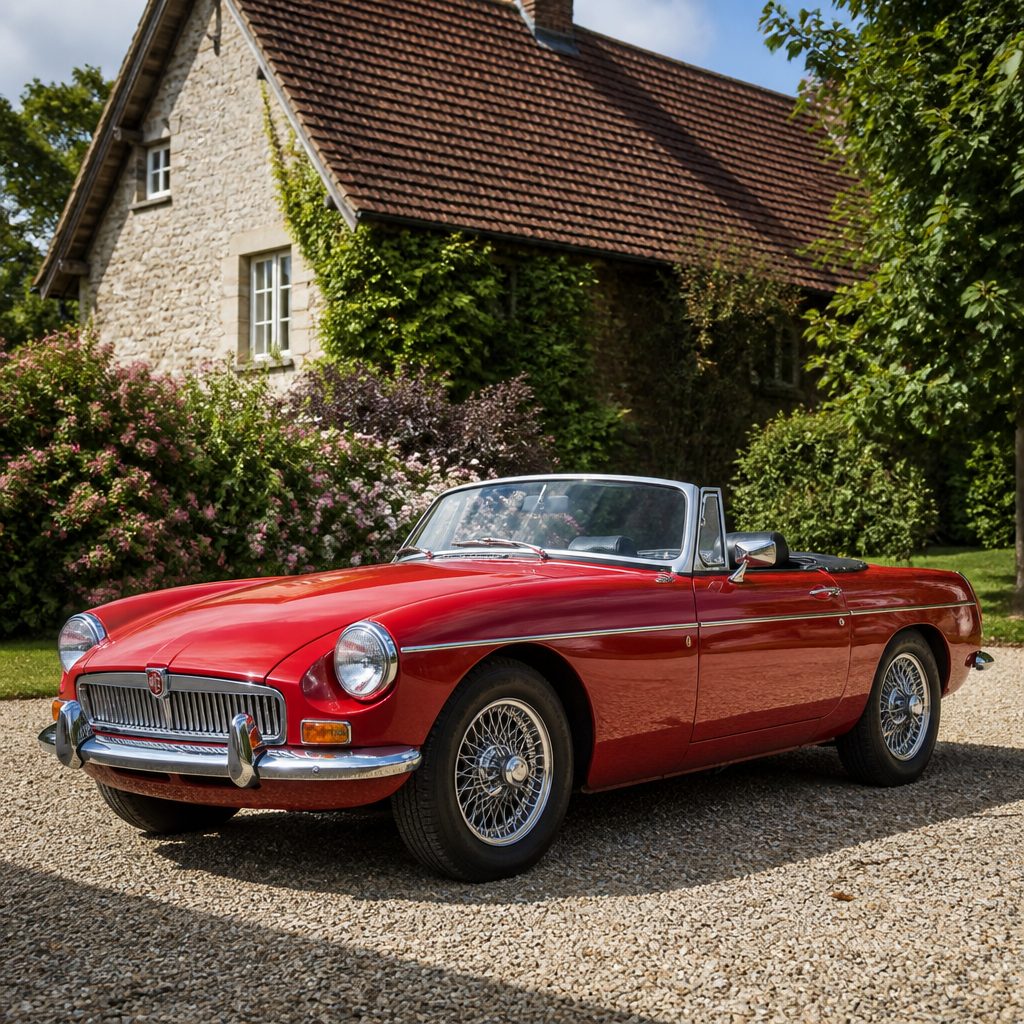
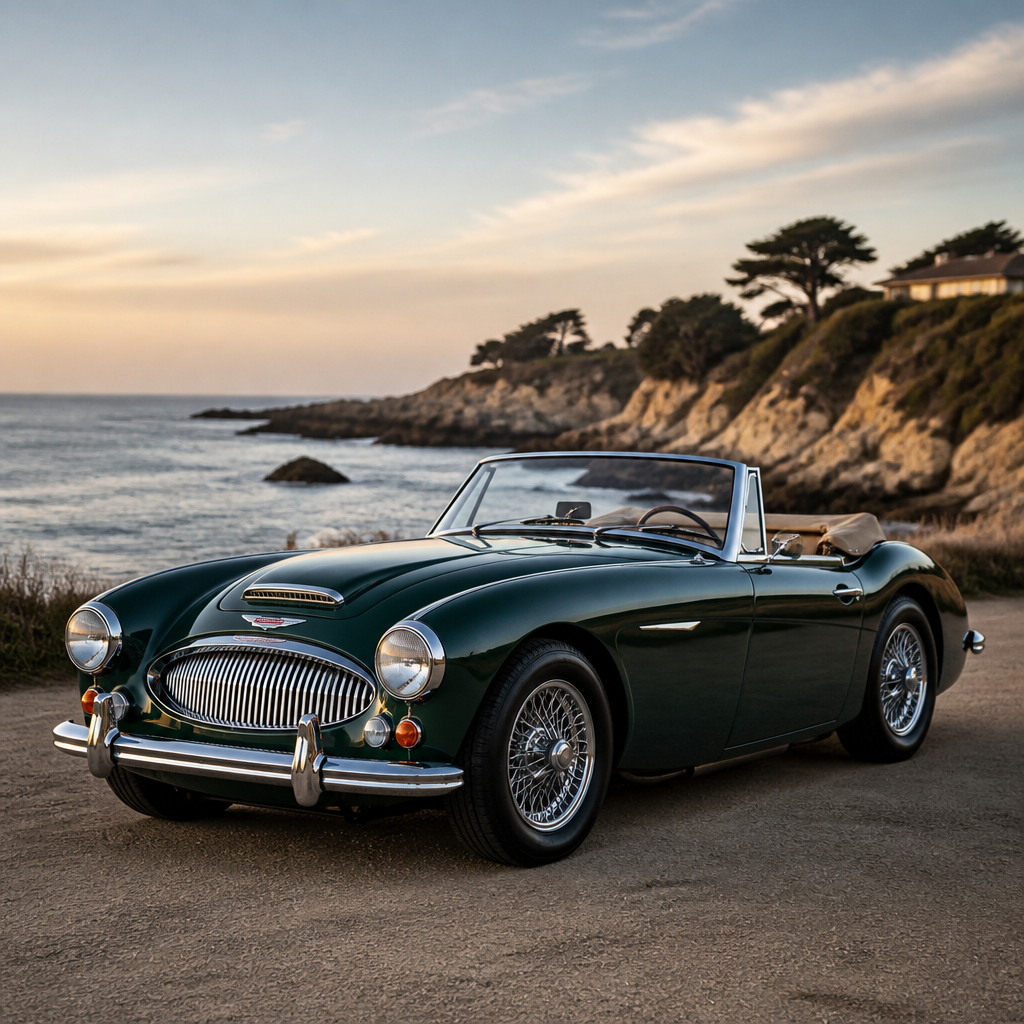
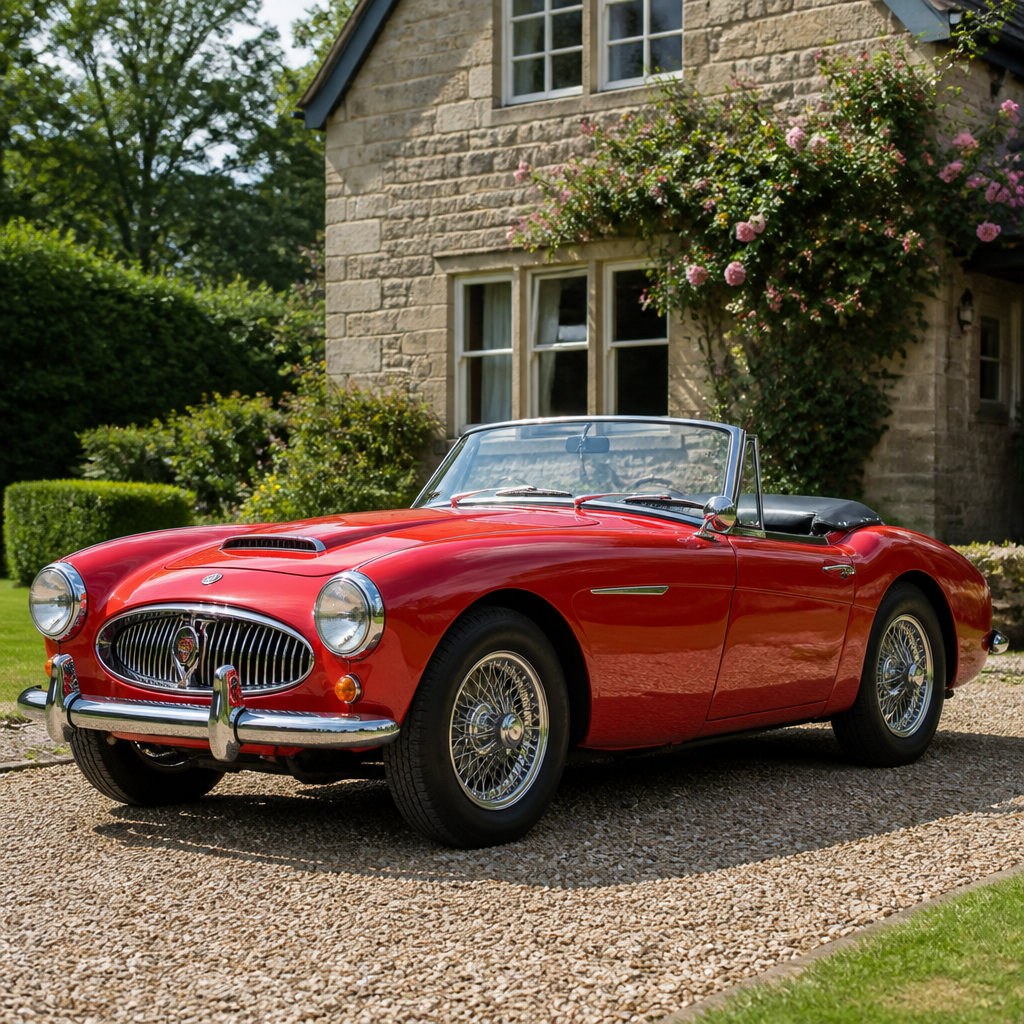
I have seen two visually similar cars produce radically different ownership costs simply because one had a mature parts ecosystem and the other depended on scarce donor vehicles and specialist machinists. That difference affects not only repair invoices, but storage costs, downtime, insurance decisions, project timelines, and even resale value. A classic that can be kept on the road with catalog-ordered brake components and readily available weather seals is fundamentally cheaper to own than a car that sits for months waiting for a window regulator or fuel injection sensor.
Understanding costs of ownership requires looking beyond the headline price of individual parts. Availability changes labor efficiency, shipping urgency, substitution choices, and the risk of cascading repairs. When a failed water pump is stocked by multiple suppliers, the repair is usually straightforward. When it is unavailable, the owner may pay for custom rebuilding, expedited shipping from another country, additional labor to modify adjacent components, or repeated disassembly if the first workaround fails. In that sense, availability is not a separate issue from cost; it is one of the main mechanisms that creates cost.
For a classic car ownership hub page, this topic matters because it connects every major expense category. Maintenance budgets, restoration planning, operating reliability, and emergency repair strategy all depend on what parts exist, who makes them, and how fast they can be obtained. Owners who understand this relationship make better buying decisions, build more realistic reserves, and avoid false economies that turn an inexpensive classic into an expensive long-term obligation.
Why parts availability changes the total cost of ownership
Parts availability affects costs in direct and indirect ways. The direct effect is obvious: scarce parts are usually more expensive. The indirect effects are often larger. A hard-to-find clutch master cylinder can increase labor because the car occupies a lift longer, a technician spends time cross-referencing alternatives, and multiple partial reassemblies may be needed. If the car is disabled, the owner may also pay towing, secure storage, and premium shipping. For some classics, one unavailable component can immobilize an otherwise healthy car.
Availability also influences preventive maintenance strategy. Owners of well-supported classics can replace wear items on schedule because filters, bushings, hoses, ignition components, and seals are easy to source. Owners of poorly supported models often defer work until enough parts can be gathered, which increases the chance of secondary damage. A leaking axle seal can become contaminated brakes; a neglected cooling hose can become an overheated engine. The original missing part may have been cheap, but the consequences rarely are.
Model popularity is a major determinant. First-generation Ford Mustangs, air-cooled Volkswagen Beetles, and Chevrolet Tri-Five models have broad aftermarket support, meaning competition among suppliers helps control prices and improves access. Low-volume luxury coupes, orphan brands, and short-run imported variants often rely on specialist networks with thin inventory. In my experience, the owner of a common classic usually buys from catalogs, while the owner of an obscure one buys from relationships.
Which parts categories drive expenses most
Not all unavailable parts create equal financial pressure. Consumables such as oil filters, spark plugs, and belts matter, but their scarcity is often solvable through cross-reference. The expensive categories are model-specific components: trim, glass, interior hardware, body panels, electronic control units on later classics, emissions equipment, and unique engine or transmission castings. These parts cannot be replaced with universal alternatives without compromising fit, originality, or function.
Body and trim parts are especially important in classic car ownership because cosmetic restoration can quickly outpace mechanical costs. A replacement fender for a popular American classic may be reproduced at scale. A grille surround or taillight housing for a limited-production European coupe may only appear occasionally on specialist forums or at autojumble events. When that happens, buyers are often paying not for material value, but for rarity, condition, and timing.
Mechanical parts create a different cost profile. Rebuild kits, bearings, gaskets, hydraulic cylinders, and brake components may be obtainable, but the price rises when original cores are damaged or when machining is required. Engine internals for common small-block V8s remain relatively affordable because decades of racing and restoration demand built a robust aftermarket. By contrast, overhead cam valvetrain parts for niche engines can turn a routine rebuild into a sourcing exercise that dominates the invoice.
| Parts category | Availability pattern | Typical cost effect | Ownership implication |
|---|---|---|---|
| Service consumables | Usually broad supply or cross-reference options | Low to moderate | Predictable maintenance budgeting |
| Mechanical rebuild parts | Good for popular drivetrains, uneven for niche engines | Moderate to high | Engine and gearbox work can vary sharply by model |
| Body panels and trim | Excellent for high-volume classics, poor for obscure models | High | Cosmetic restoration costs become volatile |
| Electrical and electronic components | Mixed; rebuilders often fill gaps | Moderate to high | Downtime increases when diagnosis and sourcing overlap |
| Glass, seals, and weatherstrips | Dependent on reproduction support | Moderate to high | Delays can stall complete restorations |
How scarcity raises labor, downtime, and hidden costs
When owners think about parts costs, they often picture the price printed on an invoice. The more expensive reality is downtime. If a car stays at a restoration shop for weeks waiting on parts, labor is not the only concern. Shop storage, project disruption, and scheduling inefficiency all have value. Some shops charge storage directly; others price the friction into future labor. Either way, the owner pays.
Scarcity also increases diagnostic risk. A technician may identify a failed part, source the best available substitute, and only then discover that a connector, bracket, or calibration difference prevents proper operation. This is common with carburetor variants, distributor components, hydraulic brake fittings, and later analog-to-digital transition electronics from the 1980s and 1990s. Each mismatch adds labor hours that would not exist if correct parts were readily stocked.
Shipping behavior changes too. Owners faced with an immobile car make expensive decisions: overnight freight, overseas imports, customs fees, and purchasing duplicates as insurance. I have watched owners buy a second used component simply because testing the first one would consume another month. Scarcity compresses decision-making and rewards overbuying, which inflates the real cost of ownership well beyond retail part values.
There is also an opportunity cost. If a classic is intended for touring, events, or seasonal use, a delayed repair can erase the value of insurance, storage, registration, and club memberships already paid for the year. In practical ownership terms, a car that misses the driving season is more expensive than a car that can be repaired in a weekend, even if the final repair invoices look similar.
Original, reproduction, used, and remanufactured parts compared
Classic owners rarely have one sourcing path. Most repairs involve choosing between original parts, reproduction parts, used parts, or remanufactured units. Each option carries a distinct cost profile. Original new old stock parts may offer ideal fit and period correctness, but they often command premium prices and may have shelf-aging issues such as hardened rubber or degraded packaging seals. Paying more does not always mean getting a better functional result.
Reproduction parts can lower costs when demand is high enough to support modern manufacturing. Companies serving Mustang, Camaro, Mini, Land Rover, Porsche 911, and MGB markets have made ownership meaningfully cheaper by reproducing body panels, interiors, rubber seals, and hardware. Quality varies, though. Tooling accuracy, metallurgy, plating standards, and dimensional tolerances are not consistent across vendors. A cheap reproduction that requires extensive fitting can erase any savings through added labor.
Used parts remain essential for trim, date-coded items, rare castings, and discontinued assemblies. Their risk is condition uncertainty. Corrosion, prior repairs, hidden cracks, and worn pivots can turn a “good used” bargain into a restoration project. Remanufactured parts sit between old and new. Rebuilders of starters, alternators, steering boxes, brake boosters, and carburetors often provide the best balance of availability and function, especially when they follow established processes such as bushing replacement, armature testing, machining tolerances, and bench calibration.
The smart approach is not ideological originality; it is matching part type to usage. Safety-critical systems demand proven quality. Show-level trim may justify original pieces. Driver-grade projects often benefit from a mixed strategy that controls cost without compromising reliability.
How to evaluate a classic car before buying
The cheapest time to study parts availability is before purchase. A serious buyer should build a basic parts map for any candidate vehicle: brake hydraulics, cooling system, ignition, fuel delivery, weather seals, glass, trim, and body repair sections. Search specialist suppliers, owners’ forums, marque clubs, auction listings, and salvage sources. If multiple vendors carry common service items and at least one reputable specialist supports major systems, ownership risk drops considerably.
Cross-platform sharing matters. Many classics used components from larger corporate parts bins. A low-volume coupe that shares brakes, switches, and drivetrain parts with mainstream sedans is often cheaper to maintain than its rarity suggests. Conversely, a car with one-year-only trim, engine management, or body hardware can become expensive despite an initially attractive purchase price. Factory parts books, workshop manuals, and online interchange databases are invaluable here.
I advise buyers to price a hypothetical first year of ownership before making an offer. Include tires, fluids, hoses, battery, ignition tune-up items, brake service, suspension bushings, and at least one unexpected failure. Then test the market for a model-specific part such as a windshield seal or taillight lens. That exercise reveals whether the car is supported by an ecosystem or by luck. It also helps distinguish a usable classic from a financially draining curiosity.
Strategies that reduce costs over time
Owners can lower costs of ownership by treating parts sourcing as a maintenance discipline rather than an emergency response. The first strategy is to buy ahead. If a known weak component becomes available from a reputable supplier, purchasing it before failure often saves money and downtime. This is common with water pumps, ignition modules, clutch hydraulics, and rubber seals for aging classics.
The second strategy is documentation. Keep supplier records, part numbers, interchange notes, and photos of installed components. Over several years, this creates a personal database that speeds future repairs and improves resale confidence. The third strategy is network building. Marque clubs, specialist Facebook groups, forum archives, and independent restorers frequently know which reproductions fit correctly, which remanufacturers stand behind their work, and which used-part vendors grade honestly.
Finally, define the car’s purpose. A concours restoration, occasional weekend driver, and long-distance tourer require different sourcing standards. If the goal is reliable use, prioritize parts-supported models and proven upgrades where reversible. If the goal is originality, budget more for sourcing time, duplicate purchases, and specialist labor. Clear intent prevents waste and aligns spending with the type of ownership experience you actually want.
Parts availability is the hidden lever behind classic car ownership costs. It determines whether maintenance stays routine or becomes disruptive, whether restoration budgets remain controlled or spiral, and whether a car delivers usable enjoyment or extended downtime. Owners who assess supply chains early, understand the difference between scarcity and value, and build relationships with credible suppliers consistently spend less over time. Before buying your next classic, research the parts ecosystem as carefully as the vehicle itself, then let that evidence guide your budget and expectations.
Frequently Asked Questions
Why does parts availability have such a big impact on the total cost of owning a classic car?
Parts availability affects far more than the price of an occasional repair. It influences how often a car sits unused, how much labor a shop charges, whether maintenance can be planned instead of rushed, and how realistic it is to keep the vehicle in reliable driving condition over time. A classic car with strong parts support usually benefits from competition among suppliers, better price stability, faster shipping, and a larger base of mechanics who already know which components fit and which brands are dependable. That lowers both direct costs and indirect costs.
By contrast, a car with weak parts support often becomes expensive in ways buyers do not anticipate. A relatively inexpensive gasket, switch, bracket, or trim clip can turn into a costly problem if it is rare, discontinued, or only available through specialist breakers or custom fabrication. When a needed part takes weeks or months to locate, the car may occupy shop space longer, and labor costs can rise because technicians spend extra time adapting substitutes, sourcing alternatives, or disassembling surrounding components multiple times. In that sense, parts availability shapes the entire ownership experience, not just the invoice for the part itself.
Which types of parts tend to drive costs up the most when availability is limited?
The biggest cost increases usually come from model-specific parts rather than universal service items. Consumables such as filters, belts, spark plugs, hoses, and fluids are often manageable because equivalent replacements may exist across multiple vehicles or aftermarket catalogs. The real financial pressure tends to come from pieces that are unique to a specific make, model, year, engine configuration, or trim level. That includes body panels, chrome trim, interior components, specialty glass, dashboard switches, wiring connectors, fuel injection components, transmission internals, suspension hardware, and emission or cooling system parts that were produced in limited numbers.
Mechanical assemblies can be especially expensive when availability is thin. A complete steering box, differential component, carburetor casting, brake booster, or climate control module may require rebuilding rather than simple replacement, and rebuild quality can vary widely. Cosmetic parts can also create major cost overruns because they are often harder to improvise. A missing door handle might be solvable, but a one-year-only grille, instrument surround, seat fabric pattern, or taillight lens can command premium prices simply because no practical substitute exists. In restoration and long-term ownership alike, scarcity in these categories tends to multiply labor, waiting time, and sourcing risk.
How can buyers evaluate parts availability before purchasing a classic car?
The best approach is to research the supply chain before falling in love with the car. Start with the basics: check whether major service items are readily stocked by mainstream parts houses, specialist vendors, and restoration suppliers. Then go deeper by looking for availability of common failure points specific to that vehicle, such as ignition modules, cooling components, suspension bushings, brake hydraulics, weather seals, engine gaskets, and transmission parts. If multiple reputable vendors carry those items consistently, that is a strong sign of healthy support.
It is also wise to investigate the harder categories that often surprise first-time owners. Look for interior trim, exterior brightwork, badges, glass, model-specific rubber seals, wiring pigtails, and hardware kits. Browse enthusiast forums, owner groups, salvage networks, and supplier catalogs to see what experienced owners complain about repeatedly. If the same parts are described as “unobtainable,” “used only,” or “must be fabricated,” budget risk is higher than the initial purchase price may suggest. Speaking with restoration shops and marque specialists can provide valuable real-world insight, because they know which vehicles are straightforward to keep on the road and which ones become expensive treasure hunts every time something breaks.
Does poor parts availability only affect restoration projects, or does it also change routine maintenance costs?
It absolutely affects routine maintenance, not just full restorations. Even when a car is mechanically sound, ordinary service becomes more expensive if basic replacement parts are inconsistent in quality, backordered, or difficult to identify correctly. A routine brake job, tune-up, cooling system refresh, or clutch service can escalate quickly when a shop has to cross-reference numbers, return incorrect components, wait for overseas shipments, or modify parts intended for a similar but not identical application. Those delays translate into higher labor charges and more downtime, even though the underlying maintenance task is common.
Poor availability also changes how owners approach preventive care. When dependable parts are easy to find, maintenance can be done on schedule and with confidence. When support is weak, owners may postpone work, overpay for whatever becomes available, or buy spares preemptively just to avoid future shortages. That ties up money and can still produce mixed results if replacement quality is inconsistent. Over time, the inability to service a car predictably can turn an otherwise affordable classic into one with erratic and often frustrating ownership costs.
Can strong parts availability actually improve a classic car’s value and long-term affordability?
Yes, very often it can. A classic car with broad, reliable parts support is generally easier to maintain, easier to restore correctly, and easier to sell. Buyers place real value on confidence. If they know routine service items, reproduction trim, rebuilt mechanical assemblies, and specialist expertise are all available without excessive delay, they are more likely to view the car as usable rather than risky. That tends to support stronger resale values and a wider buyer pool, especially for enthusiasts who want to drive their cars regularly instead of storing them indefinitely.
Strong availability also improves long-term affordability by making costs more predictable. Owners can compare vendors, choose between OEM-style and aftermarket options, and plan repairs around realistic timelines rather than emergency scarcity. Shops are more willing to work on cars when parts sources are established, and that can keep labor rates more reasonable because technicians are not spending unbillable hours searching for obscure components. In practical ownership terms, a classic with excellent parts support often costs less to enjoy over a decade than a cheaper car with weak support. That is why parts availability is not a minor detail; it is one of the clearest indicators of whether a classic car will remain financially manageable over time.