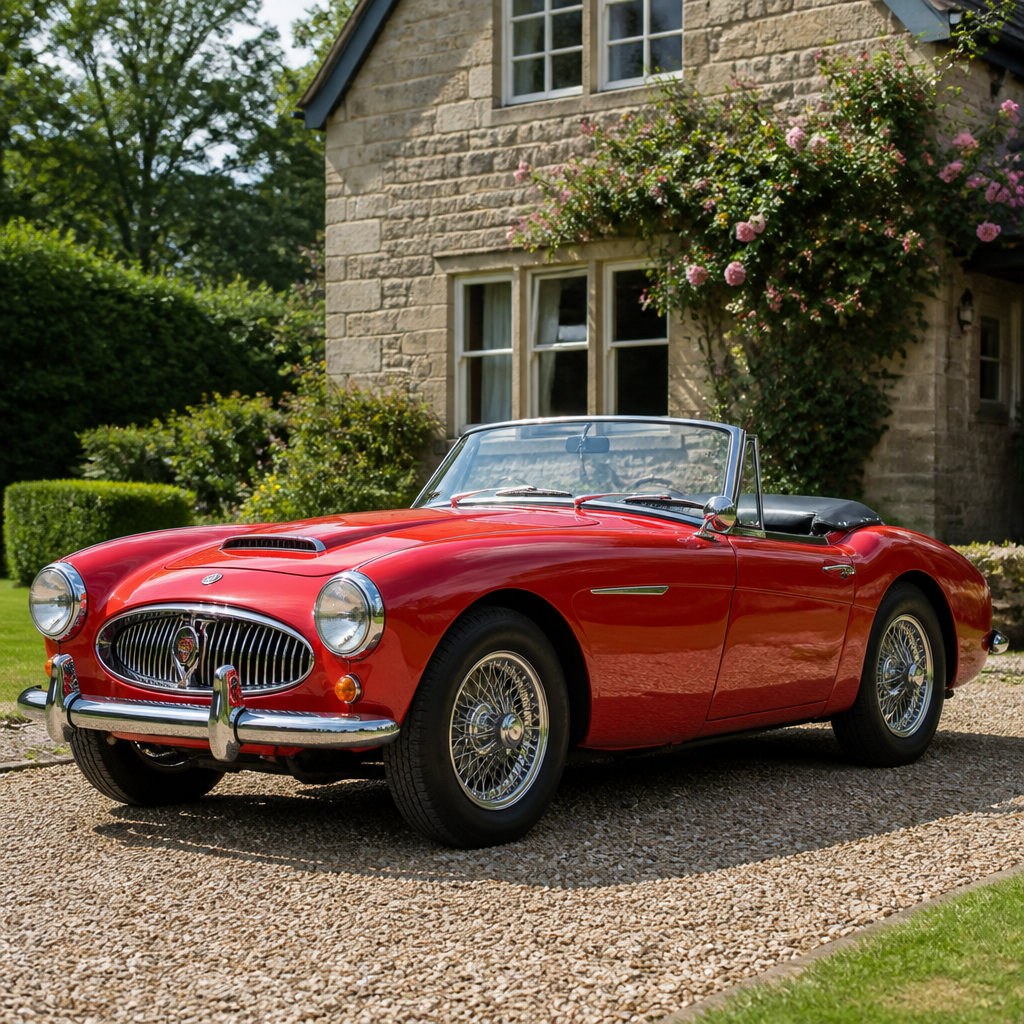
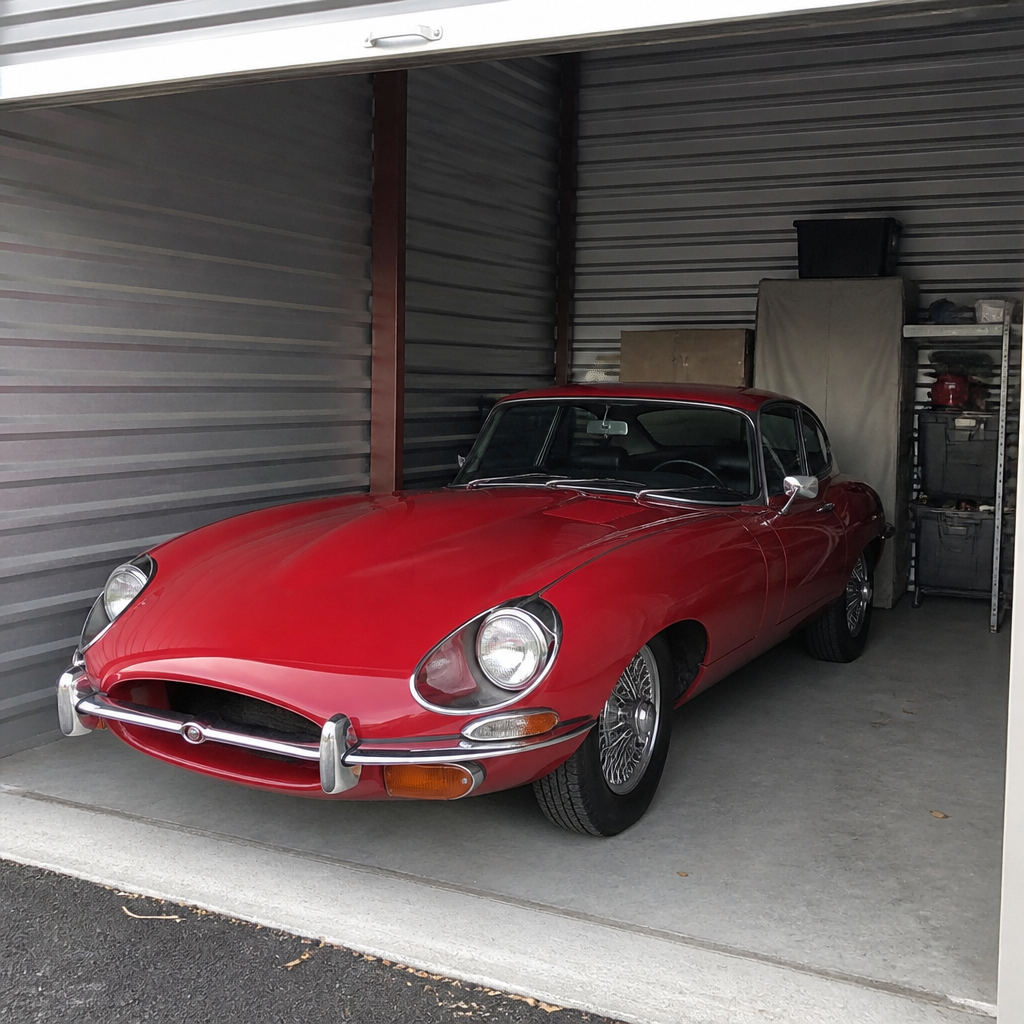
The cost of storing a classic car is one of the most underestimated parts of classic car ownership, yet it directly affects condition, value, insurance compliance, and long term enjoyment. Storage is not simply “parking” an older vehicle. For collector cars, storage means controlling the environment, protecting finishes, preserving rubber and trim, preventing battery failure, reducing fire risk, and keeping the car accessible enough that it can still be exercised properly. When owners ask me what storage really costs, I tell them to think in layers: the space itself, climate and security, maintenance while parked, insurance implications, and the hidden expense of damage caused by poor storage.
In practical terms, classic car storage costs can range from a few hundred dollars per year in a well prepared home garage to many thousands annually for professional, climate controlled storage with concierge services. The spread is wide because the right answer depends on the car’s market value, rarity, finish quality, susceptibility to corrosion, and how often it is driven. A solid driver grade MGB, a numbers matching 1967 Corvette, and a six figure air cooled Porsche all have different storage risk profiles. The more valuable and original the car, the more expensive mistakes become.
This guide covers costs of ownership through the lens of storage, because storage connects to nearly every other ownership expense. It influences maintenance intervals, detailing needs, battery replacement frequency, tire life, registration strategy, and even whether future restoration bills stay manageable. If you are building a realistic classic car budget, this page should sit alongside your plans for insurance, transport, servicing, fuel, and preservation. Good storage is not a luxury line item. It is the foundation that keeps every other ownership cost from rising faster than necessary.
What counts as classic car storage, and why it costs more than regular parking
Classic car storage means keeping a collector vehicle in a space and condition that minimizes deterioration during periods of non use. That includes indoor shelter, stable temperature, controlled humidity where possible, protection from ultraviolet light, pest prevention, battery management, fuel stabilization, and periodic movement or exercise. Regular parking addresses convenience. Proper storage addresses preservation. That difference is why costs rise quickly once an owner moves beyond “a spot in the garage.”
From experience, the biggest misunderstanding is assuming that a dry garage alone solves everything. It does not. I have seen dry but uninsulated garages create repeated condensation cycles on chrome, underbody hardware, and electrical contacts when daytime and nighttime temperatures swing sharply. I have also seen breathable car covers used incorrectly in dusty home garages, where trapped grit created micro marring on dark paint. Good storage often requires several smaller investments working together rather than one expensive purchase.
At minimum, owners should budget for a clean indoor space, quality battery tender, fuel stabilizer, tire pressure checks, and supplies for washing and covering the car correctly. Once vehicle values climb, owners typically add dehumidification, upgraded security, paint safe covers, and professional inspections. For top tier cars, professional storage becomes common because the storage provider can document conditions, maintain systems, and support insurer requirements. Those added controls are what owners are paying for.
Home garage storage costs: the lowest entry point, but not always the cheapest long term
Storing a classic car at home is usually the least expensive option on paper. If you already have a private garage, direct annual costs may be limited to electricity, basic storage equipment, and preventive supplies. A battery tender commonly costs $40 to $120. Fuel stabilizer may add $15 to $40 per season depending on tank size and usage. A high quality breathable indoor cover often runs $150 to $400, while wheel chocks, tire cradles, desiccant packs, shelving, and cleaning supplies can add another $100 to $500. On a basic setup, many owners spend $300 to $1,000 in the first year and less after that.
That said, home storage becomes more expensive when the garage is not really storage ready. Insulation, weather sealing, LED lighting, upgraded locks, motion cameras, and electrical work for tenders or dehumidifiers can easily push setup costs into the $1,500 to $5,000 range. Epoxy flooring, cabinetry, and showroom style finishes cost even more, though those are optional improvements rather than preservation essentials. If moisture is a concern, a compressor dehumidifier may cost $200 to $500 up front plus ongoing electricity. In damp climates, that operating cost matters.
The hidden home garage cost is deferred damage. If the garage leaks, shares space with lawn chemicals, or sees regular dust and tool traffic, the car often needs more correction later. I have watched owners save $200 per month by avoiding better storage, then spend $2,000 on paint correction, chrome refurbishment, or interior mold remediation. Home storage works best when the space is enclosed, clean, stable, and used with disciplined procedures.
Professional storage costs: what you pay for beyond square footage
Professional classic car storage is priced by service level rather than just by space. Basic indoor warehouse storage in many markets starts around $200 to $400 per month. Climate controlled facilities more commonly range from $400 to $800 per month. Premium collector storage with trickle charging, fluid checks, start up routines, detailing, pickup and delivery, and on request access can exceed $1,000 per month, especially in major metro areas where real estate costs are high. In cities such as Los Angeles, New York, or London, premium rates can move well beyond that.
Owners sometimes compare these fees to self storage and assume they are inflated. They are not, if the service is real. Good facilities control access, use commercial fire suppression, keep battery systems managed, maintain insurance appropriate operations, and separate customer cars to reduce door dings or accidental damage. The best ones understand collector car needs: they know that a carbureted big block Chevrolet and a fuel injected Ferrari 328 have different start up expectations, and they keep records rather than improvising.
Before paying for professional storage, ask direct questions. Is the facility truly climate controlled, or only heated? What humidity range is maintained? Are vehicles started regularly, and if so, are they driven long enough to reach full operating temperature? Is there fuel stabilization? Are flat spotting prevention methods used? Can the facility support enclosed transport? These details determine value. A lower monthly fee can become expensive if the car returns with stale fuel, a weak battery, or condensation related corrosion.
Climate control, security, and maintenance: the features that change the bill
Three variables drive most storage costs: environment, security, and ongoing care. Climate control matters because steel, aluminum, leather, wood, adhesives, and lacquer or single stage paints all respond differently to heat and humidity. A common target for collector storage is a moderate, stable temperature with relative humidity around 45 to 55 percent. That range helps reduce mold risk and corrosion without overdrying materials. In four season climates or coastal regions, paying extra for humidity control is often justified.
Security adds cost but reduces exposure to theft and vandalism, both of which disproportionately affect classics because parts can be rare and traceability can be weak. Layered security usually means gated entry, cameras, monitored alarms, individual unit controls, ignition or battery disconnects, and sometimes GPS trackers. Owners of highly collectible muscle cars, air cooled Porsches, vintage Land Rovers, and 1990s Japanese performance cars should take this seriously; those categories are frequently targeted because they are valuable, portable, and parts friendly.
Maintenance while stored is the third major cost driver. Cars left untouched for months can develop battery sulfation, carburetor varnish, stuck brake components, rodent damage, flat spotted tires, and dried seals. Light maintenance may add $25 to $100 per month in supplies or service labor. More hands on programs cost more, but they can save real money by preventing recommissioning work later. Storage is cheaper when the car comes out ready to drive rather than ready for a shop visit.
| Storage option | Typical monthly cost | Best for | Main tradeoff |
|---|---|---|---|
| Home garage, basic | $25 to $100 equivalent | Driver grade classics in stable, private spaces | Owner handles all monitoring and upkeep |
| Home garage, upgraded | $100 to $300 equivalent | Higher value cars needing dehumidification and security | Upfront setup cost can be significant |
| Shared indoor professional storage | $200 to $400 | Seasonal storage and moderate value collector cars | Access and service may be limited |
| Climate controlled collector facility | $400 to $800 | Cars sensitive to moisture, heat, or market value loss | Higher recurring cost |
| Premium concierge storage | $800 to $1,500+ | High value, rare, or investment grade vehicles | Cost rivals major annual maintenance budgets |
Hidden storage expenses that owners often miss
The true cost of storing a classic car includes secondary expenses that rarely appear in ads. Insurance is the first. Agreed value insurers such as Hagerty, Grundy, and American Collectors often ask about storage type, daily driver access, and theft protection. Better storage can lower risk and support policy approval, while poor storage can complicate claims. Depending on the vehicle and location, the insurance effect can be meaningful over several years.
Another overlooked expense is seasonal preparation. Before storage, the car should be washed thoroughly, dried completely, and cleaned underneath if it has seen wet roads. Fluids should be checked, tires inflated properly, fuel stabilized if needed, and the battery connected to an appropriate maintainer. When storage ends, the car may need fluid reinspection, brake checks, tire inspection, and a cautious recommissioning drive. If you outsource this work, prep and wake up service can add several hundred dollars per year.
Opportunity cost also matters. If a garage bay could store a modern daily driver, workshop equipment, or another collectible, the real cost of dedicating that space to one car is higher than the utility bill alone. I advise owners with growing collections to calculate cost per usable month. A car stored nine months of the year in a prime urban garage may have a very different ownership equation than one driven weekly in a lower cost suburban setup.
How storage costs fit into the broader costs of ownership
As a hub within classic car ownership costs, storage should be viewed as a cost multiplier or cost reducer. It touches maintenance, appearance, reliability, and value retention. A well stored car usually needs less detailing correction, fewer battery replacements, fewer fuel system cleanouts, and less interior rehabilitation. It may also present better at sale time, because originality survives best when UV, moisture, and neglect are limited. In auction listings and private sales, phrases such as “climate controlled storage” and “garage kept” still influence buyer confidence.
Storage also interacts with mileage strategy. Owners who drive sparingly often assume storage will lower total ownership cost. Sometimes it does, but not automatically. Cars that sit too much can become more troublesome than cars driven monthly. Seals dry, switchgear oxidizes, and mechanical systems dislike inactivity. That is why a sound ownership budget combines storage with exercise. The ideal plan is not simply preserving the car motionless; it is preserving the car while keeping it mechanically alive.
For budgeting purposes, I recommend assigning storage its own annual line item rather than burying it under “garage” or “miscellaneous.” For many classics, a reasonable planning figure is 10 to 20 percent of annual ownership cost. For very low mileage, high value cars, it can be more. Once owners separate storage from repairs, they can see a useful truth: preventive storage spending is usually cheaper than corrective restoration spending.
Choosing the right storage budget for your car
The right storage budget depends on the car’s condition, value, originality, and replacement difficulty. A usable British roadster with older paint can often live happily in a clean home garage with a tender and moisture awareness. A freshly restored 1960s muscle car with show quality chrome and trim deserves stricter environmental control. A rare homologation car, coachbuilt grand tourer, or unrestored survivor with fragile materials may justify professional storage because preserving originality is more important than minimizing monthly expense.
Be honest about your habits. If you enjoy hands on care, home storage can be excellent. If you travel often, lack time, or tend to postpone routine checks, professional storage may actually be cheaper because problems are caught early. I have seen owners with busy schedules get far better results by paying for structured storage than by intending to manage everything themselves and missing simple issues like low tire pressure or a failed maintainer.
The simplest rule is this: match storage quality to downside risk. If a storage failure could cost thousands in paint, trim, upholstery, or corrosion repair, pay more upfront. If the car is a robust driver and the environment is stable, keep the setup sensible and disciplined. The cost of storing a classic car should support how you own it, not exceed the car’s purpose.
Storage is the quiet expense that protects every visible and mechanical part of a collector vehicle. Whether you use a home garage or a professional facility, the real question is not the monthly fee alone. It is what that fee prevents. Proper storage reduces corrosion, preserves interiors, supports insurance, stabilizes maintenance costs, and protects resale value. Poor storage does the opposite, often slowly enough that owners underestimate the damage until a major bill arrives.
For most enthusiasts, the best outcome comes from building a storage plan before problems appear. Price the space, add the equipment, account for climate and security, and include preparation and periodic checks in your annual budget. Then compare that total with the likely cost of neglect. In nearly every case, thoughtful storage is the less expensive path over time.
If you are mapping classic car ownership costs, start with storage and work outward to insurance, maintenance, transport, and preservation. A realistic storage budget makes the rest of ownership easier to manage and far more predictable. Choose the level that fits your car, your climate, and your schedule, then review it once a year as values and usage change. That is how experienced owners keep classics healthy, usable, and financially sustainable.
Frequently Asked Questions
How much does it typically cost to store a classic car?
The cost of storing a classic car can range from very little to several hundred dollars per month, depending on how serious you are about protecting the vehicle and what level of storage the car actually needs. At the low end, storing a classic car in your own garage may only require the cost of basic upgrades such as a quality battery maintainer, a breathable car cover, tire cradles, a fire extinguisher, moisture control products, and possibly a dehumidifier or small climate-control unit. Even then, the true cost is rarely “free,” because proper storage usually involves improving the space itself to reduce humidity, temperature swings, dust, pests, and accidental damage.
If you rent space or use a professional storage facility, costs rise quickly. A basic indoor storage unit may be one price, while a climate-controlled, insured, monitored, collector-focused facility may cost significantly more. That extra expense often reflects better humidity management, stronger security, battery support, routine checks, trickle charging, and reduced exposure to the environmental problems that quietly damage paint, chrome, leather, rubber, seals, and wiring over time. In many cases, paying more for better storage is cheaper than correcting corrosion, mold, dried seals, flat-spotted tires, or a degraded interior later. For most owners, the right question is not simply what storage costs per month, but what level of storage protects the car’s condition and long-term value.
Why is climate-controlled storage often worth the extra cost for a classic car?
Climate-controlled storage is often worth the extra cost because classic cars are especially vulnerable to the slow, cumulative damage caused by moisture, condensation, and temperature swings. Many owners focus on keeping a car indoors, but indoor storage alone does not guarantee protection. A poorly ventilated garage can trap humidity, allow condensation to form on metal surfaces, and create conditions that encourage rust, corrosion, mildew, and deterioration of upholstery, wood trim, weatherstripping, and electrical connections. Those issues may start invisibly and only become obvious once repair costs are substantial.
A stable environment helps preserve nearly every major system and surface on the vehicle. Paint finishes benefit from reduced moisture exposure, chrome and brightwork are less likely to pit, leather and vinyl are less likely to dry out or mildew, and rubber components such as seals, hoses, and gaskets tend to age more gracefully when they are not constantly expanding and contracting with wide temperature changes. Climate control also helps support insurance compliance for some agreed-value policies, especially when the vehicle’s condition and storage practices are part of how risk is evaluated. For valuable, original, or fully restored classics, climate-controlled storage is not just a convenience. It is a practical investment in preservation, and in many cases it helps prevent the kind of environmental wear that quietly erodes value over the years.
What features should I look for in a professional classic car storage facility?
A professional classic car storage facility should offer more than four walls and a locked door. The most important features include secure indoor space, climate and humidity control, strong fire prevention measures, pest management, limited access, surveillance, and staff who understand collector vehicles. Good facilities are designed around preservation, not just occupancy. That means they recognize that classic cars may sit for extended periods and require storage practices that protect batteries, tires, fuel systems, finishes, and interiors while keeping the vehicle ready for safe use.
You should also ask whether the facility provides battery maintenance, regular visual inspections, dust protection, fluid leak monitoring, tire pressure checks, and procedures for moving or exercising the car if long-term storage is involved. Accessibility matters too. Some lower-cost storage arrangements make it difficult to retrieve the car without advance notice, which may be acceptable for deep off-season storage but frustrating if you want to drive the car periodically. It is also wise to ask about insurance requirements, liability limits, emergency response procedures, and whether the facility stores other items nearby that increase fire or contamination risk. The best storage facilities justify their higher price by reducing the likelihood of theft, accidental damage, moisture-related deterioration, and neglect-related mechanical issues. In the classic car world, professionalism in storage often pays for itself in avoided problems.
Can I store a classic car at home and still protect its condition properly?
Yes, many classic cars can be stored at home very successfully, but only if the garage or outbuilding is set up with preservation in mind. Home storage works best when the space is dry, clean, secure, and protected from major temperature and humidity swings. A standard garage can be good enough, but it often needs improvements. Common upgrades include sealing out pests, reducing dust, improving ventilation, adding dehumidification, installing better locks, using a battery maintainer, and keeping flammable materials away from the vehicle. These are real storage costs, even if they do not appear as monthly rent.
Proper home storage also involves good preparation habits. The car should be cleaned thoroughly, especially underneath if it has been driven on wet or dirty roads. Fluids should be checked, the fuel system should be managed appropriately, tires should be inflated correctly, and the battery should be maintained safely. A breathable cover may help in a clean indoor setting, while a cheap plastic or non-breathable cover can trap moisture and cause harm. It is also important to avoid the misconception that a car should simply be parked and forgotten. Even in home storage, classics benefit from periodic inspection and, when practical, proper exercise to circulate fluids and keep systems functioning. If your home garage cannot control humidity, security, or fire risk adequately, the apparent savings may disappear quickly in the form of deterioration or insurance complications. Home storage can absolutely work, but only when the space and routine match the needs of the car.
What hidden storage-related costs do classic car owners often underestimate?
The most commonly underestimated storage-related costs are not always the monthly rental fee. Owners often overlook the cost of preparing the storage environment, maintaining the car while it sits, and correcting problems caused by inadequate storage. Humidity control equipment, electricity for battery maintainers and dehumidifiers, quality covers, tire supports, pest prevention, security upgrades, and periodic inspections all add up. Even when storing at home, these costs are part of responsible ownership, because a classic car that sits improperly can deteriorate faster than many people expect.
There are also long-term hidden costs tied to neglect. Poor storage can lead to flat-spotted tires, stale fuel issues, dead batteries, seized brakes, moldy interiors, corroded electrical contacts, dried seals, paint damage, rodent-chewed wiring, and rust in places that are expensive or impossible to restore perfectly. Insurance can become another hidden cost if the vehicle is not stored in a manner that meets policy expectations, particularly for collector-car coverage with agreed value terms. In practical terms, saving money on storage often shifts the expense into restoration, repair, and loss of originality later. That is why experienced owners treat storage as part of preservation strategy, not just an overhead item. The true cost of storing a classic car includes what you spend to protect it now and what you avoid spending to repair preventable damage later.