Painting a classic car can cost anywhere from $1,000 for a basic respray to $30,000 or more for a concours-level finish, and the wide range exists because paintwork is never just paint. It is bodywork, corrosion repair, panel alignment, material choice, labor skill, and the level of originality the owner expects. In restoration shops, I have seen two cars leave with the same color and completely different invoices because one needed only surface preparation while the other needed metal fabrication, hours of block sanding, and multiple test panels before color was approved. That is why the right question is not simply how much does it cost to paint a classic car, but what level of restoration and finish are you buying.
For classic cars, “paint job” usually includes stripping old paint, repairing rust or dents, applying primer, sealing the surface, spraying color, adding clear coat when appropriate, curing, wet sanding, polishing, and reassembly. “Bodywork” refers to metal and filler correction that makes panels straight before color is applied. “Concours” means a show-standard result judged closely for authenticity and finish quality. “Driver-quality” means attractive, durable paint intended for regular use rather than top-tier competition. Understanding those terms matters because labor is the real cost driver. Materials have become expensive, especially premium urethane systems from PPG, Glasurit, BASF, or Axalta, but labor hours still determine whether the invoice looks manageable or shocking.
This topic matters because paint is usually the most visible part of a restoration and one of the easiest places to overspend, underspecify, or misunderstand. A poor estimate can stall a project for months. A cheap quote can hide skipped preparation, incompatible materials, or weak rust repair that bubbles through within a year. A realistic plan, by contrast, protects the car’s value, preserves sheet metal, and gives you a finish that fits your goals. As the hub for bodywork and paint within restoration and maintenance, this guide explains real price ranges, what drives them, where the money goes, and how to decide the right level of finish for your car.
Typical Cost Ranges for Classic Car Paint
The fastest answer is that most classic car paint jobs fall into four broad tiers. A budget respray, often with minimal disassembly and limited body correction, usually runs $1,000 to $5,000. A solid driver-quality job with decent preparation, some panel repair, and a modern basecoat-clearcoat system often lands between $5,000 and $12,000. A high-end restoration paint job, where the car is substantially disassembled and bodywork is carefully straightened, commonly costs $12,000 to $25,000. Concours or elite show finishes can exceed $30,000, and six-figure totals are possible when rare cars require major metal restoration, exact color matching, and extreme detailing.
Those ranges align with how professional restoration shops estimate labor. If a shop charges $90 to $150 per hour, and body and paint consume 150 to 400 hours, labor alone can span $13,500 to $60,000. Add materials, outsourced chrome or trim refinishing, glass removal, transport, and reassembly, and the math becomes clear. A 1967 Mustang with straight original panels and little rust might need a modest number of hours. A 1959 Cadillac with rusted quarters, old lacquer, and poor past repairs can absorb hundreds of hours before color even reaches the gun.
Vehicle type changes the economics. Large cars cost more because they have more surface area and often more trim to remove. Curved fenders, tailfins, or hand-built panels require more blocking and masking. A small British roadster can still become expensive if the car needs rust repair in sills, floors, and lower fenders, but in general a compact coupe requires less material and labor than a full-size American cruiser. Paint color also matters. Solid nonmetallic colors are simpler than tri-coats, candies, pearls, or period-correct metallics that require careful orientation and blending.
What Actually Drives the Price
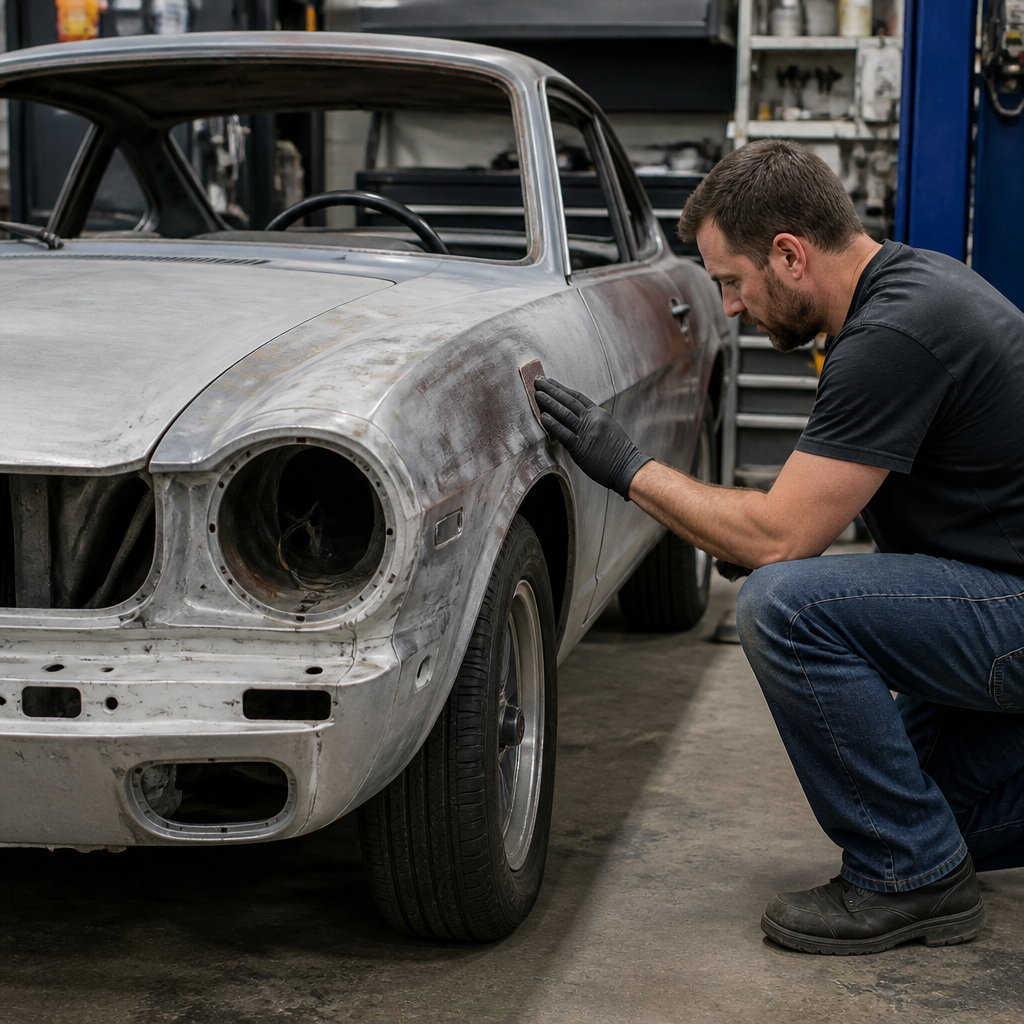
Preparation is the largest factor in what it costs to paint a classic car. Shops spend far more time correcting surfaces than spraying color. Old paint may hide filler, rust, or collision damage. If the car has been repainted multiple times, the shop may need to strip it to bare metal or to a stable substrate. Media blasting, chemical stripping, or mechanical sanding each have pros and cons. Blasting can reveal corrosion quickly but must be done carefully to avoid warping panels. Chemical stripping reaches seams but creates cleanup demands. Mechanical stripping is controlled but labor intensive.
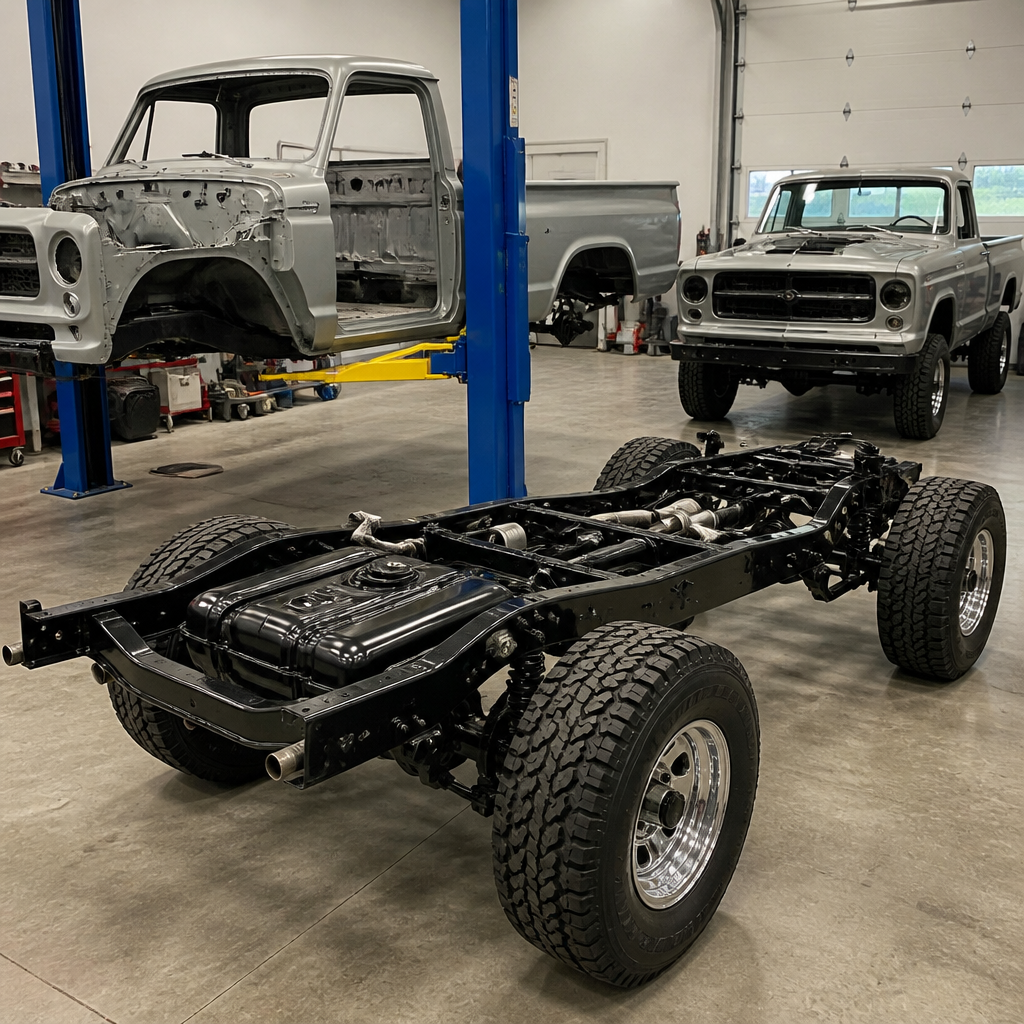
Rust repair is the next major variable. Surface rust that sands clean is inexpensive compared with perforation in lower quarters, wheel arches, rocker panels, windshield channels, or trunk floors. Proper rust repair means cutting out damaged metal, welding in patch panels, treating hidden cavities, and sealing the backside. Covering rust with filler or high-build primer lowers the upfront price and guarantees future failure. On classics, rust often expands after trim and glass come out, which is why reputable shops warn that final paint quotes may change once the car is disassembled.
Disassembly and reassembly also shape the bill. Masking around trim, weatherstrips, and glass is quicker, but it leaves tape lines and increases the chance of old seals trapping moisture or overspray. Removing stainless trim, bumpers, mirrors, handles, lamps, and glass creates a cleaner result but takes skill, storage, and time. Some cars have difficult moldings or fragile clips that are expensive to replace. This is especially true on 1950s and 1960s vehicles where reproduction trim hardware is inconsistent or unavailable.
Material quality is another genuine cost driver. Modern paint systems include epoxy primer, polyester primer, seam sealer, urethane surfacer, sealer, basecoat, clear coat, reducers, activators, cleaners, and abrasives. A premium system can cost several thousand dollars in materials alone. Lower-cost products can still perform adequately on a driver, but they generally offer less color accuracy, weaker UV resistance, or less predictable application behavior. Shops that document materials by product line and technical data sheets usually produce more consistent results than shops that simply promise “two-stage paint” without naming the system.
Cost Breakdown by Paint Level
The most useful way to budget is to match the finish level to the purpose of the car. Owners restoring a weekend driver, local show car, or investment-grade original do not need the same process. The table below summarizes what is typically included and where the price usually lands.
| Paint level | Typical price | What is usually included | Best for |
|---|---|---|---|
| Budget respray | $1,000-$5,000 | Limited sanding, minor filler work, minimal trim removal, basic single-stage or economy basecoat-clearcoat | Drivers with cosmetic needs only |
| Driver-quality restoration | $5,000-$12,000 | Better prep, some panel straightening, partial disassembly, quality primer and paint materials, color sanding on visible areas | Weekend cars and local show vehicles |
| High-end restoration | $12,000-$25,000 | Substantial disassembly, thorough bodywork, rust repair, full panel blocking, premium materials, wet sanding and buffing throughout | Serious restorations and valuable classics |
| Concours/show standard | $30,000+ | Bare-metal refinish, extensive metal correction, test panels, exact color validation, hidden-area detailing, exceptional finish refinement | Top-tier judged cars and rare collector vehicles |
These categories overlap, and the shop’s standards matter as much as the label. One shop’s driver-quality job may exceed another shop’s high-end result. I advise owners to evaluate finished cars in person, especially reflections along quarter panels, door gaps, orange peel consistency, jamb quality, and overspray control. Photographs hide flaws. Straightness and edge detail tell the truth.
Bodywork, Rust, and Hidden Repairs
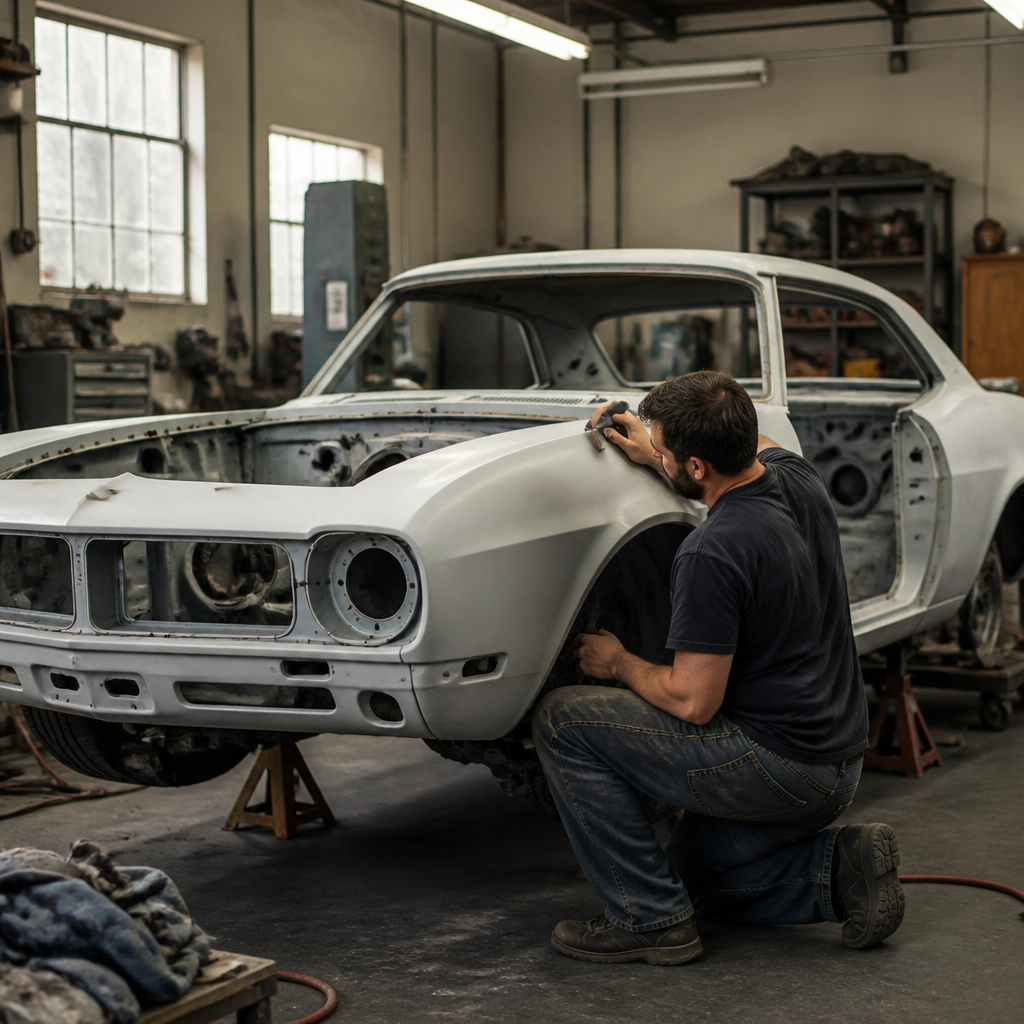
Bodywork is where classic car paint budgets usually expand. A panel can look acceptable in old paint and become obviously wavy once stripped. Filler may be too thick, repairs may overlap rust, and previous collision work may have shifted door or hood gaps. Correcting those defects requires hammer and dolly work, stud welding, shrinking, skim coating, guide coating, and repeated block sanding with long boards. None of that is glamorous, but it determines whether a dark paint color looks deep and expensive or reveals ripples under every light.
Rust repair deserves separate budgeting because it is structural as well as cosmetic. Common problem areas include cowl vents, windshield channels, lower fenders, trunk drop-offs, wheel lips, door bottoms, and floor braces. If water leaks have persisted, corrosion often extends beyond the visible bubble. Patch panel availability helps, but aftermarket panels often need trimming and reshaping. Handmade sections take longer but may fit better. Welding also introduces heat distortion that must be corrected before primer. A car with hidden rust can quickly move from a $8,000 paint plan to a $20,000 body and paint restoration.
Lead seams and period construction methods add complexity. Many older cars used factory lead in sail panels or roof joints. Shops must know how to handle those areas safely and whether to preserve or replace the material. Fiberglass classics have different issues, including print-through, stress cracks, pinholes, and resin compatibility. The point is simple: substrate condition dictates paint cost more than color choice does.
Paint Systems, Authenticity, and Finish Choices
Owners often ask whether to use single-stage paint or basecoat-clearcoat. The answer depends on authenticity goals, color, maintenance expectations, and budget. Single-stage urethane can mimic the look of older finishes more accurately on many 1950s through 1970s cars, especially solid colors. It can also be repaired and polished well when applied by an experienced painter. Basecoat-clearcoat usually offers more depth, stronger UV durability, and easier metallic control, which is why it dominates modern refinishing. However, an over-cleared classic can look too modern if originality matters.
Color matching can be straightforward or surprisingly difficult. Factory paint codes are a starting point, not a guarantee. Paint formulas changed over decades, pigments evolved, and surviving cars faded differently. Good shops spray test cards and compare them in natural light. For rare colors, they may use spectrophotometers, archived formulas, and historical documentation. If the project aims for judged originality, the owner should confirm whether the goal is factory-correct appearance, period-correct chemistry, or simply the right visual shade. Those are not always the same thing.
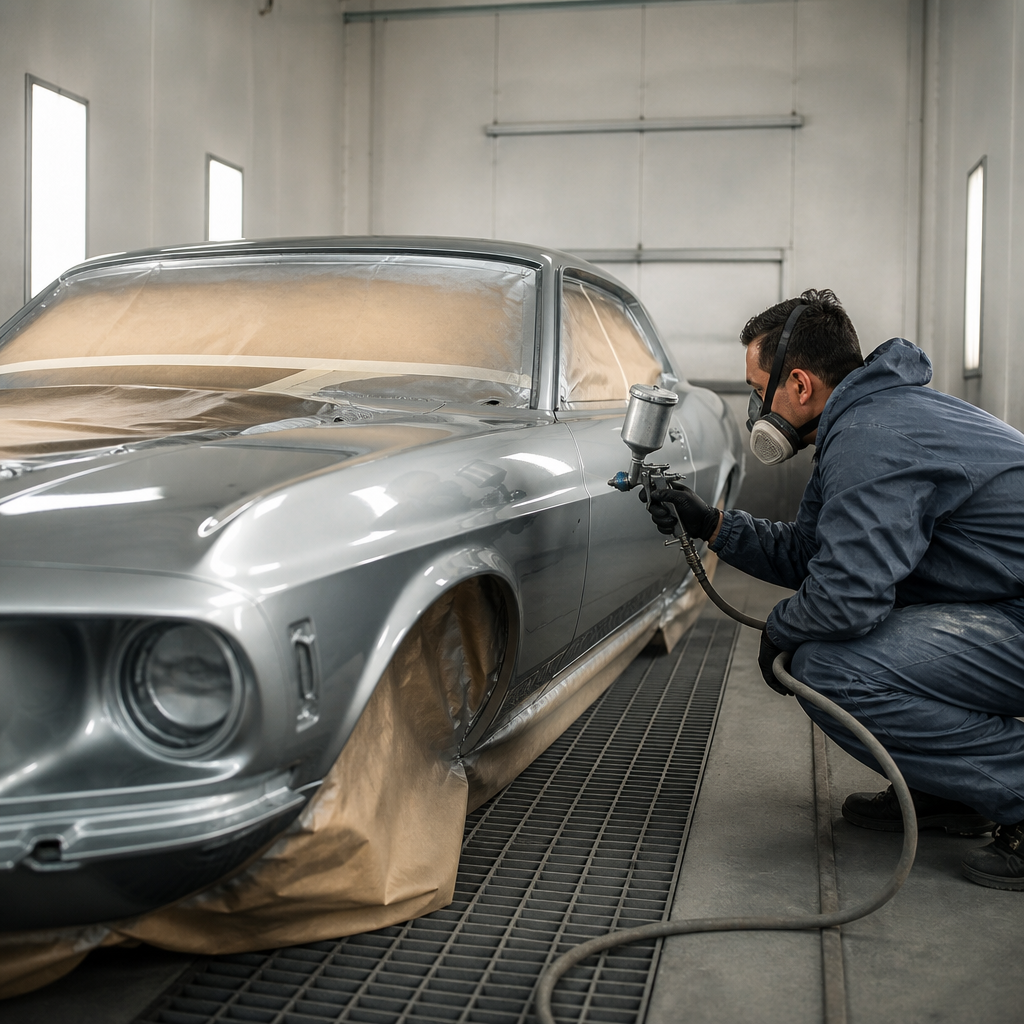
Special finishes increase labor and risk. Metallics demand uniform gun technique to avoid striping or mottling. Pearls and tri-coats require strict spray-out validation because the number of coats affects final appearance. Matte and satin finishes are harder to repair invisibly. Candies are beautiful but unforgiving and costly. Every added variable raises material waste, booth time, and the chance that a panel must be resprayed.
How to Budget, Vet a Shop, and Avoid Costly Mistakes
The best way to control classic car paint cost is to define the end use of the car before requesting quotes. If the car will be driven regularly, insist on solid rust repair, good panel fit, and durable materials, but do not pay concours money for undercarriage detailing you will never use. If the car is a valuable investment or family heirloom, budget for disassembly, documentation, and hidden-area finishing from the beginning. Scope clarity prevents conflict later.
When comparing shops, ask for a written estimate that separates body labor, paint labor, materials, rust repair, trim removal, glass removal, reassembly, and subcontracted work. Ask what paint line they use, whether they provide photo documentation, how they handle change orders, and how they store removed parts. Look for evidence of dust control, proper masking, and panel fit in completed jobs. A reputable shop will explain what cannot be priced until teardown. That uncertainty is normal and honest.
Avoid shops that quote a low fixed price without inspecting the car thoroughly, promise unrealistically fast turnaround, or dismiss rust concerns. In restoration, delays often come from parts sourcing, hidden damage, and the labor required to get panels straight, not from painters moving slowly. Also remember that prep done by the owner rarely saves as much as expected unless the shop approves the work in advance. Incorrect stripping methods, poor filler work, or missing hardware can create more labor than they eliminate.
If you want the best value, spend money on metal repair and preparation before upgrading to the most exotic paint products. Straight panels under a good-quality system beat imperfect panels under premium clear every time. That principle holds across muscle cars, European classics, trucks, and coachbuilt restorations.
The cost to paint a classic car depends on the finish level, the amount of bodywork, the presence of rust, the quality of materials, and the amount of disassembly required. Most owners should expect a realistic range of $5,000 to $12,000 for a respectable driver-quality result, while high-end restorations regularly exceed $12,000 and show cars can climb far beyond that. The biggest lesson is that paint quality is built long before color is sprayed. Surface preparation, metal integrity, and shop discipline determine whether the finish lasts and whether the car looks right in sunlight, under show lighting, and years later.
As a hub for bodywork and paint within restoration and maintenance, this subject connects directly to rust repair, dent correction, primer selection, color matching, wet sanding, polishing, trim restoration, and long-term paint care. If you approach the project with a defined goal, a written scope, and a shop that explains its process clearly, you can spend with confidence and avoid the common trap of paying twice. Decide whether your car is a driver, a high-end restoration, or a concours candidate, then match the budget to that purpose. Start by inspecting the car honestly and getting detailed estimates from restoration shops that can show proven classic car work.
Frequently Asked Questions
How much does it typically cost to paint a classic car?
The cost to paint a classic car usually ranges from about $1,000 for a very basic respray to $30,000 or more for a top-tier, concours-quality finish. Most owners fall somewhere in the middle, but the final number depends heavily on the starting condition of the car and the standard of finish they want. A budget repaint may cover sanding, masking, and spraying over a mostly straight, solid body with minimal correction. At the other end of the spectrum, a show-level paint job often includes complete disassembly, stripping to bare metal, extensive bodywork, rust repair, panel alignment, high-build primer work, block sanding, multiple paint stages, and careful reassembly. In other words, paint cost is really a combination of labor, materials, preparation, and restoration complexity. Two classic cars can wear the same color and still have vastly different invoices because one needed only cosmetic improvement while the other required metal fabrication, corrosion repair, and hours of precision straightening before a single coat of color was applied.
Why is there such a big price difference between one classic car paint job and another?
The huge price spread exists because classic car paintwork is never just about spraying paint. The true cost is driven by what has to happen before the paint gun comes out. If the car has hidden rust, old body filler, poor previous repairs, dented panels, or misaligned gaps, the shop must correct those issues first or the final finish will never look right. Labor is the biggest variable. A clean, solid car that only needs surface preparation can move through the process much faster than one that needs floor patching, fender repair, seam treatment, or hand-finished body lines. Material choices also matter. Single-stage paint is generally less expensive than a base coat and clear coat system, and premium paint brands, primers, sealers, and clear coats add cost quickly. The reputation and skill level of the shop also affect the price. Experienced restoration painters charge more because they know how to preserve body character, match period-correct finishes, and deliver consistent quality. When owners compare estimates, they are often comparing very different scopes of work, not just different hourly rates.
What is usually included in a classic car paint job estimate?
A classic car paint estimate may include some or all of the following: disassembly, paint stripping, rust inspection, dent repair, body filler work, panel alignment, primer application, block sanding, masking, sealer, color coats, clear coats, wet sanding, buffing, and reassembly. The challenge is that not every estimate includes the same level of preparation or finish work. A lower quote may assume minimal disassembly and very limited body correction, while a more expensive estimate may include removing trim, lights, handles, weatherstripping, and glass to properly refinish edges and prevent tape lines. In serious restoration work, estimates also account for fixing old repairs uncovered after stripping, addressing corrosion around seams and lower panels, and spending the time needed to get the body straight under bright light. Some shops provide a base estimate with the understanding that hidden damage will increase the final cost once the car is taken apart. That is normal in classic car restoration. The best estimates are detailed, written clearly, and explain exactly what is and is not included so there are fewer surprises later.
Is a cheaper classic car paint job worth it?
It can be, but only if your expectations match the service being offered. A lower-cost paint job may make sense for a driver-quality classic, a project car you want to tidy up, or a vehicle that does not justify a full restoration budget. If the body is already solid and straight, a basic respray can improve appearance without the cost of a full bare-metal refinish. However, cheaper paint jobs often involve less disassembly, less correction of flaws, fewer labor hours in sanding and blocking, and lower-cost materials. That usually means more visible imperfections, less depth and durability in the finish, and a higher chance that old issues will show back through over time. On a classic car, especially one with unknown history, cutting corners on preparation can lead to bubbling paint, shrinking filler lines, poor panel definition, or mismatched surfaces. If long-term value, originality, and presentation matter to you, paying for better prep and skilled labor is usually the wiser investment. A cheap paint job is not automatically bad, but it should be chosen knowingly and for the right reason.
How can I budget realistically for painting my classic car?
The best way to budget is to start by being honest about your goals for the car. Decide whether you want a quick cosmetic improvement, a strong driver-quality finish, a high-end restoration result, or a concours-level presentation. Then have the car inspected by a reputable restoration or paint shop that understands classics, because hidden rust, old collision repairs, and previous filler work can change the budget dramatically. As a practical rule, owners should expect the initial quote to grow if the car has not been stripped or disassembled yet. It is wise to build in a contingency fund for uncovered metalwork, panel correction, or replacement parts that must come off for proper refinishing. Ask the shop whether the estimate includes disassembly and reassembly, trim removal, jambs, underside edges, cut-and-buff finishing, and rust repair, because those items significantly affect cost. Also clarify the paint system being used and the expected quality level of the final finish. A realistic budget does not just cover paint materials; it covers the craftsmanship required to make a classic car look right. In most cases, spending more on preparation and structural correction delivers better long-term value than spending only on color.