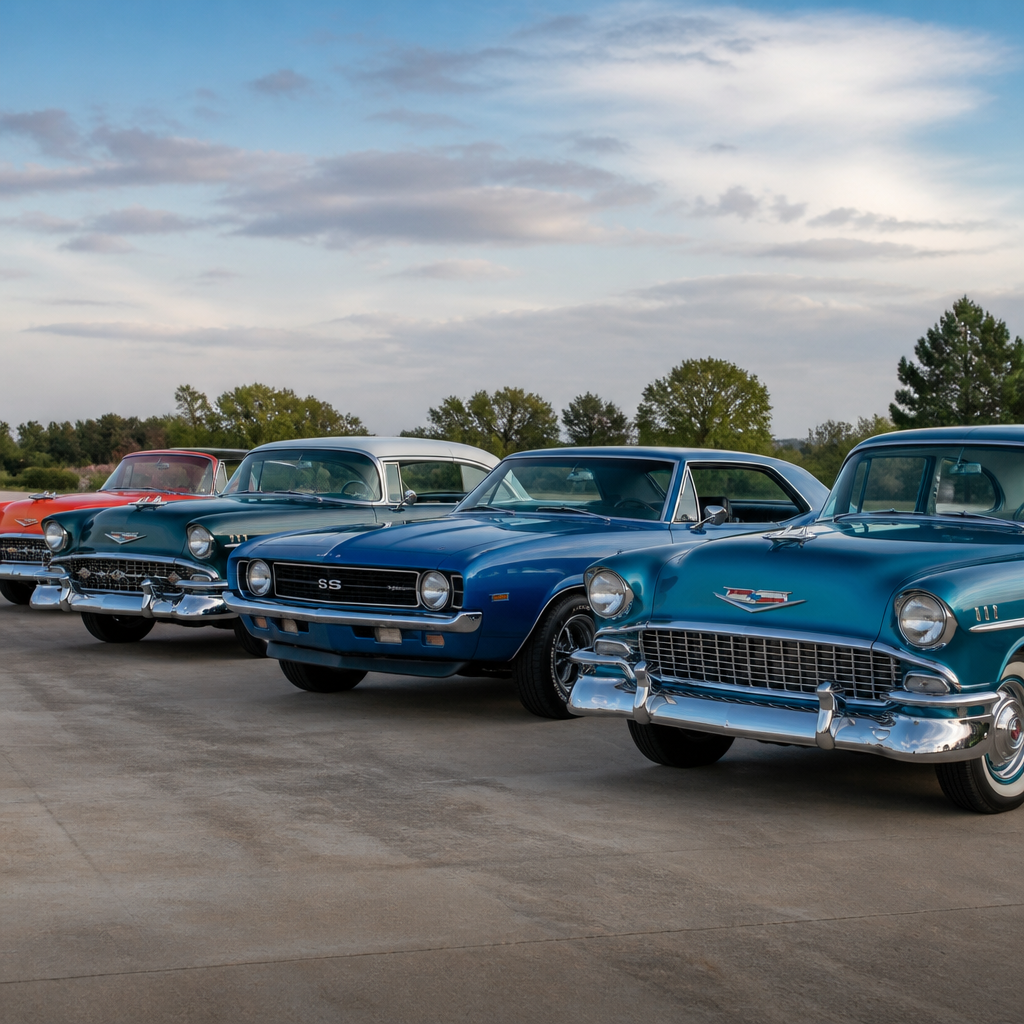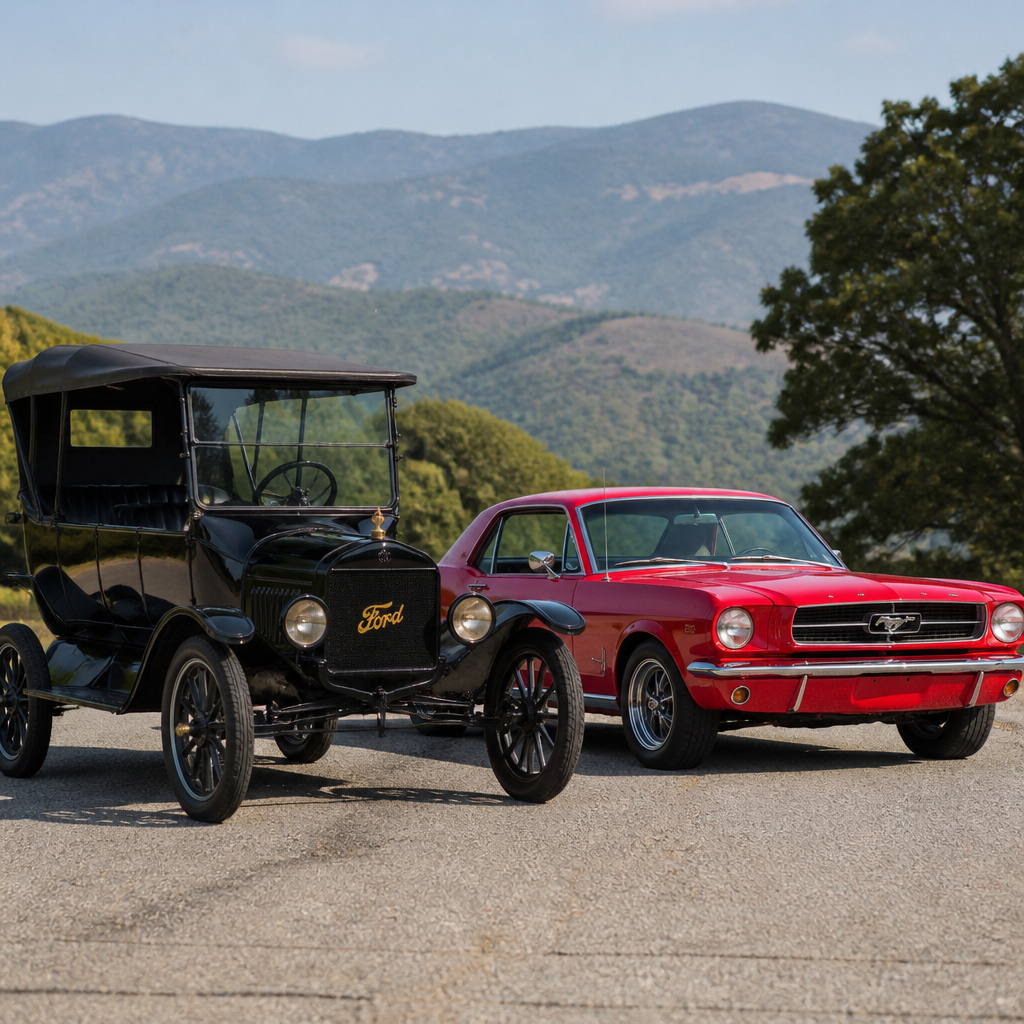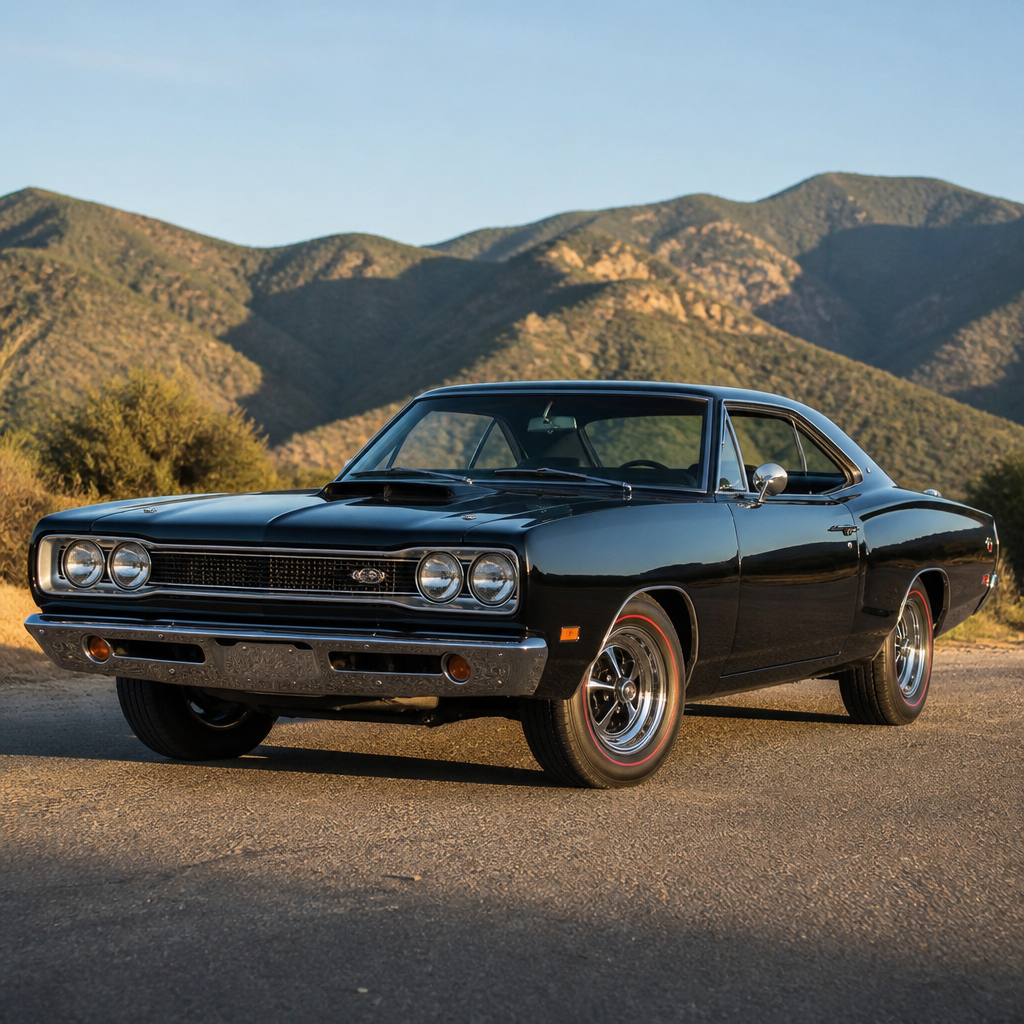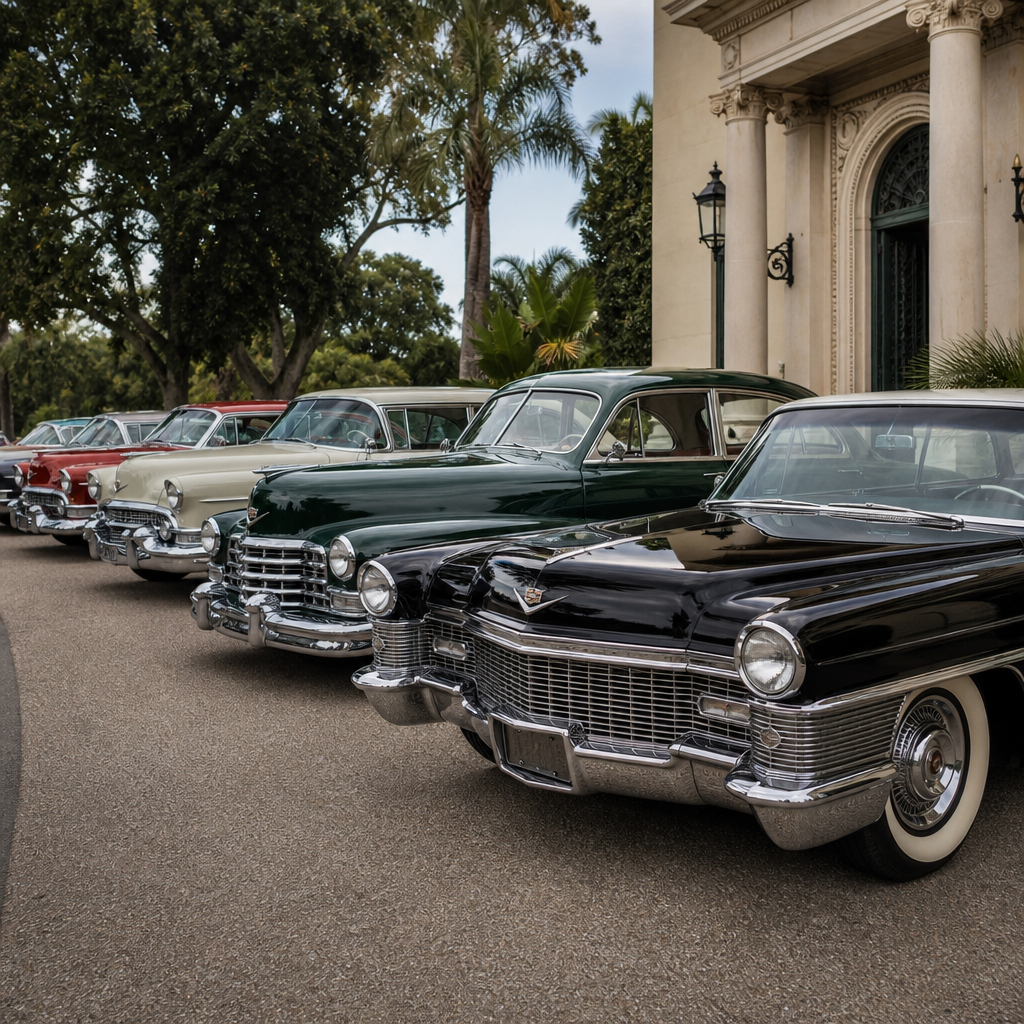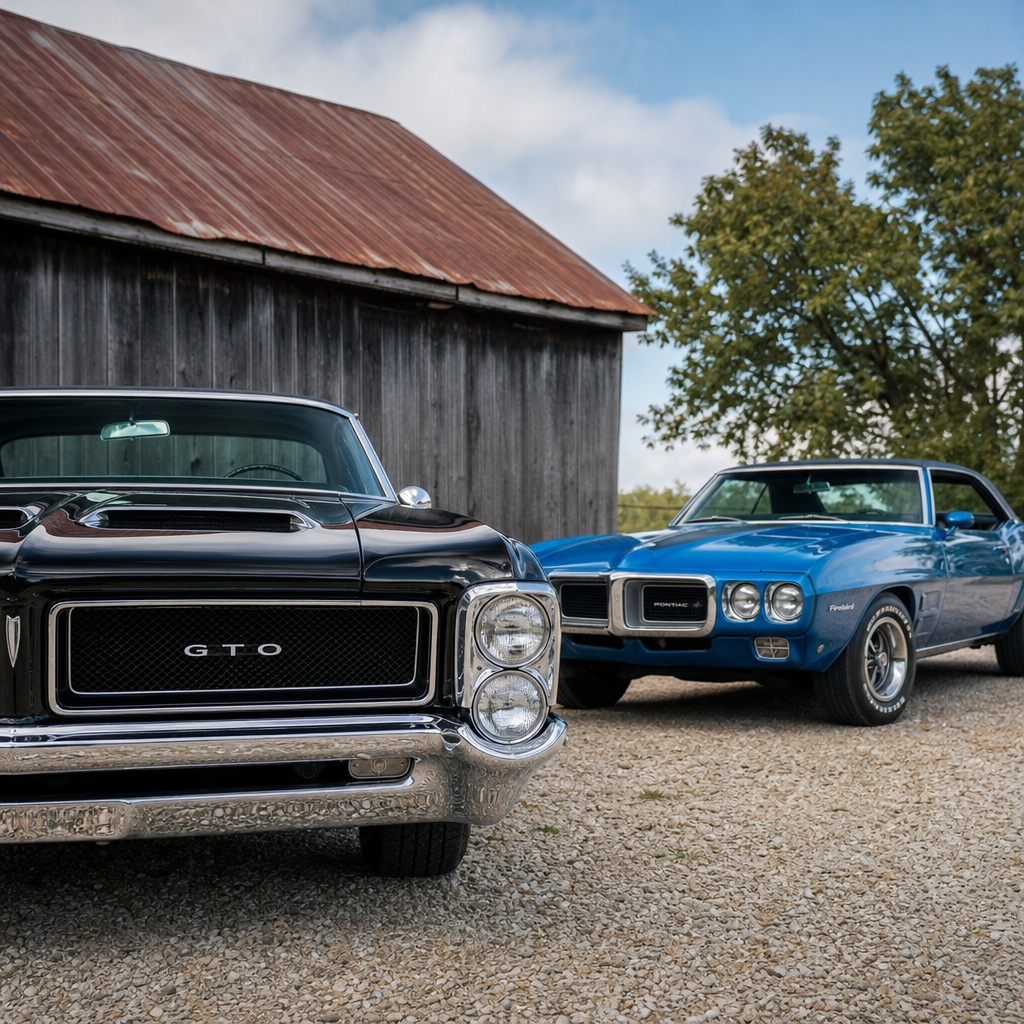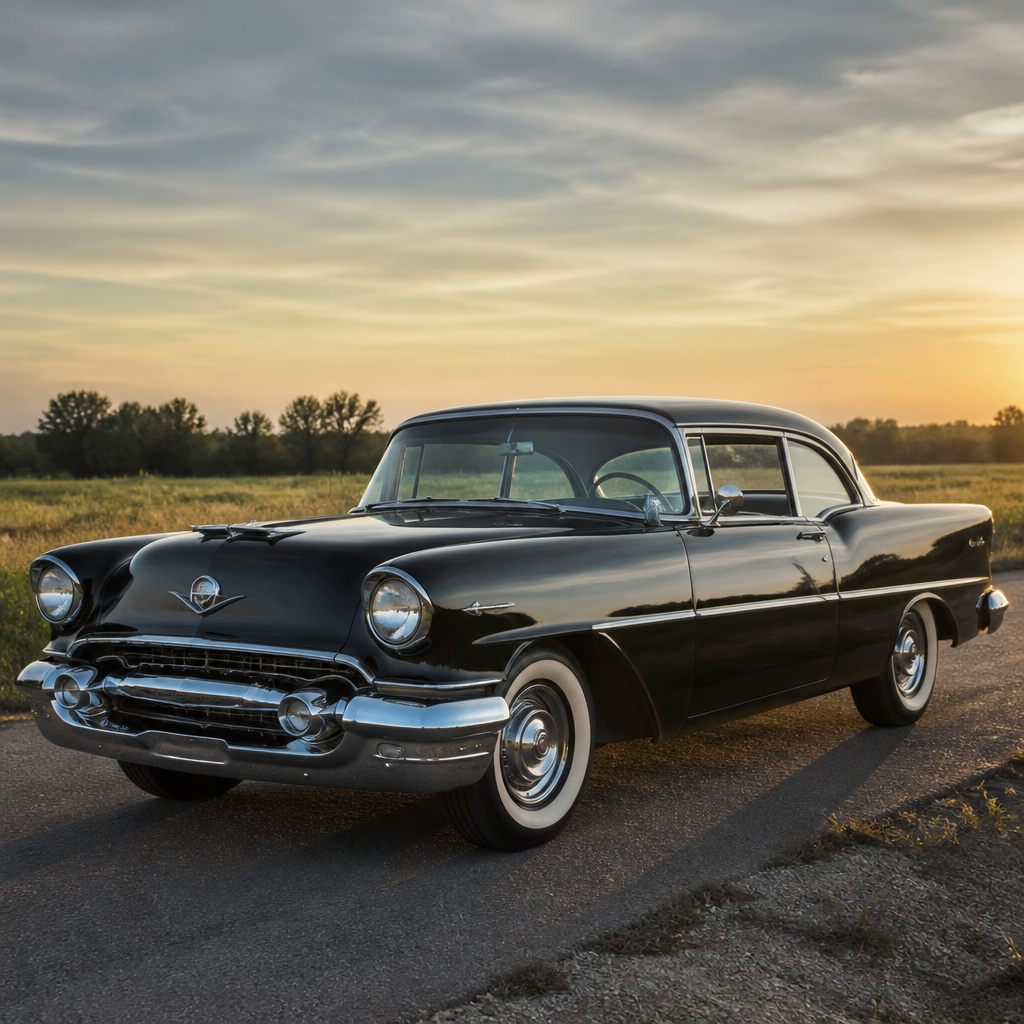
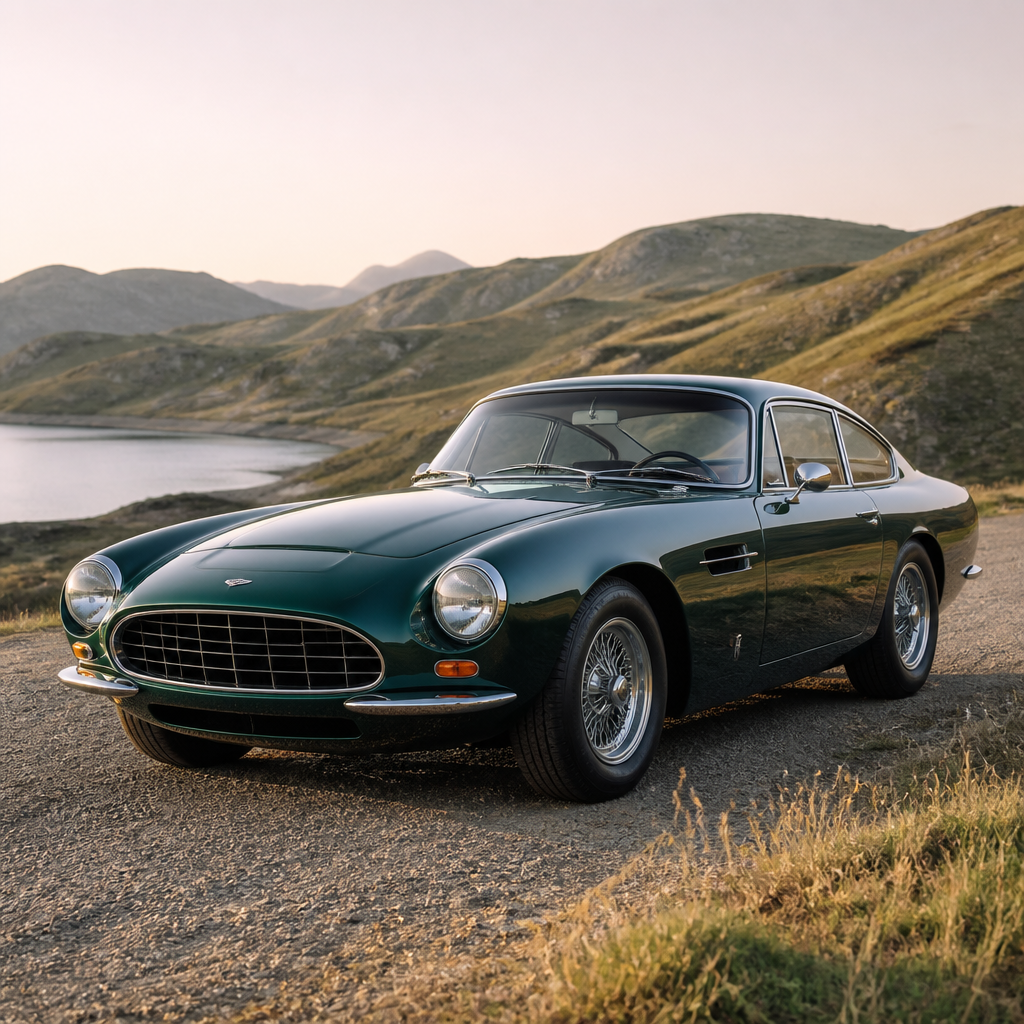
Classic cars that deserve more attention are often the models that delivered strong engineering, distinctive styling, and enjoyable ownership, yet never gained the celebrity status of a Mustang, 911, or Corvette. In the classic car market, “underrated classics” usually refers to vehicles with historical importance, design merit, or driving character that remain overlooked by mainstream collectors. I have spent years around auctions, private collections, restoration shops, and owner clubs, and the same pattern keeps appearing: buyers chase familiar badges while genuinely interesting cars stay accessible. That matters because attention shapes values, parts support, preservation priorities, and which stories get told. A strong sub-pillar hub on underrated classics should do more than list obscure names. It should explain what makes a car overlooked, how to evaluate one, and which brands and models reward closer study. These cars are important because they broaden the hobby, lower the cost of entry, and preserve automotive history beyond the usual icons. They also offer a practical advantage. In many cases, an overlooked classic delivers comparable craftsmanship or period charm for a fraction of the cost of a blue-chip favorite. For enthusiasts building a collection, researching a future purchase, or planning deeper reading across classic car models and brands, underrated classics are where value, individuality, and historical discovery meet.
What Makes a Classic Car Underrated
An underrated classic is not simply rare, cheap, or forgotten. It is a car whose public reputation lags behind its actual merit. In my experience, these cars usually fall into one of five categories: overshadowed by a more famous sibling, launched at the wrong time, misunderstood because of styling or marketing, penalized by a brand’s later reputation, or ignored because survival rates dropped before enthusiasts could reassess them. The key distinction is substance. An underrated classic has a credible reason to matter, whether that reason is engineering innovation, coachbuilt design, motorsport connection, comfort, reliability, or a meaningful place in brand history.
Take the Mercedes-Benz W114 and W115 “Stroke Eight” sedans. They lack the glamour of an SL roadster, yet these cars established a benchmark for durability and helped define the modern executive sedan. The same applies to the Peugeot 504, a Pininfarina-shaped family car that earned global respect for ride quality and toughness. Neither model dominates collector headlines, but both are significant. That is the lens this hub uses. If a car was well built, influential, and still underappreciated, it belongs in the underrated classics conversation.
Why Underrated Classics Matter to Collectors and Enthusiasts
Underrated classics matter because they make the collector world healthier. When every buyer crowds into the same celebrated models, prices rise faster than knowledge, and the hobby narrows. Overlooked cars create room for new enthusiasts to enter with less financial risk. They also encourage better scholarship. Once you look beyond headline auction results, the history of the automobile becomes richer and more honest. You begin to see how many excellent cars were produced by brands navigating regulation changes, oil crises, shifting consumer tastes, and corporate mergers.
There is also a preservation argument. Cars survive when owners care enough to maintain, document, and restore them. If only obvious halo cars receive attention, major parts of automotive history disappear. I have seen this firsthand with mid-century sedans, personal luxury coupes, and early Japanese GT cars that were scrapped for decades because values did not justify restoration. Today, many of those same vehicles are being reconsidered, but the best examples are already scarce. Paying attention earlier protects options later. For collectors, that can mean buying a car before the market catches up. For historians, it means keeping important stories alive.
Brands and Models That Often Qualify as Underrated Classics
Some brands consistently produce cars that deserve another look. Alfa Romeo, for example, built more than just the obvious Spider and GTV stars. The Berlina sedan offered sharp handling and sophisticated twin-cam performance in a practical shape, yet it remains far less discussed than it should be. Buick produced elegant and mechanically solid coupes and hardtops in the 1950s and 1960s, but many sit in the shadow of Chevrolet and Cadillac. Mercury is another classic case. Cars like the Cougar, especially early performance and XR-7 trims, offered real style and substance while being treated as secondary to Ford’s most famous products.
Japanese brands are especially rich ground for underrated classics. The first-generation Mazda RX-7 gets attention, but cars like the Mazda Cosmo, second-generation RX-7 FC, and rear-drive 626 coupe still deserve broader recognition. Toyota built compelling Celica Supras and Cressidas long before luxury reliability became an industry cliché. Datsun’s 510 earned a deserved cult following, but the 610, 710, and early Maxima remain undervalued relative to their role in expanding acceptance of Japanese performance and premium-oriented sedans. Saab, Rover, Lancia, AMC, and Oldsmobile also reward serious study. A good hub article should point readers toward these families of cars because brand context often explains why a specific model was missed.
Overlooked American Classics Worth Revisiting
In the United States, underrated classics often come from familiar manufacturers but less celebrated nameplates. The 1966–1967 Oldsmobile Toronado is a perfect example. It introduced front-wheel drive to the American personal luxury segment with a sophisticated Unitized Power Package and dramatic styling. It was Motor Trend Car of the Year in 1966, yet in collector conversations it is still too often an afterthought. The 1961–1963 Buick Special and Oldsmobile F-85, especially turbocharged and Jetfire-related variants, also deserve more respect for experimentation during Detroit’s compact transition.
AMC is another essential stop. The AMX delivered genuine two-seat muscle car character, and the Javelin combined distinctive design with Trans-Am credibility. Because AMC lacked the scale and marketing reach of the Big Three, these cars were long undervalued despite strong enthusiast appeal. Even the Rambler American and Ambassador reveal a different, more efficient side of American motoring. If you want a classic that sparks conversation at a show full of repetitive choices, these are exactly the kinds of models that justify attention.
| Model | Why it is underrated | What to inspect first |
|---|---|---|
| Oldsmobile Toronado | Advanced front-wheel-drive engineering and bold design overshadowed by flashier muscle cars | Rust in structural areas, transmission condition, front drivetrain components |
| AMC AMX | Compact muscle car with real performance, but limited production and weaker brand prestige | Original driveline, body corrosion, trim availability |
| Mercury Cougar | Shares performance roots with Mustang but offers more refinement and unique styling | Hidden headlight system, rust, matching-numbers verification |
| Studebaker Avanti | Fiberglass body, advanced safety thinking, and design significance remain underrecognized | Frame integrity, supercharger service history, body fit |
European Underrated Classics Beyond the Usual Icons
European underrated classics often combine technical depth with understated image. The BMW E3 sedan and E9 coupes are now appreciated, but the Neue Klasse four-doors still deserve more mainstream recognition for creating the template that modern BMW built upon. The Lancia Beta, despite rust-related damage to its reputation, brought advanced front-wheel-drive packaging and sophisticated suspension to buyers who wanted something more intelligent than ordinary family transport. The Rover P6 paired innovative engineering with distinctly British character, and Citroen’s DS remains famous among specialists yet is still less common in general collector circles than its importance warrants.
Then there are practical grand tourers and executive cars that have aged exceptionally well. The Volvo 1800ES combines reliability, elegant shooting-brake design, and genuine usability. The Jaguar XJ Series I and II can still be overshadowed by the E-Type, despite offering one of the finest saloon driving experiences of their era. The Peugeot 604 and Renault 16 are similarly overlooked because they never achieved glamorous export identities, but they mattered greatly in the development of European family and executive car design. When judging these cars, I always separate reputation from reality. A complicated hydraulic Citroen may demand specialist care, but that does not make it unworthy. It makes informed ownership essential.
Japanese Underrated Classics Gaining Long-Term Respect
Japanese classics have moved from bargain status to serious collector territory, but many deserving models still sit below the radar. The Toyota Cressida is one of the most obvious examples. It delivered rear-wheel-drive balance, six-cylinder smoothness, and durable engineering in an upscale package years before Lexus existed. The Nissan Leopard, especially in F31 form, offered crisp design and luxury-tech ambition that now feels historically important. Mazda’s Luce and Cosmo lines show how adventurous the company could be with rotary performance and upscale positioning.
Honda also has underrated entries beyond the celebrated S600 and NSX. The first-generation Prelude helped define the sporty front-drive coupe formula, while the Honda 1300 represented ambitious engineering in the brand’s formative automotive period. Isuzu, a brand many younger enthusiasts barely associate with passenger cars, produced the 117 Coupe, one of the most beautiful Japanese designs of the era. These models matter because they document how Japanese manufacturers expanded from economy transportation into performance, luxury, and design leadership. In the collector market, originality is critical. Many 1980s and 1990s Japanese cars were modified heavily, so stock examples with complete trim, factory wheels, and documented maintenance carry outsized historical value.
How to Evaluate an Underrated Classic Before You Buy
The smartest way to approach an underrated classic is to evaluate condition, support, and purpose before chasing novelty. Start with body integrity. Rust repairs can exceed the value of the car quickly, particularly for low-demand models where reproduction panels are limited. I always inspect floors, sills, lower fenders, shock towers, trunk edges, and windshield surrounds first because structural corrosion is what turns a tempting project into an expensive stall. Mechanical parts are often easier to solve than body and trim issues. An engine rebuild is predictable; missing one-year-only brightwork is not.
Next, check model-specific support. Search owner forums, marque specialists, club registries, workshop manual availability, and parts cross-reference lists. A car can be cheap to buy and still difficult to keep on the road if crucial items are unavailable. Documentation matters just as much. Ask for service records, ownership history, restoration invoices, and any evidence that the car retains its original driveline, colors, and major options. Finally, be clear about your goal. If you want reliable weekend touring, a Mercedes W123 coupe may suit you better than a fragile exotic sedan. If your priority is rarity and historical conversation, you may accept more complexity. Buying an underrated classic works best when enthusiasm is balanced by discipline.
Common Ownership Challenges and Why They Should Not Deter You
Every underrated classic comes with tradeoffs, and acknowledging them is part of responsible ownership. Parts scarcity is real, especially for trim, glass, interior fabrics, and low-volume electrical components. Some cars also suffer from outdated misconceptions. British electrics are often mocked broadly, Italian rust is exaggerated uniformly, and 1970s emissions-era American cars are dismissed wholesale. In practice, each model has specific strengths and weak points. The correct response is targeted research, not avoidance.
Insurance, storage, and specialist labor also deserve attention. Agreed-value collector insurance is usually straightforward, but values for less recognized models may require stronger documentation. Storage matters because neglected seals, moisture, and battery drain can hurt cars that are already difficult to source parts for. Specialist labor can be expensive, yet joining a marque club often reduces that burden because long-time owners know which suppliers, restorers, and interchange parts actually work. That community factor is one reason overlooked classics become so rewarding. Owners are often more generous with knowledge because they are preserving a shared niche rather than competing in a status market.
How This Hub Fits Into Classic Car Models and Brands Research
As a hub within classic car models and brands research, underrated classics should guide readers toward deeper model pages, brand histories, buying guides, and restoration resources. The value of a hub is structure. Instead of treating overlooked cars as random curiosities, it organizes them by region, manufacturer, era, and ownership profile. That helps readers answer practical questions quickly: Which underrated American coupes have strong parts support? Which overlooked European sedans offer genuine engineering significance? Which Japanese classics remain attainable before values rise further? A useful hub page introduces these paths clearly and gives enough context that readers can identify the right branch to explore next.
The larger benefit is confidence. Once enthusiasts understand why a car was overlooked, what makes it meaningful, and how to inspect one intelligently, they make better decisions. Classic cars that deserve more attention are not backup choices for people priced out of famous models. They are worthwhile machines in their own right, often richer in character because they escaped overexposure. Use this hub as a starting point: shortlist the brands that interest you, compare ownership realities, and then move into dedicated model guides. The best underrated classic is the one you can understand, maintain, and enjoy for years.
Frequently Asked Questions
What makes a classic car “underrated” in the first place?
An underrated classic is not simply an old car that happens to be cheap. In most cases, it is a model with real merit that has been overshadowed by more famous nameplates. That merit can come from several places: advanced engineering for its era, unusually strong build quality, a distinctive design language, motorsport or cultural relevance, or a driving experience that is better than the market gives it credit for. Many of these cars were excellent when new, but they lived in the shadow of headline-grabbing rivals like the Ford Mustang, Porsche 911, Chevrolet Corvette, or Jaguar E-Type.
In the collector world, reputation often drives value just as much as substance. That is why some truly capable classics remain underappreciated for decades. A car might have been sold under a less glamorous brand, launched at the wrong moment, or dismissed because it lacked V8 power, exotic styling, or racing mythology. Yet once you spend time around auctions, restoration shops, and owner communities, you quickly see that these overlooked cars often have loyal followings for good reason. They can offer an ideal combination of heritage, usability, character, and relative affordability. In other words, an underrated classic usually earns admiration from people who actually live with and drive the car, even if it has not fully captured mainstream collector attention.
Which types of classic cars tend to deserve more attention from collectors and enthusiasts?
The cars most likely to deserve more attention are often those that sit just outside the spotlight. That includes second-tier performance models from respected brands, elegant grand tourers that were eclipsed by more famous stablemates, and well-engineered sedans or coupes that delivered a superb driving experience without building a glamorous image. Think of cars such as the BMW E9 coupes compared with more universally discussed sports cars, the Mercedes-Benz W111 and W108 series for their refinement and craftsmanship, the Alfa Romeo GTV for its combination of style and agility, or the Volvo P1800 for its durability and unmistakable design. Japanese classics, especially from the 1970s and 1980s, also fit this category, as many were beautifully built and engaging to own long before the market caught up to them.
Another overlooked category is the “junior” model from a premium manufacturer. These cars were sometimes dismissed when new for being less powerful or less prestigious than the flagship, but today they can represent the purer ownership experience. Lightweight, less complicated, and often better balanced, they frequently reward drivers more than their reputation suggests. There are also overlooked American intermediates, personal luxury coupes, and specialty trims that offered compelling performance or styling but never became poster cars. The common thread is that these vehicles have substance beyond their market profile. They may not dominate magazine covers or auction headlines, but they often provide authentic period character, strong enthusiast support, and a level of satisfaction that exceeds expectations.
Are underrated classic cars a smart buy, or are they overlooked for a reason?
They can be a smart buy, but only if you understand why they are overlooked. Some classics are undervalued because the market has not fully recognized their strengths. Those can be rewarding purchases, especially for enthusiasts who care more about design, craftsmanship, and driving enjoyment than social status. Buying an underrated classic often means getting more car for the money: better materials, more interesting engineering, or rarer production without paying the premium attached to the obvious blue-chip choices. In that sense, these cars can be one of the most satisfying corners of the hobby.
That said, not every overlooked car is a hidden gem. Some remain underappreciated because parts are difficult to source, restoration costs are disproportionately high, rust issues are severe, or maintenance requires specialized knowledge that most owners underestimate. Others may be excellent cars but have limited buyer pools, which can affect liquidity when it is time to sell. The smartest approach is to separate market neglect from genuine drawbacks. Study club support, mechanical parts availability, body and trim complexity, and recent sale patterns for top-quality examples. If the car has a strong owner network, good specialist knowledge, and inherent quality, being underrated can work in your favor. If it has weak support and expensive problem areas, low values may not be a bargain at all. In short, an underrated classic is a smart buy when the fundamentals are good and the buyer goes in with realistic expectations.
How should I evaluate an underrated classic before buying one?
Start by judging the car on condition, originality, and documentation rather than hype. With overlooked classics, it is especially important to buy the best example you can afford because many of these vehicles are not worth restoring from poor condition unless they have exceptional rarity or personal significance. Review service records, restoration invoices, ownership history, and any marque-specific documentation that confirms original colors, engine configuration, trim, and options. A thorough pre-purchase inspection by a specialist is essential, because hidden corrosion, poor previous repairs, or incorrect parts can quickly erase any savings you thought you were getting.
You also want to evaluate support infrastructure. Ask practical questions: Are reproduction parts available? Are mechanical components shared with other models? Is there an active owners’ club? Are there respected shops familiar with the marque? These details matter just as much as horsepower or styling. On the road, pay attention to how the car actually feels. Many underrated classics have a character that numbers alone cannot capture: light steering, balanced chassis behavior, excellent visibility, or a sense of mechanical honesty that modern cars lack. Finally, compare the car not only to market averages but to its direct alternatives. If an overlooked coupe offers 80 percent of the experience of a far more famous model at a fraction of the price, that is meaningful. A careful evaluation blends emotion with pragmatism, and that is exactly how the best underrated classics reveal their value.
Will classic cars that deserve more attention eventually become more valuable?
Some will, but value growth is never guaranteed, and it should not be the only reason to buy one. The classics most likely to gain recognition tend to share a few characteristics: attractive design, strong engineering, historical relevance, limited survival rates, and a growing enthusiast base. As collectors become more informed, the market often broadens beyond the obvious icons and begins to reward cars with genuine depth. That is why certain overlooked European coupes, analog-era Japanese performance cars, and sophisticated American or British grand tourers have seen increased interest in recent years. Once buyers realize that a car delivers a special ownership experience and has been unjustly overshadowed, demand can change quickly.
Even so, market appreciation usually follows enthusiasm, not the other way around. The best long-term candidates are cars people want to drive, preserve, and discuss, not just speculate on. A model with active clubs, expanding parts support, and growing visibility at shows and auctions has a better chance of rising in stature than a car nobody is campaigning for. The safest mindset is to buy an underrated classic because it speaks to you and because its fundamentals are sound. If broader recognition arrives later, that is a bonus. If it does not, you still own a car with personality, history, and authenticity. In the classic world, that is often the more meaningful return.