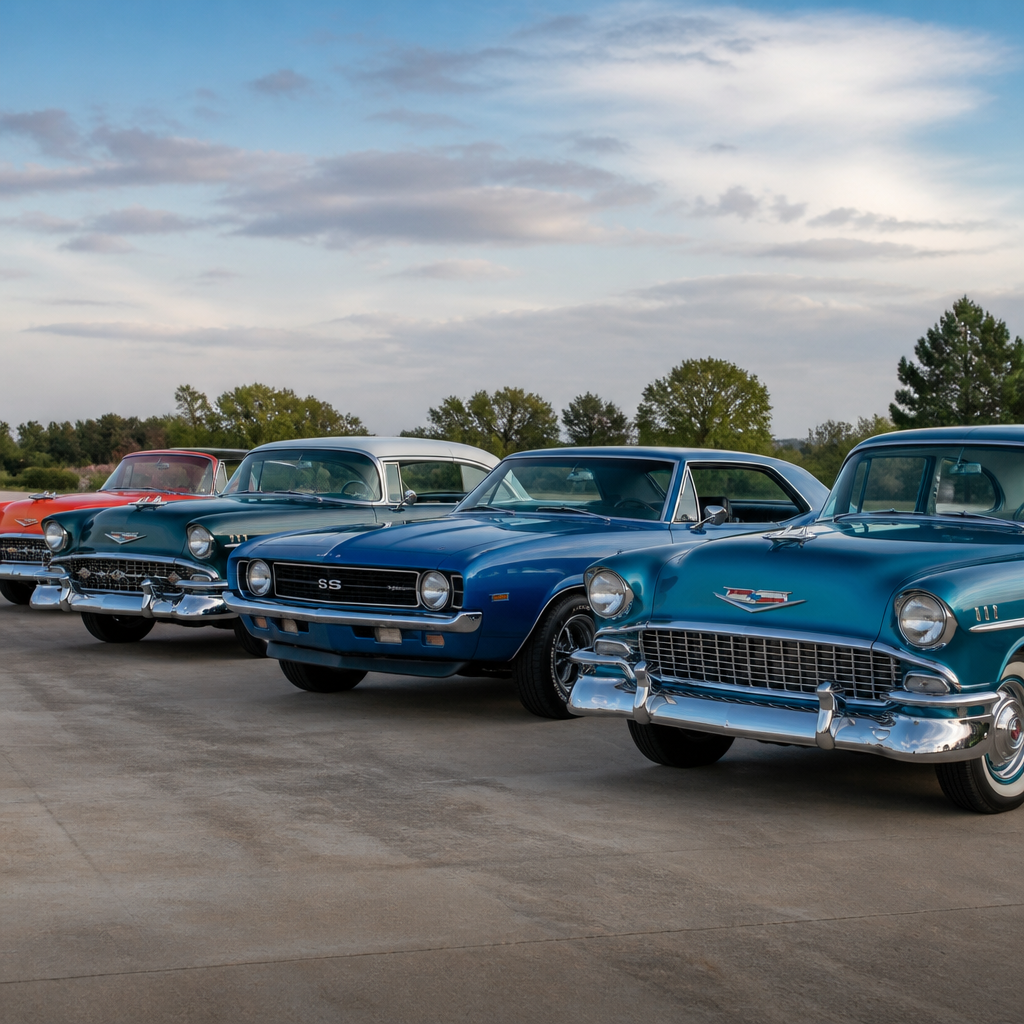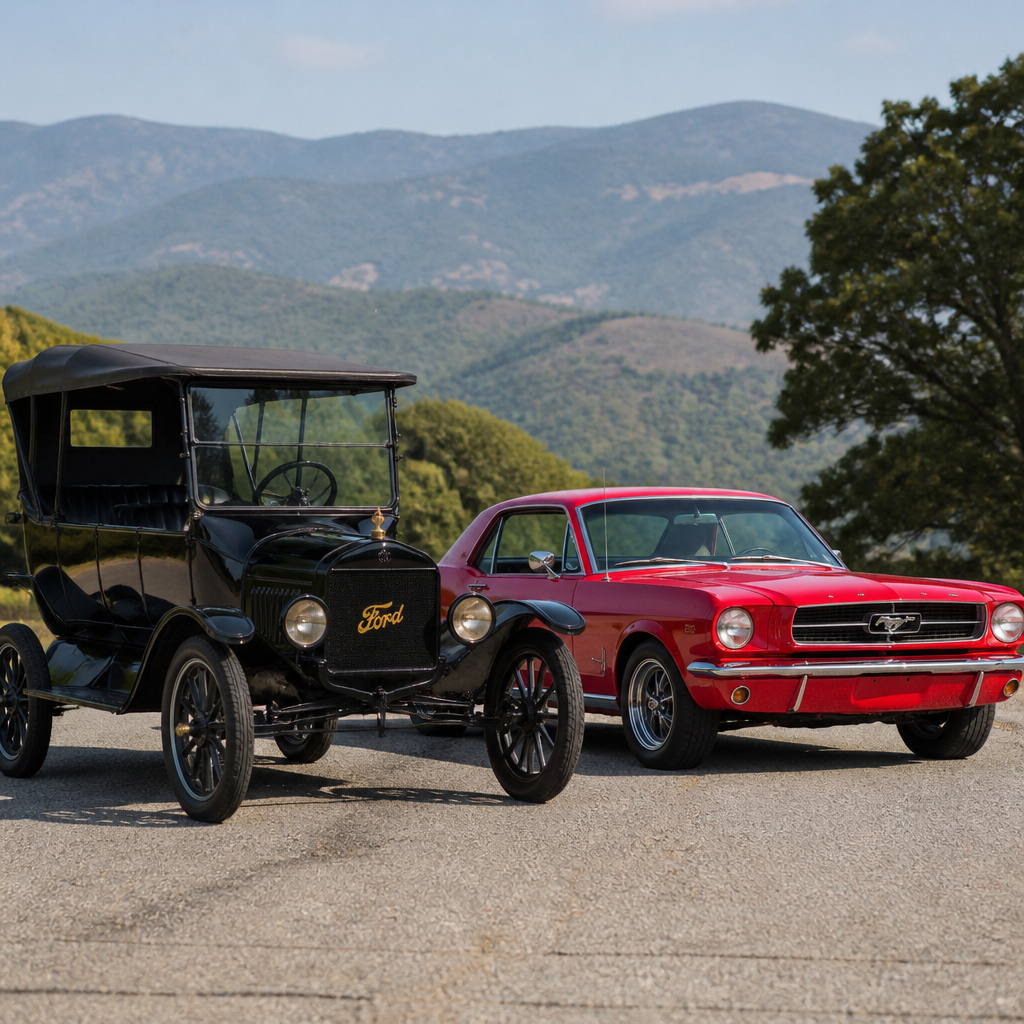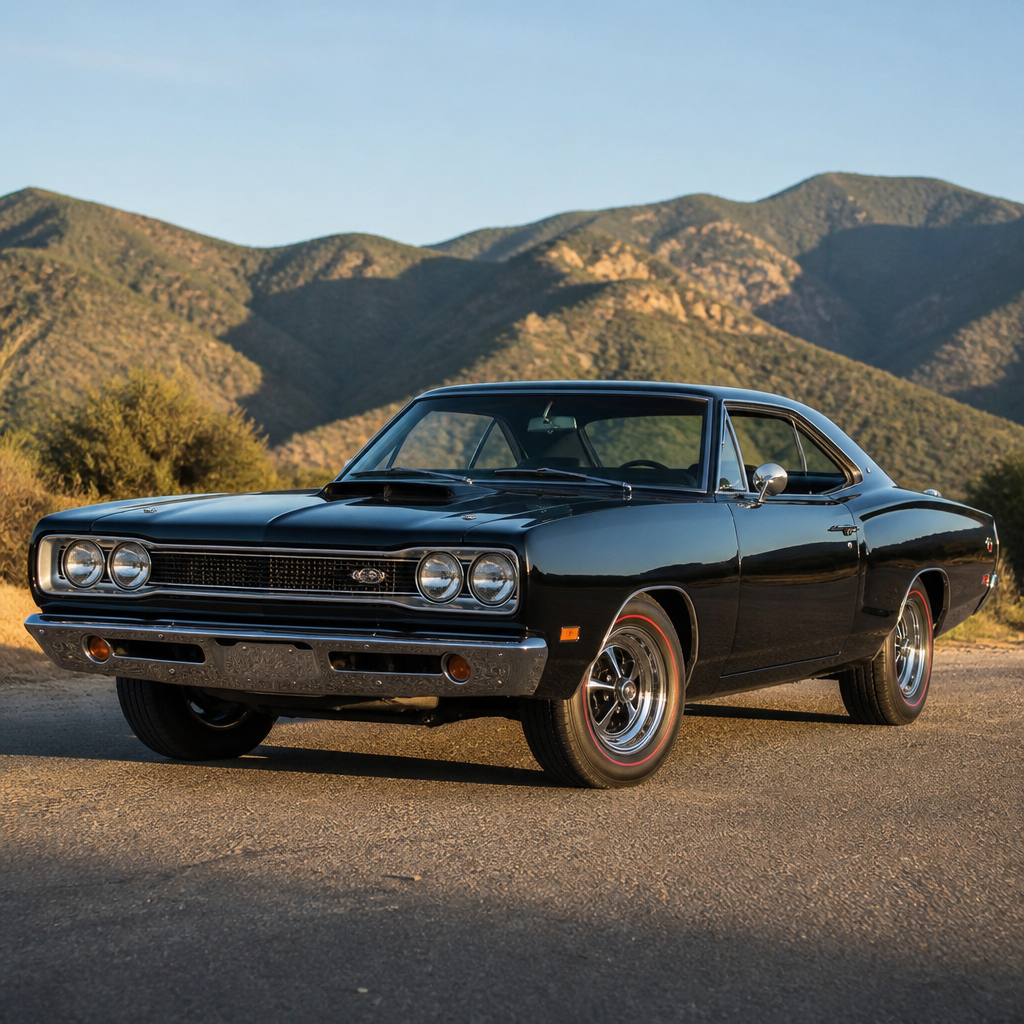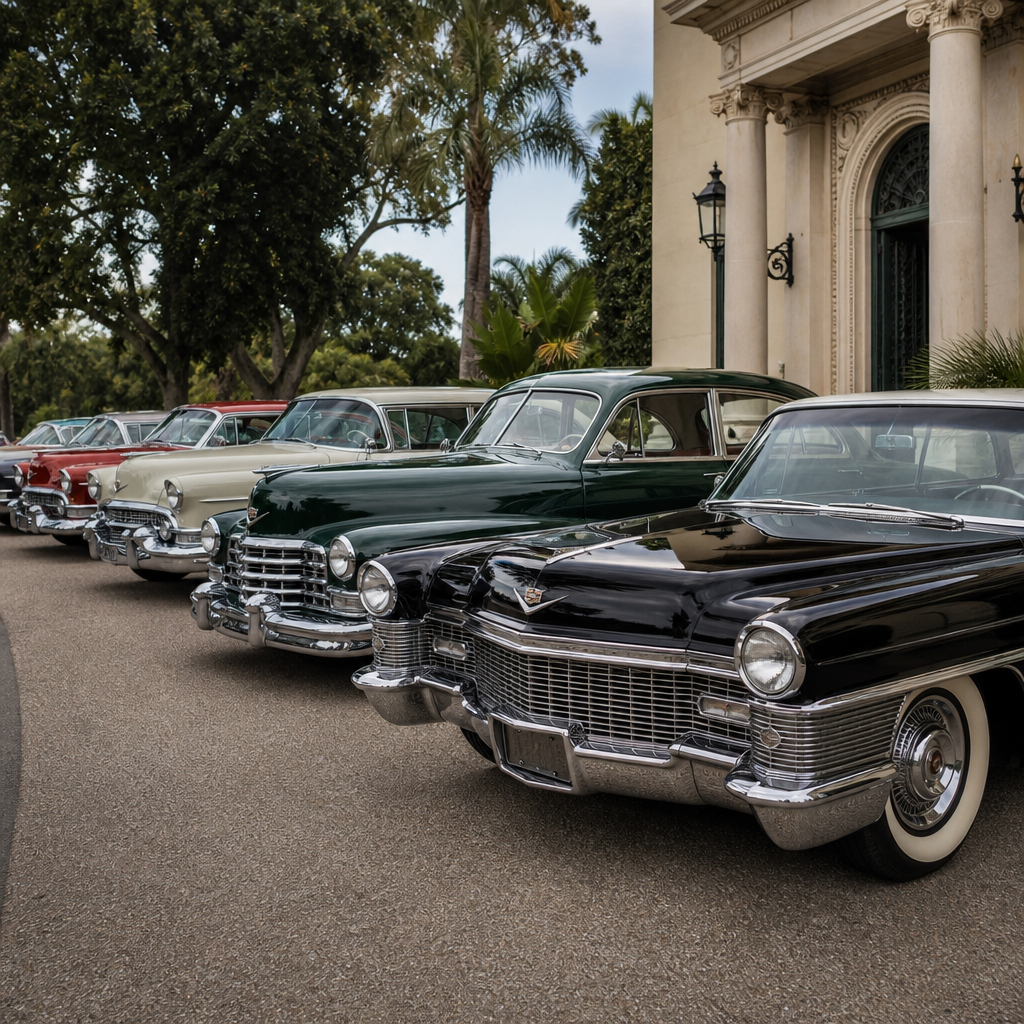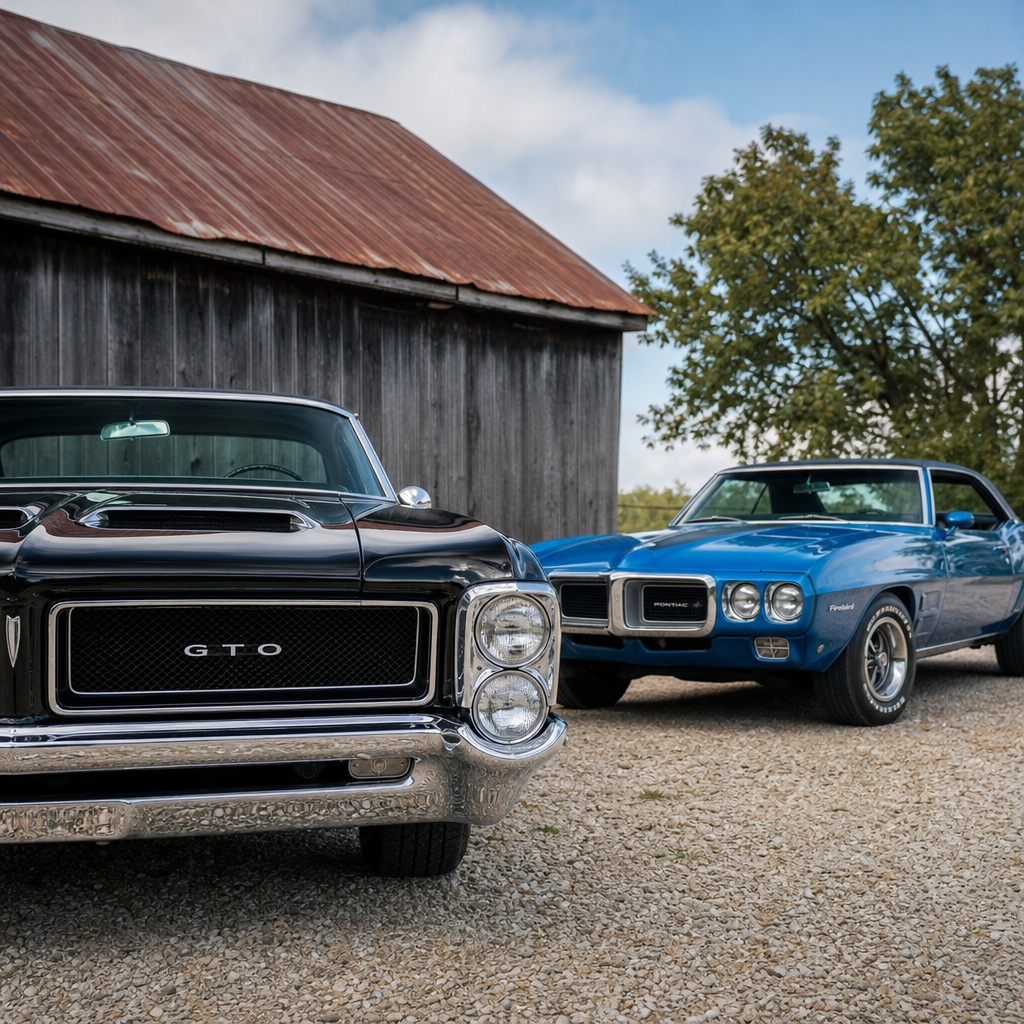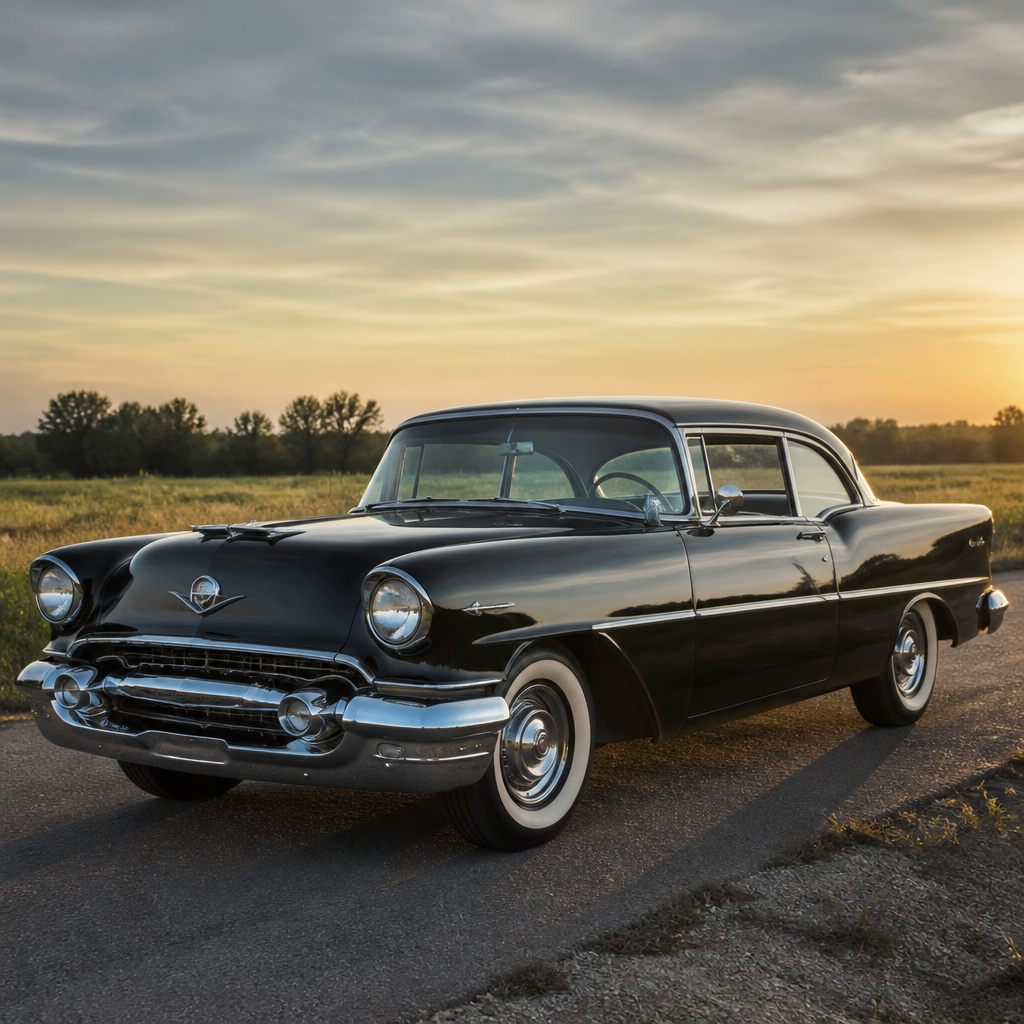
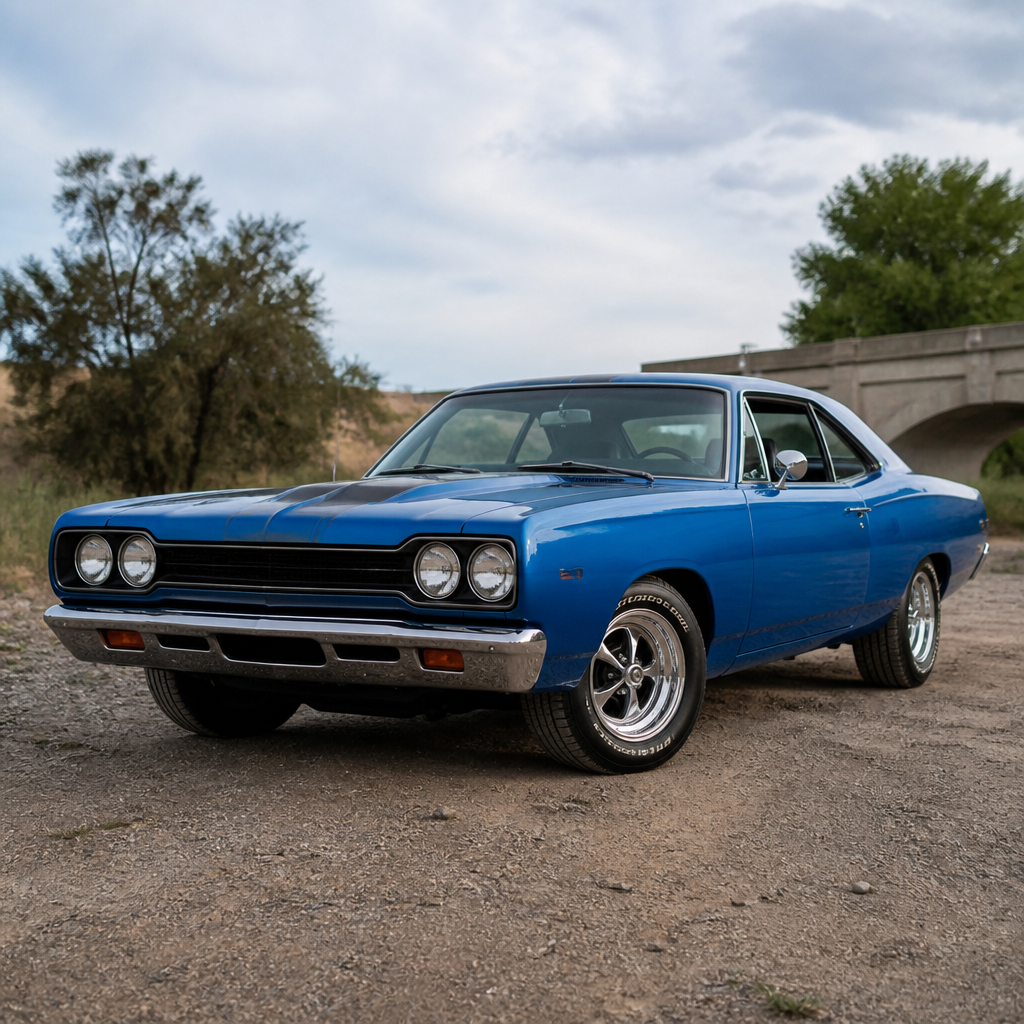
Forgotten muscle cars are no longer just dusty footnotes in auction catalogs. They are becoming one of the most compelling corners of the classic car market because they combine V8 performance, distinctive styling, and relative affordability compared with headline legends like the Hemi ‘Cuda, Chevrolet Chevelle SS 454, and Boss 429 Mustang. In this guide to underrated classics, I will explain what qualifies as a forgotten muscle car, why these models matter to collectors and drivers, and which nameplates are seeing renewed attention. Muscle cars, in the strict American sense, were midsize or compact domestic cars fitted with large-displacement engines for straight-line speed, usually built from the mid-1960s through the early 1970s. Yet the broader enthusiast market also includes late-1970s and early-1980s performance coupes that carried the formula forward during emissions-era decline. That wider view is important because today’s comeback stories often come from models once dismissed as too obscure, too compromised, or too unfashionable. I have watched these cars move from swap-meet curiosities to serious show and auction entries as buyers seek authenticity, rarity, and room for value growth. For anyone researching classic car models and brands, underrated muscle cars are now essential study.
What makes a muscle car forgotten, and why are buyers noticing now?
A forgotten muscle car is not simply rare. It is a model that sat outside the mainstream collector spotlight for years despite having legitimate performance credentials, historical importance, or unusual engineering. In practice, these cars were overshadowed by stronger marketing, racing glory, limited-production halo versions, or plain brand hierarchy. Think of the Mercury Cyclone living under the Mustang’s shadow, or the AMC Rebel Machine competing without Detroit’s advertising budgets. Buyers are noticing now for several concrete reasons. First, benchmark blue-chip muscle cars became extremely expensive after years of televised auctions and global online marketplaces. When top-tier Mopars and big-block Chevrolets climbed beyond ordinary hobby budgets, informed collectors looked laterally. Second, digitized factory records, registries, and marque forums made obscure trims easier to document. Provenance reduces risk, and reduced risk raises demand. Third, a younger wave of enthusiasts values distinctiveness. They want a car people ask about at a cruise night, not only one everyone already recognizes. Finally, restoration parts support has improved dramatically. Companies such as Legendary Interiors, YearOne, National Parts Depot, and Auto Metal Direct have made many once-daunting projects more feasible, even for second-tier nameplates and low-volume variants today.
Pontiac’s overlooked performers: GT-37, T-37, and the 2+2 legacy
Pontiac built some of the era’s most respected performance cars, but not every fast Pontiac wore GTO badges. The GT-37 and T-37 are prime examples of forgotten muscle cars making a comeback. Introduced as lower-cost alternatives in the Tempest line, these cars delivered real performance without the insurance and pricing penalties attached to the GTO name. In 1970 and 1971, a GT-37 could be optioned with serious V8 power, including Pontiac’s 400-cubic-inch engines, and buyers could still get manual transmissions and aggressive appearance packages. They were lighter on image but not necessarily lighter on capability. That matters now because collectors increasingly appreciate them as working-class muscle, honest cars built for street performance rather than status. The full-size Pontiac 2+2 also deserves renewed attention. Earlier 2+2 models packed large engines and surprising pace in a bigger package, embodying a different branch of muscle car development. As more enthusiasts study Pontiac history beyond the GTO, these models gain credibility. At regional shows, I have seen restored GT-37s draw sustained crowds precisely because many attendees have never seen one properly finished. Rarity alone does not create value, but rarity combined with Pontiac engineering, available documentation through Pontiac Historical Services, and a clear place in brand history certainly does.
Mercury and Ford’s shadow heroes: Cyclone, Montego, Torino Talladega
Mercury and Ford produced several underrated classics that are finally receiving overdue respect. The Mercury Cyclone is perhaps the clearest case. While Ford performance fans focused on the Mustang, Torino Cobra, and Boss series, the Cyclone quietly offered comparable hardware in a more exclusive package. Cyclone GT and Cyclone Spoiler models could be ordered with potent FE and Cobra Jet engines, and their styling now reads as cleaner and more individual than some of their better-known stablemates. The Mercury Montego MX Brougham is not a traditional poster car, but high-spec Montegos with strong V8s show how performance and comfort overlapped during the era. Then there is the Ford Torino Talladega, a homologation special created for NASCAR aero advantage. Though knowledgeable collectors have long respected it, broader market awareness has risen because the car links road-going muscle directly to sanctioning-body rulebooks and superspeedway competition. These cars matter because they show that forgotten muscle is often hidden in plain sight within major brands. Their comeback has been helped by Marti Reports for Ford-family verification, stronger reproduction support, and a collector audience more interested in nuanced brand history than simple badge prestige.
AMC’s underdog muscle: Rebel Machine, SC/Rambler, and AMX
American Motors built some of the most characterful underrated muscle cars of the era, and the market is finally rewarding that boldness. The 1969 SC/Rambler was a stripped, short-wheelbase street machine with a 390 V8 and unmistakable red, white, and blue paint treatment. It was outrageous then and instantly memorable now. The 1970 Rebel Machine expanded AMC’s performance ambition with a midsize platform, functional ram-air setup, and strong straight-line credentials. The AMX, especially in 390 form, blurred the line between muscle car and sports coupe by using a short wheelbase and two-seat configuration uncommon in Detroit performance circles. For years, AMC suffered from a perception problem rather than a product problem. The company lacked the racing mythology and dealership scale of GM, Ford, or Chrysler, and that translated into weaker resale values. Today that disadvantage has become part of the appeal. AMC muscle feels individual, informed, and anti-cookie-cutter. Collectors who understand production totals know these cars were never common, and surviving numbers are lower still. Clubs, registry work, and specialist suppliers have improved ownership confidence. At auctions, well-documented SC/Ramblers and Rebel Machines increasingly command strong results because buyers recognize authentic scarcity, period performance, and branding that stands apart from the usual Detroit hierarchy.
Mopar beyond the headlines: Dodge Dart Sport 340, Demon, and Plymouth Duster 340
When most people think of Mopar muscle, they jump to E-body icons and big-block B-bodies. That leaves a rich field of forgotten muscle cars in the compact A-body range. The Dodge Dart Sport 340, Dodge Demon 340, and Plymouth Duster 340 delivered one of the smartest formulas of the period: lighter bodies, stout small-block V8s, and excellent street manners. These were not budget substitutes in the way the market once framed them. They were balanced performance machines, often quicker in real-world driving than heavier cars with larger engines. The 340 small-block earned its reputation honestly, with high-flow cylinder heads, strong breathing, and a willingness to rev. In road tests of the era, these cars often posted impressive quarter-mile times while remaining practical enough for daily use. Their comeback is tied to a broader collector realization that usability matters. Not every owner wants a six-figure, concours-level Mopar that feels too precious to drive. A clean Duster 340 or Demon 340 offers heritage, soundtrack, and visual attitude without entering the top tier of Mopar prices. As values rise for Challenger and ‘Cuda models, these A-body performance cars look increasingly intelligent, especially when retaining matching numbers, broadcast sheets, and correct option combinations.
The models gaining momentum now
Some forgotten muscle cars are rising faster than others because they combine rarity, recognizable performance credentials, and growing documentation support. The market still rewards originality above all, but several nameplates now attract serious attention from buyers building an underrated classics portfolio.
| Model | Why it was overlooked | Why interest is growing |
|---|---|---|
| Pontiac GT-37 | Overshadowed by the GTO | Affordable entry to genuine Pontiac muscle with strong documentation support |
| Mercury Cyclone Spoiler | Lived in the Mustang’s shadow | Cobra Jet power, distinctive styling, lower production visibility |
| AMC SC/Rambler | AMC brand bias limited demand | Memorable design, 390 V8, true rarity |
| Plymouth Duster 340 | Seen as a compact compromise | Excellent power-to-weight balance and more usable ownership experience |
| Dodge Demon 340 | Nameplate was short-lived | Strong small-block performance and rising Mopar interest |
| Ford Torino Talladega | Niche homologation history | Direct NASCAR connection and limited production |
What unites these cars is not hype. It is substance. They have stories rooted in engineering choices, motorsport strategy, or brand positioning, and those stories are easier than ever for buyers to verify through clubs, broadcast sheets, build records, factory literature, and expert inspection. That verification is a major driver of the comeback.
How to evaluate an underrated classic before buying
The smartest way to buy a forgotten muscle car is to evaluate it on documentation, originality, rust condition, and parts support before fixating on rarity claims. I always tell buyers to start with body integrity because rust repair can exceed drivetrain work quickly, especially on low-production cars with scarce trim and sheet metal. Check quarter panels, trunk floors, cowl areas, frame sections, lower fenders, and rear window channels. Next, verify the driveline. Matching-numbers engines and transmissions still matter, but on underrated classics, correctness of components and period-appropriate restoration quality can be nearly as important because documentation may be thinner than it is for headline models. Use marque-specific resources: Pontiac Historical Services for Pontiac, Marti Reports for many Ford products, Chrysler fender tags and broadcast sheets for Mopars, and AMC club registries where available. Inspect VIN stampings, engine pad numbers, casting dates, axle tags, and trim codes. Also assess market reality. Some obscure cars are rare because few people wanted them, not because they were exceptional. The best buys have a clear narrative: meaningful engine options, known production significance, or direct motorsport linkage. Finally, evaluate your ownership goal. A driver-grade Duster 340 may deliver more satisfaction than a rare but difficult full-size project with poor trim availability. The comeback is real, but disciplined selection is what turns interest into long-term value.
Why these cars matter within classic car models and brands
Underrated classics matter because they complete the story of American performance rather than repeating only the greatest hits. A subtopic hub on forgotten muscle cars should connect readers to the full ecosystem of classic car models and brands: entry-level performance trims, homologation specials, compact street machines, full-size bruisers, and brand-specific experiments that never received the marketing push they deserved. These cars reveal how each manufacturer approached horsepower, insurance pressure, emissions rules, and changing buyer tastes. They also explain why some brands built passionate followings despite smaller market share. AMC used bold packaging and personality. Pontiac spread performance deeper into its lineup. Mercury offered exclusivity within Ford’s hardware family. Mopar refined lightweight small-block formulas that were devastatingly effective on the street. For collectors, this category offers something increasingly rare: the chance to learn, buy, and participate before a segment becomes fully priced-in. For historians, it preserves nuance. And for drivers, it often offers a more relaxed, less anxious ownership experience than top-tier investment cars. If you are exploring underrated classics, use this page as your hub, then branch into model-specific guides, restoration resources, factory option decoding, and valuation trends. The comeback is already underway, and the best opportunities still favor informed enthusiasts willing to look beyond the obvious badges and into the deeper history of American muscle.
Forgotten muscle cars are making a comeback because the market has matured. Collectors now look past the most famous badges and focus on verified rarity, real performance, historical context, and drivable character. That shift benefits cars like the Pontiac GT-37, Mercury Cyclone, AMC Rebel Machine, SC/Rambler, Dodge Demon 340, and Plymouth Duster 340. They were never imaginary bargains or novelty pieces. They were authentic performance cars that spent decades undervalued because the spotlight stayed elsewhere. Today, stronger documentation, better restoration support, and wider enthusiast education are correcting that imbalance. The key lesson is simple: underrated classics reward research. If you understand production history, know how to verify originality, and buy with a clear ownership goal, these cars can deliver exceptional satisfaction as drivers, show vehicles, and long-term collectibles. More importantly, they deepen your understanding of classic car models and brands by showing how broad the muscle car story really is. Use this hub as your starting point, compare models carefully, and explore the related guides in this subtopic before you buy your next classic.
Frequently Asked Questions
What qualifies a car as a “forgotten muscle car”?
A forgotten muscle car is typically a high-performance American model from the late 1960s through the 1970s that delivered serious straight-line speed, bold styling, and big-engine attitude, but never achieved the same household-name status as icons like the Hemi ’Cuda, Chevelle SS 454, or Boss 429 Mustang. These cars were often overshadowed by better-publicized rivals, produced in lower numbers, sold under less celebrated nameplates, or dismissed for years because they came from brands or body styles that collectors once ignored.
In practical terms, the label usually applies to cars such as lesser-known Mopar B-bodies, AMC performance models, overlooked Mercury and Oldsmobile variants, special-trim Pontiacs, or even muscle-era intermediates that lacked a famous badge but offered real V8 performance. Some were strong performers when new but faded from memory because they were eclipsed by insurance costs, emissions-era changes, shifting buyer tastes, or decades of collector focus on only the biggest legends. What makes them important today is that they still represent the core muscle car formula: big torque, rear-wheel drive, aggressive looks, and a driving experience that feels raw, mechanical, and unmistakably American.
Why are forgotten muscle cars becoming more popular with collectors now?
One of the biggest reasons is affordability. Blue-chip muscle cars have become so expensive that many buyers are priced out of the most famous models. As top-tier names climbed in value, collectors began looking at second- and third-tier cars that offer much of the same excitement without the same financial barrier. That shift has brought renewed attention to forgotten muscle cars, especially among younger enthusiasts and experienced buyers who want something distinctive rather than the same few auction stars everyone already recognizes.
There is also a growing appreciation for rarity, originality, and authenticity. Many overlooked muscle cars survived in smaller numbers because they were not preserved as carefully as marquee models. As a result, finding a genuine, numbers-matching example or a well-documented car can be especially appealing. Collectors are beginning to recognize that scarcity matters, even when a car has historically lacked mainstream fame. In some cases, a forgotten performance model may be rarer than a far more expensive icon, which adds intrigue and long-term collector appeal.
Another factor is changing taste. Enthusiasts today often value stories as much as statistics. A car that sparks conversation because it is unusual, underappreciated, or tied to a specific division’s performance legacy can be more satisfying to own than a predictable trophy car. Forgotten muscle cars also appeal to buyers who want to drive their classics instead of parking them in climate-controlled collections. Since many of these models remain relatively attainable, owners may feel more comfortable enjoying them on the road, at local shows, and on weekend cruises.
Which forgotten muscle cars are most likely to make a strong comeback?
Several categories stand out. AMC performance cars are near the top of the list because they have always carried a certain underdog appeal. Models like the AMX, Javelin, and Rebel Machine combine real muscle credentials with much lower recognition than comparable GM, Ford, or Mopar cars. As collectors broaden their focus, AMC’s rarity and character make these cars increasingly attractive. They are not mainstream choices, which is exactly why many enthusiasts now find them so compelling.
Certain Mercury muscle cars are also gaining momentum, especially high-performance Cougars and Cyclones. Because Ford performance history often revolves around the Mustang and Torino, Mercury variants can remain hidden in plain sight. Yet many shared serious hardware, offered distinctive styling, and were produced in limited numbers. The same is true for overlooked Oldsmobiles such as the 4-4-2 in less celebrated years, Buick GS models beyond the most famous GSX, and Pontiac performance cars that sit in the shadow of the GTO and Trans Am.
Mopar’s “other” muscle cars may have some of the strongest upside. When buyers cannot reach a Hemi ’Cuda or top-tier Charger, they often turn toward Road Runners, Satellites, Darts, Dusters, and other performance-oriented Chrysler products with desirable engine options. In many cases, these cars still deliver the look, sound, and feel people want from the era. The strongest comeback candidates usually share a few traits: authentic V8 muscle credentials, limited survival rates, recognizable period styling, good parts support, and a market value that still leaves room for growth.
Are forgotten muscle cars a good investment, or are they better bought for enjoyment?
The smartest answer is both, but with the emphasis on enjoyment first. Forgotten muscle cars can offer real upside because they often start from a lower price point than established blue-chip models. If interest continues to rise and the market keeps rewarding rarity, originality, and overlooked performance history, some of these cars may appreciate meaningfully over time. That said, muscle cars are not guaranteed investments, and values can vary significantly based on drivetrain, documentation, factory options, color combinations, restoration quality, and market timing.
Buyers should be especially careful not to assume that every obscure muscle-era car will become valuable simply because it is old and V8-powered. The best candidates tend to be genuine performance models with factory credentials, not just visually similar trims or later modifications. Provenance matters. A correctly documented car with original components, matching numbers, and historical paperwork will almost always have stronger collector appeal than a heavily altered example. The market rewards authenticity, especially as buyers become more educated.
For most people, the real value lies in owning something exciting, distinctive, and still attainable. If a car also appreciates, that is a bonus. Forgotten muscle cars can be excellent purchases for enthusiasts who want a more personal connection to the hobby, whether that means restoring an overlooked classic, taking it to regional shows, or simply enjoying the sound and character of a period V8. Buying with a combination of passion and discipline is usually the best approach.
What should buyers look for before purchasing an overlooked muscle car?
Start with verification. Many forgotten muscle cars look similar to ordinary models, so confirming that a car is a real performance example is essential. Buyers should review the VIN, trim tags, build sheets, engine codes, transmission information, axle data, and any available factory documentation. This is especially important with lesser-known cars because values can rise quickly once a model gains attention, and that can lead to clones, tribute builds, and misrepresented examples entering the market. A car’s identity should be established before its value is discussed.
Condition matters just as much as authenticity. Rust is often the biggest issue, particularly in floor pans, frame rails, trunk floors, lower fenders, quarter panels, cowl areas, and suspension mounting points. Mechanical components can usually be repaired or replaced, but structural corrosion can turn an affordable project into an expensive mistake. Buyers should also inspect the quality of any previous restoration work. Fresh paint can hide filler, poor panel alignment, or incomplete metal repair, so a thorough inspection by a knowledgeable specialist is money well spent.
Parts availability and support should also factor into the decision. Some overlooked muscle cars benefit from strong aftermarket backing, while others require patience, networking, and model-specific knowledge to source correct trim, interior pieces, and rare engine components. That does not mean rare cars should be avoided, but it does mean buyers should go in with realistic expectations. The ideal purchase is a car with solid documentation, minimal rust, as much original equipment as possible, and a value that reflects both its current condition and its place in the market. When bought carefully, a forgotten muscle car can be one of the most rewarding ways to enter the classic performance world.