Affordable underrated classic cars under $20,000 occupy a sweet spot in the collector market: they deliver style, mechanical character, and usable ownership without the six-figure prices attached to blue-chip muscle cars and European exotics. In this context, “classic” usually means a vehicle old enough to have historic appeal, parts support, and enthusiast recognition, while “underrated” means the market has not fully priced in its design, engineering, rarity, or driving experience. The $20,000 ceiling matters because it separates dreamers from active buyers. I have spent years watching auction results, private-party listings, and restoration invoices, and this budget is where smart shoppers still find genuine opportunities. These cars matter because they let enthusiasts enter the hobby with manageable risk, learn mechanical skills, and enjoy distinctive machines before broader demand pushes values higher.
Not every cheap old car is a bargain, and not every overlooked model deserves attention. The best affordable underrated classic cars combine three things: solid fundamentals, available parts, and a strong story. Fundamentals include rust resistance relative to peers, durable engines or transmissions, and a chassis that rewards maintenance. Parts availability means you can actually keep the car on the road without months of hunting. The story can be design heritage, motorsport links, unusual engineering, or a role in a brand’s history. As a hub for underrated classics, this guide explains how to identify value, which models still fit under $20,000, and what ownership realities buyers should expect before chasing the next overlooked collectible.
What makes a classic car underrated and worth buying
An underrated classic is not simply unpopular. It is a car whose market value trails its real-world appeal. I judge that gap by comparing price against condition, engineering significance, replacement cost, and driving enjoyment. For example, when a car offers rear-wheel drive balance, a respected engine family, and period styling but sells for less than a lesser-driving rival with a stronger badge, the market is mispricing it. Insurance agreed values, Hagerty trend lines, Bring a Trailer comments, and marque-club chatter often reveal that disconnect before prices move.
Buyers should also separate “underappreciated” from “unfinished project.” A genuinely underrated model can be bought in running, presentable condition and improved over time. A rusted shell with missing trim is not affordable, even if the asking price is low. Restoration costs have risen sharply because paint materials, upholstery labor, and chrome work are expensive. On many sub-$20,000 classics, bodywork determines whether ownership stays enjoyable. Mechanical systems on older American and Japanese cars are usually straightforward. Hidden corrosion in floors, frame rails, shock towers, or windshield channels is what turns a bargain into a loss.
Another useful test is community depth. Cars become easier to own when forums, clubs, specialists, and reproduction suppliers exist. A strong owner community documents known weaknesses, VIN decoding, paint codes, and interchange parts. That support is one reason some overlooked models are safer buys than more glamorous but orphaned alternatives. If a car has active club support and stable values, you can learn faster, buy better, and sell more easily later.
Best affordable underrated classic cars under $20,000
The strongest sub-$20,000 candidates usually come from eras and segments collectors ignored for years: personal luxury coupes, second-tier pony cars, Japanese sports coupes before the import boom, and sedans with enthusiast drivetrains. The table below highlights models that still offer real entry points for buyers willing to prioritize condition over top-trim mythology.
| Model | Typical Buy Range | Why It Is Underrated | Main Watchout |
|---|---|---|---|
| 1979–1993 Ford Mustang Fox Body GT/LX 5.0 | $12,000–$20,000 | Huge aftermarket, V8 character, rising respect | Modified cars and weak prior repairs |
| 1982–1992 Chevrolet Camaro Berlinetta/Z28 | $9,000–$18,000 | Sharp styling, parts support, analog feel | T-top leaks and interior plastics |
| 1978–1987 Chevrolet El Camino | $10,000–$18,000 | Utility plus cruiser appeal | Rust in bed, floors, and tailgate area |
| 1971–1978 Mercedes-Benz 280/450 SL | $14,000–$20,000 | Iconic roadster shape, robust engineering | Deferred maintenance and timing-chain service |
| 1984–1989 Toyota Supra Mk2 | $11,000–$19,000 | Japanese GT credibility, smooth inline-six | Cracked interiors and scarce trim |
| 1979–1985 Mazda RX-7 SA/FB | $8,000–$17,000 | Lightweight chassis, strong enthusiast base | Rotary compression and emissions equipment |
| 1963–1967 Buick Riviera | $15,000–$20,000 | Landmark design, torque-rich V8 luxury | Rust and expensive trim restoration |
| 1984–1991 BMW 318i/325e E30 sedan | $9,000–$18,000 | Classic BMW dynamics without coupe tax | Cooling systems and cracked dashboards |
The Fox Body Mustang remains one of the most important affordable classics because it combines accessibility with strong long-term support. Clean, mostly stock LX and GT examples have become harder to find, but they still trade below many earlier Mustangs. The 5.0-liter pushrod V8 is easy to service, Tremec upgrades are common, and nearly every suspension or interior part can be sourced. Buyers should inspect torque boxes, strut towers, and evidence of hard drag-racing use. A clean hatchback or notchback bought under $20,000 is one of the most versatile entry-level classics available.
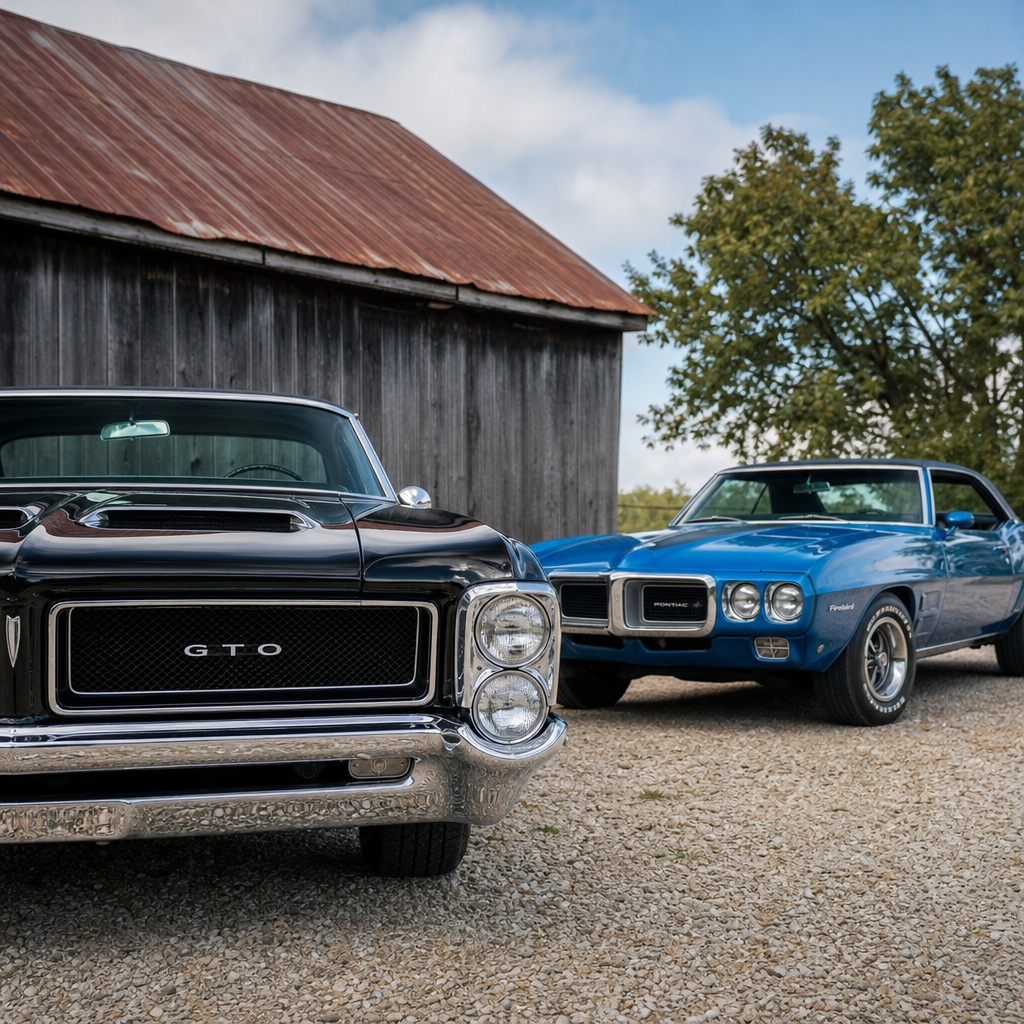
Third-generation Camaros and Firebirds also deserve more attention than they receive. For years, collectors dismissed them as emissions-era leftovers, but that view misses their significance. These cars brought sharp aerodynamics, digital instrumentation on some trims, and a distinctly 1980s American performance identity. Even six-cylinder cars can be enjoyable cruisers, while V8 Z28 models offer legitimate enthusiast appeal. The challenge is finding original interiors that have not cracked, warped, or been poorly dyed. Mechanical parts are plentiful, but cosmetics matter greatly on resale.
Japanese options under $20,000 are especially compelling because many were used hard, modified, or simply ignored until clean survivors became scarce. The Mk2 Supra is a standout. It has a long hood, rear-wheel drive balance, and a refined grand-touring personality different from later turbo hero cars. Likewise, the first-generation RX-7 remains one of the purest affordable driver’s classics if compression numbers are healthy and cold-start behavior is correct. Rotary ownership is manageable when buyers understand maintenance intervals and avoid neglected examples.
American underrated classics with real upside
Among American classics under $20,000, the smartest buys often sit just outside the obvious muscle-car spotlight. Buick Riviera models from the mid-1960s are a prime example. Designed under Bill Mitchell’s era at General Motors, the Riviera delivered crisp proportions and a premium interior without copying Cadillac. It also carried serious V8 torque through proven GM mechanicals. Compared with similarly styled contemporaries from more hyped nameplates, the Riviera still looks inexpensive. The catch is trim. Missing side moldings, pitted pot metal, and interior-specific parts can drain a budget faster than engine work.
The Chevrolet El Camino is another practical choice because it straddles collector and utility markets. A decent G-body El Camino can serve as a weekend cruiser, parts hauler, and conversation piece. Small-block Chevrolet support is unmatched, and suspension or brake upgrades are straightforward. In my experience, buyers underestimate how often these vehicles rust where the cabin meets the bed, especially under seals and around the tailgate. If the body is straight and the frame is sound, almost everything else is fixable at reasonable cost.
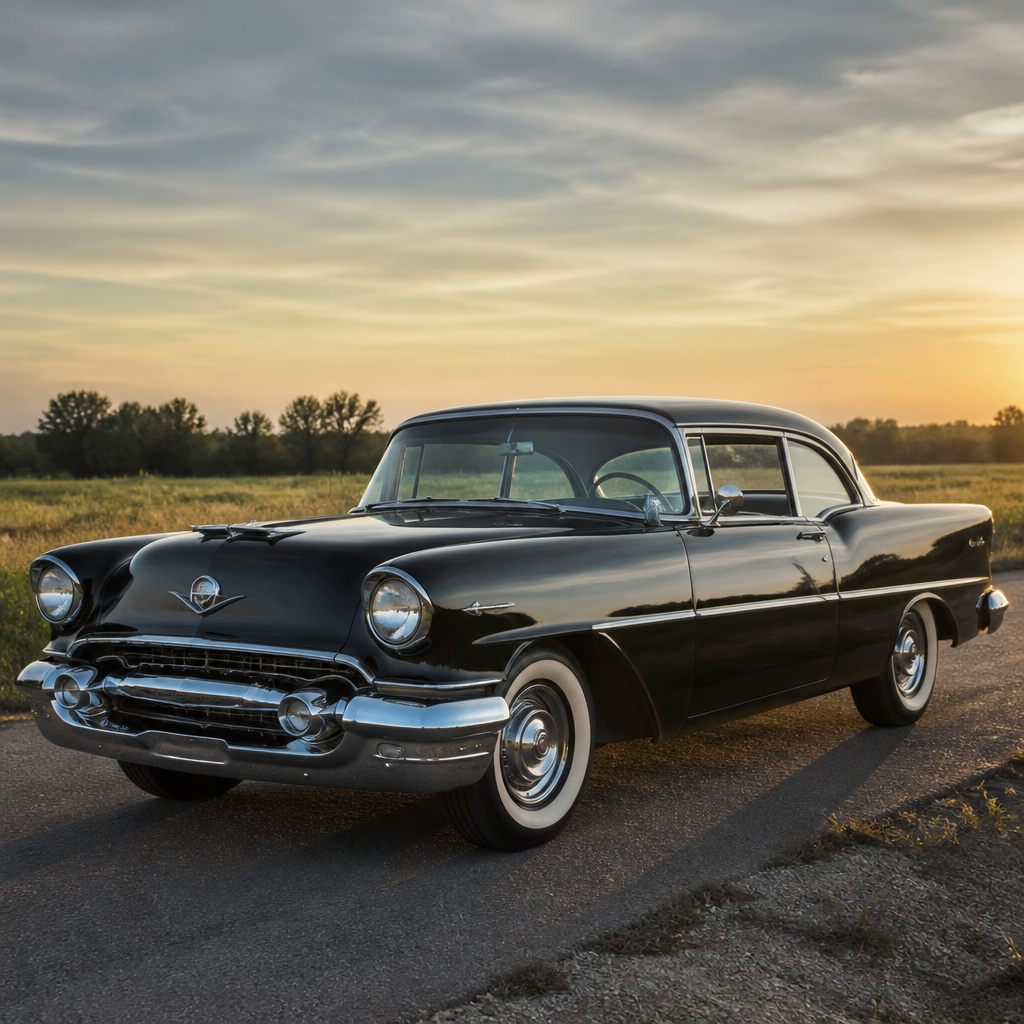
One more overlooked American route is the full-size personal luxury coupe, especially models from Oldsmobile, Mercury, and Chrysler divisions. They are not all future stars, but the right examples can deliver low-mileage originality, V8 smoothness, and strong event presence for modest money. Think 1970s Oldsmobile Cutlass Supreme coupes, Mercury Cougar XR-7s, or Chrysler Cordoba survivors with documented history. These cars are best for buyers who value cruising, preservation, and period style over outright performance. Purchase the nicest, most complete example you can find, because cosmetic restoration rarely pencils out on lower-value models.
European and Japanese choices that stay accessible
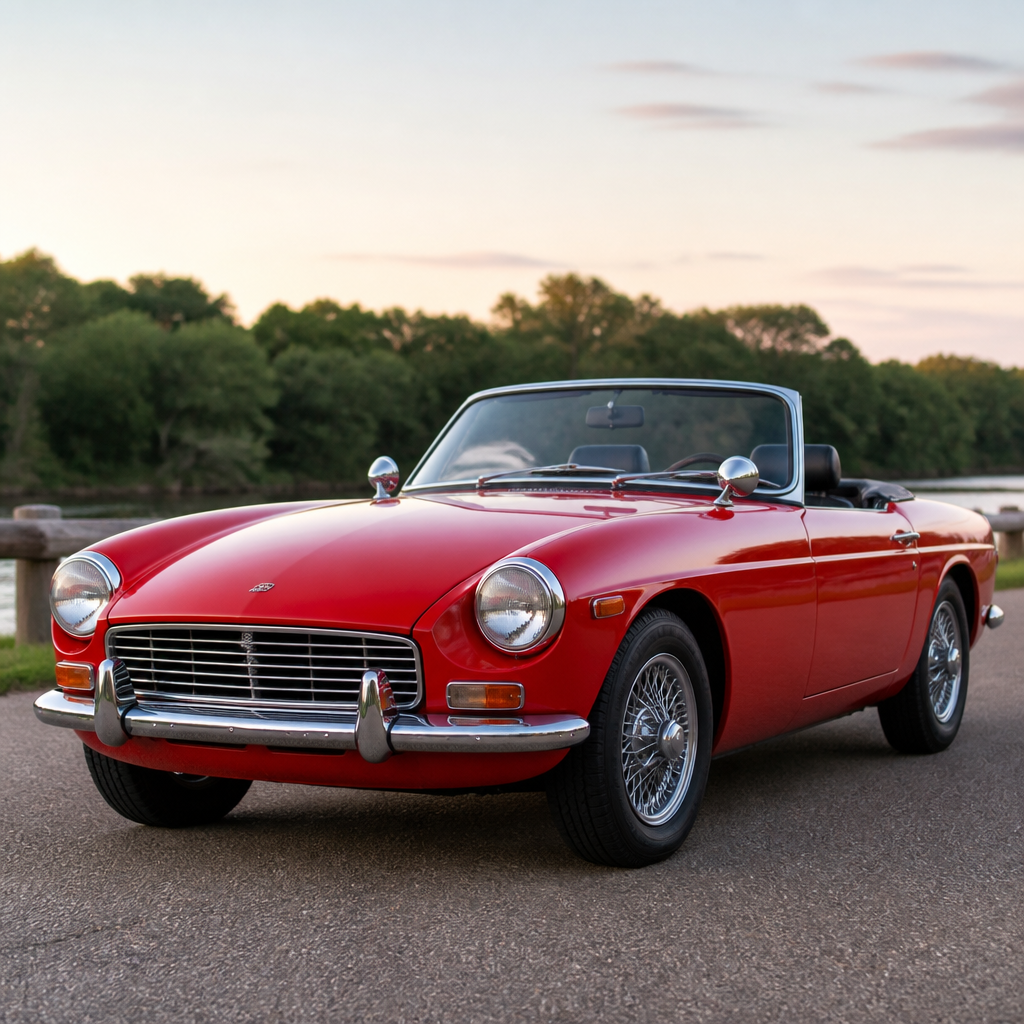
European classics under $20,000 can be dangerous if you buy purely on badge prestige, but several overlooked models remain sensible. The Mercedes-Benz R107 SL, especially 280 SL and higher-mile 450 SL examples, offers one of the clearest paths into recognized classic ownership. These cars were engineered to a high standard, with durable drivetrains and broad specialist support. However, “affordable” only applies when maintenance records are strong. Timing-chain guides, vacuum systems, climate-control repairs, and soft-top condition directly affect ownership costs. A cheaper neglected car is usually the expensive choice.
The BMW E30 sedan is a better value today than many two-door E30s because collector demand has heavily favored coupes and convertibles. Yet the sedan delivers the same basic formula: communicative steering, compact dimensions, and a chassis that still teaches smooth driving. The 325e’s eta engine emphasizes torque and economy, while later six-cylinder cars feel livelier. Rust around jacking points, battery trays, and windshield seals needs close inspection. Cooling-system refreshes are routine, and cracked dashboards are common, but drivetrain parts remain widely available.
Japanese classics continue to gain respect because they combine reliability with distinctive period design. Beyond the Supra and RX-7, buyers should watch 1980s Honda Prelude, Nissan 300ZX Z31, and Mitsubishi Starion prices. These are not always easy to source in pristine condition, but they offer technology and styling that increasingly resonate with younger collectors. The key is originality. Factory wheels, uncut interiors, emissions equipment, and documented service matter more each year because modified examples still outnumber preserved ones. As values rise, originality becomes the clearest differentiator in the affordable import segment.
How to buy well: inspection, ownership costs, and value signals
If you want an affordable underrated classic car under $20,000, spend less time chasing the rarest badge and more time verifying condition. Start with body integrity, then move to paperwork, then test-drive behavior. I always recommend checking VIN tags, title status, body panel alignment, floor pans, trunk wells, and weatherstrip areas before discussing engine upgrades or paint shine. Magnet tests, lift inspections, and paint-meter readings are useful on cars with suspiciously fresh restorations. A stack of service records often tells you more than a glossy respray.
Budgeting matters as much as purchase price. A realistic first-year reserve for any sub-$20,000 classic is usually $2,000 to $5,000 for tires, hoses, fluids, brake hydraulics, battery, belts, and deferred maintenance. Cars with Bosch fuel injection, carburetors, or early electronic ignition systems may need specialist diagnosis, but those costs are manageable if the car is fundamentally sound. What destroys budgets is hidden rust, poor wiring, and incomplete cars. Never buy a disassembled project unless you already know the platform intimately and have a parts source lined up.
Watch market signals, but do not buy only on speculation. A healthy sign is when strong drivers sell consistently, not just concours examples. Another is when specialist vendors start reproducing trim, weatherstrips, and interior pieces; that usually means the owner base is strengthening. Auction commentary, insurance guides, and active forums help confirm whether a model is moving from overlooked to recognized. Still, the core benefit of underrated classics is enjoyment. If the market never spikes, you should still own a car that is satisfying to drive, maintain, and share at local shows.
The best affordable underrated classic cars under $20,000 reward buyers who stay disciplined. Choose platforms with solid parts support, inspect ruthlessly for rust and neglect, and prioritize complete, honest cars over shiny problem cases. American options like the Fox Body Mustang, Buick Riviera, and El Camino offer mechanical simplicity and broad enthusiast backing. European choices such as the Mercedes R107 and BMW E30 sedan provide heritage and usable dynamics when bought carefully. Japanese standouts including the Mk2 Supra and first-generation RX-7 bring rising collector interest with distinctive engineering and style.
As a hub for underrated classics, this guide points to the central truth of the market: value lives where design, drivability, and story exceed price. You do not need a massive budget to enter classic car ownership intelligently. You need a clear inspection process, realistic operating budget, and patience to wait for the right example. Start by narrowing your search to two or three models from this list, join the relevant owner communities, and compare recent sales before making an offer. Buy the best-condition car you can afford, and you will enjoy the hobby while others chase overpriced icons.
Frequently Asked Questions
What qualifies as an affordable underrated classic car under $20,000?
An affordable underrated classic car under $20,000 is typically a vehicle that combines genuine vintage appeal with a market price that remains accessible to enthusiasts who are not shopping at the top end of the collector market. In practical terms, these are cars old enough to have historical interest, recognizable styling, and a real enthusiast following, but not so heavily hyped that values have been pushed far beyond what the average buyer can justify. “Underrated” usually means the car offers more than its current market price suggests, whether that comes from strong engineering, distinctive design, low production numbers, an engaging driving experience, or long-term collectibility that has not yet been fully recognized.
Under this definition, many overlooked American coupes, personal luxury cars, compact performance models, 1970s and 1980s sport sedans, and lesser-known imports can fit the category. The key is value relative to character. A car does not need to be rare or exotic to be underrated. Sometimes the best examples are solid, stylish models that lived in the shadow of more famous rivals. Buyers in this price range should focus less on badge prestige and more on condition, originality, maintenance history, and parts availability. A truly affordable underrated classic is one that can still be bought responsibly, enjoyed regularly, and maintained without turning ownership into a constant financial drain.
Which types of classic cars are most likely to be undervalued today?
The most undervalued classics are often the ones that sit just outside the mainstream collector spotlight. That includes cars overshadowed by more famous siblings, such as midsize coupes ignored in favor of headline muscle cars, or luxury grand tourers dismissed because they are not the most collectible trim level in the lineup. It also includes vehicles from brands that built excellent cars but never achieved the same auction visibility or media attention as Chevrolet, Ford, Porsche, or Mercedes-Benz. Many buyers find value in 1970s and 1980s coupes, entry-level European sedans, orphan brands, and Japanese classics that are admired by enthusiasts but still priced below comparable icons.
Another group that tends to remain undervalued is made up of cars with strong fundamentals but weak stereotypes. For example, some classics are labeled as “not the desirable engine,” “not the performance version,” or “too new to be truly collectible,” even though they still deliver handsome styling, solid road manners, and enjoyable ownership. These cars often become attractive buys because the broader market focuses too narrowly on the highest-horsepower or most glamorous variants. Buyers who are willing to appreciate period design, mechanical simplicity, and analog driving character can often find excellent choices under $20,000 that have genuine long-term appeal. In many cases, the best values come from buying a well-kept, enthusiast-owned example of a less celebrated model rather than chasing a rough version of a famous car that exceeds the budget once restoration begins.
Is it better to buy the best-condition classic car you can afford or choose a cheaper project?
For most buyers, the best-condition car you can afford is almost always the smarter decision, especially in the under-$20,000 classic segment. Cosmetic restoration, rust repair, upholstery work, paint correction, and incomplete mechanical sorting can quickly consume far more money than people expect. Even a “cheap” classic can become expensive if it needs bodywork, trim pieces, electrical repairs, or hard-to-find model-specific parts. A clean, running, well-documented car may cost more upfront, but it usually saves substantial money, time, and frustration over the long run. It also gives you the chance to enjoy the car immediately instead of letting it sit in a garage while costs spiral.
That said, a project can still make sense for the right buyer. If you have restoration skills, shop access, patience, and a realistic understanding of parts pricing, a lightly needy car may offer a path into a model that would otherwise be out of reach. The important distinction is between a manageable driver-quality project and a restoration case disguised as a bargain. Prioritize structural integrity above all else. Rust, missing trim, accident damage, and neglected maintenance are usually more serious warning signs than faded paint or a tired interior. In this part of the market, the financial winner is often the buyer who pays more for a complete, solid car with records rather than the buyer who chases the lowest asking price.
What should you inspect before buying an underrated classic car under $20,000?
A pre-purchase inspection is essential because condition matters more than reputation in the affordable classic market. Start with the body and chassis. Check carefully for rust in floors, rocker panels, trunk areas, frame rails, suspension mounting points, wheel arches, and lower body seams. Rust repair is one of the fastest ways to turn an affordable purchase into an uneconomical one. Look for inconsistent panel gaps, overspray, mismatched paint, bubbling, and signs of previous accident repair. Next, assess mechanical condition by evaluating cold starts, idle quality, oil pressure if available, transmission behavior, braking performance, cooling system function, steering feel, and suspension noises. Even simple classics can hide expensive deferred maintenance.
You should also inspect the car’s completeness and documentation. Missing trim, broken switches, cracked lenses, damaged dash components, and incorrect model-specific parts can be surprisingly difficult or costly to replace. Verify that the VIN, title, engine details where applicable, and any originality claims all line up. Service records, ownership history, and receipts add real value because they help you understand what has already been repaired and what may be due next. If possible, consult a specialist familiar with the specific make or model. Underrated classics often vary widely in parts support and known problem areas, so model knowledge can prevent a costly mistake. A thorough inspection is not just about finding faults; it is about confirming that the car’s condition matches its asking price and your ownership expectations.
Are underrated classic cars under $20,000 good investments, or should they be bought mainly for enjoyment?
They should primarily be bought for enjoyment, with investment potential treated as a bonus rather than a guarantee. The strongest reason to buy an affordable underrated classic is that it offers a distinctive ownership experience: period styling, mechanical feel, road presence, and a connection to automotive history that modern cars often cannot replicate. If the market eventually recognizes the model’s value more broadly, that is an advantage, but it should not be the only justification for the purchase. In the under-$20,000 range, condition, originality, and preservation matter enormously, and transaction costs, maintenance, insurance, storage, and repairs can easily offset modest appreciation.
That said, some underrated classics do have genuine upside. Cars with attractive design, strong enthusiast communities, good parts support, limited surviving numbers, and historical significance often age well in the market. The best candidates tend to be honest, unmodified examples of models that enthusiasts already respect but mainstream buyers still overlook. Even then, appreciation is rarely linear, and popularity can shift as collector tastes evolve. A buyer who chooses carefully may preserve capital better than if they bought a heavily depreciating modern car, but the real value comes from buying something memorable, usable, and satisfying to own. In other words, the best affordable classic purchase is one you would still be happy to keep even if the market stayed flat.