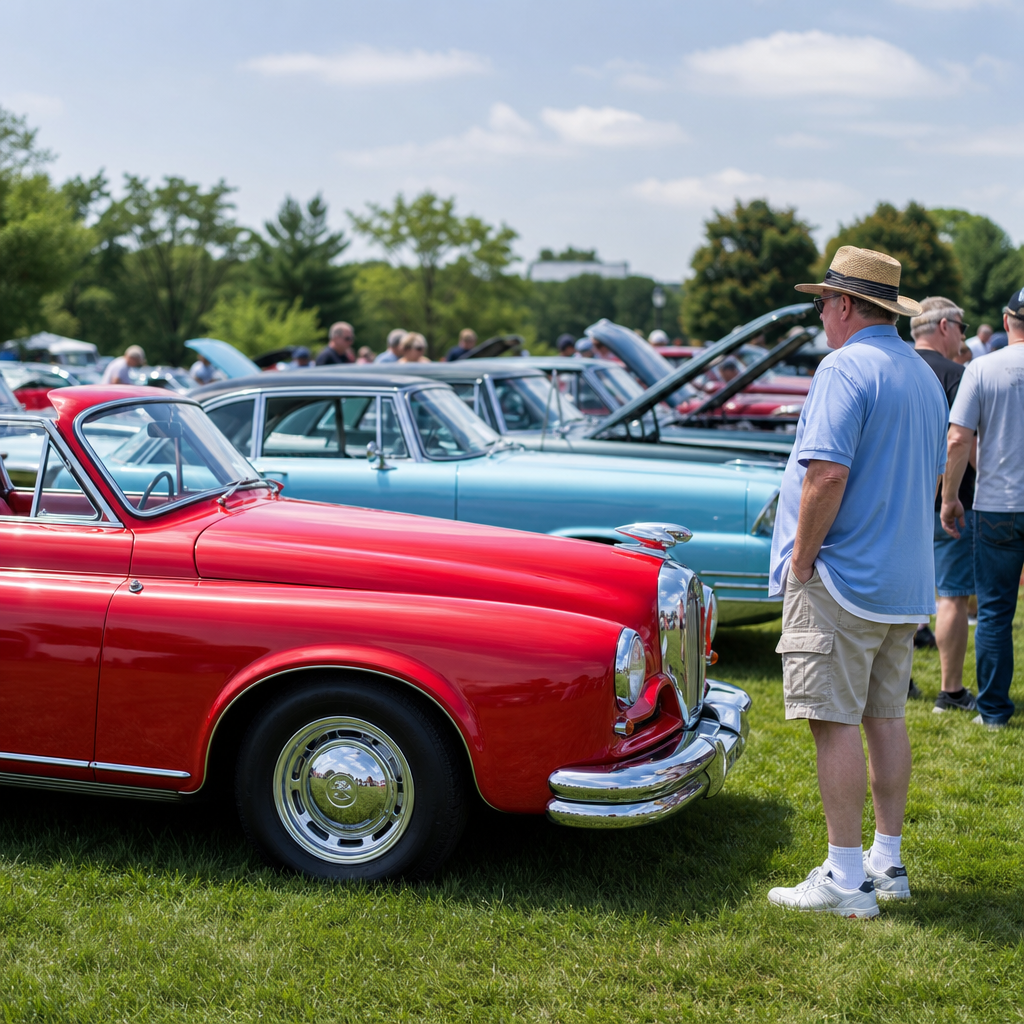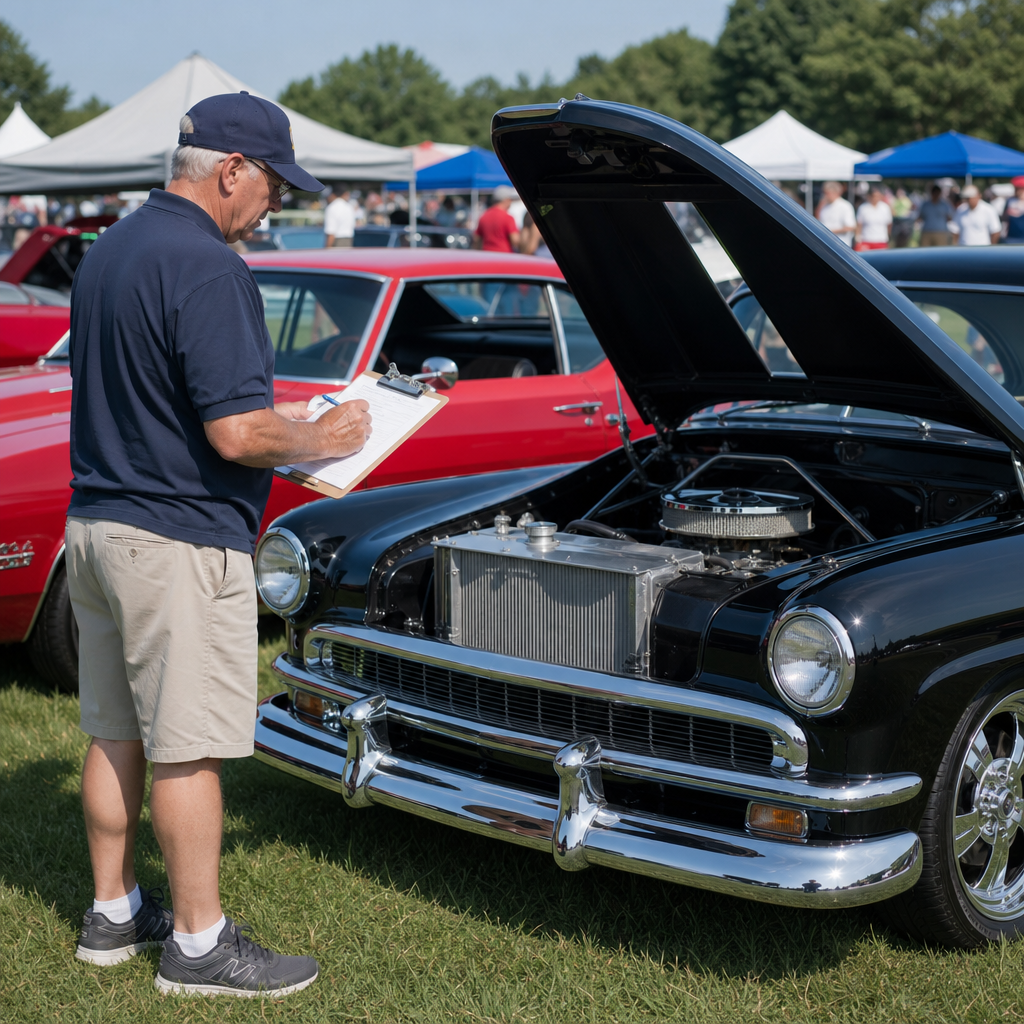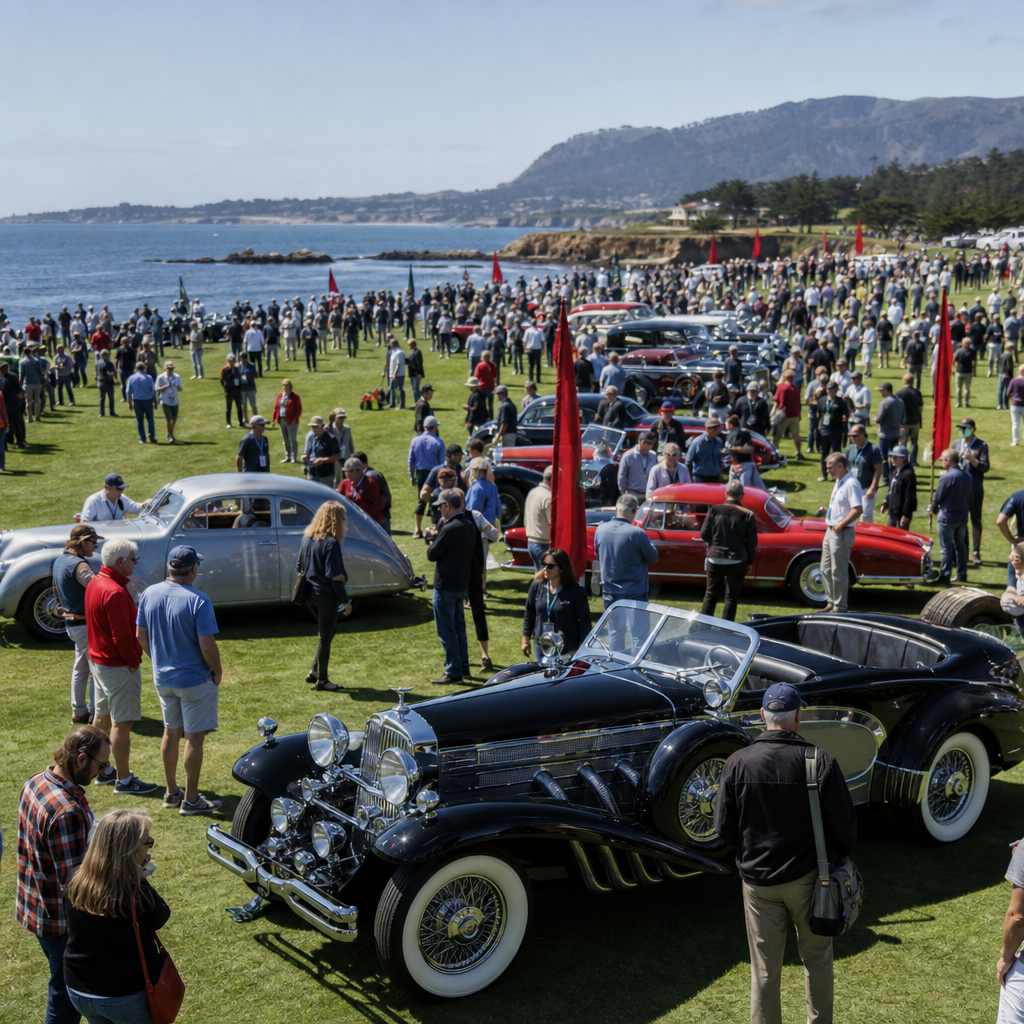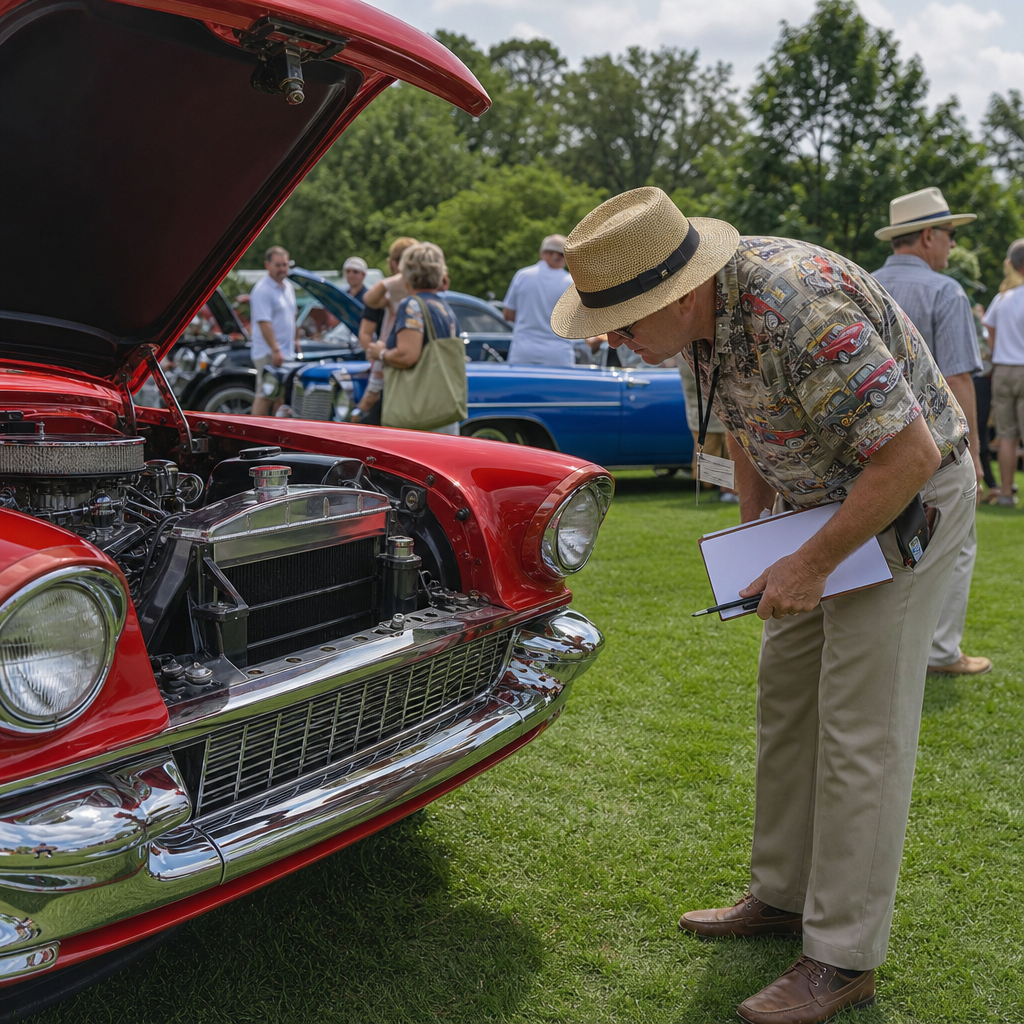
Classic cars have played a starring role in music videos and pop culture for decades, shaping how audiences see style, rebellion, nostalgia, and status. In the broadest sense, a classic car is usually a vehicle valued for its age, design, engineering, cultural importance, or collector appeal, while pop culture includes the movies, television, music videos, advertising, celebrity imagery, fashion campaigns, and social media moments that influence mainstream taste. Put those ideas together and you get something bigger than transportation: an instantly recognizable visual language. A 1959 Cadillac signals excess, a 1967 Ford Mustang evokes freedom, a 1963 Chevrolet Impala suggests lowrider heritage, and a 1981 DeLorean immediately recalls time-travel fantasy.
I have worked on automotive content and media analysis long enough to see a pattern repeat across generations: when directors, musicians, stylists, and brand marketers need to communicate character fast, they reach for the right car. The camera loves sheet metal because it carries story before anyone speaks. Tailfins, chrome grilles, long hoods, wire wheels, split windows, and suicide doors are not just design details; they are narrative shortcuts. They tell viewers whether a scene is glamorous, dangerous, romantic, rebellious, ironic, or rooted in a particular community.
This matters because classic cars do more than decorate a frame. They influence collector demand, drive restoration trends, preserve regional traditions, and help younger audiences discover automotive history through entertainment first. A teenager may not begin with Hemmings, Barrett-Jackson, or concours events, but they may notice a Buick GNX in a video, a Ferrari 308 on a streaming series, or a lowrider at the center of a halftime performance and start asking questions. That chain reaction connects media exposure to real-world enthusiast culture. As the hub for movies and media within classic car culture and lifestyle, this guide explains how classic cars function on screen, why certain models become icons, and how music videos, films, television, celebrity branding, and digital culture keep these vehicles relevant.
Why classic cars remain powerful visual symbols
Classic cars endure in media because they combine sculptural design with cultural memory. Modern vehicles often prioritize aerodynamic efficiency, safety packaging, and brand uniformity, but many older cars were drawn with exaggerated proportions that read clearly on camera. Wide grilles, dramatic beltlines, hood ornaments, wraparound windshields, and bright trim create silhouettes viewers remember after a single shot. Directors understand this. If you park a 1957 Chevrolet Bel Air, a 1969 Dodge Charger, and a 1973 Cadillac Coupe de Ville in the same frame, each projects a distinct social meaning before the actor opens the door.
Music videos especially rely on compressed storytelling, so every prop must work hard. Classic cars instantly establish setting and persona. A lowrider hopping on hydraulics communicates West Coast Chicano identity and customization heritage. A black muscle car with matte paint and blower hardware suggests raw power and outlaw energy. A vintage Rolls-Royce implies wealth, ceremony, and old-world prestige. Because these meanings are widely shared, classic cars function almost like costume design for the road.
There is also a practical reason for their staying power: older cars offer tactile movement and light behavior that digital effects rarely match. Chrome reflects stage lighting dramatically. Bench seats, pillarless coupes, and oversized steering wheels give performers room to pose naturally. Convertibles allow camera rigs and unobstructed profile shots. When producers want authenticity rather than sterile perfection, a real classic car usually delivers it.
Classic cars in music videos: image, identity, and genre
Music videos have been one of the strongest engines of classic car visibility since the MTV era, and the relationship is not random. Different genres repeatedly choose different types of cars because the vehicle supports the artist’s image and the song’s emotional register. In hip-hop and R&B, lowriders, full-size American cruisers, luxury classics, and boxy performance sedans appear often because they connect to local scenes, custom paint traditions, and visible craftsmanship. Dr. Dre and Snoop Dogg helped cement the 1964 Chevrolet Impala as a central symbol of G-funk imagery, while countless West Coast productions used Impalas, Rivieras, Cutlasses, and Cadillacs to reference cruising culture and neighborhood pride.
Rock videos historically leaned toward muscle cars, hot rods, and vintage trucks because they reinforce speed, mechanical aggression, and blue-collar authenticity. Pop productions often choose glamorous convertibles, pastel cruisers, or sharply styled European classics that support nostalgia without narrowing the audience too much. Country videos frequently feature square-body pickups, older Broncos, first-generation Blazers, and restored American coupes to signal rural identity, heritage, and practicality. These are not arbitrary props. They are genre-specific visual codes that audiences decode instantly.
Artists also use classic cars to bridge eras. A contemporary performer can borrow the authority of automotive history while still presenting a modern brand. When a singer appears beside a 1970s Mercedes SL, a 1950s Cadillac Eldorado, or a 1980s Porsche 911, the car lends permanence. It suggests the artist belongs in a lineage of style rather than a disposable trend cycle. That is why classic cars remain common in comeback videos, tribute performances, and album campaigns built around reinvention.
From film scenes to television franchises: how screen exposure creates icons
Film and television have produced some of the most valuable and recognizable classic cars in the world because repeated screen time turns a vehicle into a character. The 1968 Ford Mustang GT fastback from Bullitt is a benchmark example. Its Highland Green paint, stripped-down presentation, and San Francisco chase sequence created a template for cool that still affects Mustang marketing and restoration choices today. The 1970 Dodge Charger from The Fast and the Furious, the 1977 Pontiac Trans Am from Smokey and the Bandit, and the DeLorean DMC-12 from Back to the Future show the same pattern: cinematic use can outweigh original sales success.
Television deepens this effect through repetition. The Ferrari 308 GTS in Magnum, P.I., KITT’s modified Pontiac Firebird Trans Am in Knight Rider, and the General Lee, a 1969 Dodge Charger in The Dukes of Hazzard, reached viewers weekly and became woven into household memory. In practical market terms, exposure like that elevates model recognition far beyond enthusiast circles. People who cannot identify a big-block engine can still identify a famous screen car by shape, color, or horn sound.
Studios and collectors know this exposure carries measurable value. Screen-used hero cars often sell for premiums at auction because provenance matters. A standard model may be desirable, but a car documented with production records, VIN verification, studio paperwork, and photo matches can become a seven-figure artifact. That difference shows how media transforms a machine into memorabilia and then into investment-grade cultural history.
Lowriders, muscle cars, and luxury cruisers: what different classics communicate
Not every classic car means the same thing, and understanding those differences is essential if you are mapping movies and media within classic car culture. The categories below appear repeatedly because each carries a stable set of associations for viewers.
| Vehicle type | Common examples | Typical media meaning | Frequent appearances |
|---|---|---|---|
| Lowriders | 1963-1964 Chevrolet Impala, Buick Riviera, Cadillac Coupe de Ville | Community, artistry, cruising, heritage, pride in customization | Hip-hop videos, urban dramas, documentaries, live performances |
| Muscle cars | 1967-1969 Camaro, 1968-1970 Charger, 1969 Mustang | Power, rebellion, danger, pursuit, freedom | Action films, rock videos, car chases, branded campaigns |
| Luxury classics | Rolls-Royce Silver Shadow, Mercedes-Benz SL, Bentley T-Series | Wealth, taste, exclusivity, celebrity status | Pop videos, fashion shoots, prestige television |
| European exotics | Ferrari 308, Lamborghini Countach, Porsche 911 | Aspiration, speed, glamour, excess | 1980s-inspired visuals, nightlife scenes, collector features |
| Vintage trucks and SUVs | Ford Bronco, Chevrolet C10, International Harvester Scout | Authenticity, Americana, rugged lifestyle | Country videos, outdoor brands, retro storytelling |
These meanings are not fixed forever, but they are consistent enough that producers use them intentionally. I have seen treatments where the car is selected before wardrobe because everyone involved knows the vehicle will anchor the scene’s emotional tone.
Celebrity ownership, fashion, and brand partnerships
Classic cars stay in public view because celebrities treat them as extensions of personal brand. Jay Leno’s collection represents deep enthusiast credibility. Ralph Lauren’s garage links automotive design with couture and museum-level curation. Musicians such as Elvis Presley, Prince, and more recent performers have used cars to reinforce mystique, taste, and era-specific identity. When an artist posts a vintage Mercedes, Corvette, or Cadillac on social media, the image often circulates far beyond core car audiences and introduces the model to fashion, lifestyle, and design media.
Fashion photography has amplified this crossover for decades. A classic car provides texture that sterile studio backdrops cannot. Leather interiors, analog gauges, thin-rim steering wheels, and lacquered paint create tactile richness that complements clothing and jewelry. That is why luxury campaigns repeatedly feature convertibles from the 1950s through the 1980s. The car gives the campaign instant narrative context: Riviera leisure, downtown glamour, road-trip romance, or old-money exclusivity.
Brand partnerships also shape values in the collector market. When an automaker reissues heritage colors, restages archive imagery, or collaborates with entertainment franchises, it reminds buyers that the old model still carries symbolic weight. Auction houses such as RM Sotheby’s, Gooding Christie’s, and Mecum regularly highlight celebrity association, screen provenance, and media history because those details add both emotional and monetary value.
How media exposure influences collecting, restoration, and enthusiast trends
Media attention changes what people buy, restore, and search for. After a prominent film, series, or video release, certain vehicles often see spikes in online queries, classified views, and parts demand. Auction data does not move on exposure alone, but visibility matters. If a younger audience repeatedly sees square-body trucks, Fox-body Mustangs, or 1980s Mercedes coupes in stylish productions, those vehicles start to feel collectible rather than merely old. That shift affects insurance valuations, restoration shop backlogs, and aftermarket support.
I have seen this cycle firsthand. A model lingers in the background of enthusiast culture for years, then a director frames it well, an artist associates it with status, and suddenly buyers begin chasing examples with original trim, factory colors, and period-correct wheels. Restoration standards often improve at the same time because media-trained buyers pay attention to details. They want the right hubcaps, era-appropriate upholstery grain, OEM-style badging, and authentic stance because the screen image created a mental reference point.
There are tradeoffs. Visibility can inflate prices beyond accessibility for the communities that preserved these cars when they had little mainstream value. Lowriders are a clear example. They are not simply aesthetic objects; they are tied to family lineage, regional clubs, hand-built customization, and Mexican American cultural history. Good media coverage can educate outsiders, but shallow use can strip context and reduce a living tradition to a visual trope. The same caution applies to muscle cars, customs, and vintage imports. Responsible storytelling names the people, places, and craftsmanship behind the image.
Digital platforms, streaming culture, and the future of classic car media
Today, classic cars move through culture faster because discovery no longer depends on theatrical releases or cable rotation. Streaming platforms, YouTube archives, TikTok edits, Instagram reels, and fan forums let a single clip revive a forgotten vehicle overnight. A younger viewer may first encounter a 1972 Chevy Monte Carlo through a concert visual, then find build videos, model histories, auction results, and owner communities within minutes. That compressed discovery path is one reason interest in analog design has remained strong even as new cars become more software-defined.
Digital media also rewards specificity. Communities form around exact generations, trims, wheel styles, and regional aesthetics. That helps preserve nuance. Instead of vague nostalgia for “old cars,” viewers can learn why a split-window 1963 Corvette matters, how Daytons differ from steelies, why a Mercedes R107 feels distinct from a W126, or what makes a numbers-matching restoration important. Detailed enthusiasts, museums, archives, and independent creators have become essential interpreters between mainstream pop culture and serious collector knowledge.
For a sub-pillar hub on movies and media, the practical takeaway is simple: classic cars endure because they are not passive background objects. They are symbols, storytelling devices, investment drivers, design references, and cultural records at once. If you want to go deeper, explore related articles on iconic movie cars, famous music video lowriders, television hero cars, celebrity collectors, and the market impact of screen appearances. The more closely you look, the clearer it becomes that classic car culture is not separate from pop culture. It is one of the machines that keeps pop culture moving.
Frequently Asked Questions
Why do classic cars appear so often in music videos and pop culture?
Classic cars appear so often in music videos and pop culture because they communicate meaning instantly. A well-chosen vintage Mustang, Cadillac, Corvette, Impala, Porsche, or Rolls-Royce can tell viewers something about a performer, character, or brand before a single line of dialogue is spoken. These vehicles carry built-in associations with rebellion, glamour, freedom, wealth, nostalgia, craftsmanship, and individuality. In a music video, that visual shorthand is incredibly valuable because directors often have only a few minutes to establish an entire mood, identity, and story.
They also work across generations. Older audiences may recognize a specific model from personal memory, while younger viewers often respond to the design, rarity, and cinematic presence of a car that feels more distinctive than many modern vehicles. Sharp chrome, long body lines, tailfins, muscle-car proportions, and handmade details create a stronger visual personality on camera. That makes classic cars ideal props for pop culture environments built around memorable images.
Just as importantly, classic cars are flexible symbols. In one setting, they can suggest old-school cool and romance; in another, they can stand for toughness, street credibility, or success. A lowrider can represent community, artistry, and heritage. A vintage luxury sedan can project timeless status. A muscle car can symbolize raw power and American bravado. Because pop culture thrives on recognizable symbols, classic cars remain one of its most effective visual tools.
How have classic cars shaped the image of artists, celebrities, and characters in popular media?
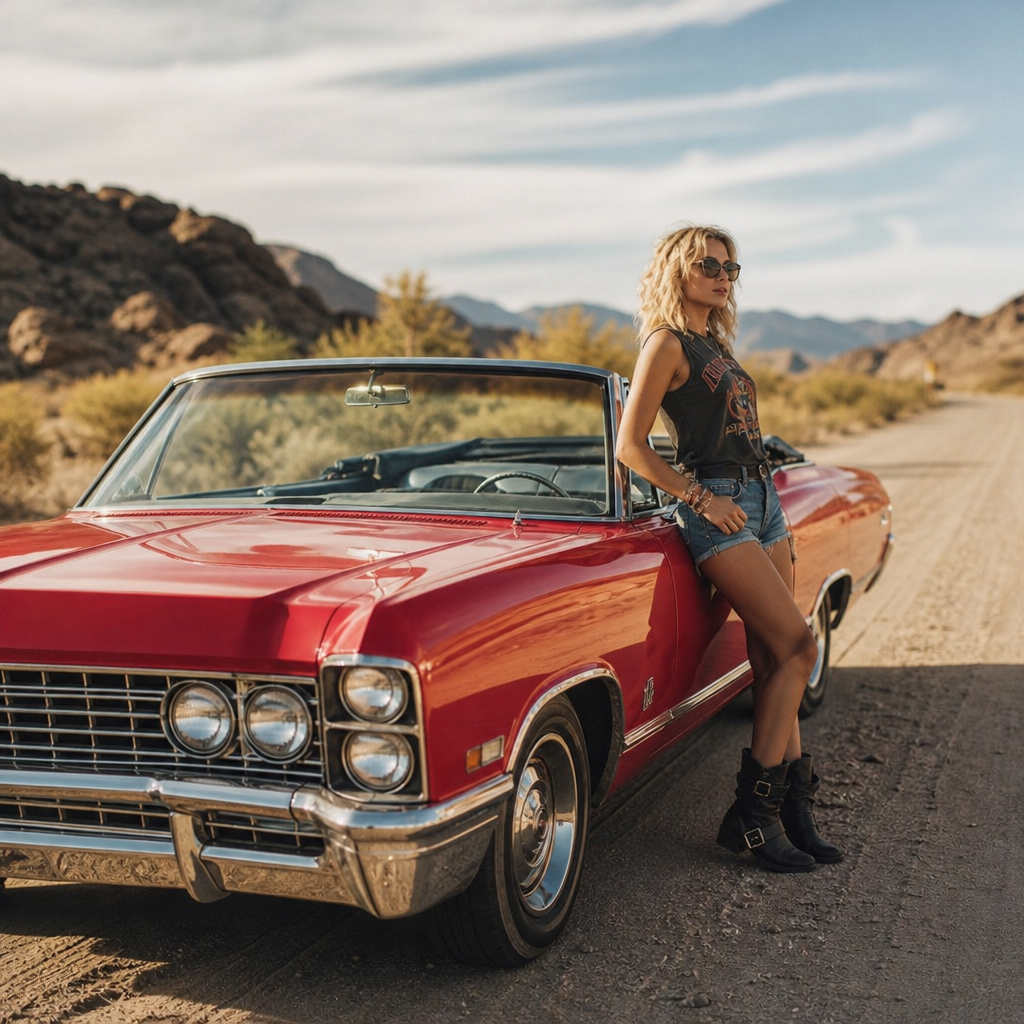
Classic cars have helped shape public image by becoming extensions of personality. In music videos, films, television, and celebrity photo shoots, the right car can reinforce an artist’s brand in a way that feels immediate and authentic. A performer standing beside a polished 1960s convertible projects a different energy than one leaning against a stripped-down hot rod or cruising in a custom lowrider. The car becomes part of the visual vocabulary surrounding that person’s identity.
This is especially important in pop culture because image and storytelling are closely linked. Audiences do not just consume songs, movies, or campaigns; they consume the lifestyle and aesthetic that surround them. Classic cars help build that world. They can suggest that an artist is rooted in tradition, connected to a specific region, influenced by a certain era, or aligned with themes like independence, danger, elegance, or nostalgia. For actors and fictional characters, the effect can be even stronger. Some vehicles become inseparable from the people who drive them on screen, turning the car itself into a recognizable cultural icon.
Celebrities and brands also benefit from the authenticity that classic cars can bring. Because these vehicles are often rare, restored, customized, or carefully collected, they imply taste and intentionality. Audiences may see them as more personal than a generic new luxury vehicle. In that sense, a classic car does not merely decorate an image; it deepens it, helping create a more memorable and culturally resonant persona.
What kinds of messages do classic cars send in music videos and visual storytelling?
Classic cars can send a wide range of messages, which is one reason they remain so valuable in visual storytelling. One of the most common messages is freedom. Open-road imagery, convertibles, desert highways, city cruising, and nighttime driving sequences all use the car as a symbol of movement and escape. In music videos especially, that can reinforce themes of ambition, heartbreak, reinvention, youth, or emotional release.
They also often convey status, but in a more layered way than simply showing wealth. A classic car can represent taste, legacy, access, and cultural knowledge. Driving a restored vintage luxury model says something different from driving a new exotic supercar. It can suggest appreciation for history, confidence in personal style, or alignment with a more timeless kind of prestige. In other contexts, a worn but beloved older vehicle can symbolize grit, authenticity, working-class roots, or lived experience.
Another major message is nostalgia. Pop culture frequently uses classic cars to evoke a specific decade, social mood, or idealized past. That does not always mean historical accuracy; often it is about emotional memory. A filmmaker or music video director may use a car to trigger feelings associated with summer, first love, rebellion, Americana, or a romanticized urban scene. Classic cars can also express cultural identity, especially in communities where customization traditions, cruising culture, and family heritage are central. When used thoughtfully, they become more than props; they become symbols loaded with social and emotional meaning.
Are certain classic cars more influential than others in pop culture history?
Yes, certain classic cars have had an outsized influence because they are visually distinctive, culturally symbolic, or repeatedly featured in major films, music videos, television shows, and celebrity media. American muscle cars such as the Ford Mustang, Chevrolet Camaro, Dodge Charger, and Pontiac GTO have long represented performance, defiance, and youthful energy. Large classic Cadillacs often symbolize luxury, showmanship, and old-school status. Chevrolet Impalas and other lowrider favorites have become deeply associated with customization culture, community expression, and iconic urban imagery.
European classics have also played a major role. Vintage Mercedes-Benz models, classic Porsche sports cars, Jaguar roadsters, and Rolls-Royce sedans often signal sophistication, wealth, and cosmopolitan style. Meanwhile, cars like the Volkswagen Beetle or classic Mini have projected charm, quirkiness, accessibility, and retro appeal. Some vehicles become influential not just because of their design, but because they appear repeatedly at key cultural moments, allowing audiences to form strong associations over time.
Influence also depends on context. A car that dominates one era or genre may carry different meaning in another. For example, a 1950s coupe can evoke rock-and-roll heritage in one production and refined vintage fashion in another. A lowrider can symbolize technical artistry, neighborhood pride, and continuity with generations of custom-car culture. The most influential classic cars are the ones that remain recognizable while still being adaptable enough to speak to new audiences and new creative trends.
Why do classic cars still matter in today’s social media and digital pop culture landscape?
Classic cars still matter because visual culture has become faster, more crowded, and more image-driven, which makes instantly recognizable design more valuable than ever. On social media platforms, audiences scroll quickly, and a striking vehicle can stop attention in a fraction of a second. Classic cars excel in that environment because they offer strong shapes, texture, color, craftsmanship, and presence. Whether featured in a music clip, fashion editorial, influencer post, album teaser, or brand campaign, they create a sense of mood and distinction that stands out from more generic backdrops.
They also bridge old and new in a way that works especially well online. A classic car can give contemporary content a sense of history and permanence, while digital editing, modern styling, and current music can make the same vehicle feel fresh again. That balance is powerful. It allows creators to tap into nostalgia without seeming outdated and to project luxury or authenticity without relying solely on obvious status symbols. In an era when audiences value both aesthetics and storytelling, classic cars offer both at once.
Another reason they remain relevant is community. Car culture thrives on sharing, discussion, restoration stories, customization details, and regional traditions, all of which translate naturally to digital platforms. Fans do not just admire the vehicle; they engage with what it represents. A classic car in pop culture today can spark conversations about design history, music eras, fashion influences, celebrity identity, and cultural memory. That ongoing interaction keeps classic cars active in the public imagination, ensuring they remain powerful symbols in music videos and pop culture as a whole.