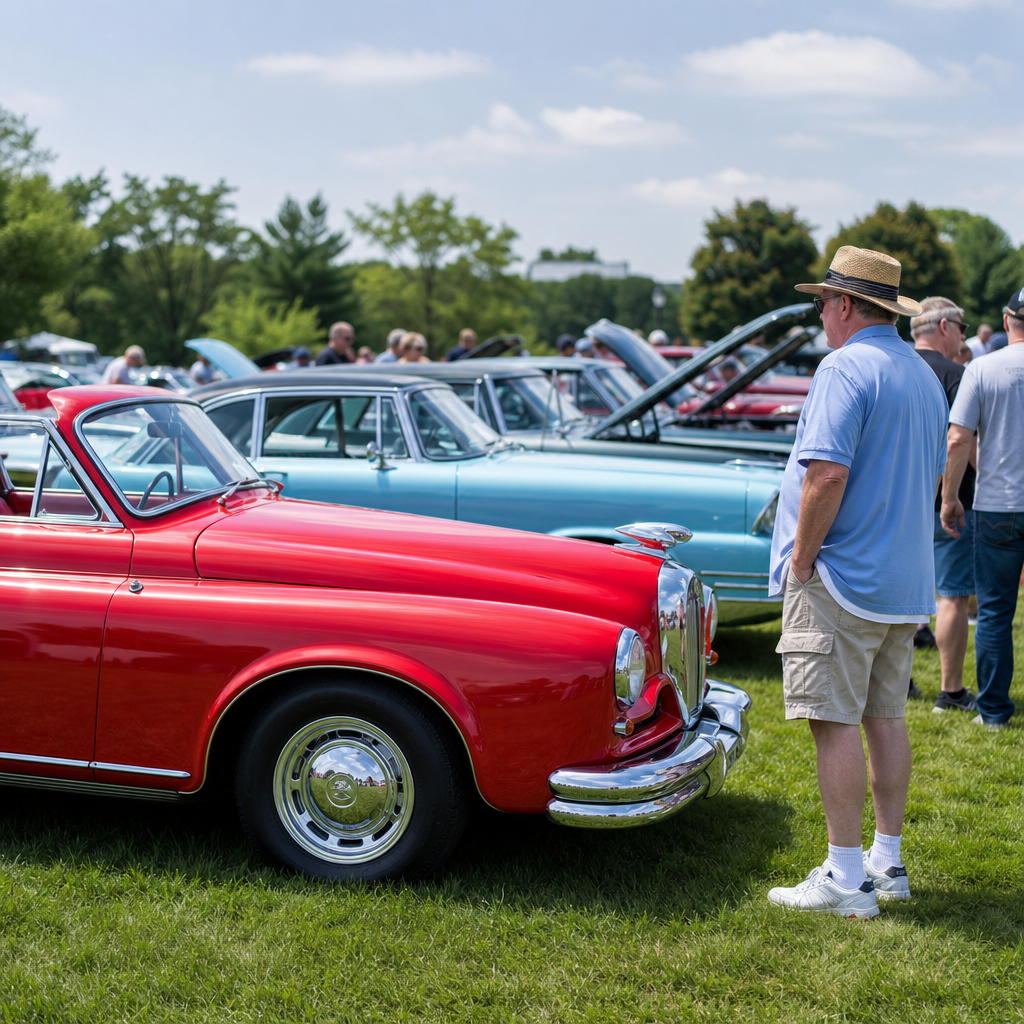
Classic car show etiquette for first-timers is more than a list of polite habits; it is the set of unwritten rules that protects vehicles, respects owners, and helps newcomers enjoy one of the most welcoming corners of automotive culture. In practical terms, etiquette covers how you approach a car, speak with exhibitors, move through the show field, take photos, bring children, and even where you stand while admiring a rare machine. If you are visiting your first concours, weekend cruise-in, marque meet, or charity show, understanding these rules matters because many classic vehicles are irreplaceable, many owners have invested decades in restoration, and a careless moment can undo years of work.
I have spent enough weekends on show fields, in parking-lot meets, and behind display ropes to know that the best first-time visitors are not the ones who know every chassis code. They are the ones who show respect, ask thoughtful questions, and read the room. Classic car events attract everyone from highly judged concours restorations to unrestored survivors, restomods, muscle cars, British roadsters, air-cooled Porsches, prewar sedans, and local driver-quality projects. Each category has its own norms, yet the core etiquette is consistent. Do not touch without permission. Do not interrupt judging. Do not block access. Do not assume every owner wants the same kind of conversation.
This article serves as a hub for car shows and events within classic car culture and lifestyle because first-timers usually need more than a few warning signs. They want to know what to wear, when to arrive, whether photos are acceptable, how to behave around club displays, what judges look for, and how to avoid embarrassing mistakes. They also want confidence. Good etiquette turns a spectator into a welcome participant, and it opens doors to better conversations, invitations to local events, and a deeper understanding of the hobby.
Whether you are attending a local Cars and Coffee with vintage metal, a marque-specific meet, a museum lawn show, or a national event run under Antique Automobile Club of America or Hagerty-affiliated standards, the same principle applies: every car has a story, and every owner deserves consideration. Learn the social rules, and you will enjoy the event more while helping preserve the atmosphere that makes classic car shows special.
Understand the Event Type Before You Arrive
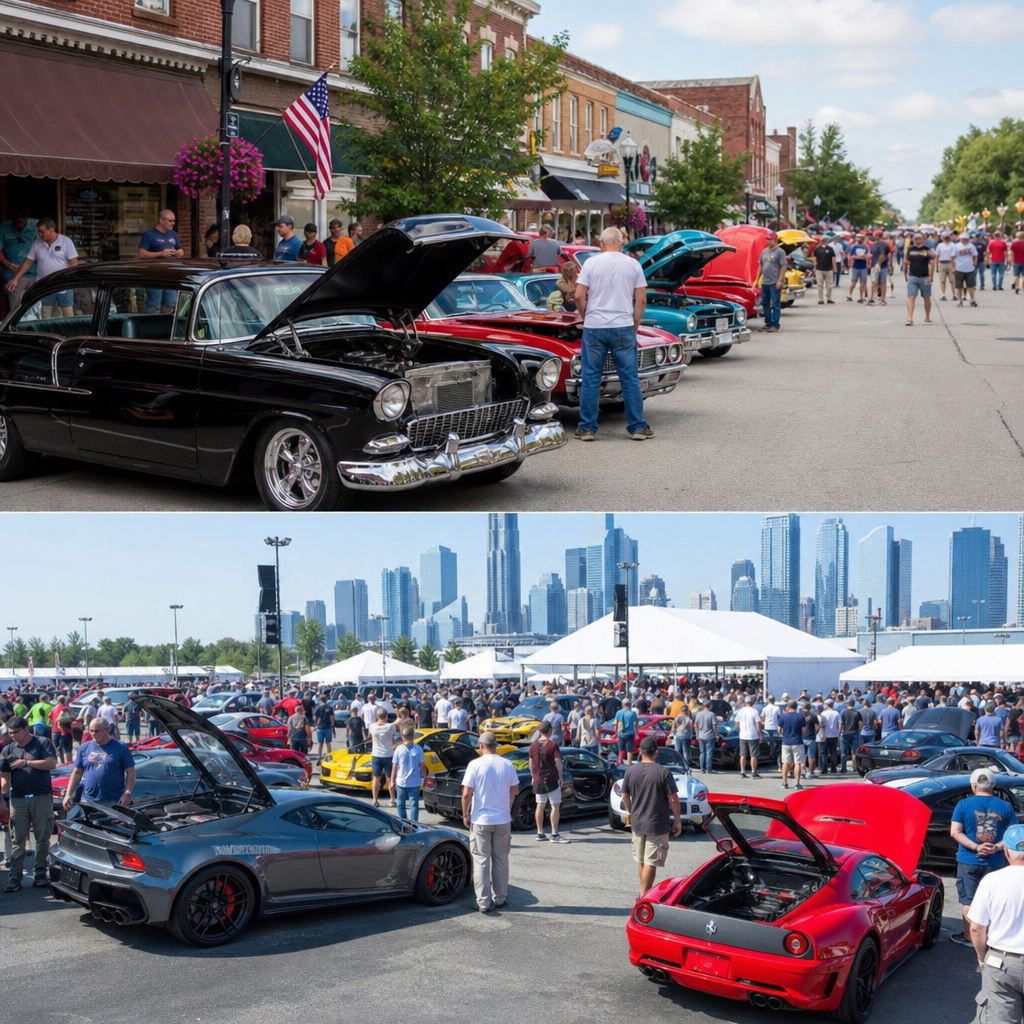
The first rule of classic car show etiquette is simple: know what kind of event you are attending. A casual cruise-in at a shopping center does not operate like a judged concours d’elegance, and a charity fundraiser does not feel the same as a swap meet attached to a regional club show. When I advise first-timers, I tell them to read the event website, social pages, or registration page carefully. Look for start times, spectator parking rules, whether dogs are allowed, whether strollers are practical, and whether the show includes judging windows or restricted display areas.
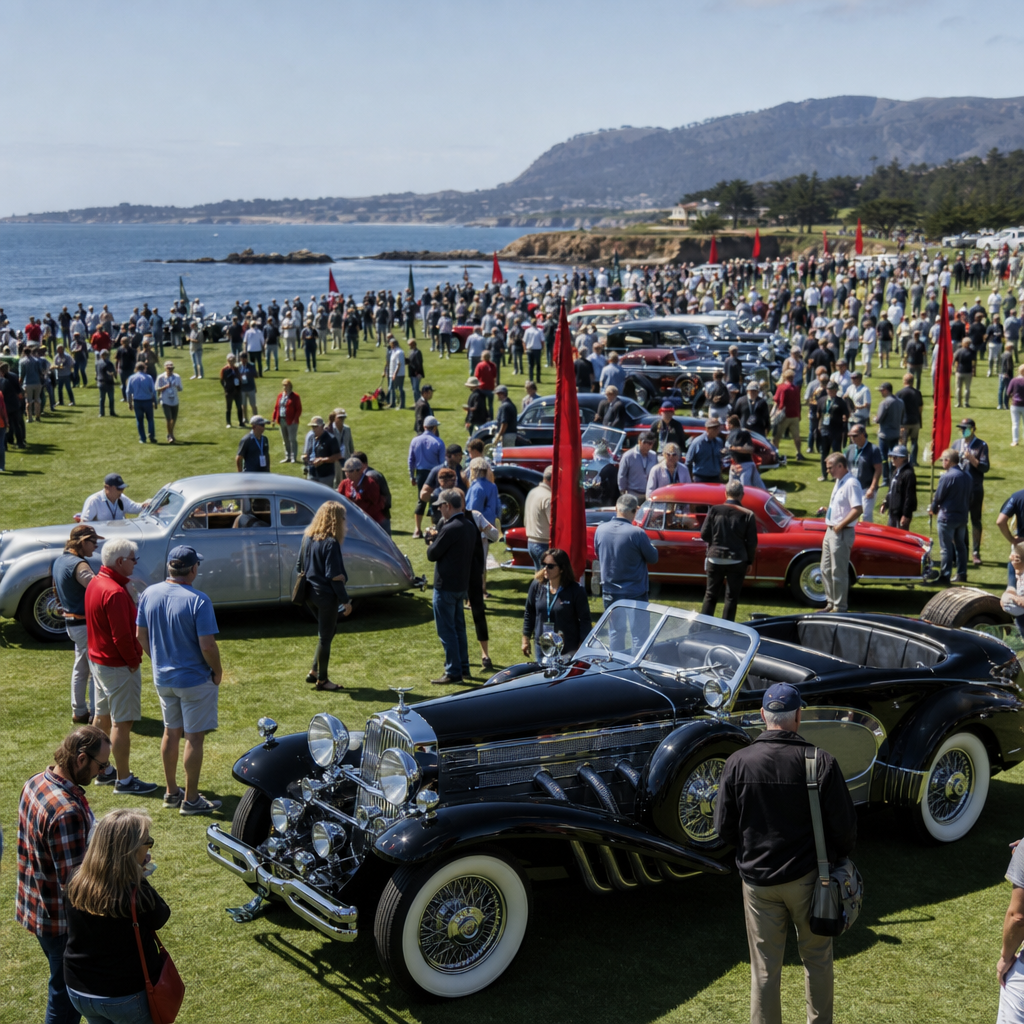
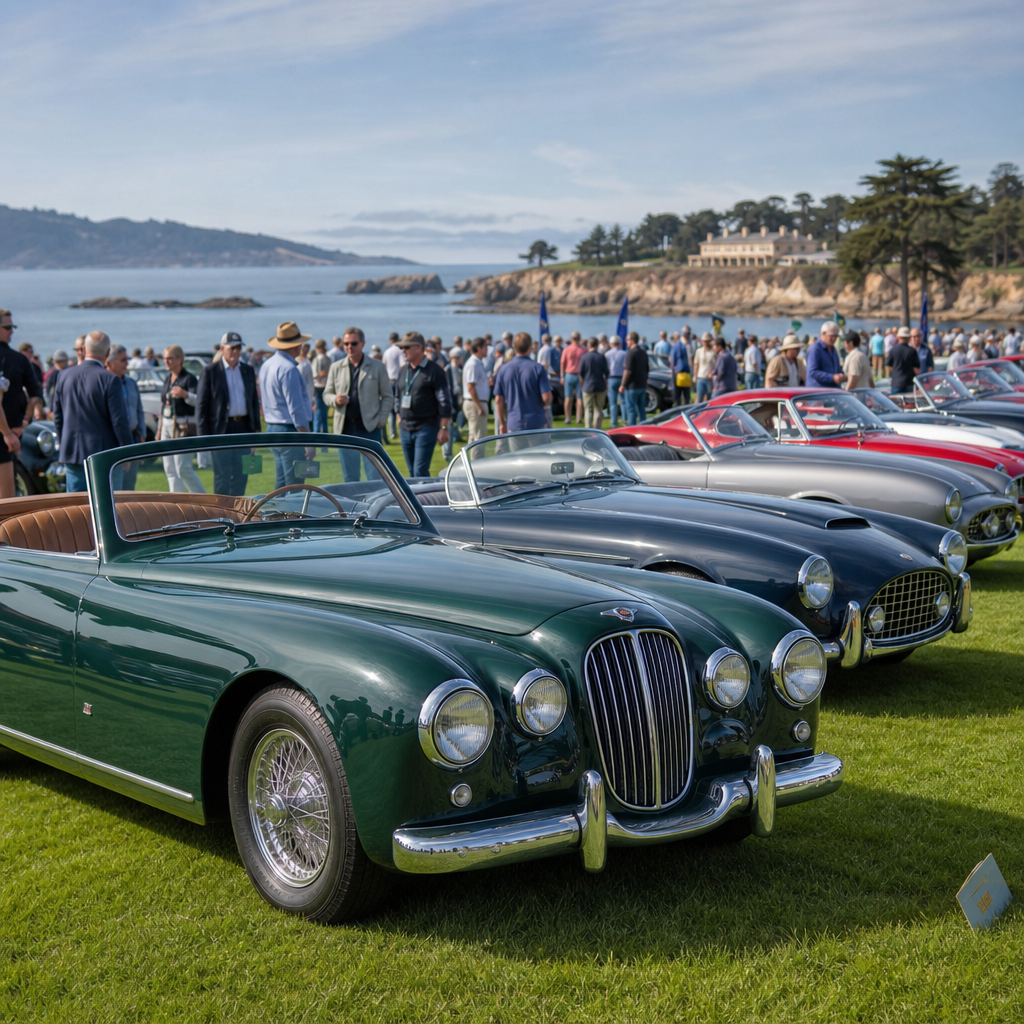
At a concours, owners may be detailing cars right up to judging, and some classes follow strict authenticity standards influenced by organizations such as AACA, NCRS for Corvettes, or marque-specific judging manuals. That means spectators need to be especially careful about crowding cars, distracting judges, or leaning in for close photos during inspections. At a relaxed local meet, the environment is usually more conversational, but the same respect still applies. Knowing the event type helps you match your behavior to the setting instead of treating every show like a public museum where anything goes.
Arrival timing matters too. Early morning often offers the best light, cooler temperatures, and more time for owner conversations before the biggest crowds arrive. Late arrival can mean full lots, rushed parking, and less access to owners who are packing up chairs or preparing to leave. If the event posts a spectator entrance route, use it. Driving or walking through exhibitor lanes the wrong way creates confusion and can be unsafe around moving classics with limited visibility.
The Golden Rule: Look Closely, Touch Never Unless Invited
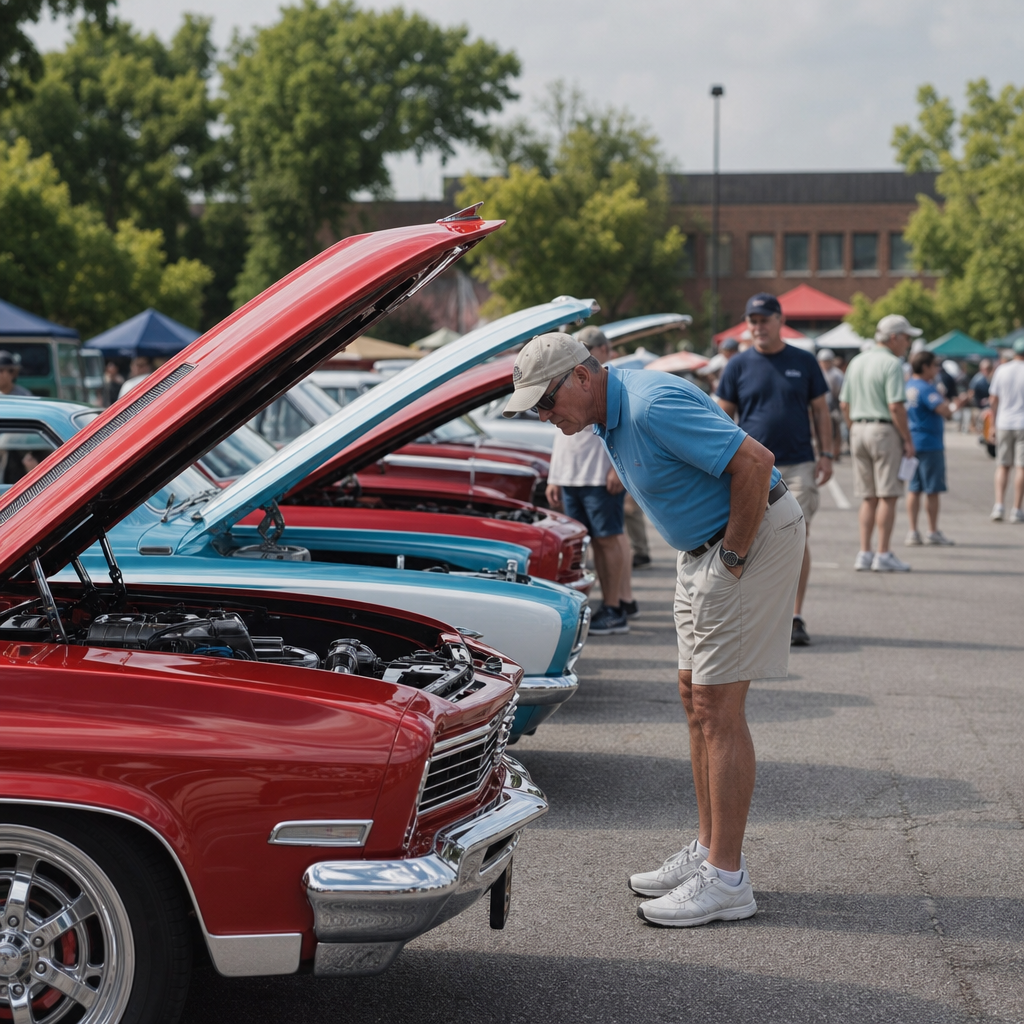
If a first-timer remembers only one rule, it should be this: do not touch the car unless the owner clearly invites you to do so. Paint on older vehicles can be delicate, trim pieces may be loosely mounted, and polished surfaces show fingerprints immediately. Convertible tops crease. Chrome scratches. Door edges chip. Even a light hand on a fender can leave marks, especially on dark single-stage paint or freshly corrected finishes coated in carnauba wax or ceramic protection.
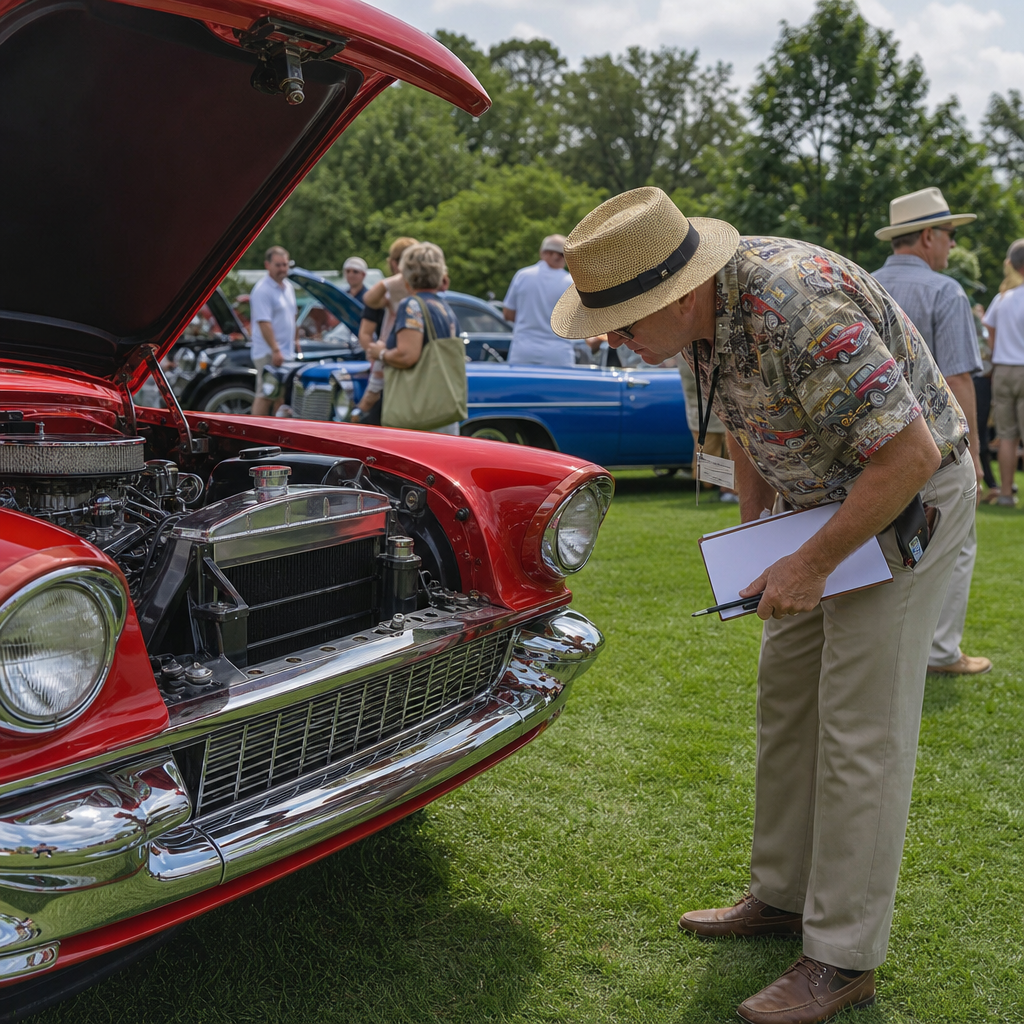
This rule extends to children, cameras, handbags, jackets with metal zippers, belt buckles, and drinks. I have seen spectators rest coffee cups on running boards, place purses on hoods for photos, and lean over open engine bays with backpack straps swinging near carburetors and painted firewall panels. None of that is acceptable. If a car has its windows down, do not reach inside. If the hood is open, do not point into the bay with a water bottle or keys in hand. Admire details from a safe distance.
Owners sometimes invite respectful visitors to sit in a car, hear it start, or inspect the interior more closely. That invitation is a privilege, not an expectation. If you are offered the chance, remove anything that could scratch upholstery or trim, follow instructions, and keep the moment brief. Courtesy in these interactions often leads to the best experiences of the day.
How to Talk to Owners Without Being Intrusive
Most classic car owners enjoy sharing their cars, but timing and tone matter. A good opening is specific and observant: “I like the way you kept the original steel wheels” or “Is this the 327 with fuel injection?” That shows genuine interest without forcing the owner into a rehearsed monologue. Broad comments are fine, but informed questions usually lead to better conversations. Ask about the restoration, how long they have owned the car, whether it is original or modified, and what they enjoy most about driving it.
Avoid turning the exchange into a one-sided performance about what your uncle owned in 1974, unless the owner welcomes that direction. Also avoid immediate price questions. Asking “What’s it worth?” is one of the fastest ways to make a conversation feel transactional. Many owners will discuss values, insurance, or market trends later in a longer exchange, but that should not be your first move. Remember that some cars represent family history, years of searching for parts, or personal restoration labor that cannot be reduced to a number.
Another important point is accuracy. If you do not know what a car is, ask. Do not confidently misidentify it and argue with the owner. In this hobby, small distinctions matter: Bel Air versus Biscayne, Series 62 versus DeVille, split-window Corvette versus later C2, or genuine Shelby versus tribute build. Humility is respected. So is listening. Some of my best show conversations started with a simple, honest question and ended with practical advice on clubs, parts suppliers, and upcoming events.
Photography, Social Sharing, and Personal Boundaries
In most public classic car shows, photography is welcome, but good etiquette still applies. Take your pictures without blocking foot traffic, stepping into display spaces, or backing into another car for the perfect angle. If you want a detailed photo of an engine bay, interior, or trunk display, wait until others have had their look. If you are using a tripod or stabilizer, make sure the event allows it and choose quieter times because extra gear can become a hazard in narrow aisles.
When posting to social media, avoid sharing license plates, personal information on show placards, or owner details if the context feels too revealing. Some owners do not mind, but discretion is wise, especially with valuable cars. If the owner is present and you want a portrait with the car or a short interview video, ask first. That is basic respect and often results in a better story because the owner can provide correct specifications, history, and restoration details.
Drones are another issue. Many venues prohibit them for safety, privacy, or insurance reasons. Even where technically allowed, flying over a crowded show field is rarely appreciated. Check event rules before arrival. If you are photographing judged cars, avoid interfering with placards, score sheets, or the judges’ line of sight. The best automotive photography at shows comes from patience, not intrusion.
Move Through the Show Field Like You Belong There
Show-field awareness is a basic sign of respect. Walk slowly, leave space around each car, and pay attention to where your body and belongings extend. Folding chairs, coolers, ropes, wheel chocks, mirrors under cars, and low display signs create tripping hazards. Never step over a boundary rope or into a display area unless invited. If owners are cleaning wheels or wiping trim, give them room instead of crowding around them.
Children should stay close enough that an adult can intervene instantly. A classic car show is not the place to let kids weave between bumpers or play tag near fiberglass noses and pointed hood ornaments. The same goes for pets, if allowed. Short leashes and calm behavior are essential. Strollers can be difficult in tightly packed rows, especially on grass, so consider whether the venue is practical before bringing one.
Food and drinks require caution too. Keep them away from vehicles, especially open interiors and convertibles. Wind can carry napkins, straws, and condensation onto paint. Cigars and cigarettes are unacceptable near show cars, period. Beyond odor and ash, they create a real fire and damage risk around old interiors, fuel systems, and cleaning products. If you want to fit in at any classic car event, act as though every vehicle around you is both valuable and vulnerable, because many of them are.
Common Situations and the Right Response
| Situation | What to Do | Why It Matters |
|---|---|---|
| You want a closer look inside | Ask the owner before leaning in or opening a door | Interiors, seals, and trim are fragile and often expensive |
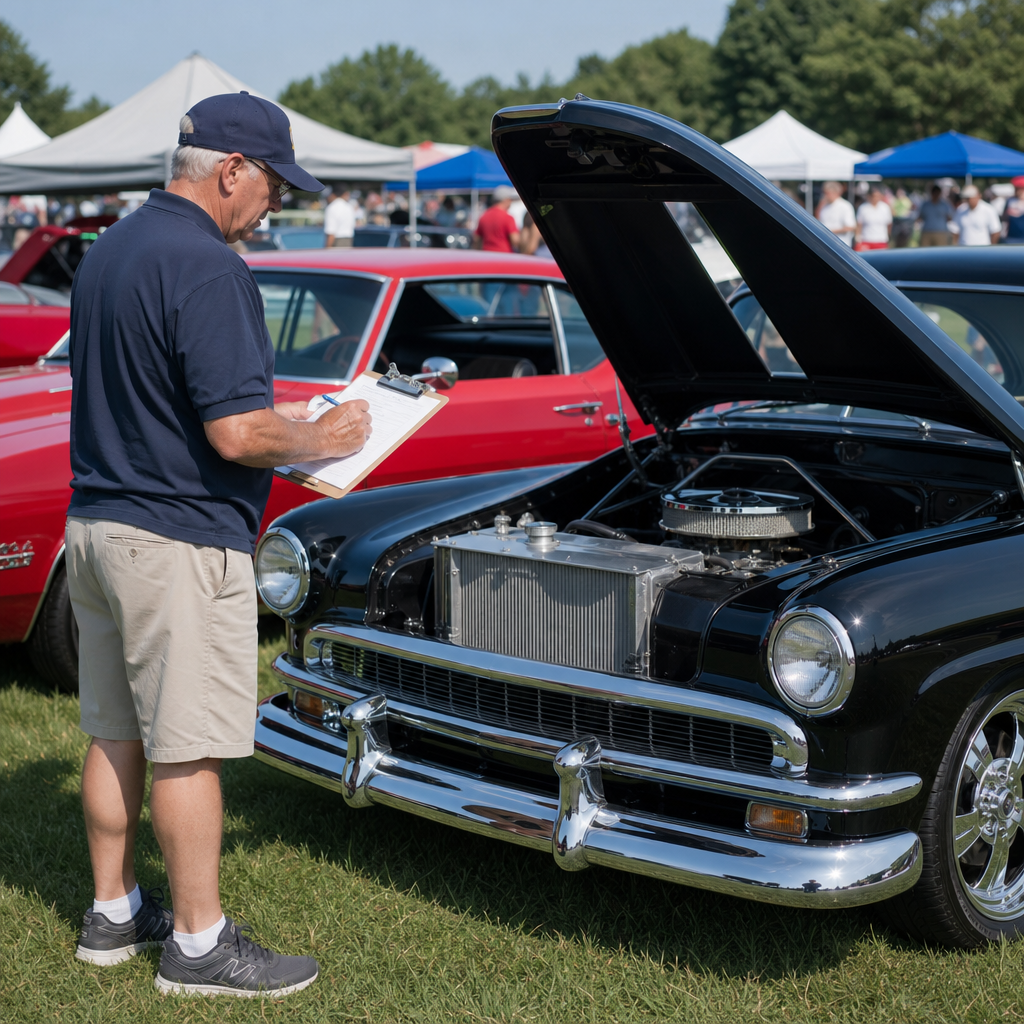
| Judges are examining a car | Stand back and wait until judging ends | Owners and judges need concentration and clear access |
| A child reaches toward paint or chrome | Redirect immediately and explain the rule calmly | Fast correction prevents damage and teaches respect |
| You need a photo from a crowded angle | Wait for an opening instead of pushing forward | Patience avoids contact, conflict, and blocked walkways |
| An owner is eating or packing up | Keep questions brief or come back later | Timing affects whether conversation feels welcome |
| You spot a factual error on a placard | Mention it politely only if invited into discussion | Public correction can embarrass owners over minor details |
These moments define how first-timers are remembered. Good etiquette is rarely dramatic; it is a series of small decisions that signal maturity, awareness, and appreciation for the effort behind the event. People notice the visitor who waits, asks, and watches carefully. They also remember the one who treats the show like a theme park.
Judging, Awards, and Why Respect for Process Matters
Many newcomers do not realize how structured judging can be. Depending on the event, judges may score authenticity, condition, cleanliness, fit and finish, workmanship, provenance, and even how well documentation supports a car’s claimed specification. In some systems, such as NCRS flight judging or marque-club concours standards, details down to hose clamps, finishes, date-coded components, and factory-correct fasteners can matter. In others, local shows may rely on participant voting or sponsor-selected awards.
Your role as a spectator is not to debate results on the field or corner owners into defending scores. If you are curious, ask broadly how the judging system works rather than why one car beat another. Most experienced owners will gladly explain whether the event rewards originality, drivability, presentation, or crowd appeal. Understanding that difference helps first-timers appreciate why an unrestored survivor may be more significant than a shinier car with incorrect parts, or why a modified truck may win a custom class despite not appealing to purists.
Do not move cones, touch score sheets, or hover close enough to hear private judging comments. If a car wins, congratulate the owner. If it does not, avoid saying “You were robbed” unless you know them well. Awards are only one part of the hobby, and many of the best cars at any event leave with nothing but admiration from informed spectators.
Using Shows to Build Your Place in Classic Car Culture
For first-timers, classic car show etiquette is also about entry into the broader community. Clubs, cruises, tours, swap meets, rallies, and museum events all grow from these in-person interactions. If you show up prepared, respectful, and curious, owners will tell you about local marque clubs, restoration shops, detailers, auction previews, driving events, and beginner-friendly meets. This is how many people move from spectator to participant.
Bring useful curiosity. Ask what events are best for newcomers, which local shows are more relaxed, whether there are cruise nights with easier access, and what publications or forums people trust. Long-running resources like Hemmings, marque club newsletters, and event calendars remain valuable because they connect the lifestyle side of the hobby to practical ownership. Even if you do not own a classic yet, attending events with good manners helps you learn market realities, restoration costs, parts availability, and ownership challenges before making a purchase.
This is why car shows and events deserve hub status within classic car culture and lifestyle. They are where preservation, storytelling, craftsmanship, social tradition, and buying decisions meet in one place. Learn the etiquette once, and it applies everywhere from a church-lot fundraiser to Pebble Beach-level formality.
Classic car show etiquette for first-timers comes down to respect, awareness, and curiosity guided by restraint. Know the event type before you arrive. Keep your hands, bags, food, and children clear of the cars. Ask before photographing people closely or peering into interiors. Speak with owners thoughtfully, especially during busy moments or judging. Move carefully through the field, follow posted rules, and treat every display as if it represents years of work, because it usually does.
The reward for getting this right is bigger than avoiding mistakes. You will have better conversations, see more details, understand the cars more deeply, and start building real connections inside classic car culture. Shows and events are not only about polished chrome and lawn-chair trophies. They are where technical knowledge, family history, restoration skill, and community values become visible in one afternoon.
If you are planning your first event, use this guide as your starting point, then keep exploring the wider car shows and events subtopic through local club calendars, concours guides, swap meet checklists, and event-season planning resources. Show up early, stay observant, ask good questions, and let etiquette open the door to the hobby.
Frequently Asked Questions
What is the most important rule to remember at a classic car show?
The single most important rule is simple: look first, touch never unless you have clear permission. Classic cars often have delicate paint, trim, glass, upholstery, and hand-restored details that can be scratched, stained, or loosened by casual contact. Even leaning on a fender, placing a hand on a roofline, or setting a drink or phone on a car can cause damage that is expensive and sometimes impossible to reverse. Good etiquette starts with treating every vehicle as if it were both valuable and personal, because it usually is. Owners have often invested years of work, significant money, and deep emotion into the cars they bring to a show.
That same mindset extends beyond touching. Give cars enough space when walking around them, avoid swinging bags, jackets, strollers, or cameras close to the bodywork, and be careful not to crowd an open hood or door. If ropes, signs, or display barriers are present, respect them without exception. Many first-timers assume the best rule is to be quiet or formal, but in reality the best rule is to be aware. Awareness protects the vehicle, respects the owner, and makes you a welcome guest in the show community.
How should I talk to classic car owners and exhibitors without being rude or intrusive?
Most classic car owners enjoy talking about their vehicles, but the respectful approach is to let them set the pace. Start with a friendly greeting and a simple, genuine question such as asking about the year, the restoration, or how long they have owned it. Avoid acting like you are entitled to a full history or immediate access to the interior, engine bay, or personal story behind the car. If the owner seems engaged, the conversation will usually open up naturally. If they are busy judging, cleaning the car, speaking with someone else, or taking a break, give them space and come back later.
It also helps to be thoughtful about the kinds of comments you make. Owners generally appreciate curiosity and enthusiasm more than one-upmanship. Telling someone what they should have done, arguing about originality, or comparing their car unfavorably to another build can come across as disrespectful, especially at a first meeting. If you know the hobby well, share that knowledge humbly. If you are new, it is perfectly fine to say so. In fact, many exhibitors are especially happy to talk with first-timers who show sincere interest and good manners. Compliment the details you notice, ask before taking close-up photos of personal items or display boards, and thank the owner for their time. That combination goes a long way.
Is it okay to take photos of the cars, and are there any photography etiquette rules I should follow?
In most cases, yes, taking photos at a classic car show is completely acceptable and expected. These events are visual by nature, and many owners enjoy seeing people admire and photograph their cars. Still, photo etiquette matters. Begin by assuming that wide shots of the show field are fine, but be more considerate when photographing specific cars up close, especially if the owner is present nearby, the vehicle is behind barriers, or the display includes personal memorabilia, family photos, or custom information boards. A quick “Mind if I grab a few photos?” is an easy sign of respect and is rarely refused.
Just as important is how you take the photo. Do not step over ropes, kneel against a bumper, brace yourself on a fender, or block other attendees for extended periods while setting up the perfect shot. If the show is crowded, take your photo efficiently and move on so others can enjoy the same view. Be especially careful with tripods, camera bags, and selfie movements in tight spaces. If you are photographing children with cars, make sure they stay at a safe distance and do not climb or lean. Finally, if you plan to use photos for commercial purposes, publication, or promotional content, it is courteous and sometimes necessary to ask permission from the owner and event organizer. Good photography etiquette protects both the vehicles and the welcoming atmosphere of the show.
What should I know about bringing children, strollers, or large groups to a classic car show?
Children are usually welcome at classic car shows, and these events can be a great way to introduce younger people to automotive history and craftsmanship. The key is supervision. Kids should understand before you arrive that the cars are not playground equipment, that they should not touch anything unless invited, and that running between rows of vehicles is unsafe. Many beautiful classics sit low to the ground, have sharp chrome edges, polished paint, and fragile trim, so even innocent horseplay can become a problem quickly. If your child is old enough, explain the basic “museum rules” of the show field in advance.
Strollers, wagons, diaper bags, folding chairs, and large family groups also require extra awareness. Keep bulky items close to you and avoid parking them where they block access or come into contact with display vehicles. When moving through tight areas, slow down and check your surroundings rather than trying to squeeze through. If your group wants to stop and admire a car, step aside enough to keep walkways open for others. The same rule applies if you are chatting or taking photos. A classic car show works best when everyone remembers that it is a shared space. Families are absolutely part of that space, but thoughtful movement and active supervision make the experience better for your group, the owners, and everyone else attending.
How should I move through the show field and position myself around the cars?
Moving through a classic car show may seem straightforward, but this is where a lot of etiquette mistakes happen. The best approach is to walk slowly, stay aware of your body and belongings, and leave enough room between yourself and the vehicles at all times. Avoid cutting between tightly parked cars unless the layout clearly allows it, and do not assume there is more clearance than you can see. Mirrors, trim pieces, open doors, and low bumpers can be easy to miss in a crowded field. If you are carrying a backpack, camera bag, or shopping bag, be especially mindful of how it swings when you turn.
Positioning matters too. Try not to stand directly in front of a car for a long time if others are waiting to view or photograph it. If the hood, trunk, or doors are open, do not crowd the owner or trap them in their own display area. Step aside when conversations grow long, and avoid gathering in a way that blocks aisles or creates bottlenecks. If a judging team, event staff member, or the owner needs access, move promptly and politely. In short, admire the cars without becoming an obstacle. That kind of field awareness signals experience, even if it is your very first show, and it helps preserve the relaxed, respectful rhythm that makes classic car events so enjoyable.