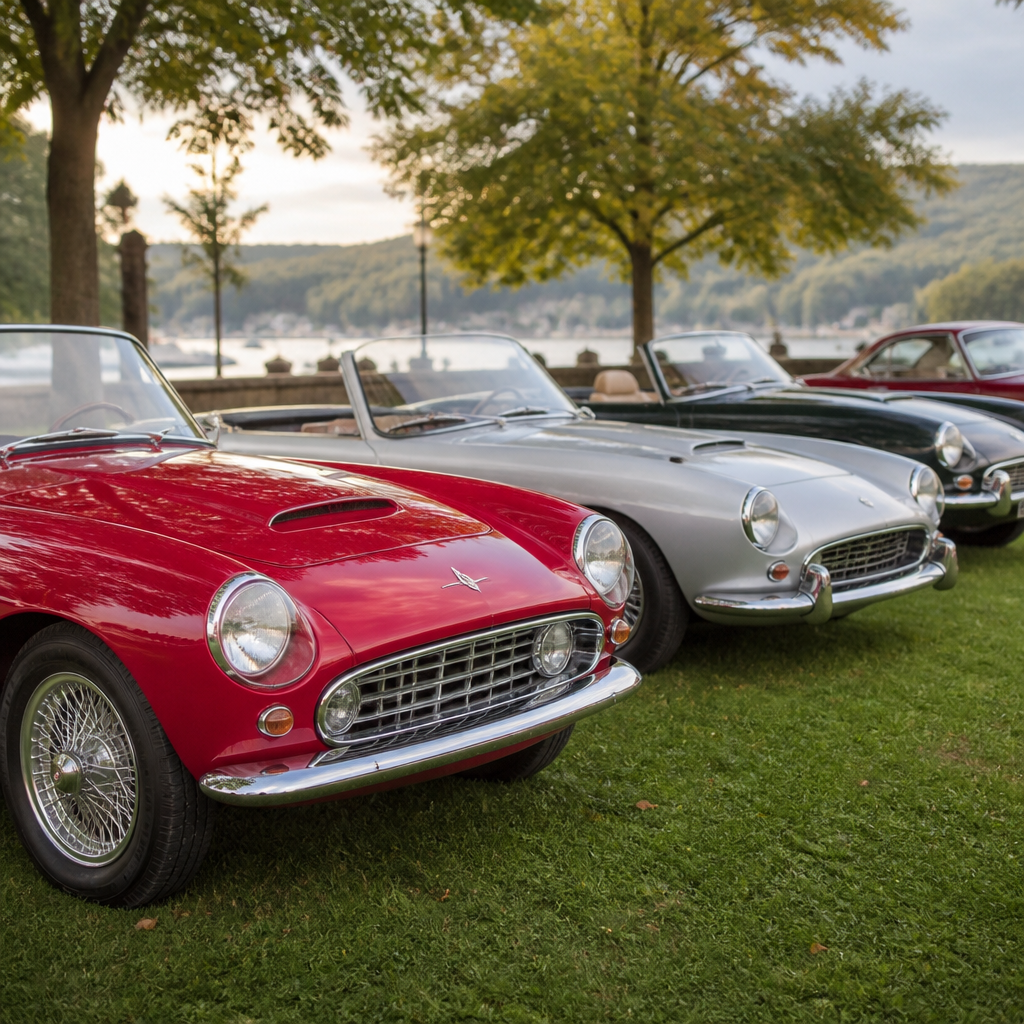
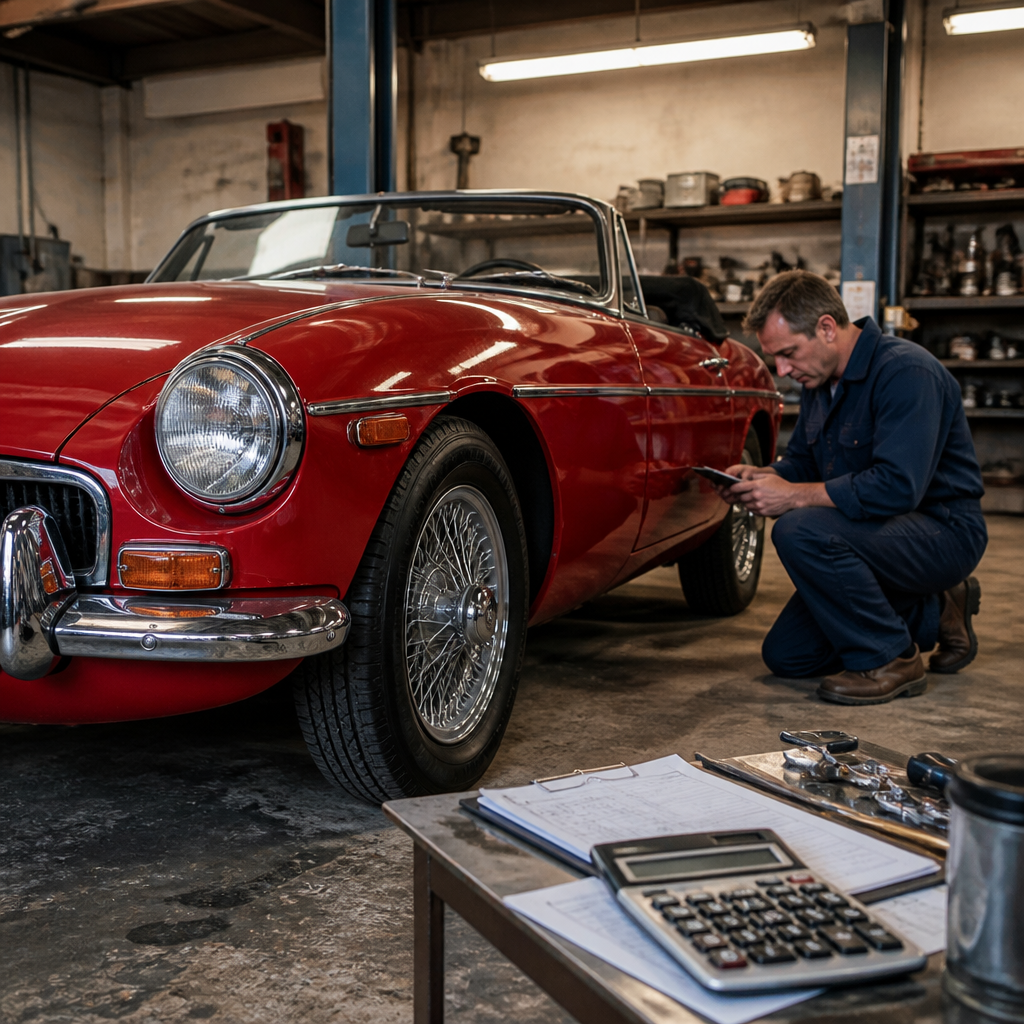
Classic car ownership costs are broader and less predictable than most first-time buyers expect, because the price paid for the vehicle is only the starting point. In practical terms, ownership costs include purchase price, transport, inspection, registration, insurance, storage, maintenance, repairs, restoration, fuel, taxes, tools, and the opportunity cost of time. A classic car is generally a vehicle old enough to have historic, enthusiast, or collector value rather than simple used-car status, although age thresholds vary by insurer, registry, and state motor vehicle agency. In my experience working with collector vehicles, the owners who enjoy the hobby longest are rarely the ones who bought the cheapest car; they are the ones who budgeted realistically from day one.
This topic matters because classic cars create a distinct cost profile that modern daily drivers do not. Parts availability can change overnight. Labor may require marque-specific specialists. A car that looks presentable at a show can hide corrosion, deferred maintenance, and non-original modifications that complicate future repair work. Even routine ownership decisions, such as where to store the car or how often to drive it, have financial consequences. Someone researching classic car ownership costs usually wants direct answers to simple questions: How much should I budget per year? What expenses surprise most owners? Is a project car actually cheaper? The clear answer is that ownership can be affordable, but only when you separate fixed costs from variable costs and reserve cash for the unknown.
As a hub within the broader classic car ownership subject, this guide maps the full cost structure so readers can make better decisions before and after purchase. It explains the major spending categories, shows where budgets typically fail, and highlights the tradeoffs between originality, usability, and long-term value. Whether you are considering a 1967 Mustang coupe, a chrome-bumper MGB, a W123 Mercedes, or a square-body Chevrolet pickup, the cost logic is similar. Buy condition matters more than bargain pricing, maintenance history matters more than cosmetic shine, and storage quality matters more than many newcomers realize. Understanding these principles upfront protects both your money and your enjoyment.
Purchase Price, Pre-Purchase Inspection, and Immediate Post-Buy Spending
The purchase price is the most visible classic car ownership cost, but it is also the figure buyers most often misunderstand. Market value depends on body style, engine, originality, documentation, color, options, provenance, and current demand. Two visually similar cars can differ in value by tens of thousands of dollars if one has a matching-numbers driveline, factory paperwork, and rust-free metal while the other has replacement panels, a non-original engine, and weak records. Price guides such as Hagerty Valuation Tools and auction data from Bring a Trailer, Mecum, and Barrett-Jackson provide useful benchmarks, but they do not replace physical inspection. I have seen buyers overpay for fresh paint that concealed poor panel fit, filler-heavy quarter panels, and amateur wiring.
A pre-purchase inspection is one of the best places to spend money. Expect to pay a specialist several hundred dollars, and more if compression testing, leak-down testing, paint-meter readings, borescope work, or chassis photography are included. That fee is minor compared with the cost of discovering hidden rust in frame rails, weak oil pressure, slipping transmissions, or poorly repaired collision damage after the sale. Immediate post-buy spending also needs room in the budget. Even a solid car usually needs baseline service: fluids, belts, hoses, ignition tune-up parts, battery replacement, brake hydraulics inspection, tires if they are old despite usable tread, and often a thorough safety review. New owners commonly spend 5 to 15 percent of the purchase price within the first year simply catching up on deferred maintenance.
Insurance, Registration, Taxes, and Legal Compliance
Insurance for a collector vehicle works differently from standard auto coverage. Agreed value policies are common, meaning the insurer and owner establish a coverage value in advance rather than relying on depreciated actual cash value after a loss. That can make premiums surprisingly reasonable, especially for cars stored indoors, driven limited annual miles, and not used as daily transportation. Companies such as Hagerty, Grundy, and American Collectors often require secure storage, another regular-use vehicle for each licensed driver, and evidence that the classic will be driven responsibly. Premiums vary by value, location, driver history, and intended use, but many owners underbudget because they focus only on annual premium and ignore deductibles, spare parts coverage, roadside assistance limitations, and adjustment needs as market values change.
Registration and tax costs depend heavily on jurisdiction. Some states offer historic or antique plates with lower fees and reduced inspection requirements, while others impose restrictions on use that owners do not fully read until after purchase. Sales tax at acquisition can be significant, especially for higher-value cars bought through dealers or across state lines. Imported classics can add customs duties, port handling, marine insurance, and compliance costs if modifications are needed for road legality. Legal compliance also includes emissions exemptions, title correction work, bonded titles for paperwork problems, and VIN verification where state procedures require it. These expenses are not glamorous, but they are real ownership costs, and unresolved paperwork can reduce resale value or delay insurance claims when you need protection most.
Storage, Security, and Preservation Costs
Storage is a core classic car ownership cost because environment affects condition almost as much as mileage. A dry, enclosed garage reduces corrosion risk, interior deterioration, theft exposure, and weather damage. By contrast, outdoor storage accelerates paint oxidation, chrome pitting, seal failure, mold growth, and electrical issues. If you rent space, the monthly fee becomes a major fixed cost. In many urban areas, secure enclosed storage can cost as much as a modest modern-car lease payment. Owners with home garages still face costs for dehumidifiers, battery maintainers, flooring, covers that do not trap moisture, shelving, and sometimes climate control for valuable or delicate cars.
Security spending is equally justified. Steering wheel locks, kill switches, GPS trackers, cameras, alarm systems, and reinforced garage doors are all cheaper than recovering from theft. Preservation also includes regular washing, underbody cleaning after damp-weather driving, paint protection, leather care, and rodent prevention. Mice damage wiring harnesses, carpets, insulation, and ventilation systems with shocking speed. Cars stored for long periods may need fuel stabilizer, tire cradles, and periodic start-and-drive routines done correctly rather than occasional idling, which can create condensation and sludge. The direct costs are manageable, but neglect here leads to expensive secondary damage. Proper storage is not cosmetic fussiness; it is one of the highest-return investments in long-term ownership economics.
Maintenance, Repairs, and Restoration: Where Budgets Expand Fastest
Maintenance is the category that separates sustainable ownership from financial frustration. Older cars need recurring service on a shorter timeline than many modern vehicles because designs use points, carburetors, grease fittings, older gasket materials, and less durable corrosion protection. Routine work may include oil changes with zinc-appropriate formulations for flat-tappet engines, cooling system flushes, valve adjustments, wheel bearing service, brake fluid replacement, carburetor tuning, ignition timing checks, and chassis lubrication. None of this is inherently difficult, but costs rise if you depend entirely on specialist labor. Shop rates for reputable restoration and service facilities regularly exceed standard mechanic rates because the work is slower, documentation is weaker, and replacement parts often require fitting rather than simple installation.
Repairs are less predictable. Fuel tanks rust internally, drum brakes pull, vacuum systems leak, and aged wiring causes intermittent faults that consume diagnosis time. Restoration multiplies every number. Paint and bodywork are especially expensive because metal repair is labor intensive and quality standards are visible. A cheap repaint can look good in photos and fail within two seasons if rust was not removed properly. Mechanical rebuilds also vary widely; an inline-six refresh is not priced like a big-block V8, and a British roadster gearbox is not the same budget as a Porsche flat-six engine rebuild. The table below gives a practical framework I use when helping owners estimate annual and episodic spending.
| Cost Category | Typical Range | What Drives the Number |
|---|---|---|
| Pre-purchase inspection | $300-$1,000 | Specialist depth, compression tests, travel, documentation |
| Annual insurance | $300-$1,500+ | Agreed value, storage, mileage cap, location, driver profile |
| Registration and taxes | $100-$3,000+ | State fees, historic plates, sales tax, title work |
| Routine annual maintenance | $500-$2,500 | DIY ability, mileage, fluid service, tune-ups, brake work |
| Major mechanical repair | $1,500-$12,000+ | Engine, transmission, differential, parts rarity, labor hours |
| Body and paint restoration | $8,000-$40,000+ | Rust extent, prep quality, trim removal, paint system |
| Storage | $0-$6,000+ yearly | Home garage versus rented enclosed facility, climate control |
Parts Availability, Specialist Labor, and DIY Economics
Parts supply is a major reason costs vary so dramatically among classic cars. Popular models with strong aftermarket support, such as first-generation Mustangs, Tri-Five Chevrolets, MGBs, and air-cooled Volkswagens, are usually cheaper to keep running than obscure low-production cars. Reproduction sheet metal, trim, wiring harnesses, weatherstripping, and suspension parts can reduce downtime and labor. However, reproduction quality is inconsistent, and fitting aftermarket parts can add labor that buyers never see in catalog prices. New old stock components may be correct but expensive, while used original parts can require restoration before installation. A simple example is a taillight assembly: reproduction may be affordable, concours-correct original may cost several times more, and the labor to align and seal either one remains.
Specialist labor further shapes total ownership cost. Carburetor tuning, distributor recurving, wood dash restoration, chrome plating, upholstery stitching, and coachbuilt body repairs are not generic services. Good shops often have waiting lists, and the best technicians document work carefully because future maintainability matters. Owners who can perform basic service themselves save substantial money, but DIY only pays when the work is done to a competent standard. Buying tools, manuals, torque wrenches, jacks, stands, dwell meters, timing lights, and parts-cleaning supplies is its own budget line. I usually advise newcomers to learn inspection, fluid service, ignition basics, and brake maintenance first, then decide honestly which jobs require a professional. The cheapest labor is not the lowest invoice; it is the work that does not need to be redone.
Operating Costs, Depreciation Risk, and Budgeting Strategy
Operating a classic car also creates ongoing costs that buyers can overlook because each item seems small in isolation. Fuel economy is often poor, especially with carbureted V8s, older automatic transmissions, and short rear gearing. Non-ethanol fuel, lead substitute for specific engines, or higher-octane gasoline may be recommended depending on compression ratio and valve-seat design. Tires age out before they wear out on low-mileage collector cars, so replacement is time-based as much as tread-based. Brake hoses, coolant hoses, and belts follow similar logic. Road trips introduce hotel parking concerns, emergency-tool needs, spare belts, and the possibility of towing if a small part fails far from home. Membership in roadside programs that understand older vehicles is often worthwhile.
Depreciation is not always the right lens for classics, but market risk is real. Some cars appreciate, many flatten, and plenty underperform the owner’s expectations once transaction costs are counted. Restoration expenses are rarely recovered dollar for dollar, particularly on common models. That is why the smartest budgeting strategy is to build three separate numbers: acquisition budget, annual operating budget, and reserve fund for unexpected repairs. For many owners, a sensible reserve is at least 10 percent of the vehicle’s value, held in cash rather than assumed from future income. The financial reward of classic ownership is not guaranteed profit; it is controlled enjoyment of an asset you understand. If you are shopping now, use this cost breakdown to compare models honestly, inspect carefully, and buy the best-condition car your total budget can support.
Classic car ownership becomes far more satisfying when costs are viewed as a system instead of a surprise series of invoices. The big lessons are consistent across nearly every marque and era. Purchase price is only the entry ticket. Condition and documentation affect later spending more than cosmetic presentation. Insurance, taxes, storage, and legal compliance form the fixed-cost foundation. Maintenance, repairs, and restoration create the largest swings, especially when rust, poor prior work, or rare parts are involved. Owners who budget only for fuel and registration usually end up frustrated, while owners who plan for specialist labor, preventive service, and contingency repairs tend to stay in the hobby longer and sell from a stronger position.
The main benefit of understanding classic car ownership costs is confidence. You can evaluate a seller’s asking price against probable catch-up work, estimate whether a turnkey driver is cheaper than a project, and decide which tasks make sense for DIY versus professional service. You can also match the car to your intended use. A weekend cruiser, local-show car, and long-distance tour car have different cost profiles even when the badge on the hood is the same. Treat this article as the hub for your next research steps: drill deeper into insurance options, storage setup, maintenance schedules, restoration planning, and buyer inspections before you commit. Build a realistic budget, buy carefully, and enjoy the car instead of financing avoidable mistakes.
Frequently Asked Questions
What costs should I expect beyond the purchase price of a classic car?
The purchase price is only the entry point, not the full cost of ownership. First-time buyers are often surprised by how many additional expenses appear before the car is even fully usable. Transport is a common early cost, especially if the vehicle is bought from another state or from a seller who recommends enclosed shipping. A pre-purchase inspection is another smart expense, because paying for expert evaluation can prevent far more costly surprises later. Once the car arrives, registration, title fees, taxes, and any emissions or safety-related requirements may add to the total depending on local laws and whether the vehicle qualifies for historic registration.
From there, the recurring costs begin. Insurance for a classic car is often different from standard auto insurance and may require agreed-value coverage, mileage limits, storage conditions, or proof that the vehicle is not used as a daily driver. Storage itself can be a significant line item, especially if the car needs a garage, climate-controlled space, battery maintenance, pest protection, or a dehumidifier to help preserve paint, chrome, upholstery, and wiring. Fuel, fluids, battery replacement, tires, and regular servicing also matter, even if the car is driven sparingly. Older cars may require specialty oil, premium fuel, hard-to-find parts, or labor from mechanics familiar with vintage systems.
Then there are the less predictable categories: repairs, restoration work, tools, and your own time. A classic car may need brake work, electrical troubleshooting, carburetor tuning, suspension components, seals, hoses, weatherstripping, or cosmetic attention that was not obvious at first glance. Even a “good driver” often comes with a backlog of deferred maintenance. Buyers should also account for the opportunity cost of weekends spent sourcing parts, arranging repairs, learning procedures, and managing projects. In short, realistic ownership budgeting means looking at the full ecosystem of costs, not just the amount paid to the seller.
How much should I budget annually for classic car maintenance and repairs?
There is no single annual number that fits every classic car, because costs depend heavily on the age, rarity, mechanical complexity, condition, and how often the vehicle is driven. That said, a useful rule of thumb is to separate routine maintenance from unexpected repairs. Routine maintenance includes oil changes, coolant service, brake fluid, tune-ups, belts, hoses, filters, battery care, tire inspections, and periodic checks of fuel, ignition, and charging systems. Even if the car is driven only occasionally, age-related deterioration continues, so low mileage does not eliminate maintenance needs.
Unexpected repairs are where budgets can swing dramatically. Older vehicles commonly develop leaks, electrical gremlins, cooling issues, worn bushings, carburetor problems, brake component failures, and aging fuel system parts. If the car has been restored, quality matters: a well-documented restoration may reduce short-term risk, while a cosmetic refresh can hide deeper mechanical needs. Labor rates also vary widely. A local general mechanic may handle basic service, but more complex work often requires a specialist who understands vintage drivetrains, points ignition, drum brakes, or marque-specific quirks. Specialist labor usually costs more, but it can save money by diagnosing issues correctly the first time.
A practical approach is to maintain a standing annual reserve rather than relying on a fixed estimate. Many owners budget for routine maintenance each year and keep an additional contingency fund for failures that arise without warning. If the car is rare, imported, or difficult to source parts for, that reserve should be larger. It is also wise to plan for “while you’re in there” costs. For example, replacing one leaking gasket may reveal brittle hoses, worn mounts, or failing wiring nearby. The most financially prepared owners assume that some years will be inexpensive, while others will require major spending that far exceeds normal maintenance expectations.
Is classic car insurance cheaper than regular car insurance?
It can be, but not always, and the lower premium often comes with stricter conditions. Classic car insurance is typically designed for vehicles that are stored securely, driven infrequently, and maintained as collectible or enthusiast vehicles rather than daily transportation. Because of that limited-use profile, some policies offer lower premiums than standard auto coverage. However, the real value is not just price. The better question is whether the policy is structured correctly for the vehicle’s true worth.
Many classic owners seek agreed-value coverage, which means the insurer and owner set a value for the car in advance. That can be much more appropriate than standard depreciation-based coverage, especially for a vehicle with collector value, restoration work, or rising market demand. A standard policy may not reflect the money invested in restoration, originality, or rare components. On the other hand, agreed-value policies may require appraisals, photographs, documentation, mileage restrictions, and proof of indoor storage. If the owner wants unrestricted use, commutes regularly, or lacks secure storage, rates may rise or eligibility may change.
It is also important to look beyond the premium itself. Deductibles, towing coverage, spare parts coverage, roadside assistance, and coverage for restoration in progress can all affect the policy’s real usefulness. Some insurers understand the collector market and offer better support for vehicles that need specialty repair methods or hard-to-source replacement parts. Others may be less equipped to handle a claim on a vintage vehicle. In practice, classic insurance can be cost-effective, but the cheapest policy is not automatically the best one. The goal is to protect the car at a realistic value under terms that match how you actually store and use it.
Why are storage and transport such important parts of classic car ownership costs?
Storage and transport matter because they directly affect both preservation and risk. A classic car is often more vulnerable than a modern vehicle to moisture, temperature swings, UV exposure, rodent damage, vandalism, battery drain, and deterioration of rubber, seals, paint, chrome, and interior materials. Keeping the car in a driveway or exposed lot may save money in the short term, but it can accelerate wear and reduce value over time. A secure garage is the minimum standard many owners aim for, while more valuable or delicate vehicles may benefit from climate-controlled storage, breathable car covers, tire cradles, trickle chargers, fuel stabilizer, and humidity management.
Transport is equally important because many classic cars are not ideal candidates for long-distance road travel, especially immediately after purchase. A newly acquired vehicle may be unknown mechanically, and even a car that starts and drives can have cooling weaknesses, old tires, brittle hoses, weak brakes, or electrical problems that become obvious only under sustained use. Professional transport, particularly enclosed transport, reduces exposure to road debris, weather, and breakdown risk. It can seem expensive at first, but compared with the cost of emergency repairs or body damage, it is often a reasonable protective expense.
These categories also intersect with insurance and ownership strategy. Some insurers expect indoor storage, and some owners rent garage space if home storage is not available. That monthly storage fee becomes part of the true carrying cost of the car. Likewise, transport may recur if the vehicle needs a distant specialist, attends shows, or undergoes restoration in phases. Buyers who ignore storage and transport often underestimate the ongoing reality of ownership. In the classic car world, preserving condition is part of the cost structure, not an optional extra.
Can a classic car save money as a hobby vehicle, or is it usually more expensive than people expect?
For most owners, a classic car is usually more expensive than expected, especially in the first few years. The reason is simple: hobby vehicles create costs that are not always visible at the time of purchase. A buyer may focus on the sale price and assume occasional use will keep expenses low, but older vehicles often need baseline sorting before they become consistently reliable. Fluids, tires, brakes, ignition components, fuel system cleaning, battery replacement, and small electrical repairs can stack up quickly. If cosmetic improvements are part of the plan, upholstery, paint correction, chrome work, trim pieces, and weatherstripping can add substantial costs without changing how the car drives.
That said, there are cases where ownership can be financially manageable. A buyer who chooses a well-supported model with strong parts availability, buys the best-condition car they can afford, has suitable storage already in place, and is comfortable doing some maintenance personally will usually spend less than someone who buys a cheaper project car and outsources everything. The “cheap” project is often the most expensive path because restoration, fabrication, and repeated labor bills can exceed the price difference between a rough car and a sorted one. Time also matters. If your weekends have high personal or professional value, the hours spent researching, troubleshooting, and waiting on parts are part of the real cost.
The healthiest mindset is to treat a classic car as a passion purchase first and a financial shortcut second. While some models hold value well and certain collector cars appreciate, ownership should not be justified mainly by the hope of saving money. If you budget realistically for purchase, transport, inspection, registration, insurance, storage, maintenance, repairs, tools, and your time, the experience can be deeply rewarding. Problems arise when buyers assume a classic car behaves like an inexpensive used car. It usually does not. A classic car can be a wonderful hobby, but it rewards preparation far more than optimism.