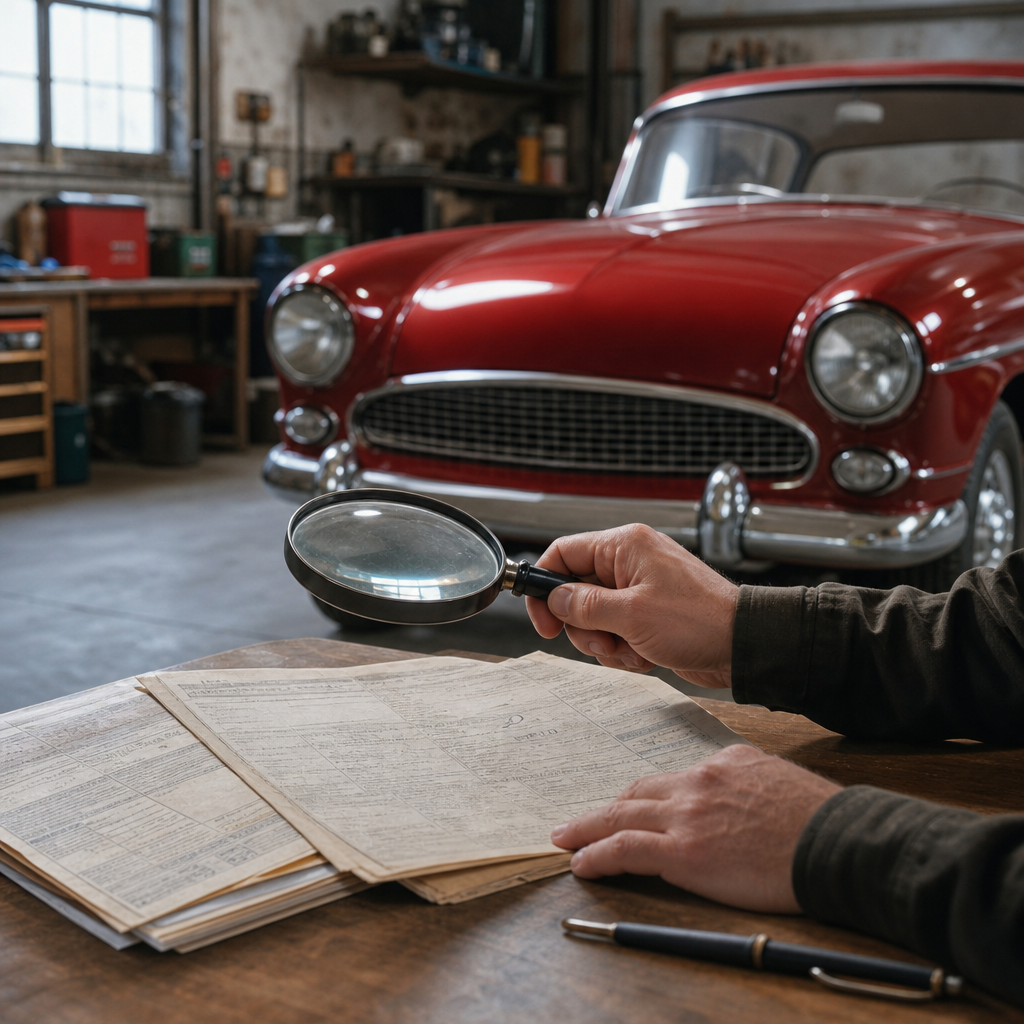

Buying classic cars from online marketplaces has moved from a niche activity for collectors to a mainstream buying path for enthusiasts, investors, restorers, and first-time hobbyists. In practical terms, an online marketplace is any digital platform that lists vehicles for sale, connects buyers and sellers, and often adds tools such as payment protection, inspections, shipping, auction bidding, or document verification. For classic cars, that simple definition expands quickly because the market includes everything from unrestored barn finds and driver-quality cruisers to concours-level originals and modified restomods. I have sourced cars through classifieds, online auctions, dealer portals, and marque-specific forums, and the central lesson is consistent: the internet gives buyers reach, but it also shifts more due diligence onto the buyer.
Understanding where to buy classic cars matters because availability, transparency, pricing, and risk vary sharply by platform. A local classified ad may produce a better deal than a national auction, yet it may offer less documentation and no buyer protection. A specialist auction site can expose a car to thousands of bidders and generate clearer market pricing, but fees may be higher and emotional bidding can push values past rational levels. Dealer marketplaces often provide financing, shipping coordination, and some level of reconditioning, but those services are built into the asking price. The right marketplace depends on your budget, your tolerance for mechanical uncertainty, your ability to inspect remotely, and whether you want a turn-key collector car or a project.
This hub article explains where to buy classic cars online, how the major marketplace types differ, what signals suggest a listing is trustworthy, and how to compare opportunities without getting distracted by glossy photos. It also serves as a practical starting point for the broader buying and selling process. If you are building a research plan, the most useful approach is to treat online marketplaces as lead sources rather than automatic green lights. Every listing should answer the same core questions: Is the car authentic, is the seller credible, is the condition represented accurately, is the title clean, and is the price supported by recent market data? Buyers who can answer those questions consistently make better purchases and avoid expensive surprises.
The main types of online marketplaces for classic cars
When buyers ask where to buy classic cars, they are usually comparing four channels: broad classified marketplaces, online auction platforms, dealer inventory sites, and enthusiast communities. Each serves a different purpose. Broad classifieds such as Facebook Marketplace and Craigslist can uncover local cars before they hit national attention. These platforms are useful for project cars, estate sales, and casual private-party listings, but they require the strongest fraud screening. Online auction platforms such as Bring a Trailer, Cars & Bids, and marque-focused auction houses tend to produce richer descriptions, larger photo sets, public comments, and visible reserve or bidding behavior. They are especially effective for sought-after models because interested buyers bring expertise into the comment thread.
Dealer inventory sites, including Hemmings, ClassicCars.com, and specialty dealer websites, are often the easiest entry point for a first purchase. Dealers usually understand title transfer, financing, enclosed transport, and state-by-state paperwork. The tradeoff is price. Cars sold through reputable dealers often include margin for acquisition, detailing, basic servicing, and advertising. Enthusiast forums and owners’ clubs are a different category entirely. A Porsche 356 registry forum, an Early Bronco club, or a marque-specific Facebook group can surface cars with better maintenance histories because sellers know the community understands originality, chassis numbers, trim codes, and common problem areas. Those cars may never reach a public auction because they sell quietly within the network.
The practical advantage of understanding these categories is that it lets you align the platform with the car you want. If you are hunting a common 1966 Mustang coupe driver, broad classifieds and dealer sites may offer enough supply that you can wait for the right condition and price. If you want a numbers-matching 1970 Plymouth AAR ’Cuda or an air-cooled Porsche with documented ownership history, specialist auctions and enthusiast communities are usually stronger hunting grounds. The marketplace is not just where the car is listed; it is part of the car’s risk profile.
How the best-known platforms compare
No single marketplace is best for every buyer, so comparison should focus on inventory quality, transparency, fee structure, and support after the sale. Bring a Trailer built its reputation on curated listings, deep photo sets, seller interaction, and knowledgeable comment sections. That format helps buyers evaluate details such as panel fit, underbody condition, casting numbers, and service history. Cars & Bids, while newer and broader in era focus, is strong for modern classics and enthusiast vehicles from the 1980s onward. Hemmings remains important because it combines classifieds, auctions, and editorial credibility, while ClassicCars.com offers large inventory volume and dealer participation. Facebook Marketplace remains massive for local discovery, but the burden of verification is highest there because listing standards are inconsistent and scams are common.
| Marketplace type | Best for | Main strengths | Main risks |
|---|---|---|---|
| Broad classifieds | Local drivers, project cars, quick deals | Low visibility listings, negotiation room, nearby inspection | Scams, weak documentation, inconsistent descriptions |
| Online auctions | Documented collector cars, price discovery | Public bidding, large photo sets, active comments | Buyer fees, impulse bidding, limited post-sale recourse |
| Dealer sites | First-time buyers, financed purchases, turn-key cars | Paperwork support, transport help, inventory consistency | Higher asking prices, variable reconditioning quality |
| Enthusiast communities | Rare models, authentic examples, insider leads | Knowledgeable sellers, maintenance history, niche expertise | Limited supply, informal transactions, fast-moving sales |
In real transactions, I have found that comments and documentation matter more than site branding. A mediocre listing on a famous platform is still a mediocre listing. Conversely, a local classified ad with 200 photos, compression numbers, cold-start videos, and clear title images can be a better buying opportunity than an auction car with stylish photography and sparse mechanical detail. The marketplace gets you in the door; the evidence closes the gap between appearance and reality.
What to look for in a high-quality listing
A serious classic car listing should identify year, make, model, body style, VIN or chassis number where appropriate, engine and transmission details, mileage as shown, title status, location, and recent work performed. Photos should include exterior from all angles, interior, engine bay, trunk, glass, trim, wheels, tires, undercarriage, VIN plates, body tags, and known flaws. Video is increasingly essential. A cold start, idle walkaround, gauge function, light operation, and driving clip tell you far more than polished still images. If a seller avoids underbody photos on a unibody car, assume rust is a possibility until proven otherwise.
Documentation is where strong listings separate themselves. Ask for maintenance receipts, ownership history, restoration invoices, paint meter readings if available, compression or leak-down test results for higher-value cars, and factory records such as a Porsche COA, Jaguar Heritage Trust certificate, or GM documentation depending on the marque. For muscle cars, build sheets, trim tags, and driveline stampings matter because they support authenticity and value. For European classics, matching numbers and gearbox codes can materially change pricing. If the seller says “believed original,” treat that as unverified until documents back it up.
Language also matters. Honest listings describe flaws plainly: bubbling behind wheel arches, older repaint with checking, nonfunctional clock, seepage at differential, or replacement floor pans. Vague language such as “solid for its age” or “easy restoration” usually signals missing specifics. A buyer should not fear flaws; the issue is undisclosed flaws. Transparent sellers reduce risk because they make inspection easier and negotiation more rational.
How to verify condition and authenticity remotely
Buying online often means evaluating a car you cannot touch before money changes hands. The solution is layered verification. Start with a live video call. Ask the seller to walk around the car, point the camera at problem areas, start it from cold, and demonstrate windows, lights, gauges, wipers, horn, and transmission engagement. If the seller cannot or will not do this, slow down. Next, order a pre-purchase inspection from a qualified shop familiar with the specific model. A generic repair shop may miss important originality issues on a split-window Corvette, Mercedes-Benz Pagoda, or BMW 2002tii. A marque specialist knows where corrosion hides, which stampings should match, and what expensive components are commonly substituted.
For title and history, use services appropriate to the vehicle’s age. CARFAX is useful but limited for older cars; many classics predate complete digital records. State DMV verification, lien checks, and title image review are more important. Confirm that the name on the title matches the seller or ask for a clear explanation if it does not. For imported vehicles, review customs paperwork, EPA and DOT exemptions where relevant, and any foreign registration documents. Chassis verification through clubs, registries, and expert appraisers can be worth the cost on valuable examples.
Remote authenticity work often comes down to pattern recognition. Factory spot welds, seam sealer appearance, date-coded glass, correct carburetor tags, proper upholstery grain, and casting dates that precede the build date are all meaningful clues. None alone proves a car is authentic, but together they form a coherent story. Experienced buyers trust consistency over sales language.
Pricing, fees, shipping, and negotiation
Classic car prices online are shaped by platform reach, seasonality, documentation, and how easy the car is to explain. A well-documented, stock example usually sells faster than a heavily modified car because more buyers understand the value proposition. Before making an offer or placing a bid, compare recent public sales using Hagerty Price Guide, auction archives, and dealer asking prices adjusted for actual condition. Price guides are reference points, not verdicts. Condition level, originality, color combination, rust history, and provenance can move a car materially above or below guide numbers.
Fees deserve attention because they affect your all-in cost. Auction buyer premiums can add thousands of dollars. Some platforms charge listing fees to sellers, others charge both sides, and many dealers add document fees or shipping coordination charges. Transport is another significant variable. Open transport may be acceptable for a driver-grade car, but enclosed transport is standard for higher-value classics. Cross-country enclosed shipping in the United States can easily run into the low thousands depending on timing, route, and vehicle operability. If the car does not run, loading costs increase.
Negotiation online is most effective when built on evidence. Instead of saying a price “feels high,” reference specific items: older paint with visible checking, non-matching engine, incorrect trim, stale tires, weak compression on one cylinder, or missing documentation. Sellers respond better to concrete points than to broad discount requests. If a seller is firm, ask whether parts, records, a spare set of wheels, or transport assistance can be included. Value is not only purchase price; it is the total cost to get the car home and sort it correctly.
Common risks and how buyers avoid expensive mistakes
The biggest online buying risks are fraud, hidden rust, title defects, poor repairs, and overpaying for presentation rather than substance. Fraud usually leaves clues: urgency, refusal to speak live, inconsistent names, copied photos, requests for wire transfers to unrelated parties, or stories involving overseas deployment and third-party agents. Hidden rust is the costliest mechanical surprise on many classics because structural corrosion can require extensive metal fabrication. Always request photos of floors, frame rails, torque boxes, trunk drops, rocker seams, lower fenders, cowl areas, and suspension mounting points.
Poor restorations are another trap. Fresh paint can hide filler, patch panels, and misaligned gaps. New upholstery can distract from neglected brakes, wiring, cooling systems, and steering components. I have seen buyers pay strong money for attractive cars that immediately needed fuel tank cleaning, master cylinder replacement, wheel bearings, and differential seals. Presentation sells online; mechanical correctness sustains ownership. A pre-purchase inspection and a realistic first-year maintenance budget are nonnegotiable.
Buyers also make mistakes by ignoring fit between the car and their intended use. A triple-carb British roadster may be charming, but it is a poor choice for someone who wants turnkey reliability and easy parts access. An online marketplace can make every car look equally attainable. Ownership experience proves otherwise. Match the platform, the car, and your expectations before you commit.
Building a smart buying plan across marketplaces
The best strategy for buying classic cars from online marketplaces is disciplined comparison, not constant browsing. Start with a target model list, acceptable condition range, and hard all-in budget that includes inspection, fees, tax, registration, shipping, and immediate service. Then monitor multiple channels at once: one auction platform, one dealer aggregation site, local classifieds, and at least one enthusiast community. Save comparable sales, note how long listings remain active, and track which specifications bring premiums. Within a few weeks, pricing starts to make sense and weak listings become easier to spot.
This hub approach works because buying success rarely comes from finding the first available car. It comes from understanding where to buy classic cars, how each marketplace shapes risk, and what evidence supports a good decision. Use marketplace filters carefully, ask direct questions, verify before paying, and never confuse visibility with quality. The strongest online purchase is a car that still makes sense after the photos, the comments, the inspection, and the paperwork are all reviewed together. If you are planning a purchase, build your shortlist now, compare platforms methodically, and move only when the listing, the seller, and the documentation all align.
Frequently Asked Questions
What should I verify before buying a classic car from an online marketplace?
Before committing to any classic car listed online, verify the vehicle’s identity, condition, ownership history, and paperwork. Start with the VIN, chassis number, engine number, and body tags where applicable, and make sure they match the listing description, title, registration, and any restoration records. With classics, originality matters, but so does transparency. A car can still be a strong purchase if it has a replacement engine, color change, or modified suspension, as long as those changes are disclosed clearly and supported with documentation. Ask for high-resolution photos of the exterior, interior, undercarriage, trunk, engine bay, glass, trim, and problem areas such as floor pans, rocker panels, frame rails, wheel arches, and lower doors. Rust, prior collision damage, poor-quality repairs, and hidden filler are common risks in online purchases, and these issues are often more expensive to correct than buyers expect.
You should also verify the seller. Confirm whether the seller is the titled owner, a dealer, a broker, or a consignment shop, because that affects both legal responsibility and how much direct knowledge they have about the vehicle. Request service records, restoration invoices, prior auction listings, and any independent inspection reports. If the car claims to be numbers-matching, concours-restored, rare, or investment-grade, ask for proof rather than relying on descriptive language. Marketplace listings can be polished, but a serious seller should be willing to answer detailed questions, provide specific photos and videos, and allow an inspection. If they avoid basic requests, pressure you to move quickly, or offer vague explanations about title status, it is usually a sign to slow down or walk away.
How can I tell whether a classic car listing online is legitimate or potentially a scam?
A legitimate listing usually shows consistency across the photos, description, price, seller identity, and paperwork. Scam listings often stand out because the price is far below market value, the seller is difficult to reach by phone, the photos appear copied from older listings, or the story behind the sale feels designed to create urgency. A seller who claims they are overseas, insists on communicating only by email or messaging apps, refuses live video calls, or pushes for immediate payment through wire transfer should be treated with extreme caution. Reverse-image searching the listing photos, checking whether the same vehicle appeared on other sites with different locations or prices, and comparing the description to prior auction archives can quickly reveal copied or recycled content.
It is also important to understand the protections, and limitations, of the online marketplace itself. Some platforms only host listings and do not verify ownership, title status, or condition claims. Others offer escrow services, identity checks, inspections, document review, or buyer protection tools. Even on a reputable platform, due diligence is still your responsibility. Ask for a live walkaround video with the seller speaking on camera, starting the car cold, showing gauges, lights, exhaust smoke, and key identification numbers. Request a photo of the title with sensitive information partially redacted but enough visible to confirm the seller’s name and the vehicle details. If anything feels inconsistent, such as a clean description paired with obvious rust in the photos or mileage claims unsupported by records, assume nothing and verify everything. The safest buyers treat every online listing as unproven until documentation and inspection support the story.
Is a pre-purchase inspection really necessary when buying a classic car online?
Yes, in most cases a pre-purchase inspection is one of the smartest investments you can make. Classic cars are very different from modern used vehicles because age, limited production, prior restorations, storage conditions, and parts substitutions can dramatically affect value and drivability. A car that looks excellent in photos may have weak compression, fluid leaks, hidden rust, poor panel alignment, incorrect trim, electrical issues, or unsafe brake and fuel systems. These problems are easy to miss online and expensive to discover after delivery. A qualified inspector, especially one familiar with the specific make and model, can identify originality issues, structural concerns, mechanical defects, and restoration quality in a way that photos and seller assurances simply cannot match.
The inspection should cover more than a basic mechanical check. Ideally, it includes paint meter readings where appropriate, underbody and frame evaluation, evidence of patchwork or replacement panels, engine and transmission assessment, steering and suspension condition, brake function, cooling system health, electrical operation, and confirmation of identifying numbers. For high-value classics, marque specialists can also assess whether the car is correctly represented in terms of trim level, factory equipment, period-correct components, and restoration authenticity. The cost of an inspection is minor compared with the financial risk of buying a misrepresented car. In practice, a detailed inspection can help you do three things: avoid a bad purchase, renegotiate the price based on real issues, or proceed with far more confidence. If a seller refuses an independent inspection without a compelling reason, that is usually a warning sign.
How do pricing and value work for classic cars on online marketplaces?
Classic car pricing is influenced by much more than age and appearance. Online marketplaces bring together private sellers, dealers, auction-style listings, and fixed-price listings, so prices can vary widely even for the same model. Value typically depends on rarity, originality, condition, documentation, restoration quality, color combination, options, driveline authenticity, market demand, and recent comparable sales. A freshly restored car is not automatically worth more than a well-preserved original car, and a modified example may appeal strongly to one buyer while reducing value for another. That is why buyers should compare current listings with completed sales, recent auctions, price guide data, enthusiast forums, and club resources. Looking only at asking prices can be misleading because many sellers price aspirationally rather than realistically.
It also helps to think in terms of total acquisition cost rather than purchase price alone. Online buyers may face inspection fees, escrow fees, shipping charges, sales tax, import duties if applicable, title transfer fees, immediate maintenance costs, and the cost of correcting undisclosed defects. A car priced lower than similar examples may still be the more expensive purchase if it needs rust repair, interior work, mechanical sorting, or missing trim pieces that are hard to source. Conversely, a documented, properly maintained car from a knowledgeable owner can be worth paying more for because it reduces uncertainty. The most successful buyers look at value through a practical lens: what the car is, what it needs, how well it is documented, and what the all-in ownership entry cost will be after the vehicle arrives.
What is the safest way to handle payment, paperwork, and shipping when buying a classic car online?
The safest approach is to treat the transaction as a professional closing. Never send funds until you have verified the seller’s identity, confirmed the title status, agreed on the sale terms in writing, and understood exactly when possession and ownership transfer. Use a bill of sale that includes the purchase price, VIN or chassis number, year, make, model, mileage reading if applicable, disclosures about modifications or non-original components, and any promises tied to included parts, records, or accessories. If the marketplace offers escrow or payment protection, review the terms carefully and use it when it provides meaningful safeguards. Wire transfers are common in classic car transactions, but they should only be sent after all documentation checks out and preferably through a secure escrow process. Be cautious with deposits as well, and make sure deposit terms are clear regarding refundability and inspection contingencies.
For paperwork, confirm that the title is valid, transferable, and in the seller’s name unless a dealer or consignment arrangement is clearly documented. Older classics may be sold with registrations, prior titles, bonded titles, or state-specific ownership documents, so make sure the paperwork will work in your state or country before paying. If the car is being shipped, use a reputable transporter experienced with collector vehicles and decide whether enclosed transport is appropriate based on the car’s value and condition. Document the car thoroughly before shipment with date-stamped photos and make sure the carrier’s insurance coverage is clear in writing. On delivery, inspect the vehicle before signing off. Safe online buying is less about one magic payment method and more about controlling each step: verification, written terms, secure funds transfer, proper title handling, and professional shipping arrangements.