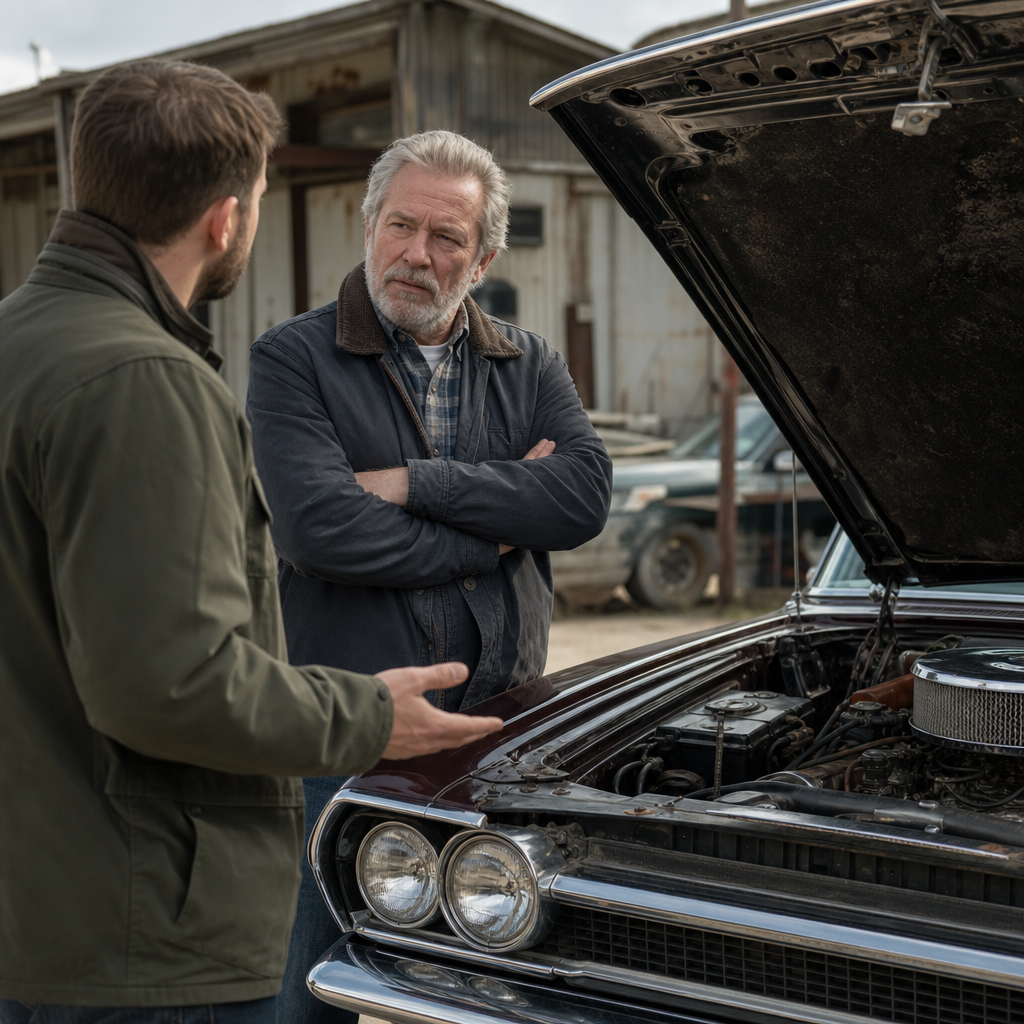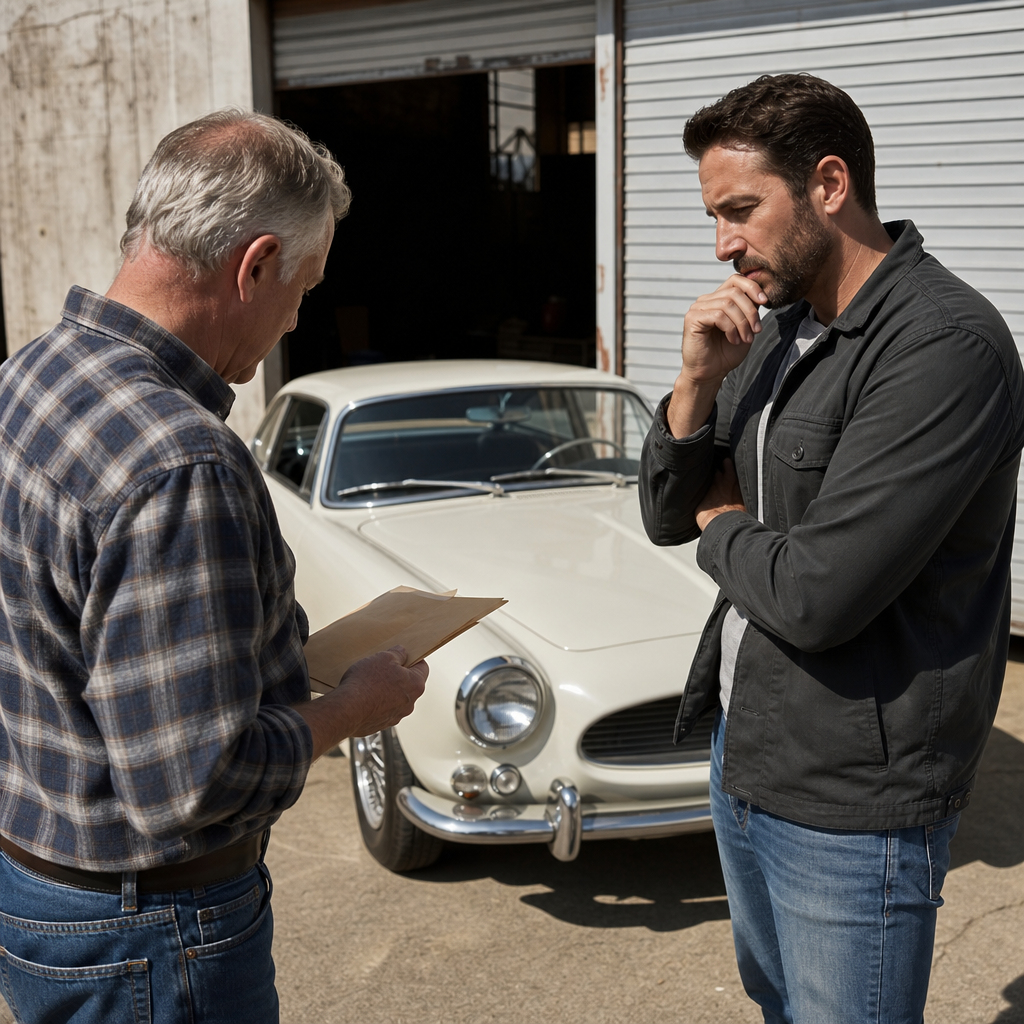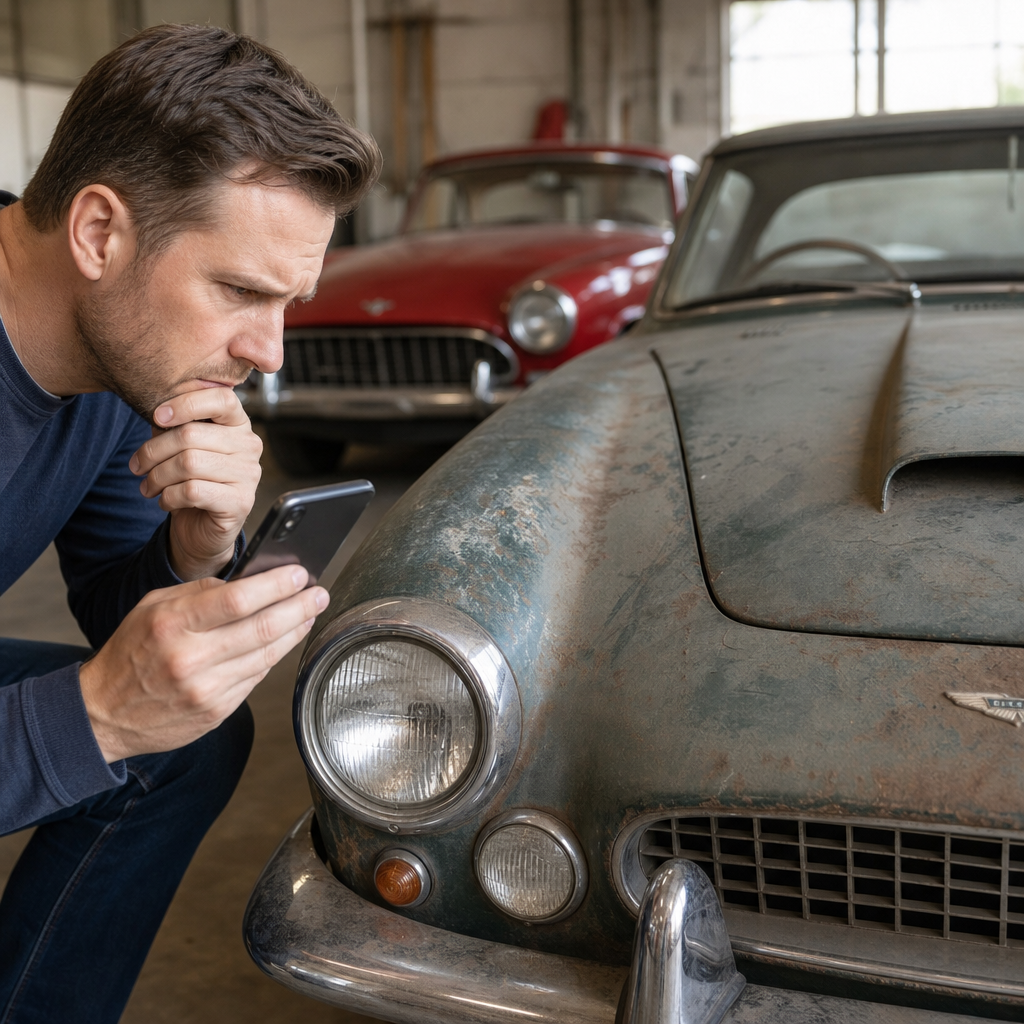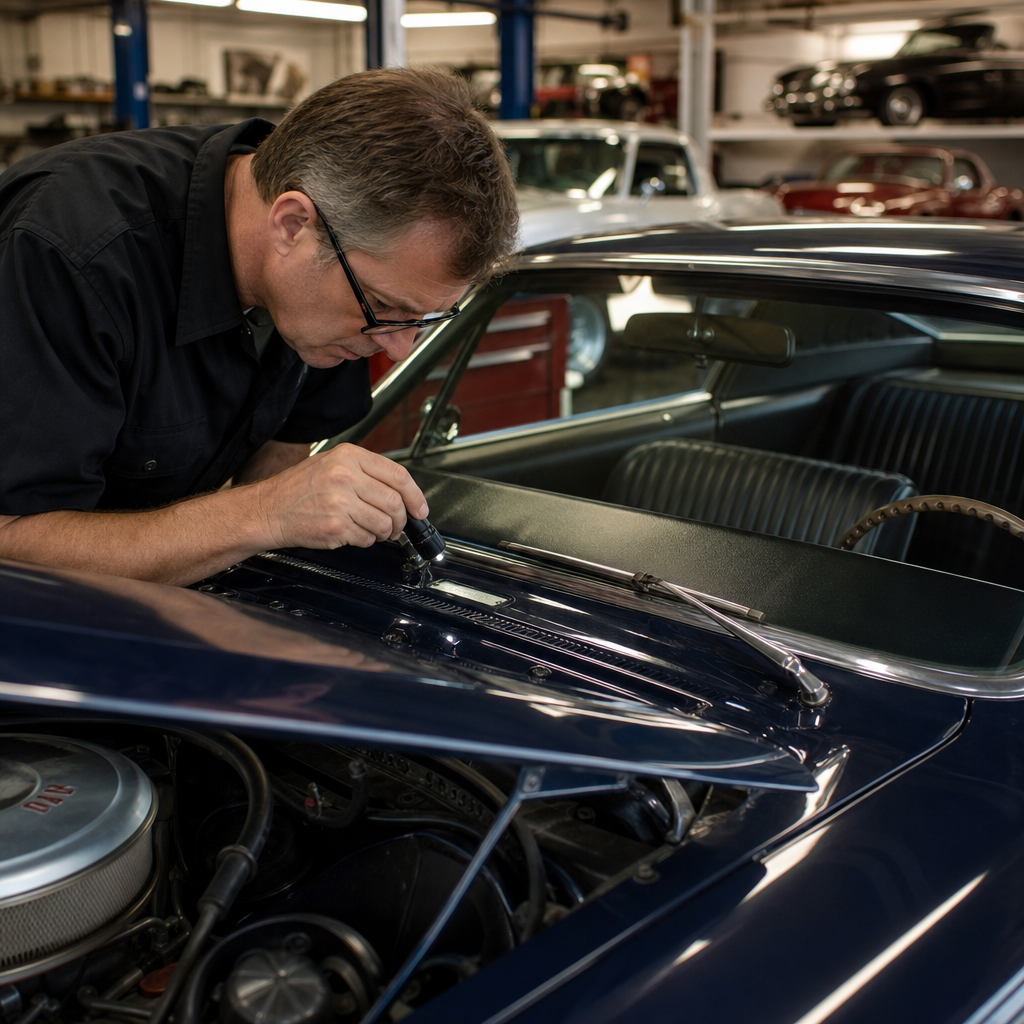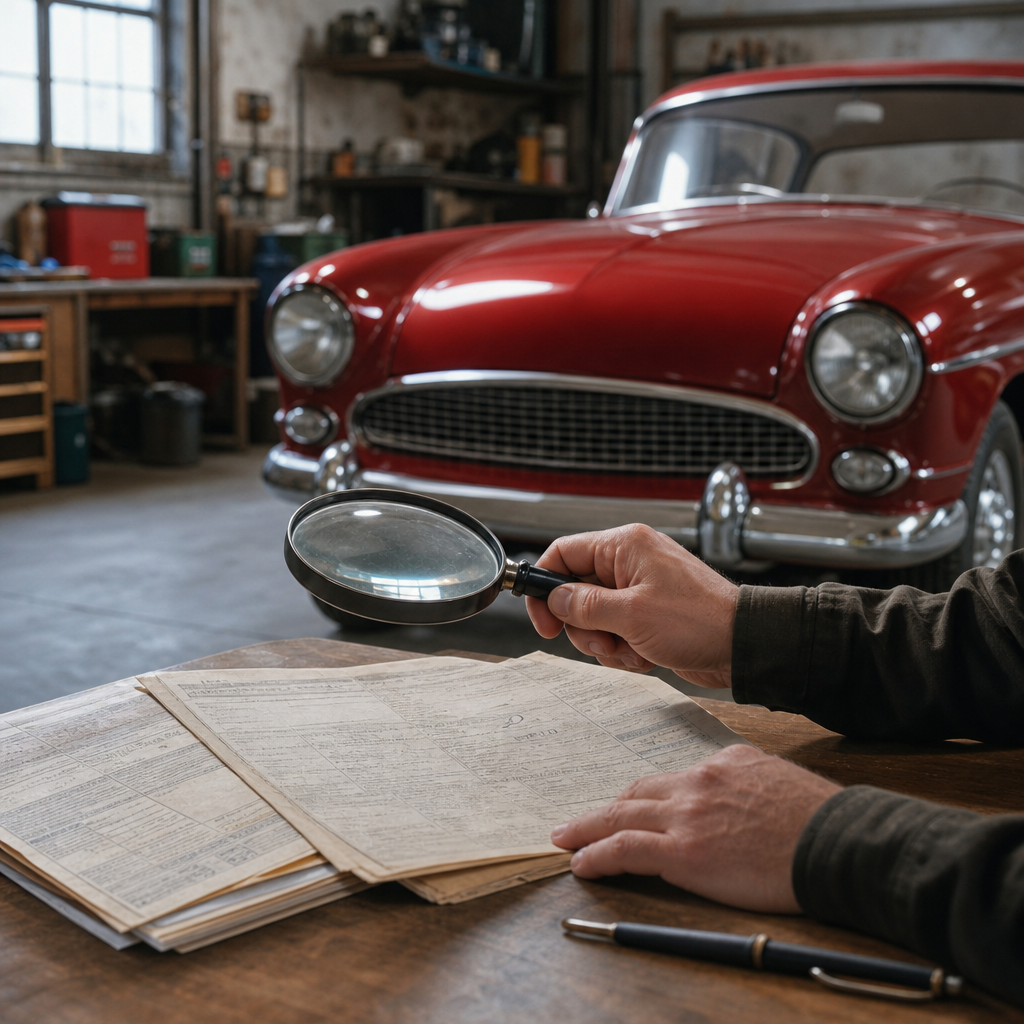
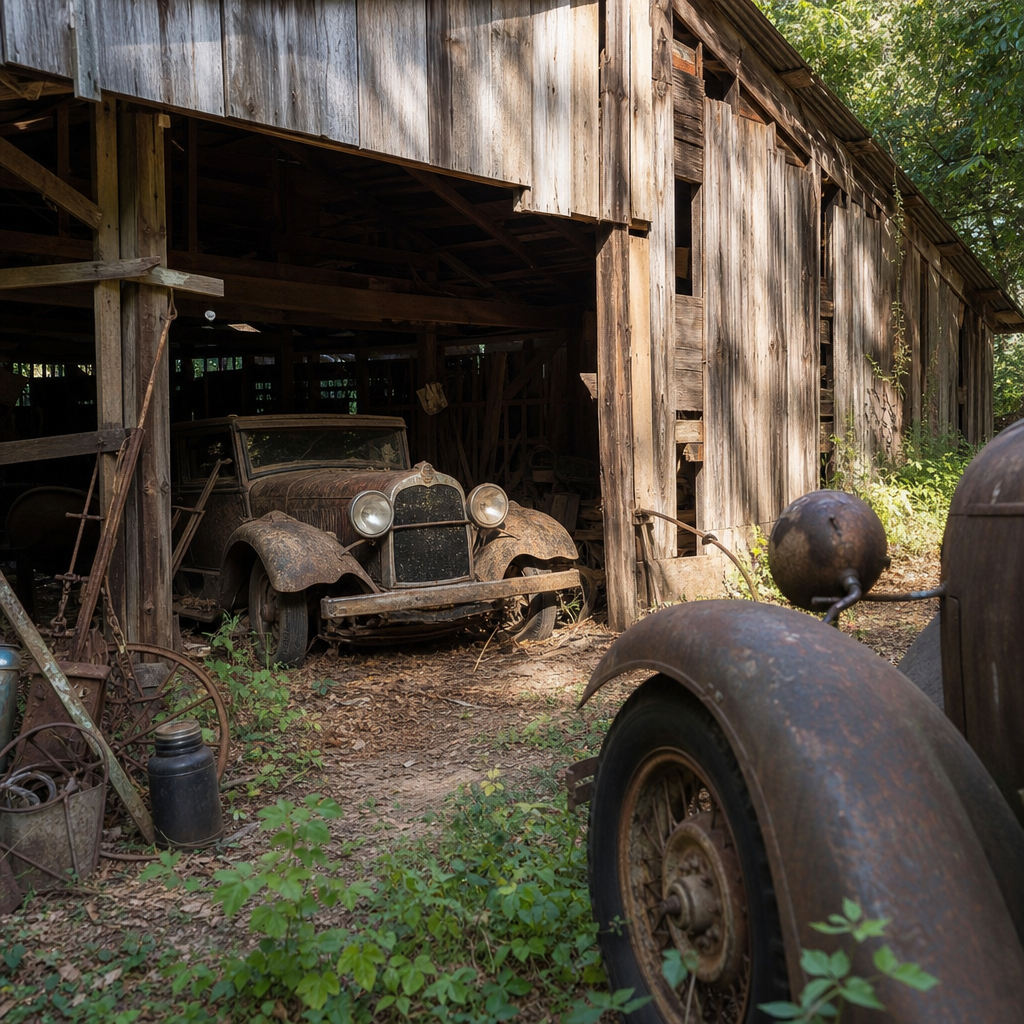
Barn finds capture the purest thrill in the classic car market: the chance to uncover a forgotten vehicle with history, originality, and upside still intact. In practical terms, a barn find is any classic car, truck, or motorcycle discovered after a long period of storage, usually in a garage, shed, warehouse, farm building, or private collection that has not been actively marketed. Some are complete and untouched, others are partially dismantled, and many sit somewhere between treasure and full restoration project. What makes the category so compelling is not just rarity, but the combination of provenance, preservation, and price opportunity that can appear when a vehicle surfaces outside the polished retail channel.
For buyers focused on where to buy classic cars, barn finds deserve their own strategy. I have sourced cars from estate dispersals, rural property sales, long-held family collections, dealer back lots, and online platforms that quietly move unrestored inventory before it ever reaches a showroom. The best places to find barn finds are rarely a single marketplace. They form an ecosystem that includes auctions, classified sites, local networking, probate channels, specialty dealers, and enthusiast communities. Understanding how each source works matters because the buying process, pricing risk, and documentation quality differ sharply from one channel to another.
This matters within the wider buying and selling classic cars market because barn finds can offer advantages that restored cars often cannot. Original paint, matching numbers, period-correct trim, and documented storage history can create stronger long-term value than a cosmetically overdone restoration. At the same time, the risks are real: hidden rust, seized drivetrains, title issues, missing VIN tags, rodent damage, and unrealistic seller expectations are common. A smart buyer treats the search like due diligence, not a treasure hunt alone.
As a hub for where to buy classic cars, this guide explains the channels that produce real opportunities, the signs that a lead is worth pursuing, and the filters that keep emotion from overrunning judgment. Whether you want an affordable project Mustang, a dormant C10 pickup, a European coupe in estate storage, or a truly scarce muscle car hidden for decades, the right source depends on your budget, restoration capability, and appetite for risk.
Online marketplaces and classified platforms
For most buyers, the search starts online because the broadest inventory appears there first. Facebook Marketplace, Craigslist, eBay Motors, Hemmings, ClassicCars.com, and Bring a Trailer all play different roles in the barn find market. Facebook Marketplace and Craigslist are the most fertile for local, lightly marketed discoveries because many non-specialist sellers use them casually. That means poor photos, vague descriptions, and listings like “old car in shed, ran when parked,” which can hide strong opportunities. eBay Motors offers wider geographic reach and some buyer visibility through bidding history, while Hemmings and ClassicCars.com tend to include more informed sellers and higher asking prices.
Bring a Trailer is less of a true barn find source than it once was because many cars are now professionally presented, but it remains useful for valuation and comparables. I routinely use completed sales there to pressure-test a seller’s asking price for an unrestored car found elsewhere. If a dormant 1968 Camaro seller wants restored-car money, you can point to recent auction results for project-grade examples with similar originality, options, and rust levels.
The advantage of online platforms is scale. The disadvantage is competition and misinformation. A listing posted at 7 a.m. for a dry-stored square-body Chevrolet can have ten messages by noon. Set saved searches with model names, year ranges, misspellings, and generic terms like “old Chevy,” “project car,” “stored for years,” and “barn car.” Search by neighboring states, not just your ZIP code. Many worthwhile cars are rural, and rural sellers often use broad wording rather than collector vocabulary.
Estate sales, probate leads, and farm auctions
Some of the best barn finds come from life events rather than active selling plans. Estate sales, probate cases, and farm auctions routinely surface vehicles that families know little about and have no desire to restore. These channels often produce cars with long ownership history, old registrations, manuals, and spare parts because the vehicles remained on the property for decades. In my experience, this is where originality is strongest and pricing can be most rational, especially when heirs prioritize liquidation over maximizing every dollar.
EstateSales.net, AuctionZip, local auctioneers, county legal notices, and regional estate liquidators are worth monitoring every week. Photos for these sales often emphasize furniture and household goods, so you need to scan background images for a fender, wheel, or grille tucked in a garage corner. Farm auctions are especially productive for trucks, tractors, and utilitarian classics such as Ford F-Series pickups, Chevrolet Advance Design trucks, Jeep CJs, and old Mopars parked in machine sheds.
The caution here is paperwork. A deceased owner’s title may be missing, outdated, or still held in another state. Before bidding, confirm how the auction company transfers ownership and whether your state accepts bonded titles or title services for older vehicles. If the car is genuinely rare, title complexity may still be worth managing, but the cost and delay should be built into your number from the start.
Local networking and enthusiast communities
The most consistent way to find barn finds before the public does is through local relationships. Join marque clubs, regional antique auto clubs, Cars and Coffee groups, swap meets, cruise nights, and restoration shop circles. Tell people exactly what you buy. “I’m looking for 1964 to 1972 GM A-bodies, complete or parked, with paperwork” works better than “call me if you hear of anything.” Specificity helps others remember you when a lead appears.
Body shops, upholstery shops, transmission builders, towing companies, and rural mechanics often know about dormant cars that owners mention but never list. I have gotten leads from parts counter staff, insurance agents handling old policy renewals, and storage facility managers who knew a tenant had stopped paying. None of those channels work quickly, but they compound over time.
Enthusiast forums also matter, especially for niche models. A first-generation Bronco, Alfa Spider, air-cooled Porsche, or Datsun Z can surface through owner communities long before the wider market notices. Forum members may know a widow considering a sale, an unfinished restoration, or a collector thinning projects. These leads are valuable because the community often knows the car’s history, which reduces uncertainty.
Specialty dealers, restorers, and private collections
Many buyers assume dealers are poor places to find barn finds, but that view is too narrow. Specialty dealers, restoration shops, and collection managers often control inventory that has not yet been detailed, repaired, or publicly listed. Some take in dormant cars on consignment and prefer to move them quickly as projects rather than invest in recommissioning. Others buy estates in bulk and have back-room inventory the website never shows.
Restoration shops are especially useful because stalled projects accumulate there. A customer runs out of money, loses interest, or passes away, leaving a shell, parts inventory, and partially completed machine work. Buying through the shop can provide unusually strong visibility into what is missing and what has already been done. Ask for invoices, engine casting numbers, machine shop receipts, and photos from disassembly.
Private collections are another overlooked source. Collectors often have overflow cars stored in secondary buildings, and not every vehicle in the collection fits the owner’s current priorities. The key is respectful outreach. A thoughtful letter, a referral from a mutual contact, or a conversation at an event works far better than a cold lowball offer.
| Source | Best for | Main advantage | Main risk |
|---|---|---|---|
| Facebook Marketplace/Craigslist | Local, lightly marketed projects | Lower seller sophistication can mean better prices | Scams, weak descriptions, fast competition |
| Estate sales and farm auctions | Long-term ownership cars with history | Originality and stored parts are common | Title and transfer complications |
| Clubs and local networks | Off-market leads | Early access before public listing | Slow pipeline requiring patience |
| Dealers and restoration shops | Stalled projects and hidden inventory | Better mechanical context and documentation | Higher prices and markup expectations |
How to evaluate a barn find before you buy
Finding a lead is only half the job. The next step is deciding whether the car is a buy, a pass, or a parts donor. Start with identity: VIN, cowl tag, engine stampings, transmission codes, axle tags, and body numbers should align with the seller’s story. On American muscle cars, originality drives value, so matching-numbers claims must be verified, not assumed. On trucks and driver-grade classics, title status, frame condition, and completeness usually matter more than numbers matching.
Rust is the largest variable in total cost. Floor pans, trunk pans, lower fenders, frame rails, rockers, cowl sections, windshield channels, and pickup cab mounts can turn a cheap car into an expensive one very quickly. Surface rust on dry western cars is manageable. Structural corrosion in hidden seams is not. Bring a flashlight, magnet, inspection mirror, borescope, gloves, and a jack if the seller allows it.
Mechanical condition matters, but complete non-running cars are often safer buys than partially disassembled ones. A seized engine can be rebuilt. Missing trim, one-year-only interior parts, or model-specific glass can be harder and more expensive to source than machine work. Ask whether the car rolls, steers, brakes, and includes removed parts. If the seller says “everything is there,” request photos of the parts laid out.
Pricing, negotiation, and transport
Barn find pricing should be based on end value minus restoration cost, parts sourcing risk, transport, title work, and a contingency margin. This sounds obvious, but buyers routinely overpay because they anchor on rarity and ignore total project economics. A rare car is not automatically a good buy if metal work alone will exceed the finished market value. Use recent auction results, club forums, Hagerty valuation guides, and marque experts to establish realistic ranges for concours, driver, and project outcomes.
Negotiation works best when it is calm and evidence-based. Point out missing components, rust areas, title gaps, and non-original features without theatrics. Sellers respond better when they feel informed rather than attacked. Cash can help on local deals, but bank wires are safer for larger transactions. Always use a bill of sale with VIN, price, date, and seller identification.
Transport is often underestimated. A car sunk into dirt, missing wheels, or locked in a cramped outbuilding may require skates, winches, extra labor, or rollback access planning. Before closing, confirm how the vehicle will exit the property. I have seen good deals turn complicated because a buyer assumed a standard carrier could load a non-rolling car from a collapsing barn.
How this hub fits your classic car buying strategy
If you are researching where to buy classic cars, barn finds should sit alongside more conventional channels such as auctions, private-party listings, specialty dealers, and collector marketplaces. The right channel depends on your objective. Buyers who want immediate enjoyment usually do better with sorted driver cars. Buyers with restoration resources, storage space, and patience can create more upside through barn finds, especially when they buy complete, documented vehicles in dry storage with straightforward ownership history.
As a subtopic hub, this page connects the search process to the broader buying journey: choosing the right marketplace, verifying authenticity, budgeting for restoration, handling title transfers, arranging inspections, and planning resale. The central lesson is simple. The best places to find barn finds are the places where information is incomplete but still verifiable. That includes local listings, estate channels, club networks, restoration shops, and private collections reached through trust.
Start with a defined target list, monitor multiple sources weekly, build relationships before you need them, and inspect every lead with discipline. Barn finds reward patience more than speed, and knowledge more than luck. If you want better classic car buying results, use this hub as your starting point, then build a repeatable sourcing system that brings the right cars to you before the wider market sees them.
Frequently Asked Questions
Where are the best places to look for real barn finds?
The best places to find true barn finds are usually the least visible parts of the market: rural properties, private garages, old farm buildings, estate holdings, closed repair shops, long-held collections, and communities where vehicles were stored instead of sold. In practice, this means looking beyond public marketplaces and focusing on places where owners may have parked a vehicle years ago with the intention of “getting to it later.” Agricultural areas are especially productive because barns, machine sheds, and outbuildings often have the space to store unused cars, trucks, and motorcycles for decades. Older suburban neighborhoods can also be surprisingly strong, particularly where original owners have stayed in the same home for many years and kept vehicles in detached garages.
Estate sales, probate situations, and word-of-mouth leads are often better than classified listings because many genuine barn finds never reach the open market until someone local hears about them first. Small-town repair shops, body shops, towing companies, and parts stores can also be useful sources because they tend to know which properties have long-stored vehicles. Car clubs, marque-specific forums, and swap meets are equally valuable, not just for cars being sold directly, but for leads on owners who might be persuaded to sell. The key is that the best barn finds are often found through relationships and persistence rather than a quick online search. If a car is already heavily advertised with glossy photos and a polished story, it may still be a good buy, but it is usually no longer the kind of untouched opportunity people mean when they talk about a genuine barn find.
How can I tell whether a barn find is actually worth pursuing?
A barn find is worth pursuing when the combination of originality, rarity, condition, and purchase price creates a realistic upside after inspection, transport, and restoration or preservation costs are considered. Start with the fundamentals: identity, completeness, and structural integrity. Confirm the VIN, chassis number, engine stamping, and any model-specific tags to make sure the vehicle is what the seller claims it is. Then assess whether the car is substantially complete. Missing trim, specialty glass, unique drivetrain parts, seats, gauges, or one-year-only components can quickly turn a promising discovery into an expensive puzzle. In many cases, originality matters more than shine. A dusty, faded car with its factory engine, paperwork, and unmodified body can be far more desirable than a cleaner example that has been pieced together incorrectly.
Rust and corrosion are usually the deciding factors. Surface rust is common and manageable, but structural rust in frame rails, floors, rockers, trunk pans, suspension mounts, or firewall areas can change the economics of the project completely. You should also evaluate storage conditions. A dry building tends to preserve metal, interior materials, and mechanical components far better than a damp shed or dirt-floor structure. Beyond physical condition, research the vehicle’s market. Some models justify major restoration budgets, while others are only worthwhile if bought cheaply and preserved rather than fully rebuilt. A good barn find is not just a hidden car; it is a hidden car with a sensible path forward. If the numbers match, the title situation is manageable, the car is relatively complete, and the model has real collector demand, it is usually worth serious attention.
What is the safest and most effective way to approach owners of possible barn finds?
The safest and most effective approach is respectful, patient, and low-pressure. Many barn-find vehicles are owned by people who have an emotional connection to them, even if the vehicle has not moved in years. Some inherited the car from a family member, some planned to restore it one day, and others simply never prioritized selling it. Walking onto private property uninvited or acting like you are there to “score a deal” is the fastest way to lose trust. A better strategy is to make contact properly, either through a mutual introduction, a polite letter, a phone call if appropriate, or a courteous in-person conversation when invited. Introduce yourself clearly, explain your interest in classic vehicles, and let the owner know you are reaching out because you appreciate preserving old cars, not because you are trying to pressure them.
It helps to ask whether they would ever consider discussing the vehicle rather than immediately asking for a price. Owners are often more open when they feel in control of the conversation. If they are not ready to sell, leave your contact information and thank them for their time. If they are open to talking, ask about the car’s history, when it was last driven, whether the title is available, and whether any parts are stored elsewhere. This conversational approach often reveals more than a hard negotiation style ever will. If a deal progresses, document everything carefully, including ownership details, VIN information, bill of sale terms, and title transfer requirements. Professionalism matters because barn-find deals can be informal at the start, but they should never stay informal once money changes hands.
Are online listings and auctions still good places to find barn finds, or are the best ones found offline?
Online listings and auctions can absolutely produce worthwhile barn finds, but they are usually best viewed as part of the search rather than the entire strategy. The biggest advantage of online platforms is scale. You can monitor regional listings, estate auctions, dealer inventories, collector forums, and social media groups quickly and consistently. This is useful because many owners or heirs do not know exactly how to market a long-stored vehicle, so they may list it with limited photos, sparse descriptions, or broad terms like “old car in shed” or “hasn’t run in years.” Buyers who know how to read between the lines can still uncover opportunities. Lesser-known auction houses, local estate platforms, and classified sites with poor search functionality often reward patient, detail-oriented buyers.
That said, the strongest barn-find opportunities are still often discovered offline. Once a vehicle is listed publicly, price discovery begins immediately, and the seller is more likely to be influenced by optimistic market comps. Offline finds tend to involve less competition and more direct communication with the owner, which can lead to better pricing and better information about the car’s history. Ideally, serious barn-find hunters use both methods. Online search helps identify broad opportunities and market trends, while offline networking uncovers vehicles before they become widely known. The buyers who consistently find the best cars usually combine digital monitoring with real-world relationship building through clubs, mechanics, auctioneers, estate attorneys, farm communities, and longtime local enthusiasts.
What should I inspect before buying a barn find that has been sitting for many years?
Before buying a barn find, inspect four major areas: documentation, body and structure, completeness, and storage-related mechanical condition. Documentation comes first because title problems can be harder to solve than mechanical problems. Verify the VIN on the vehicle and compare it with the title, registration, old service records, or ownership documents. Ask whether there are liens, probate issues, or missing paperwork. Then move to the body and chassis. Check common rust areas thoroughly, including floors, trunk, lower fenders, frame sections, cowl, windshield channels, and suspension mounting points. Look for collision damage, poor past repairs, missing trim holes, signs of body filler, and evidence that the vehicle sat in standing moisture. If the car was stored on dirt, inspect the underside even more carefully.
Next, determine how complete the vehicle is. Barn finds are often sold with the phrase “everything is there,” but that should never be assumed. Inspect the engine, transmission, carburetor or fuel injection components, intake, exhaust manifolds, air cleaner, radiator, gauges, seats, glass, emblems, and model-specific trim. Ask whether removed parts are boxed separately and whether any original wheels, hubcaps, or manuals come with the sale. Finally, assess the effects of long-term storage. Fluids may be contaminated, fuel systems may be varnished, brake systems may be seized, wiring may be brittle, and rodents may have damaged interiors and harnesses. Do not try to start the vehicle casually without inspection; engines that have sat for years should be evaluated carefully first. A smart buyer treats a barn find as a preservation and logistics project before it becomes a driving project. The more thoroughly you inspect upfront, the less likely you are to confuse a romantic discovery with a financially draining mistake.