
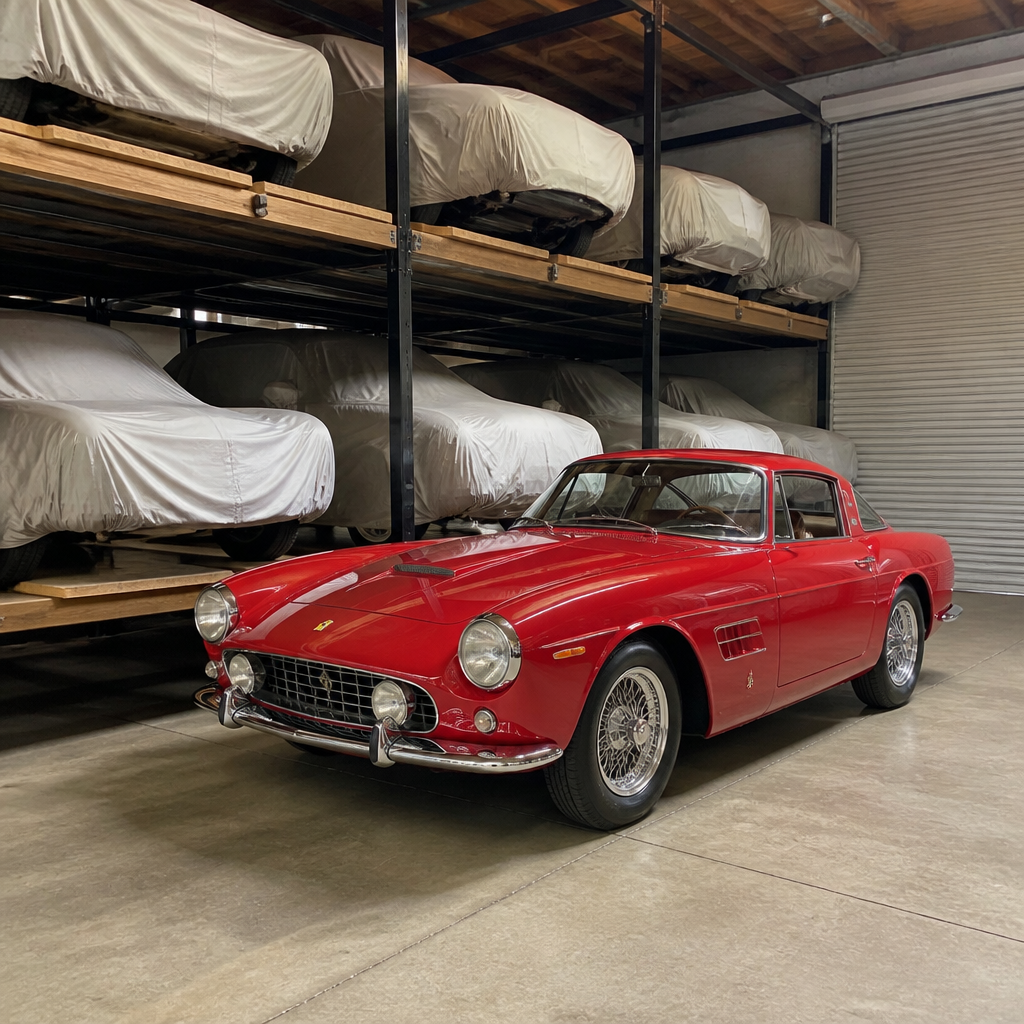
Storing a classic car long-term is not the same as parking a modern daily driver and walking away, because older materials, carbureted fuel systems, vented cabins, and period electrical components deteriorate quickly when a vehicle sits without preparation. In restoration shops and private collections, I have seen beautifully preserved cars survive a decade of inactivity with minimal recommissioning, while others developed seized brake hydraulics, stale fuel varnish, rodent damage, and corrosion within a single season. Long-term storage means preparing a vehicle for months or years of non-use in a way that limits chemical breakdown, moisture intrusion, mechanical stress, and cosmetic deterioration. Preservation refers to maintaining originality, condition, and future drivability, whether the car is a concours-level Jaguar E-Type, a weekend Mustang fastback, or an unrestored Mercedes-Benz W123. This matters because incorrect storage creates cumulative damage that is expensive and sometimes irreversible. Rubber dries out, paint reacts to humidity, chrome pits, leather shrinks, and fuel systems can require complete rebuilding. Good storage, by contrast, protects value, reduces recommissioning costs, and preserves the ownership experience. As the hub for classic car storage and preservation, this guide explains the core decisions every owner must make: where to store the car, how to clean and stabilize it, how to protect mechanical systems, what to monitor during storage, and how to bring it back into service safely. If you understand those fundamentals, every more specialized article on batteries, interiors, rust prevention, rodent control, and seasonal startup becomes easier to apply correctly.
Choose the right storage environment first
The best long-term classic car storage starts with the building, not the car. A dry, enclosed, secure garage with stable temperature and controlled humidity is the standard to aim for. In practical terms, most collectors get the best results when ambient humidity is kept around 45 to 55 percent. That range is dry enough to slow corrosion and mold growth but not so dry that wood trim, leather, or natural fibers become brittle. Rapid temperature swings are often more harmful than cold itself because they create condensation on metal surfaces, especially inside exhaust systems, crankcases, and unsealed cavities.
Climate control does not have to mean museum-grade HVAC, but it should mean predictability. A sealed garage with an insulated door, a quality dehumidifier with automatic drainage, and basic air circulation is dramatically safer than an unconditioned barn. Concrete floors are better than dirt or gravel because they reduce ground moisture migration. If the car must be stored in a shared warehouse, ask whether the building is protected against roof leaks, pest entry, and sprinkler overspray. Security matters too. Visible classics attract theft, and parts theft is often more common than full-vehicle theft. Layered protection should include solid locks, alarm coverage, discreet placement, and documented insurance terms for stored vehicles.
If you have only poor storage options, improve what you can before focusing on accessories. I would rather store a car in a plain but dry locked garage than under an expensive bubble in a damp outbuilding. Indoor car capsules and fitted covers can help, but they do not solve moisture trapped in the structure itself. Start with the room, then optimize around the vehicle.
Clean the car thoroughly before storage
A dirty classic deteriorates faster in storage because contaminants continue reacting with paint, trim, and underbody finishes while the car sits still. Before any long-term layup, wash the exterior carefully, including wheel arches, lower sills, suspension pockets, and the underside if access allows. Remove bug residue, road salts, tree sap, and brake dust. Dry the car fully with compressed air, microfiber towels, or a blower, paying attention to chrome seams, emblems, and weatherstrip channels where water hides.
Paint protection should be appropriate to the finish. For older single-stage paint, a quality wax or sealant adds a sacrificial barrier and helps repel dust. Freshly restored cars with curing paint may need different timing, so follow the paint system guidance from the body shop. Chrome and stainless trim benefit from light protection, but avoid heavy oily products that can stain adjacent rubber. Glass should be cleaned inside and out because mineral deposits and interior film become harder to remove after months of inactivity.
The interior needs the same discipline. Vacuum carpets, clean leather or vinyl with compatible products, and remove all food, paper, and organic debris that attract insects or rodents. Dampness trapped under mats is a common cause of mildew smell and floorpan corrosion. In convertibles, make sure the top is clean and fully dry before raising or lowering it for storage. Trunks deserve special attention. I often find moisture under spare tires, old jacks, and felt liners, and that hidden dampness can spread rust for years unnoticed.
Stabilize fuel, fluids, battery, tires, and moving systems
Mechanical preservation is where many classic cars are won or lost in storage. Modern pump fuel degrades quickly, especially ethanol-blended gasoline, which absorbs moisture and can attack older hoses, seals, and carburetor components. For storage lasting more than a couple of months, add a quality fuel stabilizer in the correct ratio, then run the engine long enough to circulate treated fuel through the carburetor or injection system. Opinions differ on tank level, but in most steel tanks I prefer storing with a full tank of stabilized fuel to reduce condensation space, provided the cap and venting system are in sound condition.
Change engine oil and filter before storage if the existing oil has meaningful runtime on it. Used oil contains acids, moisture, and combustion byproducts that should not sit against bearings and internal surfaces for months. Coolant should be tested for freeze protection and corrosion inhibitors, especially in older iron-block engines. Brake fluid and clutch fluid are hygroscopic; if they are old, flushing before storage reduces internal corrosion in master cylinders, calipers, and wheel cylinders. For collector cars stored several years, gearbox and differential fluid condition also matters.
Batteries should either be disconnected and maintained with a quality smart charger or removed entirely if the storage site is not consistently safe and dry. Use a modern maintainer, not a constant trickle charger, because overcharging ruins batteries and can damage surrounding metal through vented acid. Tires should be inflated to the upper end of recommended pressure to reduce flat spotting, and the car should rest on a clean surface or tire cradles. Avoid leaving the parking brake engaged for long periods; brake shoes and pads can seize to drums or rotors.
| System | Best practice for long-term storage | Why it matters |
|---|---|---|
| Fuel | Fill tank, add stabilizer, run engine 10 to 15 minutes | Reduces varnish, moisture, and internal corrosion |
| Engine oil | Change oil and filter before layup | Removes acids and contaminants that etch internals |
| Battery | Disconnect and use a smart maintainer | Prevents discharge and sulfation without overcharging |
| Tires | Inflate properly and use cradles if possible | Limits flat spots and sidewall stress |
| Brakes | Store with brake released and wheels chocked | Avoids seized shoes, pads, and cables |
Protect against moisture, pests, and material degradation
Moisture is the primary enemy of long-term storage, but pests run a close second. Mice can destroy wiring harnesses, seat stuffing, insulation, and heater ducts in weeks. The best defense is exclusion. Seal gaps in the storage building, remove food sources, and inspect regularly. I avoid scattering loose poison around collector cars because animals can die inside inaccessible cavities. Mechanical traps placed around the perimeter are usually safer. Some owners use peppermint products or ultrasonic devices, but results are mixed and they should never replace physical inspection.
Inside the car, use desiccant packs or cabin moisture absorbers if the environment is marginal, but do not rely on them as a substitute for humidity control in the room. Leave windows fully closed unless the manufacturer or specific storage protocol for the vehicle suggests otherwise. Convertible tops and door seals should be checked for proper seating so wind-driven moisture or dust cannot enter. Exhaust outlets and air intakes can be loosely blocked with breathable reminders attached to the steering wheel, but avoid sealing in existing moisture.
Use a breathable indoor car cover only after the vehicle is completely clean and dry. Non-breathable plastic tarps trap condensation and can ruin paint. The cover should fit well enough not to flap and abrade edges. For prized originals, place soft barriers where cover contact is unavoidable over sharp trim. Leather, wood, lacquer, and wool all age differently, so product choice matters. A pH-balanced leather conditioner may be appropriate for Connolly-style hides, while heavy silicone dressings are usually a mistake on original interiors because they leave residues and alter appearance.
Decide whether to start the car periodically
One of the most misunderstood storage questions is whether you should start a classic car every few weeks. In many cases, the answer is no. Brief idle sessions that never bring oil, coolant, exhaust, and transmission to full operating temperature do more harm than good. They introduce combustion moisture, wash cylinders with excess fuel on rich carbureted engines, and leave condensation in the exhaust. I have seen cars faithfully “exercised” monthly develop milky crankcase residue and rusted mufflers because the routine sounded caring but never reached true operating conditions.
If a car can be driven long enough to fully warm every system, including brakes and drivetrain, occasional operation can be beneficial. But that requires proper insurance, roadworthiness, and dry conditions. For a truly stored vehicle, preservation usually means preparing it correctly and leaving it alone, with scheduled inspections for leaks, battery condition, tire pressure, and pest activity. Some engines can be turned by hand occasionally if storage is very extended, though that is a more specialized protocol and not necessary for most one-year layups.
The same principle applies to lifting the car on stands. Stands can be appropriate for very long storage, tire preservation, or underbody work, but incorrect support points can damage structure and suspension droop can stress bushings. For most owners, proper tire inflation and periodic rolling within the storage space, if practical, are safer than improvised stand setups.
Document, monitor, and recommission methodically
Long-term classic car storage is easier when you treat it like a controlled process rather than a one-time event. Create a checklist with date, mileage, fluid service status, battery method, tire pressure, and any openings you have blocked. Photograph the car inside and out before storage for insurance and condition records. Keep notes on spare parts removed, such as batteries or rare air cleaners, so nothing is forgotten at startup time. This documentation becomes invaluable if ownership changes, an insurer asks for evidence, or a workshop helps with recommissioning.
Monitoring should be simple but consistent. Check the storage area for humidity spikes, water ingress, and rodent signs after storms or seasonal changes. Look under the car for fluid spots. Verify the cover is still clean and positioned correctly. If the building uses a dehumidifier, maintain filters and drainage lines. For higher-value collections, wireless temperature and humidity sensors from brands such as Govee or SensorPush give useful trend data without much cost. The point is not to disturb the car constantly; it is to catch environmental changes before damage begins.
When the storage period ends, recommission slowly. Inspect belts, hoses, fluid levels, and tire condition before turning the key. Remove any intake or exhaust blockers. On carbureted cars, check for fuel leaks before running the pump or cranking extensively. Confirm brake pedal feel before moving the car under power. After startup, watch charging voltage, oil pressure, and coolant temperature. Then drive conservatively until seals, brakes, shocks, and tires prove themselves. A measured return to service protects both the vehicle and the work you put into storing it properly.
The best ways to store a classic car long-term are straightforward but non-negotiable: choose a dry secure environment, clean the vehicle thoroughly, stabilize fuel and fluids, maintain the battery correctly, protect against moisture and rodents, and avoid half-measures like short idle sessions that feel helpful but create damage. Those steps preserve originality, reliability, and market value while reducing the cost and stress of recommissioning. As a hub for storage and preservation under classic car ownership, this guide gives you the framework behind every related task, from winter battery care to rust prevention and interior protection. Use it as your baseline, then build a storage checklist specific to your car’s age, materials, and fuel system. If you want your classic to emerge months or years later looking right, smelling right, and driving as it should, start with disciplined storage planning today.
Frequently Asked Questions
What is the most important first step before putting a classic car into long-term storage?
The most important first step is to store a clean, dry, mechanically stabilized car rather than simply parking it and covering it up. Dirt, bug residue, road salts, brake dust, and trapped moisture all accelerate corrosion, especially on older paint, chrome, underbodies, and trim. Before storage, wash the exterior thoroughly, clean the wheel wells and underside, dry the car completely, and apply a quality wax or paint sealant. Inside the car, vacuum carpets, clean upholstery, and remove any food, paper, or organic debris that can attract insects and rodents. In the trunk, make sure the spare tire well and lower seams are dry, because moisture often collects there unnoticed.
Once the car is clean, the next priority is addressing the systems that degrade when left idle. Change the engine oil and filter so the engine is not sitting with contaminated oil containing acids and combustion byproducts. Check coolant strength and condition if the car is water-cooled, because weak or old coolant can promote internal corrosion. Top off or service other fluids as needed, including brake fluid, differential oil, and transmission fluid. If the car has any active leaks, now is the time to deal with them, because slow leaks become bigger problems over months or years. Long-term storage works best when the car goes in healthy, not when storage is used to postpone needed maintenance.
Finally, choose the right storage environment. A secure, enclosed, well-ventilated, dry garage is vastly better than a damp outbuilding or a basic carport. Temperature stability matters more than extreme warmth; repeated swings in temperature cause condensation on metal surfaces and inside the cabin. If the car will be inactive for many months, preparation should also include fuel treatment, battery strategy, tire support, rodent prevention, and moisture control. In other words, the first step is not one single action but a mindset: preserve the car as a system, not just as an object.
Should I drain the fuel system or store the car with fuel in it?
In most cases, it is better to store a classic car with fresh, stabilized fuel rather than leaving old fuel in the tank or partially draining the system without a complete plan. Modern gasoline deteriorates quickly and can leave varnish, gum, and corrosive deposits in tanks, carburetor bowls, fuel lines, pump diaphragms, and needle-and-seat assemblies. Classic cars are especially vulnerable because many use carburetors, vented fuel systems, and older rubber components that do not tolerate stale or ethanol-heavy fuel as well as modern sealed injection systems do.
A practical approach is to fill the tank nearly full with fresh fuel to reduce internal condensation, then add a quality fuel stabilizer in the correct proportion and run the engine long enough to circulate treated fuel through the entire system. On a carbureted car, that means getting stabilized fuel into the pump, lines, carburetor, and bowls. Some owners prefer to drain carburetor bowls after circulation if the car will sit for a very long time, which can reduce varnish formation, but this needs to be done carefully and consistently. Simply parking the car after its last drive with untreated fuel is one of the fastest ways to create hard starting, stuck floats, clogged jets, and expensive recommissioning work later.
If the storage period will be measured in years rather than months, the right strategy depends on the vehicle, the fuel available in your area, and how completely you can preserve the system. A fully drained and properly fogged fuel system can work, but partial draining often causes more trouble than it prevents because residual fuel remains in low spots and passages. For most collectors and hobbyists, fresh stabilized fuel in a full tank is the safest balance between practicality and protection. If ethanol-free fuel is available, it is often an excellent choice for long-term storage in older vehicles.
How do I protect the battery, tires, and brakes during long-term storage?
These three areas are commonly overlooked, yet they often create the most frustration when it is time to bring a classic car back to life. For the battery, the goal is to prevent discharge, sulfation, and acid-related damage. If the car is stored in a secure indoor space with electricity, use a quality smart battery maintainer rather than a basic charger. A maintainer monitors voltage and keeps the battery healthy without overcharging it. If power is not available, disconnect the battery at minimum, or remove it entirely and store it in a suitable location where it can be maintained periodically. This is especially wise on older cars with unknown parasitic drains or delicate wiring.
Tires need support because prolonged stationary load can lead to flat-spotting, sidewall stress, and in some cases cracking if the rubber is already aged. Inflate the tires to the upper end of the recommended safe pressure range for storage and move the car occasionally if practical. For very long storage, many owners place the car on tire cradles or, in some cases, support it on properly positioned jack stands to take weight off the suspension and tires. If you do use stands, support the vehicle correctly according to the chassis design so you do not create suspension droop issues or stress the frame incorrectly. Avoid storing the car directly on bare earth or damp concrete without a vapor barrier, because moisture migration from the floor contributes to rust and tire deterioration.
Brakes are another weak point because brake fluid absorbs moisture, internal surfaces corrode, and seals can dry out or stick when the system sits. If the brake fluid is old, flush it before storage. Do not leave the parking brake engaged for extended periods, especially on drum brake cars, because shoes can seize to drums and cables can stick. Instead, chock the wheels securely. It is very common to see long-stored classics come out of storage with frozen wheel cylinders, stuck calipers, or dragging brakes, so a little prevention here saves a great deal of work later.
What is the best way to prevent rust, mold, and rodent damage while a classic car is stored?
The best defense is controlling moisture and eliminating anything that makes the car inviting to pests. Rust begins with dampness, condensation, and contamination, so the storage area itself matters as much as the car preparation. A dry, enclosed garage with good airflow is ideal. If your climate is humid, a dehumidifier or controlled indoor storage can make a dramatic difference. Breathable car covers are usually better than plastic tarps, which tend to trap condensation against paint and trim. If the car is already dry and clean, a soft, breathable cover protects it from dust while still allowing moisture to escape.
Mold develops when moisture is trapped in upholstery, carpets, insulation, and weatherstripping. To prevent that, make sure the cabin is completely dry before storage. Check for leaks around the windshield, rear glass, vent windows, cowl, trunk seal, and heater box, because older cars often let in water in places owners do not immediately notice. Moisture absorbers can help inside the cabin and trunk, but they are not a substitute for fixing obvious leaks. Leaving the windows slightly cracked is sometimes suggested, but it can also invite pests and humid air depending on the storage environment, so it is usually better to keep the car sealed and the building climate controlled.
Rodents are one of the most destructive threats to a stored classic car. They chew wiring insulation, nest in heater boxes, shred seat padding, and contaminate interiors with urine and droppings. Remove anything edible from the car and trunk, including old tissues, wrappers, and even natural-fiber materials they might use for nesting. Seal obvious entry points in the building, use traps around the storage area, and inspect periodically. Some owners place deterrents in and around the car, but no single scent or gadget is as reliable as good housekeeping and regular checks. Pay special attention to air cleaner housings, exhaust outlets, fresh-air intakes, and under-seat areas, because those are favorite nesting spots.
How often should a classic car be checked or started during long-term storage?
This is one of the most misunderstood parts of long-term storage. A classic car should be inspected regularly, but starting it occasionally without fully warming and exercising it is often worse than leaving it alone. Short idle sessions can create condensation in the crankcase and exhaust, dilute oil protection, and never bring the drivetrain, brakes, and charging system up to proper operating condition. If you are going to start the car, the best practice is to run it long enough to reach full operating temperature and ideally drive it far enough to circulate fluids, evaporate moisture, and exercise the brakes, clutch, transmission, and suspension. If that is not possible, repeated brief starts are usually not beneficial.
Even if the car is not being started, it should still be checked on a schedule. Monthly or at least periodic inspections are wise to look for fluid leaks, battery condition, pest activity, moisture buildup, tire pressure changes, and cover fit. Verify that the storage area remains dry and that no new roof leaks, wall dampness, or condensation issues have developed. Open the hood and trunk, inspect wiring and insulation for rodent activity, and confirm that moisture-control products have not become saturated. A five-minute inspection at the right time can prevent a major setback.
When storage extends into many months or years, the ideal plan is documented and deliberate.