Buying a classic car today often starts online, and two names dominate casual local shopping: Facebook Marketplace and Craigslist. For enthusiasts asking whether these platforms are good for classic cars, the short answer is yes, but only for specific types of buyers, sellers, and vehicles. A better question is when each platform works, where each falls short, and how they fit into the broader landscape of where to buy classic cars.
In the classic car market, “good” does not simply mean cheap or convenient. It means the listings are searchable, the seller pool is active, prices roughly reflect reality, fraud risk is manageable, and the platform supports the level of due diligence older vehicles require. A classic car also differs from a used commuter vehicle. Condition can vary dramatically, originality matters, paperwork can be incomplete, and valuation depends on factors such as production numbers, driveline correctness, restoration quality, documentation, and provenance. I have used both platforms to source project cars, driver-quality survivors, and parts vehicles, and they can absolutely produce worthwhile deals. They can also waste time fast.
This article serves as a hub for where to buy classic cars, using Facebook Marketplace and Craigslist as the anchor comparison while placing them alongside auctions, dealer inventories, enthusiast forums, marque clubs, and specialized online marketplaces. If you want the single best place to buy or sell every classic car, it does not exist. If you want the best venue for a specific budget, condition level, and transaction style, there are clear patterns. Understanding those patterns helps you find more legitimate listings, avoid common scams, and choose the channel most likely to match your goals.
Facebook Marketplace is strongest for broad reach, mobile-first browsing, and high listing volume. Craigslist remains useful for local finds, older sellers, and occasional underpriced cars, though its volume is lower than it once was. Neither platform replaces in-person inspection, title verification, or a disciplined pricing review using comparable sales. Both are entry points, not substitutes for due diligence. For buyers and sellers in the buying and selling classic cars space, that distinction matters because mistakes on older vehicles are expensive, emotional, and difficult to unwind after money changes hands.
How Facebook Marketplace and Craigslist Fit Into Where to Buy Classic Cars
When people search where to buy classic cars, they usually mean one of four things: the cheapest place, the safest place, the place with the most inventory, or the place with the best cars. Facebook Marketplace and Craigslist score differently on each measure. They are not premium curation platforms. They are open marketplaces built for broad local commerce, and that openness is exactly why they matter. Many owners who would never consign a car to an auction house will still post a vehicle on Facebook Marketplace. Some long-time hobbyists still default to Craigslist because it feels simple, direct, and less social.
That creates a meaningful supply of unrestored drivers, stalled projects, estate-sale vehicles, and older restorations. In practice, these platforms are especially strong for affordable classics, trucks, domestic coupes, 1980s and 1990s enthusiast cars, and incomplete project cars. If you are trying to buy a numbers-matching big-block muscle car with elite documentation, you will usually find better inventory through specialized auction sites, established dealers, and marque-focused communities. If you are trying to find a running square-body Chevrolet, Fox-body Mustang, C10 project, third-generation Camaro, W123 Mercedes, or air-cooled Volkswagen in your region, Facebook Marketplace often has more options than anywhere else.
For a sub-pillar hub on where to buy classic cars, think of these platforms as top-of-funnel sources. They generate leads. They also reveal pricing trends at the grassroots level. Asking prices there can show what ordinary sellers believe their cars are worth, which is not the same as verified market value but is still useful. More importantly, they expose inventory that may never appear on premium sites. The tradeoff is variable listing quality, weak data structure, and a higher need for manual screening. Buyers who succeed on these platforms treat search, communication, inspection, and negotiation as separate disciplines.
Facebook Marketplace: Strengths, Weaknesses, and Best Use Cases
Facebook Marketplace is generally better than Craigslist for classic cars if your priority is inventory volume and rapid seller response. Its biggest advantage is scale. In many regions, especially suburban and rural markets, owners list vehicles there first because the app is familiar, posting is easy, and messages arrive instantly. The platform also surfaces seller profiles, which can help establish basic context. If a seller has a long-standing account, participates in local car groups, and appears to understand the vehicle, that can add a layer of confidence. It is not proof of legitimacy, but it is useful signal.
The search experience is imperfect, yet stronger than many assume. You can save searches, widen radius, sort by recency, and quickly compare listings in adjacent markets. This matters because classic cars are often miscategorized. A 1967 Mustang might be listed under Ford Fairlane, “other,” or simply “classic.” Marketplace’s loose taxonomy is frustrating, but volume compensates. I routinely find cars by searching model nicknames, engine references, body styles, and year ranges separately rather than relying on one exact phrase. Sellers are inconsistent, so buyers must search creatively.
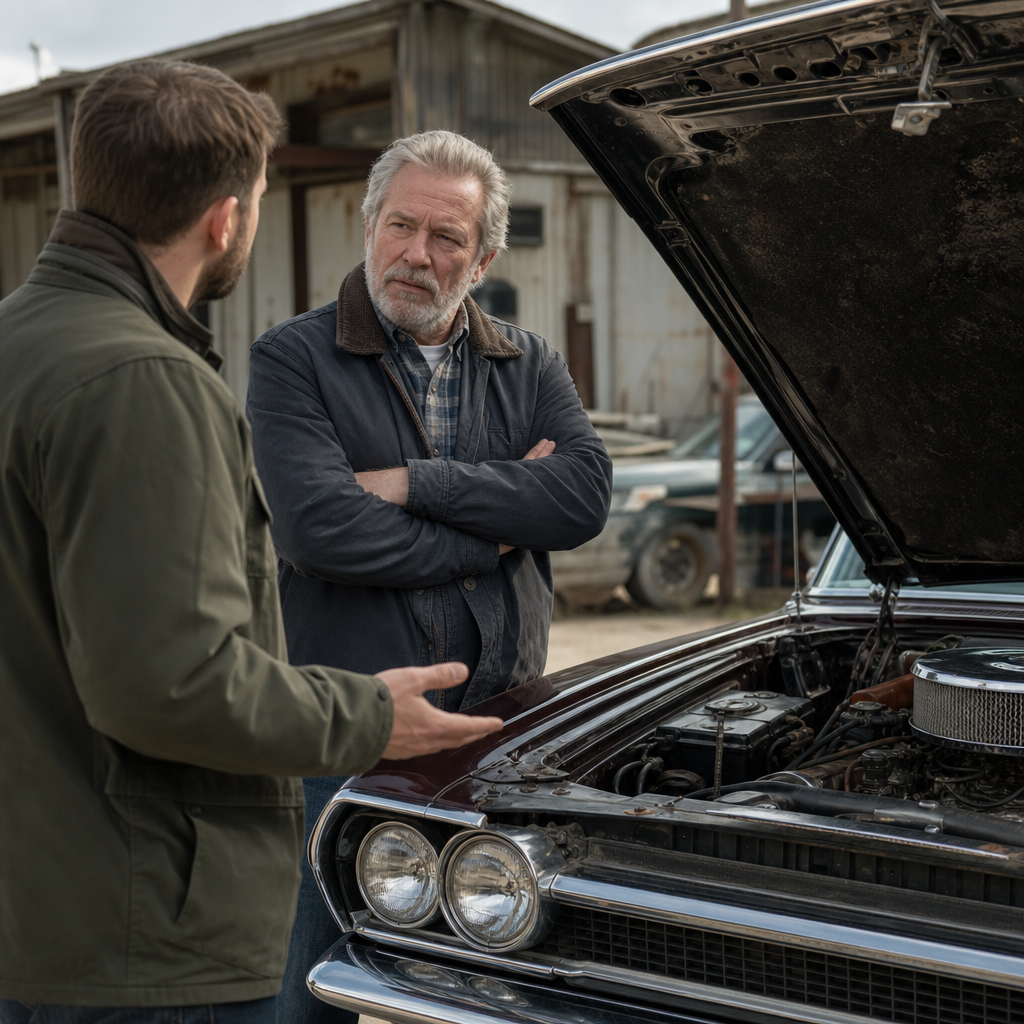
Marketplace is best for local driver cars, projects, and vehicles from casual private sellers. It is also effective for parts cars and unfinished restorations because sellers can post many photos quickly. The weak point is signal-to-noise ratio. Scam listings, duplicate posts, misleading descriptions, and fantasy pricing are common. Messaging can also be chaotic. Sellers get flooded with low-quality inquiries, then stop responding to serious buyers. To cut through that, ask direct questions in your first message: clean title status, VIN availability, rust areas, drivability, ownership duration, and whether the car can be inspected on a lift. Serious sellers usually answer directly or at least engage coherently.
Another limitation is transaction structure. Marketplace does not provide the buyer protections or specialist support found on consignment platforms, escrow-based services, or auction sites that verify identity and documentation. You are arranging payment, transport, inspection, and paperwork yourself. For experienced hobbyists, that is normal. For first-time buyers, it is where expensive errors happen.
Craigslist: Why It Still Matters for Certain Classic Car Buyers
Craigslist is no longer the default destination for every old-car search, but dismissing it would be a mistake. It still matters because some sellers never migrated fully to social platforms. Older owners, estate representatives, small flippers, and long-time hobbyists may prefer its stripped-down format. That can be an advantage. These listings are sometimes less polished, less aggressively marketed, and more likely to reflect old-school classified habits. In plain terms, Craigslist can still produce the kind of local barn-find-adjacent lead people imagine no longer exists.
The strengths are simplicity and locality. Listings tend to be direct. Contact is usually by phone or anonymized email rather than app chat. That can make serious negotiation easier. There is also less profile theater. You are judging the car and the seller’s answers, not a social feed. In some markets, especially areas with established collector communities, Craigslist still has solid inventory in pre-1970 American cars, old trucks, and inexpensive projects.
Its weaknesses are obvious. Listing volume is lower, search and image quality feel dated, and many regions have sparse inventory. Fraud remains a risk, particularly with copied photos and too-good-to-be-true pricing. Because the site provides less identity context than Facebook Marketplace, you need stronger verification habits. Ask for a current photo with a specific detail, such as today’s date on paper placed on the cowl or dashboard. Request a photo of the VIN plate, title status, and a cold-start video. If the seller avoids all three, move on.
Craigslist is often best when you already know what you want and are willing to monitor local regions patiently. It rewards persistence more than impulse browsing. For niche buyers, that patience can pay off because competition is sometimes lower than on Marketplace, where a decent listing can attract dozens of messages within minutes.
How the Major Buying Channels Compare
Choosing where to buy classic cars depends on budget, experience, and risk tolerance. The best platform is the one aligned with the type of car and the level of verification you need.
| Channel | Best For | Main Advantage | Main Risk or Limitation |
|---|---|---|---|
| Facebook Marketplace | Local drivers, projects, parts cars | High listing volume and fast seller access | Inconsistent descriptions and frequent scam signals |
| Craigslist | Local private-party finds, older sellers | Simple direct contact and occasional overlooked deals | Lower inventory and weaker identity context |
| Specialized marketplaces | Higher-quality enthusiast cars | Better photos, comments, and more informed audiences | Higher prices and more competition |
| Auction platforms | Rare, documented, or desirable models | Broad national exposure and transparent bidding history | Fees, emotional bidding, and limited inspection windows |
| Classic car dealers | Convenience and curated inventory | Easier transaction handling and financing options | Retail pricing and variable dealer expertise |
| Forums and marque clubs | Model-specific, well-known cars | Knowledgeable sellers and community accountability | Lower volume and niche access barriers |
This comparison explains why Facebook Marketplace and Craigslist are good for classic cars in some situations but not all. They are strongest when your edge comes from local knowledge, mechanical confidence, and willingness to inspect many average listings to uncover one strong opportunity.
How to Evaluate Listings and Avoid Costly Mistakes
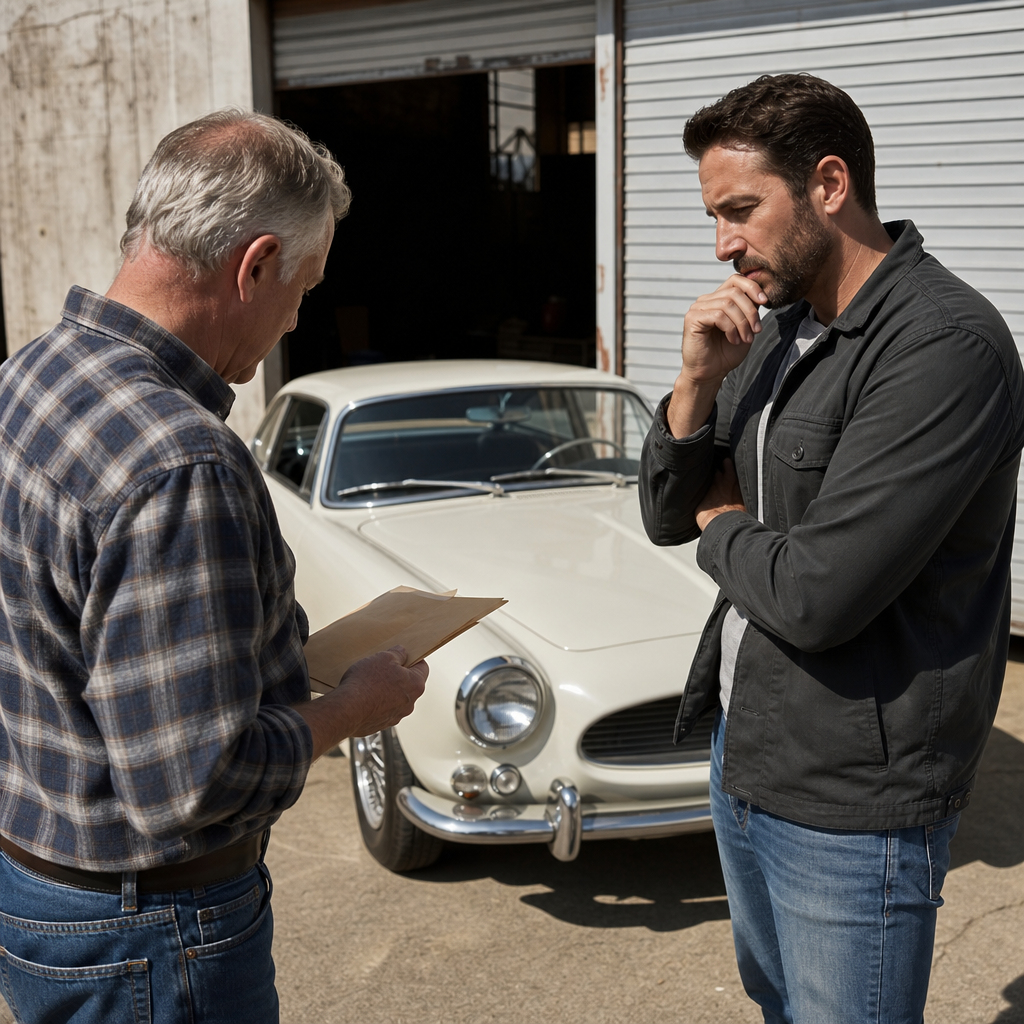
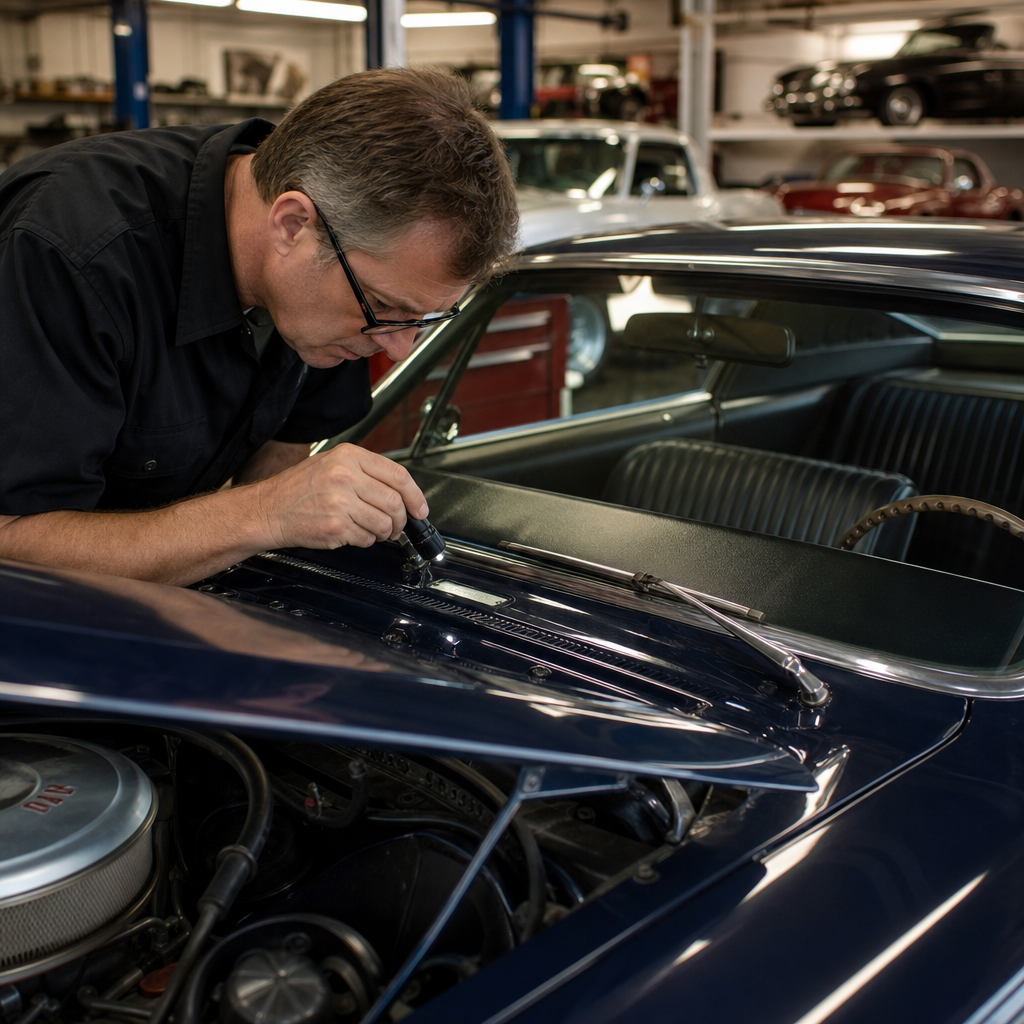
No matter where you buy, three things determine whether the deal is real: documentation, condition, and seller credibility. Start with the title. Confirm the name on the title, state status, and whether there are liens. Older cars may have title quirks, especially in states with different registration rules, but “bill of sale only” should be treated as a major caution flag unless you fully understand your state’s process. Next, confirm the VIN and compare it with plates, stamps, and paperwork. On some classics, body tags and drivetrain numbers matter as much as the public VIN because originality drives value.
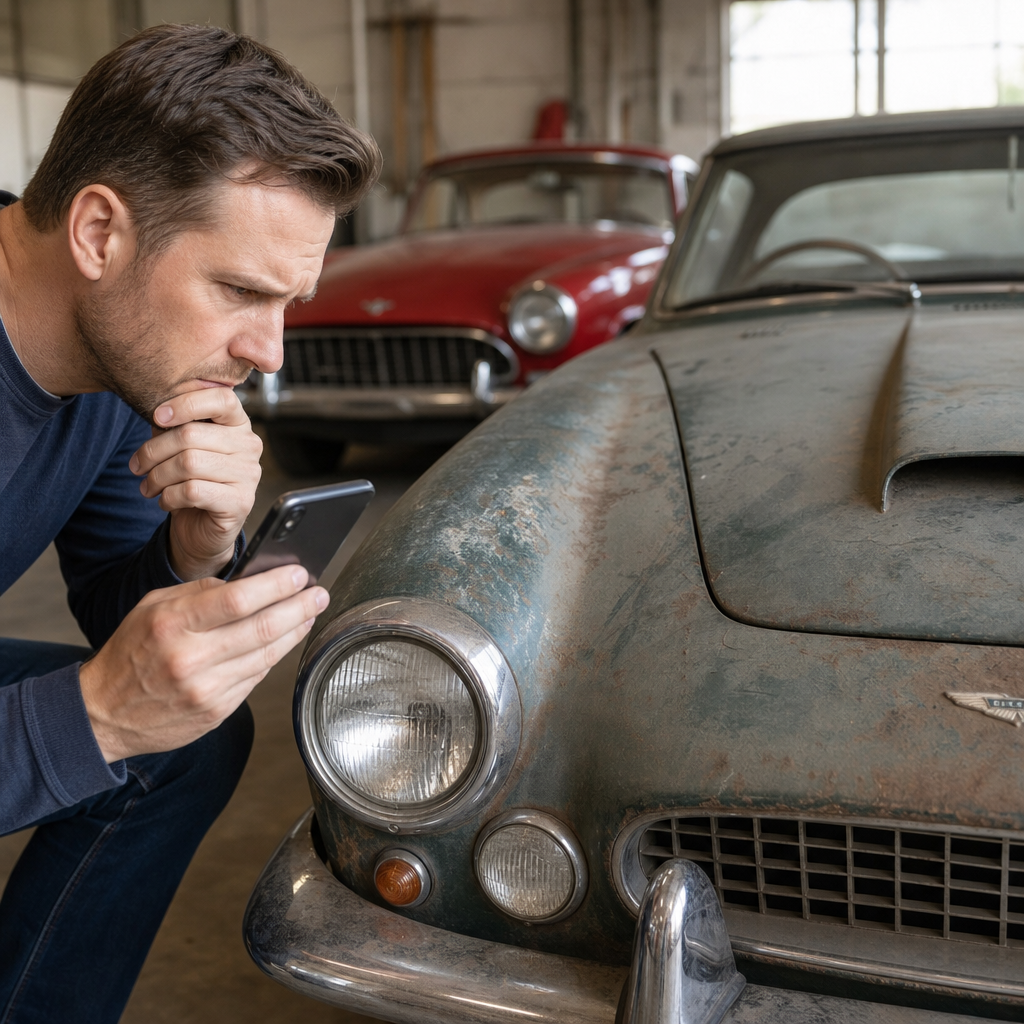
Then assess condition in a structured way. Rust is usually more important than cosmetics. Ask about floor pans, trunk pans, frame rails, rockers, cowl, lower fenders, quarter panels, and suspension mounting points. Mechanical condition matters, but drivetrains are usually easier to replace than structural metal. Request underside photos, cold-start video, idle video, and a driving clip showing oil pressure, charging behavior, and transmission operation. For automatics, ask when it shifts. For manual cars, ask about synchro grind and clutch engagement point. For carbureted cars, ask whether it starts hot and cold without excessive pumping.
Finally, evaluate the seller. Good sellers answer directly, admit flaws, and provide specific history. Weak sellers rely on vague phrases such as “just needs tuning,” “easy restoration,” or “minor rust.” In my experience, the best predictor of a smooth transaction is not perfect paint or high-option trim. It is a seller who can explain what was done, when it was done, and who did the work. If you cannot get clear answers before visiting, clarity will not improve after you arrive.
The Best Strategy for Buyers and Sellers in This Subtopic
For buyers, use Facebook Marketplace and Craigslist as lead sources, not final proof of value. Compare any target car against recent auction results, specialist marketplace sales, and model-specific forum discussions. Hagerty Valuation Tools can provide a baseline, while Bring a Trailer and Cars & Bids archives show how presentation and documentation affect pricing. For muscle cars, Corvettes, air-cooled Porsches, and other heavily documented models, club registries and decoding guides are essential. Pay for a pre-purchase inspection whenever the car is valuable enough that one mistake would exceed the inspection cost. That threshold arrives sooner than most first-time buyers expect.
For sellers, the lesson is equally practical. Facebook Marketplace usually delivers the most eyeballs for mainstream classics and lower-priced enthusiast cars. Craigslist can still work if your local market uses it, especially for straightforward private-party transactions. But if your car is rare, heavily documented, freshly restored, or likely to attract national demand, specialized marketplaces and auctions often justify their fees through better exposure and stronger buyer confidence. Presentation matters everywhere. Clean photos, chassis shots, paperwork images, VIN photos, and a truthful description reduce wasted time and improve price discovery.
So, are Facebook Marketplace and Craigslist good for classic cars? Yes, when you use them for what they are: broad, imperfect, local marketplaces where informed buyers and disciplined sellers can still do very well. They are not the only answer to where to buy classic cars, but they remain important pieces of the modern classic car ecosystem. If you are building a smart buying and selling strategy, start by matching the platform to the car, verify everything that can be verified, and keep your standards higher than the listing quality around you. Do that consistently, and these platforms can help you find real opportunities instead of expensive lessons. Start your search with saved filters, a checklist, and a willingness to walk away.
Frequently Asked Questions
Are Facebook Marketplace and Craigslist actually good places to buy classic cars?
Yes, but only in the right situations. Facebook Marketplace and Craigslist can be very useful for finding classic cars, especially driver-quality vehicles, unfinished projects, local estate sales, and older cars being sold by private owners who are not interested in listing on specialty auction sites. These platforms are often strongest when you are looking for an affordable entry point, a regional deal, or a car that has not yet been fully exposed to the broader collector market. In that sense, they can offer real opportunity.
At the same time, “good” in the classic car world does not simply mean low price. A good marketplace should help buyers find accurate listings, communicate clearly with sellers, verify condition, and compare value with confidence. That is where Facebook Marketplace and Craigslist are more limited. Listings can be vague, photos may be poor, seller knowledge can vary widely, and scams are still a concern. These platforms also attract casual sellers who may not know trim levels, originality details, title history, or the difference between a restored car and a cosmetically refreshed one.
For experienced buyers who know what they are looking at, both platforms can be productive hunting grounds. For first-time classic car buyers, they can be riskier because they require more screening, more patience, and more independent verification. In other words, they are good tools, but not complete solutions. They work best when buyers treat them as lead generators rather than trusted authorities on condition or value.
What types of classic cars tend to be the best fit for Facebook Marketplace and Craigslist?
These platforms tend to work best for local, approachable segments of the classic car market rather than top-tier collector inventory. Solid examples include American classics, vintage trucks, muscle cars in driver condition, 1970s and 1980s projects, incomplete restorations, budget-friendly antiques, and vehicles that are more interesting than investment-grade. Cars that are running and driving, but not concours-level, are often a particularly good fit because the typical buyer on these sites is looking for a usable classic, not necessarily a museum piece.
Facebook Marketplace is often stronger for visually appealing vehicles because it is image-driven and easy for casual sellers to use. It also tends to attract hobbyists who list cars they own personally, including cars that might never appear on a national auction platform. Craigslist still has value for buyers who prefer straightforward local classifieds and want to search by region, price, and keyword without relying heavily on social profiles or app-based communication.
Where these platforms become less ideal is at the higher end of the market. Rare matching-numbers cars, highly documented restorations, historically significant models, and six-figure collectibles usually perform better on enthusiast forums, specialty dealer sites, or major classic car auctions. Sellers of serious collector-grade vehicles often want a more curated audience, better presentation, and stronger buyer confidence. That means Facebook Marketplace and Craigslist are usually better for practical enthusiasts than for buyers chasing blue-chip classics.
What are the biggest risks of shopping for a classic car on Facebook Marketplace or Craigslist?
The biggest risk is assuming the listing tells the full story. Classic cars are already difficult to evaluate because age, rust, past repairs, missing documentation, and originality issues can dramatically affect value. On Facebook Marketplace and Craigslist, those normal classic-car risks are often amplified by inconsistent listing quality. Sellers may omit key details intentionally or simply because they do not know them. Phrases like “all original,” “just needs minor work,” or “easy restoration” are common and often unreliable without inspection and documentation.
Scams are another real concern. Warning signs include sellers who refuse phone calls, ask for deposits before providing basic information, avoid title questions, claim the car is located elsewhere than listed, or push unusual payment methods. Some fraudulent listings even use copied photos and descriptions taken from old auction results or enthusiast sites. Buyers should also be careful with vehicles that have title issues, VIN discrepancies, no cowl tag or fender tag information where relevant, or suspiciously low prices compared with the current market.
There is also the risk of buying the wrong car for your goals. A cheap classic can become an expensive mistake if it has hidden rust, poor bodywork, missing trim, incorrect drivetrain components, or scarce parts availability. Because these platforms are informal, buyers must create their own process: request detailed photos, ask for cold-start videos, verify VIN and title details, review underbody and trunk images, and ideally arrange an in-person inspection or pre-purchase inspection. The platforms themselves are not the problem; the problem is treating them as if they provide built-in quality control. They do not.
Is Facebook Marketplace better than Craigslist for classic cars, or does Craigslist still matter?
For most buyers today, Facebook Marketplace has become the more active platform. It generally offers more listings, quicker seller engagement, more photos, and a broader user base. Because sellers often maintain a visible profile, buyers sometimes feel they have more context than they do on anonymous classified sites. Marketplace can also surface cars from nearby areas quickly, making it useful for local searches and fast-moving opportunities.
That said, Craigslist still matters, especially for buyers who value simplicity and direct local classified searching. Some longtime hobbyists and older private sellers still prefer Craigslist because it feels more like a traditional ad board and does not require social media interaction. In certain regions, Craigslist listings can include exactly the sort of under-the-radar cars enthusiasts hope to find: older restorations, family-owned vehicles, and project cars sold by owners who are not interested in modern listing tools.
The better question is not which platform is universally better, but which one is better for your buying style. Facebook Marketplace is often better for volume, speed, and visual browsing. Craigslist can still be useful for focused local searches and sellers who are less digitally polished. Serious shoppers should monitor both, because good classic cars do not follow one platform. They follow the habits of individual sellers, and those habits vary by age, region, price point, and vehicle type.
How should buyers use Facebook Marketplace and Craigslist safely and effectively when shopping for a classic car?
The smartest approach is to use these platforms as the first step, not the final decision point. Start by narrowing your search to specific years, body styles, and conditions that match your budget and goals. Then screen listings aggressively. Ask direct questions about title status, VIN, rust, repaint history, drivetrain originality, recent mechanical work, and how long the seller has owned the car. Request photos of the undercarriage, floor pans, trunk, engine bay, tag numbers, and known problem areas for that model. A seller who cannot answer basic questions is not automatically dishonest, but it does mean you need to proceed more carefully.
Always verify before money changes hands. Meet in a safe public place when possible, and if the car is worth serious consideration, inspect it in person or hire a knowledgeable local inspector. Check that the title matches the seller’s identity and the vehicle identification number. Compare the asking price with recent sales, not just other current listings. If the car is rare or valuable, consult marque-specific experts or forums to confirm originality and market expectations. For many classics, small details can make a large difference in value.
Finally, stay disciplined. The informal nature of Facebook Marketplace and Craigslist can make listings feel urgent and personal, which sometimes pushes buyers into emotional decisions. Resist that. A classic car should be evaluated on condition, documentation, parts availability, and long-term ownership fit. These platforms can absolutely help you find a worthwhile car, and occasionally a very good deal, but only if you bring structure, skepticism, and patience to the process. Buyers who do that often find them useful. Buyers who do not often learn expensive lessons.