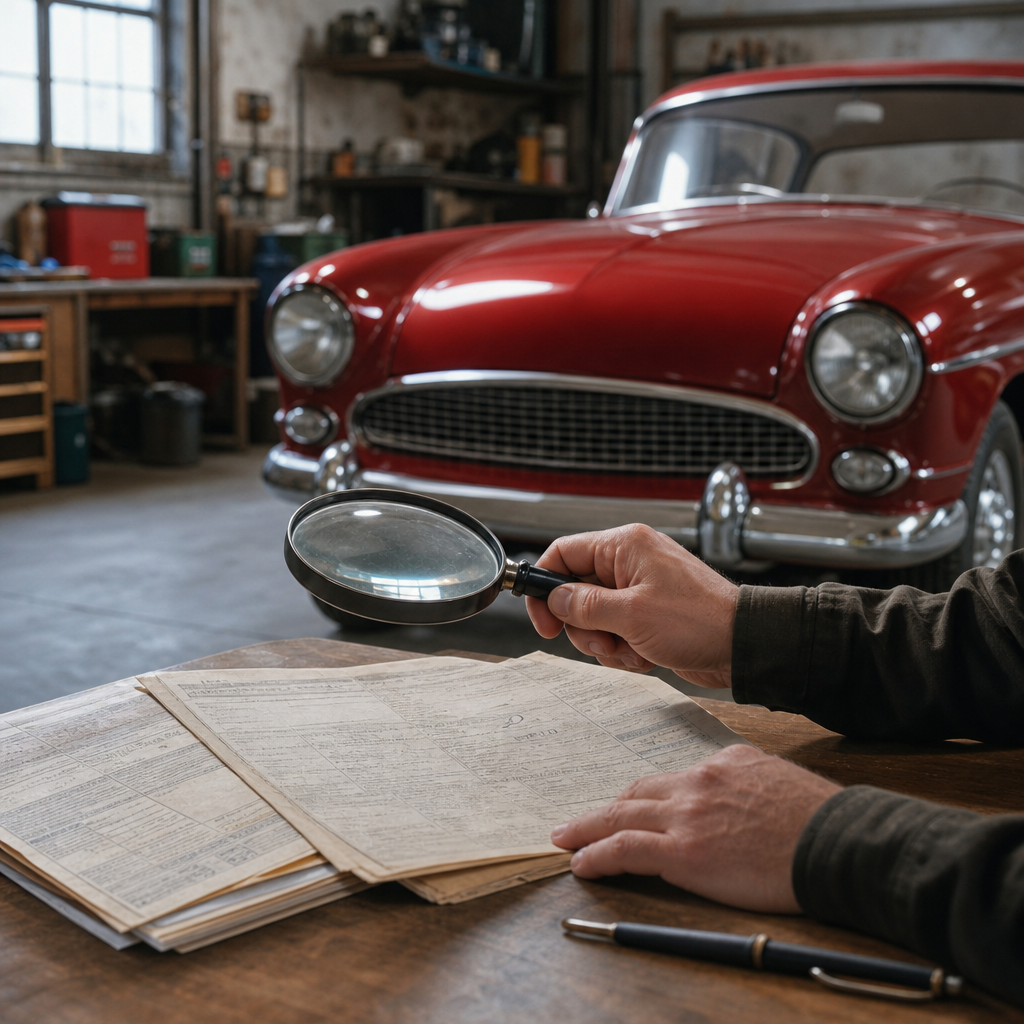

Online vs in-person auctions shape how collectors answer a central question in the classic car hobby: where to buy classic cars with confidence, value, and the right level of risk. For buyers and sellers, an auction is a structured marketplace where vehicles are offered publicly and the highest bid wins, usually subject to fees, reserve prices, inspection rules, and payment deadlines. In the classic car market, those details matter because condition, originality, documentation, and provenance can change value by tens of thousands of dollars. I have worked both lanes for years, bidding from my phone on digital platforms and standing on concrete floors while engines barked through preview halls, and the experience is never interchangeable. Each format attracts different cars, different buyers, and different behaviors.
Understanding online vs in-person auctions is essential because auctions are now one of the most visible places to buy classic cars. A first-time buyer may see online listings on Bring a Trailer, Cars & Bids, Hemmings Auctions, or eBay Motors and assume digital access automatically means better deals. Another buyer may believe only live events such as Barrett-Jackson, Mecum, Bonhams, Gooding & Company, or RM Sotheby’s provide trustworthy inventory. Neither assumption is fully correct. The real comparison is about transparency, inspection quality, buyer competition, transaction speed, logistics, and the kind of due diligence each format demands. If you want to know where to buy classic cars, auctions belong in the conversation alongside dealers, private sellers, marque clubs, online marketplaces, and enthusiast forums, because auctions reveal market pricing faster than almost any other channel.
Classic car auctions also matter because they influence the wider market. When a Hemi ’Cuda convertible, air-cooled Porsche 911, or split-window Corvette sells publicly, that result affects insurance valuations, dealer asking prices, and owner expectations. Public sales create comparable data, but not every comparable is clean. Buyer’s premiums, no-sale outcomes, reserve prices, transportation costs, and restoration quality all affect the true economics. A smart buyer treats auction shopping as a process, not an adrenaline event. The best place to buy a classic car depends on your experience level, budget, ability to inspect, and tolerance for uncertainty. This hub article explains the pros and cons of online and in-person auctions, how they fit into the broader where to buy classic cars landscape, and how to decide which venue matches your goals.
Why auctions matter when deciding where to buy classic cars
If you are evaluating where to buy classic cars, auctions deserve attention for three reasons: selection, price discovery, and speed. Selection is obvious. Large digital platforms list everything from driver-quality MGBs and square-body Chevrolet pickups to concours-level Ferraris and low-mile Japanese performance cars. Major live auctions gather hundreds or thousands of vehicles in a concentrated window, letting buyers compare eras, segments, and condition levels side by side. In a single week, I have watched a restored 1966 Ford Mustang GT cross one block while an unrestored Mercedes-Benz 280SL waited in the staging lane. That density is hard to match through private-party hunting.
Price discovery is the second reason. Auction bidding tests real demand in real time. A seller may ask $85,000 for a 1970 Chevrolet Chevelle SS in a classified ad, but if similar cars repeatedly hammer at $68,000 plus premium, the market is saying something different. Auction archives from Bring a Trailer, RM Sotheby’s, Mecum, and other venues help buyers establish a realistic range based on drivetrain, color, matching-numbers status, ownership history, and restoration age. Those archives are especially useful in categories where values move quickly, such as analog Porsches, 1980s and 1990s Japanese performance cars, and limited-production homologation specials.
Speed is the third factor. Auctions compress the search, negotiation, and closing process. You preview, bid, pay, and arrange transport within days instead of months. That efficiency helps decisive buyers, estate sellers, and collectors rotating inventory. The downside is that speed punishes hesitation and incomplete research. The question is not whether auctions are good or bad. It is which auction format gives you the best information and the best odds of buying the right car at the right total cost.
Advantages of online auctions for classic car buyers and sellers
Online auctions expanded access to the market in a way traditional channels never could. The biggest advantage is reach. A seller in Arizona can attract bidders in Florida, Ontario, and Germany without shipping the car to a venue. A buyer looking for a W113 Pagoda, C10 pickup, or BMW E30 M3 can monitor listings nationwide instead of waiting for a regional event. For many people asking where to buy classic cars, digital platforms are the first useful answer because inventory is searchable, archived, and available daily rather than only during scheduled sale weekends.
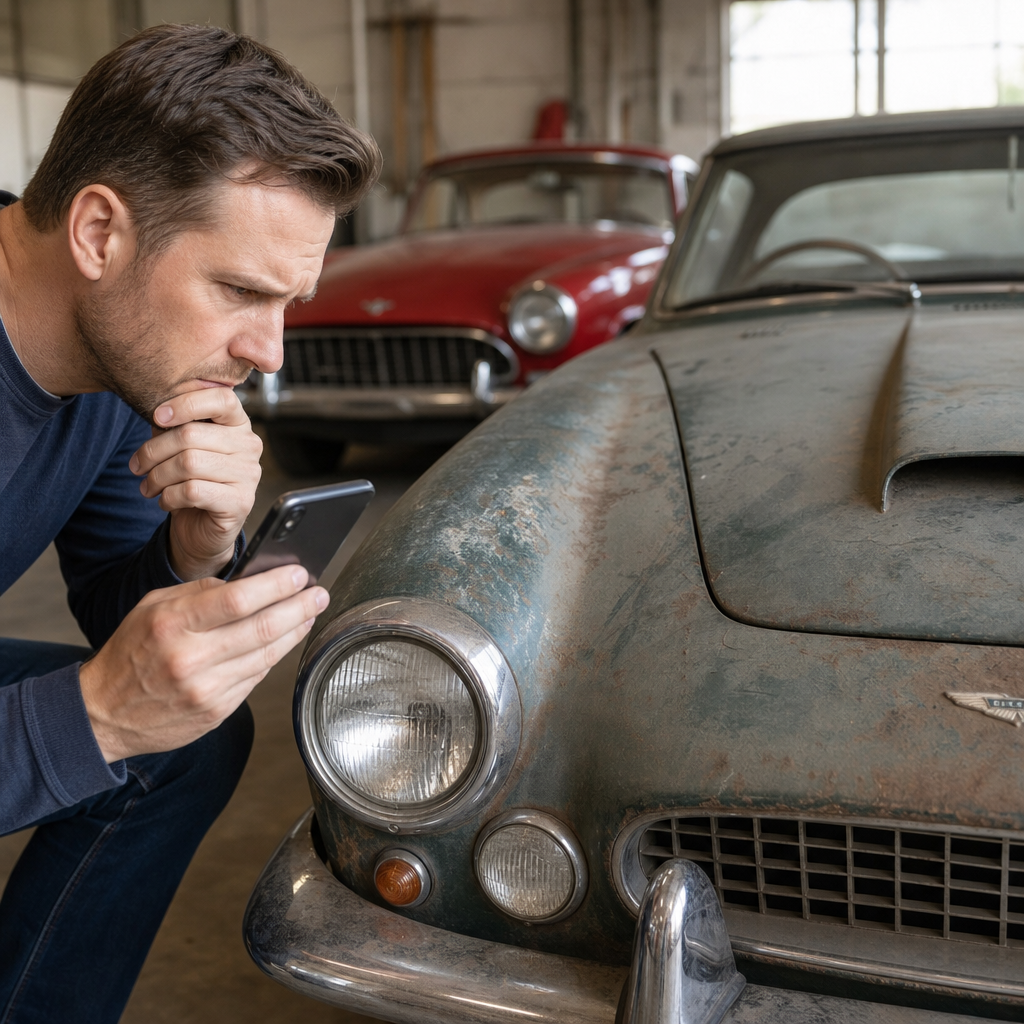
The second advantage is information density. Strong online listings often include 150 to 300 photos, cold-start videos, underside shots, paint-meter readings, scan copies of service records, and comment threads where bidders ask detailed questions. On quality platforms, the public Q&A becomes part of the diligence record. I have seen buyers uncover replacement stampings, incorrect trim, and old accident repairs simply by enlarging gallery images or asking for compression-test results. In person, you may get only a short preview window and a crowded environment. Online, you can revisit the listing repeatedly, compare it to factory references, and share it with a restorer or marque expert before bidding.
Convenience is another major benefit. Online auctions reduce travel costs, hotel stays, trailer rentals, and time away from work. They also lower the barrier for niche buyers. If you collect Citroën DS models or brass-era cars, waiting for the right vehicle to appear locally is inefficient. Digital venues bring supply to you. Sellers benefit too. Listing fees are often lower than the combined transport, entry, detailing, and consignment costs associated with major live sales. For moderately priced classics, that math can be decisive.
| Factor | Online Auctions | In-Person Auctions |
|---|---|---|
| Geographic reach | National or global audience from one listing | Strong audience, but limited by event attendance |
| Inspection | Photo, video, document based unless third-party inspection is ordered | Direct visual and physical inspection during preview |
| Pace | Days to review and bid | Minutes to make final bidding decisions |
| Buyer competition | Broad pool, often stronger on enthusiast-focused platforms | Can be intense for headline cars, softer for overlooked lots |
| Costs beyond hammer price | Buyer’s premium, shipping, tax, possible inspection fee | Buyer’s premium, travel, lodging, shipping, tax |
| Best for | Research-driven buyers and remote sellers | Hands-on buyers who want immediate sensory inspection |
Limitations and risks of buying classic cars through online auctions
The core weakness of online auctions is simple: you are not physically with the car. Photos can hide waviness in bodywork, overspray under weatherstripping, weak chrome, musty interiors, and drivability issues that only appear after twenty minutes on the road. Videos rarely capture hot-start problems, gearbox synchro wear, steering play, brake pull, or overheating in traffic. Even honest sellers may not know what matters on a specific model. A seller can describe a car as restored when it is really a cosmetic freshening over older mechanical work.
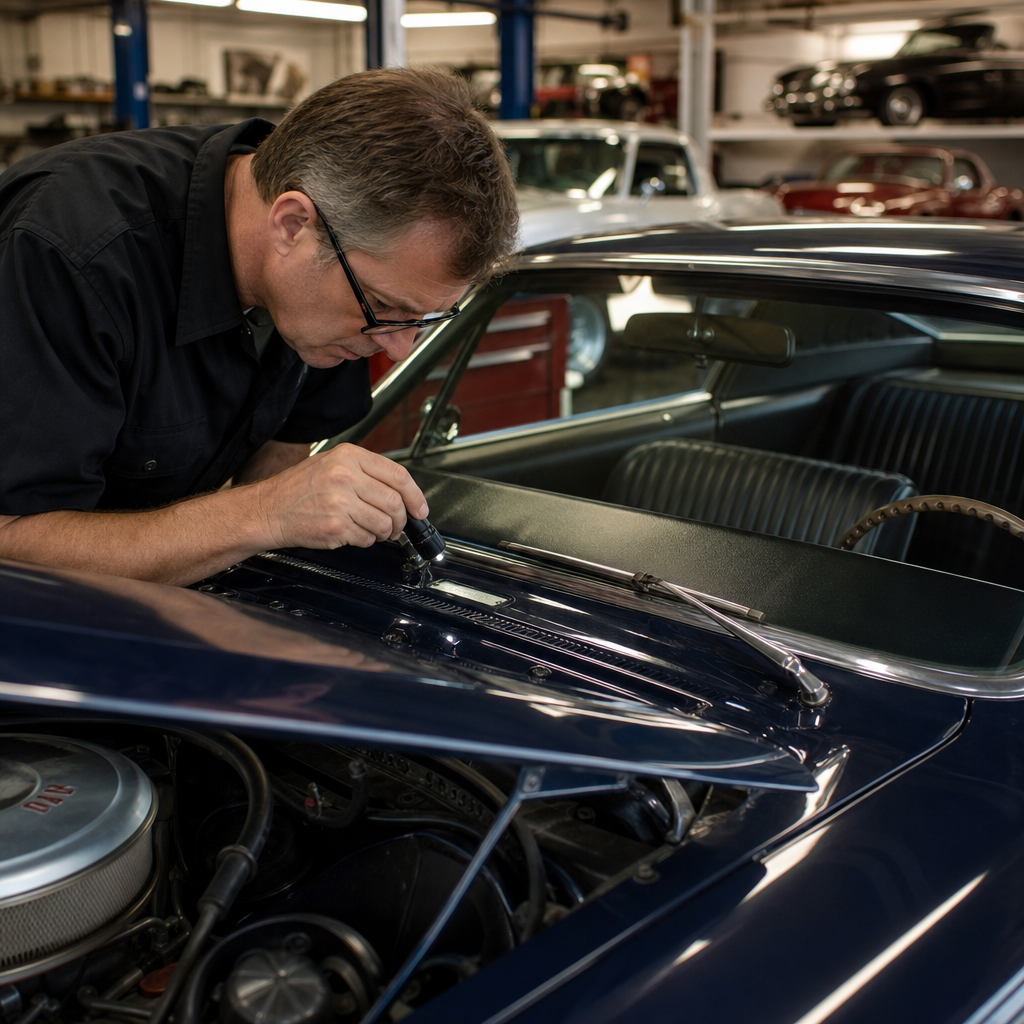
That is why remote inspection discipline matters. Before bidding seriously, I recommend a pre-purchase inspection by a specialist familiar with the model, not just a general mobile mechanic. On a Jaguar E-Type, for example, you need someone who understands monocoque rust points, bonnet fit, cooling-system weaknesses, and the value impact of engine originality. On an air-cooled 911, leak-down numbers, magnesium-case history, and signs of prior rust repair are not optional details. Inspection costs can feel inconvenient, but they are cheap compared with correcting a poor purchase.
Another risk is emotional bidding amplified by distance. Because online auctions happen from a desk or phone, people sometimes underestimate total cost. Hammer price is only part of the transaction. Add buyer’s premium, enclosed transport, sales tax where applicable, immediate service, and deferred needs. A “good buy” can stop looking good fast. There is also platform variance. Some venues curate heavily and screen listings; others function more like open marketplaces. Reputation, moderation quality, title verification, payment procedures, and dispute handling differ widely. If you are using online auctions as your answer to where to buy classic cars, pick platforms with strong listing standards, clear fee disclosures, and visible sale histories.
Advantages of in-person auctions and why they still command respect
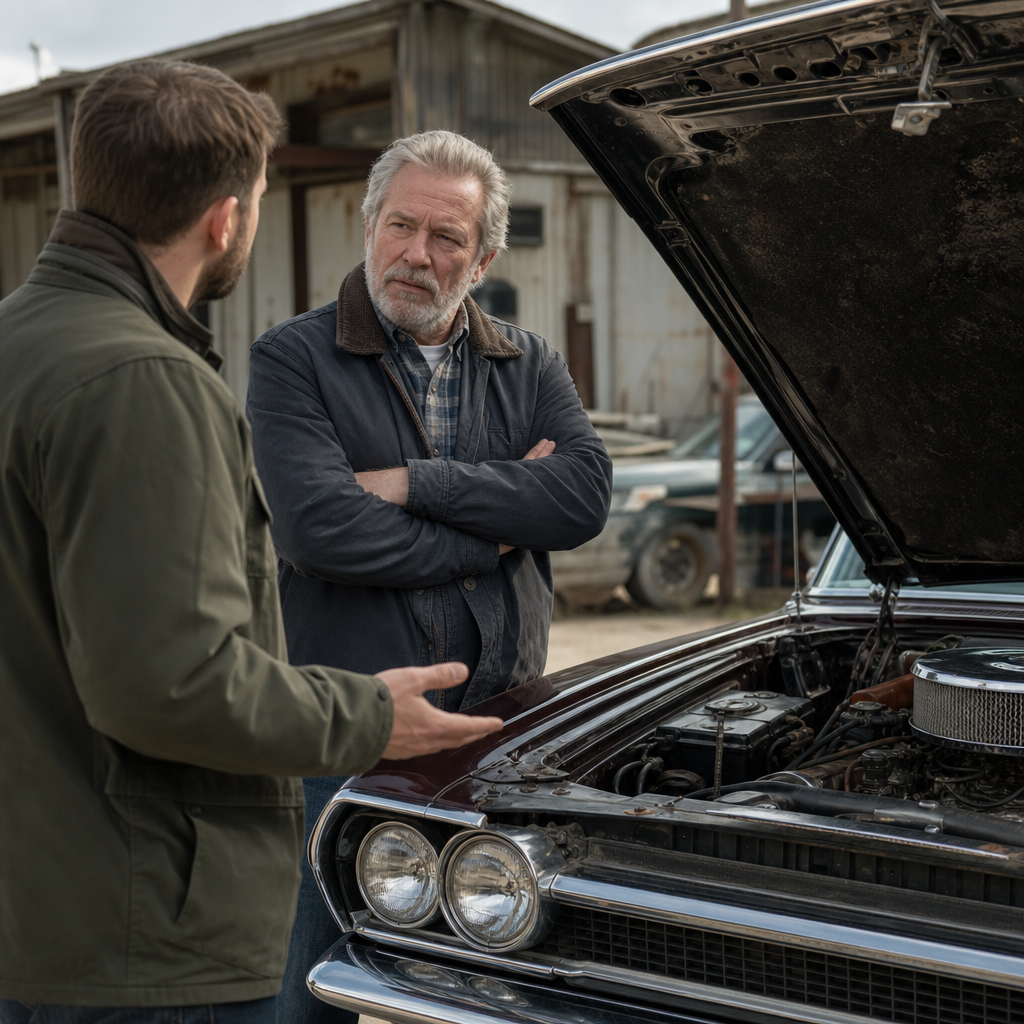
In-person auctions remain powerful because they provide direct sensory evidence. You can walk the car, inspect panel fit under natural or hall lighting, smell the interior for mildew, look for fresh undercoating, and judge whether the seller’s presentation matches the vehicle’s story. You can usually spot quality differences immediately: the way doors shut on a well-restored Mercedes-Benz W111 coupe, the consistency of gaps on a first-generation Camaro, or the authenticity of fasteners in a carefully preserved survivor. That physical access is difficult to replace.
Live events also deliver market context. When you spend a day at Mecum, Barrett-Jackson, or a high-end catalog sale, you see how buyers react to different cars, colors, reserve strategies, and documentation packages. A no-reserve muscle car with excellent photos may still underperform if the restoration looks old in person. Another car may outperform because its paint and trim are better than expected. For sellers, that atmosphere can create urgency and competitive energy that lifts prices, especially for visually dramatic or highly recognizable models.
There is also practical value in networking. Major auctions gather restorers, brokers, appraisers, transporters, insurers, and marque specialists in one place. Some of my best buying leads never came from the cars crossing the block; they came from conversations in preview areas, hotel lobbies, and swap-meet rows. For collectors asking where to buy classic cars beyond the obvious listings, that network effect is real. One successful purchase often leads to two off-market opportunities because people remember who acts decisively and pays correctly.
Drawbacks of in-person auctions, from cost to pressure
The strengths of live auctions come with equally real drawbacks. First is cost. Attending major events means airfare or fuel, hotels, meals, admission, and time. Shipping a purchased car home can add four figures quickly, especially for enclosed long-distance transport. Sellers often face entry fees, transport to the venue, detailing, and consignment charges. On lower-value classics, those expenses can erase any price advantage.
Second is time pressure. Preview hours are finite, and some events are crowded enough that thorough inspection becomes difficult. You may have twenty minutes with a car before it crosses the block. That is not much time to evaluate paint depth, trim authenticity, fluid leaks, date-coded components, and paperwork. Live bidding also compresses decision-making into a few intense minutes. This environment rewards prepared buyers and punishes spontaneous ones.
Third, not every live auction targets the same buyer. Some are entertainment-heavy and designed around spectacle, television coverage, and impulse bidding. Others are specialist sales where provenance and documentation drive serious money. Choosing the wrong event can expose you to mismatched inventory or inflated expectations. The lesson is straightforward: in-person auctions are excellent if you can inspect quickly, control emotion, and budget accurately. They are risky if you rely on the crowd’s excitement instead of your own standards.
How to choose the right auction venue within the broader buying landscape
Where to buy classic cars is never answered by one source alone. Auctions are one channel among several, and the right choice depends on your target car and buying style. If you want broad selection, transparent bidding history, and the ability to research from home, online auctions are often the best starting point. If you prioritize tactile inspection, networking, and immediate market immersion, in-person auctions may suit you better. For highly original blue-chip cars, established specialty houses can provide stronger vetting and catalog depth. For driver-quality enthusiast cars, online platforms may offer better value and more frequent opportunities.
Use auctions as a hub strategy. Track recent results, then compare them with dealer inventory, private classifieds, club listings, and enthusiast forums. If auction prices for Alfa Romeo GTVs are cooling while dealers still ask peak money, you have leverage elsewhere. If a rare Land Cruiser FJ40 consistently sells above guide values at auction, that tells you supply is tighter than many private sellers realize. The best buyers triangulate information rather than trusting a single venue.
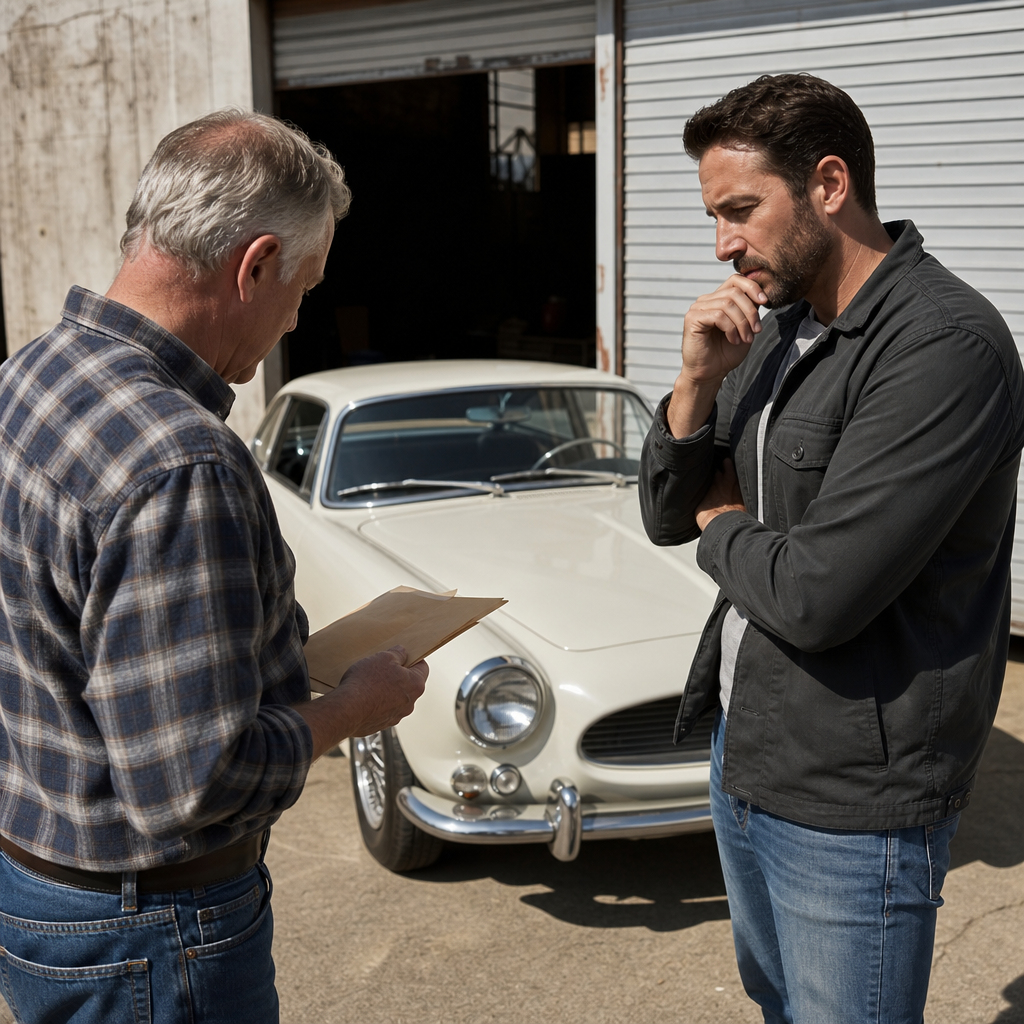
Before bidding anywhere, confirm title status, VIN consistency, engine and chassis numbers where relevant, reserve terms, buyer’s premium, payment deadline, and transport timing. Set a walk-away number based on total landed cost, not just the bid. Review service history and restoration invoices. If the car is uncommon, speak with a model expert. If you are new, buy condition and documentation over romance. The cheapest car at auction is often the most expensive car to own.
Online vs in-person auctions is not a question of old versus new. It is a question of fit. Online auctions excel at access, searchable inventory, documented discussions, and efficient nationwide buying. In-person auctions excel at physical inspection, live market signals, and relationship building. Both can be excellent places to buy classic cars, and both can be expensive places to make avoidable mistakes. The difference usually comes down to preparation. Buyers who study sale histories, understand fees, inspect carefully, and stay disciplined can succeed in either format. Buyers who chase excitement, ignore documentation, or treat hammer price as the full cost usually learn hard lessons.
As a hub for where to buy classic cars, the practical takeaway is clear: use online auctions for breadth and research, use in-person auctions for hands-on validation and networking, and compare both against dealers, private sellers, clubs, and enthusiast marketplaces before acting. Start with your target model, your budget, and your risk tolerance. Then choose the venue that gives you the best information, not just the most excitement. If you are shopping for your next classic, build a shortlist of trusted auction platforms and events, study recent comps, and inspect every candidate like the wrong purchase will be expensive, because it will.
Frequently Asked Questions
What is the biggest difference between online and in-person classic car auctions?
The biggest difference is how much information you can gather firsthand before you bid. In an online auction, you usually rely on photos, videos, written descriptions, condition reports, service records, and seller disclosures. That format is convenient and opens the market to buyers and sellers across the country, but it also means you are interpreting the car through a screen. In an in-person auction, you can often inspect the vehicle yourself, watch how it presents in real life, listen to it run, and sometimes speak directly with specialists or consignors. That added sensory and personal context can be extremely valuable when evaluating a classic car, where originality, fit and finish, rust, repairs, and documentation can significantly affect value.
From a buyer’s perspective, online auctions usually offer broader access and more time to research, while in-person auctions offer stronger immediacy and a better chance to assess authenticity and condition with your own eyes. From a seller’s perspective, online platforms can attract a large, targeted audience without the logistics of transporting the car to a sale venue, while in-person auctions can create excitement, urgency, and emotional bidding in the room. Neither format is automatically better. The right choice depends on your comfort with risk, your ability to inspect and verify details, and the kind of buying or selling experience you want.
Are online auctions riskier than in-person auctions when buying a classic car?
Online auctions can be riskier if you bid without doing proper due diligence, but they are not inherently unsafe. The risk comes from distance and limited physical access. With a classic car, small details matter: numbers-matching components, quality of restoration work, hidden corrosion, paint depth, underbody condition, title history, and the accuracy of claimed provenance. When you cannot inspect those details personally, you need to replace that missing step with stronger verification. That may include reviewing hundreds of listing photos, requesting additional images and cold-start videos, reading comments and bidder questions, hiring a pre-purchase inspector, confirming VIN and chassis numbers, and checking maintenance and ownership records.
In-person auctions reduce some of that uncertainty because you may be able to walk around the car and inspect it on site, but they still carry risk. Auction environments move quickly, and many cars are sold as-is, where-is, with no warranties. Bright lighting, polished presentation, and auction-day excitement can make flaws easier to overlook. In either format, buyers should carefully review the terms of sale, buyer’s premiums, reserve status, payment deadlines, and transport responsibilities. The lowest-risk approach is not simply choosing online or in-person; it is approaching either format with discipline, research, and a clear bidding limit.
Which auction format is better for getting the best value on a classic car?
Value depends less on the format itself and more on the specific car, the audience, the timing, and how competitive the bidding becomes. Online auctions can produce excellent value because they often feature a wide range of vehicles and allow buyers to compare listings, study market trends, and avoid the pressure of standing in a live auction crowd. Some buyers perform better online because they can bid methodically and stay focused on data instead of emotion. Online platforms also expose cars to a national or even international audience, which can help rare or highly desirable vehicles find the right buyers, but that same broad visibility can also drive prices up.
In-person auctions can also deliver strong value, particularly when the car benefits from live presentation and bidder energy. A well-documented, beautifully restored, or highly original classic may command a premium when buyers can see it in person and react emotionally in real time. On the other hand, if attendance is lighter than expected or a niche car does not connect with the room, an informed bidder may find an opportunity. For both buyers and sellers, the best value comes from understanding the market for that exact make, model, year, and condition level. Compare recent sale results, study originality and documentation, factor in fees and transport costs, and remember that a lower hammer price is not always a better deal if the car needs extensive correction after purchase.
What should buyers check before bidding in an online or in-person classic car auction?
Buyers should start with the fundamentals: title status, VIN or chassis identification, reserve information, buyer’s premium, payment terms, and any auction-specific rules regarding inspection, disputes, and vehicle pickup. After that, the focus should move to the car itself. Review service history, restoration receipts, ownership records, authenticity claims, engine and transmission details, and any available documentation tied to provenance. For collector cars, originality and documentation can have a major effect on both enjoyment and resale value, so claims such as matching numbers, rare factory options, celebrity ownership, or concours restoration should be verified whenever possible.
Condition assessment is equally important. Buyers should examine paint quality, body alignment, trim, glass, interior wear, tire age, undercarriage photos, engine bay presentation, and signs of rust, accident repair, leaks, or non-original modifications. In an online auction, ask for additional photos and videos if anything is unclear, and strongly consider an independent pre-purchase inspection. In an in-person auction, arrive early enough to inspect the car thoroughly and avoid relying only on the auctioneer’s presentation. Finally, set a maximum all-in budget before bidding. Include the hammer price, buyer’s premium, taxes, registration, shipping, immediate maintenance, and any repair work the car may need. Confidence at auction comes from preparation, not impulse.
Is selling a classic car online better than consigning it to an in-person auction?
For many sellers, online auctions offer a practical and efficient way to reach motivated enthusiasts without the added expense and complexity of transporting a vehicle to a live event. Online listings can provide extensive photo galleries, videos, document uploads, and written narrative that help explain a car’s history, restoration, and provenance in detail. That can be especially useful for cars with strong documentation or unusual stories that deserve careful presentation. Online sales also give bidders time to ask questions, and thoughtful seller engagement can build credibility and confidence, which often supports stronger bidding.
In-person auctions, however, can be very effective for cars that benefit from spectacle, rarity, or emotional appeal. A live auction environment can generate urgency and competition that sometimes lifts prices beyond what a quieter online sale might achieve. Consigning to an in-person auction may also make sense if the event is known for attracting the exact audience your car needs, such as collectors focused on a particular era, marque, or quality level. The tradeoff is that live consignment may involve transport, entry fees, timing constraints, and less control over how buyers engage with the vehicle. Sellers should consider the car’s value tier, documentation strength, market demand, and target audience before choosing a format. The best choice is the one that presents the car honestly, reaches qualified buyers, and balances exposure with the level of cost and risk you are willing to accept.