Classified ads remain one of the most effective ways to find classic cars because they reveal inventory that never reaches major auction houses, dealer showrooms, or social media feeds. In the classic car market, a classified ad is any direct-for-sale listing placed by a private owner, dealer, broker, club member, or estate representative, usually on a marketplace website, enthusiast forum, print publication, local bulletin, or club newsletter. When buyers ask where to buy classic cars, the real answer is broader than a single marketplace. The best opportunities are scattered across national listing sites, marque-specific communities, regional publications, swap-meet boards, dealer classifieds, and old-fashioned word-of-mouth channels that still produce excellent cars.
I have sourced classics through all of those routes, and classifieds consistently reward buyers who know how to read between the lines. A short listing with poor photos can hide an honest, rust-free driver from a long-term owner. A polished listing with studio photography can still mask filler, title problems, or a weak restoration. That is why learning how to use classified ads matters. It helps buyers find better cars, compare pricing intelligently, avoid common scams, and move quickly when a genuine opportunity appears.
This hub article explains where to buy classic cars through classified channels, how to evaluate listings, what questions to ask sellers, how to compare marketplace types, and when to walk away. It also works as the central overview for the broader buying and selling journey. If you are researching price guides, inspection checklists, title verification, transport, negotiation, or sale preparation, those topics all connect back to what begins here: finding the right car in the first place through the right classified source.
Where Classified Ads Fit in the Classic Car Buying Process
Classified ads sit at the discovery stage, but they influence every later decision. A strong listing gives you the first data points on model year, trim, originality, VIN, drivetrain, restoration history, price positioning, and seller credibility. It also tells you how competitive the opportunity may be. A 1967 Chevrolet Camaro RS listed on a large national site with detailed underside photos, trim tag images, and recent compression numbers will likely attract fast attention. A 1972 Mercedes-Benz 280SE posted only in a regional club newsletter may linger longer, creating room for careful due diligence and better negotiation.
Buyers often assume auctions are the main path into the hobby, yet classifieds are usually the better channel for those who want time to inspect a car, verify documents, and speak directly to the owner. Auctions can establish market visibility, but classifieds offer wider variety across condition levels. You will find concours restorations, preservation cars, unfinished projects, modified drivers, estate cars, and cars parked for decades. That variety is exactly why classified ads are the most comprehensive answer to where to buy classic cars.
Another reason classifieds matter is price transparency. On the strongest platforms, completed sales data, comparable listings, and seller histories help you judge whether an asking price reflects the market. Even when sale prices are private, repeated patterns emerge. If early Porsche 911 SC coupes in driver condition are consistently advertised between specific ranges across multiple sites, you can benchmark a new listing quickly. Classified research becomes market research, not just shopping.
Best Places to Find Classic Cars in Classified Ads
There is no single best marketplace for every buyer or every model. The right source depends on the car, your budget, and how specialized your search is. Large national platforms such as Hemmings, ClassicCars.com, Facebook Marketplace, Craigslist, and Autotrader Classics expose you to volume. Enthusiast forums and club sites produce better-informed sellers and often more accurate descriptions. Dealer classifieds offer inventory that has already been vetted to some extent, though prices usually reflect that convenience. Print magazines and club newsletters still matter for older sellers who own highly original cars and are less active online.
When I am looking for a specific car, I build a layered search rather than relying on one site. For example, for an air-cooled Volkswagen Type 2, I would monitor national marketplaces for reach, TheSamba for model-specific depth, local club postings for regional leads, and specialty dealer inventory for pricing benchmarks. For British roadsters such as MGs or Triumphs, marque clubs and regional newsletters often surface better cars than broad consumer platforms. For muscle cars, large classified sites produce volume, but build sheets, stampings, and documentation tend to be discussed more thoroughly in enthusiast communities.
| Classified Source | Best For | Main Advantage | Main Risk |
|---|---|---|---|
| National marketplaces | Broad searches and price benchmarking | High inventory and easy filtering | Variable listing quality and more scam exposure |
| Marque forums and club sites | Specific models and knowledgeable sellers | Better technical detail and ownership history | Lower inventory and slower turnover |
| Dealer classifieds | Turnkey cars and financing options | Presentation, paperwork support, transport coordination | Higher asking prices and mixed reconditioning quality |
| Print ads and newsletters | Original cars from long-term owners | Less competition and untapped leads | Limited photos and slower communication |
| Local boards and swap meets | Projects and regional discoveries | In-person contact and quick inspection | Sparse documentation and inconsistent titles |
If your goal is to answer where to buy classic cars comprehensively, use all five sources. Buyers who limit themselves to one platform usually end up overpaying for the most visible inventory rather than finding the best-fit car.
How to Read a Listing Like an Experienced Buyer
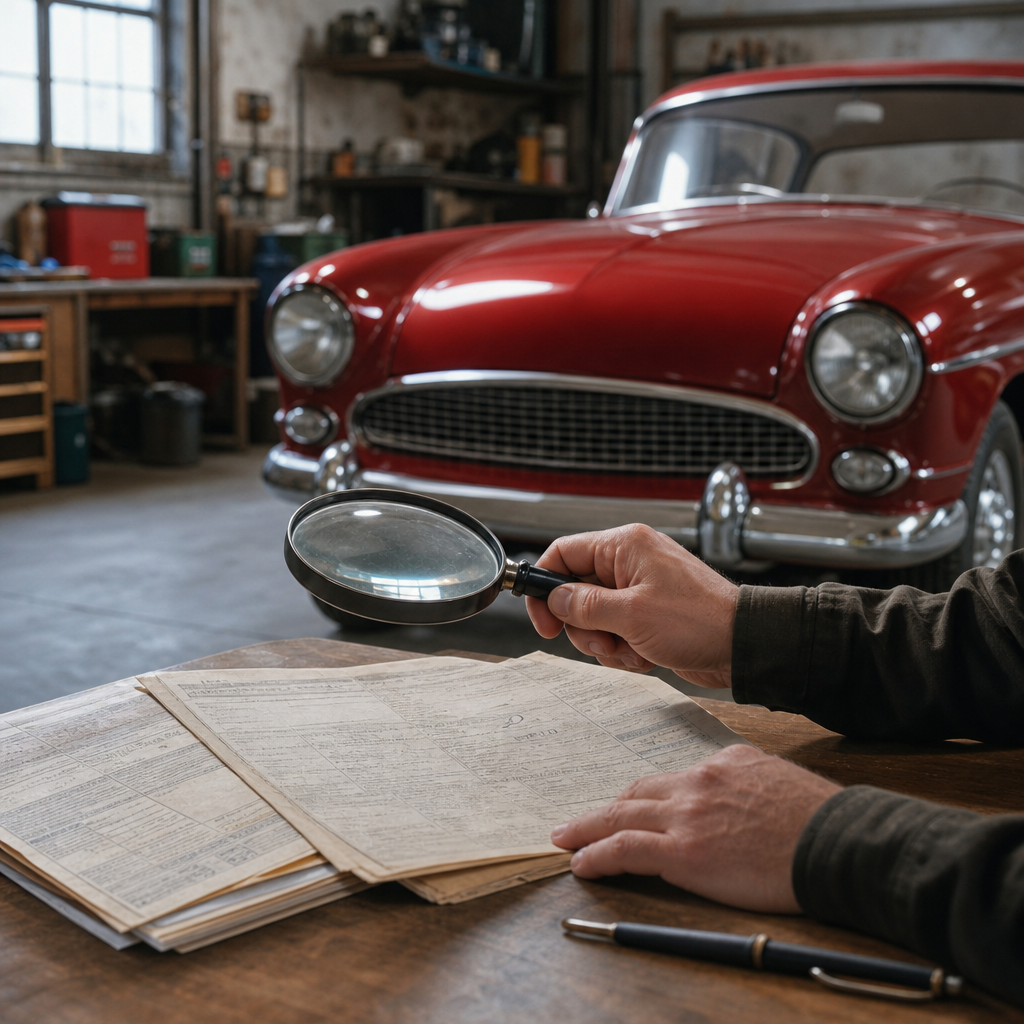
A classified ad should answer six basic questions immediately: what the car is, what condition it is in, how original it is, what work has been done, whether the paperwork is clean, and why the seller is asking that price. If the ad misses most of those points, assume you will need a deeper screening call. Useful listings usually include the VIN or at least enough of it to confirm year and plant, odometer reading with a statement about actual mileage, engine and transmission details, paint and interior condition, rust areas, service history, and title status.
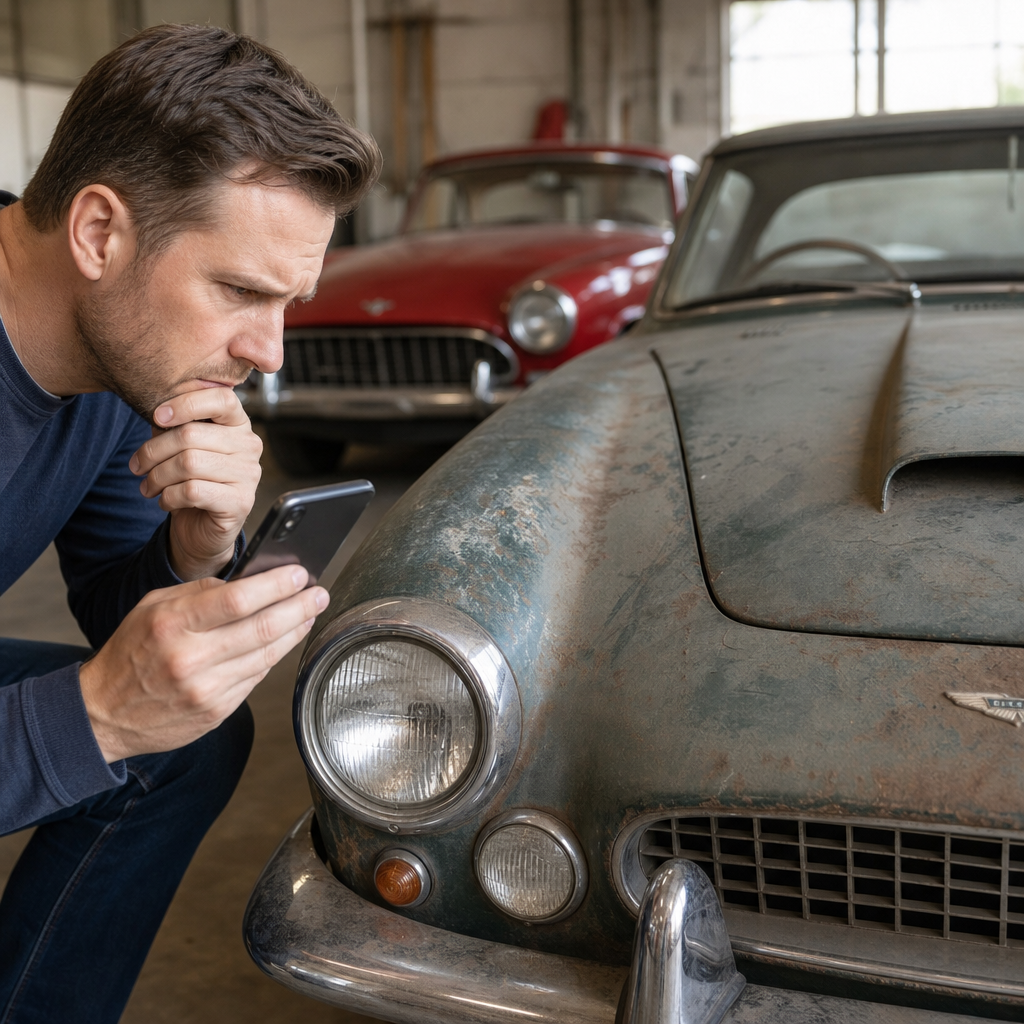
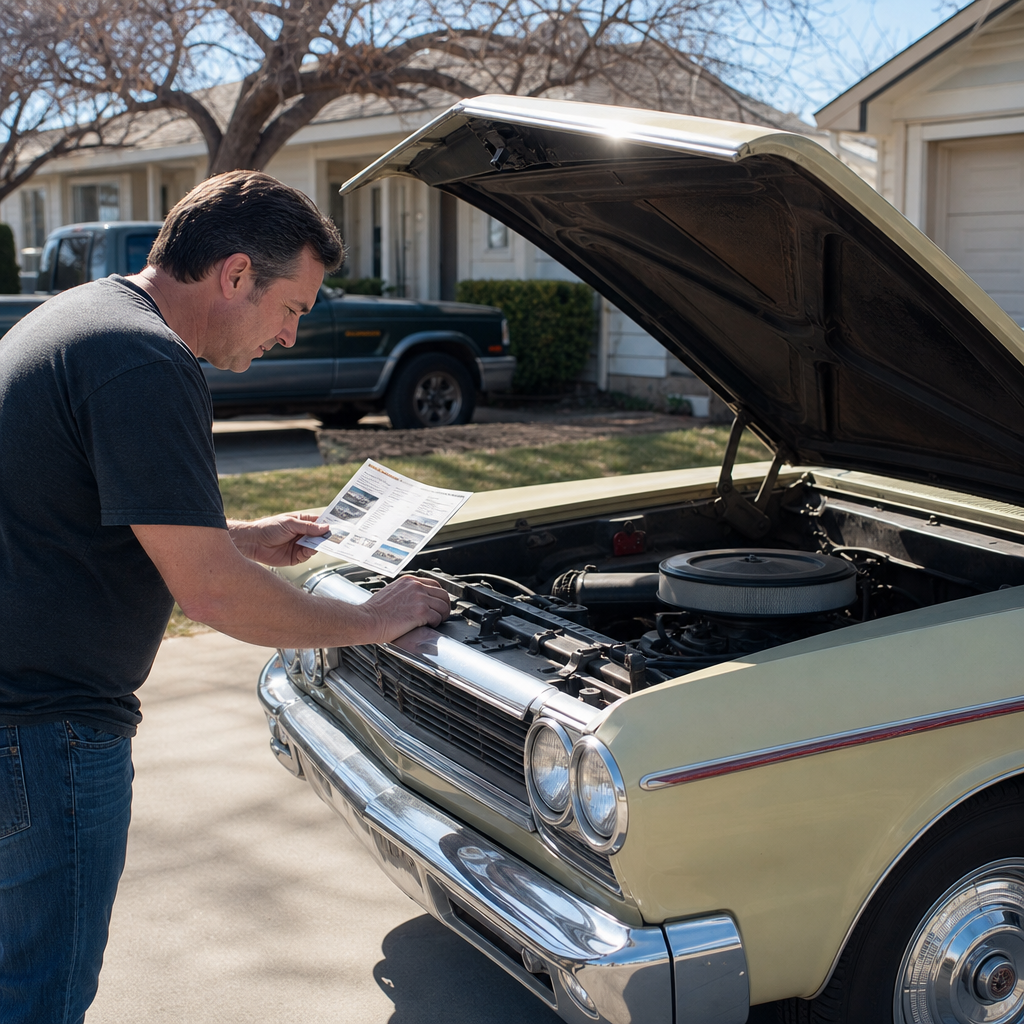
Photos matter as much as text. I want to see exterior angles in neutral light, door bottoms, rocker panels, trunk floor, spare tire well, underside, engine bay, dash, seats, headliner, glass markings, tags, stampings, and wheel arches. On body-on-frame American cars, frame condition is critical. On unibody European and Japanese classics, rust in pickup points, floors, sills, and shock towers can decide whether the car is a bargain or a money pit. If a seller shows only glossy exterior images, ask yourself what is missing.
Language also reveals a lot. Phrases like “easy restoration,” “ran when parked,” “just needs carb tuning,” or “solid except for minor rust” often indicate deferred expense. More reliable wording is specific wording: “rebuilt Rochester Quadrajet in 2023,” “floor pans replaced with welded patch panels,” “synchronizer grind into second when cold,” or “California title in seller’s name.” Precision usually signals honesty. Vague optimism usually signals work.
Questions to Ask Before You Visit or Send a Deposit
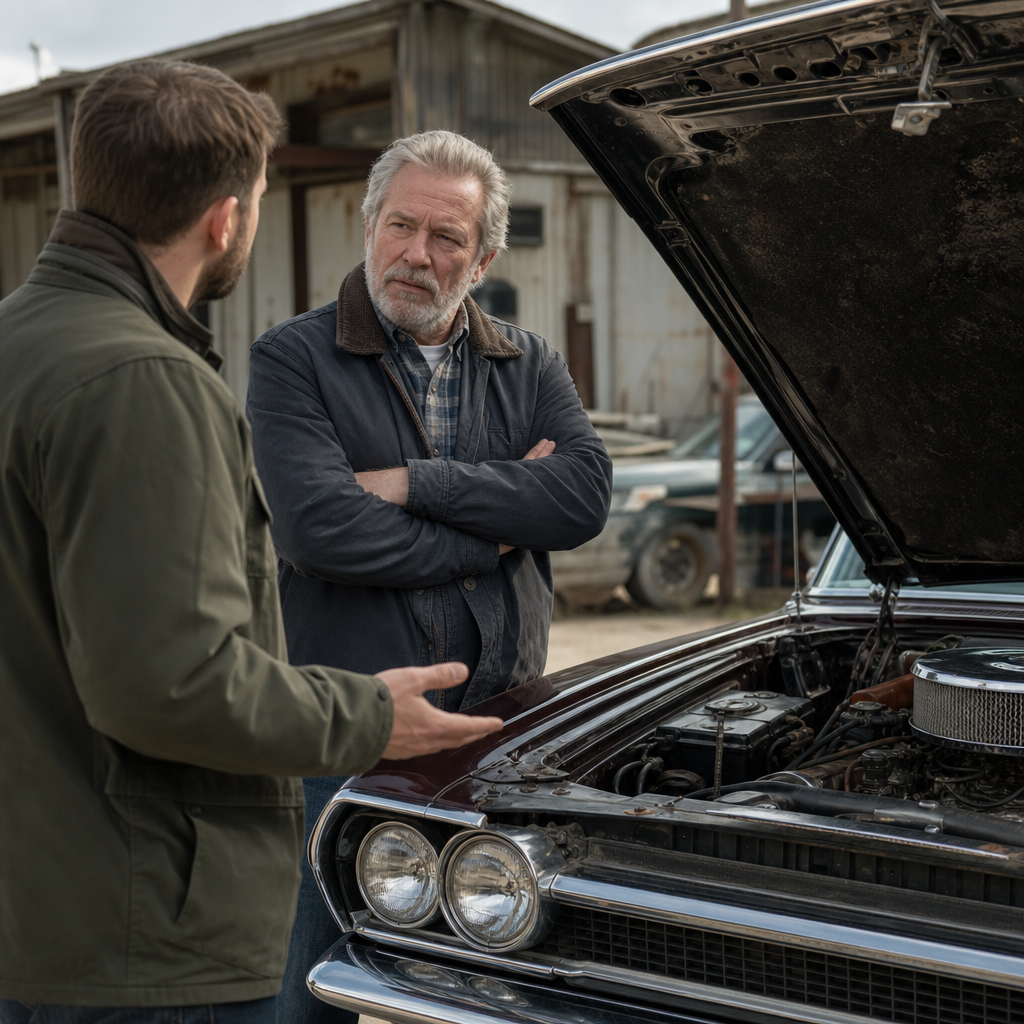
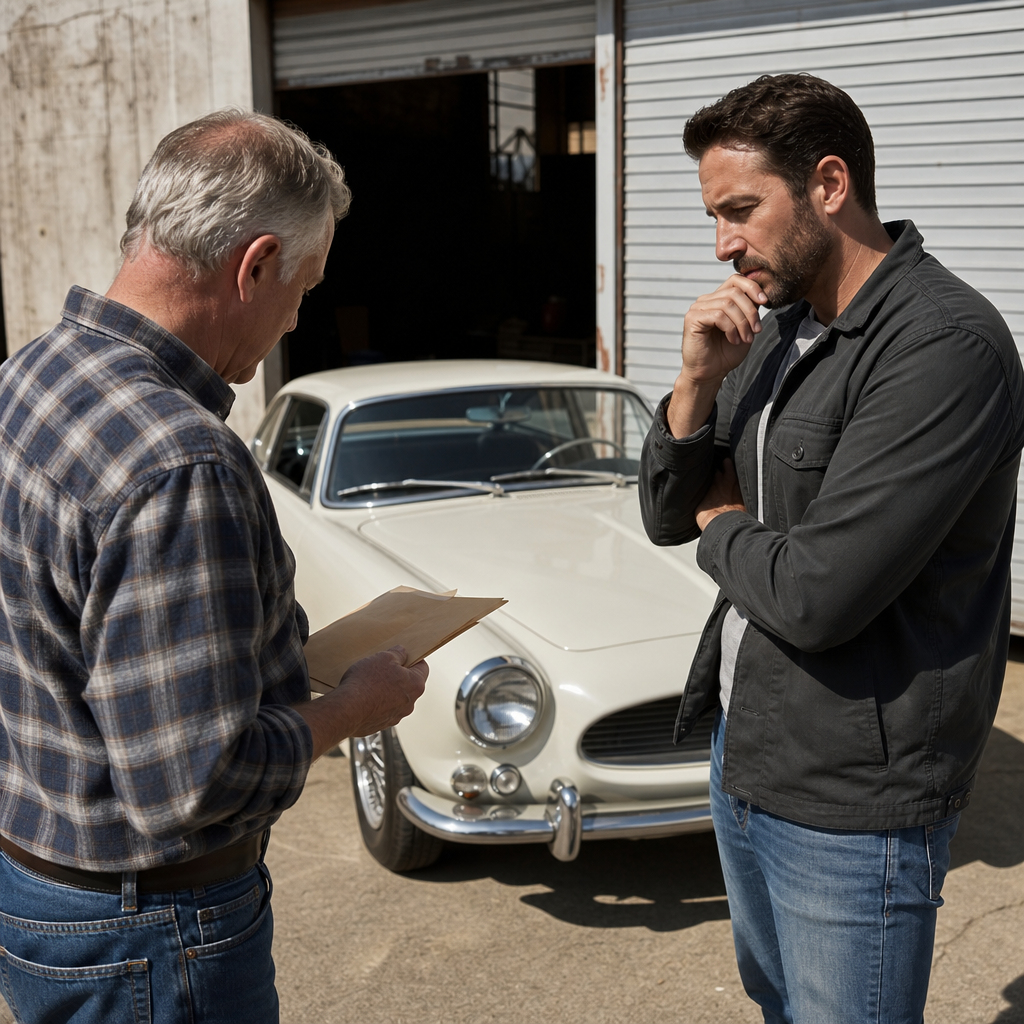
The first seller conversation should be structured, not casual. Start with identity and ownership. Ask whether the title is in the seller’s name, whether there are liens, and how long they have owned the car. Then move to condition: rust, accident history, repaint history, matching-numbers status, engine rebuild dates, transmission operation, electrical faults, and recent service. Finally, ask about documentation. Service receipts, restoration photos, heritage certificates, window stickers, owner’s manuals, and build sheets can materially affect value.
For example, if you are evaluating a 1969 Dodge Charger, ask for fender tag photos, VIN photos, engine pad stampings if applicable, trunk drop-off images, and clear shots of the rear window channel and lower quarters. On a Jaguar E-Type, ask about cooling upgrades, IRS service, bonnet fit, and whether the car has documentation from recognized specialists. On a C3 Corvette, ask specifically about birdcage corrosion, frame condition, body mount integrity, and whether vacuum-operated systems function properly. Good questions save travel costs and prevent emotional decisions.
Deposits should be handled carefully. Never send money before confirming the seller’s identity, title status, and phone number, and before obtaining a written agreement that states the car, price, refund terms, and inspection period if applicable. Wire transfers are common in classic car transactions, but they should come only after due diligence, not before it.
How to Verify Value, Authenticity, and Seller Credibility
Price guides are useful, but they are only one layer. I compare the asking price against recent listings, dealer inventory, auction results, and condition-specific factors. A car with fresh paint but no rust documentation may be worth less than a faded but thoroughly documented survivor. A desirable engine and transmission combination can move value dramatically. So can color, options, and provenance. Buyers should cross-check market data with resources such as Hagerty valuation tools, auction archives, marque registries, and club forums that track known cars.
Authenticity checks vary by model. On muscle cars, stampings, trim tags, date codes, and broadcast sheets are central. On European classics, chassis numbers, body numbers, engine numbers, and factory certificates matter more. On trucks and off-road classics, modifications can either help or hurt value depending on build quality and reversibility. Seller credibility is assessed through responsiveness, consistency, and documentation. If the story changes between messages, if the title situation is unclear, or if the seller resists basic photo requests, step back.
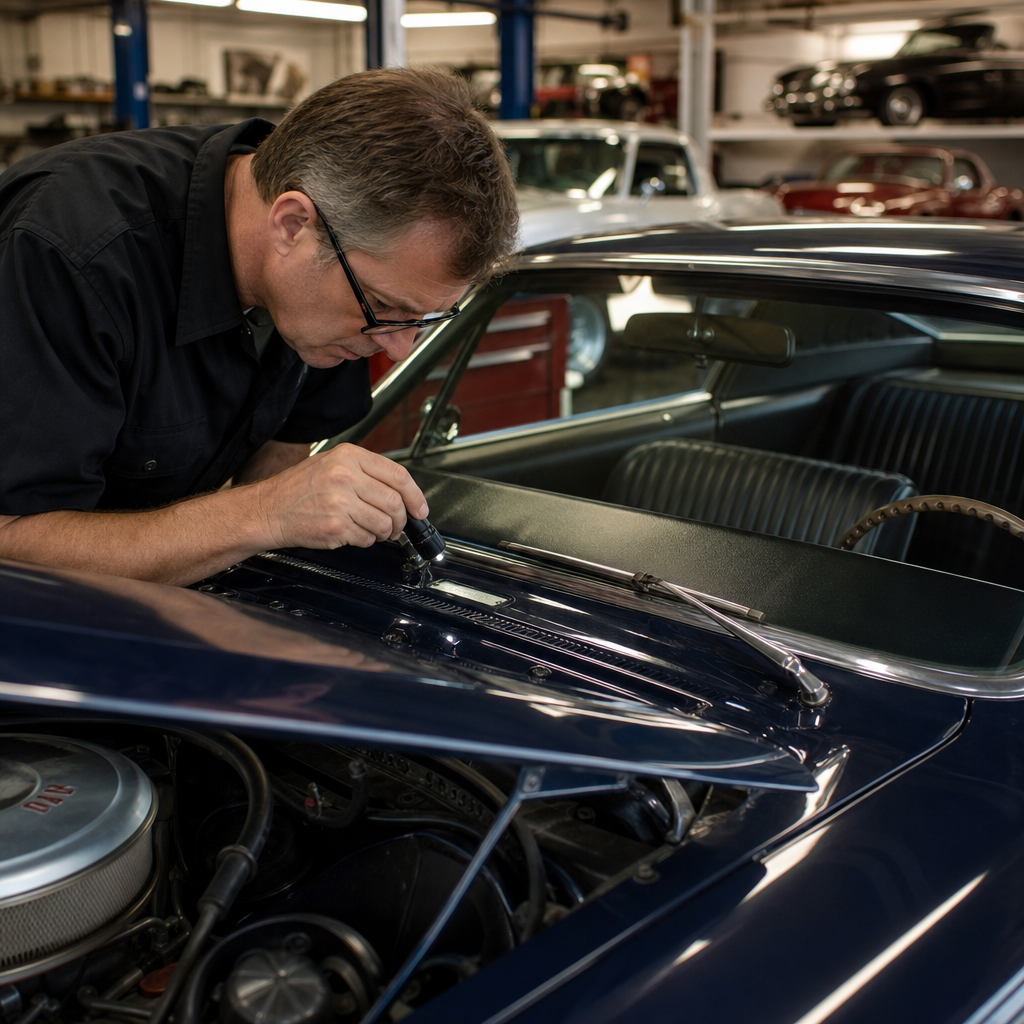
Inspection remains essential. Even the best classified ad cannot replace a pre-purchase inspection by a marque-aware specialist. Compression and leak-down tests, paint-meter readings, lift inspection, and document review routinely uncover issues that photos miss. I have seen cars represented as rust-free reveal previous panel replacement, hidden corrosion, and poor structural repairs once they were on a lift. Classified ads are for finding candidates, not for replacing verification.
Common Mistakes Buyers Make With Classified Ads
The biggest mistake is shopping with emotion before defining use case and budget. Buyers fall for color, nostalgia, or rarity and ignore the total cost of ownership. A cheaper project car can become more expensive than a sorted driver once metalwork, trim sourcing, engine rebuilding, and interior restoration are added. Another mistake is assuming all online exposure is equal. A car advertised everywhere is not automatically better; it may simply be easier to market than to sell.
Many buyers also fail to account for logistics. Where to buy classic cars is not only about finding listings; it is about finding listings you can realistically inspect, transport, title, insure, and maintain. A bargain across the country may stop being a bargain after enclosed shipping, state tax, registration correction, and immediate mechanical work. Imported classics add customs paperwork, conformity questions, and parts availability concerns.
Finally, buyers often confuse seller confidence with seller honesty. A polished pitch, firm price, and attractive photos do not prove quality. Conversely, an older seller with weak photography and a plain description may own the best car in your search radius. Good classified buying requires discipline, not just enthusiasm.
Building a Repeatable Search Strategy That Produces Better Cars
The best results come from a system. Create saved searches by year range, model, body style, and misspellings. Check listings daily during active searches because the strongest cars often move first. Keep a spreadsheet with asking price, location, mileage, condition notes, seller type, and links to photos. Patterns emerge quickly. You will see which models are overpriced, which colors stall, which regions produce cleaner bodies, and which sellers consistently provide complete information.
This hub on where to buy classic cars should lead buyers toward a practical routine: cast a wide net, narrow with documentation, verify with specialists, and move only when the fundamentals line up. Classified ads are still the most flexible, information-rich entry point into the classic car market. Use them with patience and rigor, and you will find cars that never appear in headline auctions or dealer promotions. Start by choosing three marketplace types, setting saved searches today, and screening your first ten listings with the same checklist. That simple habit will improve every classic car buying decision you make.
Frequently Asked Questions
Why are classified ads such a powerful way to find classic cars?
Classified ads are powerful because they expose cars that often never appear in high-visibility sales channels like major auctions, dealer websites, or heavily promoted social media listings. In the classic car world, many excellent vehicles are still sold quietly through enthusiast forums, marque-specific club newsletters, print magazines, local bulletin boards, estate notices, and online marketplace listings. That matters because a large part of the market is still relationship-driven and informal. Owners of classic cars are frequently long-term enthusiasts who may prefer a straightforward private sale over the cost, pressure, and public exposure of an auction. As a result, classified ads often reveal more authentic, less over-marketed inventory.
They also give buyers a broader view of the market. Instead of seeing only top-tier show cars or dealer-retail examples, you can compare project cars, older restorations, driver-quality vehicles, preserved originals, and estate-sale finds. That variety helps you understand pricing, condition ranges, and how specific details affect value. A classified ad may also tell you a lot about the seller. The wording, photos, maintenance notes, ownership history, and willingness to disclose flaws can offer early clues about how the car has been cared for. For buyers asking where to buy classic cars, classifieds remain one of the most practical and productive answers because they provide access, selection, and opportunities that more public sales platforms often miss.
Where should I look for classified ads when searching for a classic car?
The best approach is to search across multiple classified sources rather than relying on a single marketplace. Start with well-known online automotive marketplaces, but do not stop there. Marque-specific forums, enthusiast websites, regional club pages, collector-car publications, local newspapers, swap-meet bulletin boards, and club newsletters can all produce strong leads. Some of the best cars appear in places with smaller audiences because sellers want to connect directly with knowledgeable buyers. If you are looking for a specific make or model, owner clubs and niche forums are especially valuable because the listings are often posted by people who understand the car, know its common issues, and may have extensive documentation.
It is also smart to search geographically beyond your immediate area. Many buyers limit themselves too early and miss better-condition cars in drier climates or regions with stronger enthusiast communities. Set alerts using broad and narrow keyword combinations, including model names, nicknames, trim levels, and even common misspellings. Check listings regularly, because good cars can sell quickly. At the same time, revisit older ads that have been sitting for a while; some sellers become more flexible on price or more responsive over time. The key is to build a repeatable search routine that includes mainstream platforms, enthusiast channels, and local sources, because the strongest classified opportunities are often scattered across all three.
What should I look for in a classified ad before contacting the seller?
A good classified ad should provide enough detail to help you evaluate whether the car is worth pursuing further. Start with the basics: year, make, model, body style, engine, transmission, mileage, VIN if available, title status, and location. Then look for condition-specific information. Strong ads typically mention whether the car is original, restored, modified, numbers-matching, repainted, recently serviced, or in storage for a long period. They should identify visible flaws instead of pretending the car is perfect. Pay close attention to phrases like “older restoration,” “ran when parked,” “needs finishing,” “fresh rebuild,” or “rust-free,” because each one deserves follow-up questions. In classic cars, vague language often hides important details.
Photos matter just as much as the text. Look for clear images of the exterior, interior, engine bay, trunk, undercarriage, VIN plate, data tags, and known rust-prone areas. A seller who only posts a few distant glamour shots may be avoiding problem areas. Pricing also deserves analysis. If the asking price is dramatically below market, treat the listing with caution and verify everything carefully. If the price is high, the ad should justify it with provenance, documentation, restoration quality, originality, or significant recent work. Finally, consider the overall tone of the listing. An honest, informed seller often provides maintenance records, ownership history, and direct disclosures about what works and what does not. That kind of transparency is one of the most useful signals you can get from a classified ad.
How can I avoid scams or costly mistakes when buying a classic car through classified ads?
The safest way to use classified ads is to combine enthusiasm with a disciplined verification process. First, confirm that the seller is real and that the car actually exists in the stated location. Ask for a phone call, additional photos, a walkaround video, cold-start video, close-ups of problem areas, and images of the VIN and title. If the seller refuses basic verification or pressures you to send money immediately, that is a serious warning sign. Be especially cautious with listings that use stolen photos, unusually urgent stories, vague responses, or payment requests through irreversible methods. In the classic car market, if a deal feels improbably good, it usually deserves deeper scrutiny.
Beyond fraud, the bigger risk is overpaying for a car with hidden issues. Always verify the car’s identity, title status, and major claims about originality or restoration. Research common problem areas for that make and model so you know what to ask. Rust, poor prior bodywork, incorrect drivetrains, weak documentation, and old modifications can all affect value significantly. Whenever possible, arrange an independent pre-purchase inspection by a marque specialist or respected local classic-car shop. That inspection can reveal structural corrosion, mechanical problems, mismatched numbers, accident damage, or restoration shortcuts that are impossible to judge from photos alone. The goal is not just to avoid scams, but to make sure the car you are buying matches the story told in the classified ad.
How do I negotiate and close the deal once I find the right classic car listing?
Negotiating a classic car purchase starts with preparation. Before making an offer, compare the car against recent sales, current listings, documented condition, originality, and any inspection findings. In the classified market, asking prices are often aspirational, so your leverage comes from facts, not aggressive bargaining. If the car needs paintwork, rust repair, interior work, mechanical sorting, or paperwork cleanup, quantify those items and use them to support a reasonable offer. At the same time, understand what makes a seller firm on price. A highly original example with strong records, long-term ownership, rare options, and a clean inspection may justify paying closer to the asking figure.
Once terms are agreed, handle the transaction professionally. Confirm the full purchase amount, deposit terms if any, included parts or documentation, title details, VIN, and timeline for payment and pickup. Use secure payment methods and make sure the title is properly signed and transferable in the seller’s state. If you are buying from a distance, consider using an escrow service when appropriate and verify shipping arrangements carefully. Ask for all records, manuals, spare keys, parts receipts, restoration photos, and correspondence that supports the car’s history. A well-managed closing process protects both parties and helps ensure that the classic car you found through classified ads arrives with the paperwork, documentation, and provenance needed to support its value long after the sale is complete.