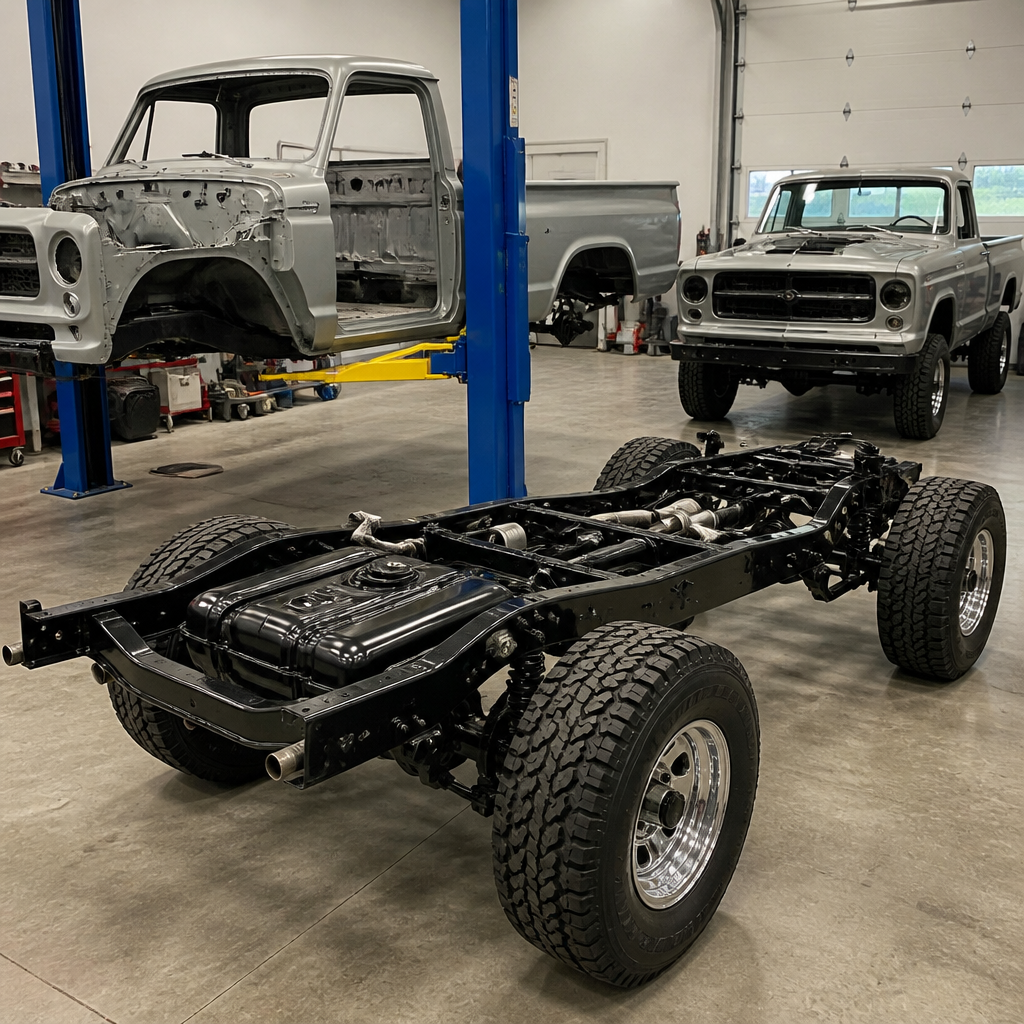
Owning a vintage vehicle is equal parts pleasure, stewardship, and mechanical responsibility, and learning how to extend the life of your classic car starts with understanding that age changes every maintenance rule. A classic car is generally a vehicle old enough to have historic, collector, or enthusiast value, often built before modern electronic engine management, corrosion protection, and computer diagnostics became standard. That matters because maintenance tips for classic cars are not simply older versions of modern service advice. Materials age differently, replacement parts vary in quality, storage conditions have outsized effects, and even low mileage can accelerate deterioration when a car sits too long. After years spent helping owners revive dormant coupes, maintain weekend drivers, and troubleshoot heat-soaked fuel systems, I have seen the same pattern repeatedly: classics last when their owners treat maintenance as preservation, not just repair.
The goal is not merely to keep the engine running. It is to protect the car’s structure, originality, drivability, and long-term value. Rubber dries out, seals shrink, carburetors varnish, brake fluid absorbs water, and electrical connections corrode even when a vehicle looks immaculate on the outside. A polished body can hide severe underbody rust, brittle wiring, or contaminated fuel. Extending the life of a classic car therefore means adopting a complete maintenance system that covers fluids, rust prevention, storage, regular exercise, careful cleaning, and documentation. This hub article explains the core practices that support long service life, why each one matters, and where owners should focus first. If you want reliable starts, fewer surprise breakdowns, and better preservation between restorations, these classic car maintenance principles form the foundation.
Build a Preventive Maintenance Schedule, Not a Repair List
The most effective way to extend the life of your classic car is to replace reactive repairs with a written preventive maintenance schedule. Modern daily drivers can often tolerate delayed service because electronic controls compensate for wear. Classic cars usually cannot. Timing drift, weak ignition components, stale fuel, and minor coolant loss quickly become poor starting, rough running, overheating, or internal damage. I advise owners to track maintenance by both mileage and calendar time because many collector cars travel fewer than 2,000 miles per year. Oil, brake fluid, and coolant still age even when the odometer barely moves.
A practical schedule starts with baseline service. If the car is newly purchased or recently revived from storage, change engine oil and filter, inspect ignition parts, flush brake fluid, inspect belts and hoses, test battery condition, grease chassis points if applicable, and verify tire date codes as well as tread depth. Factory workshop manuals are the best reference for service intervals, torque values, and adjustment procedures. If an original manual is unavailable, sources such as Haynes, Chilton, marque club publications, and model-specific forums often fill the gaps, but factory specifications should remain the standard whenever possible.
Documentation is preservation. Keep a binder or digital log with dates, mileage, part numbers, fluid specifications, compression readings, and notes about noises, leaks, or temperature behavior. Patterns matter. A fuel pump that gets louder over six months or a charging system that drops half a volt at idle is giving advance warning. Owners who record those details catch failures early and preserve hard-to-find components that might otherwise be damaged by neglect.
Protect the Engine With Correct Fluids, Cooling Care, and Regular Use
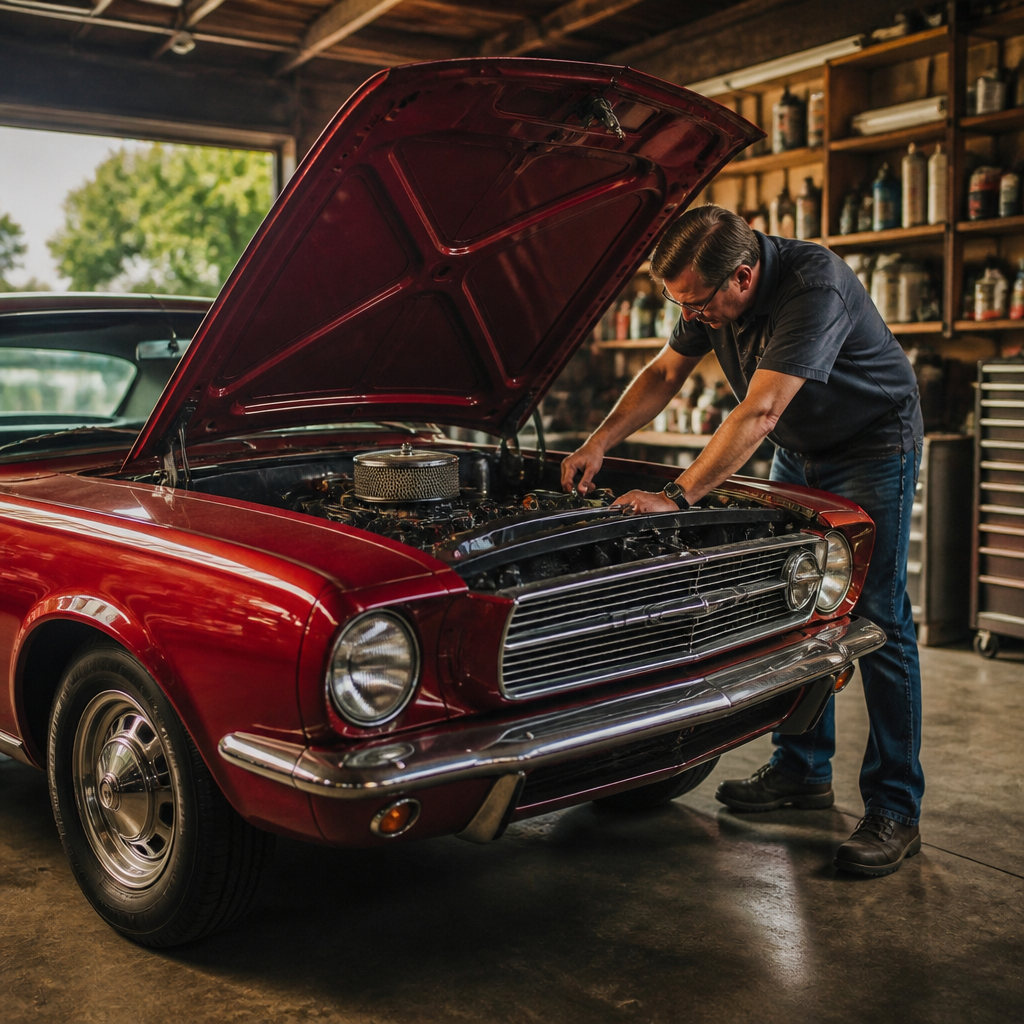
Engine longevity depends on lubrication quality, stable operating temperature, and consistent exercise. For many classic cars, oil selection deserves more thought than simply choosing a viscosity printed on a shelf label. Flat-tappet camshaft engines, common in older American and British vehicles, often benefit from engine oils with suitable anti-wear additives, particularly zinc and phosphorus compounds associated with ZDDP. The exact requirement varies by engine design and spring pressure, but using an oil formulated for classic or high-zinc applications can reduce cam and lifter wear. Overfilling is as harmful as neglect; it can aerate oil and increase leaks through older seals.
Cooling systems are equally critical. Overheating is one of the fastest ways to shorten the life of a classic engine because warped heads, blown gaskets, and detonation damage are expensive and often avoidable. Radiators should be externally clean and internally free of scale. Hoses that look acceptable may still be softened internally or cracking near clamps. Thermostats, fan clutches, mechanical fans, electric pusher fans, and water pumps all deserve inspection. A 50/50 coolant mix is common, but always confirm compatibility with the engine materials, especially where brass, copper, cast iron, and aluminum interact. Distilled water helps limit mineral deposits.
Short idle sessions in a garage do not count as healthy use. Classic cars last longer when driven to full operating temperature on a meaningful route. That circulates oil, evaporates condensation from the crankcase and exhaust, lubricates transmission and differential components, and keeps seals pliable. Infrequent use is often harder on a classic than moderate regular use. A monthly drive of 20 to 30 miles is generally better than six months of static storage punctuated by occasional idling.
| Maintenance area | What to check | Recommended rhythm | Why it extends vehicle life |
|---|---|---|---|
| Engine oil | Level, color, contamination, filter condition | Check monthly; change annually or by mileage | Reduces wear, corrosion, and sludge formation |
| Cooling system | Coolant strength, hose condition, radiator cleanliness | Inspect seasonally; flush per manual | Prevents overheating and internal corrosion |
| Brake system | Fluid moisture, hose cracks, wheel cylinder leaks | Inspect every six months; flush every two years | Protects safety and prevents corrosion in components |
| Fuel system | Tank debris, fuel age, hose integrity, filter restriction | Inspect at every service | Avoids varnish, leaks, and carburetor contamination |
| Battery and charging | Voltage, terminals, ground straps, electrolyte if applicable | Check monthly in storage | Prevents no-start issues and electrical strain |
| Body and chassis | Rust points, drain holes, underbody coatings, grease points | Inspect each season | Stops structural decay before it spreads |
Stop Rust Early Because Corrosion Destroys More Classics Than Mileage
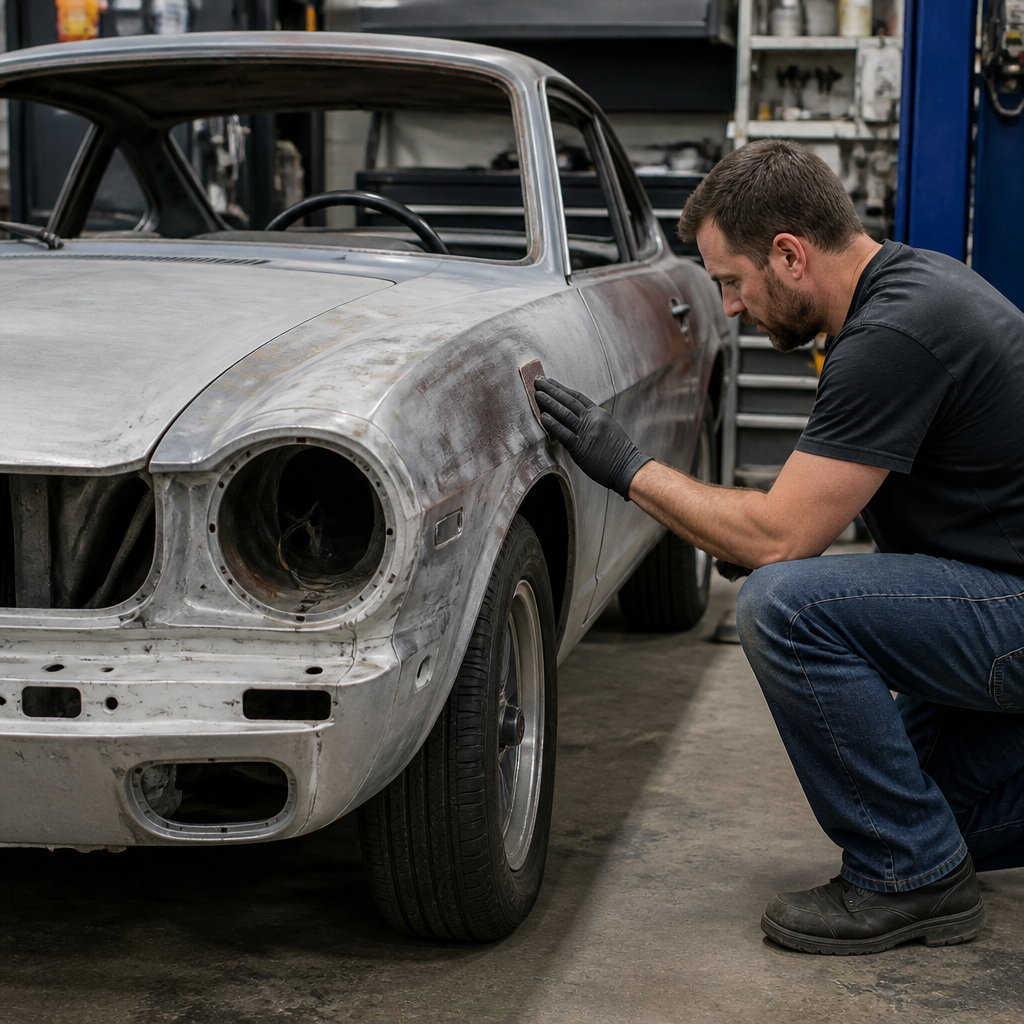
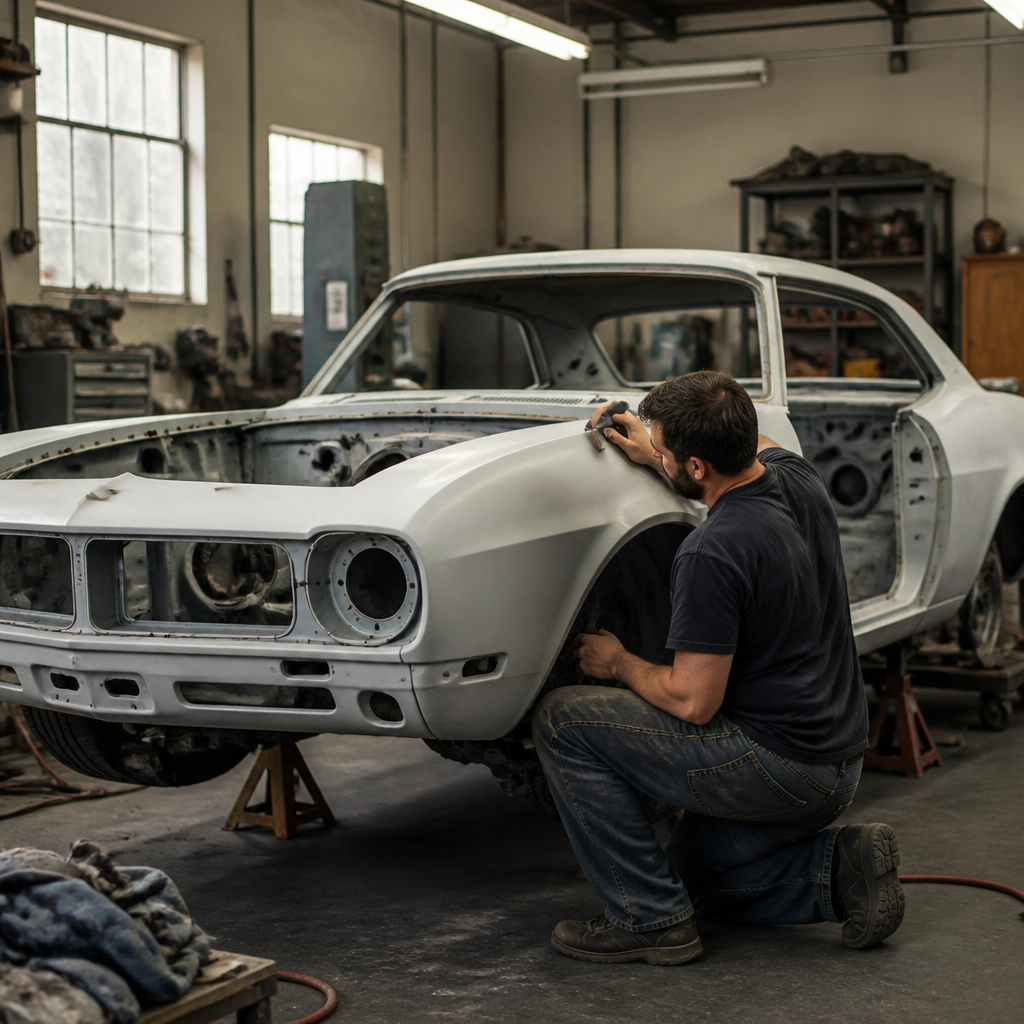
If there is one rule every owner should memorize, it is this: rust prevention is life extension. Engines can be rebuilt. Upholstery can be retrimmed. Severe corrosion in floors, frame rails, rocker panels, shock mounts, cowl sections, or suspension pickup points can consume restoration budgets and permanently reduce originality. I have inspected supposedly solid cars where trapped moisture under trunk mats or blocked cowl drains had already started structural decay. Classic car maintenance must therefore include routine corrosion inspection, not just cosmetic washing.
Focus on known rust zones for your model. On many classics these include wheel arches, lower fenders, door bottoms, windshield channels, battery trays, floor pans, trunk seams, and areas behind chrome trim where moisture is trapped. Clean drain holes so water can escape. If the car is driven on salted roads, rinse the underbody thoroughly and reconsider winter use altogether. Salt residue in seams and cavities continues working long after the road looks dry.
Protective products matter, but application matters more. Wax on exterior paint helps, yet cavity waxes, rust inhibitors, and underbody treatments are what preserve hidden structure. Products from 3M, Bilt Hamber, Eastwood, and Fluid Film are commonly used, but the best choice depends on whether you are preserving original metal, treating light surface corrosion, or sealing a freshly restored underside. Heavy undercoating should never be used to hide active rust; it can trap moisture and obscure deterioration. Clean metal, proper rust conversion where appropriate, and access into seams and cavities are the real priorities.
Maintain the Fuel, Brake, Suspension, and Electrical Systems as a Whole
Owners often focus on engine performance first because a non-running car is frustrating, but auxiliary systems determine whether the vehicle is safe and dependable. Fuel systems on classic cars are especially vulnerable to modern ethanol-blended gasoline. Ethanol can absorb moisture, accelerate deterioration in older rubber hoses, and contribute to varnish or corrosion during storage. If ethanol-free fuel is available, it is often preferable for carbureted classics and seasonal vehicles. Where it is not available, use fresh fuel, replace vulnerable hoses with ethanol-compatible line, and consider a stabilizer from a reputable brand such as STA-BIL or Star Tron when the car will sit.
Brake maintenance is non-negotiable. DOT 3 and DOT 4 brake fluid absorb moisture over time, and that moisture corrodes wheel cylinders, calipers, master cylinders, and steel lines from the inside. A car that stops fine today may still contain fluid with a dangerously high water content. Annual inspection and a full fluid flush every two years is a sensible baseline for most classics, with more frequent service for humid climates. Rubber flex hoses can swell internally and act like one-way valves, causing dragging brakes that mimic caliper failure.
Suspension and steering components also age quietly. Dry ball joints, cracked bushings, leaking shocks, and loose tie-rod ends reduce control and increase stress on adjacent parts. On older cars with grease fittings, lubrication intervals are essential, not optional. Use the correct grease and do not ignore steering box adjustment, front-end alignment, or wheel bearing service where specified. Tire safety is another overlooked issue. Many classic cars wear tires with beautiful tread but dangerous age. Date codes older than six to ten years justify close evaluation or replacement regardless of mileage.
Electrical systems demand patience and methodical inspection. Many starting and charging complaints trace back to poor grounds, oxidized fuse contacts, weak battery cables, or aging voltage regulators rather than catastrophic component failure. Clean grounds from battery to body, body to engine, and engine to frame where applicable. If you upgrade accessories such as electric fans, sound systems, or halogen lighting, confirm that wiring gauge, relays, and charging output are sufficient. Electrical fires in classics are often caused by incremental amateur modifications rather than original design flaws.
Store, Clean, and Preserve the Car Like a Collection Asset
Storage conditions shape longevity as much as driving habits. The ideal classic car storage environment is clean, dry, dark, secure, and stable in temperature and humidity. A breathable indoor cover protects paint from dust while allowing moisture to escape; non-breathable tarps can trap condensation and damage finishes. If the floor sweats or the building is damp, use ventilation or a dehumidifier. Battery maintainers from established brands such as CTEK or NOCO help preserve battery health during downtime, but they should be paired with safe wiring and periodic checks.
Prepare the car properly before extended storage. Fill the tank to reduce condensation space, add fuel stabilizer if appropriate, verify antifreeze protection, inflate tires to the upper recommended storage range, and clean the interior thoroughly to deter mold and pests. Rodent damage is a major and underestimated threat. Mice chew insulation, fill heater boxes with nesting material, and contaminate cabins. Traps, sealed entry points, and regular inspections are more effective than hoping a closed garage will solve the issue.
Cleaning is not cosmetic vanity; it is inspection time. When washing a classic car, look for bubbling paint, chipped edges, clouding around trim, moisture under weatherstrips, and fresh fluid leaks on the floor afterward. Use pH-balanced shampoo, soft drying towels, and appropriate polish only when needed. Over-polishing thins older paint. Interior preservation deserves equal attention. Leather benefits from gentle cleaning and conditioning, vinyl suffers from prolonged UV exposure, and wood trim reacts badly to excess moisture. If the car has original finishes, preservation is usually wiser than aggressive refinishing because originality supports collector value.
Use Specialists, Quality Parts, and Model-Specific Knowledge
Not every shop understands classic car maintenance, and that distinction directly affects lifespan. A technician experienced with modern diagnostics may still miss the importance of carburetor float setting, breaker point dwell, kingpin lubrication, or vacuum advance behavior. Seek marque specialists, restoration shops with maintenance programs, or independent mechanics who regularly work on vehicles from the same era. Owners clubs are invaluable here. Organizations dedicated to Porsche, Jaguar, MG, Ford Mustang, Chevrolet Corvette, Mercedes-Benz, and other major marques often maintain technical libraries, supplier lists, and service recommendations built from decades of field experience.
Parts quality is another decisive factor. Reproduction components vary widely. I have seen brand-new condensers fail immediately, rubber seals shrink within a year, and poorly made trim clips create water leaks that start corrosion. Whenever possible, buy from trusted suppliers known within the model community, compare new parts with originals before installation, and rebuild original components if the casting or fit quality is better than current replacements. The cheapest part often becomes the most expensive when it causes collateral damage or requires repeating labor.
The same principle applies to upgrades. Sensible improvements can enhance longevity: electronic ignition modules can reduce point wear, aluminum radiators can improve cooling, relays can reduce switch load, and modern radial tires often improve stability. But modifications should respect the vehicle’s electrical capacity, braking balance, and historical character. The best maintenance strategy is informed, reversible, and documented so the next caretaker understands exactly what was changed and why.
Extending the life of your classic car comes down to disciplined habits repeated over time. Start with a preventive maintenance schedule, use the correct fluids, keep the cooling and fuel systems clean, flush brake fluid, inspect rubber parts, preserve the electrical system, and drive the car often enough to keep every mechanism working as designed. Treat rust prevention as structural insurance, and treat storage as part of maintenance rather than an afterthought. These steps protect reliability, originality, and market value at the same time.
The biggest benefit is not only fewer breakdowns. It is confidence. A well-maintained classic starts more easily, runs cooler, stops straighter, leaks less, and remains enjoyable for longer drives and future generations. Whether you own a lightly restored survivor, a weekend cruiser, or a concours-level example, careful maintenance tips are what turn ownership from constant problem-solving into lasting preservation. Review your records, inspect the car this week, and build a service plan that keeps your classic healthy for the road ahead.
Frequently Asked Questions
What makes maintaining a classic car different from maintaining a modern vehicle?
Maintaining a classic car is different because age affects every system in ways that modern maintenance schedules do not fully address. Older vehicles were built with different materials, looser manufacturing tolerances, simpler electrical systems, and far less protection against rust, heat, moisture, and fuel degradation. Many classic engines also rely on mechanical carburetion, vacuum systems, breaker points, manual adjustments, and regular lubrication practices that newer cars simply do not require. In practical terms, that means you cannot treat a vintage vehicle like a late-model daily driver and expect the same results.
One of the biggest differences is that time itself becomes a maintenance factor. Rubber hoses harden, seals dry out, gaskets shrink, wiring insulation becomes brittle, and old metal fuel tanks can develop internal corrosion even if the car is not driven often. Fluids also behave differently in older systems. Engine oil, coolant, brake fluid, gear oil, and gasoline can all cause issues if left unchanged for too long, especially in cars that sit for extended periods. A vehicle that only travels a few hundred miles a year may still need regular service because deterioration happens from storage and age, not just mileage.
Classic cars also depend much more on preventive inspection. Instead of waiting for a warning light or onboard computer code, owners need to watch for subtle signs such as hard starting, fuel smells, slight fluid seepage, changes in exhaust color, unusual valve train noise, weak charging, or play in steering and suspension components. Extending the life of a classic car means becoming proactive rather than reactive. Frequent checks, proper storage, and attention to small changes are what prevent major failures and preserve both drivability and originality.
How often should I service a classic car if I do not drive it very much?
A lightly driven classic car still needs routine service on a time-based schedule, not just a mileage-based one. This is one of the most important concepts for long-term preservation. When a vintage vehicle sits, fluids absorb moisture, internal engine parts may lose their protective oil film, fuel can oxidize and form varnish, and seals can dry out from lack of use. For that reason, low annual mileage should never be interpreted as low maintenance needs.
As a general rule, engine oil and filter changes should usually be performed at least once a year, even if the car has only been driven occasionally. Brake fluid should be inspected regularly and typically flushed periodically because it absorbs moisture, which can corrode brake components from the inside. Coolant should also be changed according to age rather than miles, since depleted corrosion inhibitors can damage the radiator, water pump, and engine passages. Fuel systems deserve particular attention in older cars, especially if modern ethanol-blended gasoline is used, because ethanol can attract moisture and contribute to deterioration in older hoses, seals, and carburetor components.
Beyond fluid changes, a seasonal inspection schedule is often the best approach. Check belts, hoses, battery condition, tire pressures, tread and sidewall age, steering play, suspension bushings, wheel bearings, and all visible wiring connections. Start and drive the car long enough to reach full operating temperature on a regular basis if conditions allow. That helps evaporate condensation, circulate lubricants, and keep moving components from seizing. In short, a classic car that is used sparingly should still be maintained consistently, because inactivity can be just as damaging as heavy use.
What is the best way to store a classic car to prevent long-term damage?
Proper storage is one of the most effective ways to extend the life of your classic car, because poor storage conditions quietly damage paint, chrome, upholstery, wiring, rubber parts, and structural metal. The ideal environment is a clean, dry, enclosed garage with stable temperatures, low humidity, and good ventilation. Moisture control matters more than warmth alone. A damp garage can accelerate rust on body panels, chassis components, brake hardware, and electrical connections even if the vehicle looks fine on the surface.
Before storage, thoroughly wash and dry the car, including the underside if possible, to remove road grime, salts, and contaminants. Apply a quality wax to painted surfaces and treat leather, vinyl, or rubber trim as appropriate. Fill the fuel tank if the car will sit for an extended period, and use a fuel stabilizer to reduce oxidation and varnish formation. Change the oil if it is old or contaminated so acidic byproducts are not left sitting in the engine. Make sure coolant protection is correct, the battery is either disconnected or connected to a proper maintenance charger, and the tires are inflated to the correct pressure. Some owners also use wheel cradles or move the car slightly from time to time to help reduce flat-spotting.
A breathable car cover can add protection indoors, but avoid trapping moisture with plastic or non-breathable materials. Rodent prevention is also essential, since mice can destroy upholstery and chew through insulation, wiring, and air ducts. If you plan to store the car for months, it is often better to prepare it carefully than to start it briefly and shut it off repeatedly without driving. Short run times can create condensation in the engine and exhaust. The goal of storage is not just inactivity, but controlled preservation so the car remains mechanically healthy and cosmetically sound.
How important is rust prevention when trying to preserve a classic car?
Rust prevention is absolutely critical because corrosion is one of the few problems that can permanently destroy a classic car’s structure, safety, value, and originality. Mechanical parts can often be rebuilt or replaced, but severe rust in the frame, floors, rocker panels, suspension mounting points, trunk, or body seams can become extremely expensive and difficult to repair correctly. In many cases, rust begins in hidden places long before it becomes obvious on the exterior, which is why prevention and early detection matter so much.
The best strategy is to keep the car clean, dry, and regularly inspected. Moisture trapped under carpets, in trunk liners, behind trim, inside wheel arches, and along drain channels can quietly feed corrosion for years. Inspect common trouble spots often, especially lower body panels, battery trays, windshield and rear window channels, door bottoms, quarter panels, and the underside. If the car has been driven in wet weather, allow it to dry thoroughly before putting it away. Any chips, scratches, or bubbling paint should be addressed early before rust can spread beneath surrounding finishes.
Protective coatings and proper storage also play a major role. Depending on the vehicle and how original you want to keep it, this may include rust inhibitors inside cavities, underbody protection in vulnerable areas, and wax or sealant on painted surfaces. Just as important, make sure drains are clear so water does not collect in hidden compartments. Classic car owners sometimes focus heavily on engines and chrome while overlooking the slow damage caused by humidity and trapped moisture. If your goal is long-term preservation, rust prevention should be treated as a year-round priority, not an occasional cosmetic concern.
Should I use original parts, reproduction parts, or modern upgrades to keep my classic car alive longer?
The right answer depends on how you use the car, how original you want it to remain, and which components affect safety, reliability, and serviceability. In general, preserving originality is important for historical value and collector appeal, but thoughtful upgrades can significantly improve longevity without taking away the character of the vehicle. The most successful classic car ownership strategy is usually a balanced one: retain the spirit and correct appearance of the car while making practical choices that reduce wear, improve reliability, and protect hard-to-replace systems.
Original parts are ideal when they are in excellent condition, properly rebuilt, or important to the authenticity of the car. However, truly old stock rubber, seals, hoses, and electrical pieces may not always be the best functional choice simply because they are original. Quality reproduction parts can be very useful, especially when they are made to correct specifications and sourced from reputable suppliers. For wear items such as belts, ignition components, brake hydraulics, suspension bushings, and fuel system parts, dependable modern manufacturing is often the safer path.
Modern upgrades can also help extend service life when chosen carefully. Examples include improved ignition systems for easier starting, more stable charging components, upgraded cooling parts to manage heat better, modern fuel-resistant hoses, and safer radial tires if appropriate for the car. The key is to avoid poorly engineered modifications that create new problems or require irreversible changes. Document anything you change, keep removed original parts when practical, and prioritize upgrades that improve durability and safety without compromising the car’s essential design. A classic car lasts longest when it is respected as a historic machine but maintained with the realism needed to keep it dependable in the present day.