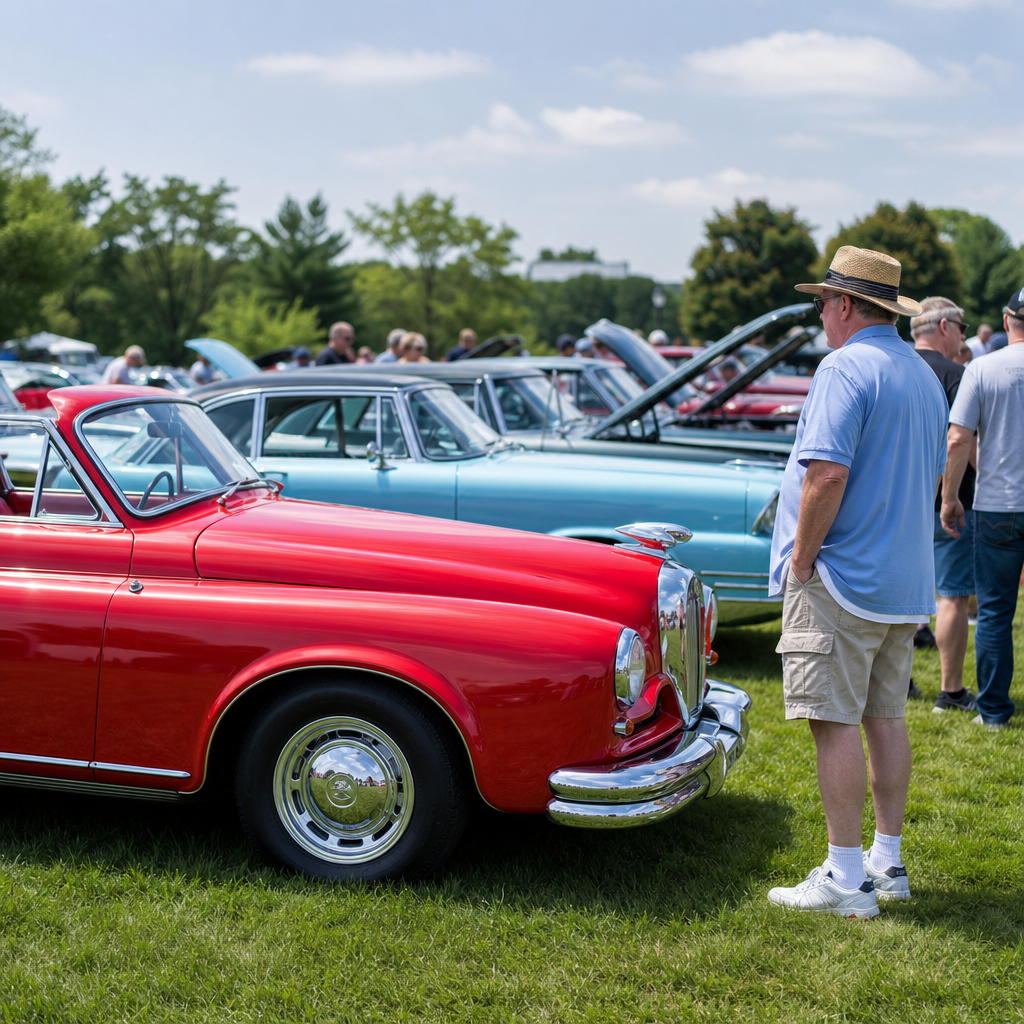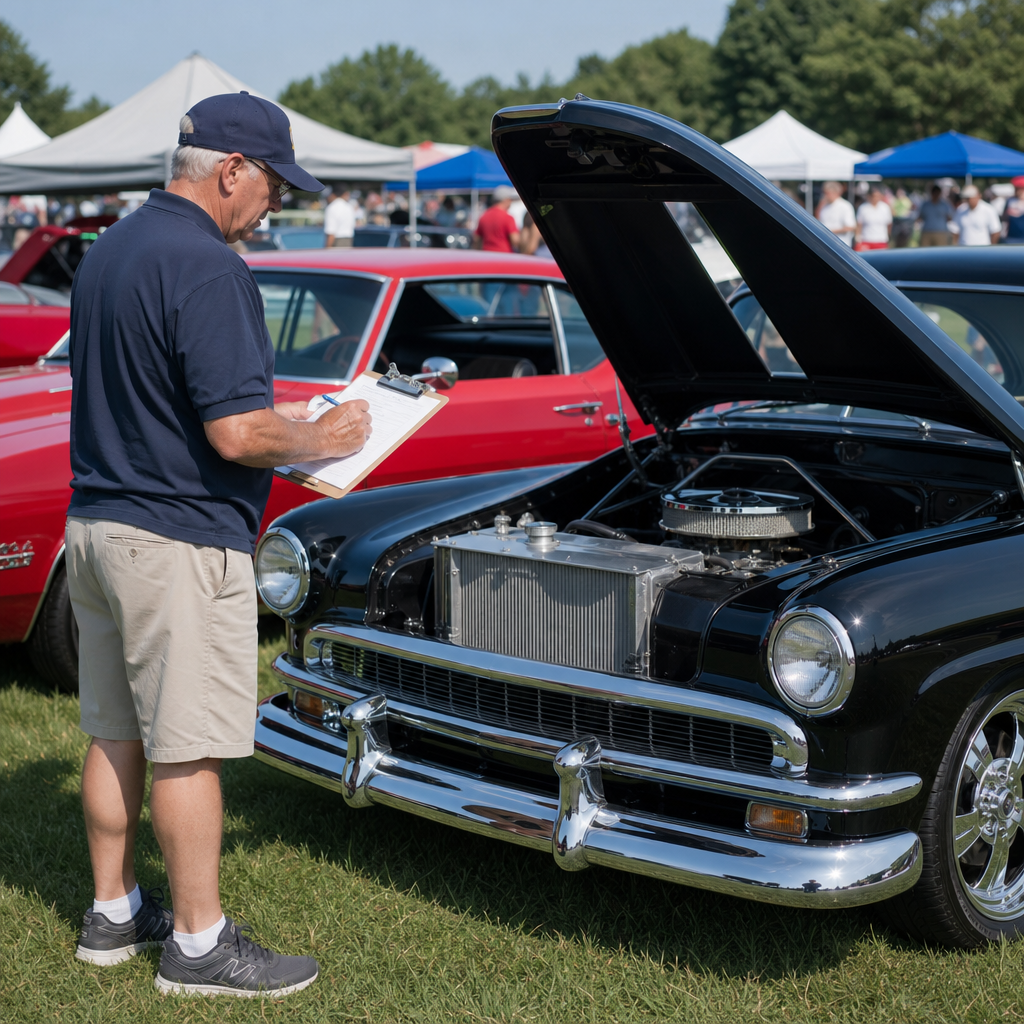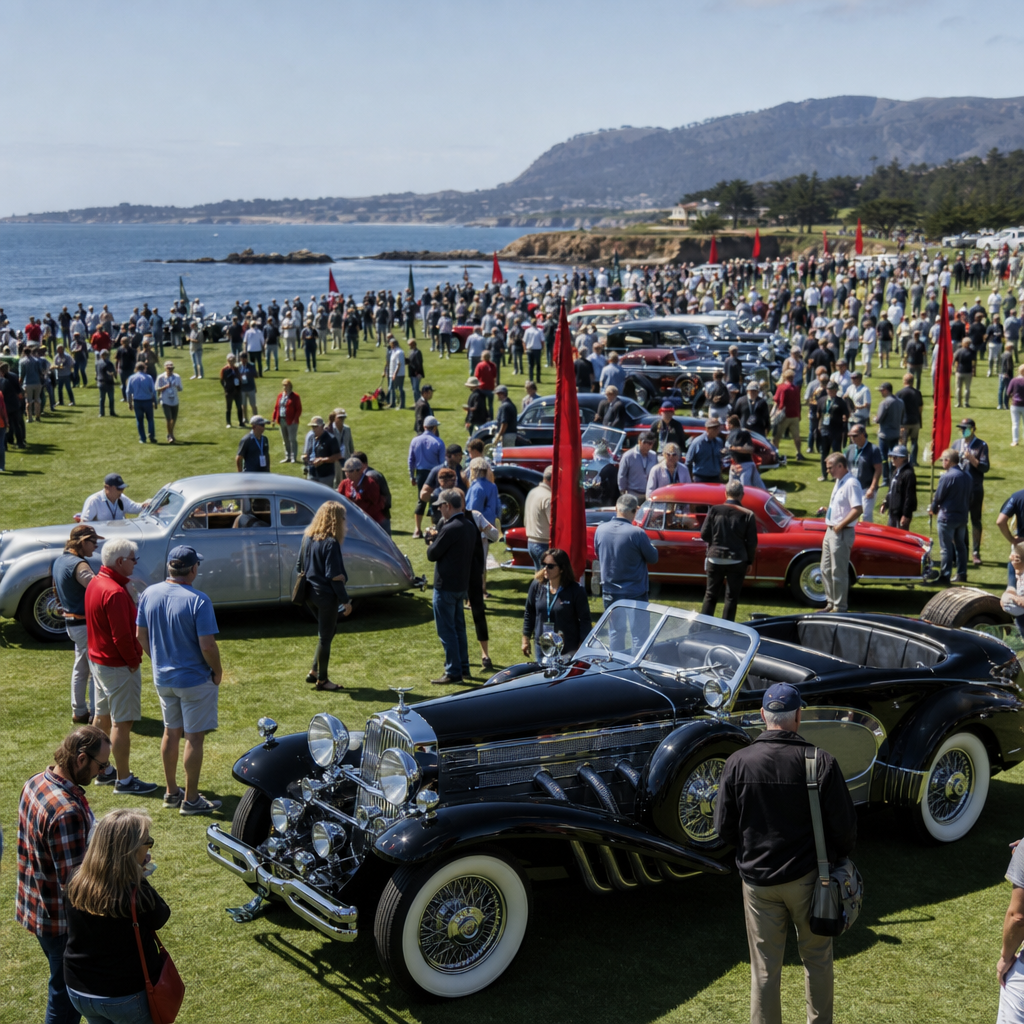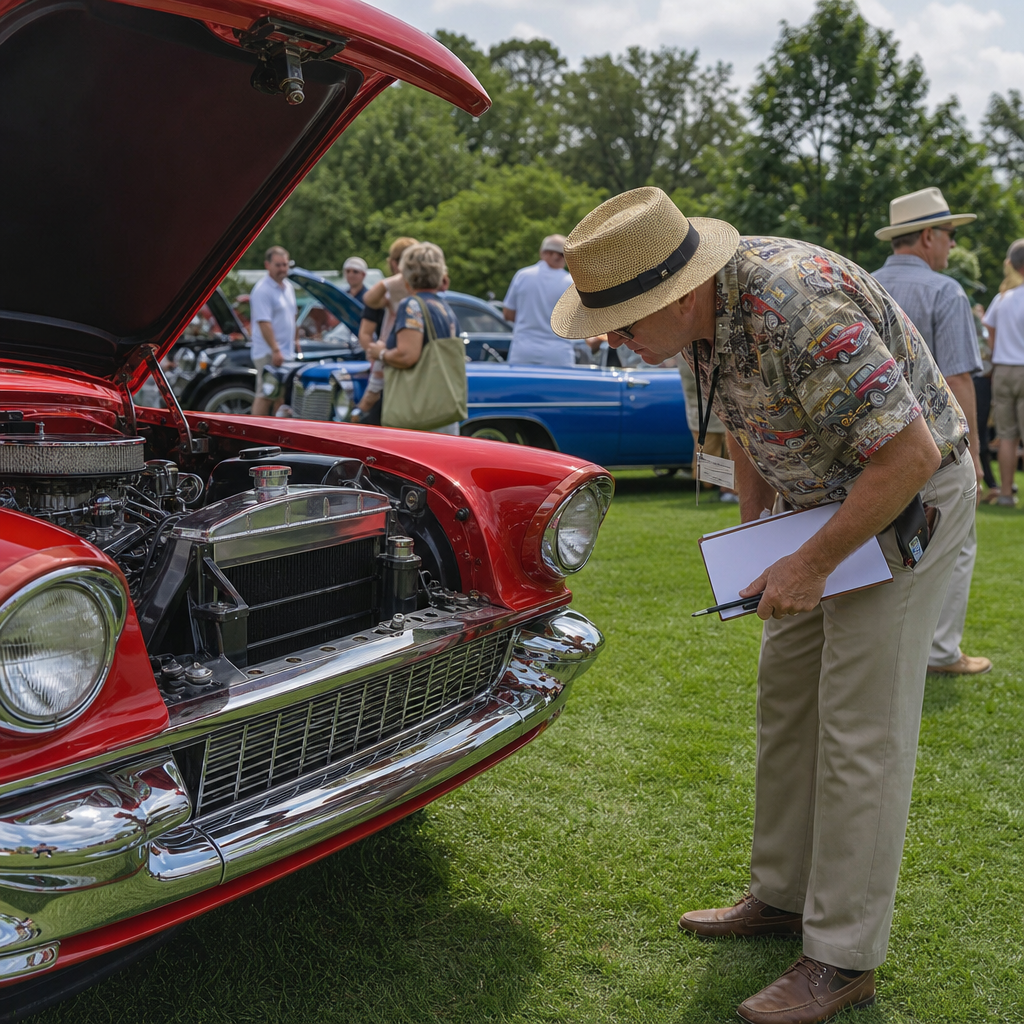
A classic car collection deserves more than secure storage. It deserves a setting that protects long-term value, highlights design history, and turns ownership into a daily experience. When collectors ask how to showcase a classic car collection, they usually mean several things at once: how to design a garage that displays cars attractively, how to organize a man cave around automotive themes, how to control light and climate, and how to make the space practical for maintenance, entertaining, and documentation. I have worked with collectors who started with a simple two-car garage and gradually built highly intentional display spaces, and the same principle applies at every budget level: a great showcase balances preservation, presentation, and usability.
In this context, a showcase is not just decoration. It is the complete system that shapes how cars are seen and cared for. That system includes floor materials, lighting temperature, wall finishes, lift placement, storage cabinets, memorabilia curation, insurance documentation, fire safety, and circulation space around each vehicle. A man cave, similarly, is not merely a lounge with signs and stools. In a classic car setting, it is a secondary zone that supports storytelling, research, hospitality, and personal enjoyment without distracting from the automobiles themselves. The strongest garage and man cave ideas feel cohesive because every decision serves the collection.
This matters for three reasons. First, proper presentation protects investment by reducing environmental damage and accidental wear. Second, an organized display space makes maintenance easier, which means problems are spotted earlier. Third, a well-designed garage strengthens the emotional side of collecting. Cars become easier to share with family, guests, clubs, and potential buyers. Whether the collection centers on American muscle, British roadsters, air-cooled German icons, or prewar coachbuilt cars, the goal is the same: create a space where the vehicles look intentional, remain stable, and reflect the owner’s taste without crossing into clutter.
As a hub for garage and man cave ideas, this guide covers the essential decisions that shape a display-worthy classic car space. It explains layout planning, finishes, lighting, climate control, security, memorabilia display, workshop integration, hospitality zones, and digital organization. If you want a garage that feels like a private museum but still works as a living part of classic car culture, these are the fundamentals to get right.
Start with a layout built around sightlines and safe movement
The first step in showcasing a classic car collection is space planning. Most display problems begin with overcrowding, awkward door clearance, or poor sightlines. Before choosing cabinets or furniture, map the garage using the actual dimensions of each car, including door swing, hood opening, and walking clearance. A Jaguar E-Type, 1967 Corvette Sting Ray, and Mercedes-Benz 280SL all occupy space differently, so generic spacing rules are not enough. In practice, collectors often underestimate the room needed to walk around a car comfortably while still appreciating its shape from multiple angles.
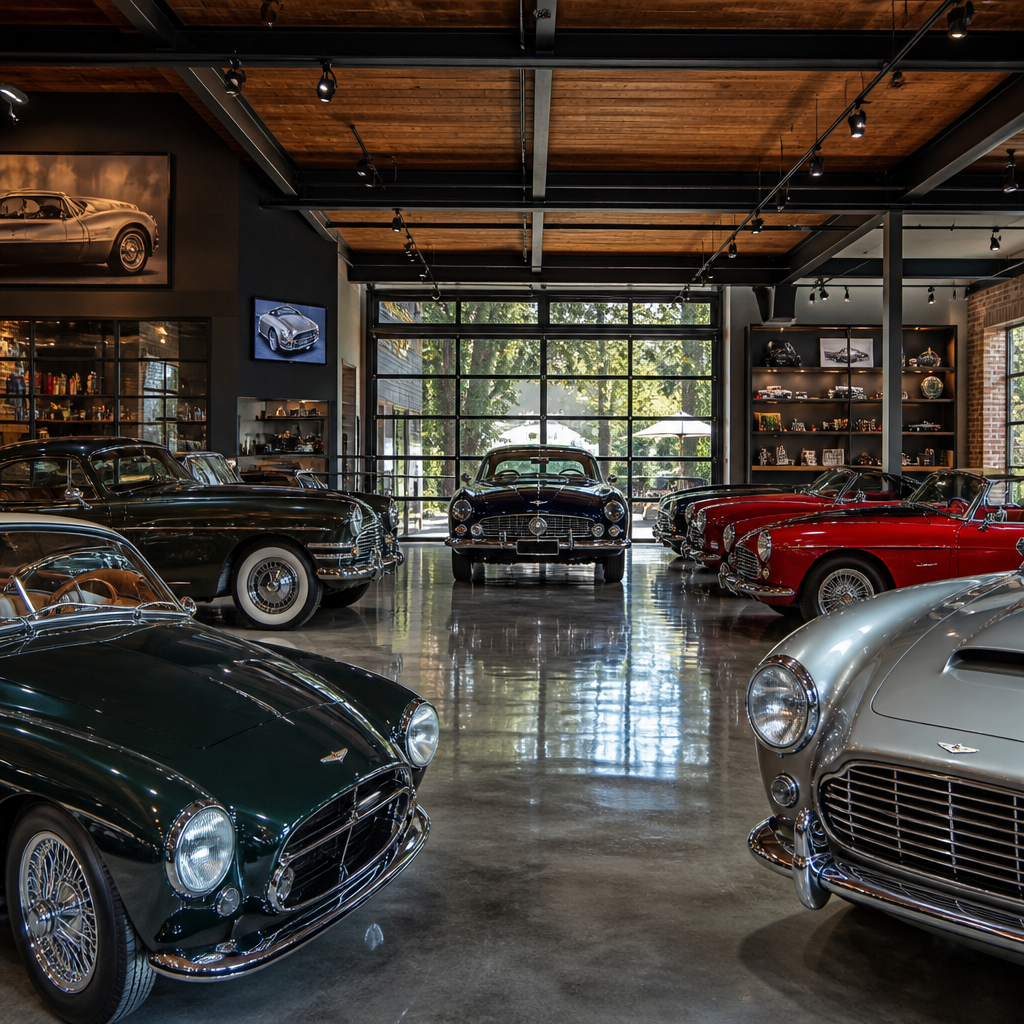
I recommend establishing one primary viewing angle as soon as you sketch the room. In rectangular garages, that is often the diagonal approach from the main entrance, because it gives depth and allows the front three-quarter profile of the lead car to act as the visual anchor. Front three-quarter views usually showcase the strongest lines on classics, especially muscle cars, GT cars, and roadsters. Position the most photogenic or historically significant vehicle in the hero spot, then place supporting cars so no roofline or fender overwhelms another. If one car has dramatic color, such as Rosso Corsa or Grabber Blue, give it breathing room.
Circulation matters just as much as composition. Keep at least three feet of walkway where possible, and more near cabinets, lifts, and workbenches. If the garage doubles as a workshop, separate the clean display lane from the active service lane. That division prevents jack stands, oil drains, and parts boxes from visually collapsing the room. For larger collections, consider a turntable display, mezzanine viewing platform, or asymmetrical arrangement that avoids the parking-lot look. The objective is not maximum density. It is visual order with enough operating space to move cars without stress.
Choose floors, walls, and ceilings that frame the cars without competing
Surface choices influence both appearance and preservation. For floors, professionally installed epoxy or polyaspartic systems remain popular because they resist chemicals, reflect light, and clean easily. Polyaspartic coatings generally cure faster and handle UV exposure better than basic epoxy, while high-solids epoxy can still perform very well when installed over properly prepared concrete. Avoid overly busy flakes or high-contrast patterns if the collection is the star. Neutral gray, charcoal, or warm concrete tones usually photograph best and make oil drips easy to spot.
Walls should function like gallery walls. Clean white, soft gray, and muted industrial tones give chrome, curves, and paint depth without creating color conflict. Slatwall systems, flush cabinets, and framed prints can work well, but limit competing focal points around the hero car. Ceiling treatment is often ignored, even though reflected light from above affects every surface. Bright matte finishes improve visibility and reduce harsh glare. Exposed beams and ducts can suit a vintage industrial look, but they should feel deliberate, not unfinished.
Acoustic control is another overlooked upgrade. Hard garage surfaces create echo, making conversations and music unpleasant. Acoustic ceiling panels, insulated garage doors, and textured wall sections reduce reverberation and make the room feel more refined. If you plan to host club gatherings, this matters. The best garage and man cave ideas treat the room as an environment, not simply a parking bay with decorative signs.
Use layered lighting to make paint, chrome, and interior details readable
Lighting determines whether a collection looks flat or exceptional. A single row of overhead fixtures creates shadows, hides body contours, and exaggerates imperfections. Layered lighting solves that. Start with bright, even ambient lighting using high-CRI LED fixtures in the 4000K to 5000K range. High color rendering is essential because it shows the true character of paint, leather, wood, and engine bay finishes. Low-CRI lighting makes colors look dull and can distort restoration work.
Add wall washers or angled fixtures to bring out side sculpting on cars with strong fender lines, such as a Porsche 356 or first-generation Camaro. Install dedicated task lighting above benches, parts storage, and detailing zones. Accent lighting should be used carefully. A few spotlights on emblems, grille details, or a period neon sign can work, but overdoing theatrical effects makes a serious collection feel staged. In garages with windows, use UV-filtering film or shades to limit direct sunlight. Ultraviolet exposure fades upholstery, degrades rubber, and stresses lacquer or older repaint work over time.
One practical test I use is the wipe-down test. If you can walk around a car during a routine microfiber wipe-down and clearly see dust, swirl marks, trim gaps, and fluid traces without moving portable lights constantly, the lighting plan is doing its job. Good display lighting is not about drama first. It is about visibility first, then atmosphere.
Control climate, dust, and air quality like a preservation space
Climate control is one of the biggest separators between a nice-looking garage and a truly responsible showcase. Classic cars suffer when temperature and humidity swing widely. Leather dries, wood veneers shift, condensation forms on metal, and mold can develop in hidden areas. Aim for stable conditions, ideally around 50 percent relative humidity with moderate temperatures year-round. In humid climates, a dedicated dehumidifier or integrated HVAC system is often more important than decorative upgrades.
Dust control starts at the building envelope. Seal gaps around doors, insulate well, and keep outdoor landscaping from blowing debris into the garage. Mini-split systems are effective for many collector garages because they provide efficient heating and cooling without extensive ductwork. For high-end spaces, standalone air filtration units help reduce airborne particles that settle on paint and interiors. If the garage includes a workshop, isolate grinding, sanding, or welding from display areas whenever possible.
Cars themselves also affect the environment. Fuel odors, battery off-gassing from older charging setups, and tire emissions can build up in enclosed spaces. Use modern battery maintainers from brands such as CTEK or NOCO, ensure ventilation meets code, and inspect for seepage from carburetors, fuel lines, and differential seals. Preservation is not glamorous, but it is central to presenting a collection responsibly.
Build storage that supports the collection instead of burying it
Collectors accumulate more than cars. They accumulate tools, literature, trophies, parts, accessories, detailing supplies, spare wheels, and memorabilia. Without disciplined storage, those items quickly dominate the room. The best approach is zoned storage: closed cabinets for chemicals and clutter, visible shelving for curated objects, and archival storage for paper materials. Factory brochures, window stickers, service manuals, and restoration records should be stored in acid-free sleeves or organized binders away from moisture and direct light.
Use cabinetry with durable finishes and simple hardware that aligns with the room’s overall style. Rolling tool chests work in active service bays, but fixed low-profile cabinets create cleaner lines in display areas. Overhead racks can be useful for bulky items, though they should never visually crowd low-ceiling garages. Tire racks, if exposed, should look intentional and be kept tidy.
| Zone | Best Use | What to Store |
|---|---|---|
| Display Wall | Visual storytelling | Framed photos, badges, curated memorabilia, awards |
| Closed Cabinets | Clean appearance and safety | Fluids, detailing chemicals, chargers, small tools |
| Archive Storage | Document protection | Service records, titles, brochures, receipts, appraisals |
| Workshop Bench | Active maintenance | Hand tools, torque wrench, diagnostic gear, fasteners |
| Parts Loft or Rack | Bulk organization | Spare wheels, trim pieces, boxed parts, covers |
That structure keeps the collection legible. Guests can appreciate the cars without visual noise, and you can actually find what you need when it is time for a concours prep, oil change, or valuation review.
Create a man cave that complements the garage, not competes with it
The most successful man caves attached to classic car garages feel like extensions of the collection. They carry the same design language, color palette, and era references without overwhelming the vehicles. If your collection focuses on 1950s Americana, diner stools, porcelain signs, and period dealership art can work. If the collection centers on European sports cars, cleaner furniture, motorsport photography, and book-lined shelves may suit the space better.
Separate lounge seating from vehicle paths and workshop zones. Use durable materials such as leather, vinyl, powder-coated steel, and sealed wood that can tolerate temperature shifts and occasional garage dust. A bar is common, but keep food preparation modest unless the room is fully climate-controlled and code-compliant. Refrigerators, espresso stations, and hidden AV cabinets are more practical than a cluttered countertop setup. Wall-mounted screens can display race footage, restoration photos, auction coverage, or marque documentaries without dominating the room.
The best collectibles for a man cave are specific and edited. A signed racing poster, an original dealership clock, a rare grille badge display, or framed period advertisements tell a sharper story than dozens of random reproductions. Collectors often improve a room dramatically by removing half the décor. Negative space gives special objects significance.
Integrate workshop capability, security, and documentation from the start
A show garage that cannot support light maintenance becomes frustrating quickly. Even if major restoration work happens elsewhere, every collector benefits from a serious workbench, compressed air access, safe jacking points, and enough power for chargers, polishers, and inspection lamps. A two-post lift can increase service access, while a four-post lift may better support storage and underbody display. Lift selection depends on ceiling height, slab specifications, and intended use, so verify load ratings and installation requirements carefully.
Security should be layered. Reinforced doors, monitored alarms, interior cameras, exterior lighting, and inventory documentation all matter. For especially valuable collections, collectors often add discreet GPS trackers and separate secure storage for keys and titles. Insurance carriers may require appraisals, photographic records, and proof of climate control or alarm systems. Keep a digital file for each car with VIN data, engine numbers where relevant, restoration invoices, judging sheets, and recent photos. I have seen documentation save owners enormous time during claims, transport disputes, and eventual sales.
Finally, remember that the best showcase evolves. Start with protection and layout, then refine aesthetics. Add one meaningful display element at a time, evaluate how the room functions during real use, and adjust. A classic car collection is a living archive of design, engineering, and memory. Build a garage and man cave that honors that role, protects the machines, and makes you want to spend time with them. Walk your space this week, identify the biggest weakness, and upgrade it with purpose.
Frequently Asked Questions
1. What is the best way to design a garage that properly showcases a classic car collection?
The best garage designs treat the collection as both an investment and a visual centerpiece. Start by thinking of the space in zones: a display area for the cars, a circulation path that lets people walk around them comfortably, and support areas for storage, detailing, and light maintenance. Each vehicle should have enough room to be viewed from multiple angles without feeling cramped. That means allowing extra clearance around doors, hoods, and trunks rather than simply maximizing the number of cars that fit in the room.
Flooring, wall finishes, lighting, and sightlines all matter. A clean, durable floor such as polished concrete or an epoxy-coated surface reflects light well, resists stains, and gives the space a finished showroom look. Neutral wall colors usually work best because they let the vehicles stand out, while accent walls can help define a brand, era, or racing theme. Consider how the collection looks from the garage entry, interior lounge area, or even from windows into an adjacent man cave. A strong visual axis can make the first impression much more dramatic.
It is also smart to blend presentation with practicality. Include concealed storage for tools, spare parts, cleaning products, and seasonal accessories so the room stays visually uncluttered. If possible, install lifts only where they do not interrupt the overall display. The most successful collector garages feel intentional: they highlight the cars, preserve easy access, and support routine ownership without making the space feel like a pure workshop.
2. How can I protect classic cars from light, temperature changes, and humidity while still displaying them beautifully?
Environmental control is one of the most important parts of showcasing a classic car collection because visual presentation means very little if conditions accelerate deterioration. Classic cars are vulnerable to fluctuating temperature, excess humidity, UV exposure, and airborne contaminants. Ideally, the display space should maintain a stable climate year-round rather than swinging between hot, cold, damp, and dry conditions. Consistency is what helps preserve paint, chrome, leather, rubber seals, wood trim, and electrical systems.
Use a dedicated HVAC system sized for the space, along with humidity control equipment if needed. In many collector garages, maintaining moderate temperature and relative humidity is more important than chasing luxury-level comfort. If the room has windows, add UV-filtering film or specialized glazing to reduce sun damage without sacrificing natural light. Direct sunlight can fade interiors, stress paint finishes, and age materials faster than many owners realize, so even a beautiful glass-fronted garage should be carefully managed.
Lighting should also be selected with preservation in mind. Modern LED fixtures produce far less heat than older lighting systems and can be tuned for color accuracy, which helps paint and body lines look their best. Air quality matters too, especially if the garage shares space with tools, fuel, or chemical storage. Good ventilation, sealed cabinetry, and regular housekeeping reduce dust and residue that can settle on vehicles. In short, the ideal showcase space looks impressive while quietly working in the background to preserve condition and long-term value.
3. How do I create an automotive-themed man cave around a classic car collection without making it feel cluttered or gimmicky?
The key is to build the room around the cars rather than around memorabilia alone. A classic car collection already provides strong visual identity, so the man cave should support that story instead of competing with it. Begin by choosing a clear theme, such as a specific era, marque, racing history, or style of motoring. That gives you a framework for selecting furniture, artwork, signs, display cases, and materials that feel curated instead of randomly accumulated.
Use authentic pieces sparingly and strategically. Framed vintage posters, dealership signs, racing photographs, manuals, badges, and parts displays can add depth, but they should be arranged with intention. Too many collectibles on every wall can overwhelm the room and distract from the vehicles. Built-in shelving, glass display cabinets, and museum-style labeling help smaller items feel organized and elevated. Comfortable seating, a bar area, or a media wall can make the space enjoyable for relaxing and entertaining, but these features should be positioned to preserve sightlines to the cars.
Materials can also tie everything together. Leather, metal, wood, and industrial finishes often complement automotive spaces well, especially when balanced with clean lines and quality lighting. If the room connects directly to the garage, use the transition thoughtfully so it feels like one cohesive environment. The best automotive man caves feel personal and polished. They celebrate the collector’s passion, support conversation, and enhance the experience of the cars rather than turning the room into visual noise.
4. What lighting works best for displaying classic cars in a garage or showroom-style space?
Good lighting does more than make the room brighter. It shapes how the cars are perceived, reveals body contours, enriches paint color, and creates an upscale showroom atmosphere. In most cases, layered lighting works best. Ambient lighting provides overall visibility, accent lighting highlights specific vehicles or design features, and task lighting supports maintenance and detailing. Relying on a single type of fixture often produces flat, uneven results or harsh reflections across curved body panels.
High-quality LED lighting is typically the best choice because it offers excellent color rendering, energy efficiency, low heat output, and flexible control. Linear fixtures can provide even illumination across the space, while adjustable spotlights or track lights can emphasize signature cars, badges, or wall displays. Color temperature also matters. Many collectors prefer a clean neutral white that shows paint accurately without feeling too clinical or too warm. The exact choice depends on the style of the room and the colors in the collection.
Placement is just as important as fixture type. Lights positioned only overhead can create glare on windshields, chrome, and glossy paint. Combining ceiling lighting with wall washing or angled accent lighting often gives a more balanced result. Dimmers are highly recommended, especially if the space is used for entertaining as well as display. That way, the garage can shift from bright and functional during maintenance to dramatic and gallery-like for guests. A well-lit classic car space should make every vehicle look exceptional while remaining comfortable and useful day to day.
5. How can I make a classic car display space practical for maintenance, entertaining, and everyday enjoyment?
The most successful classic car spaces are not purely decorative. They are designed so the owner can use and enjoy the collection regularly. That starts with workflow. Cars should be easy to enter, start, move, clean, and inspect without constantly rearranging the entire garage. Wide drive paths, properly placed doors, accessible battery tenders, and convenient power outlets all make the space more functional. If maintenance is part of the routine, include a dedicated work zone with task lighting, tool storage, compressed air access, and a sink or cleanup station when possible.
For entertaining, think about how guests will experience the collection. Seating areas should be comfortable but not intrusive, ideally placed where visitors can admire the cars without blocking movement. A bar, coffee station, television, or sound system can make the room more social, but these elements should be integrated cleanly so they support the environment rather than dominate it. Durable finishes are especially important in multi-use spaces because foot traffic, spills, and routine activity are inevitable.
Everyday enjoyment also comes from convenience and comfort. Climate control, quality seating, a tidy storage system, and thoughtful lighting all encourage owners to spend more time with their cars. Security should not be overlooked either. Alarm systems, cameras, secure access control, and discreet safes protect both vehicles and memorabilia without disrupting the aesthetic. When done well, a classic car showcase becomes more than a storage area. It becomes a lived-in, high-functioning environment where preservation, pride of ownership, maintenance, and hospitality all work together.