International classic car travel destinations combine scenic roads, automotive heritage, concours events, and practical touring in one experience. For enthusiasts, classic car travel means planning journeys where the vehicle is not just transportation but the centerpiece of the trip. The best destinations offer driveable routes, supportive local car culture, repair access, fuel quality, secure lodging, and landmarks tied to motoring history. I have planned road itineraries for vintage British roadsters, air-cooled German coupes, and postwar Italian grand tourers, and the same lesson always applies: the right destination makes ownership feel effortless, while the wrong one turns romance into logistics.
This hub covers the essential regions, route types, and planning factors that shape international classic car travel. It matters because classic vehicles are fundamentally different from modern cars in gearing, cooling, braking, lighting, parts availability, and driver comfort. A route that suits a new GT may overwhelm a carbureted coupe with drum brakes or a small radiator. Climate, altitude, traffic density, ethanol content in fuel, and border formalities all affect reliability. Travelers also care about authenticity: museums, race circuits, vintage rallies, specialist workshops, and towns where motoring history still feels alive. Choosing wisely protects the car, improves the drive, and deepens the connection between machine, place, and era.
As a sub-pillar within classic car culture and lifestyle, this guide is designed as the central map for classic car travel. It explains which countries and regions consistently reward vintage touring, what each destination does best, and how to match a car to a journey. It also answers practical questions enthusiasts ask before crossing borders: Where can you find non-ethanol fuel, secure parking, sympathetic mechanics, and roads that favor older chassis? Which destinations suit prewar cars, 1950s convertibles, 1960s sports cars, or 1980s GTs? By the end, you should understand not only where to go, but why certain places have become enduring international classic car travel destinations.
Europe: the strongest network for classic car touring
Europe remains the benchmark for international classic car travel because no other region combines dense automotive history, short cross-border distances, excellent secondary roads, and a mature enthusiast infrastructure as effectively. In one week, you can drive Alpine passes in Switzerland, visit the Museo Nazionale dell’Automobile in Turin, stop at the Nürburgring, and end at the Circuit de la Sarthe museum in Le Mans. For owners of European classics, that geographical logic matters. Parts support for marques such as Jaguar, Porsche, Mercedes-Benz, Alfa Romeo, Volvo, Citroën, and MG is deeper here than anywhere else, and specialist garages often understand period-correct tuning rather than treating older cars as curiosities.
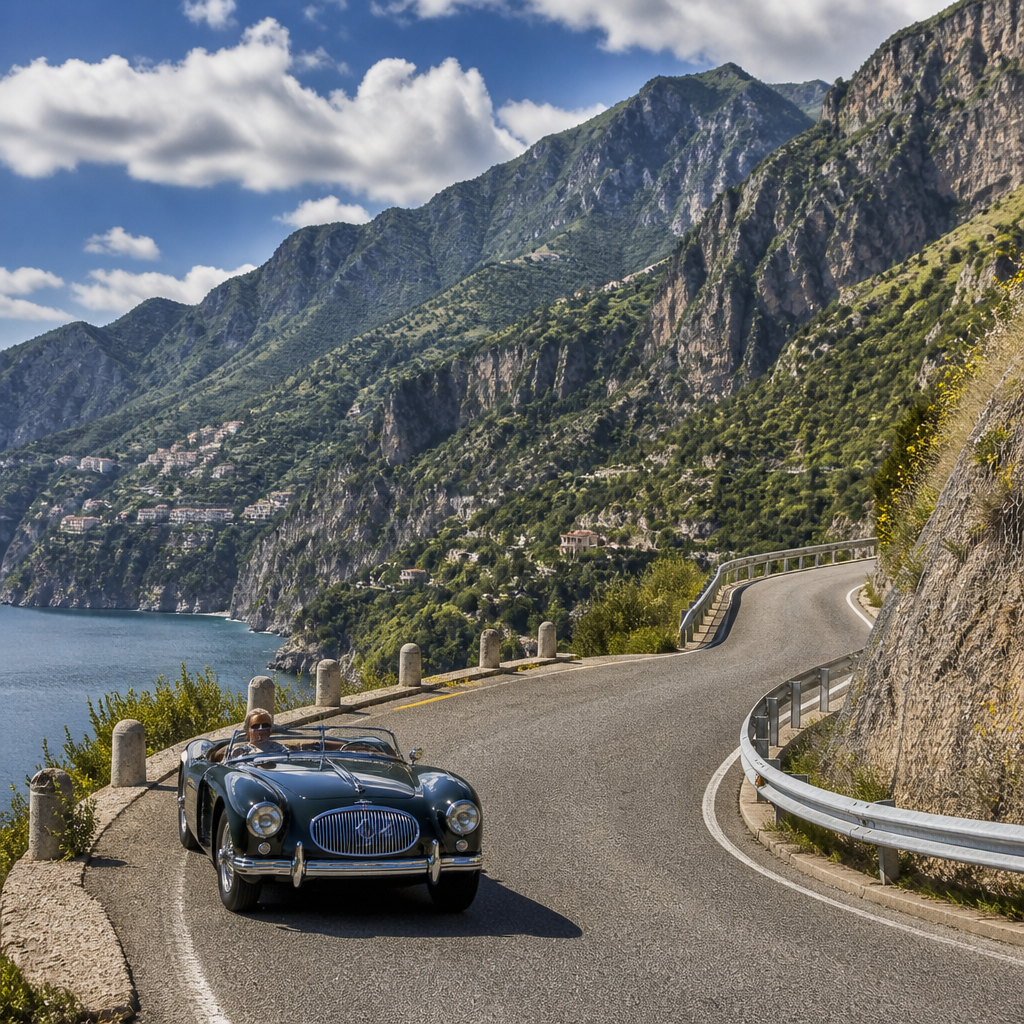
Italy is unmatched for emotional appeal. The Mille Miglia route through Brescia, Rome, and northern hill towns delivers a living connection to endurance racing history, while Emilia-Romagna offers concentrated visits to Modena, Maranello, and smaller coachbuilding centers. A 1960s Alfa Romeo Giulia or Lancia Fulvia feels perfectly scaled to these roads. France excels in variety: Route Napoléon, Dordogne back roads, and Champagne villages reward lower-speed touring, and events such as Le Mans Classic anchor the calendar. Germany offers autobahn heritage, factory museums in Stuttgart and Munich, and technical confidence thanks to rigorous workshop standards. Switzerland and Austria suit precise, mechanically healthy cars that can handle sustained climbing without cooling drama.
The United Kingdom deserves special attention because it supports both travel and maintenance. The Cotswolds, Yorkshire Dales, Scottish Borders, and Welsh mountain roads are ideal for compact sports cars and grand tourers, while events such as the Goodwood Revival and Silverstone Festival make the destination social as well as scenic. What makes Europe strongest, however, is not only romance. It is predictability. Road surfaces are generally good, signage is clear, distances between fuel stops are manageable, and enclosed parking is more common than many first-time travelers expect. For anyone building a first international classic car trip, continental Europe is usually the safest place to start and the easiest place to enjoy.
North America: scale, scenery, and event-driven road trips
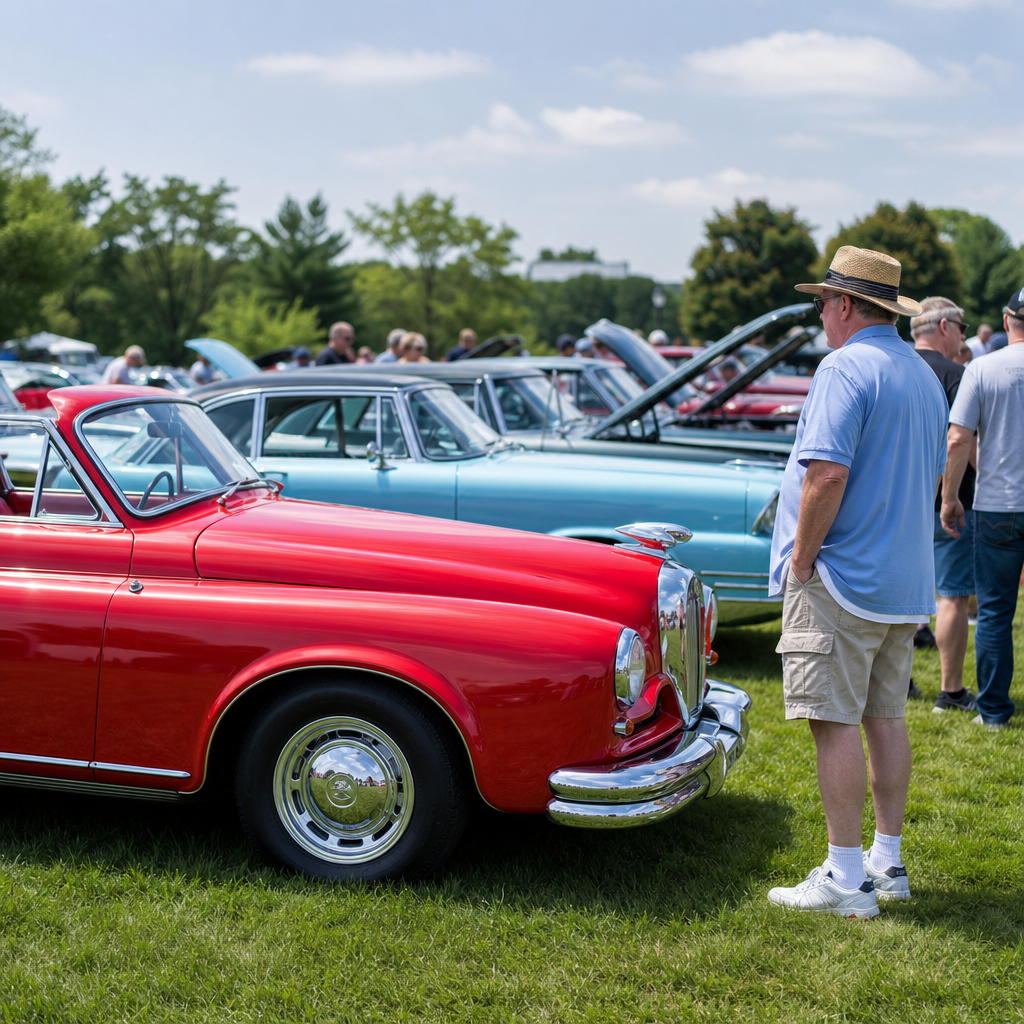
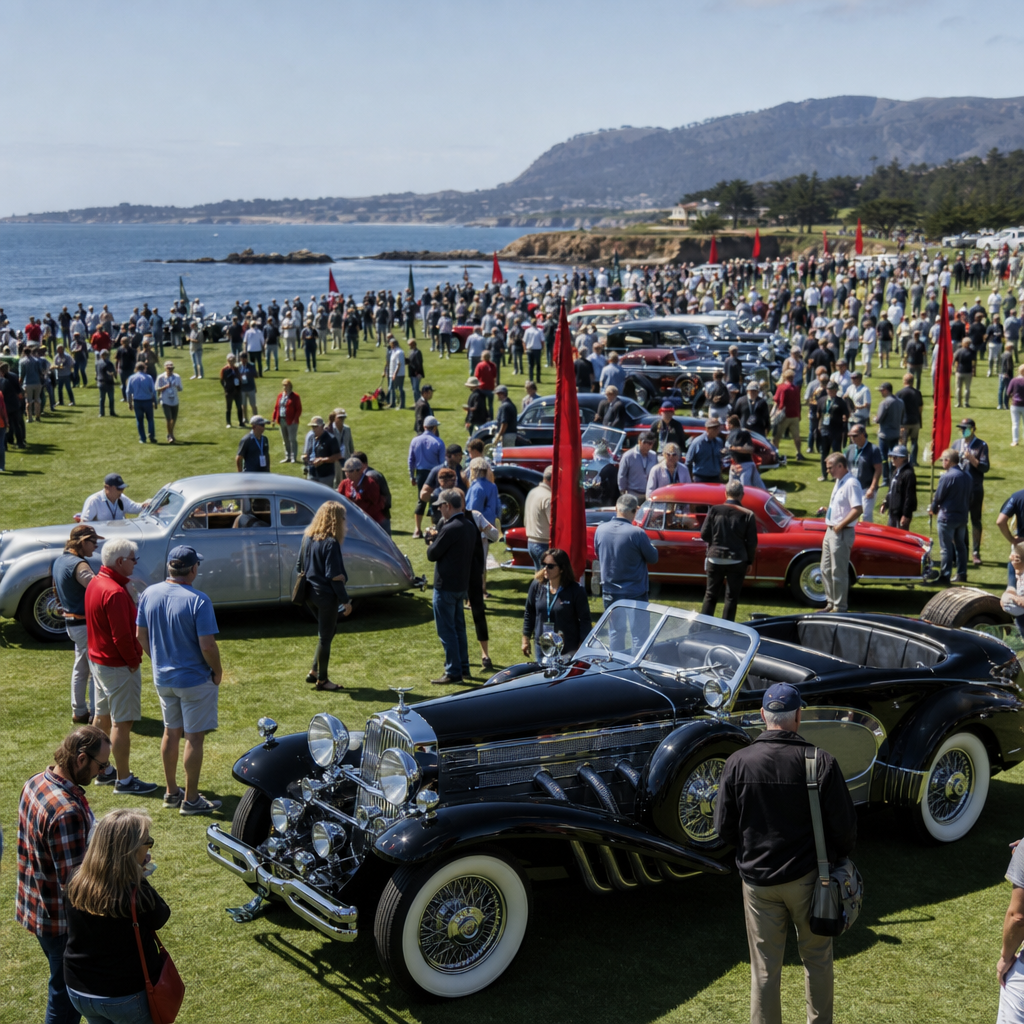
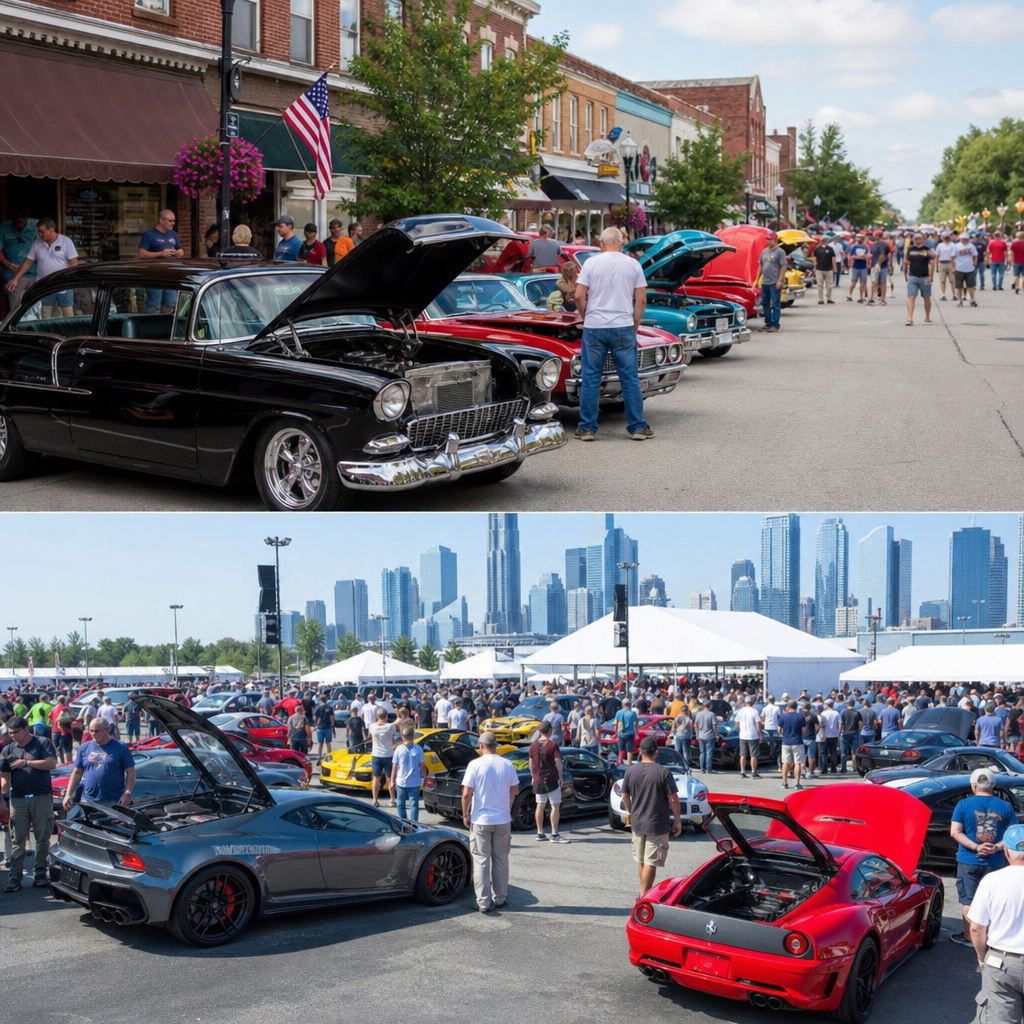
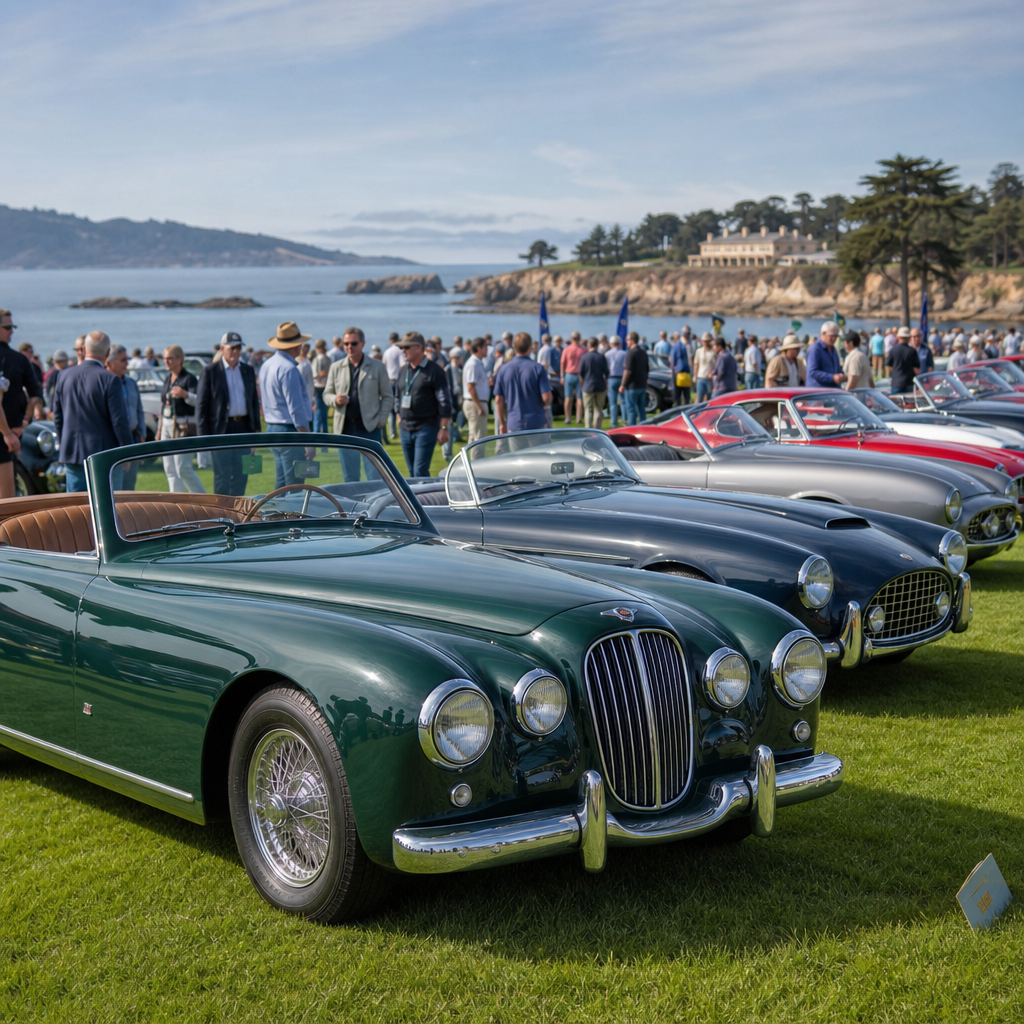
North America offers a different classic car travel experience: bigger distances, more dramatic shifts in climate, and an event culture that can shape an entire itinerary. In the United States, Monterey Car Week in California is the obvious pilgrimage point, but the surrounding roads matter almost as much as Pebble Beach itself. Seventeen-Mile Drive, stretches of Highway 1, and inland wine-country routes suit comfortable classics with good cooling and stable highway manners. The Blue Ridge Parkway, especially in spring and early autumn, rewards drivers who prefer flowing scenery to maximum speed. New England’s coastal towns and inland foliage roads are especially well suited to 1950s and 1960s convertibles.
Canada is underrated for classic car touring. Southern British Columbia offers mountain and vineyard roads with less congestion than famous U.S. alternatives, while Ontario and Quebec combine lakeside routes with active concours and club scenes. The challenge across North America is distance. What appears close on a map may involve sustained highway speeds, strong heat, and sparse services. For a carbureted V8 or an older straight-six, that means watching vapor lock risk, ignition heat soak, and fuel consumption more carefully than you would in Europe. Trucks and high-speed interstate traffic can also make underpowered classics feel vulnerable, particularly if they have small mirrors or marginal drum brakes.
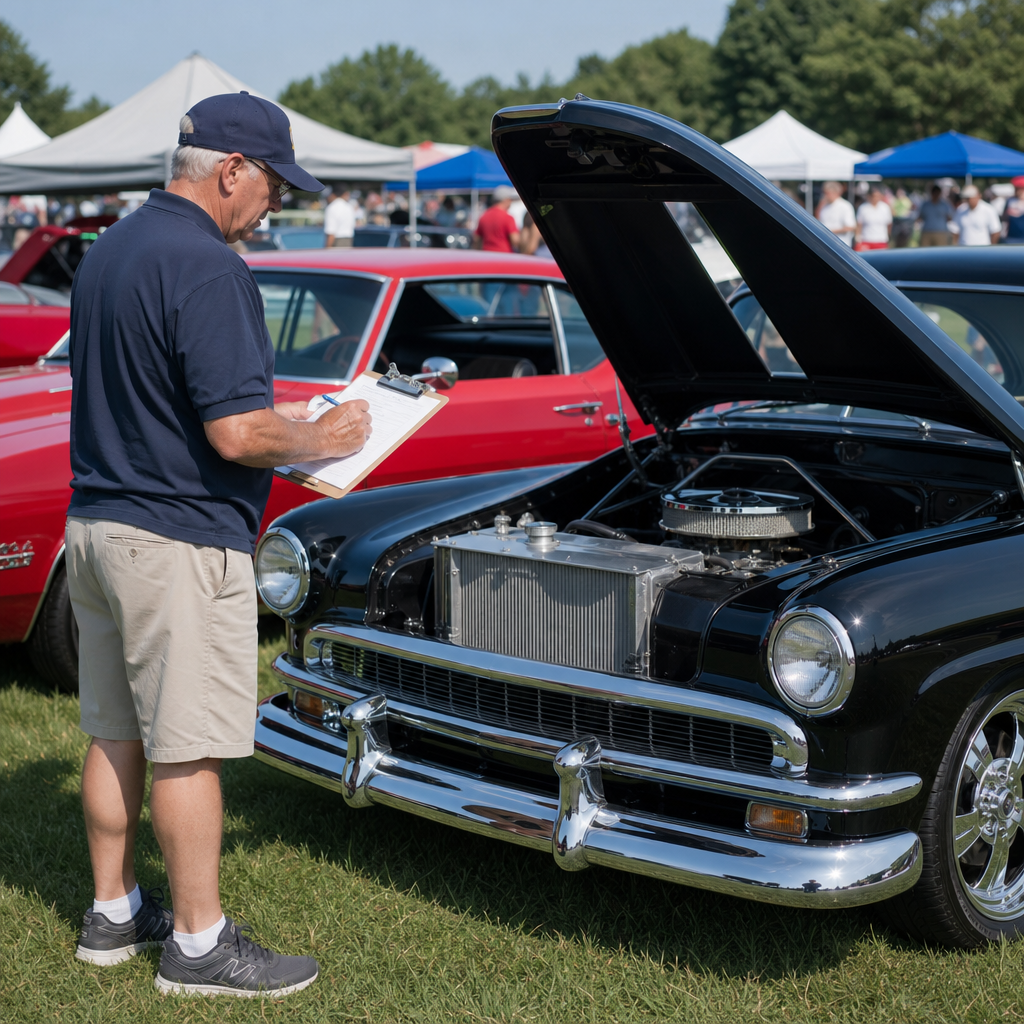
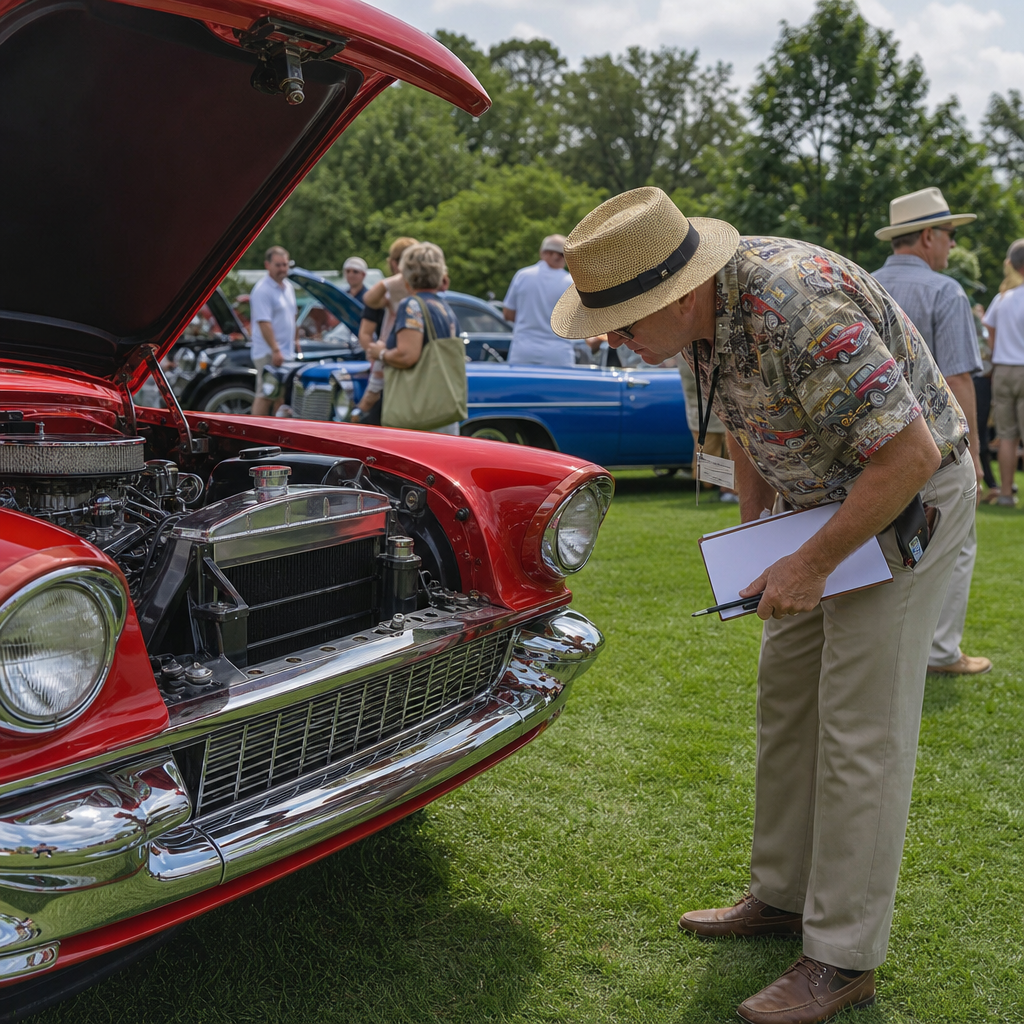
Mexico can be rewarding, especially in colonial central regions with strong cultural depth, but it requires more selective route planning, stronger language preparation, and tighter security judgment about parking and overnight stops. In practice, North America works best when travelers build around famous events, then add manageable scenic loops. A week centered on Monterey, Hershey, Amelia, or a major marque gathering creates a support network of fellow enthusiasts, parts vendors, and technicians. That network matters. If a water pump fails at a large gathering, someone nearby often knows the right specialist. On open interstate miles far from an event, self-sufficiency matters much more than nostalgia.
Japan, Australia, and New Zealand: disciplined roads and distinct car culture
Japan is one of the most intellectually rewarding destinations for classic car travel because its enthusiast culture is deeply respectful, detail-oriented, and technically literate. Touring routes in Hakone, the Izu Peninsula, and parts of Nagano combine mountain scenery with excellent road discipline. For owners of classic Japanese models such as the Datsun 240Z, Toyota 2000GT, Hakosuka Skyline, or Mazda Cosmo, the cultural resonance is obvious, but Japan also warmly supports European classics. Museums, tuning houses, and historic circuits like Suzuka add depth. The main constraints are urban density, toll costs, strict parking norms, and the need to understand local rules before entering city centers in an older left-hand-drive car.
Australia delivers some of the world’s best long-format touring for robust classics. Victoria’s Great Ocean Road is spectacular, Tasmania has a disproportionately strong enthusiast scene, and rural New South Wales offers rewarding secondary roads. Because distances can be large and temperatures extreme, preparation is less forgiving than the scenery suggests. Cooling systems, tires, and charging circuits need to be sorted before departure. New Zealand, by contrast, provides smaller scale, lighter traffic, and consistently beautiful terrain. South Island routes in particular suit analog driving: balanced corner sequences, photogenic stops, and enough infrastructure to keep an older car comfortable without turning the trip into a reliability trial.
These destinations stand out because the roads are orderly and the local communities usually appreciate specialist machinery. They are not always the easiest places to ship a car economically, but they reward travelers who want more than postcard scenery. Japan offers heritage and craftsmanship, Australia offers epic touring and event culture, and New Zealand offers perhaps the purest scenic driving-per-mile ratio available. For many enthusiasts, these countries become second-trip destinations after Europe because they require more planning but provide stronger contrast. If the goal is to understand classic car culture as a global language rather than a regional hobby, this part of the world is indispensable.
What makes a destination truly classic-car friendly
A classic-car-friendly destination is not simply beautiful. It supports the mechanical and practical needs of an older vehicle while preserving the pleasures that made the car worth bringing. Over years of planning trips, I have found that enthusiasts consistently evaluate destinations across the same set of criteria.
| Factor | Why it matters for classic car travel | Best examples |
|---|---|---|
| Fuel quality | Older engines may require higher octane or lower ethanol content to avoid knock, hose degradation, and starting issues. | Germany, Switzerland, UK |
| Workshop access | Specialists reduce downtime by understanding carburetors, points ignition, SU pumps, Weber tuning, and period electrical systems. | Italy, UK, California |
| Road character | Older cars shine on moderate-speed roads with visibility and rhythm, not dense expressways or stop-start urban traffic. | Scotland, Tuscany, South Island NZ |
| Secure parking | Covered or monitored parking protects trim, paint, luggage, and soft tops during multi-day trips. | Switzerland, Austria, Japan |
| Climate fit | Heat, humidity, and altitude directly affect cooling, fuel delivery, and driver fatigue. | Spring France, autumn New England |
| Heritage value | Museums, circuits, rallies, and factory sites turn a drive into a cultural experience. | Modena, Le Mans, Monterey |
The strongest destinations score well across most of these categories, not just one. A gorgeous mountain route loses value if fuel is poor and the nearest competent mechanic is three hundred kilometers away. Likewise, a major concours city may feel disappointing if the roads around it are congested or heavily policed in ways that discourage relaxed touring. The ideal destination balances usability and meaning. It lets you drive the car as intended, learn something about automotive history, and end each day with confidence that the car will start again tomorrow.
Matching the destination to the car and the season
Not every classic belongs on every route. Matching the destination to the vehicle is the difference between a memorable tour and a recovery exercise. Prewar cars generally favor lower average speeds, shorter daily mileage, and destinations with forgiving gradients and easy service access. A 1930s tourer may be happier in rural France or the English countryside than on hot, high Alpine passes. Small-displacement postwar saloons and roadsters thrive on B-roads, coastal routes, and rolling wine regions where 45 to 60 mph feels natural. By contrast, a 1980s Mercedes SL, Porsche 928, or Jaguar XJ-S can absorb longer motorway links and hotter climates with less strain.
Season is just as important. Spring and early autumn are usually ideal because ambient temperatures reduce cooling stress, tourist traffic is lighter, and hotel rates are often better. Summer can be magnificent in the Alps or Scandinavia, but congested in Italy and punishing for convertibles in southern Spain or inland California. Winter touring works only selectively unless the car has excellent heating, demisting, and wet-weather tires. Even then, salt exposure can be a decisive reason to avoid it. Owners focused on preservation should think beyond weather comfort and consider corrosion risk, fuel volatility, and the effect of sustained altitude on carburetion and ignition timing.
The smartest classic car travelers plan around the car’s character rather than forcing the car into a fashionable itinerary. A lightweight Lotus Elan wants technical roads and modest luggage. A W113 Pagoda excels on refined scenic touring with comfortable overnight stops. An air-cooled 911 can handle mountain work brilliantly if the engine is sorted, but a marginal oil leak becomes a bigger problem after repeated high-load climbs. When travelers choose a destination that flatters the car’s strengths, fatigue drops, breakdown risk falls, and the journey feels historically coherent rather than merely ambitious.
How to plan an international classic car trip without avoidable problems
Successful classic car travel depends on disciplined preparation. Start with a pre-trip mechanical baseline: compression, fluids, belts, hoses, brake inspection, wheel bearings, charging output, tire age, and cooling-system pressure test. If the car has points ignition, carry points, condenser, coil, cap, rotor, and a timing light or at least a static timing method you know how to use. For fuel-injected classics, bring relays, fuses, and the common failure sensors for your model. I also recommend documenting part numbers in both paper and digital form; local suppliers can help faster when they can cross-reference exact components rather than general descriptions.
Next, build the route around the car’s realistic range and daily stamina. Many older fuel gauges are optimistic, and many seats become tiring after four hours even when the engine feels strong. Book lodging with confirmed secure parking, verify whether low-emission zones affect older vehicles, and check insurance wording for cross-border use, repatriation, and agreed value. If shipping the car, use a carrier experienced with non-running clearance issues, low ground clearance, and soft straps. At borders, carry title or registration documents, passport copies, proof of insurance, and if necessary an international driving permit or carnet paperwork.
Finally, leave margin in the schedule. The best classic car trips are not optimized to the minute. They allow time for weather detours, roadside conversations, unplanned workshop visits, and the small rituals that make vintage travel distinctive: checking oil at breakfast, retightening a mirror, adjusting idle after an altitude change, or stopping because another enthusiast waves you into a layby to admire the car. International classic car travel destinations are most rewarding when planned with precision but experienced with patience. Choose the right region, respect the limits of the machine, and use this hub to shape your next route through the wider world of classic car culture.
International classic car travel is best when destination, vehicle, season, and support network align. Europe leads for infrastructure and heritage, North America excels in scale and event-centered touring, and Japan, Australia, and New Zealand provide distinctive culture with disciplined roads. The best destinations are not merely scenic; they offer good fuel, specialist workshops, secure parking, manageable traffic, and meaningful automotive landmarks. Just as important, the route must fit the car. A prewar tourer, 1960s roadster, and 1980s GT each ask for different daily distances, climates, and road types.
If you treat this page as your hub for classic car travel, start by narrowing your next trip through three questions: what does your car do well, what conditions does it tolerate, and what kind of motoring story do you want to experience? Answer those honestly, and destination choice becomes much clearer. From Alpine passes to Monterey, from Hakone to the Cotswolds, the right journey turns ownership into lived culture rather than storage and speculation. Use these principles to plan your route, protect your car, and explore the broader world of classic car culture and lifestyle with confidence.
Frequently Asked Questions
What makes a destination ideal for international classic car travel?
An ideal international classic car travel destination does more than offer pretty scenery. For a true enthusiast, the best places combine enjoyable roads, strong automotive culture, dependable infrastructure, and enough practical support to make touring in an older vehicle realistic rather than stressful. Scenic mountain passes, coastal highways, and rural backroads matter, but so do fuel quality, traffic conditions, workshop availability, and secure overnight parking. In classic car travel, the route and the support network are just as important as the final destination.
Automotive heritage also plays a major role. Destinations with transport museums, historic circuits, factory tours, concours events, hill climbs, vintage rallies, or well-known motoring landmarks create a richer experience because the trip connects driving with history. Enthusiasts often want to visit places where the local culture understands older cars, whether that means villages used to seeing vintage touring groups or cities that host established collector events. A welcoming environment can make border crossings, parking, and local logistics much easier.
From a practical standpoint, the best international classic car destinations are those where an owner can confidently plan daily mileage, anticipate repair options, find premium fuel, and book lodging that accommodates a valuable vehicle. Countries and regions with specialist garages, active local clubs, and event calendars geared toward historic motoring tend to be the strongest choices. In short, the ideal destination balances romance and reliability: beautiful roads, meaningful motoring history, and enough real-world support to keep the car at the center of the journey.
Which international destinations are especially popular with classic car enthusiasts?
Several destinations consistently stand out because they offer the right mix of road quality, car culture, and heritage. The United Kingdom remains a favorite for vintage British motoring thanks to its deep automotive history, dense concentration of museums and marque specialists, and memorable routes through the Cotswolds, Yorkshire, Wales, and Scotland. For owners of British roadsters, touring the UK has a special appeal because the setting, engineering heritage, and enthusiast network all feel naturally connected to the car itself.
Italy is another top destination, particularly for drivers who want a blend of dramatic scenery and automotive prestige. The roads around Emilia-Romagna, Tuscany, Lake Como, and the Dolomites are legendary, and the country offers access to museums, historic race venues, coachbuilding history, and internationally respected concours events. France is equally compelling, especially for grand touring. Regions such as Provence, the Loire Valley, Normandy, and the French Alps combine excellent roads with strong touring infrastructure, memorable food culture, and a long tradition of historic motoring events.
Germany, Switzerland, and Austria are often chosen by drivers who value road discipline, mountain driving, and proximity to multiple countries in a single trip. Meanwhile, Spain and Portugal offer attractive shoulder-season touring thanks to favorable weather, less congested rural routes, and increasingly sophisticated classic car event scenes. Beyond Europe, select areas in New Zealand, Japan, and parts of the United States can also be rewarding for international classic car travelers, especially when the trip is built around a specific event or heritage route. The best destination ultimately depends on the car, the owner’s tolerance for complexity, and whether the goal is relaxed scenic touring, event-focused travel, or historically themed motoring exploration.
How should I prepare a classic car for an international road trip?
Preparation should begin long before departure, and it should be more rigorous than a normal weekend inspection. A classic car heading abroad needs to be treated as a touring machine, not just a showpiece. Start with a thorough mechanical baseline: ignition, cooling, charging system, fuel delivery, brakes, suspension, wheel bearings, tires, hoses, belts, fluids, and lights should all be checked carefully. Any component that is merely “probably fine” at home deserves more scrutiny when the trip involves mountains, heat, traffic, border crossings, and long distances between familiar repair shops.
It is also wise to tailor preparation to the specific route and vehicle type. Vintage British roadsters, for example, may need close attention to electrical connections, carburetion, cooling efficiency, spare fuses, and weather sealing. Cars with older braking systems or marginal charging capacity should not be asked to handle demanding alpine routes without upgrades or at least preventive servicing. Owners should carry an organized kit that includes tools, consumables, spare bulbs, ignition parts, belts, hoses, fluids, tire repair items, and any model-specific components that might be difficult to source abroad. If the car requires unusual fuel additives, oils, or hardware, bring them.
Documentation matters just as much as mechanics. Carry registration, insurance documents, roadside assistance details, passport copies, and any permits required for local low-emission zones or cross-border travel. It is also sensible to keep a printed list of specialist garages and parts suppliers along the route, along with club contacts in each region. A short test tour before the main trip is invaluable because it exposes heat issues, electrical faults, luggage problems, and comfort limitations while there is still time to fix them. The most successful international classic car tours are usually the result of calm, methodical preparation rather than last-minute enthusiasm.
What practical challenges should I expect when touring internationally in a classic car?
The biggest practical challenges usually involve reliability, logistics, and local regulations. Even a well-prepared classic car can behave differently when exposed to unfamiliar climates, modern traffic patterns, steep grades, and sustained mileage. Heat soak, vapor lock, charging issues, brake fade, hard starting, and cooling problems become more likely when an older car is driven in ways it may not regularly experience at home. For that reason, a realistic daily schedule is essential. Classic touring works best when the itinerary leaves room for slower cruising, scenic stops, minor adjustments, and the occasional unscheduled repair.
Navigation and access can also be more complicated than drivers expect. Many historic city centers have restricted traffic zones, limited parking, or emission-related access rules that require advance planning. Fuel quality may vary by country, and some classics are happier with premium fuel or specific octane levels. Secure lodging is another major concern. The ideal hotel for a classic car traveler is not just charming; it has safe parking, easy entry and exit, and staff accustomed to special vehicle requests. In some regions, covered parking or private courtyard storage is worth prioritizing over luxury amenities.
Language differences, payment systems, toll roads, and recovery arrangements can add another layer of complexity. If the car breaks down, the nearest generic repair shop may not understand older carbureted or ignition-based systems, so knowing where marque specialists are located can save time and prevent poor repairs. Weather is another underestimated factor, especially for convertibles and older cars with limited insulation or wiper performance. International classic car touring is deeply rewarding, but it favors travelers who accept that flexibility, redundancy, and patience are part of the experience. The key is to plan enough that surprises stay manageable without overplanning the joy out of the drive.
Is it better to build a trip around scenic driving routes, car events, or automotive heritage sites?
The strongest classic car trips usually combine all three, but the right emphasis depends on what kind of experience you want. Scenic routes deliver the most direct enjoyment of the car itself. They let you experience the steering feel, engine character, open-air motoring, and rhythm of an older vehicle in the kind of landscape that makes the trip memorable. If your classic is the centerpiece of the journey, route quality should never be an afterthought. A destination can have famous museums and prestigious events, but if the driving between them is frustrating, congested, or mechanically punishing, the trip may not feel satisfying from behind the wheel.
Car events, on the other hand, provide structure and a sense of occasion. Concours gatherings, historic races, rallies, and owner-club meetings bring together like-minded enthusiasts, offer access to rare cars, and often include premium parking, local support, and route recommendations. If you are traveling internationally with a notable car or simply want to connect with the wider community, building your itinerary around a respected event can be an excellent decision. It also creates natural opportunities to meet local owners who understand road conditions, fuel concerns, workshops, and region-specific touring advice.
Automotive heritage sites add context and depth. Museums, historic factories, famous passes, old race circuits, and coachbuilding centers turn a pleasant drive into a layered motoring experience. For many enthusiasts, visiting these landmarks is what makes an international tour feel truly special rather than just scenic. The most rewarding itineraries usually start with a great driving region, anchor the schedule with one or two key events or heritage stops, and leave enough flexibility for spontaneous discoveries. That balance keeps the trip immersive, practical, and true to the spirit of classic car travel, where the machine, the road, and the history all matter together.