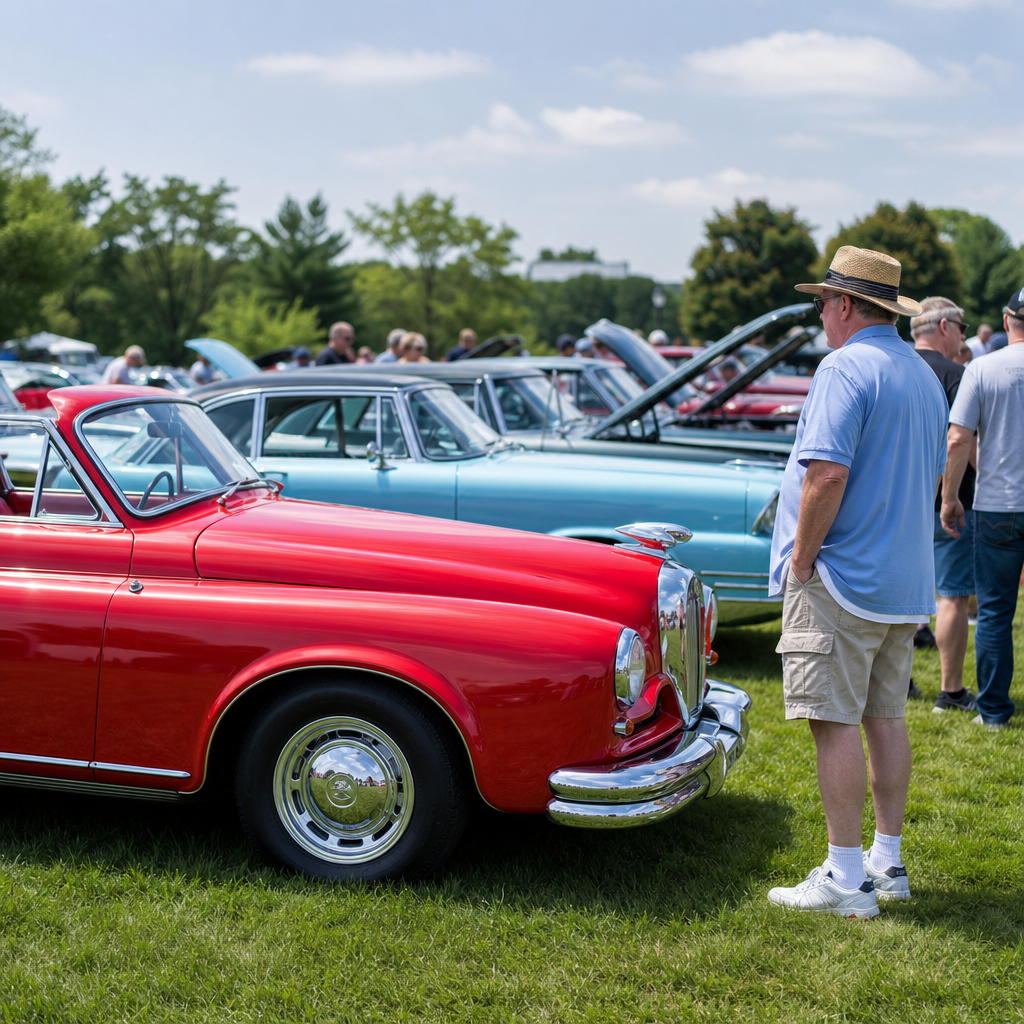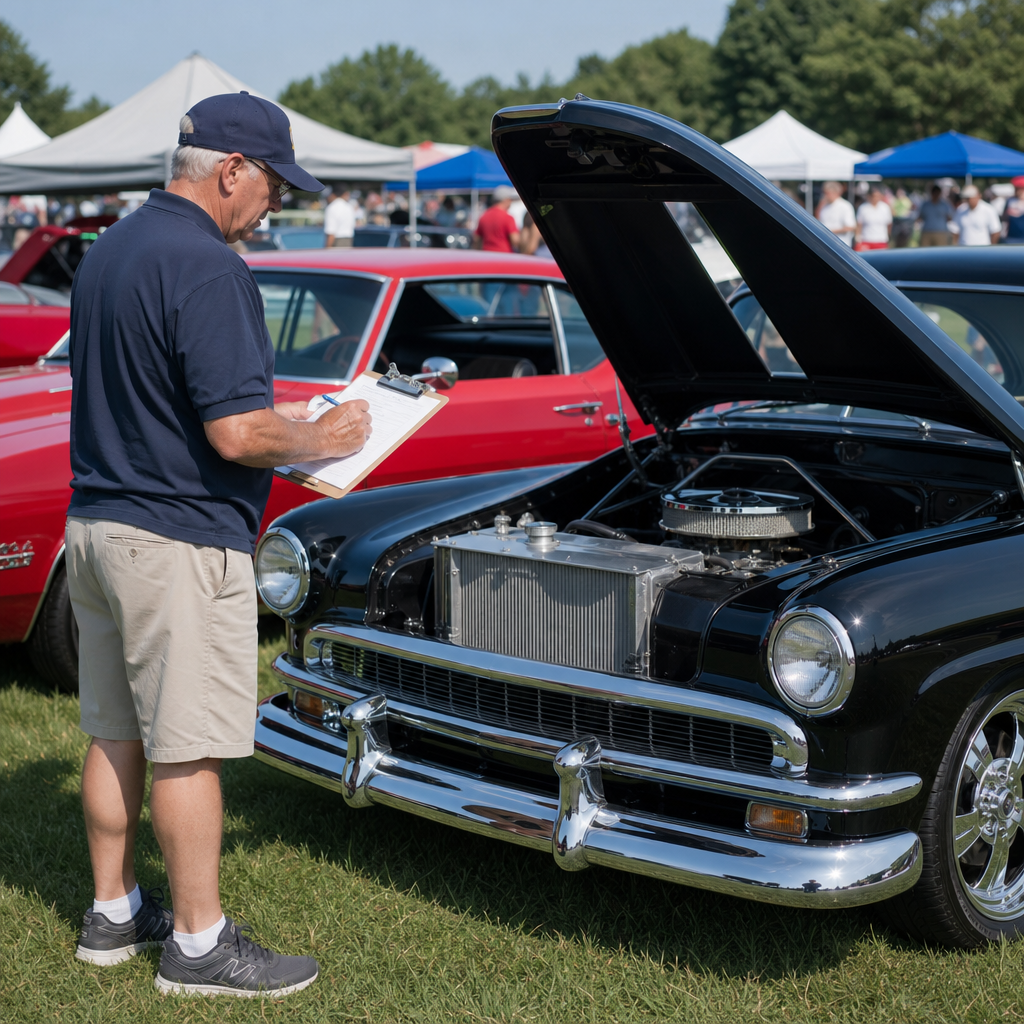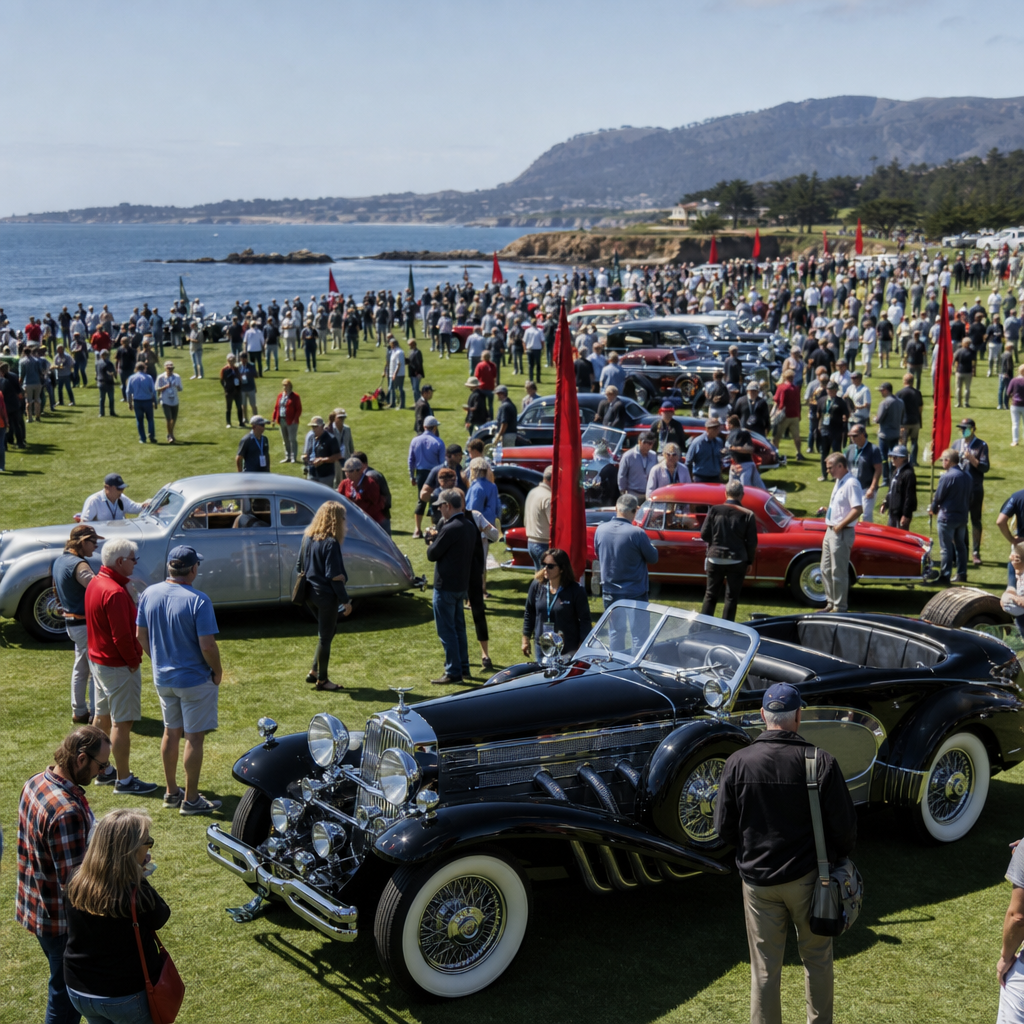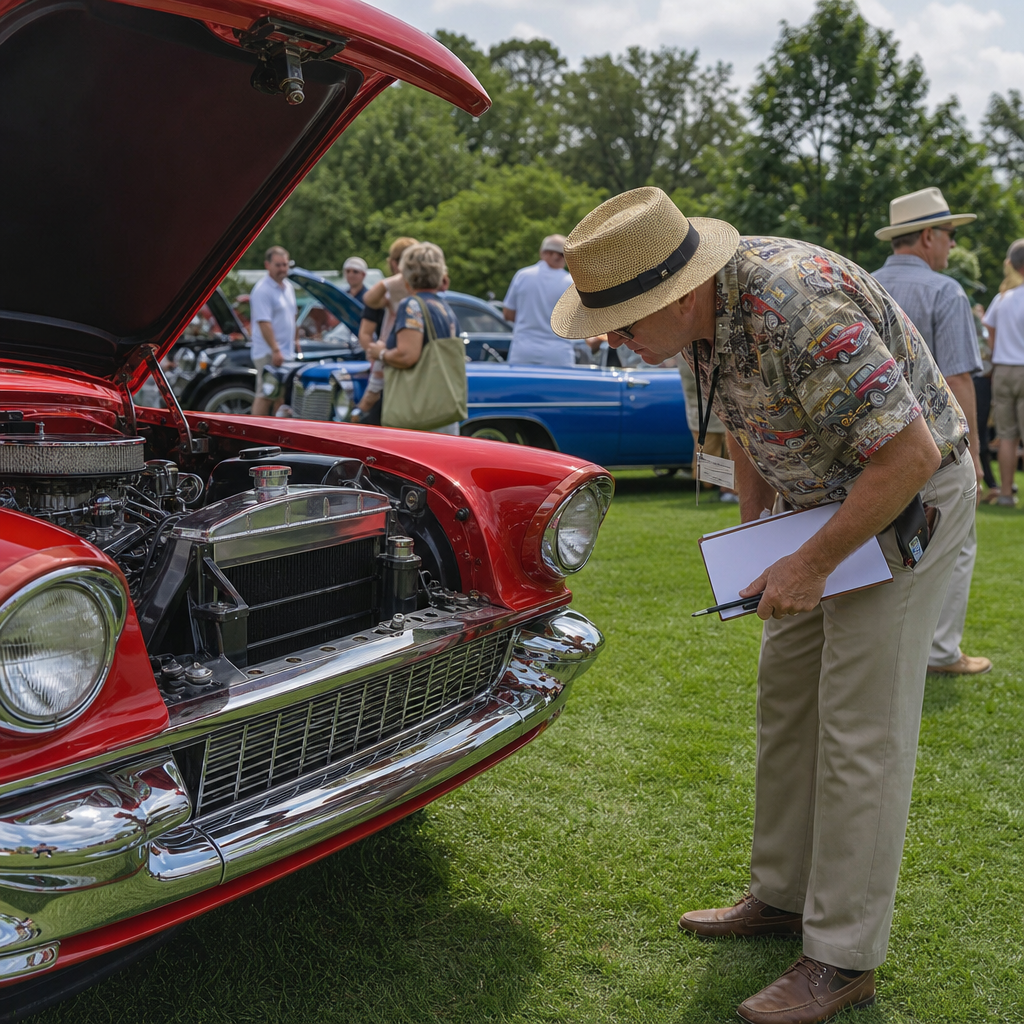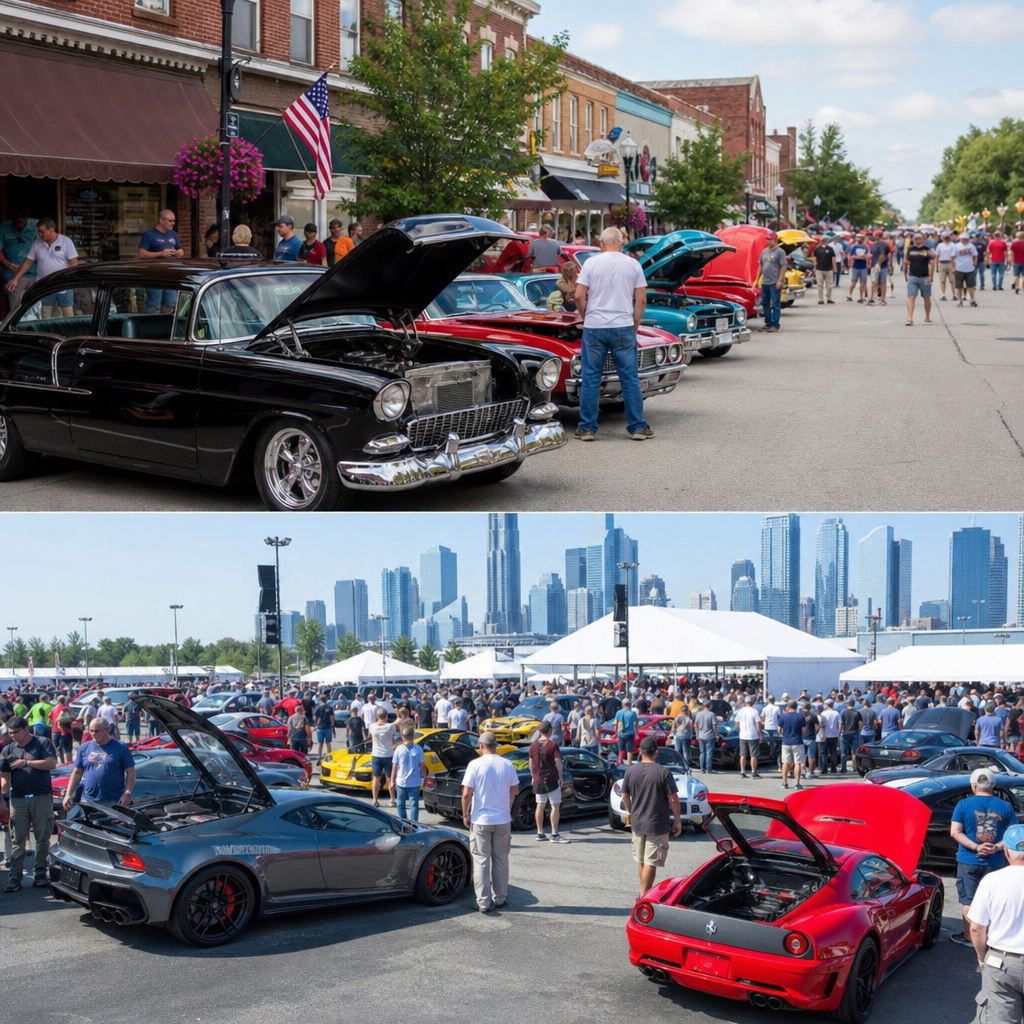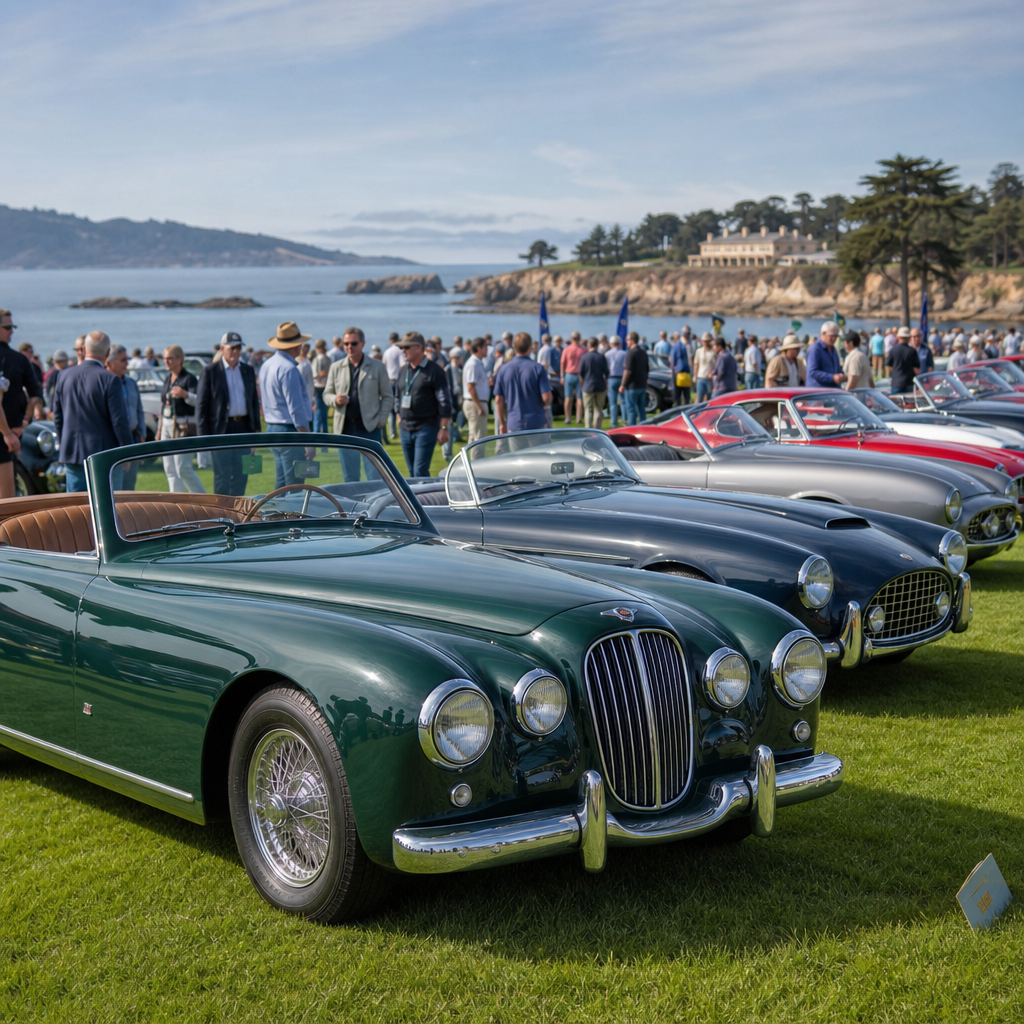
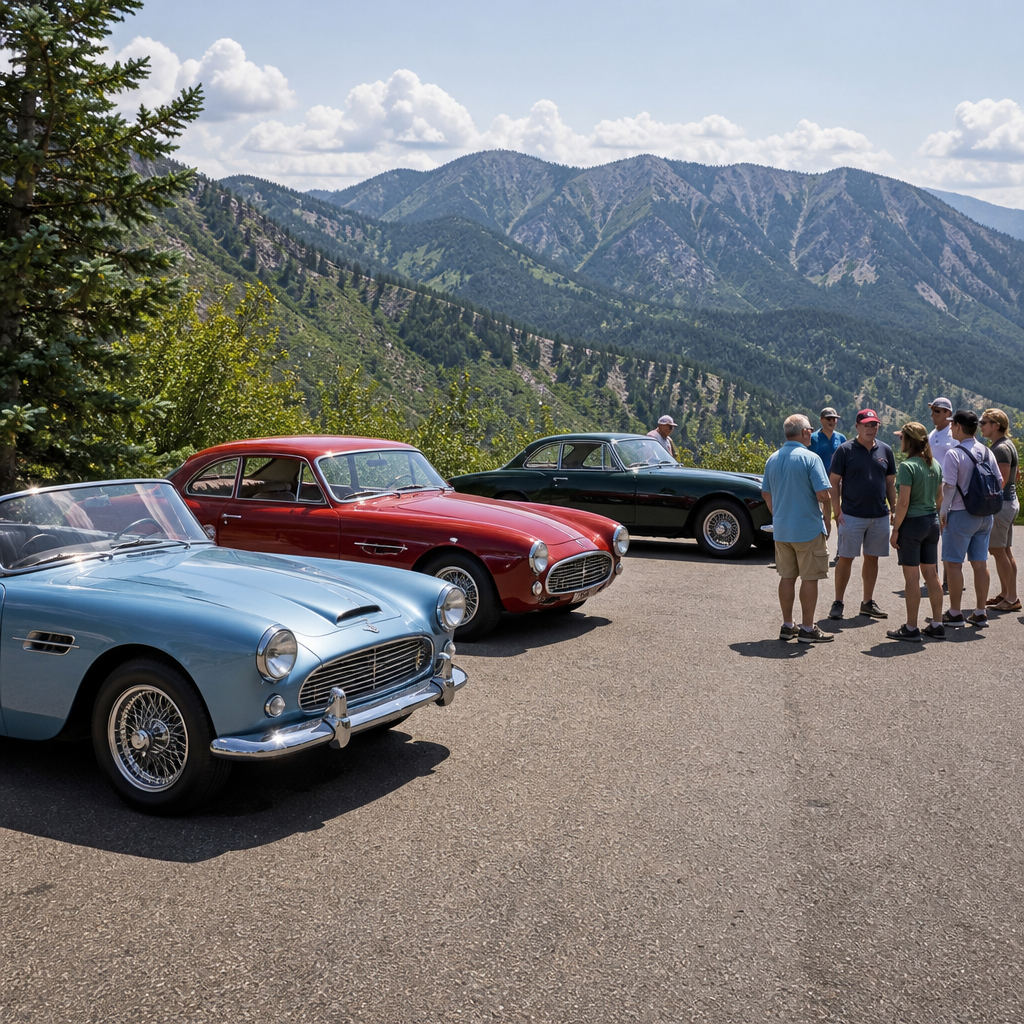
Classic car travel communities and groups turn solitary driving into a shared lifestyle built around old machines, open roads, and practical mutual support. In this subtopic, classic car travel means using vintage or collector vehicles for touring, rallies, weekend road trips, scenic drives, destination events, and cross-country journeys rather than limiting them to static shows. Communities include formal car clubs, marque registries, regional touring associations, online forums, social media groups, event organizers, and informal convoys of owners who help each other plan routes, find parts, and solve breakdowns. The subject matters because classic travel is different from modern motoring in every important way: fuel range can be shorter, cooling systems run closer to their limits, parts availability varies by region, and driver comfort depends on period design rather than current expectations. I have traveled with vintage British roadsters, American coupes, and carbureted German sedans, and one lesson always repeats itself: the group you travel with often matters as much as the car itself.
Strong communities make classic car travel safer, more affordable, and more enjoyable. A well-run club can point members to trusted mechanics, verified reproduction suppliers, route books, roadside assistance options, and lodging that understands secure trailer parking or overnight garage requests. A travel group also protects the authenticity of the experience without romanticizing the hard parts. Members compare tire compounds, discuss ethanol-compatible fuel hoses, share weather workarounds, and explain whether a mountain route is realistic for drum brakes and a non-overdrive gearbox. For newcomers, these groups reduce the barrier to entry by translating enthusiasm into a repeatable process: choose the right event, prepare the car, pack sensible spares, know your pace, and travel with people who understand vintage limitations. As a hub within classic car culture and lifestyle, this guide explains how travel communities work, what kinds exist, how to choose one, and how they support better trips from first local drives to ambitious touring adventures.
What Classic Car Travel Communities Actually Do
At the simplest level, classic car travel communities organize movement. They create reasons to drive, then reduce the friction that keeps old cars parked. That usually starts with calendars: breakfast meets that turn into Sunday loops, regional tours built around wineries or historic downtowns, multi-day rallies, reliability runs, and destination caravans to major concours or racing weekends. Behind those social events is a practical operating system. Organizers scout roads with manageable traffic, fuel access, and shoulder space. They identify choke points where overheating is likely, mark rest stops near parts stores, and distribute route instructions in both printed and digital formats because not every member trusts phone navigation in rural areas.
Good groups also act as knowledge networks. An owner preparing a 1966 Mustang for a 500-mile trip may need advice on alternator output, fan shrouds, vapor lock prevention, and lead time for wheel bearing replacement. In a healthy community, that owner gets answers from people who have already done the trip in summer heat. In practice, this is far more useful than generic automotive advice because the recommendations account for age, originality, and period quirks. A club centered on air-cooled Porsches, for example, will discuss head temperature management and valve adjustment intervals differently than a group built around postwar American V8 cruisers.
Another core function is standards setting. Experienced groups normalize pre-trip inspections, radio protocols, convoy spacing, emergency contacts, and realistic speed expectations. They discourage unsafe behavior such as tailgating in caravans, overdriving bias-ply tires, or treating public roads like timed stages. That cultural discipline matters. A scenic classic tour works because participants understand that preservation, mechanical sympathy, and shared courtesy come before performance. When communities get this right, they create confidence for novices and consistency for veterans.
Types of Groups: Clubs, Registries, Touring Networks, and Digital Communities
Not all classic car travel groups serve the same purpose. Local clubs are often the best entry point because they convert online interest into real driving. These groups usually organize monthly meets, technical sessions, and short regional tours. They are ideal for owners who want nearby relationships, shop recommendations, and low-stakes first trips. Marque clubs, such as organizations focused on MG, Jaguar, Mercedes-Benz, Corvette, or early Ford models, go deeper on model-specific travel preparation. Their forums and newsletters often include maintenance bulletins, interchange references, and event calendars tailored to the mechanical realities of those cars.
National touring organizations operate differently. Instead of concentrating on one brand, they focus on the act of travel itself. They may offer route books, hotel blocks, baggage support, chase trucks, and event insurance. This format works especially well for owners who enjoy varied machinery but want structured multi-day experiences. In my experience, these groups are also better at welcoming couples, families, and mixed-skill participants because the emphasis is on the journey, not marque purity. Many successful tours combine prewar, postwar, and 1970s classics by separating pace groups and support plans.
Digital communities fill the gaps between physical events. Forums, Facebook groups, Reddit communities, marque-specific message boards, and WhatsApp or Signal chats enable fast answers during planning and while traveling. A member can post a photo of a failed voltage regulator, ask whether a route through Appalachia is too steep for a small-displacement car, or confirm which stations in a remote county still sell ethanol-free fuel. The best online groups maintain searchable archives, moderation standards, and region tags so information stays useful over time. For hub-level planning, a driver often needs both worlds: a physical club for real trips and an online network for rapid troubleshooting.
How to Choose the Right Community for Your Car and Travel Style
The right classic car travel community matches your vehicle, your tolerance for risk, and the kind of trip you actually want to take. Start by asking whether your car is happiest on back roads, highways, mountain passes, or short scenic loops. A 1930s car with modest brakes and lower sustained cruising speed belongs in a different environment than a fuel-injected grand tourer from the 1980s. Then assess the group’s culture. Some clubs value originality above all else, while others welcome sensible upgrades such as electronic ignition, radial tires, aluminum radiators, or auxiliary electric cooling fans. If your travel goals depend on reliability modifications, choose a group that respects practical preparation rather than policing every deviation from factory specification.
Membership structure matters too. A quality group publishes event details clearly, including route length, expected pace, terrain, weather assumptions, and support availability. Look for evidence of organized leadership: waiver procedures, emergency plans, communication methods, and contingency routes. Ask how the group handles breakdowns. Does it have sweeper cars, trailer support, or a list of local repair partners? Does it brief new members on etiquette and safety? The answers reveal whether the organization is serious about touring or simply assembling cars in a parking lot before hoping for the best.
| Community Type | Best For | Main Strength | Possible Limitation |
|---|---|---|---|
| Local Club | Beginners and nearby weekend drives | Personal relationships and local knowledge | Limited long-distance support |
| Marque Registry | Model-specific owners | Technical depth and parts insight | Narrower social mix |
| National Touring Group | Multi-day trips and destination events | Structured logistics and support vehicles | Higher cost and fixed schedules |
| Online Community | Research and rapid troubleshooting | Fast answers across regions | Advice quality varies |
Finally, verify participation before committing. Attend one meet, join one short drive, and observe how members treat both cars and people. The best travel communities welcome questions, share route experience honestly, and balance enthusiasm with restraint. If the loudest voices mock caution, ignore maintenance realities, or pressure drivers to exceed their comfort level, keep looking. A good fit feels encouraging, competent, and calm.
Benefits Members Gain on the Road
Classic car travel groups create concrete value before, during, and after a trip. Before departure, members gain access to checklists refined by experience: cooling system pressure tests, age checks for belts and tires, torque verification for wire wheels or lug nuts, spare fuel pump recommendations, and known weak points by model year. During travel, the value becomes even more obvious. One member may carry ignition parts, another may have a floor jack that fits low cars, while an organizer tracks timing and confirms hotel arrivals. That distributed preparedness reduces small problems before they become trip-ending failures.
Shared travel also improves decision-making. When weather changes, smoke closes a road, or summer heat pushes temperature gauges upward, experienced groups adjust quickly. They shorten a leg, add a fuel stop, or reroute around congestion that would otherwise punish clutches and cooling systems. On one regional tour I joined, a convoy leader noticed three cars creeping toward overheating in stop-and-go traffic and diverted the group to a shaded riverside stop for thirty minutes. That single call prevented lost coolant, roadside stress, and a cascade of delayed arrivals. The lesson was simple: local judgment beats rigid scheduling.
There are social benefits as well, but in classic car travel they are tied to substance. Friendships form through solving real problems together, not just admiring chrome. Owners swap supplier contacts, machine shop referrals, and hard-won lessons about luggage space, rain sealing, seat comfort, and night lighting. Over time, the community becomes a memory bank. New members inherit routes, repair strategies, and destination knowledge accumulated across decades. That continuity is one of the strongest reasons these groups endure.
Trip Planning, Safety, and Mechanical Support
Successful classic car travel begins with planning that respects age and uncertainty. Communities help members separate cosmetic priorities from travel-critical systems. Paint flaws do not strand a car; cooling, charging, fuel delivery, braking, and tires do. Most strong groups recommend a baseline inspection at least two weeks before departure so owners have time to road-test repairs. That inspection should include hoses, clamps, fluid leaks, battery condition, wheel bearings, brake adjustment, light function, and date codes on tires. The Antique Automobile Club of America and major marque clubs consistently emphasize preventive maintenance because deferred repairs are magnified on long trips.
Route planning is equally specialized. Older cars often prefer secondary roads with steady airflow and moderate speeds over modern interstate traffic. However, avoiding highways entirely can create its own risks if fuel stops are sparse or cell coverage is poor. Good organizers balance road character with service access. They identify premium fuel availability where compression ratios require it, note grades that challenge underpowered cars, and avoid urban bottlenecks that overwork clutches. Paper route books remain useful because they survive dead batteries and weak signal, while modern apps like Google Maps, Waze, and Roadtrippers help with live detours and lodging searches.
Mechanical support is where community quality becomes visible. The strongest touring groups assign lead and sweep vehicles, maintain contact lists, and know when roadside repair is sensible versus when towing is safer. They also encourage each car to carry a tailored spares kit: belts, fuses, bulbs, ignition components, fluids, tools, and model-specific failure items such as SU fuel pump points, generator brushes, or a spare fan relay. Insurance and roadside assistance should be reviewed carefully because collector policies vary in mileage terms, event coverage, and transport limits. Hagerty Drivers Club, AAA, and specialized collector insurers can be useful, but members should confirm flatbed access and long-distance towing details before departure, not during a breakdown.
Events, Etiquette, and How Communities Keep the Lifestyle Growing
Events are the public face of classic car travel communities, and their format shapes who participates. Short day tours attract first-time drivers who are still learning their car’s habits. Multi-day rallies appeal to experienced owners who enjoy route discipline and destination planning. Some events are competitive, using timed checkpoints or navigation scores, while others are purely social. The best communities label that difference clearly. A scenic tour should not surprise members with aggressive pacing, and a rally should not leave novices confused about instructions. Clarity builds retention.
Etiquette keeps mixed groups functioning. Drivers should arrive fueled, briefed, and honest about their car’s condition. Passing plans, rest-stop timing, and photo breaks should be agreed in advance. On the road, staggered spacing is not always appropriate for old cars with variable braking performance, so many experienced leaders prefer generous single-file gaps on narrow or technical routes. Radios help, but they do not replace discipline. If a car develops trouble, the group should avoid crowding it on the shoulder; a sweep car and one designated helper are usually enough. These habits prevent minor issues from becoming dangerous scenes.
Communities also grow the lifestyle by mentoring new owners and broadening participation beyond concours culture. Not everyone wants a trailer queen or museum-level restoration. Many people want an honest, usable classic that starts on Saturday, carries luggage, and reaches a beach town or mountain inn with character intact. Travel-focused groups validate that version of ownership. They encourage preservation through use, support younger members with realistic budgets, and show that a patinated sedan can be just as meaningful on a road trip as a six-figure convertible. If you want to explore classic car travel, join a group that drives regularly, asks smart questions, and treats preparation as part of the pleasure. The road becomes easier, richer, and far more memorable when experience is shared.
Frequently Asked Questions
What are classic car travel communities and groups, and how are they different from regular car clubs?
Classic car travel communities and groups are built specifically around the experience of driving vintage and collector vehicles on real trips, not just owning, restoring, or displaying them. While a traditional car club may focus on shows, judging standards, model history, restoration advice, or monthly meetups, a travel-oriented community puts road use at the center of the experience. Members organize scenic drives, weekend tours, rally-style outings, destination gatherings, multi-day caravans, and even cross-country journeys in older vehicles that require more planning, patience, and cooperation than modern cars.
These groups often combine social connection with practical support. That means members do not just share admiration for a marque or era; they also exchange route recommendations, maintenance tips, spare parts sources, roadside repair knowledge, lodging ideas, fuel-stop strategies, weather planning, and convoy etiquette. In many cases, the real value comes from the collective experience of people who have already learned how to make older cars dependable enough for meaningful travel. That can be especially helpful for newer owners who want to use their vehicle beyond local events but are unsure how to prepare for longer drives.
Another important distinction is mindset. Travel communities tend to encourage use over perfection. A car does not necessarily need to be concours-level to participate. What matters more is mechanical readiness, safety, and the owner’s willingness to enjoy the journey. Some groups are centered on a single make or model, such as MGs, Corvettes, air-cooled Volkswagens, or classic Mercedes sedans, while others are broader and welcome a range of prewar, postwar, or analog-era touring cars. Whether organized through formal clubs, regional associations, online forums, or social media groups, these communities transform classic car ownership from a solitary hobby into a shared, road-based lifestyle.
What are the benefits of joining a classic car travel group if I already enjoy driving alone?
Driving alone in a classic car can be deeply rewarding, but joining a travel group adds layers of support, confidence, and opportunity that are difficult to create by yourself. One of the biggest advantages is access to collective knowledge. Experienced members can help you choose realistic routes, identify roads that are enjoyable rather than stressful, avoid steep grades or heavy traffic when appropriate, and plan stops that match the pace of an older vehicle. They can also advise on common failure points, emergency spares to carry, and pre-trip inspection routines based on real-world experience rather than theory.
There is also a strong safety and reliability benefit. When traveling with others, a minor problem such as vapor lock, an ignition issue, a dead battery, or a cooling-system hiccup becomes far less intimidating. Someone in the group may have the right tool, a spare component, or simply the reassurance needed to troubleshoot calmly at the roadside. Even if no one can fix the problem immediately, having a support network nearby makes breakdowns more manageable and often less expensive. For owners of older cars, that practical backup is one of the main reasons group travel is so appealing.
Socially, these groups turn the journey into part of the destination. Shared breakfasts before departure, conversations at fuel stops, photo breaks on scenic roads, and stories told after a long driving day become memorable in their own right. You also gain access to events, rallies, private tours, and regional meetups you may never find on your own. Many owners discover that communities introduce them to new routes, friendships, and traditions that keep them using their car more often. In short, if solo driving offers freedom, group travel adds camaraderie, accumulated wisdom, and a more sustainable way to enjoy classic motoring over the long term.
How do I choose the right classic car travel community or group for my vehicle and experience level?
The right group depends on both your car and your goals. Start by identifying what kind of travel experience you want. Some communities are highly structured, with planned itineraries, pre-booked hotels, organized support vehicles, and strict departure times. Others are informal and centered on local drives, weekend getaways, and social road trips with flexible pacing. If you are new to classic car touring, a welcoming regional group with shorter day trips may be a better fit than a demanding long-distance rally organization.
Vehicle compatibility matters as well. Marque-specific groups can be extremely valuable because members know the quirks, parts availability, and touring limitations of your exact type of car. That kind of model-specific knowledge can save time and frustration. On the other hand, multi-marque touring groups can be more relaxed and may offer broader social variety, especially if your interest is less about originality and more about driving culture. You should also consider whether the group’s driving style matches your car’s capabilities. A prewar sedan, a 1950s convertible, a 1970s sports car, and an 1980s grand tourer all have very different comfort zones in terms of speed, range, braking, and terrain.
It is wise to look beyond the club name and evaluate the actual culture. Read event descriptions, browse forum discussions, and, if possible, attend a meetup before committing. Good signs include a supportive tone, realistic advice, an emphasis on safety, and openness toward less-than-perfect but well-maintained cars. You may also want to ask whether first-time participants receive guidance on trip preparation, whether beginners are welcome on overnight tours, and how the group handles mechanical delays or route changes. The best community is one that respects the realities of old-car travel while making you feel encouraged, informed, and included.
How should I prepare my classic car for group tours, rallies, and longer road trips?
Preparation starts with a mindset shift: a classic car used for travel must be evaluated as a working machine, not just a cherished object. Before any meaningful trip, begin with a thorough mechanical inspection focused on reliability and safety. That usually includes checking fluids, belts, hoses, tires, wheel bearings, brakes, battery condition, charging output, ignition components, cooling performance, fuel delivery, lights, and any known weak points specific to your make and model. If the car has been mostly used for short local drives, take it on progressively longer test runs before committing to a full tour. Many issues only appear once the car is fully heat-soaked or driven for sustained periods.
You should also carry a sensible travel kit. Common essentials include basic tools, spare fuses, bulbs, belts, ignition parts, fuel hose, clamps, fluids, tire repair supplies, gloves, rags, a flashlight, a battery booster, and printed contact information in case mobile service is weak. The exact list depends on the car, but the goal is not to turn your trunk into a workshop. It is to be prepared for the kinds of minor problems that older cars commonly experience on the road. Documentation matters too. Bring registration, insurance, roadside assistance details, and any club event materials, route maps, or hotel confirmations.
Equally important is planning around the car’s operating character. Know its comfortable cruising speed, fuel range, cooling limits, and tolerance for traffic, altitude, heat, or rough roads. Share any concerns with the group organizer in advance so they understand your car’s needs. In travel communities, experienced organizers usually appreciate honest communication more than overconfidence. Finally, prepare yourself as much as the vehicle. Good classic car travel requires patience, flexibility, and a willingness to adapt. A successful trip is not about forcing a vintage car to behave like a modern one; it is about understanding its needs and working with fellow enthusiasts to make the journey both dependable and enjoyable.
Can online forums and social media groups really help with classic car travel, or are in-person clubs still better?
Both matter, and the strongest classic car travel experiences often come from using them together. Online forums, marque registries, and social media groups are excellent for gathering information quickly. They allow owners to ask route questions, compare notes on reliability upgrades, find recommendations for specialist repair shops, learn what spare parts others carry, and get feedback from people who have completed similar trips in similar cars. For owners in rural areas or those whose local club options are limited, online communities can provide access to a much larger pool of expertise than any single town or region could offer.
Social platforms are especially useful for discovering events, informal meetups, scenic drive announcements, and last-minute caravan opportunities. They also help owners build confidence before showing up in person. Someone who feels intimidated joining a long-established club can often start by participating in online discussions, asking beginner questions, and learning the culture of a group before attending a drive. In that sense, digital spaces lower the barrier to entry and make the hobby more accessible to younger enthusiasts and first-time touring owners.
That said, in-person communities still offer advantages that digital groups cannot fully replace. Roadside assistance from a knowledgeable club member, the trust built over repeated trips, and the practical learning that happens when people inspect each other’s cars face-to-face are invaluable. Real-world group drives also teach pacing, communication, convoy habits, and trip discipline in ways online advice cannot. The most effective approach is not choosing one over the other but combining them. Use online communities for research, planning, and connection, then strengthen those relationships through actual drives, events, and shared miles. In classic car travel, digital networks may open the door, but real roads and real people are what turn