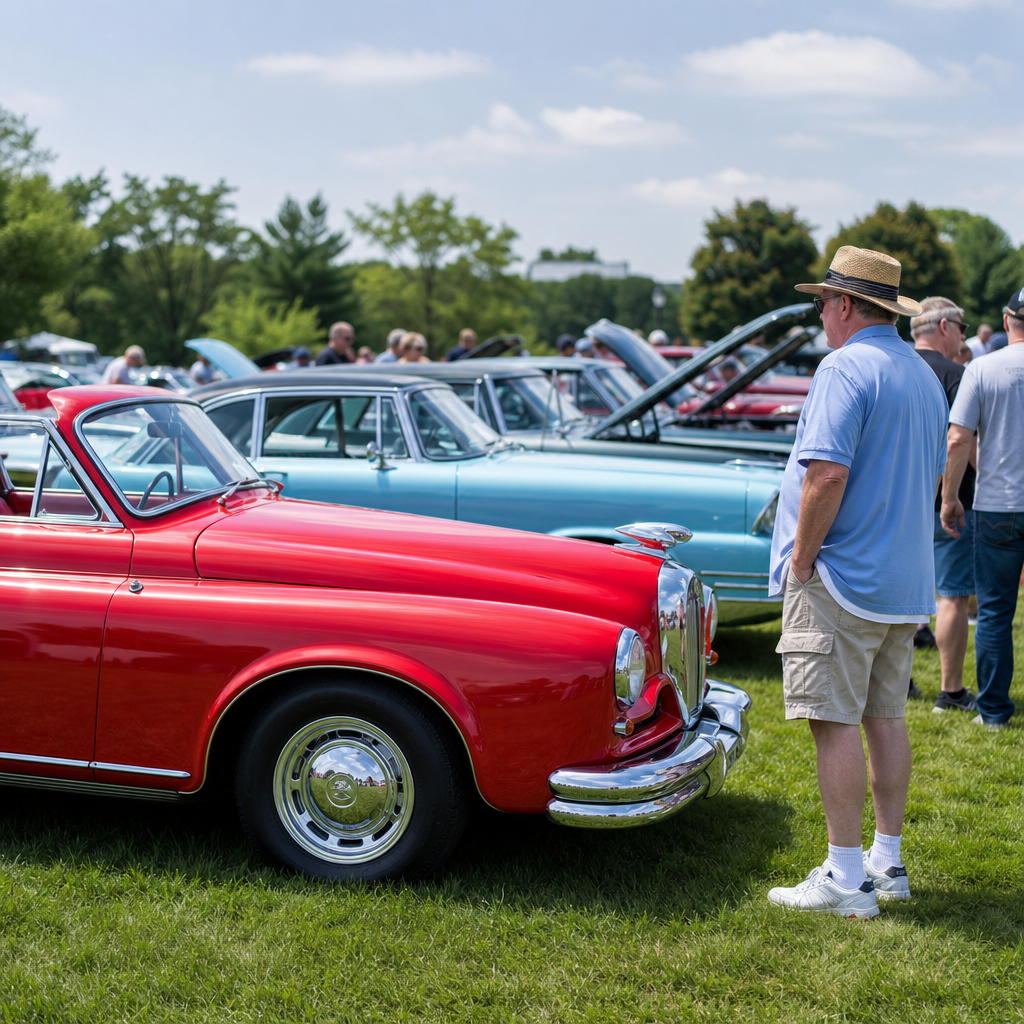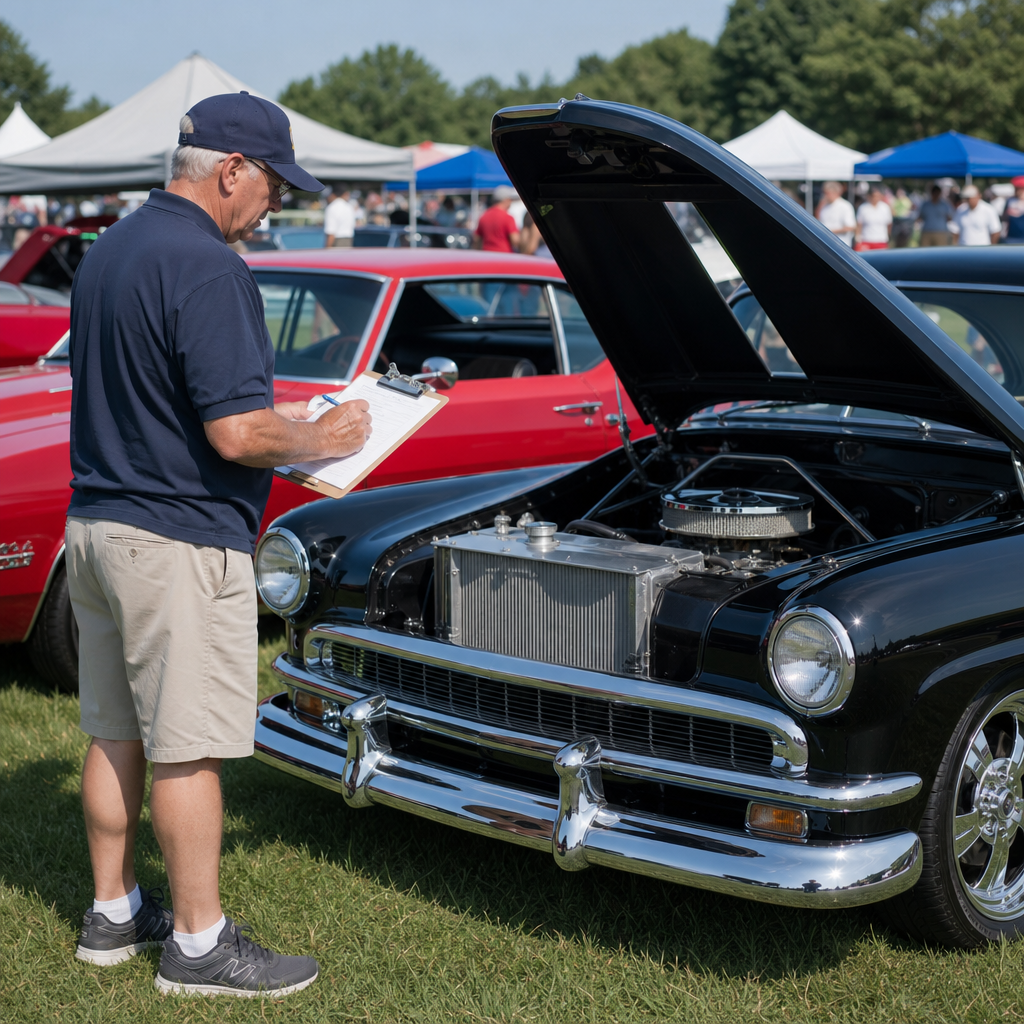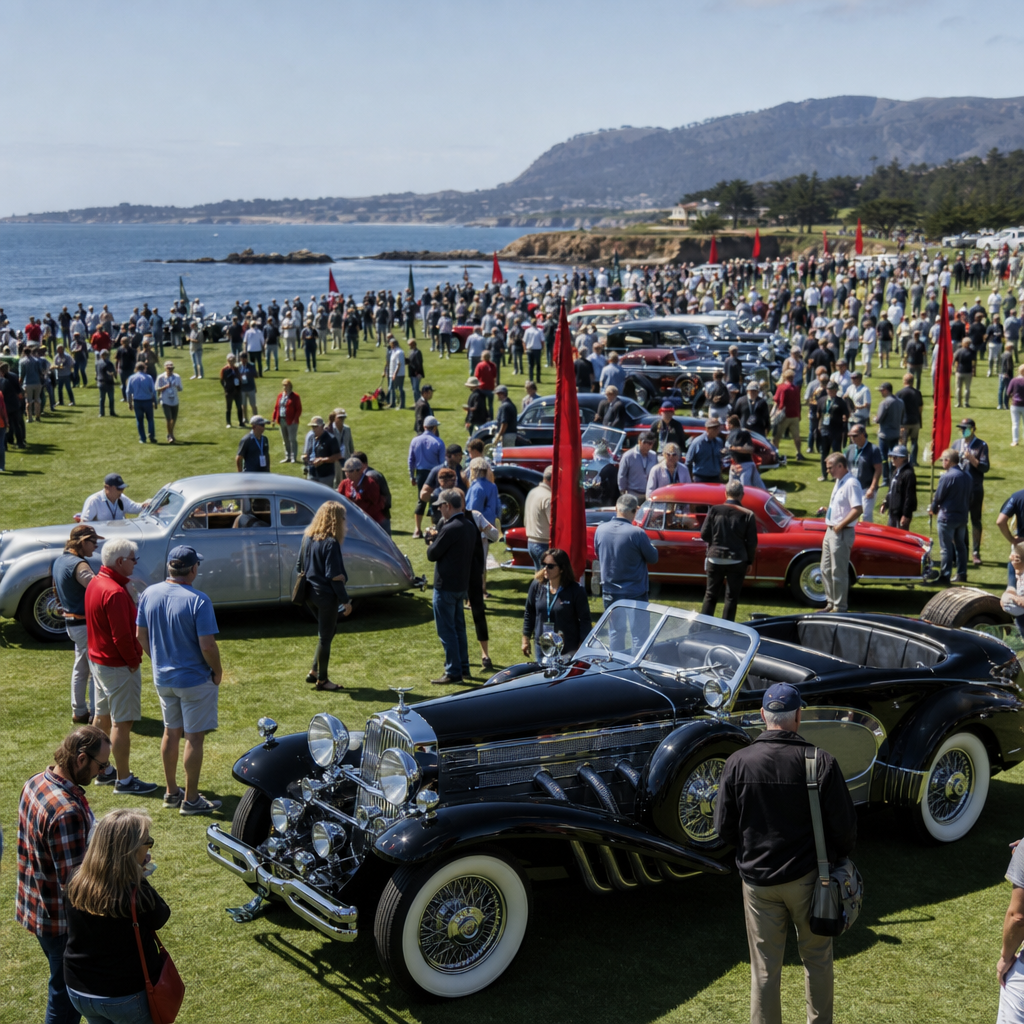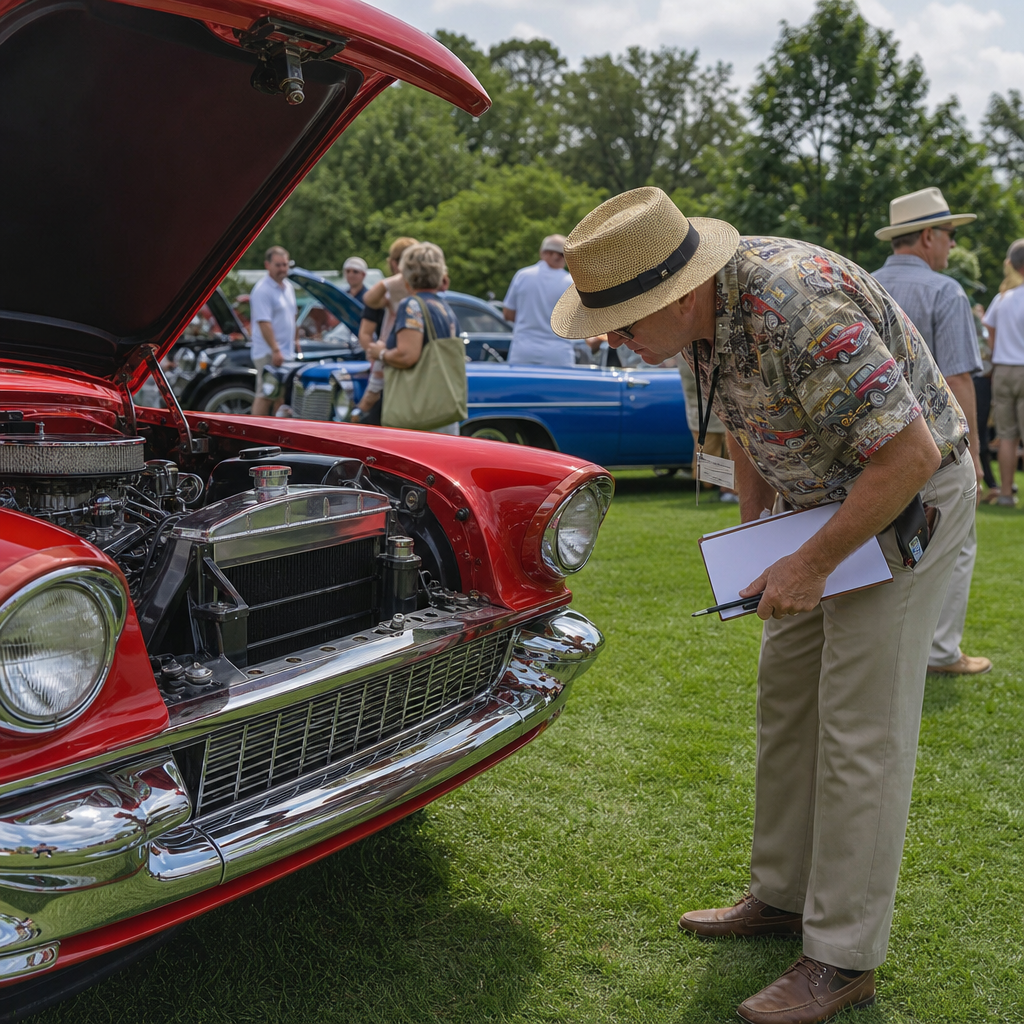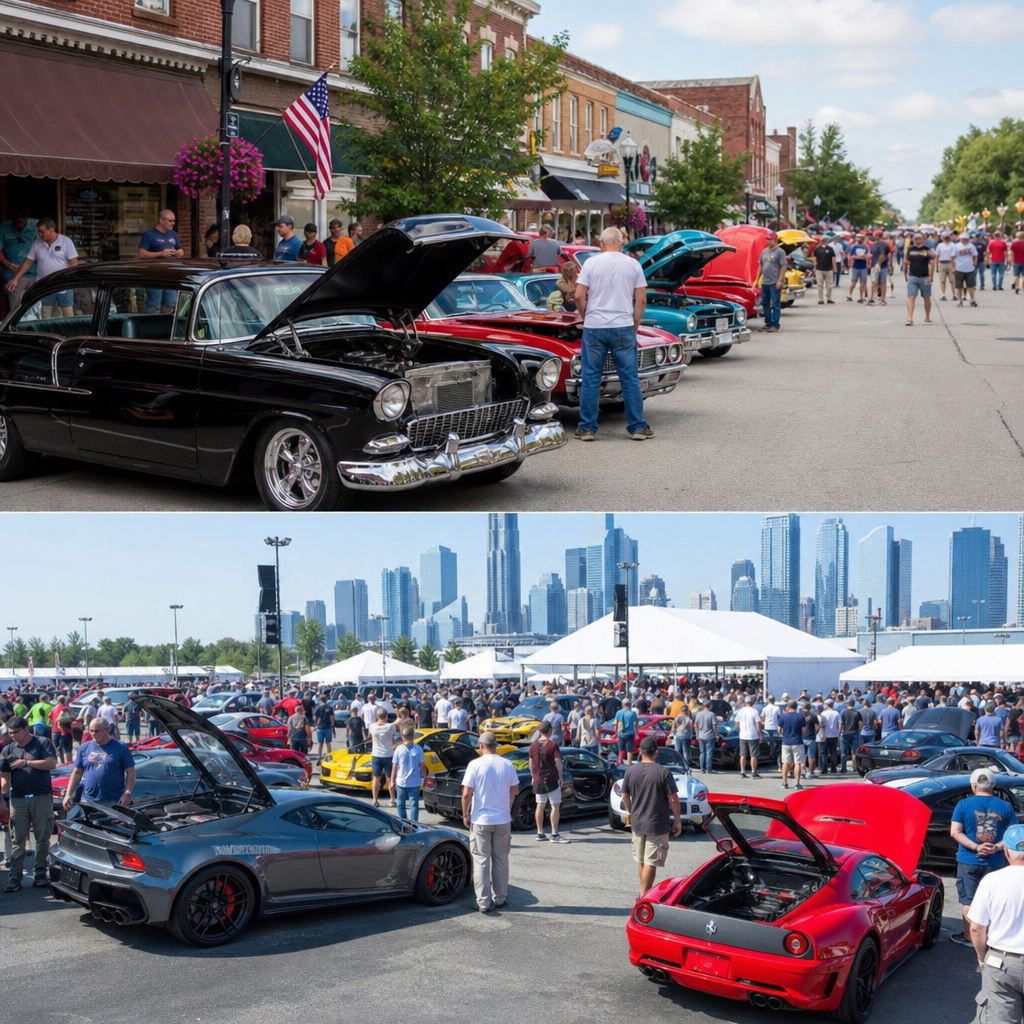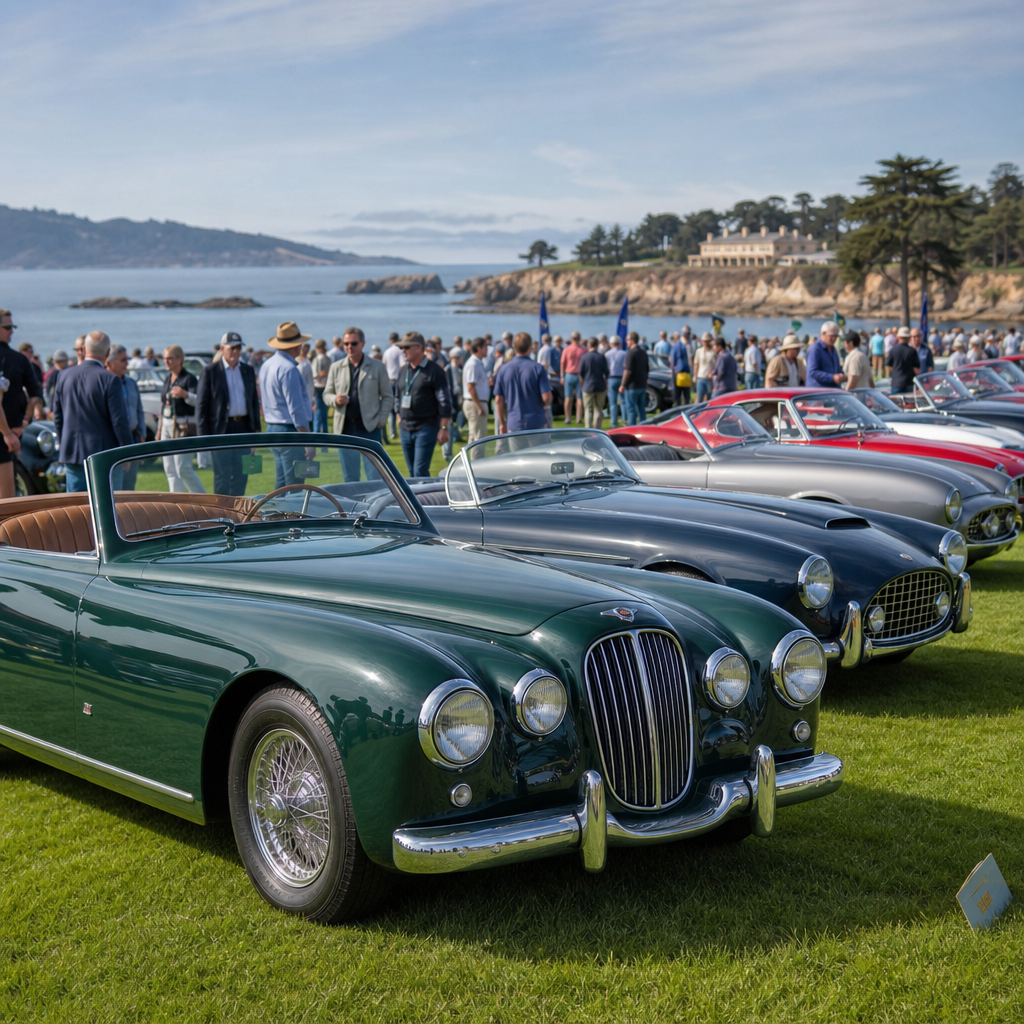
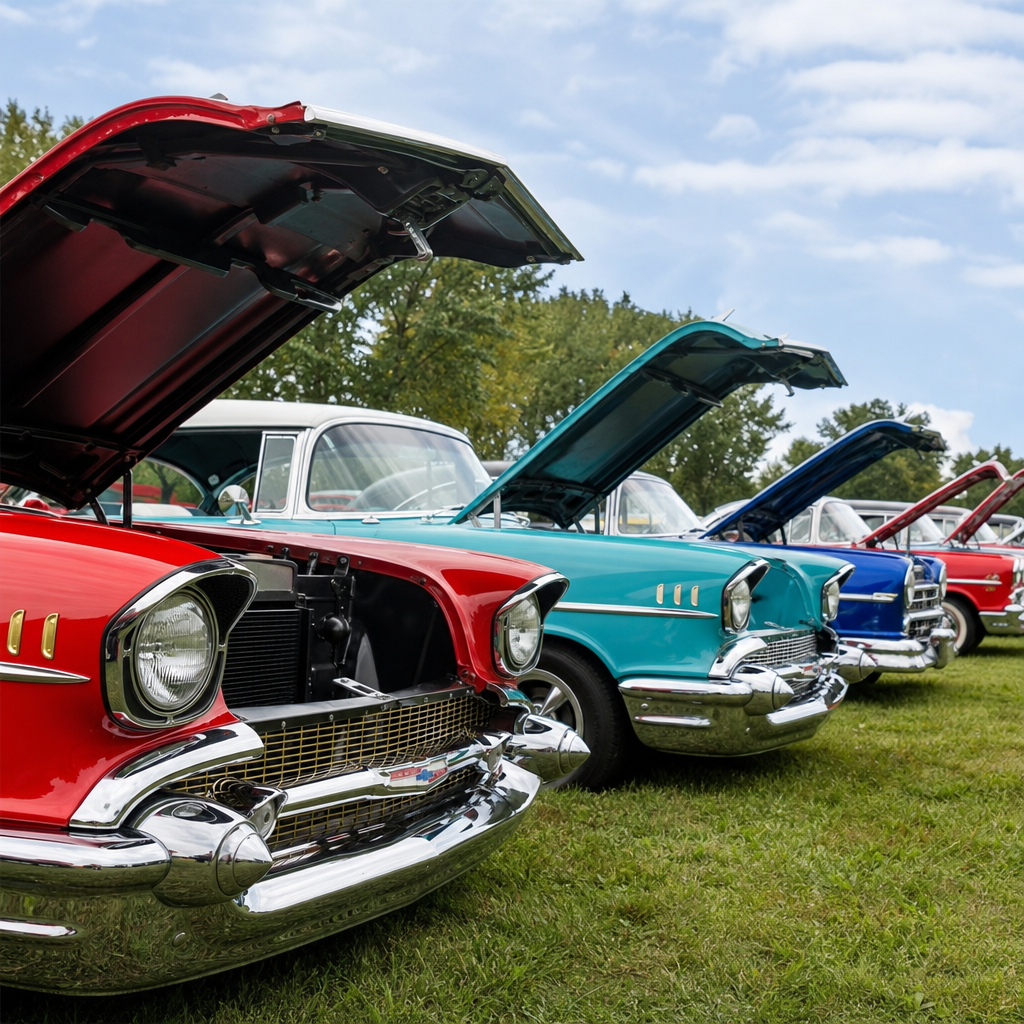
Classic car clubs for specific brands give owners, restorers, and admirers a structured way to share knowledge, find parts, preserve history, and enjoy vehicles with people who understand the details that make each marque distinct. In practical terms, a brand-specific club is an organization built around one manufacturer or family of vehicles, such as Ford, Chevrolet, Pontiac, Mopar, Volkswagen, Porsche, or Mercedes-Benz. Some clubs focus broadly on the brand, while others narrow their scope to a model line, production era, body style, or even one engine family. That specialization matters because classic car ownership is rarely generic. A 1965 Mustang owner needs different restoration advice, judging standards, and vendor contacts than someone maintaining a Tri-Five Chevy, an air-cooled Beetle, or a W108 Mercedes sedan.
I have worked with marque clubs as an owner, event participant, and researcher, and the pattern is always the same: people join for community, then stay for the practical value. A good club helps members decode factory build sheets, identify correct trim, source date-coded components, compare reproduction parts, and learn which modifications preserve drivability without erasing historical character. It also creates a social framework around the cars. Local meets, judged shows, road tours, swap meets, and technical seminars turn a private hobby into a shared culture. For anyone entering classic car culture and lifestyle, brand clubs are one of the fastest ways to build confidence, avoid expensive mistakes, and connect with the living history behind the vehicle.
This hub explains how classic car clubs work, why brand-specific organizations remain important, what major Ford and Chevy communities look like, how clubs differ by manufacturer, and how to choose the right membership for your goals. It also serves as a practical starting point for deeper articles on regional chapters, restoration networks, concours standards, online communities, and event calendars. If you want accurate guidance on classic car clubs, begin with the basic truth: the best club is not simply the biggest one. It is the one whose members know your car, answer your questions clearly, and support the way you actually use and preserve it.
What Brand-Specific Classic Car Clubs Actually Do
At their best, classic car clubs do far more than organize parking-lot gatherings. They act as knowledge banks. Established clubs publish magazines, maintain archives, verify serial numbers, document option codes, and preserve factory literature. Many also maintain judging manuals that define what “correct” means for a given model year. That is especially valuable for owners restoring cars to original specification, because factory-correct details often involve small but expensive distinctions: fastener finishes, hose markings, carburetor tags, wheel dates, seat patterns, chalk marks, and casting numbers. A general enthusiast group may appreciate the car, but a marque club can tell you whether your 1967 big-block Chevelle should wear a specific air cleaner decal in a specific production month.
Clubs also reduce the transaction risk that surrounds classic cars. Members share references for machine shops, upholstery specialists, chrome platers, transport companies, and appraisers. In my experience, this is one of the strongest reasons to join early. The classic car market still depends heavily on trust and reputation. A local chapter member who has already rebuilt an FE Ford, a Chevrolet small-block, or a Chrysler 440 can point you toward proven vendors and away from expensive dead ends. Many clubs also host classified listings, parts exchanges, and swap meets where members can buy components with better provenance than anonymous online marketplaces usually provide.
Another core function is advocacy. National organizations often support historic vehicle legislation, emissions exemptions, title protection, and hobby-friendly insurance practices. Groups such as the Antique Automobile Club of America and Specialty Equipment Market Association have played visible roles in defending enthusiast interests, but marque clubs contribute by mobilizing informed owners around specific issues affecting their vehicles. When registration rules, fuel standards, or local event policies change, organized enthusiasts tend to have a stronger voice than isolated owners.
Ford Classic Car Clubs: From Flatheads to Fox Bodies
Ford has one of the broadest club ecosystems in the hobby because the brand spans prewar vehicles, postwar trucks, muscle cars, luxury divisions, and modern collectibles. The Mustang Club of America is one of the best-known examples. Founded in 1976, it supports owners across generations, from 1964½ cars through current models, with judged events, national shows, and detailed standards that matter to restorers and serious collectors. For someone with a first-generation Mustang, club access can mean help identifying period-correct interior trim, assembly plant differences, and driveline combinations that affect value.
Ford enthusiasts often segment further by era or engine family. Early Ford V-8 clubs remain important for owners of flathead-powered cars, where specialized knowledge about cooling, ignition, and period modifications is essential. Thunderbird clubs serve another distinct audience, balancing originality with touring practicality. F-Series and Bronco communities have grown rapidly as vintage trucks became mainstream collector vehicles. The technical questions change with each subgroup. A concours 1957 Fairlane restoration, a street-driven 1969 Mach 1, and a modified 1989 Fox-body Mustang all require different expertise, and the right club reflects that reality.
One reason Ford clubs are so useful is the complexity of production variation. Dearborn, San Jose, and Metuchen-built Mustangs can differ in subtle ways. Engine casting dates, buck tags, axle codes, and trim combinations all influence authenticity. Experienced club judges and registrars know how to read those details. They also understand where flexibility is reasonable. Safety upgrades such as dual-reservoir master cylinders, radial tires, or electronic ignition are common among drivers, and many clubs separate stock judging from modified classes so owners can participate without pretending every classic should remain frozen in factory form.
Chevy Classic Car Clubs: Scale, Parts Access, and Deep Model Knowledge
Chevrolet clubs benefit from the brand’s enormous historical footprint and unusually strong aftermarket. The Vintage Chevrolet Club of America has long served owners of older models with an emphasis on preservation, historical data, and period accuracy. For postwar performance and style icons, highly focused groups dominate. Tri-Five Chevrolet associations, Camaro clubs, Chevelle clubs, Corvette organizations, and C10 truck communities each maintain their own event calendars, documentation standards, and restoration knowledge. That level of specialization matters because Chevrolet’s collector universe is not one scene. A Fuelie Corvette owner and a lowered 1972 C10 owner may both love Bowties, but they participate in very different corners of the hobby.
Chevy clubs are especially strong in practical restoration support. Because reproduction parts are widely available, the real challenge is deciding which parts are acceptable, which are inaccurate, and which originals are worth saving. I have seen new owners assume that broad availability guarantees easy restoration. In reality, abundance creates its own confusion. For a 1969 Camaro, members may debate factory spot-weld appearance, cowl-tag interpretation, or whether a replacement fender matches original stampings closely enough for top-level judging. Club veterans help members sort usable driver-quality solutions from high-end restoration standards.
Corvette organizations demonstrate how mature a marque club can become. National groups, local chapters, judging schools, Bloomington Gold-style certification culture, and NCRS documentation practices have created one of the most rigorous authenticity frameworks in the collector world. That discipline raises confidence in the market, but it also shows a tradeoff: highly detailed standards can feel intimidating to newcomers. The best Chevy clubs solve that by welcoming both show-level restorers and drivers who simply want dependable, informed support.
Other Major Brand Communities and How They Differ
Outside Ford and Chevy, nearly every major classic marque has a recognizable club structure with its own priorities. Mopar organizations tend to emphasize decoding, rarity, and driveline authenticity because Chrysler products often carry high value premiums tied to engine options, colors, and broadcast-sheet documentation. Pontiac clubs frequently center on GTOs, Firebirds, and full-size performance models, with members highly attuned to PHS documentation and production nuance. Buick and Oldsmobile groups are often strong in preservation circles because many surviving cars appeal to owners who value originality and lineage over aggressive modification.
Import and European clubs can look different. Volkswagen and Porsche communities usually blend restoration, motorsport heritage, and daily-use practicality. Air-cooled VW clubs, for example, often welcome owners across a wide originality spectrum, from stock Beetles to period-style Cal-Look builds. Mercedes-Benz and BMW clubs often place more emphasis on technical service information, factory records, and model-specific maintenance expertise because these cars can remain roadworthy for decades when serviced correctly. Jaguar and MG clubs tend to be especially valuable for troubleshooting electrical issues, trim sourcing, and regional parts compatibility, all of which can be daunting for first-time owners.
The key point is that every brand develops its own club culture based on the cars themselves. Some communities reward concours-level precision. Others revolve around touring, autocross, drag racing history, or social events. If you own a Hemi Mopar, a split-window Corvette, a Karmann Ghia, or a W113 SL, your ideal club will reflect the technical realities, market values, and usage patterns associated with that model family.
How to Evaluate a Classic Car Club Before Joining
Not every club will serve every owner well. Before paying dues, evaluate five areas: technical depth, local activity, publication quality, event structure, and member culture. Technical depth means more than enthusiasm. Ask whether the club offers judging manuals, model registries, archived newsletters, webinars, or access to recognized experts. Local activity matters because a strong national organization is less useful if there is no reachable chapter, no regular meet schedule, and no regional support network. Publications still matter as well. A serious magazine or newsletter usually signals that the club has accumulated knowledge worth preserving.
Event structure tells you what the organization values. A club centered only on show-field trophies may not fit an owner who wants road tours, workshop days, and practical maintenance help. Conversely, a casual cruise-focused group may not satisfy someone pursuing factory-correct restoration and national judging. Member culture is the final test. Attend a meet, ask a basic question, and observe the response. Healthy clubs answer generously and accurately. Weak ones gatekeep, speculate, or recycle myths. In the classic car world, confidence without evidence is costly.
| Evaluation Area | What to Look For | Why It Matters |
|---|---|---|
| Technical Resources | Judging guides, registries, factory data, expert contacts | Improves restoration accuracy and problem solving |
| Local Chapter Strength | Regular meets, shop visits, tours, active leadership | Creates real relationships and hands-on support |
| Events | Shows, driving events, swap meets, seminars | Matches the way you use your car |
| Publications | Credible magazine, technical articles, vendor ads | Signals depth and continuity |
| Club Culture | Welcoming experts, evidence-based advice, clear rules | Determines whether membership remains useful long term |
Online Communities, Local Chapters, and National Organizations
Today, most brand-specific classic car clubs exist across three layers: local chapter, national organization, and digital community. Each plays a different role. Local chapters deliver the most practical value because they connect you with nearby people, garages, events, and trusted vendors. If your carburetor floods the night before a show, a local member may have the exact gasket, float setting advice, or trailer contact you need. National organizations provide structure, standards, insurance frameworks for events, publication budgets, and access to a wider expert pool. Digital spaces extend the conversation between events, but they are uneven in quality.
Forums, Facebook groups, and model-specific message boards can be excellent for quick troubleshooting, but they should not replace vetted club resources. Anonymous advice online often lacks context, and popular answers are not always correct answers. I have seen build-date misinformation, unsafe brake recommendations, and incorrect engine decoding repeated for years because a claim sounded plausible. Strong clubs increasingly blend the best of both worlds: searchable technical archives online, then real-world verification through experienced members and judged events.
For most owners, the smartest approach is layered participation. Join a national marque club for documentation and standards, then get involved in a local chapter for friendships and hands-on help. Use online groups as a supplementary channel, not your primary authority. That combination gives you reach, accuracy, and community.
Why Club Membership Still Matters in a Digital Hobby
Some people assume social media made formal classic car clubs unnecessary. It did not. In fact, as prices rose and misinformation spread faster, reliable organizations became more valuable. Brand-specific clubs preserve institutional memory that algorithms cannot. They know which trim changes occurred midyear, which reproduction wiring harnesses fit poorly, which judges accept factory anomalies backed by documentation, and which long-closed suppliers stamped panels for specific restoration shops twenty years ago. That information rarely exists in one searchable post.
Membership also adds accountability. Clubs have leadership, bylaws, event rules, and reputations to protect. When a technical advisor, registrar, or judge makes a recommendation, that guidance usually rests on accumulated evidence, not speculation. For buyers, that can mean better pre-purchase decisions. For restorers, it can prevent wasted labor. For families inheriting a classic car, it can provide a trustworthy starting point for valuation, preservation, and sale. Brand clubs keep the hobby organized, informed, and human. If you own or plan to buy a classic Ford, Chevy, or any other marque, join the best club aligned with your car and your goals, then show up, ask questions, and participate.
Frequently Asked Questions
What is a classic car club for a specific brand, and how is it different from a general antique or collector car club?
A classic car club for a specific brand is an organization built around one manufacturer, marque, or vehicle family, such as Ford, Chevrolet, Pontiac, Mopar, Volkswagen, Porsche, or Mercedes-Benz. Unlike a general collector car club, which may welcome everything from brass-era cars to muscle cars and modern exotics, a brand-specific club centers its activities, resources, and conversations on the vehicles, history, engineering, and culture of one nameplate. That narrower focus is what makes these clubs especially valuable to owners and enthusiasts who want information that goes beyond broad hobby advice.
In a practical sense, brand-focused clubs often provide highly targeted technical support, model-specific restoration guidance, production history, judging standards, event calendars, and parts sourcing help. Members are more likely to understand factory options, trim variations, engine codes, casting numbers, paint combinations, and year-to-year design changes that can be critical when restoring or preserving a classic car accurately. If you own a 1965 Mustang, a Tri-Five Chevy, a first-generation Camaro, a split-window Volkswagen Beetle, or a vintage Mercedes-Benz SL, a marque-specific club typically offers a deeper pool of relevant knowledge than a broad collector group.
Another major difference is community identity. General classic car clubs are excellent for social driving, local meetups, and hobby-wide networking, but brand-specific clubs tend to create a stronger sense of shared language and enthusiasm. Members often care about the same engineering traditions, styling cues, and historical milestones. That common ground leads to more precise advice, better restoration outcomes, and a more meaningful ownership experience, especially for enthusiasts who want to preserve their vehicles as correctly as possible.
What are the main benefits of joining a Ford, Chevy, Pontiac, Mopar, Volkswagen, Porsche, or Mercedes-Benz classic car club?
The biggest benefit is access to specialized knowledge. Brand-specific classic car clubs bring together people who have owned, restored, judged, raced, and researched the same vehicles for years, and sometimes decades. That means a new owner can learn from people who already know the common rust areas, hard-to-find trim pieces, drivetrain quirks, factory specifications, and restoration mistakes to avoid. For many members, this kind of real-world experience is more useful than generic advice found in books or scattered online forums.
Parts sourcing is another major advantage. Many classic vehicles, especially low-production models or uncommon trim levels, require patience and connections to restore properly. Clubs often maintain classifieds, vendor lists, swap meet networks, and relationships with reproduction part suppliers. Members may also know which replacement parts fit correctly, which reproductions are inaccurate, and where original new old stock components occasionally turn up. That can save both money and frustration during a project.
Clubs also help preserve brand history. Many publish newsletters, magazines, registries, technical bulletins, and historical archives that document production data, factory literature, serial number ranges, and model development. This is especially important for owners trying to verify authenticity, research rare options, or understand how their vehicle fits into the brand’s larger story. For cars with collectible value, solid documentation can also support appraisal, concours preparation, and resale credibility.
Just as important is the social side. These clubs organize cruises, national meets, regional shows, judged events, tours, and informal gatherings where owners can compare notes and build friendships. Whether someone is restoring a high-end show car or simply maintaining a driver-quality survivor, the club environment makes the hobby more enjoyable. It connects people who appreciate the details that make each marque distinctive, from small-block Chevy casting nuances to air-cooled Volkswagen maintenance culture or classic Porsche chassis development.
Do brand-specific classic car clubs only welcome owners, or can admirers, future buyers, and restorers join too?
Most brand-specific classic car clubs welcome far more than just current owners. In many cases, members include admirers of the marque, future buyers doing research, family members of longtime owners, professional restorers, historians, collectors, and enthusiasts who may have owned the brand in the past and still want to stay connected. While some highly specialized registries or judging organizations may have ownership-related categories for certain benefits, the majority of clubs are built to encourage wider participation.
This inclusiveness is one reason these clubs remain such a strong part of the classic car hobby. Someone considering the purchase of a vintage Ford, Chevrolet, Pontiac, or Porsche can join a club before buying and gain access to model guides, ownership experiences, maintenance expectations, and advice on what to inspect before making a purchase. That early education can help avoid common mistakes, such as overpaying for an incorrectly represented car or choosing a project with severe structural issues or missing hard-to-find components.
For restorers and hobbyists, membership can be equally valuable even without personal ownership. A restorer working on vintage Mercedes-Benz or Volkswagen models, for example, may benefit from factory-correct trim information, hardware details, upholstery references, and expert discussion from owners who have completed similar projects. Likewise, admirers who simply love the brand’s history, design, or motorsports heritage often find club events and publications rewarding on their own.
In short, ownership may deepen the experience, but it is not always required to benefit from the club. If you are serious about learning, networking, or eventually buying into a specific classic brand, joining early can be a smart move.
How do brand-specific car clubs help with restoration accuracy, maintenance, and finding the right parts?
Brand-specific clubs are often one of the best resources available for restoration accuracy because they concentrate years of marque knowledge in one place. Instead of relying on generic repair advice, members can access information from people who understand exact factory finishes, date-coded parts, original hardware types, engine and transmission pairings, trim placement, interior materials, and option-package differences. These details matter tremendously when trying to restore a vehicle correctly, especially if the goal is factory authenticity, show judging, or long-term collector value.
Maintenance support is equally important. Older vehicles often have brand- and model-specific issues that do not show up clearly in universal repair manuals. A Chevy club member may know the best solutions for cooling issues in a big-block car, while a Ford club member may have proven recommendations for tuning a particular carburetor and ignition setup. Volkswagen and Porsche enthusiasts often share highly refined guidance on air-cooled systems, while Mercedes-Benz clubs may offer insight into injection components, trim preservation, and proper mechanical servicing for complex older models. This kind of focused guidance helps owners solve problems more efficiently and avoid costly trial and error.
When it comes to parts, clubs can dramatically shorten the search. Members often know which suppliers are reputable, which reproduction pieces fit poorly, and which salvage sources or specialized vendors are worth contacting. Some clubs operate parts exchanges, printed or digital classifieds, and swap meet programs. Others maintain registries or archives that help owners identify the exact components their cars should have. In many cases, club members are also willing to share part numbers, interchange information, and real-world installation tips that make a difficult restoration far more manageable.
Perhaps most importantly, clubs help owners make informed decisions. They can advise when a reproduction part is acceptable, when an original part should be restored instead, and when authenticity affects value. For anyone serious about preserving a classic brand vehicle properly, that blend of technical knowledge, historical understanding, and sourcing support is hard to match elsewhere.
How do you choose the right classic car club for your brand and interests?
The best club depends on your vehicle, your goals, and how you want to participate in the hobby. Some clubs are broad and cover an entire brand, such as all Ford or all Chevrolet products, while others are much more focused on a specific model line, generation, body style, or era. If you want general brand fellowship and access to larger events, a national marque club may be ideal. If you need detailed help with one particular vehicle, a model-specific club can be even more useful because its members are concentrated around the exact car you own or hope to buy.
Start by considering your priorities. If your goal is concours-level restoration, look for clubs known for technical archives, judging standards, factory documentation, and strong authenticity resources. If you mainly want local driving events and social connections, a regional chapter with active meetups may be the better fit. If you are still shopping for a car, prioritize clubs with buyer guides, classified listings, and knowledgeable members willing to evaluate candidates or explain year-to-year differences.
It is also wise to evaluate the club’s activity level. A good club usually has a current website or newsletter, a calendar of events, active regional chapters or online communities, and visible member engagement. Check whether membership includes publications, technical manuals, registries, access to forums, vendor discounts, or national meets. If possible, attend an event as a guest before joining. That gives you a sense of whether the culture is welcoming, knowledgeable, and aligned with your interests.
Finally, remember that you do not have to choose only one. Many enthusiasts belong to both a national brand organization and one or more local or model-specific groups. That combination often provides the best balance of technical support, historical depth, parts connections, and enjoyable community involvement. The right club should make ownership easier, restoration smarter, and