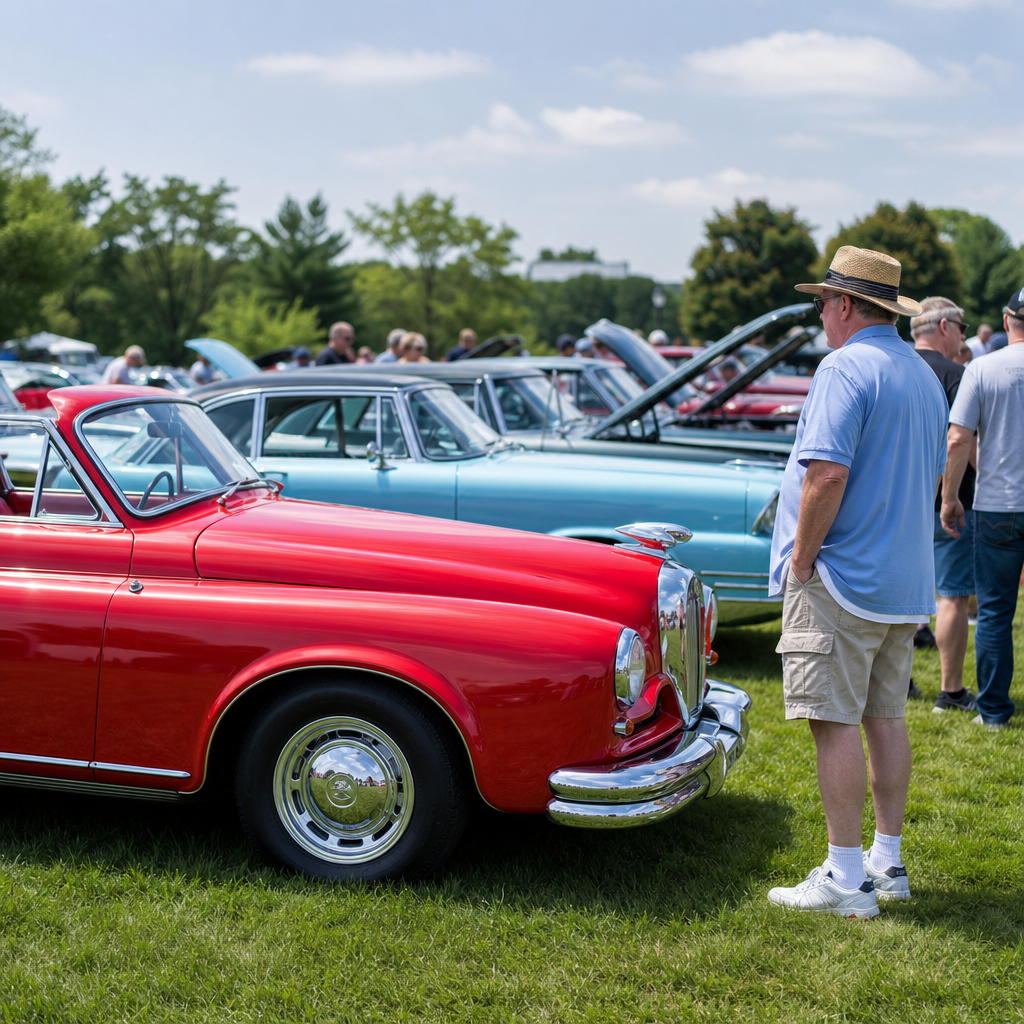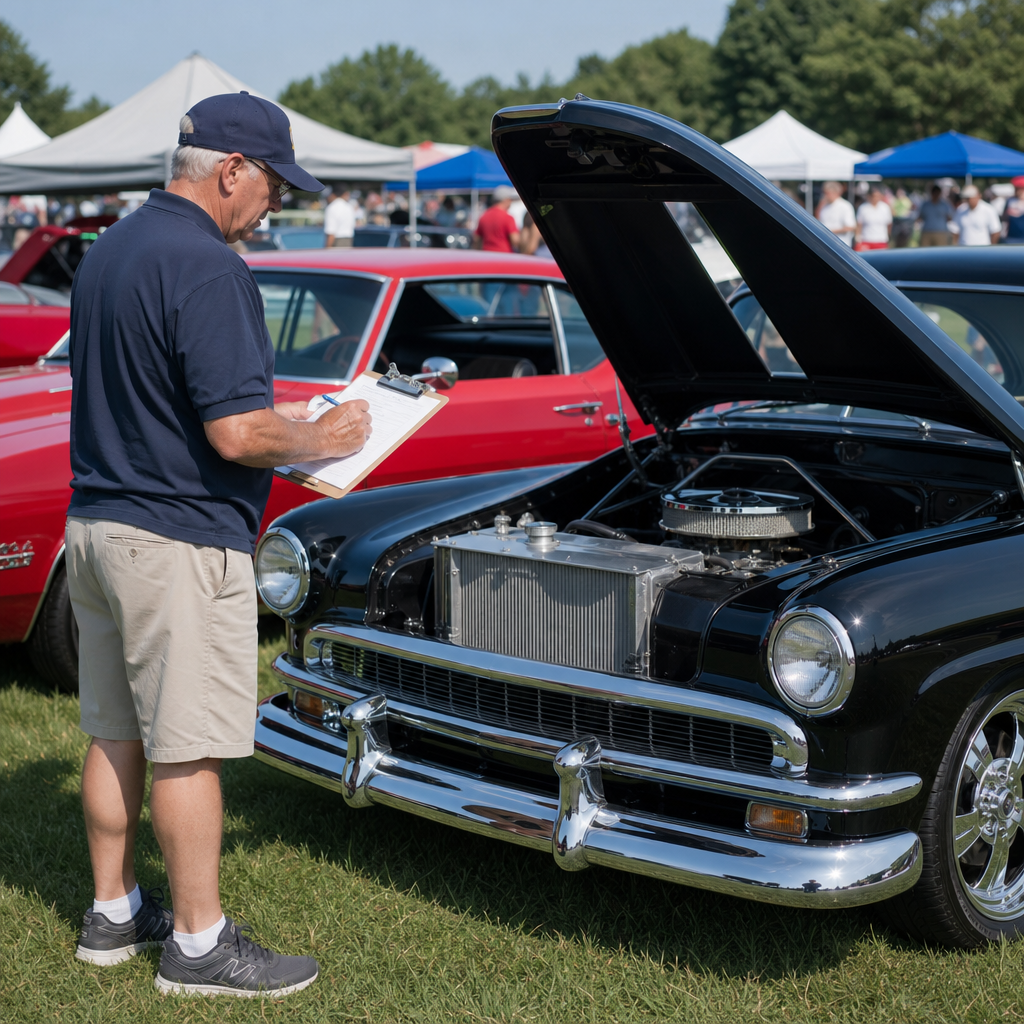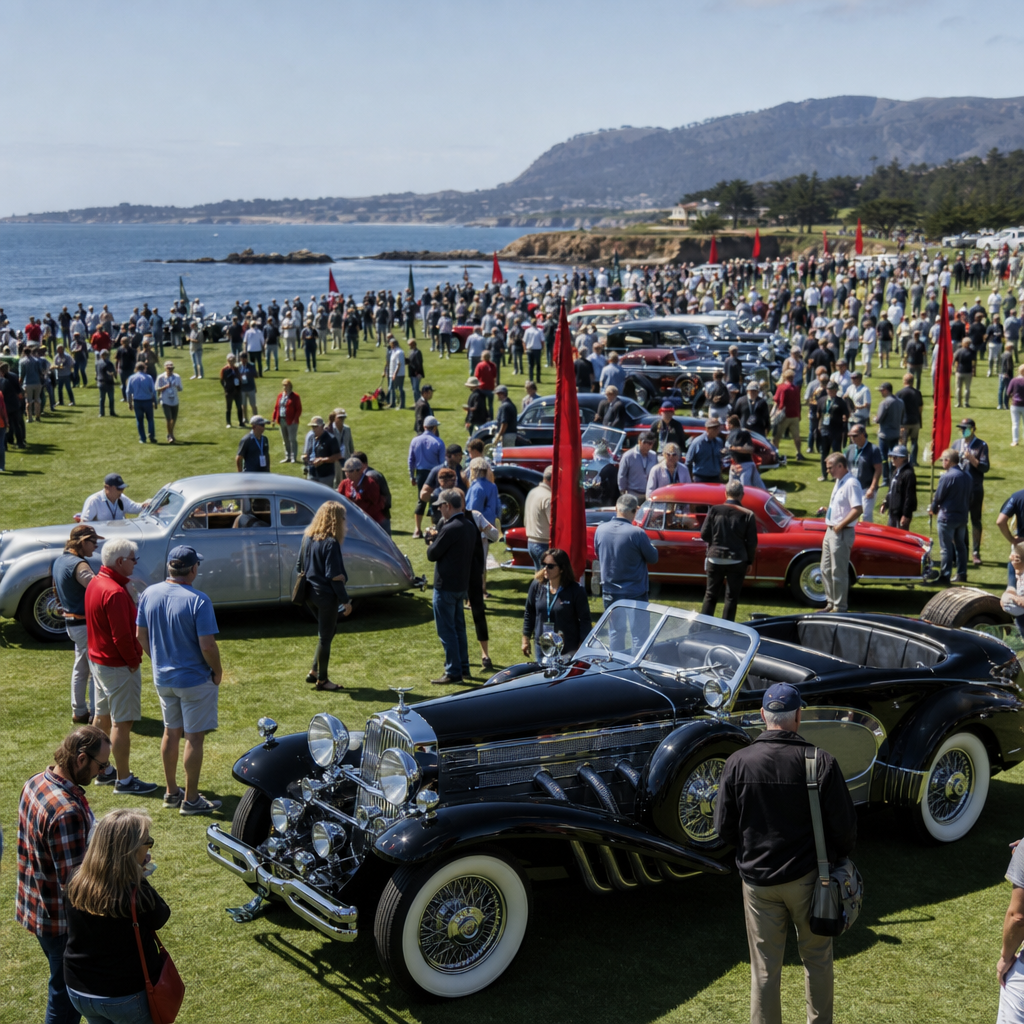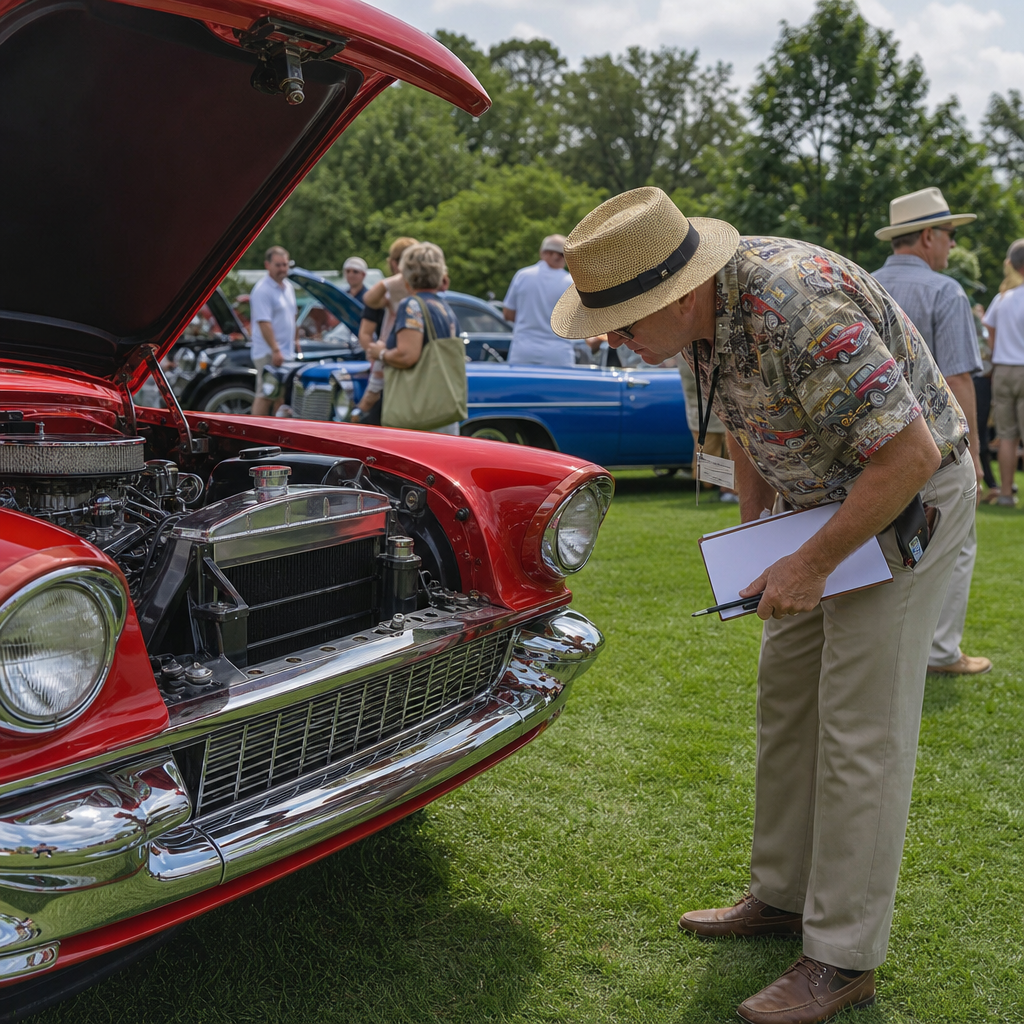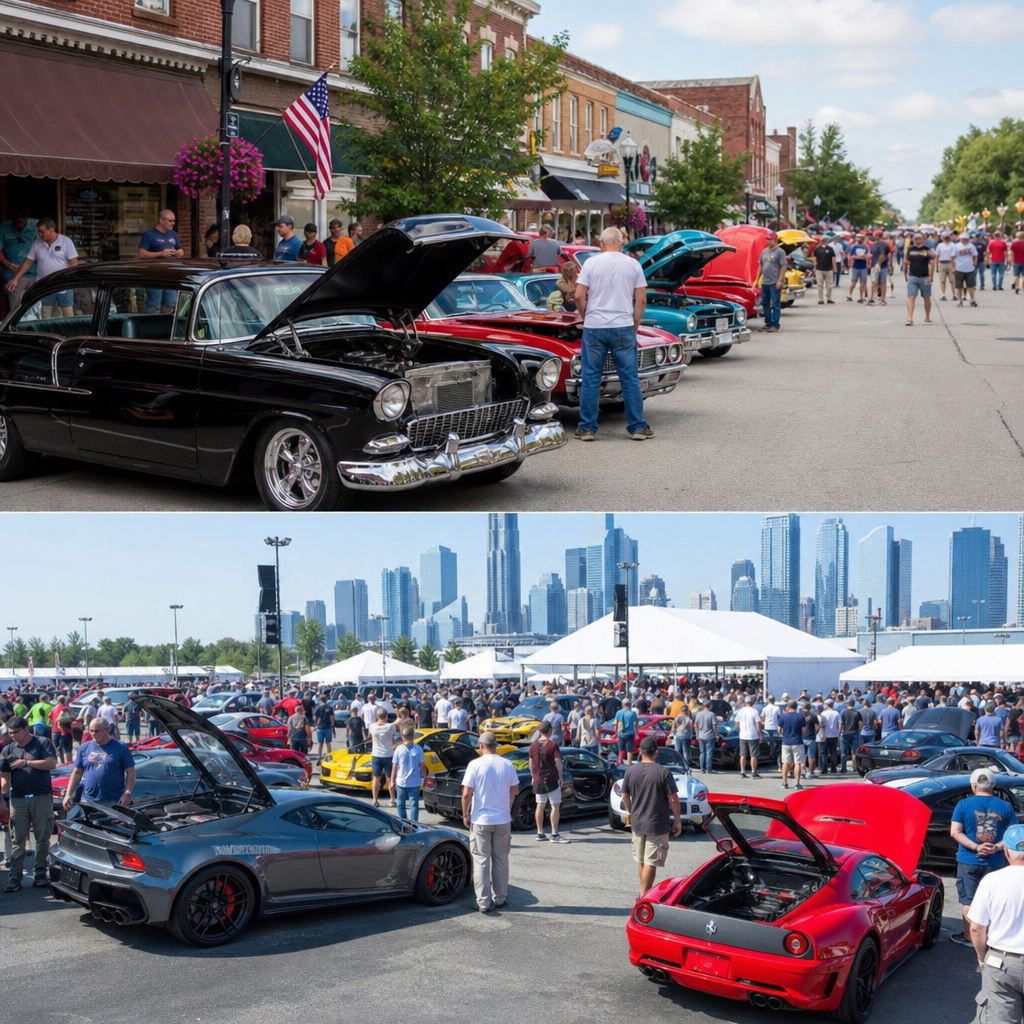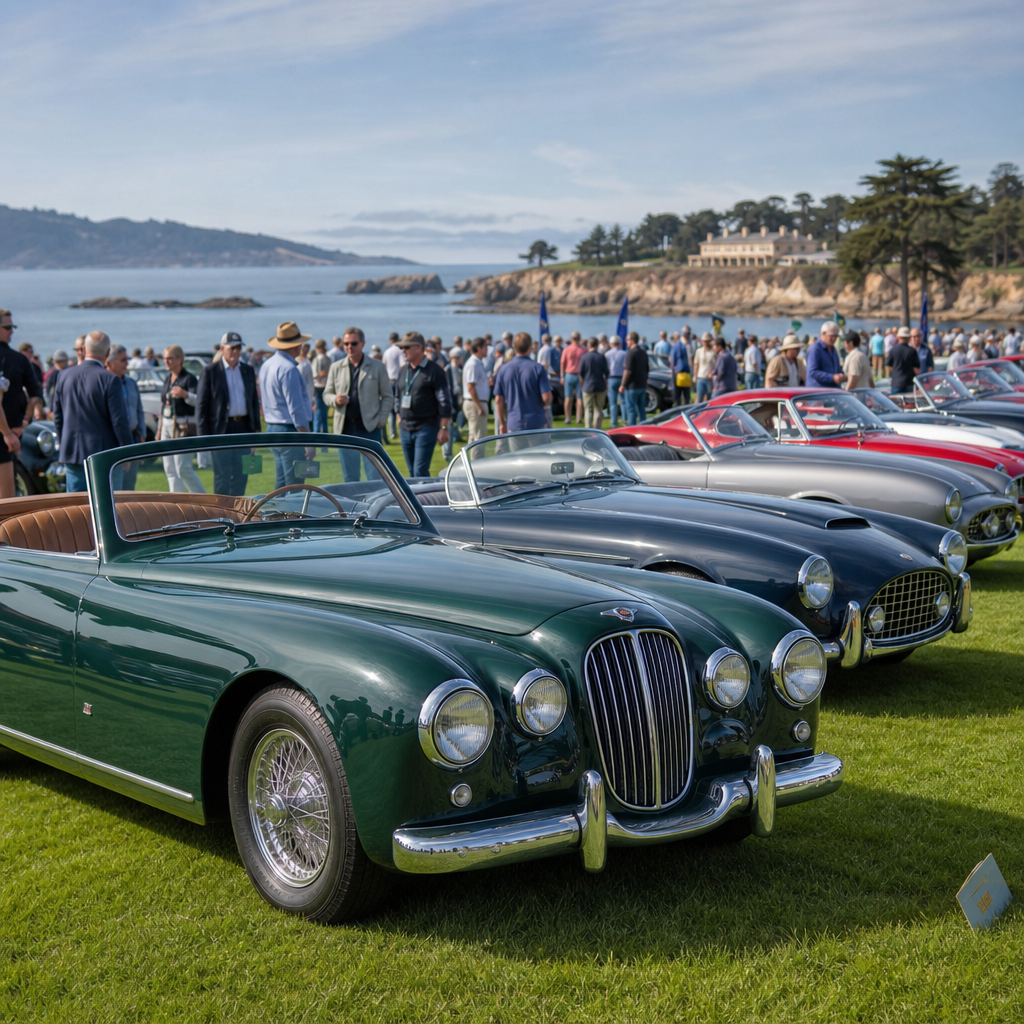
Classic car clubs are one of the fastest, most reliable ways to learn more about vintage vehicles because they combine hands-on experience, shared knowledge, and a built-in community of owners, restorers, drivers, and historians. In practical terms, a classic car club is an organized group centered on a marque, model, era, region, or type of use, such as touring, concours preparation, restoration, or preservation. Some clubs focus on a single manufacturer like MG, Porsche, or Ford, while others bring together broad interests such as prewar motoring, British roadsters, muscle cars, or air-cooled engineering. However they are organized, the core value is the same: members teach each other what books, videos, and auction listings cannot fully convey on their own.
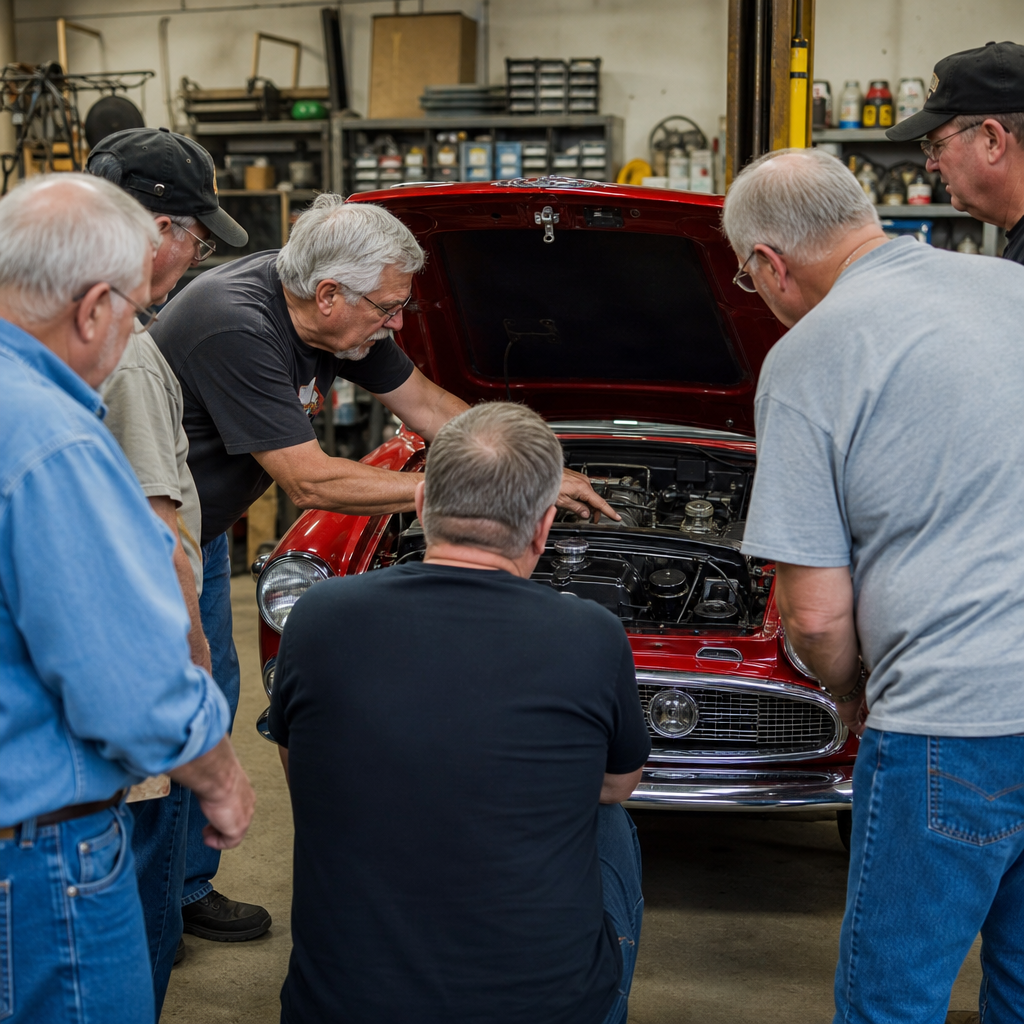
I have seen this firsthand at local meets, regional tours, and restoration workshops where a ten-minute conversation beside an engine bay answered questions that hours of online searching left unresolved. That is why classic car clubs matter within classic car culture and lifestyle. They preserve mechanical knowledge that is disappearing, connect newcomers with trustworthy specialists, and create places where people can learn how to inspect, maintain, drive, document, and enjoy historic vehicles responsibly. For anyone trying to understand originality, provenance, period-correct parts, maintenance routines, ownership costs, or event etiquette, clubs serve as a practical education network. They are also the hub that links many other parts of the hobby, from concours events and swap meets to road rallies, museums, registries, and restoration shops.
What Classic Car Clubs Actually Teach
The biggest misconception about classic car clubs is that they are only social groups for owners who already know everything. In reality, strong clubs function like informal technical schools. Members explain model history, production changes, factory specifications, trim variations, drivetrain differences, common failure points, and the repair methods that work in the real world. A newcomer with a 1967 MGB, for example, may learn why SU carburetors behave differently from later conversions, how kingpins wear, what panel gaps should look like, and which reproduction parts are worth buying. Someone with a W113 Mercedes-Benz can discover the significance of matching numbers, the weak points in the fuel injection system, and the difference between cosmetic restoration and mechanical sorting.
Clubs also teach context, which is crucial in the classic car world. A vehicle is not just a machine; it is a product of a period, a factory process, and a design philosophy. In marque clubs, experienced members often know running changes by chassis number, correct paint formulations, interior materials, and the historical reasons behind them. That level of detail helps owners avoid expensive mistakes. It is one thing to know that a Jaguar E-Type had multiple series; it is another to understand how cooling, electrical systems, seats, and switchgear differ between them and how those differences affect maintenance, value, and drivability. Clubs make that knowledge accessible in plain language.
Why Hands-On Learning Beats Passive Research
Online forums, manuals, and video channels are useful, but they do not replace seeing, hearing, and touching a classic car with an expert standing beside you. Car clubs create hands-on learning opportunities through tech sessions, judging schools, restoration clinics, and member garage days. During these sessions, people do more than discuss theory. They compare original fasteners with reproductions, inspect corrosion in known trouble spots, check compression, review service records, and listen for noises that signal valve train or bottom-end issues. This is how beginners develop judgment, not just information.
Hands-on learning is especially important because classics are full of nuance. Brake feel, gearbox synchro wear, carburetor tuning, charging system behavior, steering play, and cold-start procedure are difficult to understand from text alone. A Triumph owner may read about setting twin carbs, but a club mentor can demonstrate balancing airflow, adjusting idle mixture, and recognizing when poor running is really caused by ignition timing or vacuum leaks. The same applies to bodywork. Members who have restored rusty Alfa Romeos or first-generation Mustangs can point out where poor repairs hide beneath filler, where seams should be visible, and how undercoating sometimes conceals structural corrosion.
How Clubs Preserve Technical Knowledge and History
Classic car clubs play a preservation role that is often underestimated. Many cars from the 1950s through the 1980s survive because enthusiasts documented them before factory archives disappeared and before skilled technicians retired. Clubs build registries, maintain production data, digitize parts books, archive service bulletins, and collect oral history from long-time owners and former dealership mechanics. That work matters because official manufacturer support for older cars varies widely. Porsche and Mercedes-Benz have strong heritage programs, while support for many orphan marques and lower-volume models depends heavily on club archives and specialist networks.
Historical preservation also shapes how owners learn about authenticity. Clubs often publish model guides, judging manuals, newsletters, and restoration references that explain what is original, what is period-correct, and what is a later alteration. This helps members make informed decisions based on their goals. Not every owner wants a concours-standard restoration; many prefer safe, sympathetic upgrades such as electronic ignition, radial tires, improved cooling fans, or discreet seat belts. Good clubs understand these tradeoffs. They teach that preservation, restoration, and modification each have a place, but they also explain how those choices affect drivability, value, and historical integrity.
Types of Classic Car Clubs and What You Can Learn From Each
Different clubs teach different things, so choosing the right one depends on your car and your goals. Marque clubs are usually best for technical depth because they focus on a single manufacturer or model family. Regional clubs excel at local networking, event access, and finding nearby specialists. Touring clubs teach reliability, route planning, and real-world use. Concours-oriented groups are strong on originality, documentation, and presentation standards. Younger enthusiast groups often bring fresh energy around social media, modern tools, and practical ways to make classics accessible to new owners.
| Club type | Primary focus | What members typically learn | Example |
|---|---|---|---|
| Marque club | Specific manufacturer or model | Factory specs, parts interchange, originality details | Porsche Club of America region |
| Regional mixed club | Local events and community | Trusted repair shops, road routes, storage advice | County classic motoring society |
| Touring club | Driving and reliability | Trip prep, roadside fixes, fuel and cooling management | Historic touring association |
| Concours club | Authenticity and judging | Documentation, presentation, factory-correct finishes | National judging chapter |
| Preservation group | Keeping cars original | Conservation methods, patina care, archival research | Survivor car registry network |
If you are new to classic car clubs, start by asking a direct question: do you want to restore, preserve, drive, or simply understand a particular car better? The answer will guide you toward the right group. Many experienced enthusiasts belong to more than one club because no single organization covers every aspect of ownership. That overlap is useful. A local club may help you find a machine shop, while a national marque club can confirm the correct cylinder head casting and trim code.
Events, Mentorship, and the Learning Curve for New Owners
For beginners, the most valuable part of a classic car club is often mentorship. A good mentor can shorten the ownership learning curve by years. Instead of learning every lesson through expensive mistakes, new owners get guidance on inspections, maintenance intervals, workshop manuals, insurance agreed values, battery care, tire age, and winter storage. I have watched first-time owners avoid buying poor cars simply because a club member accompanied them to viewings and spotted mismatched panels, incorrect VIN tags, weak oil pressure, or questionable restoration receipts.
Events make that mentorship easier to access. At coffee meets, judged shows, road runs, and parts swaps, conversations happen naturally. One member may explain how to decode commission plates on a Triumph TR6. Another may demonstrate why a 1960s drum-brake car feels different from a modern daily driver and how to drive it safely. On organized tours, newer members learn pre-drive inspection habits, tool-kit essentials, and how to read their cars over distance. These are practical lessons that build confidence. The social atmosphere matters too. People are usually more willing to ask basic questions in a club setting than in a general online forum where responses can be incomplete or dismissive.
How Clubs Help With Buying, Restoring, and Maintaining Classics
Classic car clubs are especially useful before money changes hands. Buyers often focus on paint and chrome, but experienced members teach them to prioritize structure, documentation, mechanical condition, and parts availability. In many models, rust is more expensive than engine work. A club can tell you where corrosion typically starts, which trim pieces are scarce, whether reproduction panels fit properly, and what an honest restoration budget looks like. This is critical because restoration costs regularly exceed purchase prices, especially when bodywork, upholstery, and specialized machining are involved.
Maintenance knowledge is just as important after purchase. Clubs help owners build realistic service routines for older vehicles that need more frequent checks than modern cars. Members compare oils suitable for flat-tappet cams with appropriate ZDDP levels, explain cooling system flushing intervals, recommend brake fluid changes, and share safe storage practices. They also help owners separate folklore from proven practice. Not every old rule still applies, and not every modern product suits every classic. A knowledgeable club will explain why ethanol-blended fuel affects older rubber components, why battery tenders must be used correctly, and why torque values, lubrication points, and valve adjustments should follow factory or specialist guidance.
The Best Club Resources Beyond Meetings
The strongest classic car clubs provide far more than monthly gatherings. Their magazines, technical libraries, member directories, online archives, classified listings, and registrar programs create a long-term knowledge base. A registrar is particularly valuable in marque clubs because this person tracks production details, known survivors, specification changes, and common problems for a specific model. If you need to know whether a certain gearbox ratio was factory fitted in a particular year, a registrar may know immediately or know exactly where to verify it.
Many clubs also maintain parts channels that are more trustworthy than anonymous marketplaces. Through club networks, members find rebuilt carburetors, date-coded wheels, factory literature, trim specialists, and retired technicians with rare expertise. Some clubs negotiate discounts with insurers or transport providers, but the bigger benefit is quality control through reputation. In the classic car world, bad work travels by word of mouth. So does excellent work. Clubs help owners identify the machine shops, trimmers, body specialists, chrome platers, and auto electricians who consistently deliver solid results.
How to Choose the Right Classic Car Club
The best classic car club for you is not automatically the largest one. Evaluate clubs based on relevance, activity level, and depth of knowledge. Look for a calendar with regular events, a publication or archive with useful content, and members who actually drive or work on their cars. If possible, attend as a guest before joining. Listen to the quality of advice. Are discussions specific and evidence-based, or are they dominated by hearsay? Do members welcome new owners and answer foundational questions clearly? Does the club balance originality with sensible use? These signals tell you whether the group will help you learn.
It is also worth checking whether a club supports the wider classic car culture and lifestyle that surrounds ownership. Good hub organizations point members toward related topics such as concours preparation, historic touring, museum visits, detailing standards, storage methods, transport, photography, and event etiquette. Because this page sits at the center of classic car clubs as a subject, it should lead you naturally into those areas. The right club does exactly that in real life: it turns isolated interest into informed participation across the hobby.
Classic car clubs help you learn more about classics because they transform scattered information into practical knowledge you can use with confidence. They teach model history, maintenance, originality, restoration judgment, buying discipline, and road-going skills through direct access to people who have already solved the problems you are likely to face. They also preserve knowledge that would otherwise vanish, from service bulletins and registries to specialist recommendations and first-hand mechanical insight. For new owners, that support reduces mistakes and speeds up the learning process. For experienced enthusiasts, it deepens expertise and keeps the hobby connected to real history rather than surface-level trends.
If you want to get more from classic car culture and lifestyle, joining the right classic car club is one of the smartest next steps you can take. Start locally, visit a meeting, ask questions, and compare the club’s strengths with your goals. Whether you own a concours car, a survivor, a project, or simply an ambition to learn, the right club will make the journey clearer, richer, and far more rewarding. Find one that values knowledge-sharing, and your education in classics will accelerate from the first conversation.
Frequently Asked Questions
How do car clubs actually help you learn more about classic cars?
Classic car clubs accelerate learning because they turn information into something you can see, hear, ask about, and experience in person. Instead of trying to piece everything together from books, videos, auction listings, and online forums, you gain access to people who have owned, restored, maintained, shown, and driven vintage vehicles for years or even decades. That shared experience is incredibly valuable because classic cars are full of details that are hard to understand in theory alone, such as period-correct finishes, model-year changes, mechanical quirks, trim differences, originality standards, and common restoration mistakes.
In a good club, learning happens naturally. At meets, tours, workshops, and garage visits, members compare cars, discuss repairs, explain factory specifications, and show how components actually fit and function. You may hear why one engine variation matters, how to identify an authentic interior, or what signs point to a poor restoration. These conversations often include practical context that is missing from general reference material, including which parts are difficult to source, which aftermarket replacements are acceptable, and which maintenance habits preserve a car’s long-term value and character.
Clubs also give you a framework for learning. Many are organized around a marque, model, era, or purpose, so the advice tends to be more focused and reliable than broad hobby chatter. A Ford club, for example, may help you understand production differences across years, while a touring-focused group may teach you what actually keeps an older car dependable on the road. In short, clubs help you learn faster because they combine hands-on observation, accumulated expertise, and direct access to enthusiasts who are invested in keeping classic car knowledge alive.
Are classic car clubs useful for beginners, or are they mostly for experienced collectors and restorers?
They are extremely useful for beginners, and in many cases they are one of the best entry points into the classic car world. New enthusiasts often assume they need to own a finished car, have mechanical expertise, or understand the market before joining, but most clubs are far more welcoming than that. Many members enjoy helping newcomers because they know how confusing the hobby can seem at first. There is a lot to learn, from terminology and vehicle identification to maintenance routines, registration issues, event etiquette, and realistic buying expectations. A club helps simplify that learning curve.
For beginners, one of the biggest advantages is being able to ask basic questions without guessing your way through expensive mistakes. If you are considering your first purchase, club members can explain what makes a certain model enjoyable to own, what common rust areas to inspect, which drivetrains are durable, and how complete a car needs to be before a restoration makes financial and practical sense. That kind of guidance can protect you from overpaying, buying the wrong project, or choosing a car that does not match your budget, skill level, or intended use.
Clubs also help beginners build confidence. Once you start attending events and talking to owners, classic cars become less mysterious. You begin to understand how people source parts, solve mechanical issues, verify originality, and decide between preservation and restoration. Even if you do not yet own a vehicle, simply being around running, driving, and discussed cars teaches you a great deal. Experienced members often remember what it was like to start from zero, and that makes the best clubs a practical and encouraging place to learn.
What kinds of knowledge can you gain from a classic car club that you might not get online?
Online information is useful, but classic car clubs often provide a deeper, more trustworthy layer of knowledge grounded in real ownership experience. On the internet, it is easy to find opinions, but much harder to judge accuracy, relevance, and context. In a club setting, you can often speak directly with someone who has restored the exact model you are researching, driven it long-distance, judged it at events, or owned multiple examples over time. That firsthand perspective is especially important with classics, where small details can make a major difference in authenticity, drivability, and value.
One area where clubs stand out is model-specific nuance. Members can explain subtle differences between years, trim levels, engines, body styles, and factory options that may not be obvious in generic guides. They may know which parts were changed mid-production, which colors are truly correct, how original hardware should look, or why a certain chassis number range matters. They can also point out what is normal wear versus what indicates a serious problem. These details are often learned through years of ownership and comparison, not just research.
Clubs also provide practical knowledge that is difficult to replicate online. You can see how restorations age over time, hear engines in person, watch repair techniques, inspect fit and finish up close, and compare original cars with modified ones side by side. Members may recommend trusted machine shops, trim specialists, paint suppliers, transport companies, insurers, or parts vendors based on direct experience. That kind of local and relationship-based insight can save substantial time and money. In many cases, clubs do not just tell you what a classic car should be like; they show you what ownership is really like in the real world.
Can joining a car club help if you want to buy, restore, or maintain a classic car?
Yes, and this is one of the most practical reasons people join. Whether you are shopping for your first classic, planning a restoration, or simply trying to keep an older vehicle on the road, a strong car club can be one of your best resources. Members often know which cars are available before they reach the open market, which sellers are reputable, and which vehicles have known histories. That alone can be a major advantage, especially in a hobby where condition, completeness, and provenance matter so much.
When buying, club members can help you evaluate a car beyond its appearance. They may spot missing trim, incorrect parts, hidden rust, poor bodywork, non-original mechanical swaps, or signs of an older restoration that looks good in photos but has underlying issues. They can also give you a more realistic sense of market value by comparing asking prices with actual condition and long-term ownership costs. This guidance is often more useful than relying on generic price guides or optimistic seller descriptions.
For restoration and maintenance, clubs are equally helpful. Members can recommend which jobs are worth doing yourself, which should be handled by specialists, and how to prioritize work if your budget is limited. They may know where to source hard-to-find parts, whether reproduction items fit properly, and which technical manuals are essential. Some clubs even organize tech sessions, parts exchanges, judging seminars, and workshop visits that make learning far more hands-on. Just as important, they can help you make better decisions about originality, sympathetic upgrades, safety improvements, and preservation standards so your car remains both enjoyable and historically respectful.
How do you choose the right classic car club for your interests?
The right club depends on what you want to learn and how you want to participate in the hobby. Some clubs are highly specific, focused on a single marque or model, while others are broader and welcome a mix of vehicles from a certain era, country of origin, or style of use. If you are passionate about one manufacturer, a dedicated marque club can offer deep technical knowledge, archives, and expert guidance. If you are still exploring the hobby, a regional multi-marque club may expose you to a wider variety of cars and owners, which can be ideal for learning what appeals to you most.
It also helps to consider the club’s culture. Some organizations lean heavily toward concours originality and factory-correct restorations, while others are centered on driving, touring, preservation, social gatherings, or hands-on workshop support. Neither approach is automatically better; they simply serve different goals. If you want to understand authenticity and judging standards, a more detail-oriented club may be ideal. If you are more interested in road use, maintenance, and community, a touring or regional enthusiasts’ club may be a better fit.
Before joining, look at the club’s events, publications, communication style, and membership mix. A healthy club usually offers regular opportunities to learn, whether through newsletters, technical articles, meetups, show participation, garage visits, or member presentations. If possible, attend an event as a guest and pay attention to how members interact. Are questions welcomed? Do experienced owners share knowledge freely? Is there a balance between social enjoyment and serious expertise? The best classic car club for you is one where the information is strong, the members are engaged, and the environment encourages curiosity, participation, and continued learning.