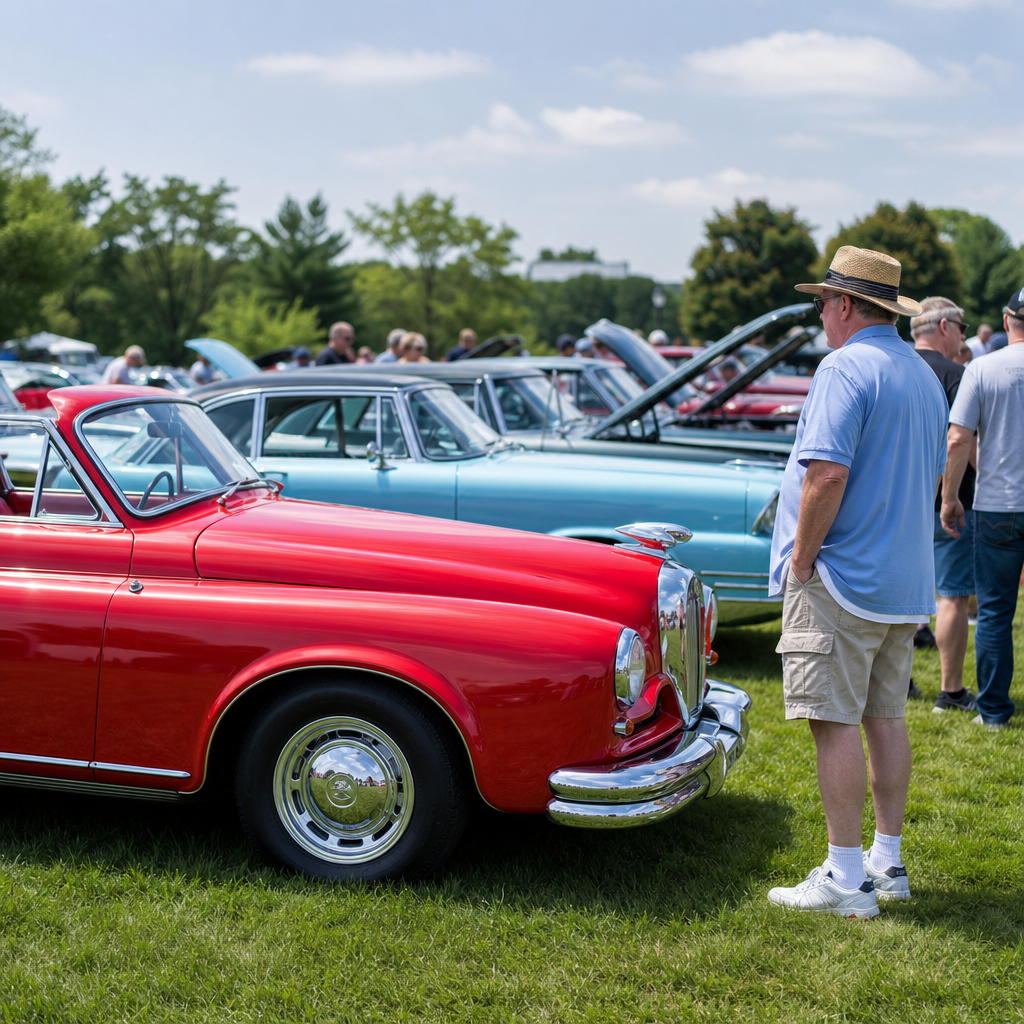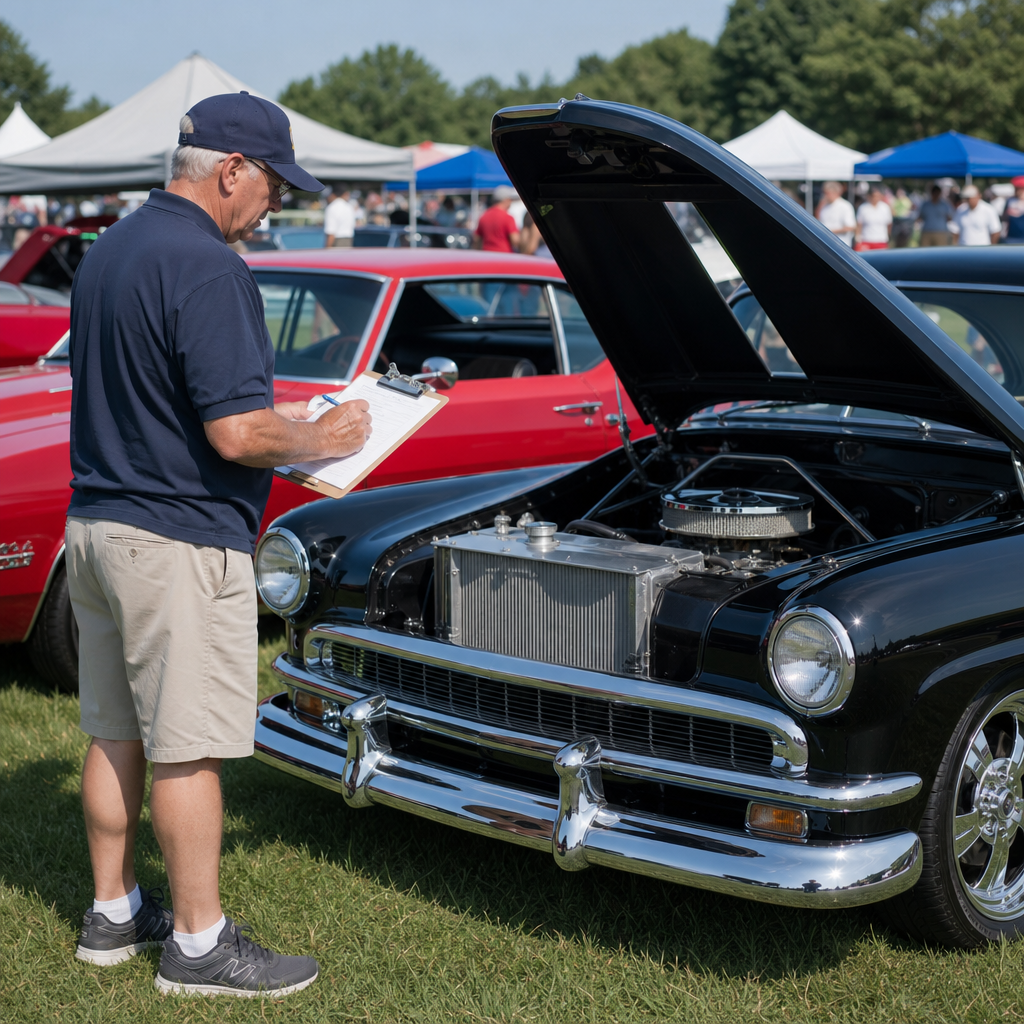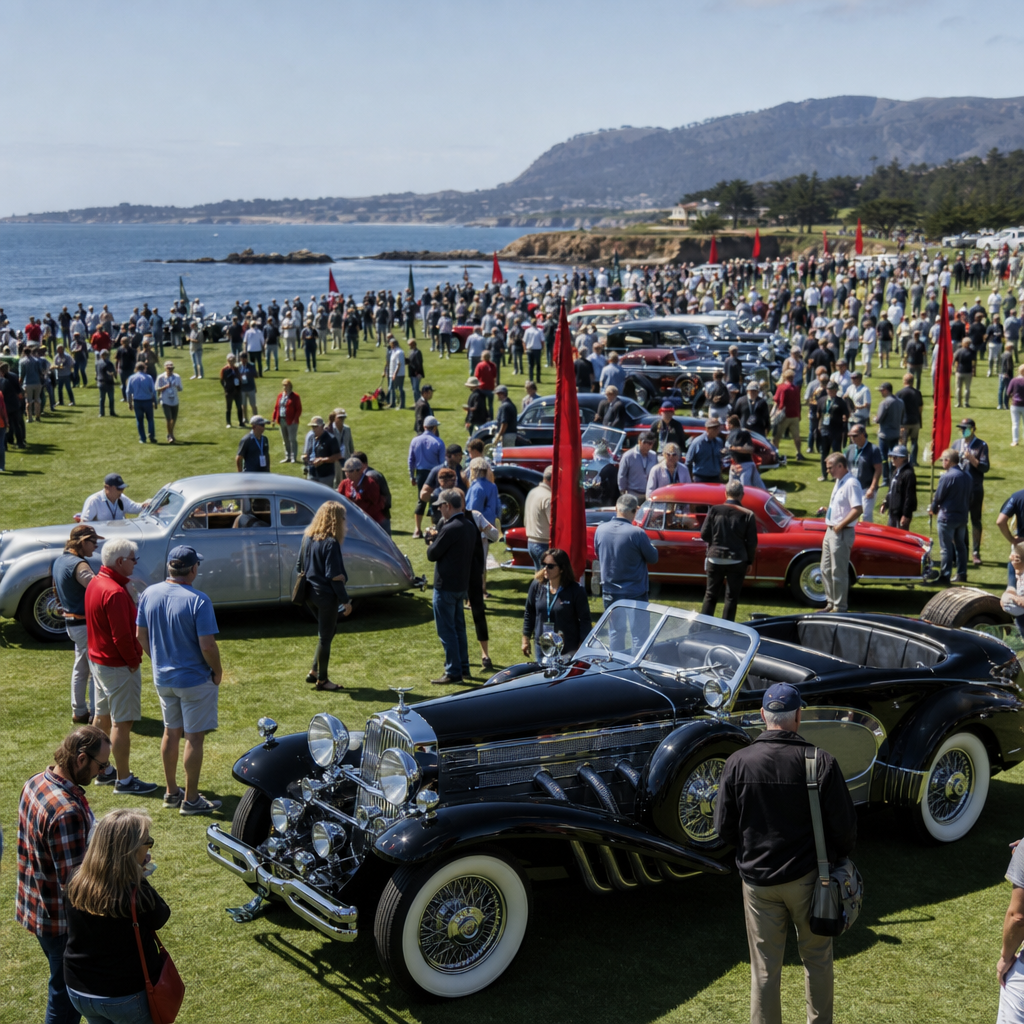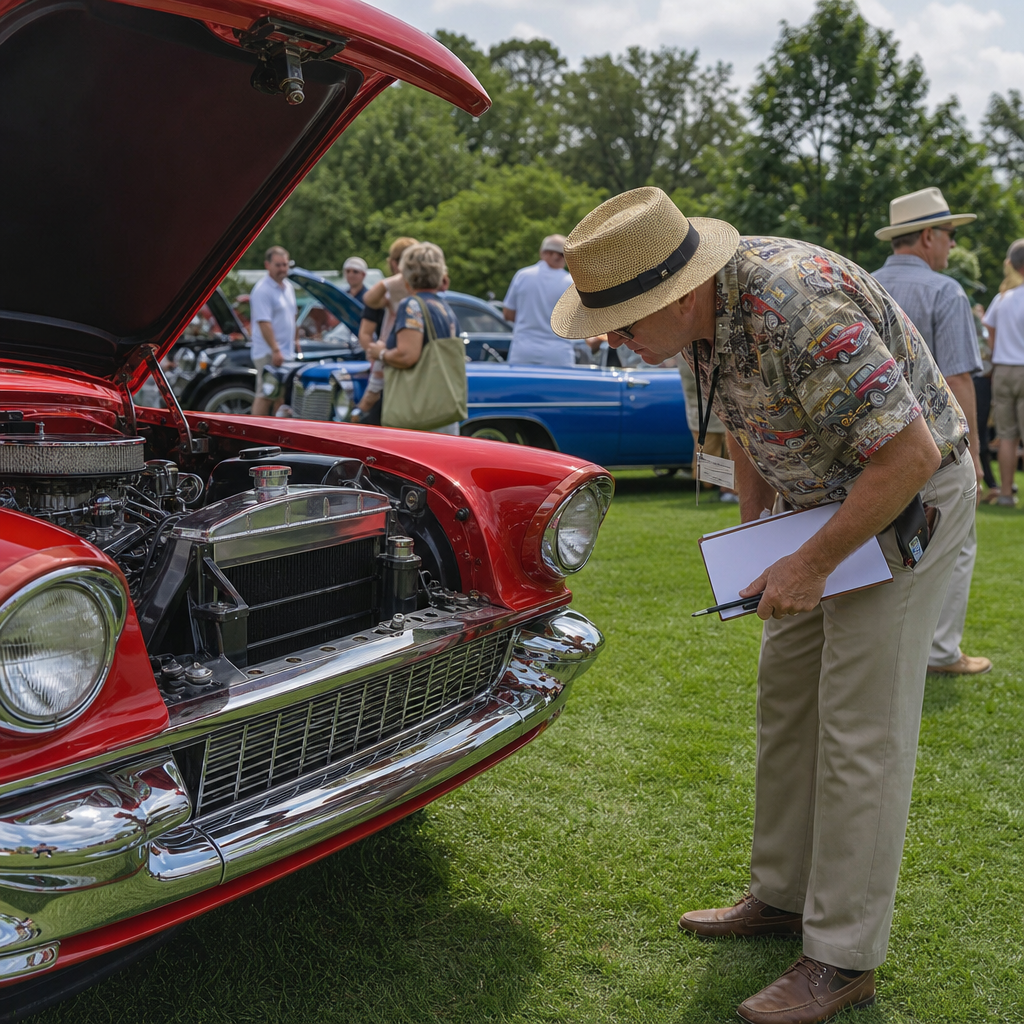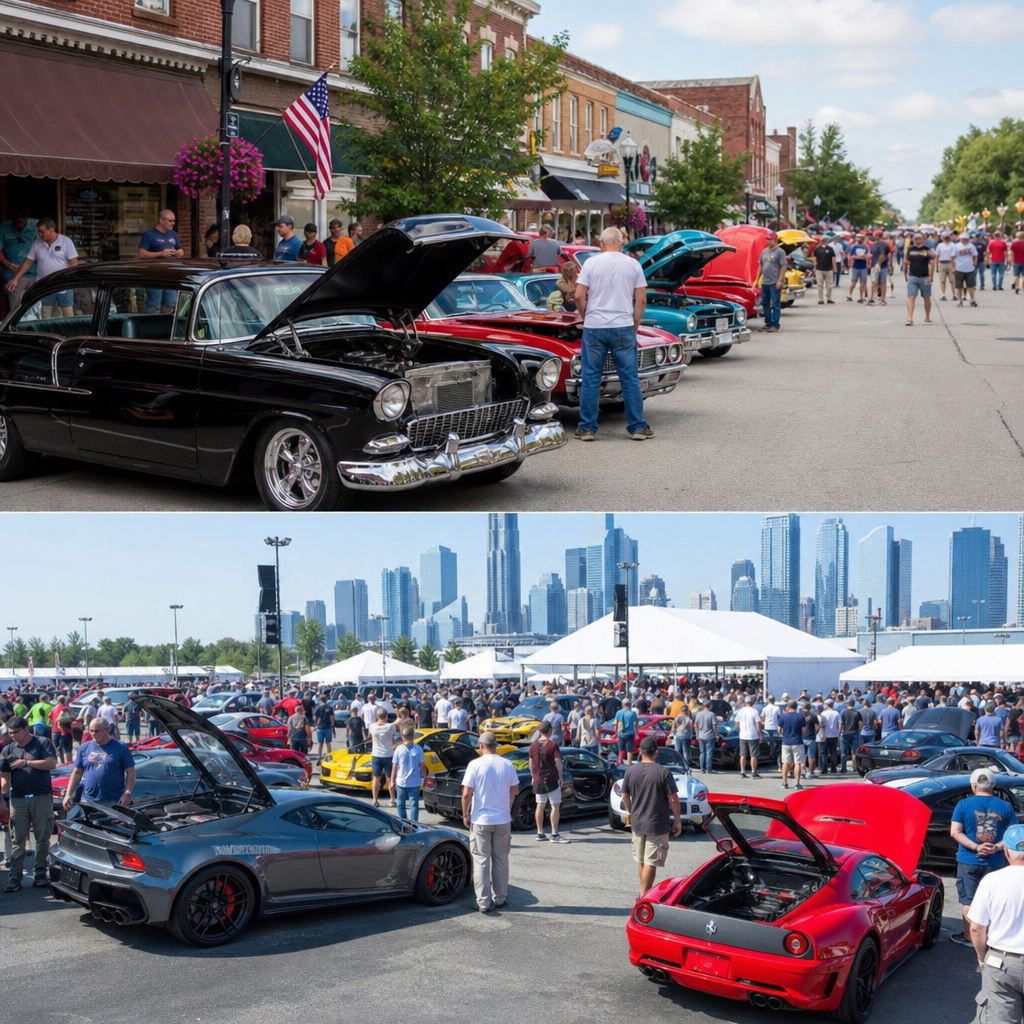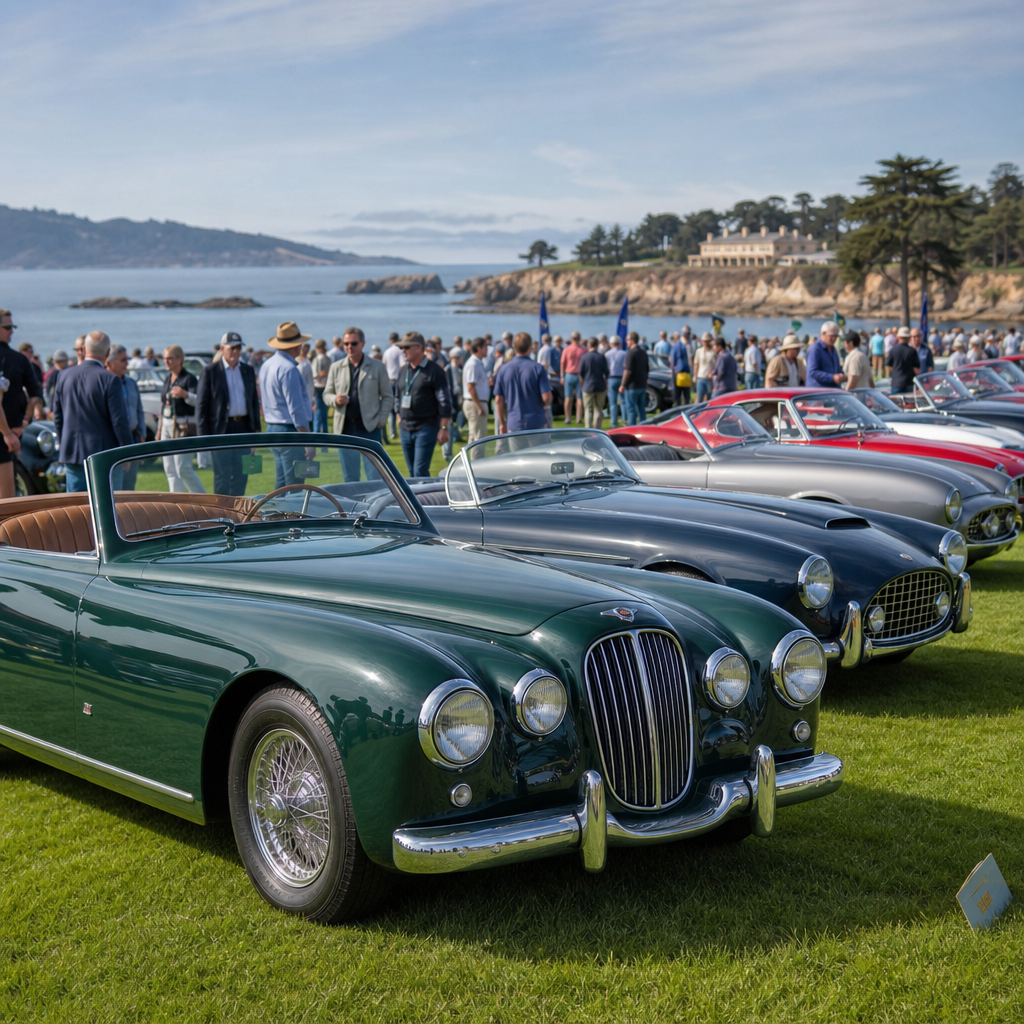
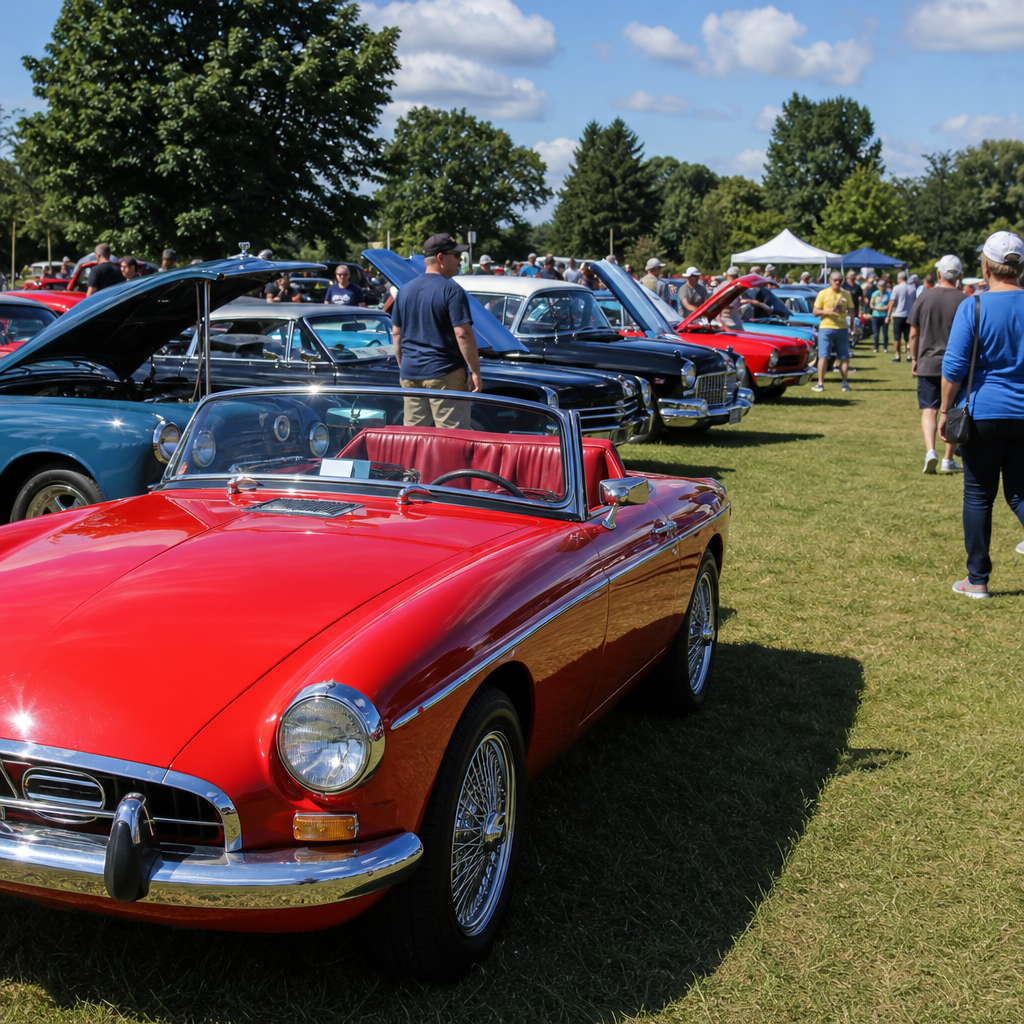
Classic car shows near you are easier to find when you know where events are listed, how organizers promote them, and which details separate a worthwhile local cruise-in from a major judged concours. In classic car culture, “car shows and events” covers everything from weekly meetups in shopping center lots to marque-specific gatherings, swap meets, charity rallies, parade runs, museum weekends, and nationally recognized competitions. I have spent years tracking these events for clients, publications, and my own weekends, and the same pattern keeps proving true: most enthusiasts miss good shows not because events are rare, but because information is scattered across club calendars, social feeds, venue pages, and regional forums. Learning how to connect those sources turns a casual search into a reliable system.
This matters because classic car shows do more than display polished sheet metal. They help owners source parts, compare restorations, learn from judges, meet specialists, and keep local automotive history visible. A first-time visitor might discover how a 1967 Chevelle SS differs from a base Malibu, why paint-correct restoration standards matter in AACA judging, or which local trim shop still knows how to repair a torn tuck-and-roll interior. For families, events create an accessible entry point into classic car culture & lifestyle without requiring ownership. For owners, they provide motivation to maintain a vehicle, document provenance, and join a community that values preservation as much as presentation. If you want to find classic car shows near you consistently, the goal is not simply searching once. The goal is building an event-finding routine that surfaces local shows, regional highlights, and specialty gatherings all year.
The best way to do that is to combine broad search tools with local knowledge. National event platforms can show headline shows, but neighborhood cruise nights often appear only on a diner’s Facebook page, a county fairgrounds calendar, or a local car club newsletter. Weather, seasonality, and regional tastes also shape what you will find. In the Midwest, summer calendars fill with town-square cruise-ins and fairground swap meets. In the Southwest, cooler-month events dominate because heat limits daytime attendance. In coastal markets, you may see stronger turnout for European classics, while rural areas often lean toward trucks, muscle cars, and farm-adjacent heritage machinery. Once you understand those patterns, searching becomes faster and far more accurate.
Start with the core places where classic car shows are announced
If you want a dependable answer to “how do I find classic car shows near me,” begin with the most complete event sources first, then narrow locally. Search terms that work well include “classic car shows near me,” “car cruise nights near me,” “vintage car events [your city],” “swap meets [your state],” and “concours d’elegance [region].” Use Google Maps as well as standard search because organizers frequently create map listings for venues without optimizing their websites. I also recommend checking Eventbrite, Facebook Events, Hemmings, local tourism calendars, fairgrounds schedules, Cars and Coffee pages, and marque-club event listings from organizations like the Mustang Club of America, Antique Automobile Club of America, Porsche Club of America, and the Classic Car Club of America. Each source catches different event types.
Hemmings remains one of the strongest broad sources for collector car events because it attracts committed enthusiasts and established promoters. Facebook Events is less tidy, but it is often where small-town organizers post last-minute updates about weather delays, entry gates, or date changes. County fairgrounds and civic centers matter because promoters book recurring automotive events there long before local news notices them. Museum websites are also valuable; automotive museums, transportation museums, and historic estates frequently host themed concours lawns, marque anniversaries, and educational weekends that never make it to generic event pages. When I audit local event visibility, I usually find at least a third of solid weekend shows through venue calendars rather than the organizer’s main website.
Do not overlook old-fashioned club websites and newsletters. Many classic car clubs have dated designs but excellent information. A regional Thunderbird club, British car society, or prewar automobile association may keep a plain calendar page that lists nearby open shows, tours, and judged events across several states. These pages often include registrar contacts, host hotel details, dash plaque limits, and cut-off dates for discounted registration. That level of detail helps you decide whether an event is a casual spectator visit, a serious show field, or a travel weekend worth booking early.
Use local signals to uncover the shows national calendars miss
The most enjoyable local events are often the hardest to find because they are organized by volunteers, restaurants, churches, VFW halls, downtown business groups, or small clubs without dedicated marketing help. To uncover them, search venue-first instead of event-first. Look at the calendars for diners, drive-ins, shopping plazas, community colleges, speed shops, and parts stores such as O’Reilly Auto Parts, NAPA, or independent restoration shops. These businesses sponsor cruise nights because classic car traffic brings customers. A Wednesday burger stand meetup may never appear on a national site, yet it can draw one hundred cars every week from April through October.
Local radio stations and regional newspapers still matter, especially in suburban and rural areas. Community event pages often list charity runs, holiday parades with antique classes, and downtown festivals with car corrals. Chambers of commerce are another underused source. If a town is promoting a summer heritage weekend, there is a good chance a classic car display is attached. I have found several excellent annual events by searching “[town name] summer festival car show” and then following sponsor logos to the hosting club’s page. That method works because small event sites are often thin, but sponsor pages and town calendars create enough cross-signals to reveal them.
Another reliable tactic is to search social media for recurring terms tied to your area: “cruise night,” “cars and coffee,” “classic car meet,” “rod run,” “swap meet,” and “show and shine.” Add your county, not just your city. Many enthusiasts are willing to drive thirty to ninety minutes, so a countywide or regional search gives better results than an ultra-narrow radius. Join local Facebook groups, Reddit communities, and marque forums, then watch how regulars answer newcomer questions. The same event names come up repeatedly, and that repetition is useful. In practice, recurring mentions usually indicate stable turnout, decent organization, and enough momentum to survive weather interruptions and venue changes.
Know the different types of classic car shows and what each one offers
Not every classic car event serves the same purpose, and understanding the categories saves time. A cruise-in is usually informal, recurring, and social. You park, walk, talk, and leave when you want. A judged car show adds registration, classes, trophies, and rules about arrival time, cleanliness, and eligibility. A concours d’elegance sits at the high end, emphasizing authenticity, provenance, presentation, and historical significance. Swap meets focus on parts and automobilia, though many include display vehicles. Cars and Coffee gatherings tend to mix classics with modern exotics, tuners, and motorcycles, making them ideal if you enjoy variety rather than a pure vintage field.
Marque-specific events are especially useful for owners seeking model knowledge. A Corvette meet, Volkswagen air-cooled weekend, or British car day can teach more in one afternoon than months of solo internet reading. You can compare factory-correct finishes, wheel options, trim details, and common modifications side by side. Charity shows often prioritize broad participation and family attendance over strict judging standards, which makes them welcoming for beginners. Museum-hosted events usually provide stronger curation and historical interpretation. If you are choosing only a few weekends per year, match the event type to your goal: socializing, learning, competing, buying parts, or photographing rare cars.
| Event type | What to expect | Best for |
|---|---|---|
| Cruise-in | Casual parking, no formal judging, recurring schedule | Beginners, families, local networking |
| Judged show | Registration classes, awards, arrival rules | Owners seeking feedback or competition |
| Concours | High standards, provenance emphasis, curated entries | Serious collectors, historians, photographers |
| Swap meet | Parts vendors, tools, memorabilia, project leads | Restorers and bargain hunters |
| Marque event | Single brand or model focus, deep expertise | Owners researching authenticity and maintenance |
Check event quality before you commit your time
Once you identify a show, verify whether it is worth attending. Start with the organizer’s track record. Established clubs usually publish prior-year photos, sponsor lists, beneficiary information, and registration details. Look for practical specifics: event hours, admission cost, spectator parking, vehicle year cutoffs, rain dates, and whether proceeds support a charity. Vague pages with no contact information are a warning sign, especially for out-of-town travel. Reviews on Facebook, Google, and local forums can reveal recurring problems such as chaotic parking, weak signage, or trophy-heavy promotion with little actual field quality.
Photos are one of the best filters. If five years of galleries show fifty clean cars, stable turnout, and good spacing, the event is probably legitimate. If every image is taken tightly to hide sparse attendance, manage expectations. I also check whether reputable local shops, insurers, or restoration businesses sponsor the show. Companies do not guarantee quality, but experienced sponsors tend to stick with events that are organized and well attended. For judged events, ask which judging standard is used. AACA-style authenticity judging differs from participant vote shows or custom-focused formats, and knowing that distinction helps owners prepare.
Travel logistics matter too. A free downtown show with difficult parking may be less convenient than a ticketed fairgrounds event with restrooms, shade, and food. If you are bringing a car, confirm trailer access, unloading rules, and whether early arrival is required. Some premier events close the field at a strict time. Missing that window can turn a display day into a spectator day. The small details are usually the difference between a relaxed outing and a frustrating one.
Build a year-round system for finding upcoming classic car events
The easiest way to keep discovering classic car shows near you is to stop treating each search as a one-time task. Create a simple tracking system. I use a spreadsheet and a shared calendar, but any note app works if it captures event name, location, date, host, source link, and status. Sort by recurring weekly events, annual anchor shows, and “watch for announcement” events that have not posted current dates yet. This matters because many organizers repeat weekends from prior years before updating websites. If a downtown fall show happened on the second Saturday of October three years in a row, you can set a reminder months ahead and catch the announcement early.
Email newsletters are still highly effective. Subscribe to local clubs, museums, race tracks, fairgrounds, and restoration shops. Follow event venues on Facebook and Instagram, but do not rely on algorithms to show you every post. Visit pages directly during peak season. Google alerts for phrases like “classic car show [your city]” or “cruise night [county]” can also surface new pages. If you attend one strong event, ask participants what else is on their calendar. Enthusiasts usually know the next three worthwhile shows by memory, and that human referral chain regularly outperforms search alone.
Seasonal planning helps. In colder climates, major shows cluster from late spring through early fall, while indoor winter auctions, museums, and convention center events keep the calendar alive off-season. In warmer regions, the best months may be October through April. Once you map your local rhythm, you can plan road trips around larger regional events and use smaller weekly meetups to stay engaged between them.
Make the most of the show once you get there
Finding the event is only the first step. To get full value from classic car shows and events, arrive with a purpose. If you are a spectator, bring comfortable shoes, water, and a phone or notebook for photos and details. Photograph trim tags, engine bays, wheel finishes, and interior patterns if you are researching a future purchase or restoration. Ask owners informed questions: what is original, what was restored, where were parts sourced, and what would they do differently. Most owners respond well when they can tell you are genuinely interested rather than casually fishing for resale numbers.
If you are showing a car, prepare beyond washing it. Carry a small detail kit, glass cleaner, microfiber towels, tire dressing only if appropriate for the event style, and a printed spec card with year, model, engine, transmission, and restoration notes. Documentation adds credibility. Build sheets, ownership history, judging sheets, and period photos can transform a car from attractive to memorable. For buyers, shows are excellent places to build a comparison set. Seeing ten first-generation Camaros or Tri-Five Chevrolets in person sharpens your eye for panel fit, incorrect trim, and over-restoration in a way online listings cannot.
Finally, use every event as a lead generator for the next one. Pick up flyers, photograph bulletin boards, and note club names on windshield placards. The classic car hobby runs on networks. One local cruise night often leads to a charity run, which leads to a marque meet, which leads to a regional swap meet where you finally find the hard-to-source part or the specialist who can rebuild your original carburetor correctly.
Finding classic car shows near you becomes straightforward once you combine major event platforms, venue calendars, social media, local clubs, and word-of-mouth from people who already attend. The core idea is simple: broad search tools help you locate visible events, while local signals uncover the smaller shows that define real community. When you understand event types, verify quality in advance, and track dates throughout the year, you stop missing opportunities and start building a reliable calendar of cruise-ins, judged shows, swap meets, and museum gatherings.
That matters because car shows and events are the social engine of classic car culture & lifestyle. They connect owners with parts, services, judges, historians, and future friends. They give beginners a welcoming way to learn the difference between restored, preserved, modified, and survivor cars. They also help you spend time more wisely. Instead of driving to random low-turnout meets, you can choose events that match your goals, whether that means family fun, serious judging, photography, buying parts, or studying a specific model before purchase.
The best next step is practical: pick three sources today, add the next five local events to your calendar, and attend one this month. Once you start building that habit, finding classic car shows near you stops being a search problem and becomes part of your routine.
Frequently Asked Questions
How can I find classic car shows near me without missing the best local events?
The most reliable way to find classic car shows near you is to use several sources at once instead of depending on a single event calendar. Start with local listings on classic car event websites, community calendars, tourism sites, and social media event pages. Many of the best cruise-ins, Cars & Coffee gatherings, and weekend shows are promoted through Facebook groups, local car club pages, museum newsletters, and even flyers at restoration shops, parts stores, and drive-ins. That is especially true for recurring weekly or monthly events that may not appear on national directories.
It also helps to identify the organizers who are active in your region. Local vintage car clubs, marque-specific groups, chambers of commerce, downtown business associations, and charities often host or co-sponsor events. Once you follow those organizations, you will start seeing a predictable pattern of annual shows, seasonal cruise nights, parade runs, swap meets, and fundraiser events. If you attend one good local event, ask participants where they find upcoming shows. Enthusiasts usually know the regional schedule well and can point you toward the strongest venues, the best-run events, and the hidden gems that are easy to overlook online.
To avoid missing worthwhile events, create a simple tracking system. Save dates in a calendar, subscribe to email updates from clubs and venues, and check event pages again a few days before the show in case weather, registration, or location details change. The best strategy is a mix of online research and real-world networking. That combination will consistently uncover more classic car shows than search engines alone.
Where are classic car shows and events usually listed?
Classic car shows and events are typically listed across a wide range of channels, and understanding that landscape makes your search far more efficient. Major events such as concours competitions, large regional shows, museum weekends, and national marque gatherings often appear on established event directories, official venue websites, tourism calendars, and automotive media publications. These larger events usually have dedicated websites, advance registration pages, sponsor lists, and clearly published schedules.
Smaller and more local events are often promoted in less formal but highly effective places. Weekly cruise-ins, shopping center meetups, neighborhood car gatherings, and local fundraiser shows may be listed on Facebook Events, Instagram pages, club forums, community bulletin boards, radio station calendars, and local newspaper event sections. You may also find them through businesses that cater to enthusiasts, such as restoration shops, speed shops, upholstery specialists, paint suppliers, and classic car dealerships. Many of these businesses sponsor or help spread the word about nearby events.
Do not overlook offline sources. Museums, fairgrounds, diners, churches, and event venues sometimes post seasonal schedules in print. Swap meets and regional shows are also excellent places to collect flyers for upcoming gatherings. If you want the most complete picture, check both broad event platforms and niche local sources. In classic car culture, some of the most enjoyable events are not always the most heavily advertised, so thorough searching pays off.
What details should I check before deciding whether a classic car show is worth attending?
Not every event offers the same experience, so it is important to review the details before you commit your time. First, determine what kind of event it is. A casual cruise-in is very different from a judged concours, a swap meet, a marque-specific gathering, or a charity rally. If you are looking for relaxed conversation and local cars, a weekly meetup may be perfect. If you want rare vehicles, formal presentation, and higher standards of authenticity, a concours or major annual show will be more rewarding.
Next, look at the practical information. Check the location, hours, parking arrangements, spectator admission, registration limits, and weather policy. Also review whether the event is open to all classic vehicles or focused on a certain make, era, body style, or theme. Some events emphasize muscle cars, pre-war vehicles, hot rods, British classics, air-cooled models, or trucks. Others are broad enough to include everything from restored originals to modified customs. Knowing the event’s focus helps you decide whether the field of cars will match your interests.
It is also wise to evaluate the event’s reputation. Look for photos from previous years, attendance numbers, vendor participation, and comments from past attendees. Strong signs include organized check-in, clear scheduling, quality venues, good spectator flow, and a history of repeat participation. If you are traveling any distance, confirm that the event is still on and verify whether there are nearby food options, shade, seating, or related attractions such as museums or swap meet areas. A few minutes of pre-event research can make the difference between a memorable day and a disappointing trip.
What is the difference between a local cruise-in, a car show, and a concours event?
These terms are often used interchangeably by newcomers, but they refer to very different formats within classic car culture. A local cruise-in is usually informal, recurring, and community-focused. It may happen weekly or monthly in a shopping center lot, restaurant parking area, or town square. Participants come and go, there may be no judging at all, and the atmosphere is typically social and relaxed. Cruise-ins are ideal if you want to meet owners, see a rotating mix of cars, and ease into the hobby without the structure of a formal event.
A standard car show is more organized and may include registration, designated parking classes, trophies, vendors, music, food, fundraising, or club participation. These shows range from small-town charity events to large regional gatherings with hundreds of vehicles. Judging may be casual, participant-voted, sponsor-based, or class-specific. They are often the backbone of local classic car activity because they combine spectator appeal with a structured schedule and a broad range of vehicles.
A concours event sits at the more formal and prestigious end of the spectrum. Concours gatherings generally emphasize presentation, authenticity, rarity, provenance, and meticulous condition. Vehicles are often judged against rigorous standards, and the event may feature carefully curated classes, upscale venues, and significant collector interest. If a cruise-in is about community and a local show is about organized participation, a concours is about high-level excellence and detailed evaluation. Understanding these differences helps you choose events that fit your interests, whether you want a casual evening out or a destination experience.
Are social media and local car clubs really the best way to discover hidden classic car events?
In many cases, yes. Social media and local car clubs are often the fastest route to finding smaller, more authentic, and less commercialized classic car events near you. While large events usually have solid online visibility, many excellent local gatherings are promoted primarily through enthusiast networks. Club members often share flyers, weather updates, venue changes, registration caps, and last-minute additions that never make it to larger event sites. If you want to discover neighborhood cruise nights, brand-specific meetups, museum pop-ups, or first-year events that have not yet built a strong web presence, these channels are invaluable.
Facebook groups remain especially useful because organizers can post real-time updates, answer questions, and share photos from past events. Instagram can help you identify active clubs, local collectors, and venues that regularly host shows. Beyond social media, joining or following a local antique auto club, muscle car group, import classic community, or marque registry gives you insider access to event calendars and word-of-mouth recommendations. These groups often know which events are growing, which ones are declining, and which ones consistently attract quality cars and strong attendance.
The key is to treat these sources as part of an overall strategy. Social media can be excellent for discovery, but it is still important to verify dates, locations, and admission details through official organizers when possible. Used properly, local clubs and social platforms do more than help you find events. They connect you to the people behind the events, and that is often the best way to stay informed year-round.