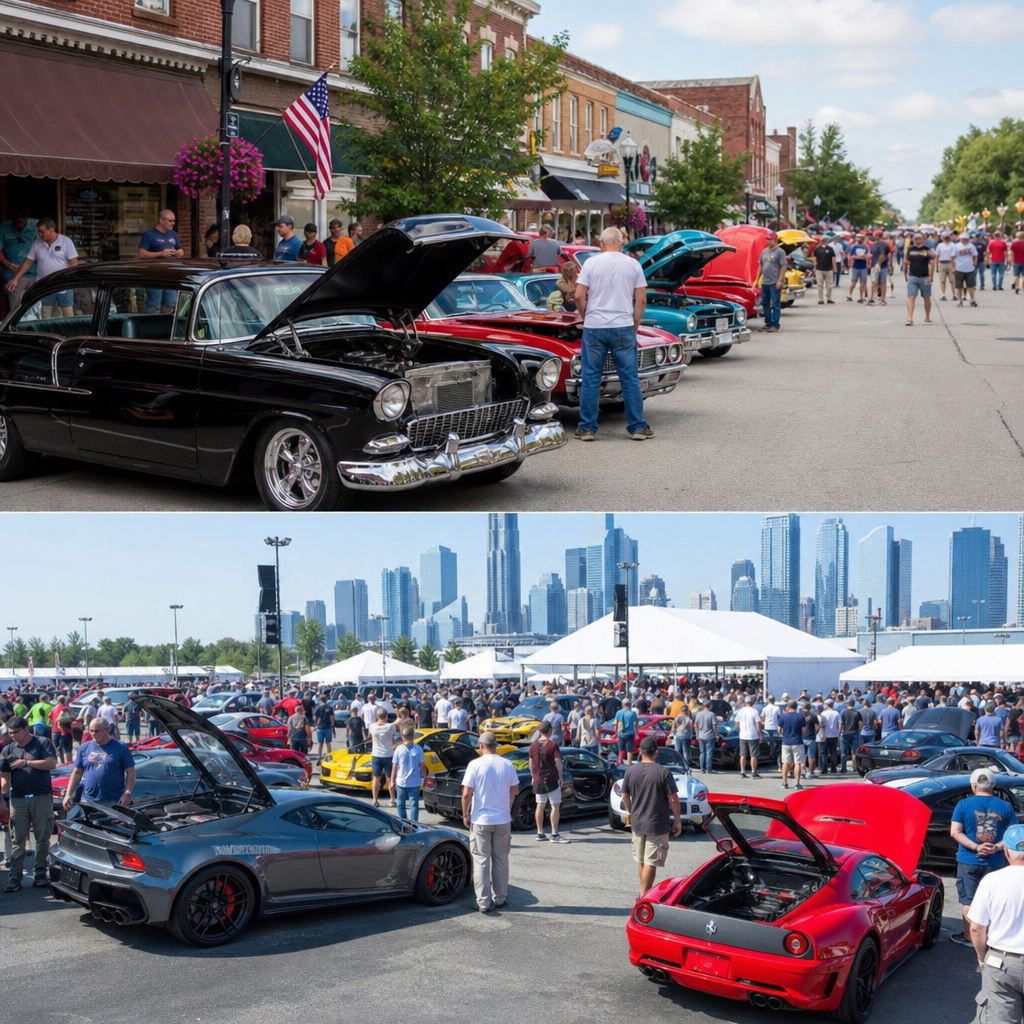
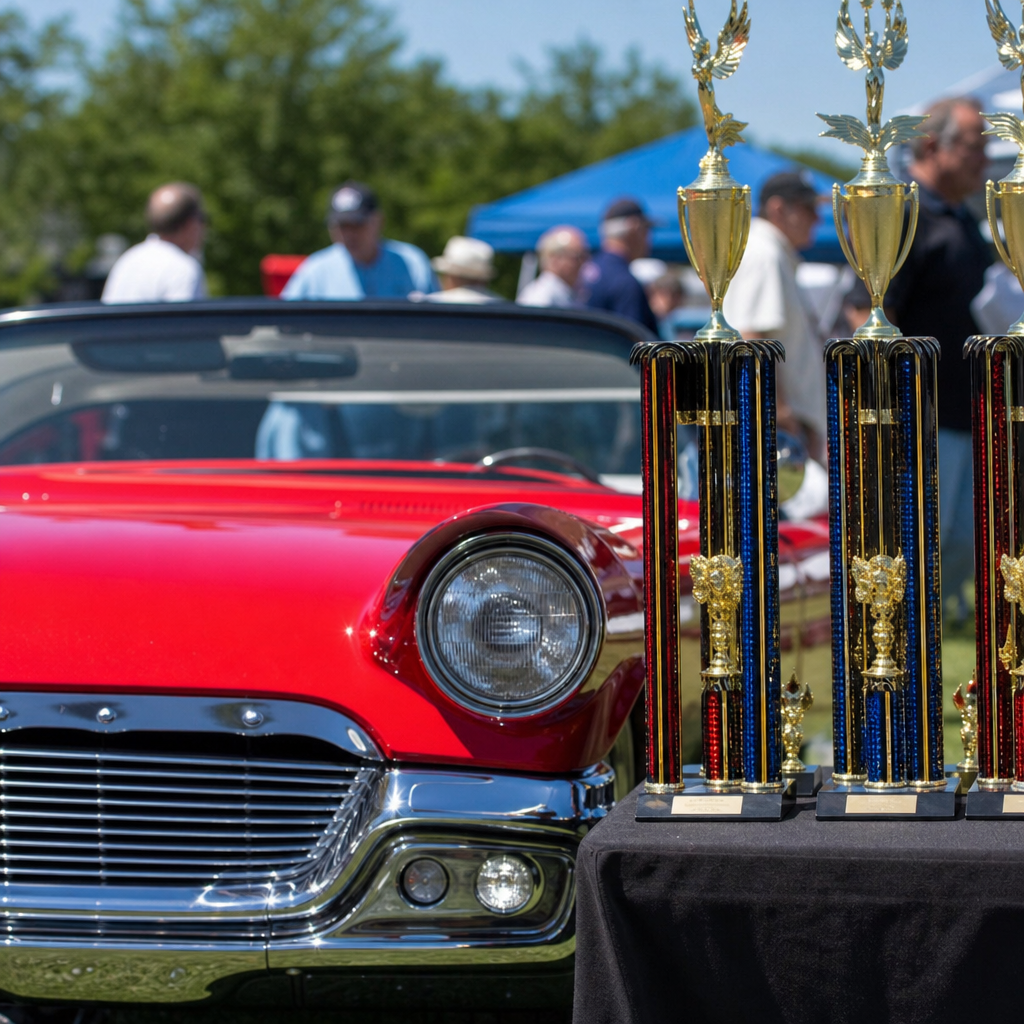
Winning awards at car shows is rarely about luck; it is the result of preparation, presentation, and understanding how judges evaluate vehicles across different classes and event formats. In the classic car world, “car shows and events” covers everything from local cruise-ins and marque-specific concours gatherings to judged indoor exhibitions, charity shows, and national meets run by organizations such as the Antique Automobile Club of America, the Classic Car Club of America, and marque registries. A “show car” is not simply a clean car. It is a vehicle prepared to meet the expectations of a specific audience, ruleset, and judging standard. That distinction matters because the car that wins Best Paint at a Saturday community show may not score well in a factory-correct preservation class, and a highly modified restomod that dominates one event may be ineligible at another.
I have helped owners prep cars for both informal shows and tightly judged events, and the pattern is consistent: awards go to entrants who match their vehicle, presentation, and paperwork to the event. Owners often focus only on detailing, but judges notice authenticity, panel fit, engine bay correctness, cleanliness underneath, wheel choice, glass condition, and even whether the placard tells the right story. They also compare cars within classes, not in isolation. That means your strategy should begin long before loading the trailer or driving to the fairgrounds. You need to know the event type, class criteria, judging sheet, and common deductions.
This hub article covers car shows and events from the perspective of someone trying to win. It explains how judging works, how to choose the right shows, how to prepare your vehicle, how to present documentation, and how to avoid preventable mistakes. If you want more trophies, stronger scores, and a better reputation in classic car culture, the path is straightforward: build a plan, execute consistently, and treat every show like a judged interview between your car and the people evaluating it.
Understand the Type of Car Show Before You Enter
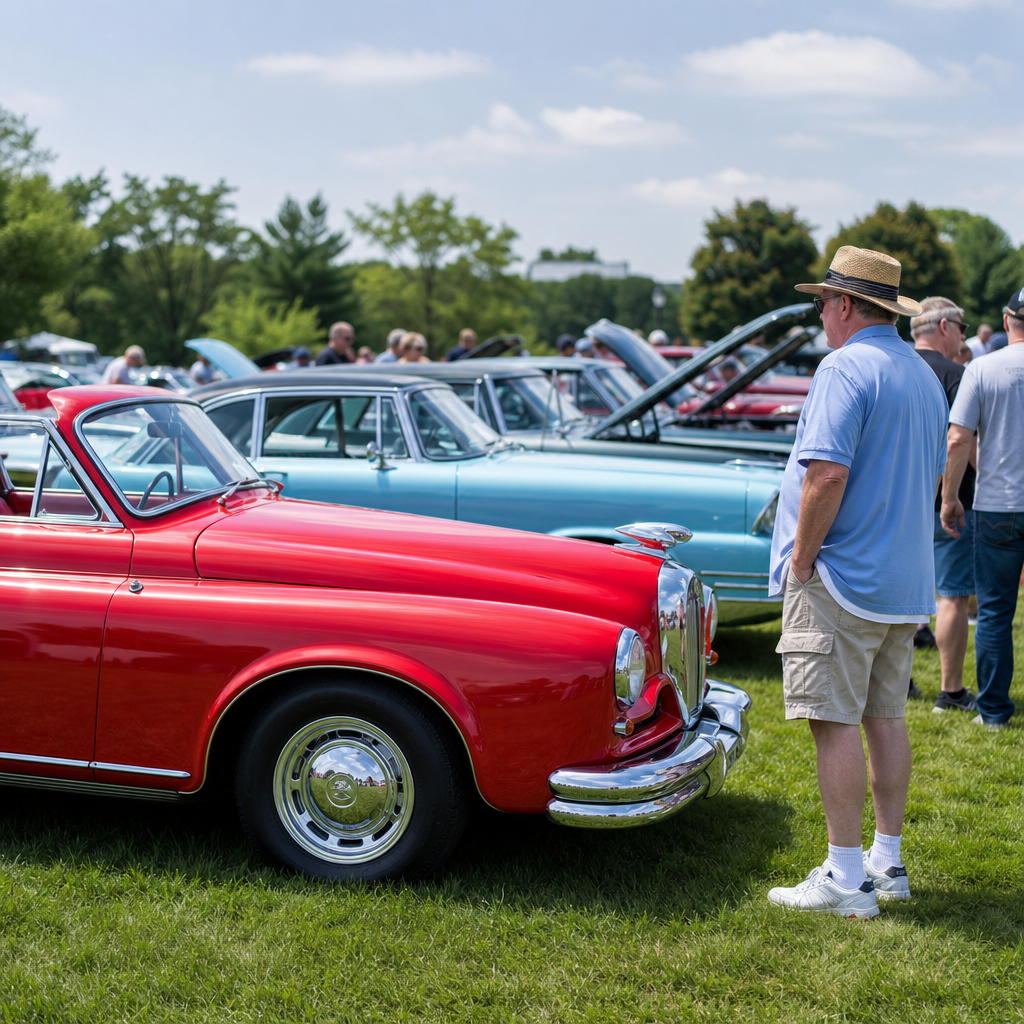
The first tip for winning awards at car shows is to understand exactly what kind of event you are entering. “Car show” sounds broad because it is broad. A local cars-and-coffee style display may use participant voting, where popularity and visual impact matter most. A charity fundraiser might award club-choice trophies based on general appeal. A concours-style event usually follows structured judging focused on authenticity, condition, cleanliness, and craftsmanship. National meets often use formal score sheets and class rules. You cannot prepare effectively until you know which system is in play.
Read the registration materials carefully. Look for terms such as stock, modified, survivor, preservation, driven, concours, street machine, import, truck, or specialty class. Those labels determine what judges reward. For example, in preservation classes, original finishes and date-coded components may be valued over restored perfection. In modified classes, fabrication quality, integration, safety, and design coherence often matter more than factory correctness. If the event publishes judging criteria, study each category and assign your own readiness score before entering.
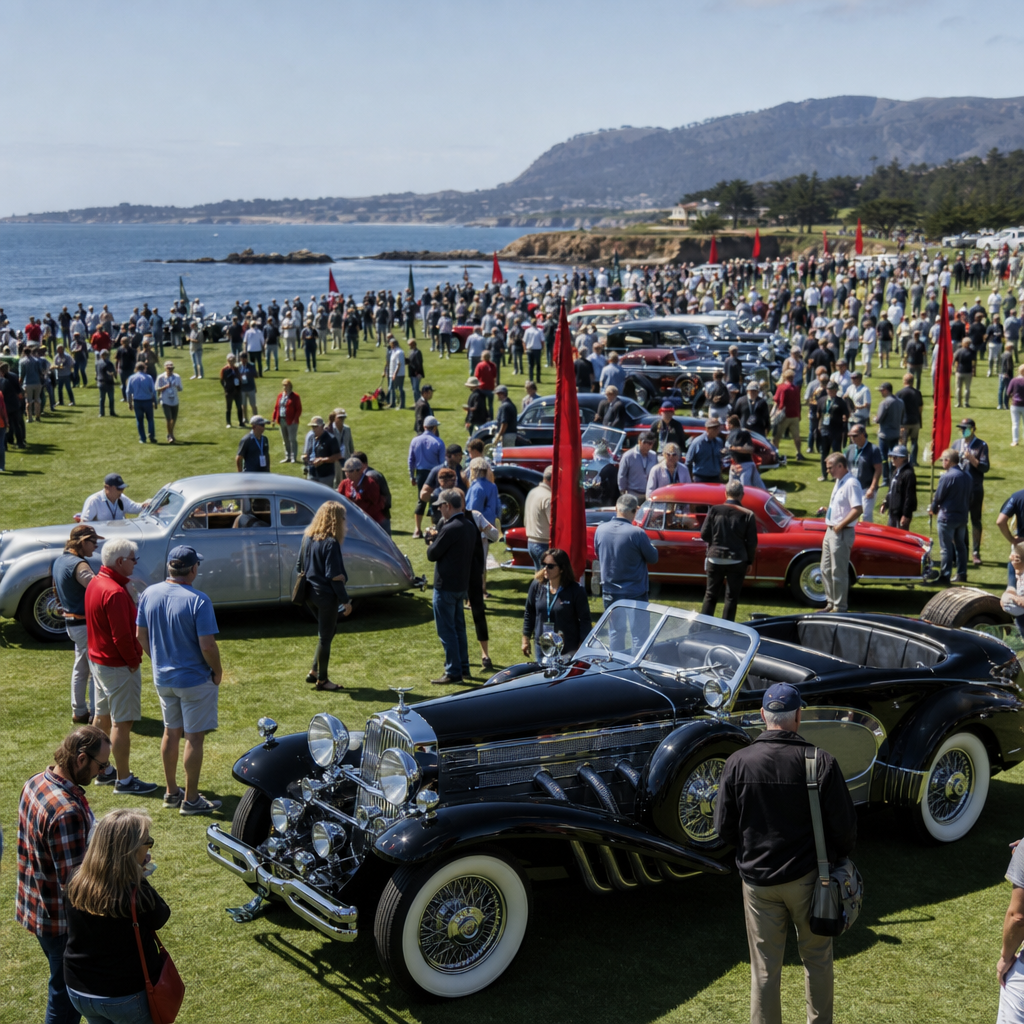
It also helps to understand the culture of the hosting organization. Marque clubs often reward correct badging, trim, finishes, and period accessories because their judges know the details. General public shows can be swayed more by stance, color, and curb appeal. Indoor convention-center events may spotlight presentation quality under harsh lighting, while outdoor lawn concours events expose flaws in chrome, glass, and paint from every angle. Winning starts with entering the right battlefield.
Choose Classes and Events Strategically
Not every good car should be entered everywhere. One of the most practical ways to win more awards is to be selective. If your car is an excellent driver-quality restoration, it may perform better in a driven or local restored class than against trailer-kept national champions in a premier concours field. This is not gaming the system; it is matching your car to realistic competition. Smart entrants know where their vehicle is strongest.
Research past winners, event photos, and class sizes. Social media pages, club forums, and event websites often reveal whether a show attracts high-end restorations, rare originals, pro-touring builds, or broad community entries. If you see multiple six-figure rotisserie restorations in your category every year, your budget-conscious refresh may struggle. On the other hand, a niche marque gathering may appreciate your unusual trim package, low-production engine option, or well-documented ownership history in a way a large mixed-brand show will not.
Distance, weather, and logistics matter too. A perfectly detailed undercarriage can lose points after a 200-mile drive in rain. Some serious competitors trailer their cars for this reason, while others target events close to home that align with driven-car standards. There is no shame in building a calendar that favors your car’s condition, your budget, and your goals. Consistent class placement often produces better results than chasing prestige alone.
Prepare the Car to the Judging Standard, Not Just to “Clean”
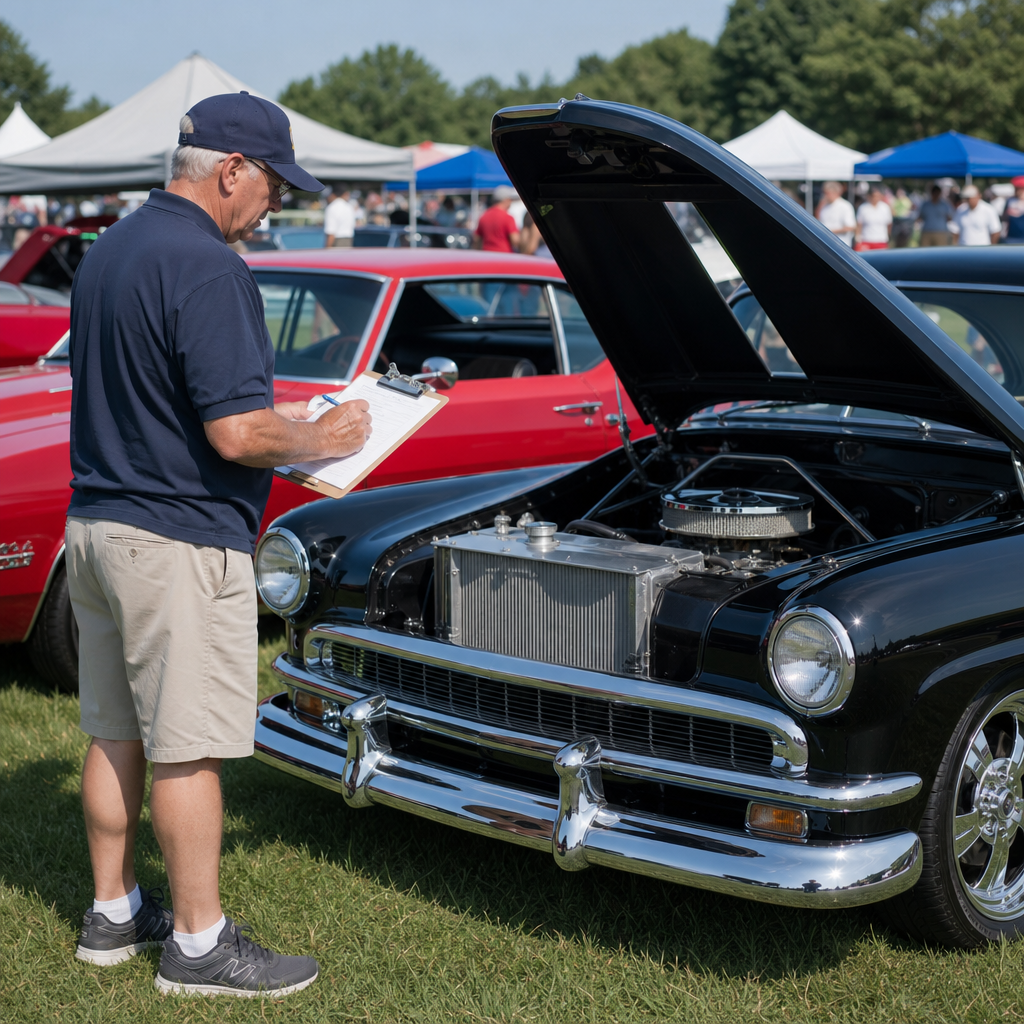
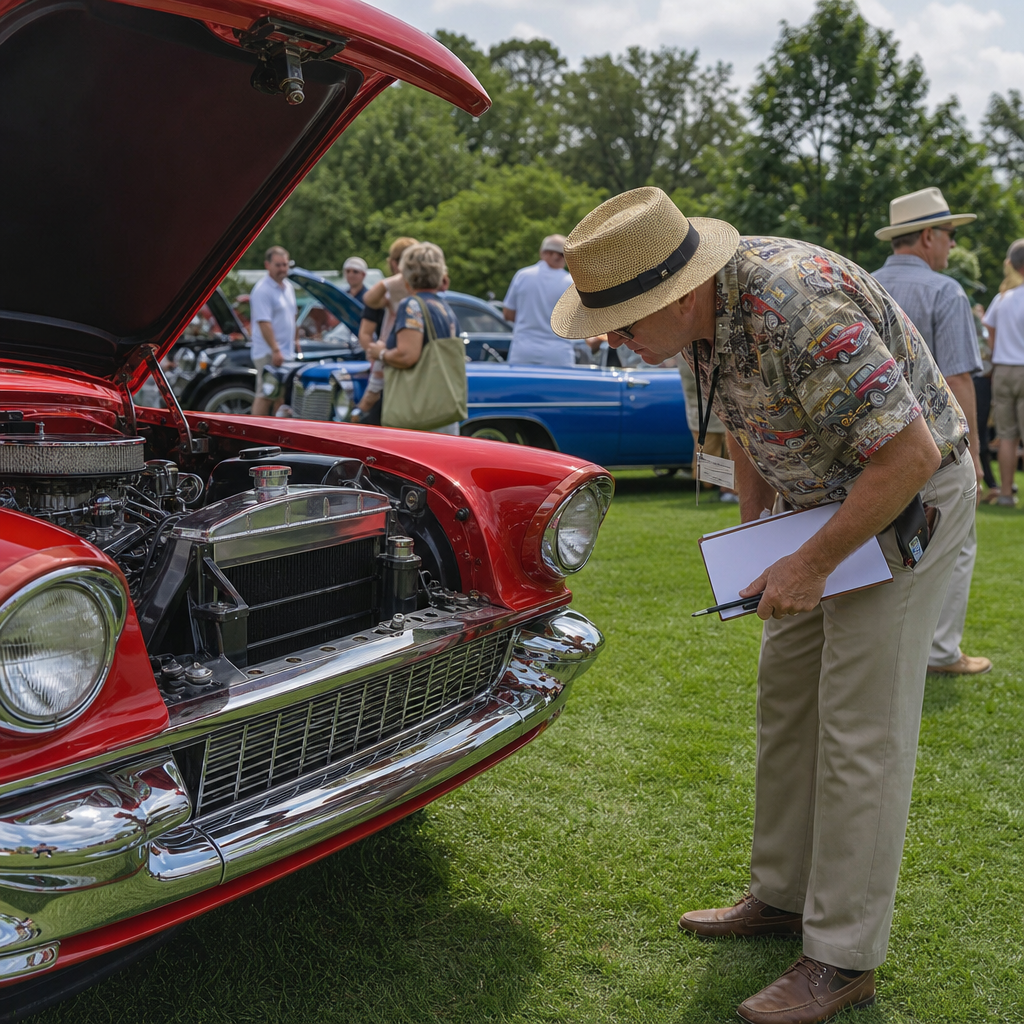
Most entrants underestimate the difference between a washed car and a judged car. To win awards at car shows, preparation must be systematic. Judges inspect obvious areas like paint, chrome, wheels, upholstery, and engine compartments, but they also notice jambs, weatherstripping, lenses, trim alignment, fastener condition, carpet edges, seat tracks, trunk mats, spare-tire wells, and underhood wiring routes. If the event allows undercarriage review, suspension components, brake lines, exhaust routing, and frame finish become part of the score.
Use a checklist that covers exterior, interior, engine bay, trunk, and underside. Paint correction should remove swirls, oxidation, and water spots, but avoid overpolishing thin original paint. Brightwork benefits from metal-specific polish, not one-size-fits-all compounds. Engine bays should be clean and correct, with hoses, clamps, decals, and finishes matching the intended standard. Interiors need more than vacuuming; clean vents, gauge lenses, pedal pads, stitching, and headliner edges. Judges absolutely notice fingerprints on glass and dust in corners.
I recommend doing the final prep in stages: mechanical inspection first, deep cleaning second, cosmetic correction third, and show-day touch-up last. Mechanical reliability matters because leaks, hard starts, smoke, or charging issues undermine presentation immediately. A car that arrives late, overheated, or dripping fluid is already losing the quiet confidence that judges and spectators respond to.
Focus on the Details That Separate Finalists From Winners
At competitive events, top cars are usually all clean. Awards are decided by details. Panel gaps should appear consistent across hood, doors, and decklid. Emblems must be straight. Tires should have clean sidewalls without greasy sling. Wheel weights should be discreetly placed. Glass should be free of haze around edges. Convertible tops need even tension and clean rear windows. Trunks should look intentional, with correct mats, tools, hold-down hardware, and battery presentation where applicable.
Fastener correctness is another separator. On many classics, judges know whether visible bolts should be phosphate-coated, cad-plated, painted, or left natural. Hose clamps, spark plug wires, distributor caps, and air cleaners are common deduction points because aftermarket replacements are easy to spot. If your goal is stock-class success, invest in reference materials, assembly manuals, factory literature, and reputable restoration guides. NCRS judging manuals for Corvettes and MCA standards for Mustangs are examples of how deep authenticity can go.
Modified cars have their own detail standard. A custom build should look cohesive, not random. Wiring must be loomed and secured. Fabrication should be symmetrical. Plumbing routes should be clean. Interior modifications must fit the design language of the car. Judges forgive bold choices more easily than sloppy execution. Precision is persuasive.
Use Documentation to Support Authenticity and Story
Documentation can turn a strong car into an award-winning entry because it reduces uncertainty for judges and adds credibility to your claims. Bring copies of build sheets, window stickers, ownership history, restoration photos, original invoices, judging sheets from prior events, and any authentication documents relevant to your model. For some vehicles, a Marti Report, Pontiac Historical Services packet, BMW Classic archive record, or heritage certificate is invaluable. These records help prove colors, options, drivetrain combinations, and production significance.
A concise display board or placard also helps, especially at shows where judges review many cars quickly. It should identify the year, make, model, engine, restoration approach, notable options, and a short ownership or historical note. Keep it factual and readable. Avoid overloading judges with paragraphs. The purpose is to answer likely questions before they need to ask them.
| Preparation Area | What Judges Look For | Common Mistake | Winning Move |
|---|---|---|---|
| Class entry | Proper category fit | Entering against the wrong competition | Match the car to event rules and likely field strength |
| Exterior | Paint depth, trim, alignment, glass clarity | Ignoring jambs and lower panels | Inspect the car under direct light from multiple angles |
| Engine bay | Cleanliness, correctness, wiring, finishes | Generic replacement parts | Use period-correct clamps, decals, and routing |
| Interior | Odor, stitching, gauges, carpet, hardware | Dust in vents and cloudy lenses | Detail small touchpoints and replace worn minor items |
| Documentation | Authenticity and provenance | Unverified claims | Provide organized copies and a clear display card |
Good documentation also helps in conversation. If a judge asks whether your big-block car is numbers-matching or whether a rare color was factory-issued, you can answer confidently and support the answer. That calm, prepared presentation reinforces trust.
Master Show-Day Presentation and Judge Interaction
How you present the car on show day matters almost as much as how you restored it. Arrive early enough to cool down, wipe off road dust, and set up without rushing. Bring microfiber towels, quick detailer appropriate for your finish, glass cleaner, cotton swabs, tire cleaner, a small vacuum, and basic tools. If the event permits, open the hood, trunk, and doors in a way that invites inspection without creating clutter. Remove unrelated items from the cabin and trunk. A folding chair, cooler, and random supplies next to the car hurt the display.
Owners often ask whether they should stand by the vehicle. In my experience, yes, but do not hover or interrupt. Be available, friendly, and brief. Answer questions directly. If judging is formal, let the team work. If a judge signals interest, point out unusual options, significant originality, or restoration scope, then step back. Never argue during judging. If you disagree with a result, request feedback afterward in a professional tone. Good reputations travel fast in the car-show community, and so do bad ones.
Weather awareness is part of presentation. Carry covers, shade solutions, and supplies for pollen, dew, or sudden rain. Outdoor events can change quickly, and competitors who stay composed preserve both the car and their score.
Avoid the Mistakes That Cost Points Repeatedly
Most losses come from preventable errors. The biggest is failing to read the rules. Close behind are entering the wrong class, showing up dirty from the trip, presenting inaccurate information, and overlooking mechanical issues. Fluid leaks, dead batteries, mismatched hardware, poorly fitting reproduction trim, and nonfunctional lights are common deduction triggers. So are modern accessories left in view, including phone mounts, disposable water bottles, charging cables, and aftermarket floor mats in otherwise stock cars.
Another frequent mistake is over-restoration without class awareness. Judges in some stock or preservation categories may deduct for finishes that are glossier or more refined than factory production ever was. Not every engine compartment should look like jewelry. Factory lines were often cleaner than worn originals, but they were not hand-sculpted concept displays. Knowing the difference protects your score.
Finally, do not neglect follow-up. Save score sheets, note recurring deductions, and build a correction plan. Successful competitors treat each event as field research. Small improvements compound. One corrected hose clamp, one aligned bumper, one better display card, and one cleaner trunk may be the difference between top three and first place at the next show.
Winning awards at car shows comes down to fit, preparation, and disciplined execution. Enter the right event, in the right class, with a car prepared to the actual judging standard rather than to your personal idea of “clean enough.” Study how each show works, research likely competition, and fix the details judges reliably notice. Support the car with organized documentation, present it professionally on show day, and learn from every score sheet. Whether you compete at local cruise-ins, marque meets, or nationally judged concours events, the owners who win consistently are the ones who prepare consistently.
As a hub within classic car culture and lifestyle, this guide should anchor your broader approach to car shows and events. From here, the next useful steps are deeper articles on detailing checklists, concours judging standards, show-day packing, trailer prep, preservation versus restoration strategy, and class-specific documentation. Build your process now: choose one target event, download the rules, create a prep checklist, and start closing the small gaps that keep good cars from becoming award winners.
Frequently Asked Questions
What do judges usually look for when deciding award winners at car shows?
Most judges are looking far beyond basic cleanliness. While a spotless vehicle certainly matters, awards are usually decided by a combination of condition, authenticity, presentation, workmanship, and how well the car fits the standards of its class. At many classic car shows and events, judges evaluate exterior finish, chrome, glass, trim, wheels, tires, engine compartment, undercarriage, interior condition, and overall attention to detail. In more formal judged settings, they may also consider factory correctness, documentation, restoration quality, and whether the vehicle reflects the era, model, and equipment it is supposed to represent.
It is also important to understand that judging standards can vary significantly from one event to another. A local charity show may reward visual impact and crowd appeal, while a concours-style event or a meet hosted by a major collector car organization may place greater emphasis on authenticity and technical accuracy. Some shows favor preservation and originality, while others recognize modified, custom, or restomod builds based on creativity and execution. The smartest approach is to study the event rules in advance, learn the class definitions, and prepare your vehicle specifically for that format rather than assuming every show values the same things.
How can I prepare my car before a show to improve my chances of winning?
Preparation should start well before show day. The best results usually come from a structured plan that includes mechanical readiness, cosmetic detailing, and documentation. Begin by inspecting the vehicle thoroughly: check for fluid leaks, burned-out bulbs, cracked lenses, dirty weatherstripping, chipped paint, stained upholstery, loose trim, cloudy gauges, and any obvious wear that could distract judges. Even small flaws can matter, especially in close competition, so correcting minor issues ahead of time often provides a real advantage.
Detailing should go beyond a quick wash and wax. Clean the paint carefully, polish chrome and stainless trim, dress rubber appropriately, remove dust from vents and instrument panels, and make sure the glass is streak-free inside and out. Judges frequently look in places owners overlook, such as door jambs, trunk areas, spare tire wells, wheel openings, firewall surfaces, and under the seats. The engine bay should look clean and organized, but not artificially overdone if the show values authenticity. If your car is entered in a historically judged class, bring any supporting paperwork you have, including restoration photos, original manuals, build sheets, ownership history, and authenticity records. A well-prepared car tells judges that the owner understands both the vehicle and the standards of serious competition.
Does originality matter more than restoration quality at classic car shows?
That depends entirely on the event and the class. In many classic car competitions, originality can be extremely important, especially in preservation classes or shows where factory-correct details are central to judging. An unrestored car with its original finishes, materials, and equipment may be viewed very favorably if it has been properly maintained and still represents the way the vehicle was built. In these settings, judges may value genuine age, historical integrity, and correct components more than a highly polished restoration that includes non-original finishes, reproduction parts, or modern upgrades.
In other classes, however, restoration quality carries more weight. A fully restored vehicle may earn top recognition if the workmanship is exceptional, the details are accurate, and the result reflects the proper standards for the make, model, and year. High-level restorations are often judged on consistency, precision, and correctness down to hardware finishes, decals, upholstery patterns, and engine bay details. The key is not to assume one approach is universally better. Before entering, determine whether the show rewards originality, restoration, customization, or overall presentation. Matching your car to the right class is often just as important as the condition of the vehicle itself.
What are some common mistakes that cost exhibitors awards at car shows?
One of the most common mistakes is entering the wrong class. A very good car can lose simply because it is competing against vehicles judged by standards it was never prepared to meet. Owners also hurt their chances by failing to read the event rules, overlooking authenticity requirements, or not understanding whether the show is participant judged, spectator judged, or evaluated by trained judges. Another frequent issue is focusing only on the obvious surfaces while neglecting hidden or less glamorous areas. Dirty wheels, dusty dashboards, greasy hinges, stained trunk liners, and untidy engine compartments can all leave a poor impression.
Presentation errors matter too. Arriving late, setting up sloppily, displaying inaccurate information, or being unable to answer basic questions about the car can weaken your entry. Some exhibitors also over-restore or over-accessorize vehicles in ways that do not suit the class they entered. Modern clamps, incorrect finishes, wrong fasteners, and non-period details are often noticed by experienced judges. Finally, owner behavior can make a difference. Being courteous, organized, and respectful helps the process run smoothly, while hovering nervously, arguing with judges, or treating the event casually can undermine an otherwise strong showing. Successful exhibitors usually combine a great car with disciplined preparation and professional presentation.
How important is presentation and owner knowledge during judging?
Presentation is extremely important because judging begins before a score sheet is ever filled out. A car that is positioned neatly, displayed cleanly, and presented with confidence immediately suggests care and seriousness. Simple things such as properly aligned wheels, clean display materials, an orderly trunk, and a thoughtfully arranged engine bay can improve the overall impression. If the event allows informational signage, a concise display card with accurate details about the car’s history, restoration, or originality can add context without overwhelming judges. The goal is to make the vehicle easy to evaluate and memorable for the right reasons.
Owner knowledge can also be a major advantage, especially at shows where judges ask questions or where historical accuracy is part of the evaluation. You should be prepared to explain the car’s year, model, options, restoration scope, unusual features, and any important provenance. If the vehicle has rare components, original paperwork, or significant show history, mention those facts clearly and honestly. That said, knowledge should support the car rather than distract from it. The best exhibitors are helpful, calm, and well-informed without overselling. When judges see that the owner understands the vehicle and has prepared it carefully for the specific event, it reinforces the impression that the car deserves serious consideration for an award.