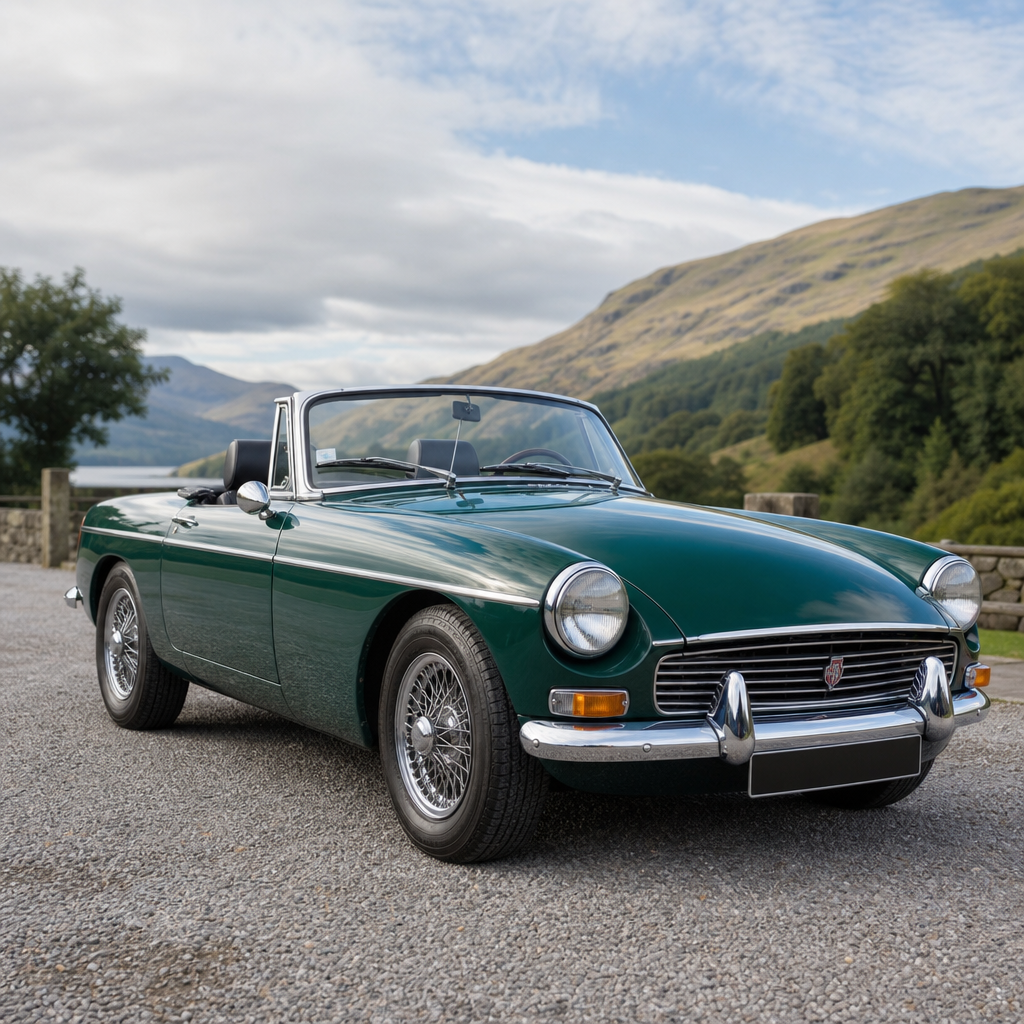
A classic car is generally a vehicle old enough to carry historical, cultural, or collector significance, but the exact definition changes depending on who is asking, why they are asking, and which rules apply. For beginners, that shifting definition is the first thing to understand. Insurance companies, state motor vehicle agencies, car clubs, auction houses, and restorers often use different age thresholds and condition standards. In my experience working around collector vehicles, this is where most confusion starts: one person calls a 20-year-old sports coupe a classic, while another insists only pre-1975 models qualify. Both may be right in their own context.
The term classic car usually refers to an older vehicle valued for more than transportation. It may be admired for design, engineering, rarity, motorsport history, cultural impact, or preservation quality. Some owners focus on originality, meaning factory-correct parts, finishes, and specifications. Others care more about drivability and maintain a vintage vehicle with sensible upgrades such as radial tires, electronic ignition, or front disc brakes. Those choices affect whether a car is viewed as a showpiece, a driver, an antique, a vintage car, or a modified collectible.
Understanding what is considered a classic car matters because the label affects registration, insurance, taxes, maintenance decisions, and resale value. It also shapes how you shop. A buyer looking for a true collector vehicle needs different criteria than someone who simply wants an old car with weekend appeal. This guide explains the major definitions, the factors that make a car classic, the categories you will see in the market, and the mistakes beginners should avoid when entering the classic car world.
Why the Definition of Classic Car Varies
There is no single universal legal or industry definition for classic car. Instead, the meaning changes by purpose. A state department of motor vehicles may define a classic vehicle for special license plates. An insurer may define it for agreed-value coverage. A major club may define it for eligibility at events. Auction companies and price guides may use looser language because they are describing market desirability, not legal status.
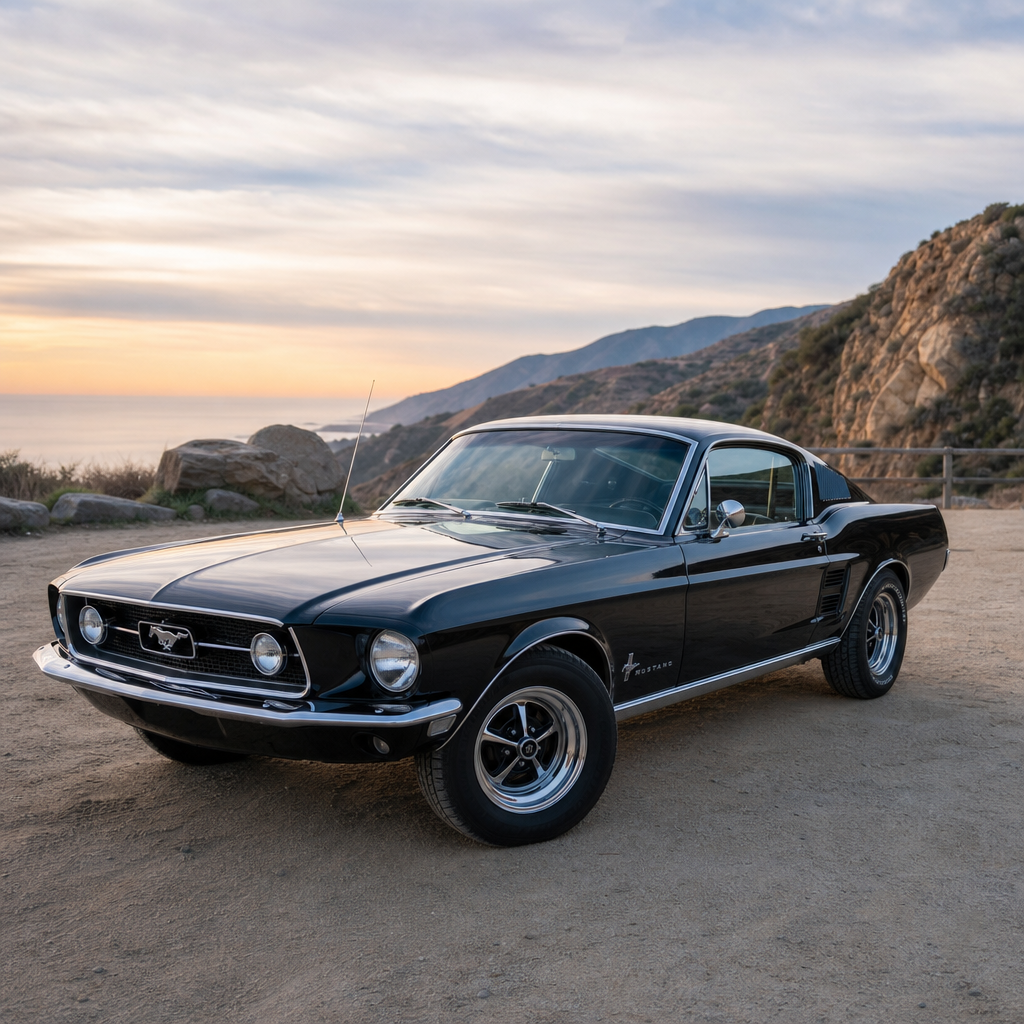
One of the most cited standards comes from the Classic Car Club of America, which traditionally defines a Full Classic as a high-end distinctive automobile built between 1915 and 1948. That list includes marques such as Packard, Duesenberg, Cadillac, Lincoln, and certain Rolls-Royce models. This definition is influential, but it is also narrow. It does not mean a 1967 Ford Mustang or a 1989 Porsche 911 is not a classic in common usage. It only means those cars are not Full Classics under that club’s specific rules.
Insurance companies tend to use practical thresholds. Many collector-car insurers will insure vehicles that are 20 to 25 years old if they are not daily drivers, are stored securely, and are used on a limited basis. States often create categories such as historic, antique, classic, or vintage, with age minimums ranging from 20 to 30 years. Because these categories bring registration benefits and usage restrictions, owners need to read the exact wording in their jurisdiction rather than rely on casual advice from online forums.
What Usually Makes a Car Classic
A car is usually considered classic when it combines age with significance. Age alone is not enough. Plenty of old vehicles have little collector interest because they were mass-produced, lacked notable engineering, or survived in large numbers without developing a strong following. By contrast, some cars become classics quickly because they represent an important design era, a performance milestone, or a turning point for a brand.
Several factors consistently shape whether the market treats a vehicle as a classic. The first is age, commonly 20, 25, or 30 years. The second is desirability, which can come from styling, performance, rarity, racing heritage, celebrity ownership, or pop-culture visibility. The third is condition. An unrestored survivor with original paint and matching-numbers drivetrain may attract serious interest. A heavily worn example with rust, missing trim, and undocumented modifications may not. The fourth is authenticity. Collectors usually pay more for cars that retain their original engine, transmission, body panels, colors, and options, especially when documented by build sheets, window stickers, service records, and factory tags.
Brand reputation also matters. Porsche 911s, Chevrolet Corvettes, Mercedes-Benz SLs, and early Ford Broncos developed strong collector markets because communities, parts support, and long-term enthusiasm stayed active. I have seen two cars of the same age and general condition receive very different attention simply because one had a respected enthusiast base and the other did not. A classic car is part machine and part market story.
Classic, Antique, Vintage, and Collector Car: The Differences
Beginners often use these labels interchangeably, but they are not identical. Classic car is the broadest everyday term. Antique car usually describes a much older vehicle, often 25 years old or more in legal settings, and sometimes pre-1940 in hobby circles. Vintage car often refers to vehicles from a specific early period of motoring, commonly the 1919 to 1930 era, though usage varies. Collector car is a market term covering anything sought by enthusiasts, including modern high-performance models and limited-production vehicles that are not yet old enough for most classic registration categories.
The easiest way to stay accurate is to match the label to the context. If you are discussing insurance, use the insurer’s terminology. If you are discussing concours standards, use the event’s classifications. If you are speaking generally with beginners, classic car is the safest umbrella term for older vehicles with recognized enthusiast appeal.
| Term | Typical Age Range | How It Is Commonly Used | Example |
|---|---|---|---|
| Classic car | Usually 20 to 40+ years | Broad term for older collectible vehicles | 1965 Ford Mustang |
| Antique car | Often 25+ years legally, older in hobby use | Registration and historical categories | 1931 Ford Model A |
| Vintage car | Often 1919 to 1930 | Early motoring era classification | 1928 Bentley 4½ Litre |
| Collector car | Any age if demand exists | Market-driven enthusiast vehicle | 2005 Ford GT |
Age Rules: How Old Does a Car Need to Be?
There is no single answer to how old a car must be to be considered classic, but three common thresholds appear again and again: 20 years, 25 years, and 30 years. Twenty years is frequently used by insurers and enthusiast communities. Twenty-five years appears in state registration categories and import rules in some countries, including the well-known federal exemption that allows certain nonconforming vehicles into the United States once they are 25 years old. Thirty years is a traditional benchmark in many hobby discussions because it clearly separates a car from ordinary used-vehicle status.
Still, age is only the starting point. A 1999 family sedan may be old enough to qualify under some rules but may not be regarded as a classic by most collectors. Meanwhile, a 2002 BMW M3, Honda S2000, or Acura NSX can already command collector attention because enthusiasts recognize their engineering significance, limited supply, and analog driving experience. As I explain to first-time buyers, the market asks two questions: Is it old enough, and does anyone care enough to preserve it?
Examples of Cars Commonly Considered Classic
Looking at examples makes the definition practical. A 1957 Chevrolet Bel Air is almost universally treated as a classic because of its styling, V8 heritage, and deep American collector demand. A 1963 split-window Chevrolet Corvette is a classic due to iconic design and limited one-year configuration. A 1969 Dodge Charger is a classic because muscle-car era appeal, performance options, and cultural visibility keep demand high. A Jaguar E-Type qualifies on design and historical significance, while an air-cooled Porsche 911 qualifies through engineering continuity, motorsport credibility, and decades of sustained enthusiasm.
Later cars can qualify too. The 1987 Buick GNX, 1994 Toyota Supra Turbo, and 1997 Land Rover Defender 90 all developed classic status through rarity, enthusiast following, and recognizable identity. Even trucks and SUVs now sit firmly in classic car conversations. Early Ford Broncos, Chevrolet C10 pickups, and square-body GM trucks show how collector tastes evolve. The lesson is simple: body style, use case, and country of origin do not determine classic status by themselves. Significance does.
Condition, Originality, and Documentation
Once a car is old enough and desirable enough, condition becomes critical. In the collector market, condition is often described on a scale from concours-level restored or preserved examples down to project cars needing full rehabilitation. Surface shine can be misleading. The real evaluation includes rust in floors, frame rails, rocker panels, lower fenders, trunk pans, and suspension mounting points; signs of collision repair; engine compression; fluid leaks; wiring integrity; and the correctness of interior materials and trim.
Originality usually increases value, especially for rare models. Matching numbers means the car retains the engine, transmission, or other major components installed by the factory, verified through serial numbers and date codes. On some models, a numbers-matching example can be worth dramatically more than one with a replacement drivetrain. Documentation supports these claims. The most useful records include factory build sheets, ownership history, maintenance invoices, restoration photos, title history reports, and third-party inspections. When I assess a prospective purchase, paperwork is not an accessory; it is part of the vehicle.
That said, originality is not the only valid path. Many classics are enjoyed as restomods, blending vintage appearance with modern reliability and safety. A fuel-injected small-block swap, upgraded cooling system, or overdrive transmission can make a car far easier to use. These changes may reduce appeal to purists but increase appeal to drivers. Beginners should decide early whether they want a judged collectible or a usable hobby car, because that decision shapes the entire buying strategy.
Ownership Realities: Costs, Insurance, and Use
Calling a car classic does not automatically make it a wise purchase. Ownership involves storage, maintenance, insurance, and parts planning. Collector-car insurance from providers such as Hagerty, Grundy, or American Collectors Insurance can be cost-effective, but it usually requires limited annual mileage, secure storage, and another car for daily use. Policies often use agreed value, meaning the payout amount is established in advance rather than depreciated like a normal used car. That feature is one reason proper valuation matters so much.
Maintenance is different from modern vehicle ownership. Carburetors, vacuum systems, drum brakes, breaker-point ignition, and older electrical systems require specialized knowledge. Parts availability varies widely. Small-block Chevrolet components are easy to source; trim pieces for low-production European coupes can be expensive and slow to find. Rust repair is often the biggest hidden cost. A cheap running car with structural corrosion can become more expensive than a better-preserved example with a higher initial price.
Usage restrictions also matter. Historic plates in many states limit commuting or commercial use. Some cities apply emissions or low-emission-zone rules that affect older vehicles. Before buying, verify how you plan to use the car: weekend events, local shows, touring, or occasional highway trips. The right classic car is not just one you admire; it is one that fits your budget, skills, and intended use.
How Beginners Should Decide If a Car Truly Counts as Classic
For a beginner, the best test is practical. Ask five questions. First, is the car old enough to qualify under your local registration or insurance rules? Second, does it have established collector interest shown by club support, auction results, price-guide listings, and active parts suppliers? Third, is the specific example in sound condition, or are you underestimating rust and mechanical work? Fourth, does it retain meaningful originality or have modifications you actually want? Fifth, can you document what it is through VIN data, engine codes, and service history?
If the answer to most of those questions is yes, you are probably dealing with a genuine classic in a meaningful sense, not merely an old used car. I always recommend joining a model-specific club, studying auction archives from Barrett-Jackson, Mecum, or Bring a Trailer, and paying for a pre-purchase inspection by a marque specialist. A beginner who spends $500 on expert inspection can avoid a $15,000 restoration mistake.
So, what is considered a classic car? In the clearest terms, it is an older vehicle with recognized collector significance, but the precise definition depends on context. Age thresholds such as 20, 25, and 30 years are common, yet age alone does not create classic status. Desirability, condition, originality, documentation, and enthusiast support all matter. That is why a well-preserved Porsche 911, Mustang, or Jaguar E-Type is widely accepted as a classic, while many equally old ordinary vehicles are not.
For beginners, the biggest takeaway is to stop looking for one universal rule and start evaluating the car in front of you. Check the legal definition used by your state, the coverage rules used by your insurer, and the market evidence shown by clubs, auction sales, and parts support. Learn the difference between classic, antique, vintage, and collector categories so you can shop and speak accurately. Most important, inspect condition carefully, because rust, poor repairs, and missing documentation can erase the benefits of buying a desirable model.
A classic car can be a rewarding way to connect with automotive history, learn mechanical skills, and own something with lasting character. Start with research, buy the best example you can afford, and use this guide as your foundation before moving deeper into classic car basics and education.
Frequently Asked Questions
What is generally considered a classic car?
A classic car is usually a vehicle that has reached an age where it begins to carry collector, historical, cultural, or enthusiast value, but there is no single universal definition. In many everyday conversations, people use “classic car” to describe an older vehicle that stands out because of its design, rarity, craftsmanship, or place in automotive history. A common rule of thumb is that a car becomes “classic” somewhere between 20 and 40 years old, but that range is only a starting point. Some organizations may classify a 20-year-old specialty vehicle as a classic, while others reserve the term for cars 25 years old or older, and some collectors use stricter standards tied to style, originality, and significance.
What matters most for beginners is understanding that age alone does not always settle the question. A vehicle may be old but not especially collectible, while another may become highly desirable because it was produced in limited numbers, introduced an important engineering feature, won races, or defined a particular era. In practice, whether a car is considered classic often depends on who is making the determination and for what purpose, such as insurance, registration, valuation, restoration, or club eligibility.
How old does a car have to be to qualify as a classic?
The age requirement depends entirely on the context. Some insurance companies may begin offering classic or collector car policies once a vehicle is around 20 or 25 years old, provided it is well maintained, not used as a daily driver, and stored properly. State motor vehicle agencies may have their own registration categories for classic, antique, historic, or vintage vehicles, and those categories often start at 20, 25, or 30 years old. Car clubs and events can also apply different age cutoffs depending on their membership rules or show themes.
For beginners, the safest way to think about it is this: there is no one age that applies everywhere. If you want to know whether your vehicle qualifies as a classic, you need to check the exact standard being used in that situation. A car might qualify for collector insurance at one age, for a state historic plate at another age, and for a marque-specific club under a completely different set of rules. That is why people in the collector car world often say the definition of a classic car is flexible. The label changes based on the legal, financial, and enthusiast framework involved.
Is every old car automatically a classic car?
No. Age is important, but it does not automatically make a vehicle a classic. Plenty of older cars exist that are simply used cars with limited collector interest, while others become true classics because they represent something meaningful in automotive history. Desirability, condition, originality, rarity, styling, performance, and cultural impact all influence whether a car is viewed as a classic by collectors and enthusiasts.
For example, a vehicle that was mass-produced, heavily modified, poorly maintained, or known mainly as basic transportation may not attract the same attention as a well-preserved model with a strong enthusiast following. By contrast, a car with a distinctive design, a famous engine, limited production numbers, or a major role in a brand’s history may earn classic status more easily. That is why beginners should avoid assuming that “old” and “classic” mean the same thing. In the collector market, the story behind the vehicle often matters just as much as the birth year on the title.
What is the difference between a classic, antique, vintage, and collector car?
These terms are often used interchangeably in casual conversation, but they can mean different things depending on the setting. “Classic car” is the broadest and most commonly used term. It usually refers to an older vehicle with recognized appeal, significance, or collector interest. “Antique car” often implies a vehicle that is older than a classic, though the exact age threshold varies by state, insurer, or organization. “Vintage car” is sometimes used more narrowly for vehicles from an earlier era of automotive history, especially very early models, though many people use it loosely to mean any stylish older car.
“Collector car” is often the most practical category because it focuses on the vehicle’s use and value rather than just its age. A collector car may be classic, antique, or even relatively modern if it has enthusiast demand, limited production, or investment potential. This distinction matters because insurance companies and registration agencies frequently rely on these categories when deciding eligibility, restrictions, and coverage terms. If you are new to the hobby, it is smart to read the exact definitions used by your insurer, your state, and any club or event you want to join rather than relying only on common slang.
Why does the definition of a classic car matter for insurance, registration, and value?
The definition matters because it can directly affect how the vehicle is insured, titled, registered, driven, stored, and valued. Collector or classic car insurance usually comes with special terms, such as agreed value coverage, mileage limits, secure storage requirements, and restrictions on daily use. A company may be willing to insure a vehicle as a classic only if it meets certain age, condition, and usage standards. If your car does not fit those requirements, you may need a standard auto policy instead.
Registration rules also vary. Some states offer special historic or classic plates, but those registrations can come with limits on how the vehicle may be used, such as for exhibitions, club events, parades, or occasional pleasure driving. On the value side, being recognized as a classic can influence appraisal methods, buyer demand, and resale pricing. Cars with documented originality, quality restoration work, strong provenance, and recognized significance often command higher values than similar vehicles without those attributes. For beginners, this is one of the most important lessons: the term “classic car” is not just a label people use at car shows. It can have real legal, financial, and market consequences.