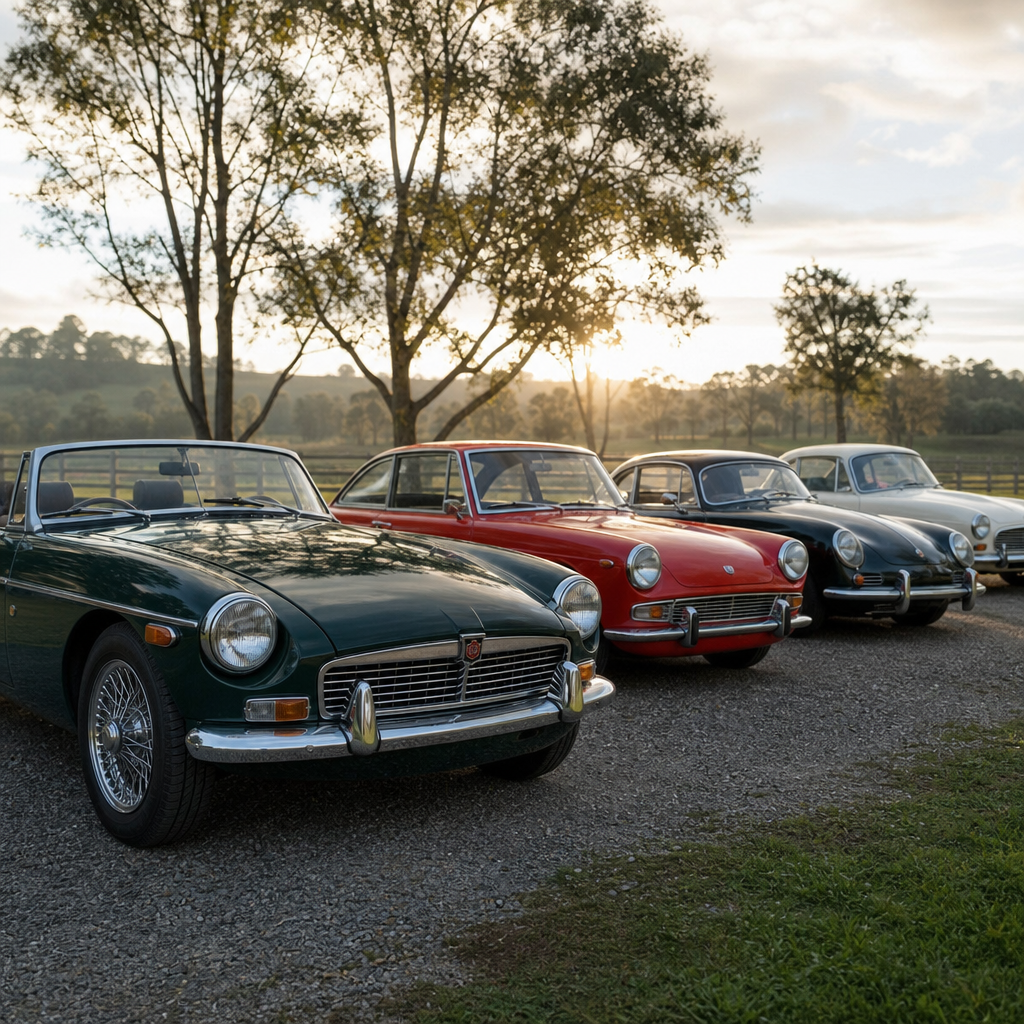
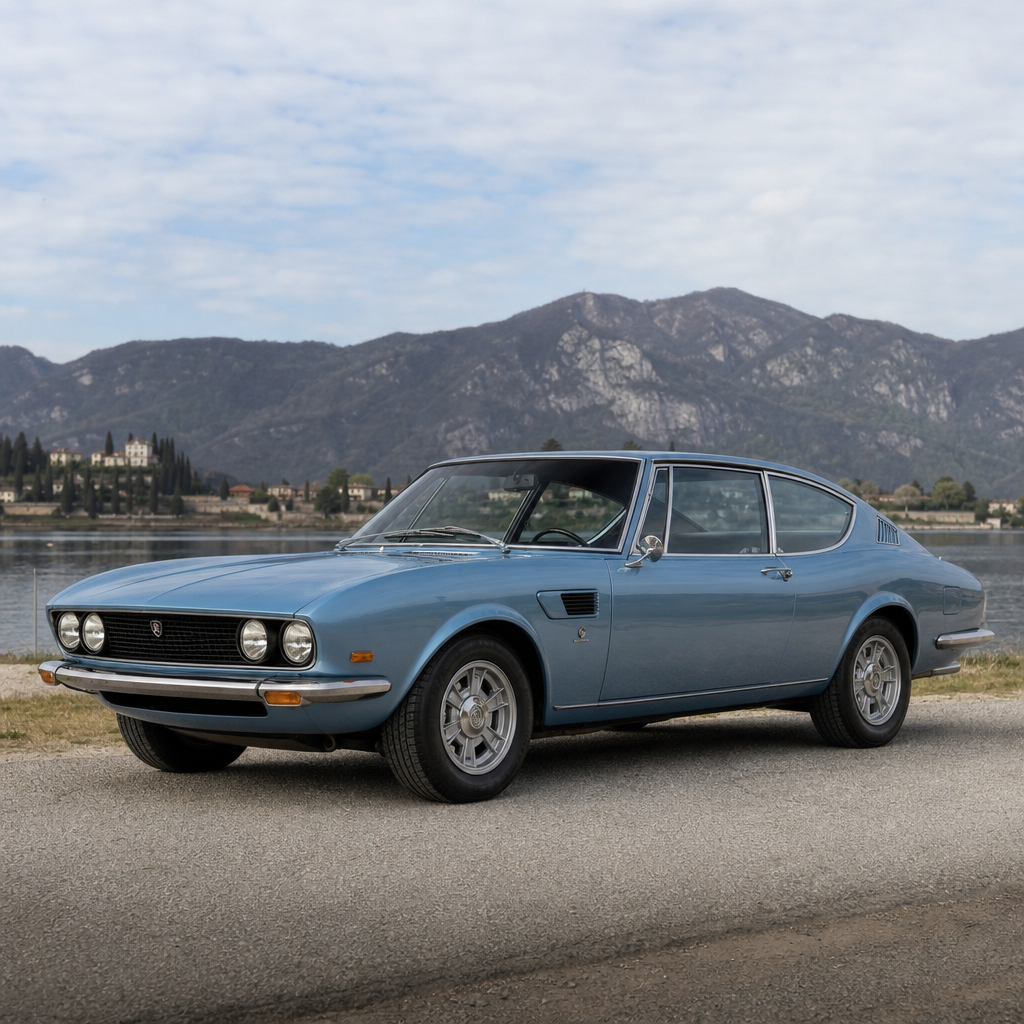
The most underrated classic car eras are the periods that sit between the headline decades, when styling, engineering, and ownership experience changed quickly but public attention stayed fixed on a few famous icons. In the collector market, “classic car eras” usually refers to broad production periods defined by design language, mechanical technology, safety regulation, fuel economics, and cultural demand. Most enthusiasts can instantly name the chrome-heavy 1950s, the muscle-car peak of the late 1960s, or the supercar drama of the 1980s. Yet when I have helped buyers research first classics, judged entry-level show fields, or compared auction catalogs against actual driving enjoyment, the best-value discoveries consistently came from overlooked transition years. Those are the eras this guide covers.
Understanding popular classic car eras matters because buyers rarely purchase a decade; they purchase a mix of parts availability, usability, historical significance, and emotional appeal. An era is useful shorthand for those factors. For example, a car from the early postwar period often offers simple mechanicals and coachbuilt charm, while a late-1970s GT may bring air conditioning, disc brakes, and highway manners that make weekend use easier. Insurance companies, auction houses, clubs, and restoration shops also organize the hobby by era, which affects pricing, expertise, and available support. If you want a hub page for classic car basics and education, this is the practical place to start.
Calling an era underrated does not mean every model from that period is cheap or ignored. It means the era as a whole delivers more historical depth, engineering interest, and ownership value than mainstream attention suggests. Some eras are underrated because they were overshadowed by the generation immediately before them. Others suffered from old stereotypes about emissions, rust, or quality that no longer tell the full story. In several cases, buyers chasing blue-chip names created blind spots around sister models that share platforms, drivetrains, or design themes. Knowing these patterns helps you compare cars more intelligently and avoid paying for reputation alone.
This article examines the most underrated classic car eras across American, British, European, and Japanese markets, with an emphasis on why each period deserves a second look today. It also works as a hub for deeper reading on popular classic car eras, because each section points naturally toward future model-specific guides, restoration topics, and buying advice. If you are building knowledge before buying, restoring, or simply appreciating older cars, these are the eras that reward study. They combine story, substance, and road-going character in ways that broad decade labels often miss.
Why transition eras become underrated
Transition eras are underrated because collectors often reward purity while drivers reward balance. A market tends to idolize the first version of a trend or the most extreme expression of it: the tailfin peak, the biggest muscle engine, the first turbo halo car. In practice, many later or in-between cars are easier to own. Manufacturers had time to fix weaknesses, improve corrosion protection, refine suspension geometry, and integrate comfort features buyers actually use. I have seen this repeatedly with clients who arrived wanting a poster car and left happier with a slightly newer, less mythologized model that started reliably, stopped straighter, and fit modern traffic better.
There is also a cultural lag in the hobby. Cars dismissed as ordinary when new can become historically important once enough time passes to show what they changed. The first wave of downsized American personal luxury coupes, the early fuel-injected European grand tourers, and Japan’s rise from economy-car specialist to performance powerhouse all looked incremental at the time. Today they mark turning points. Auction catalogs and social media still compress these stories into neat decade stereotypes, but enthusiasts who study production numbers, homologation history, and supplier technology know transitions are where the industry reveals itself most clearly.
Late 1940s to early 1950s: the postwar bridge
The late 1940s through early 1950s are often overshadowed by prewar elegance on one side and 1950s chrome exuberance on the other. That is exactly why they are underrated. This era captured manufacturers restarting civilian production, adapting wartime manufacturing lessons, and experimenting with unitary construction, overhead-valve engines, and more modern body packaging. Cars such as the 1949 Ford, 1949 Cadillac, and 1948 Jaguar XK120 were not just attractive; they reset expectations for styling and performance. In Britain, MG T-series roadsters and early Healeys made sports cars accessible to returning servicemen, shaping enthusiast culture in North America.
These cars matter because they feel genuinely historic without always carrying prewar fragility or cost. Many still use straightforward carburetion, simple electrical systems, and roomy engine bays. Parts support for major American brands remains strong through club networks and reproduction suppliers. The caveat is that braking, steering, and crash protection are period-correct, not modernized, so expectations must be realistic. Still, for an owner who values origin stories, this postwar bridge offers some of the clearest links between coachbuilt tradition and mass-market modernity. It deserves far more attention in any discussion of popular classic car eras.
Mid-1950s compact and everyday classics
When people picture the 1950s, they usually imagine Bel Airs, Thunderbirds, and giant two-tone cruisers. The underrated part of the decade is the rise of smaller, more practical classics that reflected changing urban life, fuel concerns abroad, and new ideas about efficiency. Cars like the Austin A30, Morris Minor 1000, Volkswagen Beetle, Renault Dauphine, and Nash Rambler proved that charm did not require excess size. The BMC Mini arrived in 1959 and became one of the most influential packaging breakthroughs in automotive history, with transverse engine layout and front-wheel drive setting a template still used today.
For modern collectors, these cars can be more approachable than prestige 1950s machinery. They fit smaller garages, use less fuel, and often have strong specialist communities. The Morris Minor, for instance, benefits from excellent parts availability in the United Kingdom, while the Beetle enjoys global support and a deep technical knowledge base. Their values also tend to rise through usability rather than speculation. If your interest in classic car basics includes understanding how ordinary cars shaped the industry, this era is essential. It tells the story of democratized mobility more clearly than glamorous halo models ever could.
Early 1960s pre-muscle and pre-pony innovation
The early 1960s, roughly 1960 to 1964, get overshadowed by the horsepower wars that followed. That is a mistake. This was a fertile engineering period when independent front suspension became widespread, monocoque construction spread further, compact American cars found identity, and European GTs matured rapidly. Chevrolet’s Corvair introduced an air-cooled rear-engine package to the U.S. mass market. The Buick Special and Oldsmobile F-85 explored aluminum V8s and compact platforms. In Europe, the Alfa Romeo Giulia, Lotus Elan, and Mercedes-Benz W111 coupe demonstrated very different answers to handling, safety, and style.
What makes this era underrated is its mix of lightness and mechanical honesty. Before escalating horsepower and equipment gains added bulk, many cars still felt nimble and communicative. The best examples reward deliberate driving rather than straight-line theatrics. They also reveal industry experimentation before regulations and market segmentation hardened design choices. Buyers interested in a classic that teaches fundamentals will learn a great deal from an early-1960s machine: how steering ratios influence confidence, how drum brakes demand anticipation, and how low mass can outperform raw output on real roads. As a learning era, few are better.
Early 1970s grand touring before the full downturn
The early 1970s are usually reduced to a before-and-after story around emissions rules and the oil crisis. Lost in that simplification is a superb grand touring era from roughly 1970 to 1973. Many manufacturers combined late-1960s styling confidence with improving cabin comfort, better high-speed stability, and more sophisticated driveline options. Consider the BMW E9 coupe, Mercedes-Benz R107 SL, Jaguar XJ6 Series I, Citroën SM, Datsun 240Z, and Alfa Romeo Montreal. These were not rough-edged muscle machines or delicate 1960s holdovers; they were long-legged road cars designed for real distance.
From an ownership standpoint, this era can offer one of the best compromises in the hobby. You often get disc brakes, five-speed transmissions or relaxed cruising gearing, stronger heating and ventilation, and cabins sized for modern adults. The tradeoff is complexity: Bosch mechanical injection, hydropneumatic systems, and era-specific electrical components demand informed maintenance. Yet that complexity is part of the appeal, because it marks a point when classic cars started to become genuinely refined travel tools. For enthusiasts who actually drive, not just display, early-1970s GT cars remain among the smartest underappreciated choices.
Mid-to-late 1970s: the misunderstood regulation era
No period is more casually dismissed than the mid-to-late 1970s, but that reputation is too blunt to be useful. Yes, U.S. emissions controls, safety bumpers, and fuel shocks reduced performance in many nameplates. Rust protection could still be poor. Build quality varied widely. But judged fairly, 1974 to 1979 produced important, satisfying classics that laid the foundation for modern drivability. The Volkswagen Golf GTI debuted in Europe in 1976 and defined the hot hatch. The Porsche 924 brought transaxle balance to a new audience. The Mercedes-Benz W123 set standards for durability. The Rover SD1, BMW E21, and Honda Accord each captured major shifts in market expectations.
American cars from this era also deserve a more nuanced reading. A late-1970s Chevrolet Camaro Z28 or Pontiac Firebird Formula is not a 1970 LS6 Chevelle, but it offers style, parts availability, and relaxed ownership that many first-time collectors value. Personal luxury cars such as the Chrysler Cordoba and Chevrolet Monte Carlo reflected what mainstream buyers actually wanted: comfort, image, and easy cruising. The period is best understood through its strengths and limits, which is why the comparison below helps.
| Era | Typical Strengths | Main Tradeoffs | Good Examples |
|---|---|---|---|
| 1974–1979 | Improved comfort, better highway manners, growing parts networks, important first-generation segments | Lower peak power, heavier bumpers, emissions complexity, rust in many climates | VW Golf GTI, Mercedes W123, Porsche 924, Camaro Z28, BMW E21 |
| 1980–1989 | Fuel injection, overdrive gearboxes, stronger reliability, sharper aerodynamics, electronic diagnostics | Aging plastics, early electronics failures, complex vacuum systems on some models | Saab 900 Turbo, BMW E30, Fox-body Mustang, Toyota Supra, Audi Quattro |
If you compare eras by actual use, the late 1970s often outperform their reputation. They are comfortable, recognizable, and increasingly accepted by younger collectors who grew up seeing them in family photos rather than judging them against giant-engine legends. That generational shift matters in every collector category.
1980s analog-modern classics
The 1980s have gained attention at the top end, but the broader era is still underrated relative to its importance. This decade normalized electronic fuel injection, turbocharging for mainstream performance, five-speed manuals and overdrive automatics, anti-lock braking on upscale models, and wind-cheating body design. Cars like the BMW E30 3 Series, Mercedes-Benz W201 190E, Saab 900 Turbo, Fox-body Ford Mustang, Toyota AE86, and Porsche 944 combine classic visibility and engagement with enough usability for regular driving. They are old enough to feel mechanical, yet modern enough to tolerate commuting, club tours, and freeway trips.
In workshops, I have found 1980s cars especially valuable for education because they reveal the beginning of the modern automotive mindset. Diagnosis starts to involve sensors and control units, but systems remain understandable with a factory manual, multimeter, fuel-pressure gauge, and patience. Rust, brittle trim, and deferred maintenance are bigger enemies than complexity itself. Buyers should verify service records carefully, because timing belts, CIS injection tuning, turbo plumbing, and cooling systems can turn a cheap purchase into an expensive one. Choose well, though, and this era provides some of the clearest enjoyment-per-dollar in the classic market.
Early 1990s: the emerging modern classic sweet spot
The early 1990s, especially 1990 to 1995, now sit in the sweet spot where usability, safety, and classic character intersect. Purists sometimes resist calling them classic, but collector behavior says otherwise. These cars introduced multi-valve engines to broader segments, better corrosion protection, airbags, stronger climate control, and chassis tuning that still feels relevant. Examples include the Mazda MX-5 Miata NA, Mercedes-Benz R129 SL, BMW E34 5 Series, FD Mazda RX-7, Nissan 300ZX Z32, and Acura NSX. Each shows a manufacturer pushing mature analog engineering right before software and weight accelerated dramatically.
This era is underrated because many shoppers still split the market too simply: old classics versus modern cars. Early-1990s vehicles blur that line in the best way. They can be driven long distances without heroic tolerance, yet they preserve direct steering, slim pillars, visible corners, and serviceability absent from newer designs. The challenge is electronics and trim-specific scarcity. Digital climate modules, model-specific sensors, and interior plastics can be harder to source than core mechanical parts. Still, if your goal is to enjoy a classic frequently while learning how the industry entered the contemporary age, few eras are more rewarding.
How to choose the right underrated era for you
The right era depends less on dream imagery than on how you plan to use the car. If you want pre-highway charm, mechanical simplicity, and maximum historical atmosphere, start with the postwar bridge years. If you value compact dimensions and community support, mid-1950s everyday classics are excellent. If driver education matters most, early-1960s cars teach fundamentals beautifully. If you expect regular road trips, early-1970s grand tourers make strong sense. If budget and entry-level collecting are priorities, look closely at the late 1970s and 1980s. If you want one-car versatility, early-1990s modern classics are hard to beat.
Always evaluate three realities before buying: parts supply, specialist knowledge, and storage conditions. A glamorous obscure model can be far more expensive than a less fashionable car with excellent club support. Rust remains the number-one issue across eras, especially in structural areas, and poor previous repairs are often worse than honest wear. Drive several examples if possible. The same era can contain wildly different experiences depending on steering setup, gearing, seat design, and engine tune. Use this hub as a map, then continue into model-specific buying guides, restoration primers, and maintenance checklists to narrow your shortlist with confidence.
The most underrated classic car eras reward curiosity because they reveal the hobby beyond the obvious poster cars. They show how manufacturers adapted to war recovery, compact packaging, emerging safety standards, emissions controls, aerodynamics, and early electronics. More importantly, they give buyers real options. An underrated era often delivers stronger value, easier use, and richer historical context than the celebrated period sitting next to it. That is why understanding popular classic car eras is such an important foundation within classic car basics and education.
If you remember one idea from this guide, make it this: the best classic era for you is the one whose compromises match your goals. Every period has tradeoffs. Postwar cars bring atmosphere but require patience. Early-1970s GTs blend style and distance comfort but can be technically demanding. Late-1970s and 1980s cars may lack prestige in some circles, yet they frequently offer the smartest path into ownership. Early-1990s classics push closest to modern convenience while retaining analog appeal. Seen this way, “underrated” is not an insult. It is an opportunity.
Use this article as your hub for exploring popular classic car eras in depth. From here, compare specific models, study restoration costs, join owner clubs, and drive examples before you buy. The market notices overlooked eras eventually. The advantage goes to enthusiasts who learn them first.
Frequently Asked Questions
What makes a classic car era “underrated” in the first place?
An underrated classic car era is usually one that delivered meaningful changes in design, engineering, and driving character without receiving the same long-term attention as more famous periods. In the collector world, certain decades dominate the conversation because they are easy to summarize: the chrome-rich optimism of the 1950s, the peak muscle years of the late 1960s, or the exotic performance boom of the 1980s. The eras in between often get overshadowed, even though they are where manufacturers were actively experimenting with new body styles, safety features, emissions equipment, suspension tuning, and ownership practicality.
What makes these periods especially interesting is that they often reflect transition rather than nostalgia. Carmakers were responding to changing fuel prices, tighter regulations, shifting buyer expectations, and global competition. That means underrated eras tend to produce cars with unusual mixes of old and new traits: classic proportions with more modern road manners, big-displacement engines paired with early efficiency-minded tuning, or traditional rear-wheel-drive layouts combined with improved braking, steering, and cabin ergonomics. Those combinations can make these vehicles more usable today than some of the headline cars collectors chase most aggressively.
Market psychology also plays a major role. When an era lacks a few universally recognized halo models, the entire period can be unfairly labeled as less collectible. In reality, many overlooked years contain excellent coupes, sedans, grand tourers, and personal luxury cars that were well built, visually distinctive, and historically important. An underrated era is not a weak era; it is often a period whose value has not yet fully caught up with its significance.
Which classic car eras are most commonly considered underrated by enthusiasts and collectors?
Several production periods regularly come up when experienced enthusiasts talk about overlooked value and historical importance. One of the biggest is the early-to-mid 1970s. This era is often dismissed because it followed the high-water mark of the muscle-car years and coincided with emissions controls, insurance pressure, and the fuel crisis. However, it also introduced cleaner, more formal styling, improved interiors, better ride quality, and some genuinely attractive personal luxury coupes, full-size cruisers, and European-inspired sports sedans. Many cars from this period have a strong road presence and a character that is distinct from both the flamboyant 1960s and the more electronically managed 1980s.
Another underrated period is the late 1970s into the early 1980s. Enthusiasts sometimes write these years off as an age of low horsepower, but that broad reputation hides a lot of nuance. Manufacturers were learning how to build more efficient engines, overdrive transmissions became more common, suspension tuning improved, and import influence pushed domestic and European brands toward better packaging and drivability. This era also gave rise to many sharp-edged, crisp designs that now feel period-correct in the best way rather than merely dated.
The late 1980s through the early 1990s is also frequently underrated, especially among buyers who focus only on pre-1970 classics. These years produced a wide range of analog-meets-modern cars: fuel injection was becoming standard, reliability often improved, corrosion protection got better, and performance returned in more sophisticated forms. Instead of raw straight-line speed alone, you begin to see more balanced chassis development, more effective brakes, and cabins that are far easier to live with today. For many collectors, this period offers some of the best entry points into classic ownership because the cars still feel engaging and mechanical without being as compromised as older vehicles in daily use.
Why do transitional eras often produce some of the most interesting classic cars?
Transitional eras are compelling because they capture manufacturers in the middle of solving problems, testing new ideas, and redefining what buyers wanted from a car. In a stable period, companies tend to refine a formula they already know works. In a transition period, they are forced to innovate. That pressure can lead to unusual and memorable vehicles that combine characteristics rarely found together in other decades. You might get a car with vintage styling cues but more advanced suspension geometry, or a traditional V8 grand tourer with a more efficient drivetrain and better highway manners than its predecessors.
These periods also reveal the industry’s response to outside forces. Safety rules changed bumpers, dashboards, steering columns, and chassis structures. Emissions standards reshaped engine tuning, carburetion, ignition systems, and eventually fuel delivery. Fuel prices affected vehicle size, gearing, and consumer demand. At the same time, design departments were trying to maintain brand identity through all of those changes. The result is often a fascinating tension between aesthetics and engineering. That tension is exactly what gives many underrated-era cars their personality.
For collectors, the value of these eras is historical as much as practical. Transitional cars help explain how the industry moved from one landmark age to another. They are the missing chapters between the icons. That makes them especially rewarding to own if you enjoy the story behind the machine, not just the badge or the auction result. In many cases, these cars are less obvious than the headline models, but they can be more revealing about how automakers actually evolved.
Are underrated classic car eras better for affordability and ownership value?
Very often, yes. One of the biggest advantages of buying from an underrated era is that public perception has not always pushed values to extreme levels. When an entire period is overshadowed by more celebrated decades, buyers can sometimes access distinctive, enjoyable, and historically important cars at prices that would be impossible in a more heavily hyped segment. That does not mean every model is cheap or that values stay low forever, but it does mean there is often more room to buy quality rather than simply settle for whatever is available in a hotter market.
Ownership value goes beyond purchase price. Many underrated-era cars were built in large numbers, which can help with parts sourcing, technical knowledge, and club support. Some also offer better comfort, ventilation, braking, highway cruising, and serviceability than older collector cars. For someone who wants to drive rather than just display a classic, that matters a great deal. A car that starts more reliably, tracks more confidently at modern traffic speeds, and has parts availability through specialists or enthusiast communities can deliver a much better long-term experience than a more prestigious car that is difficult or expensive to maintain.
That said, affordability should always be evaluated carefully. Some overlooked eras contain cars with era-specific weaknesses, including emissions-era vacuum complexity, rust issues, aging electronics, fragile trim, or limited reproduction parts. The smartest approach is to look at the model-level reputation rather than buying solely by decade. If you choose well, underrated eras can offer one of the strongest combinations of entry price, usability, originality, and upside potential in the classic market.
How should buyers evaluate cars from underrated classic eras before purchasing one?
Start by understanding the era’s defining technologies and compromises. Every overlooked period has its own patterns. Early-to-mid 1970s cars may involve emissions-related drivability concerns, large bumper systems, and model-specific rust points. Late 1970s and early 1980s vehicles may include vacuum-operated accessories, primitive engine-control systems, and trim pieces that are harder to replace than major mechanical parts. Late 1980s and early 1990s classics often blend durable mechanicals with aging sensors, electronic dashboards, ABS components, or automatic climate systems that require specialist diagnosis. Knowing the era prevents you from applying the wrong expectations.
Next, evaluate the car as a complete ownership package. Condition, originality, maintenance history, and parts support usually matter more than theoretical desirability. A well-preserved, thoroughly sorted example from an underrated era will almost always be a better buy than a more famous model in need of extensive restoration. Inspect for rust, prior body repairs, interior degradation, weatherstripping condition, electrical function, cooling-system health, transmission behavior, brake feel, and evidence of deferred maintenance. On many classics, cosmetic restoration is far more expensive than buyers expect, especially when trim and interior materials are difficult to source.
Finally, consider how you plan to use the car. If you want weekend touring, a transitional-era grand coupe or sedan may be ideal because it combines period character with greater comfort. If you want hands-on mechanical simplicity, choose a model from the era that still avoids overly complex electronics. If collectibility matters most, focus on cars that best represent the design and engineering shifts of their time, not just the ones that look cheapest today. The best underrated-era purchase is usually the car that tells a strong historical story, drives well in current conditions, and has a support network that makes ownership sustainable.