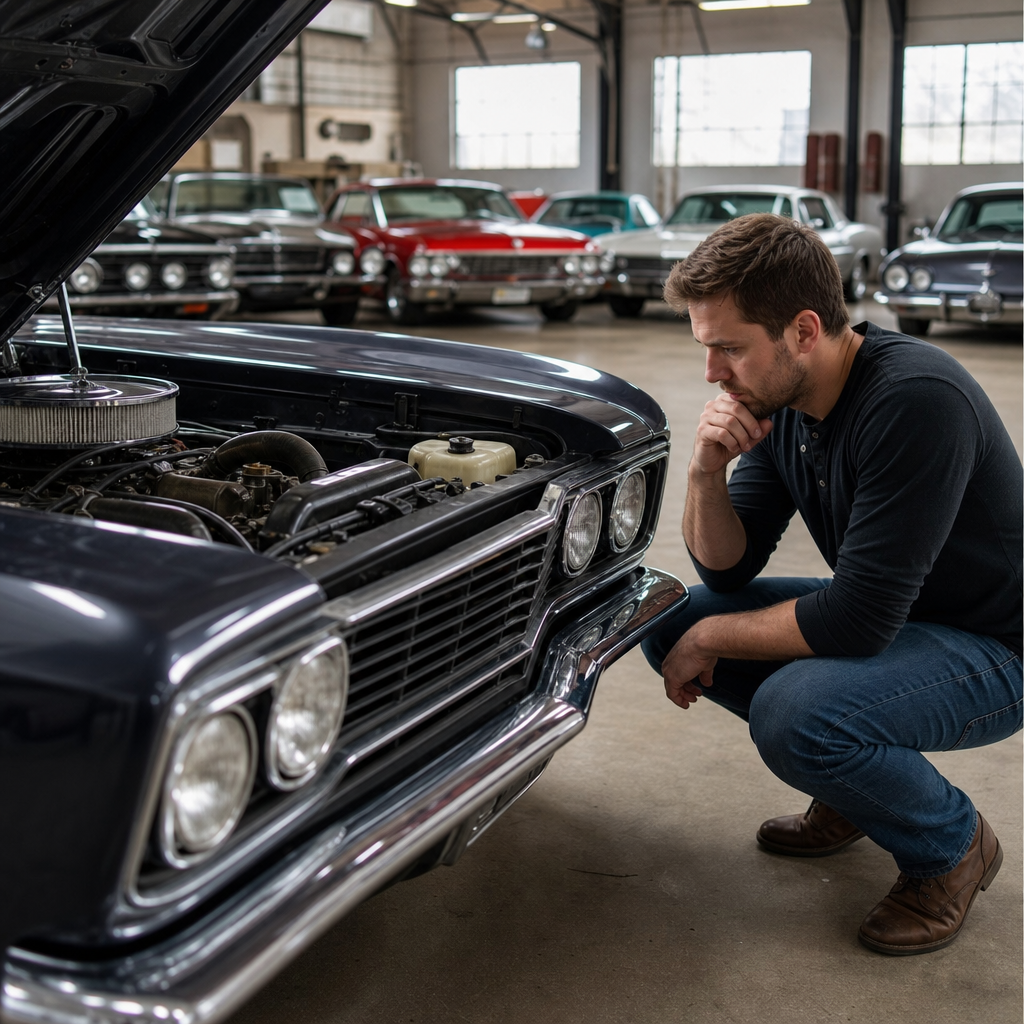
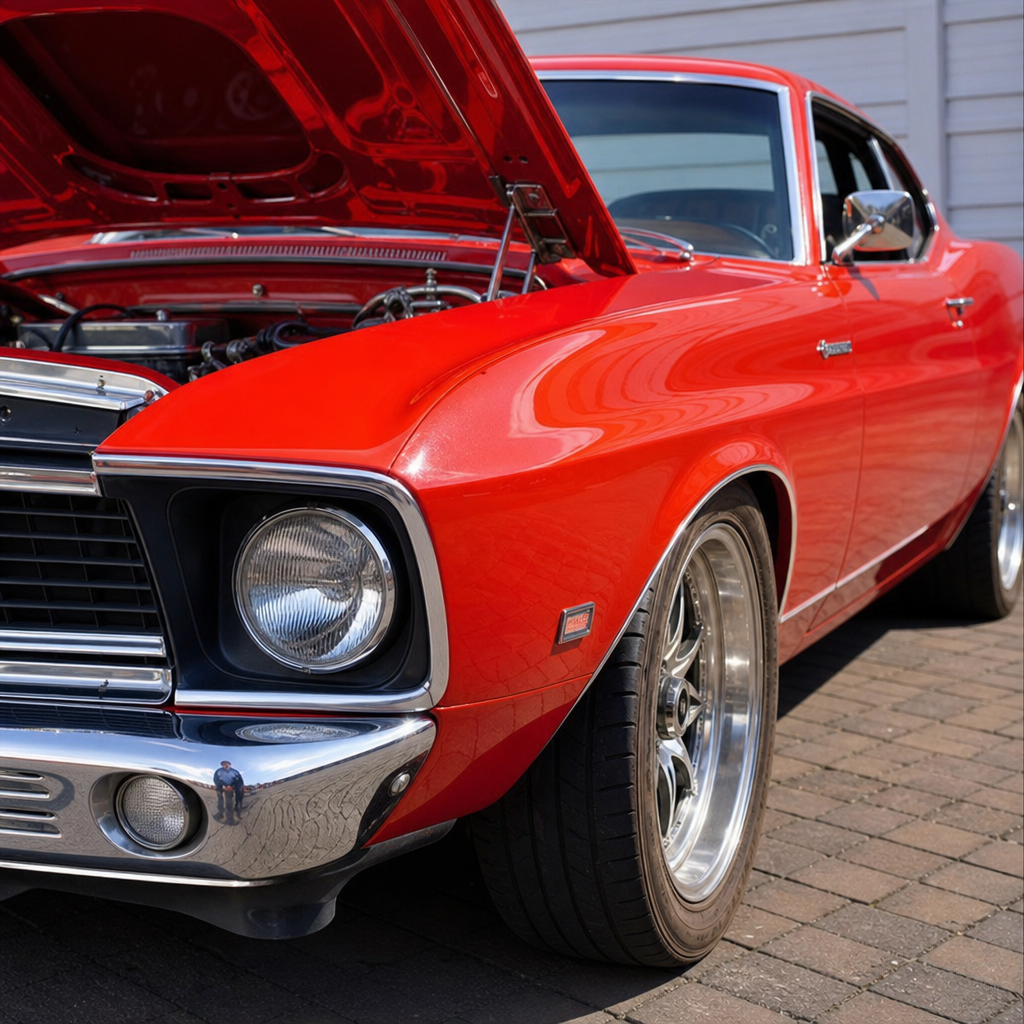
Buying or evaluating a vintage vehicle starts with one crucial skill: knowing how to identify a classic car correctly and recognizing the common signs of a fake or replica classic car before money changes hands. In the collector market, “classic car” usually refers to an older vehicle valued for historical significance, design, rarity, engineering, or cultural impact, while “fake,” “replica,” “tribute,” “clone,” and “rebody” describe vehicles that imitate a more desirable original. Those terms are not interchangeable. A replica may openly recreate a 1932 Ford roadster with modern running gear; a clone may begin as a genuine base-model muscle car and be dressed to resemble a factory high-performance variant; a fake is typically represented dishonestly. That distinction matters because value, insurability, registration, and buyer expectations all change depending on what the car truly is.
I have inspected enough classics at auctions, private garages, and restoration shops to know that most questionable cars do not reveal themselves through one dramatic flaw. Instead, they show a pattern: a VIN plate that looks too fresh, trim tags attached with incorrect rivets, stampings that do not match the model year, upholstery materials inconsistent with factory practice, or a seller whose story becomes vague when documentation is requested. As prices for air-cooled Porsches, big-block Corvettes, first-generation Mustangs, and sought-after Mercedes-Benz classics continue to rise, the incentive to create convincing imitations rises with them. Learning the identification process protects your budget and also preserves automotive history by rewarding authenticity instead of fabrication.
This hub article explains how to identify a classic car comprehensively, from paperwork and serial numbers to body construction, drivetrains, finishes, provenance, and expert verification. It is designed to help readers ask the right questions before diving deeper into model-specific guides. If you understand the framework here, you will be better prepared whether you are inspecting a Jaguar E-Type, Chevrolet Camaro Z/28, Shelby Cobra recreation, Volkswagen split-window bus, or prewar Packard. The goal is not to make every buyer a forensic historian overnight. It is to give you a practical, repeatable method for separating a genuine classic from a replica, tribute build, or misrepresented restoration with confidence.
Start With Identity: VINs, Chassis Numbers, Tags, and Title Records
The first step in how to identify a classic car is confirming its identity on paper and on metal. Every legitimate inspection begins with the vehicle identification number, chassis number, engine number where applicable, body plate, and title. On post-1981 vehicles, the standardized 17-character VIN simplifies decoding. Earlier classics use manufacturer-specific serial systems, and that is where mistakes and fraud often appear. A 1967 Corvette, for example, has a VIN format different from a 1969 Corvette, and assembly plant codes, body sequence ranges, and trim tags must align with published production references. If the serial plate style, font, spacing, or mounting hardware looks wrong, stop and verify before going further.
Counterfeiters often underestimate how specific factory practices were. Original tags were stamped with period-correct dies, attached with particular rivets, and placed in exact locations. Rosette rivets on General Motors products, foil stickers on later European cars, and hand-stamped chassis rails all have known characteristics. If a tag is unusually shiny on an otherwise aged car, mounted over fresh paint, or attached with hardware-store pop rivets, that is a major red flag. Another warning sign is “title washing,” where a car with an unclear history is retitled in a different state to obscure branding, salvage history, or model identity. Services such as NMVTIS in the United States, marque registries, state motor vehicle records, and recognized decoder databases are essential for checking consistency.
Numbers should agree with each other and with the physical car. If a Ford Mustang fastback carries a VIN that decodes as a six-cylinder coupe, it is not an original factory fastback regardless of how convincing the bodywork looks. The same logic applies when a Pontiac GTO VIN corresponds to a LeMans, or when a Porsche 911 shell’s production year conflicts with the dashboard, pedal box, and emissions labeling. Honest sellers should welcome detailed verification and provide title copies, previous registrations, restoration invoices, and ownership history. Reluctance to share basic documentation is often more revealing than the car itself.
Read the Body Shell Like a Historian
After paperwork, inspect the body shell because structure tells the truth long after badges have been changed. Many fake classics begin with a more common donor car that is modified to resemble a rarer version. Experienced inspectors look at welded seams, panel stampings, inner fenders, trunk floors, firewall shapes, wheel housings, and mounting points that owners rarely think to alter. A genuine high-performance or limited-production model often has body-specific reinforcements, brackets, cooling openings, or suspension pickup points absent on standard cars. On unibody vehicles especially, these details are difficult and expensive to fake correctly.
Panel gaps and paint quality alone do not confirm authenticity. A replica can be finished beautifully, while an original unrestored survivor may show uneven factory gaps. The real question is whether the shell architecture matches the model claimed. I often start underneath with a flashlight and mirror. You can see whether factory spot welds are consistent, whether floors have been replaced with incorrect pressings, and whether seam sealer patterns look original or recently applied. Magnet tests can also help identify excessive filler in reshaped quarters or fenders, though aluminum, fiberglass, and lead work require a more nuanced approach.
Material construction is another giveaway. Many famous cars were originally steel, but replicas may use fiberglass bodies for cost and ease of production. Cobra replicas, Speedster recreations, and some prewar lookalikes are commonly built this way. There is nothing inherently wrong with fiberglass if represented honestly, yet a seller claiming original steel should be able to prove it. Weight, panel thickness, underside texture, and hidden mounting structure usually reveal the truth. Likewise, if a supposed numbers-matching European classic shows modern weld beads, laser-cut brackets, or body panels with incorrect contours compared with factory drawings or known originals, suspicion is justified.
Compare Mechanical Components to Factory Specifications
Mechanical correctness is central to how to identify a classic car because many fakes rely on visible cosmetics while hiding non-original hardware. Start with the engine block casting number, casting date, partial VIN stamp, cylinder head numbers, intake manifold, carburetor or fuel injection system, transmission code, rear axle tag, and suspension layout. Collector values often depend on “numbers matching,” a term meaning the major driveline components are original to the car or at least correct for the model and production period. A claimed 1970 LS6 Chevelle without the proper block suffix, build date relationship, and supporting drivetrain codes is not an authentic example.
Date consistency matters as much as the component itself. An engine cast months after the car was assembled cannot be original to that chassis. Alternators, distributors, carburetors, and even wheel date codes help build a timeline. I have seen convincing muscle car clones undone by one simple fact: every major component was from the right family, but all were produced two years too late. For European classics, gearbox type numbers, differential housings, mechanical fuel injection pumps, and brake caliper casting marks can be equally decisive. Factory workshop manuals, parts books, and marque experts are invaluable here because minor variations often distinguish a rare model from an ordinary one.
| Inspection Area | What an Original Often Shows | Common Fake or Replica Warning Sign |
|---|---|---|
| VIN and tags | Period-correct stamping, correct rivets, matching paperwork | Fresh plate, wrong font, mismatched title details |
| Body shell | Factory seams, correct reinforcements, proper material | Reworked donor shell, fiberglass body, altered structure |
| Engine and transmission | Correct casting numbers, date codes, partial VINs | Later replacement parts dressed as original equipment |
| Interior and trim | Model-specific upholstery patterns, gauges, switchgear | Generic reproduction pieces or incorrect luxury options |
| Documentation | Build sheets, invoices, registrations, registry history | Gaps in ownership story or unverifiable claims |
Do not ignore drivability clues. A car represented as a meticulous restoration of a specific performance model should behave broadly like one. Excessive overheating, weak braking, poor steering geometry, or obvious incompatibility between claimed specifications and on-road feel can indicate a hastily assembled tribute. Mechanical authenticity is not just about value; it also affects safety, parts sourcing, and future maintenance.
Study the Interior, Trim, and Small Details Sellers Overlook
The interior is where many counterfeit classics lose credibility because the details are numerous and highly model-specific. Seat patterns, stitching direction, grain texture, carpet binding, headliner perforation, gauge fonts, radio faceplates, steering wheel diameter, switch labeling, pedal pads, and even sun visor hardware changed by year, trim level, and market. Reproduction parts can be excellent, but they must still be the correct parts. A seller may install deluxe woodgrain trim in a car that never offered it, or pair incorrect bucket seats with a VIN from a bench-seat model. Those choices may look attractive yet conflict with factory records.
Instrumentation deserves special attention. Tachometers, speedometer ranges, warning light layouts, and clock options often differed between standard and high-performance variants. On some cars, the dash itself changed to accommodate auxiliary gauges. If the mounting holes, backing plates, or wiring loom show evidence of cutting and retrofitting, the dashboard may have been upgraded after the fact. Exterior trim follows the same rule. Badge placement, grille mesh, wheel designs, mirror styles, bumper overriders, exhaust tip shape, and side stripe dimensions are all known quantities on documented models. Clones frequently get close but not exact.
Patina can also be manipulated. Artificially aged knobs, sanded paint edges, and distressed leather are increasingly common in markets that reward “survivor” aesthetics. Real age tends to appear unevenly and logically: driver-seat bolster wear, pedal pad smoothing, steering wheel sheen, stone chipping behind wheels, and oxidation in hard-to-clean recesses. Fake aging often looks theatrical, with uniform fading or wear in places drivers rarely touch. When condition and mileage claims do not align with observable wear, rely on evidence rather than presentation.
Use Documentation, Provenance, and Expert Verification Before You Buy
Authenticating a classic car does not end with the vehicle itself. Documentation and provenance often decide whether a questionable car becomes a safe purchase or an expensive lesson. The strongest file usually includes the original title or early registrations, factory build sheet, window sticker, warranty booklet, service invoices, restoration photographs, ownership chronology, and correspondence from recognized registries or marque clubs. For some brands, manufacturer archives can confirm original color, engine type, optional equipment, and delivery destination. Porsche, Mercedes-Benz, Jaguar Daimler Heritage Trust, Ferrari Classiche, and the National Corvette Restorers Society all provide forms of historical verification or judging standards that buyers should understand.
Expert inspection is money well spent. A pre-purchase inspection by a marque specialist can reveal non-obvious discrepancies in welds, castings, trim, and provenance. Auction houses, despite glossy catalogs, are not substitutes for your own due diligence; terms often state that descriptions are opinions, not guarantees. If the car is significant enough to command premium pricing, consider paint-meter readings, borescope inspection of hidden stampings, compression and leak-down testing, and forensic review of documents. In disputed cases, specialist appraisers and restorers can compare stamp fonts, body dimensions, and production details against known exemplars.
The best buying approach is simple: trust consistency, not charisma. A real classic should make sense as a complete story, with numbers, structure, components, wear, and paperwork all supporting one another. If key evidence is missing, price the car as the lesser model or walk away. That discipline protects you whether you are building a collection, insuring a weekend driver, or choosing a restoration candidate. Use this hub as your starting point for model-specific identification guides, inspection checklists, and originality standards. The more methodical you become, the easier it is to spot a fake or replica classic car before it costs you time, money, and confidence.
Frequently Asked Questions
What are the most common signs that a classic car might be fake, cloned, or a replica?
One of the biggest warning signs is when the car’s story does not match its physical details. A seller may describe a vehicle as a rare performance model, limited-production trim, or numbers-matching original, but the body features, trim, badging, engine, transmission, or interior may suggest it began life as a more ordinary version. For example, mismatched identification plates, rivets that look disturbed or non-factory, inconsistent paint around VIN tags, reproduction emblems, and components dated years after the claimed build date can all point to a clone or re-created car rather than an authentic original.
Another common sign is uneven quality in areas that should be consistent. A car may have an expensive restoration on the outside but obvious shortcuts underneath, such as incorrect welds, non-original brackets, fresh undercoating used to hide repairs, or replacement panels that do not match factory stampings. On many fake or tribute cars, the visible performance cues are present, but the hidden structural or mechanical details are wrong. That can include incorrect axle codes, wrong suspension parts, missing factory reinforcements, or an engine block casting that does not line up with the model year.
Documentation gaps also matter. If the seller cannot provide ownership history, restoration receipts, factory paperwork, or title records that support the car’s identity, you should slow down. A legitimate classic is not always fully documented, but high-value examples usually leave a paper trail. If the car is represented as unusually rare, the burden of proof becomes much higher. In short, suspicious tags, inconsistent components, weak documentation, and a story that sounds better than the hardware are among the clearest indicators that a classic car deserves deeper scrutiny.
How can VIN numbers, trim tags, and serial plates help identify a fake classic car?
VIN numbers, trim tags, and serial plates are some of the most important tools in determining whether a vehicle is what the seller claims it to be. The VIN can confirm the manufacturer, body type, engine designation in some models, assembly plant, and model year. A trim or body tag can provide additional information such as paint code, interior code, body style, and production details. When these identifiers are original and consistent, they create a baseline for authenticity. When they conflict with each other, or with the car itself, that is a serious red flag.
You should look closely not only at the numbers, but also at how the plates are attached and whether they appear untouched. Factory rivets, stamp fonts, plate materials, and placement tend to follow known patterns. If the rivets look newer than the surrounding metal, the tag sits crooked, the stamping depth is irregular, or the plate shows signs of removal, the identification may have been altered. On some cars, hidden VIN stampings on the frame, firewall, or other structural areas can be compared against the visible VIN plate. This is often where clones and rebodies are exposed.
It is also important to understand the limits of VIN verification. A correct VIN alone does not guarantee a car is authentic in its current form. A standard model can be upgraded cosmetically to resemble a more desirable one, while still carrying a legitimate VIN for the original, less valuable car. That is why identification numbers should be checked alongside casting dates, drivetrain codes, body stampings, factory option records, and marque-specific details. The best approach is to treat VIN and trim tag analysis as the foundation of an investigation, not the final word.
What is the difference between a replica, a tribute car, a clone, and a rebody?
These terms are often used loosely, but they do not all mean the same thing. A replica is generally a vehicle built to resemble a classic original, often using a different chassis, modern components, kit-car construction, or reproduction bodywork. A tribute car is usually based on a real production model that has been cosmetically or mechanically modified to honor a more famous version. A clone is similar, but the term often implies that the vehicle has been made to closely imitate a rarer model, sometimes so closely that an uninformed buyer could mistake it for the genuine article.
A rebody typically refers to a vehicle that has had its body replaced or substantially reconfigured, sometimes using parts from another vehicle, reproduction shells, or custom fabrication. In some cases, a rebody may be done to restore a severely damaged car. In other cases, it may be used to create the appearance of a much more valuable model while retaining the identity of a different donor car. That distinction matters because the market value, legal description, and collectibility can change dramatically depending on what was actually done.
None of these categories is automatically dishonest if the seller describes the car accurately. Many tribute and replica cars are well-built, enjoyable, and openly marketed as such. The problem starts when labels are blurred to suggest originality, rarity, or factory provenance that the car does not truly have. Buyers should pay close attention to the exact language used in listings, invoices, titles, and conversations. If a seller avoids clear definitions or shifts between terms depending on the question, that is often a sign that the vehicle’s identity needs closer examination.
Can paperwork and ownership history reveal whether a classic car is authentic?
Yes, documentation can be one of the strongest indicators of authenticity, especially for high-value collector cars. Factory build sheets, original window stickers, warranty booklets, service records, registration history, ownership transfers, restoration invoices, photos from earlier stages of the car’s life, and marque club certifications can help establish continuity. When the paperwork consistently supports the vehicle’s VIN, options, engine, color, and ownership timeline, it becomes much harder for a fake or altered car to pass as an original example.
Just as importantly, paperwork can reveal inconsistencies. A title may describe the car as a standard coupe while the seller claims it is a rare factory performance version. Receipts may show a body shell replacement, drivetrain swap, or major reconstruction that was never mentioned in the listing. Restoration records may document the addition of badges, stripes, special trim, or upgraded components that transformed an ordinary car into a visual copy of a more desirable model. Even something as simple as date gaps in registrations can raise questions worth investigating.
That said, documents should also be verified. Fake build sheets, reproduction paperwork, and manipulated historical records do exist in the collector market. Compare the documentation to the physical car and, when possible, to manufacturer archives, registries, auction records, and recognized experts for that specific make and model. Reliable provenance is built when the car, the paperwork, and the history all support one another. If the story depends heavily on a single unverifiable document, caution is warranted.
Should you hire a classic car expert or inspector before buying a potentially rare vehicle?
Absolutely. If you are considering a car that carries significant value because of rarity, originality, or a special model designation, a qualified pre-purchase inspection is one of the smartest investments you can make. An experienced classic car inspector, marque specialist, or appraiser knows where specific manufacturers hid identifying marks, which stampings should match, what factory welds and finishes are supposed to look like, and which details are commonly faked. They can spot inconsistencies that many buyers, and even general mechanics, would miss.
An expert inspection goes beyond confirming whether the car runs well. It can include verifying VINs and hidden stampings, reviewing casting numbers and date codes, examining body panels and structure for replacement or re-stamping, identifying reproduction parts, checking whether options are factory-correct, and comparing the car against known production standards. In many cases, a specialist will also recognize whether a car has been converted from a base model into a visual copy of a more valuable version. That kind of knowledge can protect you from overpaying by tens of thousands of dollars or more.
Even if the car turns out to be a tribute or replica, an inspection still has value because it helps you understand exactly what you are buying. A well-built tribute can be an excellent car if it is priced honestly and represented clearly. The real goal is transparency. Bringing in an expert reduces emotion, adds evidence, and gives you leverage in negotiations. In the classic car market, where originality and provenance can define value, independent verification is not just helpful; it is often essential.