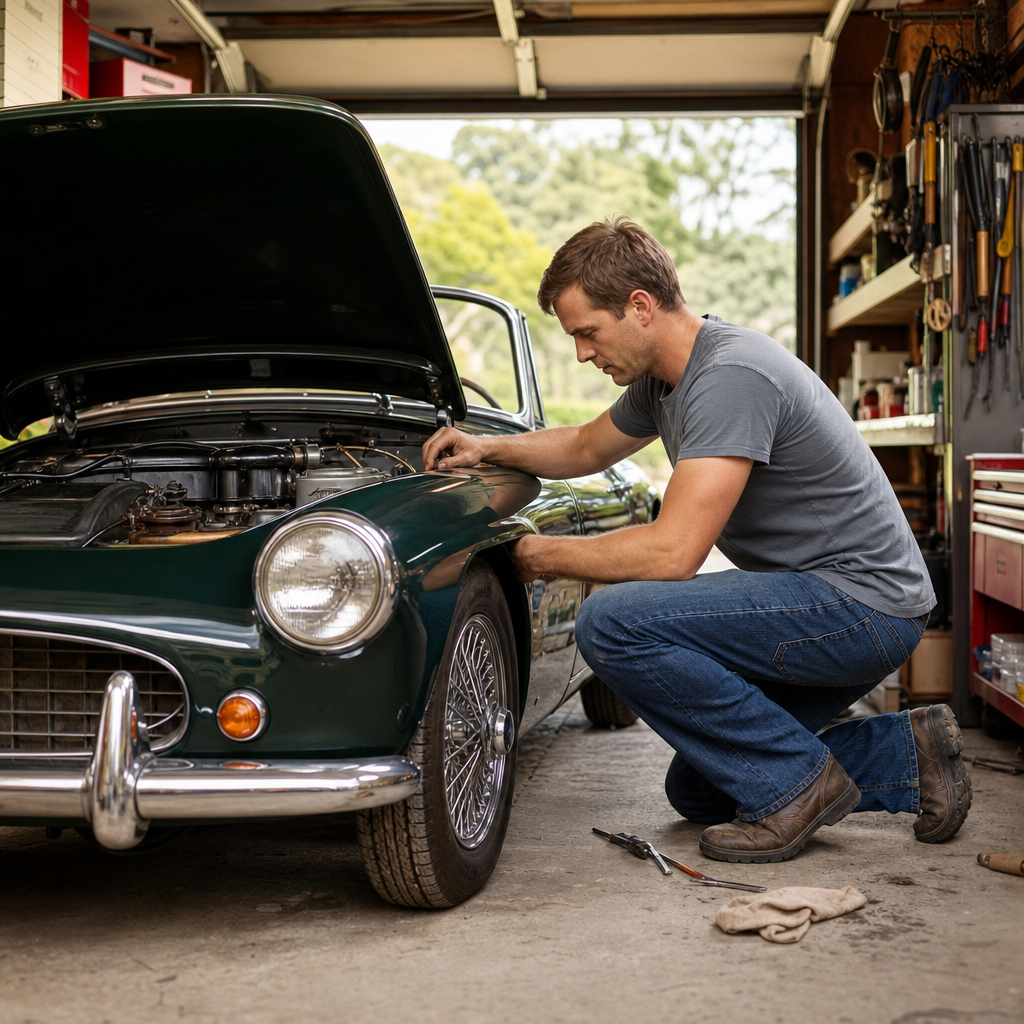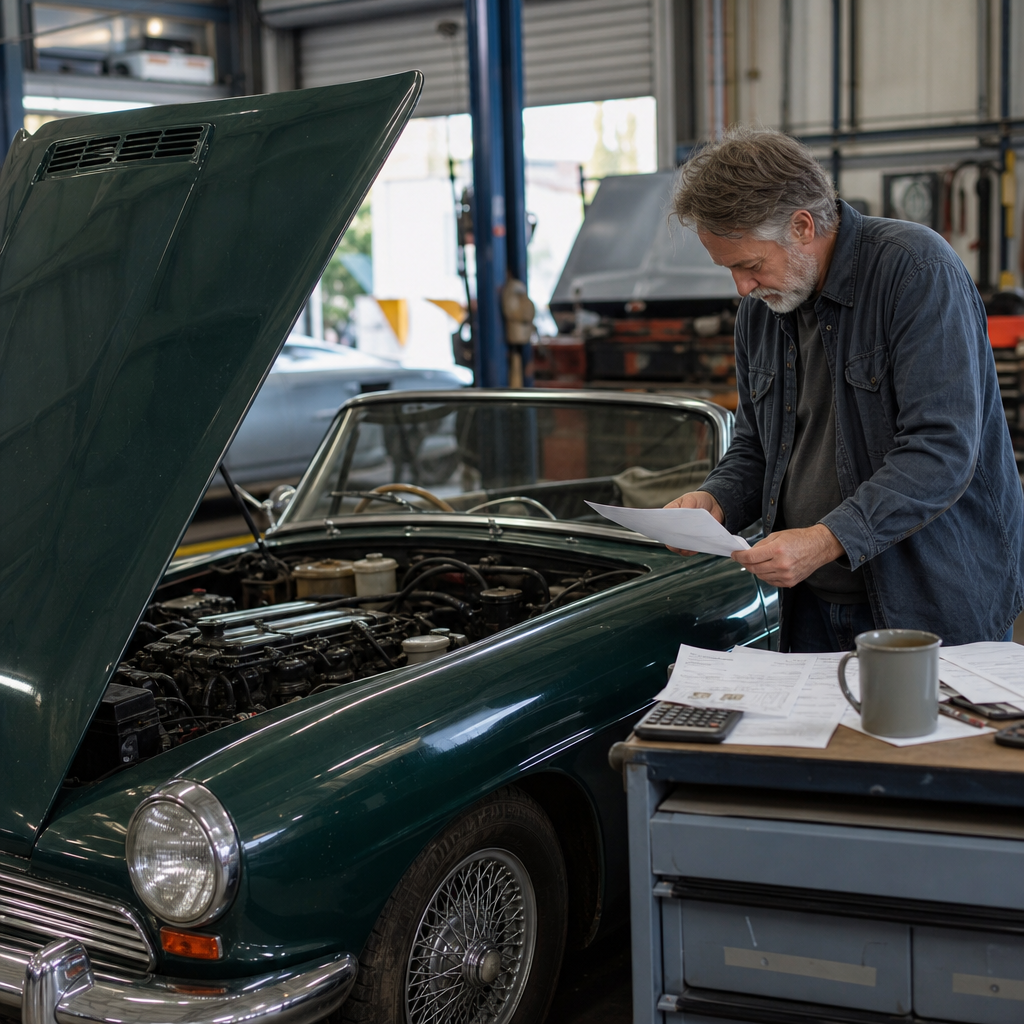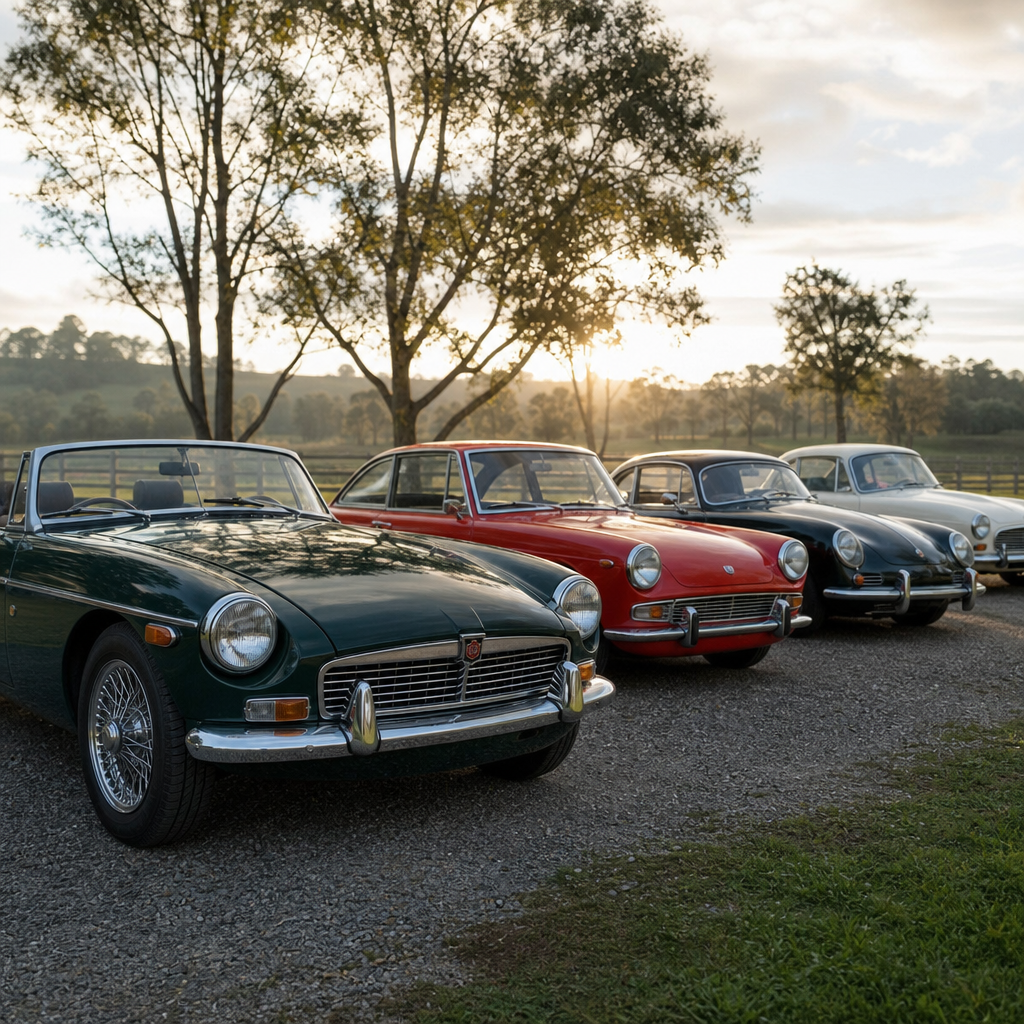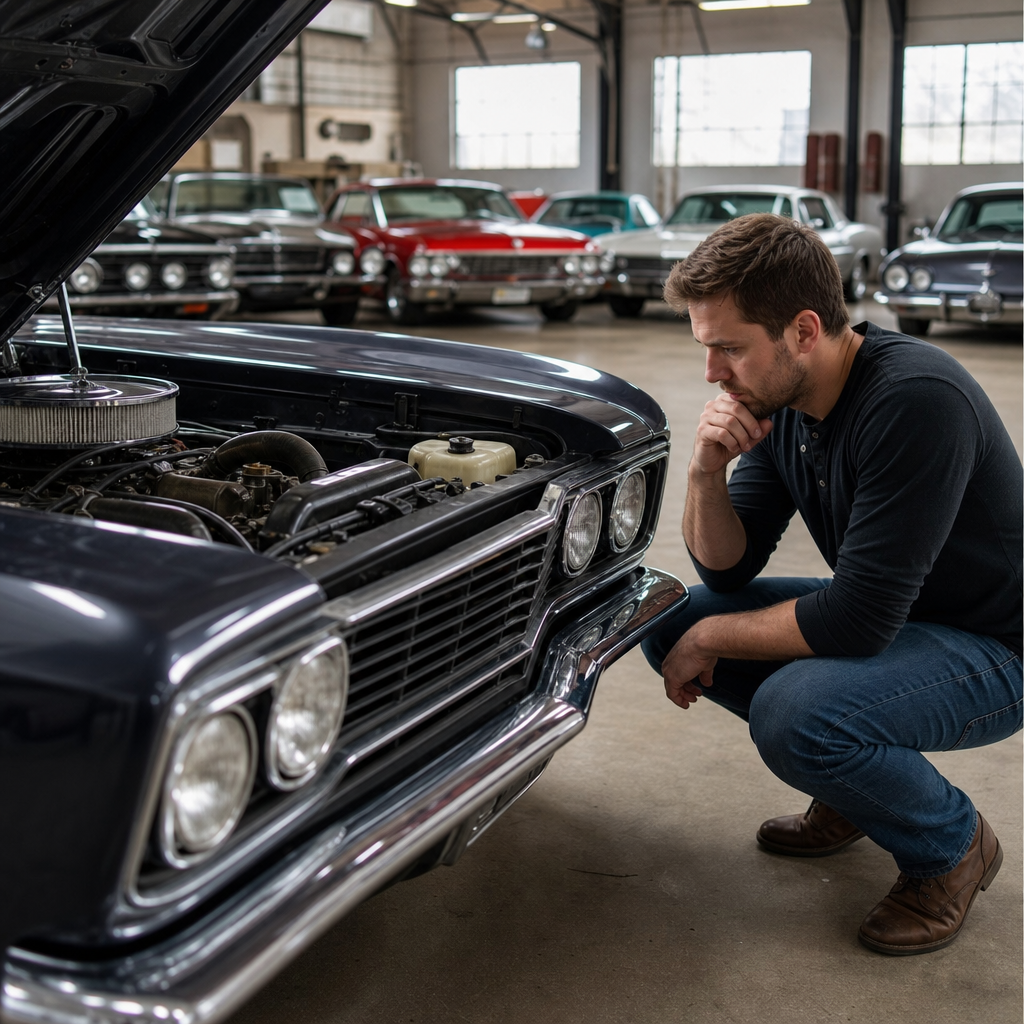
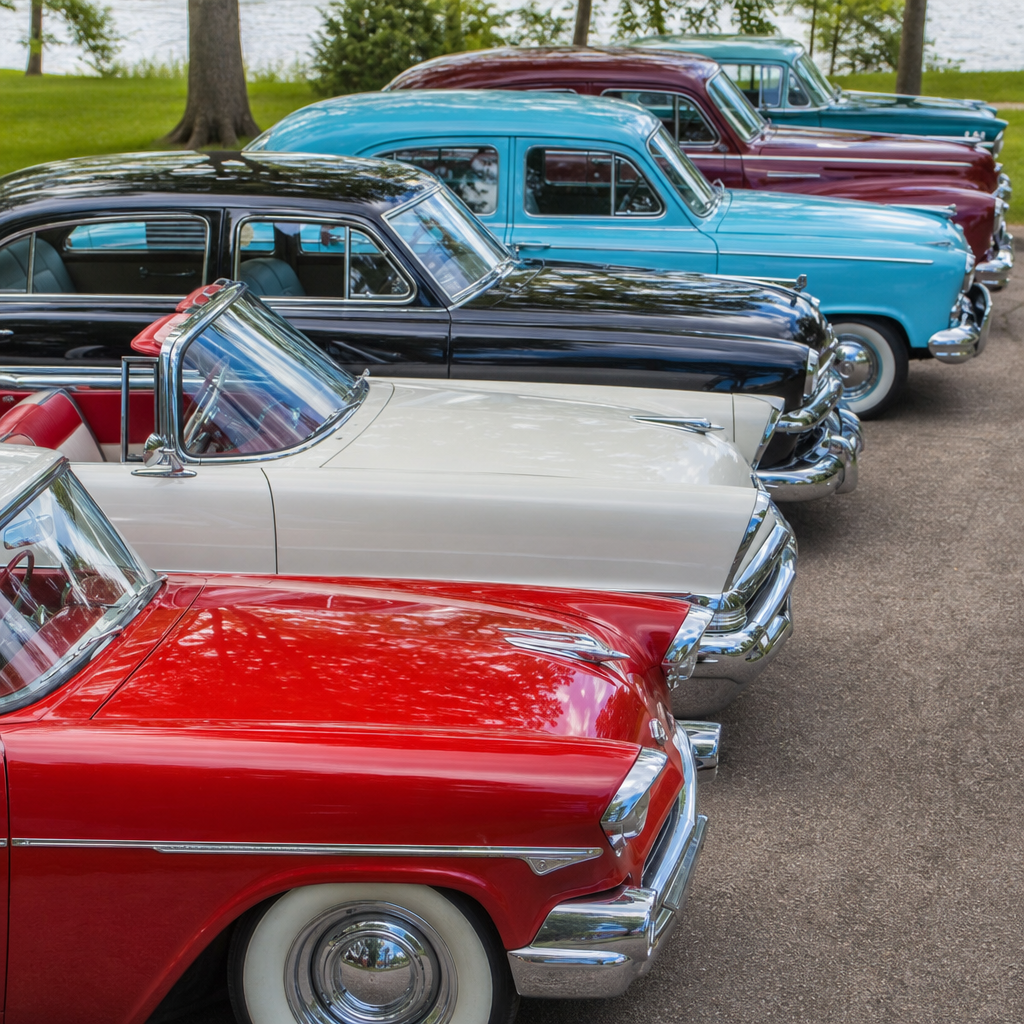
Learning how to identify classic car body styles starts with understanding that shape, structure, and intended use matter just as much as make, model, and year. In my experience walking swap meets, decoding trim tags, and comparing factory brochures against restored examples, the quickest mistakes happen when people rely on vague labels like “old coupe” or “vintage sedan” without looking at rooflines, pillar design, door count, cargo area, and seating layout. A classic car body style is the manufacturer’s formal description of how the vehicle is built above the chassis: coupe, sedan, convertible, roadster, hardtop, wagon, fastback, hatchback, and several more specialized forms. Identifying those shapes correctly matters because body style affects historical accuracy, market value, insurance classification, restoration planning, and parts sourcing. It also helps enthusiasts communicate clearly when researching a car, buying one, or tracing whether a vehicle has been modified. This guide explains how to identify a classic car by body style, what visual clues matter most, where classifications overlap, and how to avoid the most common misidentification errors.
Start with the basic structure: roof, pillars, doors, and cabin layout
The fastest reliable method is to work from the greenhouse outward. By greenhouse, restorers mean the visible upper structure: roof, windshield, side glass, rear glass, and pillars. First count the doors. Two doors usually suggest a coupe, hardtop, convertible, or roadster, but two doors alone never settle the question. Next look for fixed roof structure. If the car has a permanent steel roof and a defined B-pillar between front and rear side windows, you are probably looking at a sedan or post coupe. If there is no B-pillar and the side glass creates an open span when lowered, it may be a hardtop. On American cars from the 1950s and 1960s, the pillarless hardtop became especially common because it mimicked the airy look of a convertible while retaining a fixed roof.
Roofline shape is the next major clue. A short rear deck with a compact cabin often points to a coupe. A longer roof extending over a larger rear seating area usually indicates a sedan. If the roof slopes continuously into the trunk without a distinct notch, that is a fastback profile. If the roof extends to a rear cargo opening, you may be looking at a wagon, hatchback, shooting brake, or panel-based derivative depending on windows and liftgate design. Window arrangement helps further. Quarter windows, vent windows, wraparound rear glass, and opera windows often identify a period-specific variation rather than a broad category. I always advise people to photograph the side profile first, because one good silhouette often reveals body style faster than three badge close-ups.
How to tell coupe, sedan, hardtop, and convertible apart
These four categories create the most confusion because manufacturers used the terms inconsistently. Traditionally, a sedan is a closed car with a fixed roof, full-height cabin, and four doors, though two-door sedans also existed. A coupe is generally a closed two-door car with a shorter roof and sportier proportions. The problem is that some brands marketed roomy two-door cars as coupes even when their dimensions resembled sedans. That is why proportions matter more than advertising language alone.
A hardtop is a fixed-roof car designed without a central pillar. With the side windows down, the opening looks almost uninterrupted. Chevrolet Bel Air Sport Coupe, Buick Riviera hardtops, and many 1960s full-size models are textbook examples. By contrast, a “post” car has a visible B-pillar. Collectors often value hardtops differently because replacement side glass, weatherstripping, and trim can be harder to source.
A convertible has a folding top and framed or frameless side glass depending on era and design. A roadster is a more minimal open car, usually two-seat or occasionally tight 2+2, with a lighter weather setup and more sporting intent. An MG TD is a roadster; a 1965 Ford Galaxie convertible is simply a convertible. If a car appears open but has evidence of a cut roof, check factory literature and door-jamb reinforcement. Many custom conversions are misrepresented as original convertibles, and the structural differences usually give them away.
Recognize specialized styles: fastback, notchback, wagon, hatchback, and shooting brake
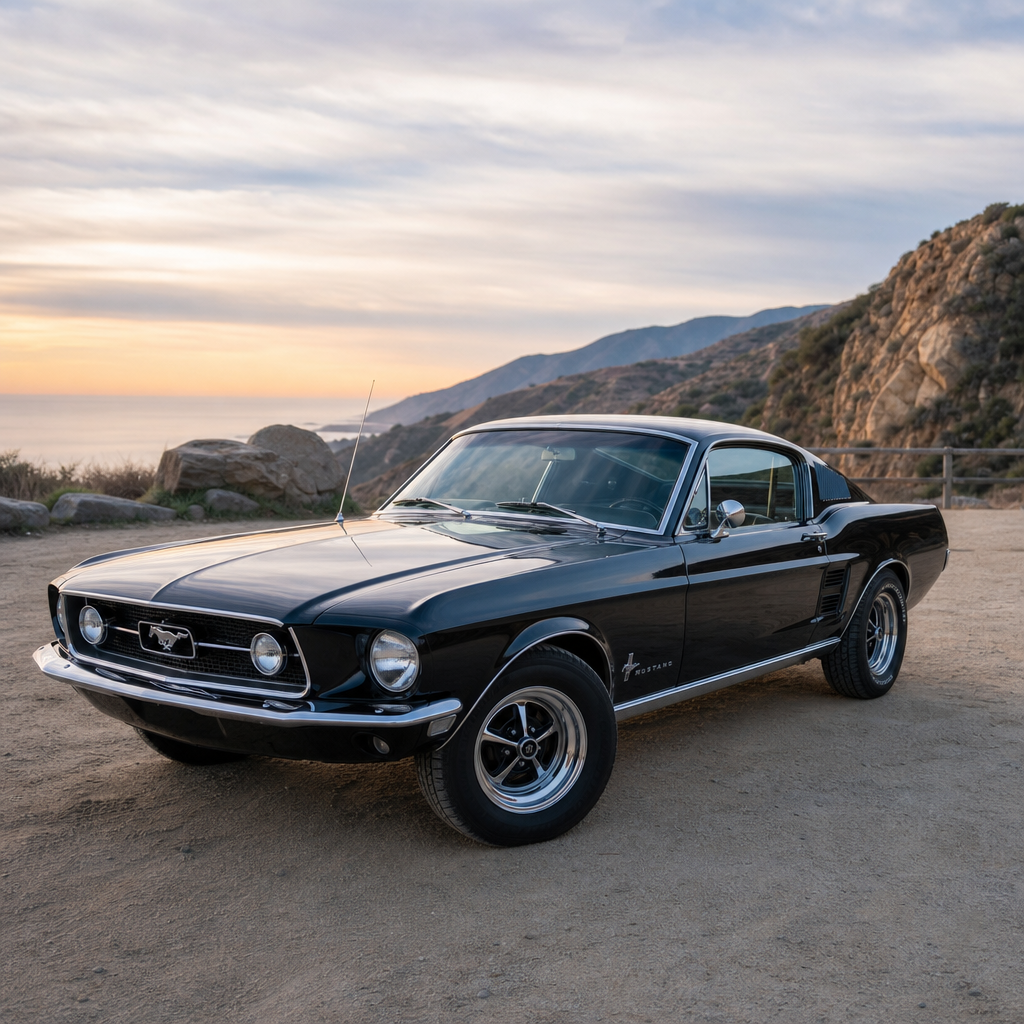
Once the core categories are clear, identification gets more precise. Fastback describes the rearward sweep of the roof rather than the whole car by itself. A Ford Mustang SportsRoof, Plymouth Barracuda fastback, or Volkswagen Type 3 Fastback uses a continuous descending line from roof to rear. A notchback has a more traditional three-box form: hood, cabin, then distinct trunk. Many coupes and sedans are notchbacks. Understanding that distinction helps when searching reproduction glass, weather seals, and trunk trim because fastback-specific parts rarely interchange with notchback versions.
A station wagon extends the roof over the cargo area and normally uses a two-box layout with expanded rear load space. Classic wagons may have two, three, four, or even simulated woodgrain side treatment, but the key identifier is the integrated cargo body behind the rear seat. Tailgate style matters too. A clamshell wagon, split tailgate, or side-hinged gate may identify a specific generation. Hatchback is similar in rear access but usually refers to a sloping rear door integrated with the roofline, especially on later classics from the 1970s and 1980s. A shooting brake traditionally means a sporty two-door wagon or estate body, often produced in smaller numbers. Volvo P1800ES and Reliant Scimitar GTE are classic reference points. The name sounds romantic, but the visual test is practical: sporting front proportions with extended cargo roof behind the cabin.
| Body style | Main identifying features | Classic example |
|---|---|---|
| Coupe | Two doors, fixed roof, shorter cabin, sport-oriented proportions | 1967 Chevrolet Camaro coupe |
| Sedan | Fixed roof, full cabin, usually four doors, defined B-pillar | 1957 Chevrolet 210 sedan |
| Hardtop | Fixed roof with no B-pillar, open side profile with windows down | 1959 Cadillac Coupe de Ville hardtop |
| Convertible | Folding top, reinforced body, open cabin design | 1966 Pontiac GTO convertible |
| Fastback | Roof slopes smoothly into rear deck or tail | 1969 Ford Mustang SportsRoof |
| Station wagon | Long roof, enlarged cargo area, rear tailgate | 1969 Plymouth Satellite wagon |
Use era-specific design cues to identify a classic car more accurately
Body style names stayed in use for decades, but the visual cues changed by era. Prewar cars often feature separate fenders, upright grilles, running boards, and taller cabins, which can make sedans, touring cars, and coupes look more distinct than later integrated bodies. In the immediate postwar years, manufacturers reused many earlier forms, then shifted toward envelope bodies with fenders blended into the body sides. By the late 1940s and 1950s, pontoon styling, panoramic windshields, tailfins, and hardtop bodies became common in the United States. Those cues help you date the car broadly even before you identify the exact style.
The 1960s introduced cleaner slab-sided forms, more specialized roof treatments, and a wide variety of sporty derivatives. Pony cars offered coupes, convertibles, and fastbacks from the same platform. In the 1970s, federal safety and emissions changes influenced bumper size, glass area, and roof thickness. Formal roof coupes with opera windows became popular on personal luxury cars. In the 1980s, hatchbacks and liftbacks grew more common, and aero styling softened the sharp distinctions between trunk and roof. When identifying a classic car, body style should always be read alongside design period. A 1932 three-window coupe, a 1955 two-door hardtop, and a 1986 hatchback coupe are all “two-door classics,” but the identifying logic differs substantially.
Check factory terminology, VIN data, trim tags, and brochures
Visual inspection should come first, but documentation confirms what the eye suspects. Manufacturer brochures, dealer sales albums, shop manuals, parts books, and marque registries often list official body style names and body codes. General Motors, Ford, Chrysler, Mercedes-Benz, Jaguar, and other major brands all used internal coding systems that distinguish sedan from hardtop, coupe from convertible, and standard roof from specialized variants. On many American classics, the trim tag or cowl tag includes a body number that can be decoded through marque-specific references. The VIN may not always spell out body style directly, especially on older vehicles, but it often narrows the series and assembly details enough to verify the correct catalog description.
I have seen restored cars advertised as rare hardtops when the body tag proved they were standard post coupes wearing swapped trim. That matters because collectors pay for authenticity, and insurers want accurate descriptions. Factory literature also resolves regional naming differences. What one market called a saloon, another called a sedan. What one brand sold as a club coupe, another listed as a business coupe, and the seating or rear quarter treatment may differ. If you are building this knowledge systematically, start a reference folder with brochures, period road tests, and trusted registry links for each brand you study. That habit saves time and prevents expensive assumptions.
Know the common mistakes that lead to misidentification
The biggest mistake is assuming every two-door fixed-roof car is a coupe. Many are hardtops, some are two-door sedans, and some have formal marketing names that matter for parts interchange. Another common error is treating trim level as body style. Bel Air, Fairlane, Impala, New Yorker, and LTD are model or series names; they do not automatically tell you whether the car is a sedan, hardtop, wagon, or convertible. The same model line often came in multiple body styles.
Another trap is restoration bias. Vinyl tops, aftermarket landau bars, custom quarter windows, shaved handles, and swapped rear glass can distort the original silhouette. Rust repair can also erase clues, especially around drip rails, sail panels, and quarter window openings. Imported classics create a separate challenge because British, European, and American terminology differs. “Saloon,” “estate,” “drophead coupe,” and “berline” may all describe shapes that overlap with sedan, wagon, convertible, or coupe depending on market and era. If you want to identify a classic car accurately, use a three-step rule: inspect the structure, verify the period terminology, and compare against factory images from the exact year range. That approach is far more dependable than relying on seller descriptions or memory from old movies.
Build a repeatable identification process for buying, restoring, and researching
A repeatable process makes identification faster and more accurate. Start with a side-profile photo and note door count, roof type, pillar arrangement, and rear body shape. Then record whether the rear compartment is a trunk or cargo area, whether the roofline is notchback or fastback, and whether the side opening is pillarless. Next look for signs of modification: welded roof seams, missing drip rails, incorrect quarter glass, or body filler around trim holes. After that, compare your observations with factory brochures, club registries, and parts catalogs. Finally, confirm with VIN and body tag data where available.
This matters beyond trivia. Correct body style identification helps you order the right weatherstrips, glass channels, seat covers, headliners, and quarter panels. It affects valuation because rarity usually tracks specific body configurations, not just model names. It improves historical accuracy when documenting a car for sale or show judging. Most importantly, it gives you a framework for identifying a classic car with confidence instead of guesswork. If you are building your knowledge within classic car basics and education, treat body style as the foundation. Learn the silhouette language, study original references, and apply the same checklist every time. The more cars you classify carefully, the faster those distinctions become second nature.
Frequently Asked Questions
What is the easiest way to identify a classic car body style accurately?
The easiest and most reliable way to identify a classic car body style is to look at the car’s overall structure before you worry about badges, trim, or even the exact model name. Start with the basics: count the doors, study the roofline, check whether the car has fixed pillars between the front and rear side windows, and note how the cabin and cargo areas are arranged. Those details tell you far more than casual labels like “old coupe” or “classic sedan,” which are often used loosely and incorrectly.
For example, a sedan usually has four doors and a fixed roof with a full-height passenger compartment, while a coupe traditionally has two doors and a shorter cabin profile. A hardtop may resemble a coupe or sedan but lacks a fixed B-pillar, giving the side glass a more open look when the windows are down. Wagons can sometimes be mistaken for sedans at a glance, but the extended roof and integrated cargo space behind the rear seat are key identifiers. Convertibles are simpler to spot because of the folding top, but even there, body style distinctions can overlap with roadster, phaeton, or cabriolet depending on era and manufacturer usage.
If you want to get it right consistently, think in layers. First identify the body configuration itself, then compare it to period brochures, factory literature, and marque-specific guides. That approach helps you avoid confusion caused by custom modifications, swapped trim, or restored examples that no longer match original specifications. In short, body style identification is about reading the car’s architecture, not just repeating whatever description happens to be in a sale ad.
What features separate a coupe, sedan, hardtop, and fastback on a classic car?
These body styles get confused constantly because they can share similar proportions, especially across the same make and model line. A sedan is generally the easiest to define: it usually has four doors, a fixed roof, and a full passenger compartment with upright proportions. Most traditional sedans also have a visible B-pillar, the structural post between the front and rear side windows. That pillar is one of the quickest visual clues.
A coupe usually has two doors and a more compact passenger area, often with a sportier roofline and a shorter rear cabin section. Depending on the era, a coupe might still have a usable rear seat, but it is generally designed with style and proportion taking precedence over rear passenger access. A hardtop, meanwhile, refers less to the number of doors and more to the pillar configuration. Classic hardtops are designed to mimic the open appearance of a convertible when the windows are lowered, so they usually lack a fixed center pillar. You can find both two-door and four-door hardtops, which is why simply counting doors is not always enough.
A fastback is identified by the shape of the roof and rear bodywork rather than just the number of doors. Its defining feature is a roofline that slopes smoothly down into the rear deck or tail section in one continuous sweep. Some fastbacks are coupes, some are sedans, and some are marketed under sporty model names that distract from the underlying body style. This is exactly why shape and structure matter so much. If you focus on the roof profile, side window opening, and pillar arrangement, you can separate these terms much more confidently and avoid the common mistake of using them as if they all mean the same thing.
How do rooflines and pillar design help identify classic car body styles?
Rooflines and pillar design are among the most important visual clues because they reveal how the body was engineered and how the manufacturer intended the car to be classified. The roofline tells you whether the car was built for formal passenger use, sporty styling, utility, or open-air driving. A long, upright roof with a distinct trunk generally points toward a sedan. A shorter, lower roof often suggests a coupe. A continuous rearward slope can indicate a fastback. An extended roof over a rear cargo section strongly suggests a wagon or shooting-brake-type design, depending on the vehicle and era.
Pillars matter just as much. The A-pillar is at the windshield, the B-pillar sits between the front and rear side windows, and the C-pillar supports the rear roof area. On many classic cars, the presence or absence of a B-pillar is a major clue. A pillared sedan has a very different side profile from a hardtop, even if both share the same basic body shell. On a hardtop, the open side glass area creates a cleaner, more airy appearance. On a pillared car, the center post gives the body a more segmented look and often reflects a more traditional structural layout.
These details are especially useful when trim, emblems, and even doors have been swapped over the years. Restored and modified classics can blur the visual cues that people rely on casually, but roof structure is harder to disguise convincingly. That is why experienced enthusiasts often stand back and study the greenhouse first, meaning the roof, pillars, and window openings. Once you learn to recognize those patterns, body style identification becomes much more precise and much less dependent on guesswork.
Why do people misidentify classic car body styles so often?
People misidentify classic car body styles because the terminology has been used inconsistently for decades by owners, sellers, hobbyists, and sometimes even manufacturers themselves. A car may be called a coupe because it has two doors, even though its roofline or interior configuration fits another classification more closely. A four-door hardtop may get labeled a sedan in a classified ad. A sporty fastback might be marketed under a performance package name that overshadows the actual body style. Add custom work, badge swaps, reproduction trim, and non-original restorations, and the confusion multiplies quickly.
Another reason is that many enthusiasts focus first on make, model, and year and only secondarily on the body structure. That approach works fine for general conversation, but it falls apart when you are trying to identify a car accurately. Two vehicles from the same model line can have very different body styles, and those distinctions can affect collectibility, rarity, value, and parts sourcing. If someone sees all older two-door cars as “coupes” and all older four-door cars as “sedans,” they will miss important differences like hardtop versus pillared construction, notchback versus fastback roof treatment, or sedan delivery versus wagon utility design.
The best way to avoid these mistakes is to use period-correct reference material and train yourself to observe body features systematically. Instead of asking only, “What car is this?” ask, “How many doors does it have? What does the roof do? Is there a fixed B-pillar? Is the rear section a trunk or a cargo area? How is the seating arranged?” That habit turns body style identification from a vague impression into a repeatable skill.
Can factory brochures and trim tags help confirm a classic car’s body style?
Yes, and in many cases they are essential for confirming a classic car’s body style, especially when the vehicle has been modified, partially restored, or incorrectly advertised. Factory brochures are valuable because they show how the manufacturer originally presented each body style within a model range. They often include official names, profile illustrations, interior layouts, and feature descriptions that make it easier to distinguish similar-looking variants. If you are comparing a suspected hardtop, coupe, sedan, or wagon, period sales literature can quickly reveal which rooflines and window configurations were actually offered.
Trim tags, body plates, and VIN-related documentation can add another layer of confirmation. Depending on the manufacturer and year, these tags may include body codes that specify not just the model series but the exact body configuration. That can be incredibly useful when a car has lost original badging or has been repainted and rebodied in a way that obscures visual clues. However, you should not rely on tags blindly. Some have been removed, reproduced, altered, or misread, and different manufacturers used different coding systems. The best practice is to match the paperwork and tags against the visible body structure and period documentation.
When all three line up—what the car looks like, what the body code says, and what factory literature shows—you can identify the body style with much more confidence. That is the standard serious collectors, restorers, and judges try to follow. It is also the reason experienced enthusiasts spend time comparing real cars against brochures and decoding tags rather than trusting memory or marketplace descriptions. In classic car identification, evidence beats assumption every time.