Buying a classic car for the first time feels romantic, but the biggest mistakes happen when emotion outruns inspection, budgeting, and research. In the collector market, “classic car” usually refers to an older vehicle valued for age, design, rarity, cultural significance, or driving character rather than simple transportation. Depending on the insurer, club, or state registration office, the threshold may be 20, 25, or 30 years old. “First-time buyer” matters because beginners often enter the market through enthusiasm alone, while experienced owners know that condition, documentation, parts support, and intended use matter more than shiny paint. I have helped new buyers inspect cars at auctions, private garages, and estate sales, and the pattern is remarkably consistent: people overspend on appearance, underestimate ownership costs, and buy cars that do not match their skill level or goals. This article serves as a practical hub for beginner guides within classic car basics and education, covering the recurring errors that turn a dream purchase into a frustrating project.
Why does this topic matter so much? Because classic cars are not appliance purchases. Every older car is a stack of compromises involving originality, restoration quality, maintenance history, and market value. Two examples of the same model can differ in price by tens of thousands of dollars based on rust repair quality, matching numbers, body integrity, and provenance. A novice may see only chrome and paint, while a seasoned buyer sees panel gaps, overspray, replacement tags, and missing trim that signals larger problems. The financial stakes are real. Hagerty market data and major auction houses have shown for years that condition grading strongly influences price, while hidden defects routinely consume restoration budgets faster than buyers expect. For a beginner, the smartest path is not chasing the rarest or flashiest car. It is learning how to choose the right car, inspect it properly, verify its paperwork, and build a realistic ownership plan before money changes hands.
Buying the Wrong Car for Your Goal
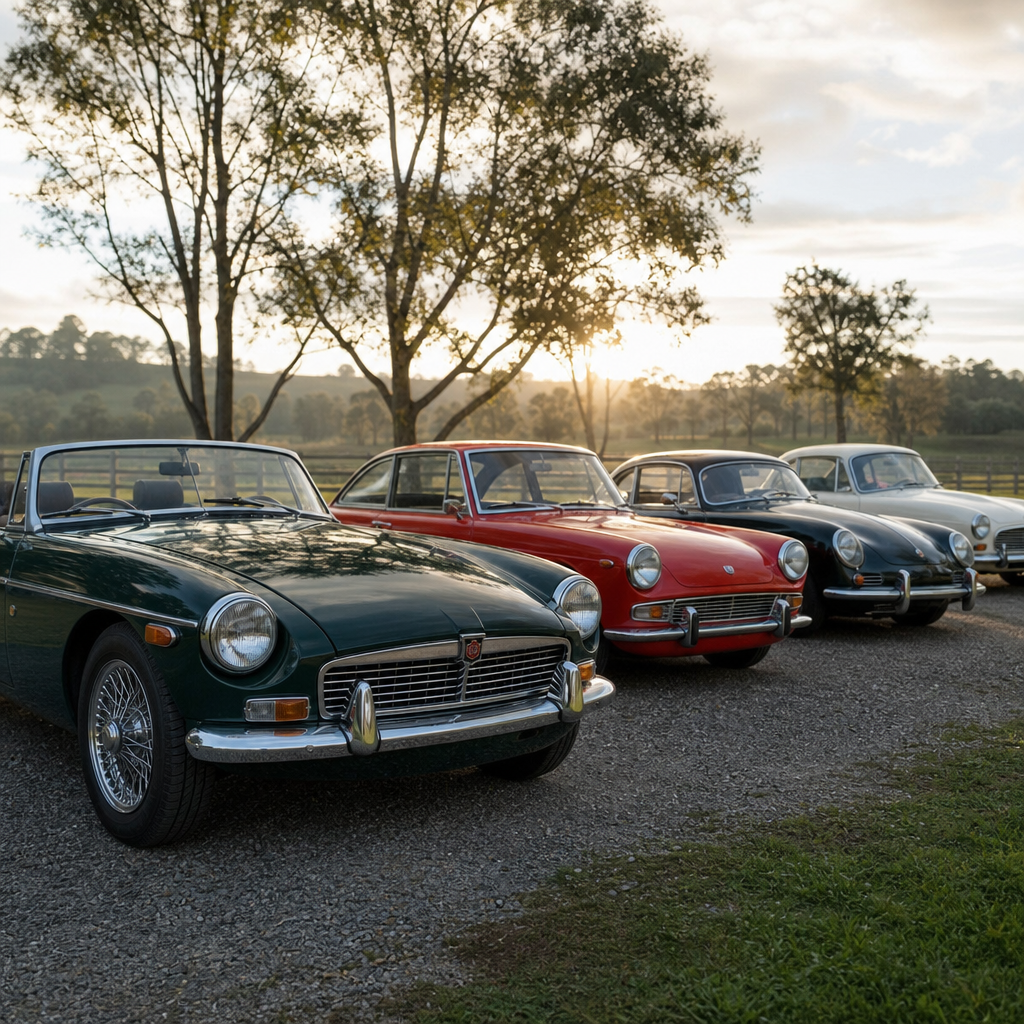
The most common first mistake is buying a car that does not fit the reason you want a classic car in the first place. Buyers often say they want “a classic,” but that is not a goal. Do you want a weekend driver, a local show car, a long-term investment, a family project, or a car you can maintain yourself? Those are very different use cases. A carbureted British roadster, a 1960s full-size American cruiser, and an air-cooled Porsche all deliver a classic experience, but they differ dramatically in parts pricing, mechanical complexity, storage needs, and driving comfort. I have seen beginners buy cars because they loved the shape, then realize they hate manual steering, weak brakes, hot cabins, and poor highway manners. The right first classic is usually one with strong parts availability, broad community support, straightforward mechanics, and honest market transparency.
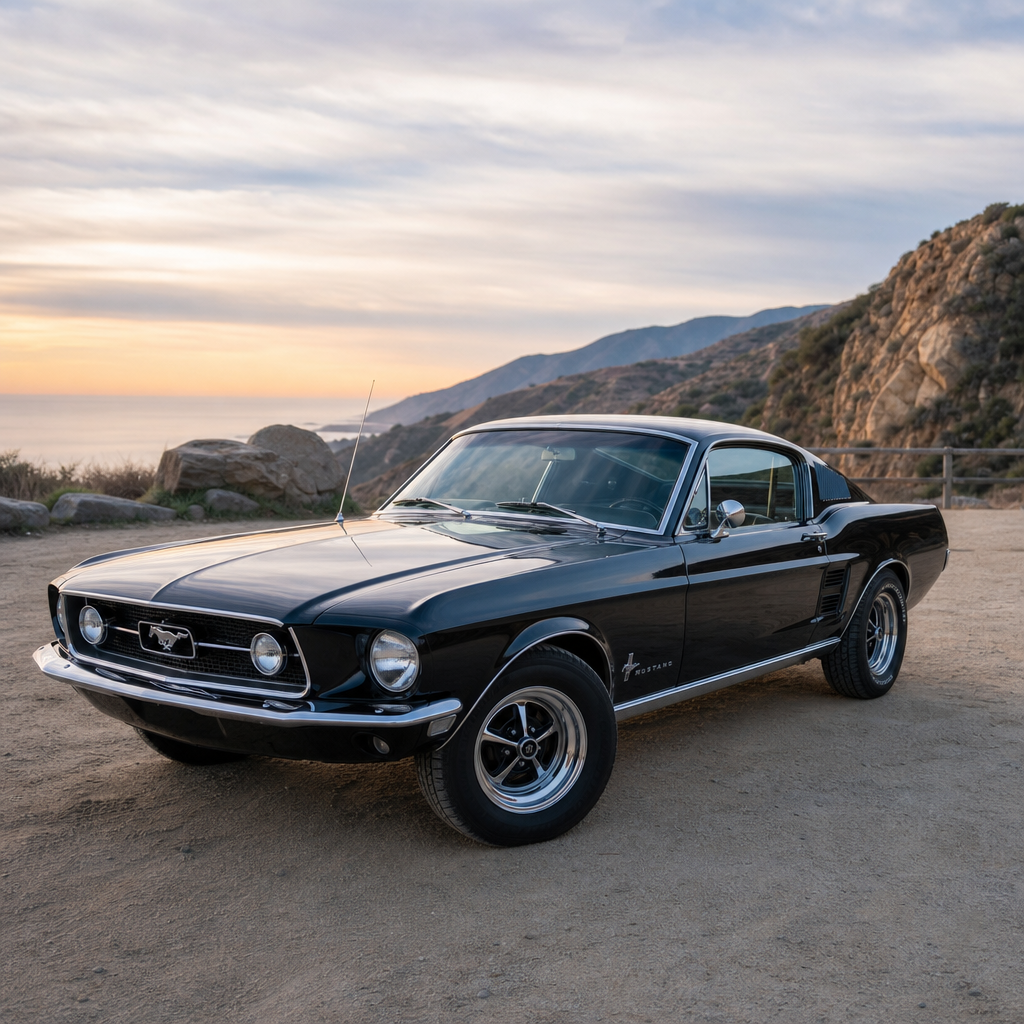
Beginners also underestimate how their own skills affect the buying decision. If you can only handle basic fluid changes and tune-up work, buying a half-finished restoration is a mistake. If you live in a city apartment with no garage, a non-running project is usually unrealistic. If you want family drives, a tiny two-seat sports car may disappoint. Set clear criteria before shopping: budget, body style, acceptable condition, intended mileage, transmission preference, and whether originality matters. Popular beginner-friendly models often include the 1965–1973 Ford Mustang, 1968–1972 Chevrolet Nova, 1966–1977 Ford Bronco at the right price point, Mercedes-Benz W123, Volvo 240, and C3 Corvette, because knowledge and parts are widespread. Model selection should be grounded in support network, not just aesthetics.
Focusing on Paint and Ignoring Structural Condition
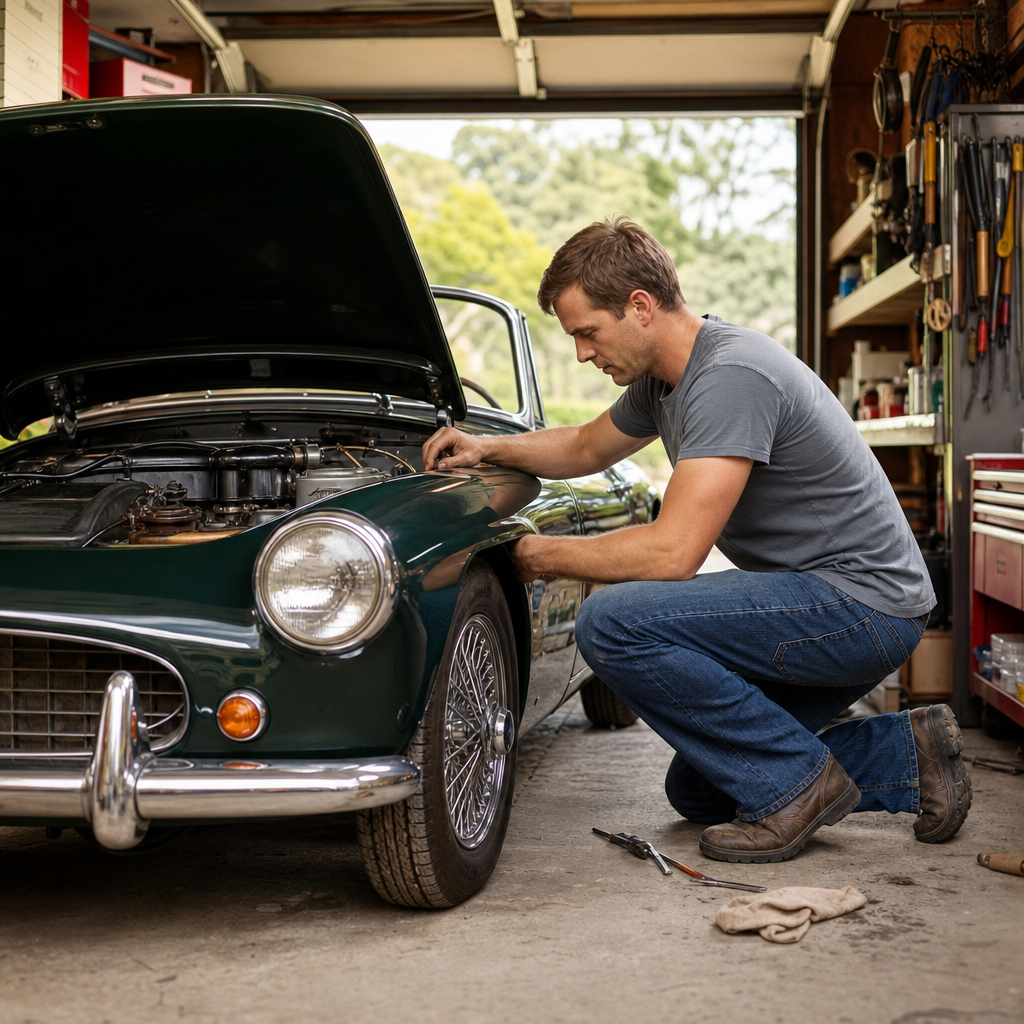
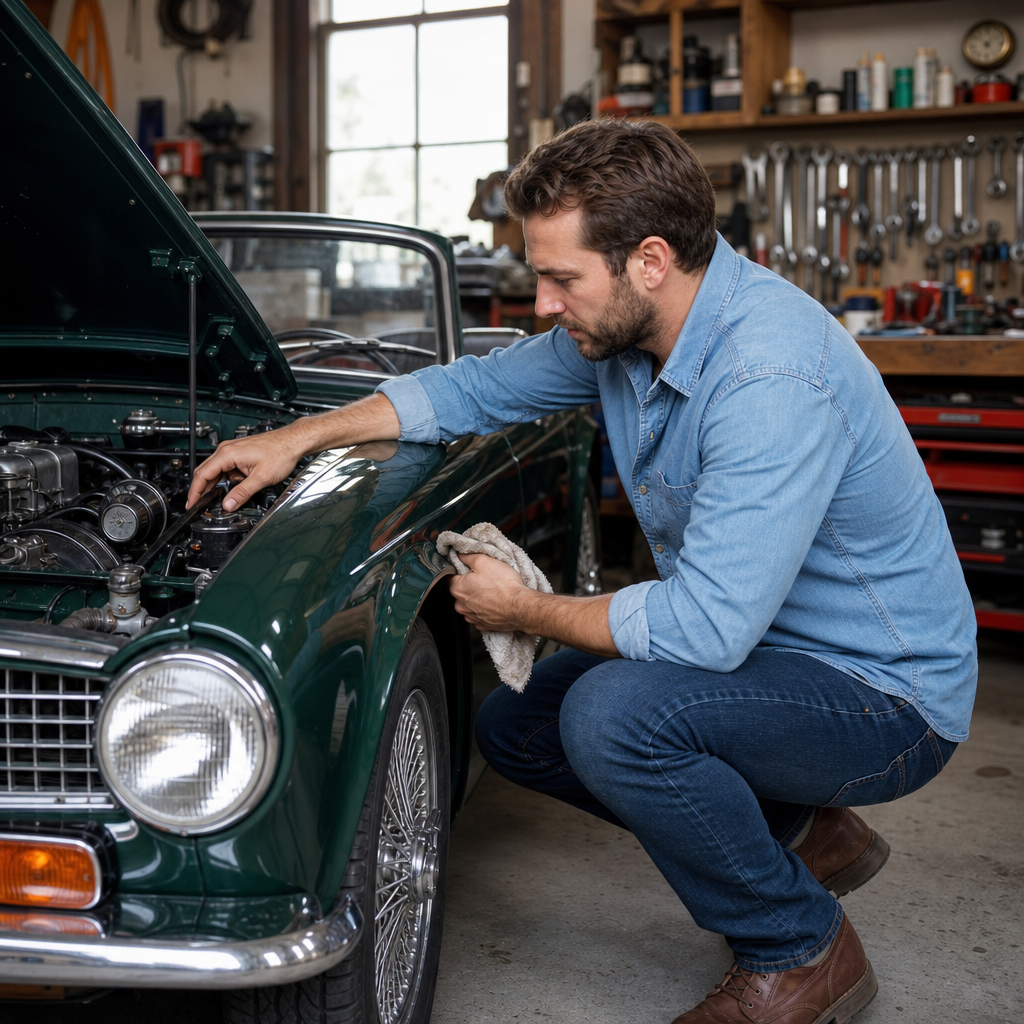
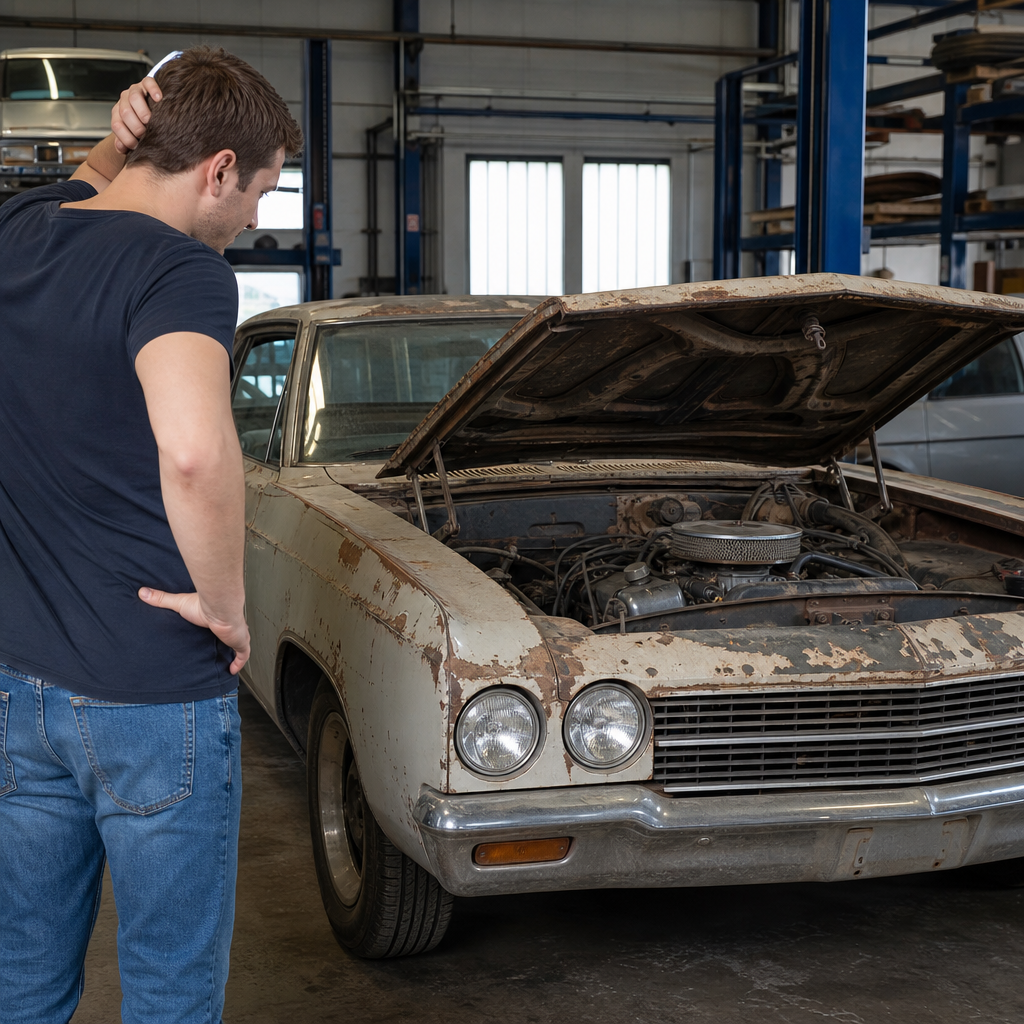
New buyers are often seduced by glossy paint, fresh upholstery, and polished wheels, yet the true value of a classic car is often in its body structure and mechanical honesty. Rust is the costliest surprise in the hobby. Cosmetic rust bubbles can hide serious corrosion in floor pans, frame rails, rocker panels, trunk drops, shock towers, cowl sections, or suspension pickup points. Poor rust repair is common: excessive filler, thin patch panels, brazed seams, and undercoating sprayed to conceal damage. A beginner may think a car “looks restored” because the exterior shines, but structural repair can quickly exceed the purchase price. On unibody cars especially, rust affects door alignment, suspension geometry, and safety. Always inspect underside photos, use a magnet carefully where appropriate, look for inconsistent panel thickness, and check factory spot weld patterns.
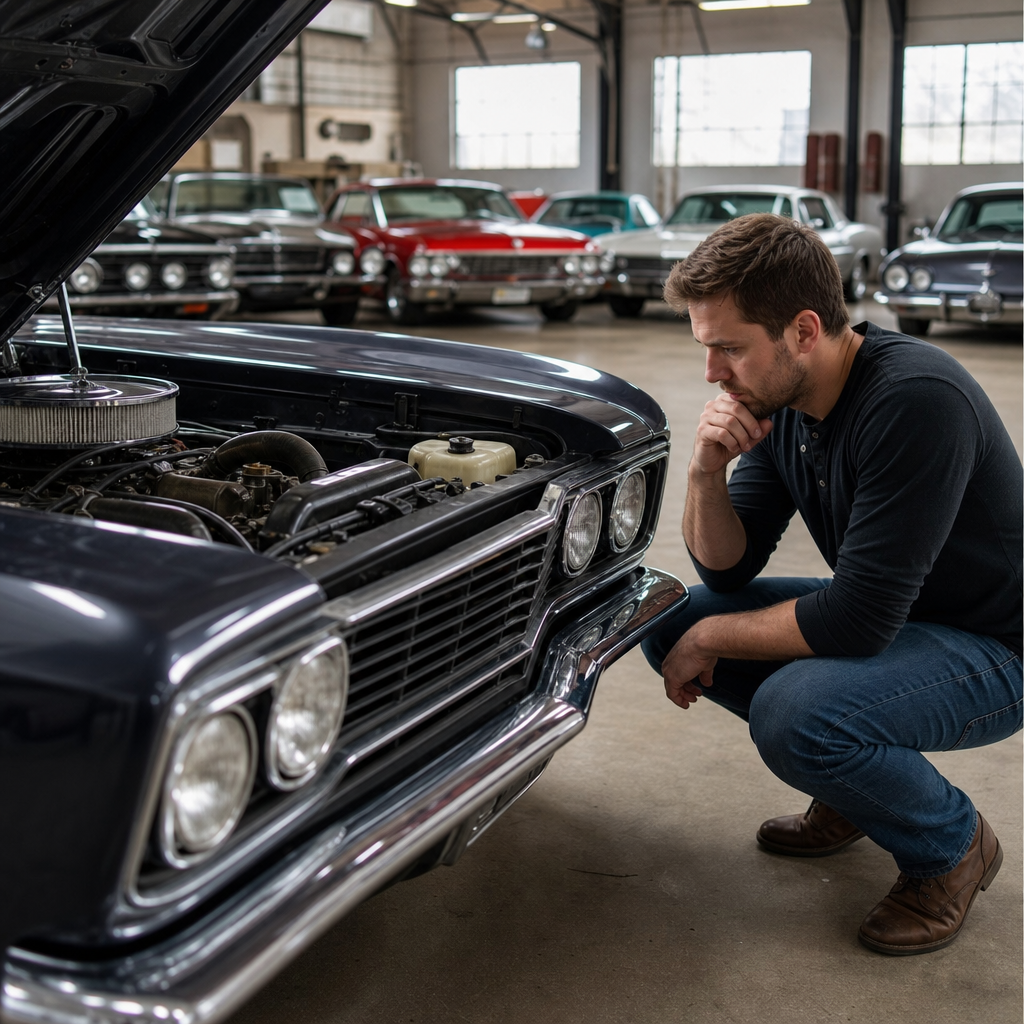
Mechanical condition matters just as much. An engine that starts easily can still have low compression, excessive blow-by, oil contamination, weak oil pressure, or poor cooling performance. Automatic transmissions may shift acceptably on a short drive but fail when hot. Drum brakes, steering boxes, vacuum systems, and aging wiring can all create costs that are not obvious in a seller’s driveway. A proper pre-purchase inspection by a specialist familiar with the specific model is one of the best investments a first-time buyer can make. It should include compression or leak-down testing when appropriate, lift inspection, brake and suspension assessment, date-code review, and verification of common problem areas. Paying a few hundred dollars for an inspection can save thousands.
Skipping Documentation, VIN Verification, and History Checks
Paperwork mistakes can turn a beautiful purchase into a registration nightmare or a value trap. First-time buyers often assume that a title, a bill of sale, and a clean dashboard VIN are enough. They are not. The VIN should match the title and any secondary locations used by the manufacturer, such as body tags, frame stampings, or door plates where applicable. On many desirable classics, originality and “matching numbers” significantly affect value, especially for muscle cars, air-cooled German cars, and limited-production models. Buyers should understand what matching numbers actually means for the marque they are shopping, because standards vary. For some cars it refers to the original engine block and transmission, while for others it includes carburetor, rear axle, or date-coded components.
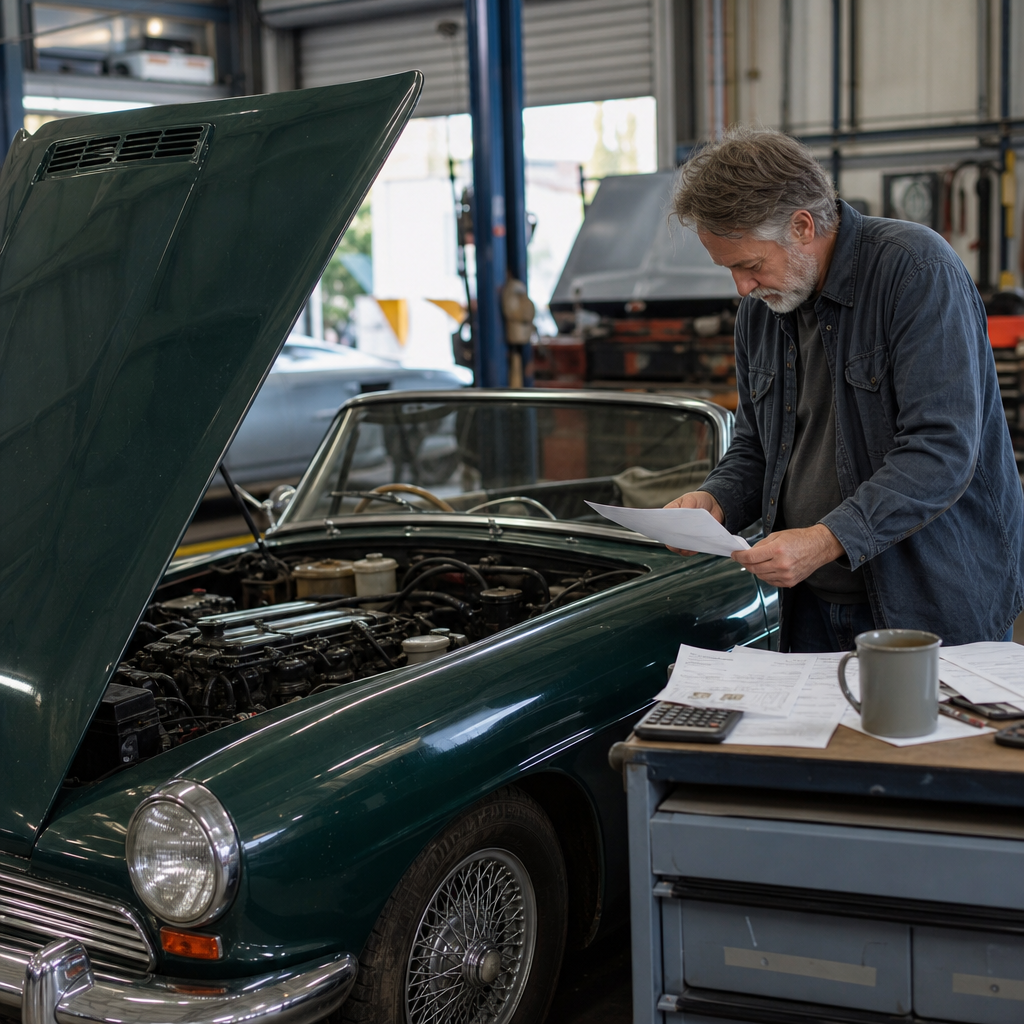
Documentation also tells you how the car has been treated. Look for restoration receipts, ownership history, photographs of prior work, maintenance logs, and judging sheets from recognized organizations such as the Antique Automobile Club of America or marque-specific clubs. If a seller claims “full restoration,” ask when it was completed, who performed it, and whether the engine, gearbox, suspension, and electrical system were rebuilt or simply cleaned and repainted. Be cautious with vague language such as “believed original” or “older restoration.” Imported classics require extra attention to customs forms and state titling procedures. Salvage history, reconstructed titles, and replacement VIN tags all deserve scrutiny. A beginner should never rush past paperwork because the car seems honest.
Underestimating Total Ownership Cost
The purchase price is only the opening number. The real cost of classic car ownership includes transport, insurance, immediate service, storage, tools, specialty labor, registration, and parts acquisition. First-time buyers regularly spend their entire budget on the car itself and then struggle to make it reliable. A sensible rule is to reserve 15 to 30 percent of your total budget for post-purchase needs, with the higher end applying to older or less documented cars. Even a solid driver may need tires, belts, hoses, fluids, ignition components, a battery, wheel cylinders, and fuel-system cleaning as baseline work. If the car has been sitting, plan for more. Age damages seals, fuel lines, brake hydraulics, and cooling components whether the odometer is low or not.
Insurance is another area where beginners make assumptions. Agreed-value policies from insurers such as Hagerty, Grundy, or American Collectors often provide better protection than standard auto policies, but they may impose mileage, storage, and usage conditions. Storage matters because sunlight, moisture, rodents, and temperature swings accelerate deterioration. Transport costs can also surprise buyers who purchase long distance. Open carriers are cheaper, enclosed transport is safer for higher-value cars, and both require scheduling flexibility. The table below highlights where first-time budgets commonly go wrong.
| Cost Area | What Beginners Assume | What Usually Happens |
|---|---|---|
| Purchase price | The listed price is the total commitment | Taxes, fees, transport, and immediate repairs add significantly |
| Mechanical refresh | A running car needs little work | Brakes, tires, hoses, fluids, and fuel systems often need attention |
| Parts sourcing | Everything is available quickly | Trim, date-coded parts, and model-specific items can be slow and expensive |
| Insurance | Any policy will cover market value | Specialty agreed-value coverage is usually necessary |
| Storage | A driveway or carport is enough | Indoor secure storage protects value and condition |
Buying Without Market Research
Many first-time buyers do not know whether the asking price is fair because they have not studied the market by condition level. This leads to overpaying for mediocre cars or missing better opportunities. Market research should include recent auction results, private-sale listings, marque forums, price guides, and club conversations. Use multiple sources because auction prices may reflect exceptional examples, reserve dynamics, or heavy buyer’s premiums, while online listings often show asking prices rather than sale prices. Condition grading systems such as concours, excellent, good, and fair are useful only when you honestly evaluate the car in front of you. A flashy respray can make a fair car look like a good one, but worn weatherstripping, tired suspension, and undocumented drivetrain work still place it lower.
Beginners also fail to learn model-specific value drivers. On some cars, color combinations heavily influence demand. On others, factory options, transmission type, engine code, body style, or production year create large price spreads. A small-block coupe may be worth far less than a big-block convertible, even when both look similar to a novice. Limited-edition trim packages can add value only if they are properly documented. Conversely, modifications may improve drivability yet reduce appeal to purists. Research should answer direct questions: What does an excellent driver cost today? What rust areas are expensive to repair? Which engines are desirable? Which years had known issues? What parts are unobtainable? When buyers know those answers, negotiations become rational instead of emotional.
Trusting the Seller More Than the Evidence
Most sellers are not fraudsters, but even honest owners can describe cars through memory, optimism, or incomplete knowledge. First-time buyers often place too much weight on a seller’s confidence, personal story, or claimed expertise. Statements like “all original,” “frame-off restoration,” “numbers matching,” or “needs nothing” should trigger verification, not belief. I have inspected cars represented as rust-free that had fresh undercoating over patched floors, and “rebuilt engines” with no receipts and obvious smoke on deceleration. Evidence means documents, photographs, consistent stampings, independent inspections, and a long enough test drive to evaluate temperature stability, charging behavior, shifting, and braking.
Online buying increases the risk because photography can hide flaws. Ask for cold-start videos, underside images, close-ups of VIN tags, door gaps, wheel arches, trunk floors, and common rust zones. Request footage of gauges working, lights operating, and the car driving at road speed. If the seller resists reasonable questions, move on. The collector market always offers another car. Patience protects buyers more than charm, urgency, or fear of missing out.
Ignoring Parts Availability and Community Support
A classic car is easier to own when parts supply and community knowledge are strong. Beginners often choose obscure models because they are cheaper to buy, then discover that simple trim pieces, weather seals, glass, or carburetor components are scarce. Mechanical parts may interchange across years, but cosmetic or interior parts can be extremely difficult to source. Before buying, check vendors, reproduction catalogs, salvage networks, and owner forums. If the car relies on orphaned components or one-year-only hardware, routine ownership becomes a hunt. That is manageable for experienced collectors; it is discouraging for beginners.
Community support is just as important as parts support. Strong clubs and forums shorten the learning curve, identify reputable specialists, and help verify originality. Cars with active enthusiast communities also tend to have better technical documentation, restoration guides, and used-parts circulation. A first-time buyer should favor platforms with deep support because every ownership question becomes easier, from tune specifications to trim fitment to fair-market pricing.
Conclusion
First-time classic car buyers make predictable mistakes: they buy with emotion before defining their goal, judge cars by paint instead of structure, skip documentation checks, underestimate ownership costs, ignore market research, trust stories more than evidence, and overlook parts support. The good news is that every one of these mistakes is avoidable. A successful first purchase starts with choosing a model that matches your budget, storage, mechanical ability, and intended use. It continues with disciplined inspection, VIN and paperwork verification, and realistic planning for insurance, transport, and repairs. In this part of classic car basics and education, beginner guides should always point back to the same principle: the best first classic is not the rarest car you can afford, but the most supportable, well-documented, structurally sound example you can verify.
If you are shopping now, slow the process down. Build a shortlist, study model-specific buyer guides, contact clubs, and pay for a specialist inspection before committing. That approach protects your money, improves your ownership experience, and makes your first classic car far more likely to become a lasting source of enjoyment rather than an expensive lesson.
Frequently Asked Questions
What is the biggest mistake first-time classic car buyers make?
The most common mistake is buying with emotion first and evidence second. A first-time buyer sees a dream car, falls in love with the styling, the sound, or the nostalgia, and then rushes past the hard questions that protect them financially. In the classic car market, appearance can be misleading. Fresh paint, polished chrome, and a tidy interior do not automatically mean the car is mechanically healthy, structurally solid, or honestly represented. Many beginners assume that if a car looks good and starts easily, it must be a good purchase, but hidden rust, poor previous repairs, mismatched numbers, incomplete paperwork, or deferred maintenance can turn an exciting buy into an expensive lesson.
A smart first-time buyer slows the process down. That means researching the exact year, make, model, engine, trim, and common weak points before ever seeing the car in person. It also means checking documentation, ownership history, restoration receipts, and whether the car is original, modified, or somewhere in between. The goal is not to remove the romance from classic car ownership. It is to support that passion with facts. The best purchases happen when enthusiasm is matched by inspection, patience, and a realistic understanding of what the vehicle will actually need after it comes home.
Why is skipping a pre-purchase inspection such a costly error?
Skipping a pre-purchase inspection is one of the fastest ways for a beginner to overpay. Classic cars are old machines, and age affects everything: metal, rubber, wiring, seals, suspension parts, brake components, fuel systems, and cooling systems. Even a car that seems to run well on a short drive may have serious underlying problems. Rust in the frame, poor body filler work, hidden collision damage, weak compression, transmission issues, leaking seals, outdated wiring, and unsafe brake systems are not always obvious to a first-time buyer. A qualified inspector or marque specialist knows where these cars typically fail and can spot issues a beginner would almost certainly miss.
An inspection also helps you understand what kind of car you are really buying. Is it a true driver-quality car, a partially restored project, or a cosmetically improved car with major needs underneath? That distinction matters because values vary widely. The inspection report gives you leverage in negotiation, helps you build a realistic post-purchase budget, and may save you from buying the wrong car entirely. For many first-time buyers, paying for an independent inspection feels like an extra expense. In reality, it is often the cheapest protection you can buy in a market where unexpected repairs can quickly reach thousands or even tens of thousands of dollars.
How do first-time buyers underestimate the true cost of owning a classic car?
Many beginners focus too heavily on the purchase price and not nearly enough on the total cost of ownership. With a classic car, the sale price is only the starting point. Once the car is yours, you may face immediate needs such as tires, fluids, belts, hoses, battery, tune-up parts, brake service, fuel system cleaning, or cooling system work. Older cars often require regular adjustment and preventive maintenance that modern vehicles do not. Even if the car is in decent condition, “sorting” costs after purchase are very common. A first-time buyer who spends the full budget on the purchase itself often has nothing left for the work needed to make the car reliable and safe.
There are also recurring ownership expenses that beginners sometimes overlook, including agreed-value insurance, enclosed or secure storage, specialty transport, registration rules, club memberships, tools, and hard-to-find replacement parts. If the car is rare, model-specific parts may be expensive or slow to source. If the vehicle is heavily modified, correcting poor workmanship can cost more than expected. A good rule is to keep a reserve fund beyond the purchase price, especially for the first year. Experienced buyers know that a classic car is rarely a fixed-cost asset. It is better approached as a hobby purchase that requires ongoing care, not simply a one-time transaction.
How important is research on the specific model before buying?
Model-specific research is critical because not all classic cars are equally easy or sensible for a first-time owner. Two cars from the same era may look similarly appealing, yet one may have strong parts support, broad enthusiast knowledge, and predictable maintenance needs, while the other may have scarce trim pieces, expensive engine components, chronic rust issues, or poor aftermarket support. Beginners who fail to research often buy based on style alone and only later discover that the car they chose is unusually difficult to restore, insure, register, or maintain.
Good research should cover several areas. First, learn what makes the exact model desirable and what affects value, such as matching numbers, factory options, body style, originality, and documented history. Second, identify the known trouble spots: rust areas, engine weaknesses, electrical problems, transmission issues, and suspension wear points. Third, understand the ownership ecosystem. Are there active clubs, forums, parts suppliers, and specialist mechanics? Can you easily find glass, trim, interior components, and weather seals? Finally, compare asking prices with actual market behavior so you can recognize whether a car is fairly priced, optimistically listed, or suspiciously cheap. First-time buyers who do this homework make more confident decisions and avoid cars that are far more demanding than they first appear.
Should a first-time buyer choose a finished car or a project car?
In most cases, a first-time classic car buyer should choose the best finished, well-maintained car they can reasonably afford rather than a project. Project cars are tempting because the entry price is lower, and many beginners believe they can save money by fixing things over time. In practice, restoration and deferred maintenance almost always cost more and take longer than expected. Bodywork, paint, interior restoration, engine rebuilding, electrical repairs, and parts hunting can quickly exceed the price difference between a project and a solid driver-quality example. For someone without experience, a project can stall in the garage for years and drain both budget and enthusiasm.
A completed or properly sorted car gives a first-time owner a much better chance to enjoy the hobby immediately while learning how the market and maintenance cycle actually work. That does not mean buying a perfect concours-level car. It means looking for a car with good structure, honest documentation, reliable mechanical condition, and only manageable cosmetic flaws if needed. A beginner benefits from seat time, service records, and real-world ownership experience far more than from diving into a major restoration right away. Once you understand the model, the parts market, and your own skill level, taking on a project later may make sense. As a first purchase, though, buying quality up front is usually the less expensive and far less frustrating path.