Classic cars in TV shows do more than decorate a set. They establish era, signal personality, support plot, and often become as memorable as the actors who drive them. In television, a well-chosen vehicle can tell viewers whether a character is wealthy, rebellious, practical, or dangerous before a line of dialogue is spoken. That is why classic cars in TV shows remain a lasting part of classic car culture and lifestyle, especially within the broader world of movies and media.
By classic cars, most enthusiasts usually mean vehicles old enough to reflect a distinct design period and cultural identity, typically from the prewar years through the 1980s, though exact definitions vary by club, insurer, and state registration rules. In TV history, these cars matter because television has reached mass audiences week after week, imprinting specific makes and models into public memory. I have seen this firsthand at auctions and local shows: people who cannot identify a carburetor instantly recognize a 1969 Dodge Charger as the General Lee or a black Pontiac Trans Am as KITT. Screen exposure turns machinery into mythology.
This hub article covers how television uses classic cars, why certain models became cultural symbols, how production teams choose and modify vehicles, and how these appearances affect collectors, restorers, and fans. It also serves as a gateway to the larger movies and media conversation within classic car culture. If you want to understand why some TV cars command premiums, why replicas thrive, and why a station wagon or detective sedan can matter as much as an exotic, the answer starts with television’s unmatched power to repeat an image until it becomes collective nostalgia.
Television has always depended on visual shorthand, and classic cars are one of its most efficient tools. A fins-and-chrome 1959 Cadillac instantly suggests postwar optimism and status. A weathered 1967 Chevrolet Impala can imply blue-collar resilience, supernatural Americana, or both, depending on context. A 1970s police cruiser evokes authority, urban grit, and a specific filmmaking texture tied to practical stunts rather than computer graphics. Because TV episodes recur over seasons, audiences develop a relationship not only with characters but also with the vehicles those characters maintain, abuse, and rely on.
Why classic cars work so well on television
Classic cars work on television because they communicate information fast. Designers call this semiotics: objects carry meaning beyond their practical function. In production meetings, a vehicle choice often solves multiple creative problems at once. It identifies time period, supports costume design, complements architecture, and gives actors something tangible to interact with. A long hood, heavy door, or thin steering wheel changes body language. That physicality matters on camera. Older cars also photograph differently from modern ones. Chrome catches light, upright glass creates cleaner reflections, and distinct silhouettes remain legible even in wide shots.
Producers also favor classic cars because they help a show stand apart in a crowded market. Consider how instantly recognizable the 1979 Ford Gran Torino from Starsky & Hutch became with its bright red paint and white vector stripe. The car was not merely transportation; it was branding. The same is true of the 1966 Batmobile from the Batman television series, a custom creation based on the Lincoln Futura concept car. Even viewers who never watched the full series know the shape. That level of recall is rare and commercially valuable.
There is also a practical reason: older vehicles can support action storytelling in ways modern cars sometimes cannot. Body-on-frame construction, simpler interiors, and fewer electronic systems make many classic cars easier to rig for cameras and stunt work. While reliability can be a challenge, mechanical simplicity often helps crews keep hero cars, stunt cars, and static display cars operating during production. In period dramas, television also benefits from visual authenticity. A correct sedan, pickup, or taxi in the background can do as much worldbuilding as an expensive set extension.
Defining the most influential TV classic cars
Not every memorable television vehicle is technically a classic, but several became cultural landmarks that shaped collecting trends. The General Lee from The Dukes of Hazzard, built primarily from 1968 and 1969 Dodge Chargers, remains one of the best-known TV cars ever filmed. Its orange paint, black hood graphics, and stunt-heavy use made the Charger inseparable from the show’s identity. Production consumed many cars because jumps routinely bent frames and damaged suspensions. That destruction later contributed to Charger scarcity and strengthened demand for surviving examples and faithful tributes.
Another major example is KITT from Knight Rider, usually based on the 1982 Pontiac Firebird Trans Am. Although newer than many vehicles discussed in classic car circles, KITT demonstrates how television can redefine a production car through technology themes. The sweeping nose, dark finish, and scanning red light transformed a contemporary coupe into a futuristic icon. Today, many enthusiasts entered the hobby because they loved KITT as children, then later learned about GM F-body history, fuel injection development, and 1980s design language through that gateway.
The 1967 Chevrolet Impala from Supernatural offers a different model of fame. Unlike heavily stylized TV machines, this car functioned as emotional architecture. It carried the Winchester brothers through fifteen seasons and became a symbol of family, memory, and continuity. Fans know its trunk, wheel design, and dark paint with unusual precision because the show repeatedly framed the car as a sacred personal space. I have met restorers who can discuss that Impala with the same intensity others reserve for big-block muscle cars. Television made an ordinary full-size coupe feel mythic.
| TV Show | Signature Car | Why It Mattered |
|---|---|---|
| The Dukes of Hazzard | 1968–1969 Dodge Charger | Turned Mopar muscle into a national symbol through stunts and repeated weekly exposure |
| Knight Rider | 1982 Pontiac Firebird Trans Am | Linked a real production car with futuristic technology and 1980s pop culture |
| Starsky & Hutch | 1975–1976 Ford Gran Torino | Used bold livery and chase scenes to create an instantly recognizable brand asset |
| Batman | 1966 Batmobile | Proved a TV car could become a merchandising and design phenomenon beyond the show |
| Supernatural | 1967 Chevrolet Impala | Showed how a classic car can serve as an emotional anchor, not just visual spectacle |
Character, story, and the psychology of the car choice
The best television cars fit character psychology. Detectives often drive vehicles that balance authority with accessibility: something credible on city streets, durable enough for pursuit, and unpretentious enough to preserve audience sympathy. Family sitcoms usually place characters in wagons, sedans, or vans that signal domestic realism. Villains may receive oversized luxury cars or blacked-out muscle to telegraph control and threat. These are not random decisions. They are calculated storytelling cues, and audiences absorb them almost instantly.
Writers and transportation coordinators also think about contrast. A refined character in a rough, primer-spotted pickup creates immediate intrigue. A reckless character in a meticulously restored coupe suggests hidden discipline or inherited values. In period television, the right trim level can matter as much as the model. A base six-cylinder sedan tells a different socioeconomic story than a top-spec V8 hardtop, even if casual viewers cannot name the difference. Experienced productions understand this and avoid treating every old car as interchangeable vintage wallpaper.
One reason viewers bond with television cars so deeply is repetition. In film, a car may get two hours to create meaning. In TV, it can accumulate significance over years. The audience notices dents, upgrades, dashboard details, and recurring rituals. They remember where arguments happened, where romances started, and which trunk held the tools, weapons, or secrets. That narrative layering is why television often produces more personal car fandom than cinema, even when movies have bigger budgets and more spectacular action sequences.
Behind the scenes: sourcing, building, and preserving TV cars
From production experience, the public usually underestimates how much planning goes into putting one classic car on screen. A show may need a hero car for close-ups, duplicates for stunts, lighter shells for towing rigs, and backup cars for parts. Transportation departments search auctions, private sellers, specialist brokers, and enthusiast forums. For rare vehicles, they may cast several near-matches and adjust them with trim, paint, wheels, and badging. Continuity becomes a constant battle, especially when a long-running series shoots scenes out of order.
Mechanical preparation is equally important. Cooling systems are upgraded for extended idling under hot lights. Charging systems may be reinforced to support hidden electronics. Brake performance and tire selection are reviewed for safety, especially when an old car must repeatedly stop on command during multiple takes. Interiors are sometimes modified subtly for camera placement, radio communication, or stunt access. Purists may object, but these interventions often keep a fragile vehicle usable and protect irreplaceable components from unnecessary damage.
Preservation after filming is another overlooked issue. Some hero cars enter studio collections or museum displays, while others pass into private hands. Documentation determines value. A car with production records, matching VIN references, visible screen features, and provenance from recognized auction houses like Barrett-Jackson, Mecum, or Bonhams will command more trust than an unattributed replica. At the same time, replica culture has a legitimate place. Many famous TV cars survive in fan-built form because originals were destroyed, heavily altered, or never road practical in the first place.
How TV exposure shapes collector demand and market value
Television can raise values, but the effect is uneven. A show with broad syndication and multigenerational appeal tends to have the strongest long-term impact. The General Lee increased mainstream recognition of the Dodge Charger far beyond dedicated Mopar circles, while Magnum, P.I. helped cement the Ferrari 308 GTS as a symbol of aspirational 1980s style. Yet demand spikes tied to media can also be fragile. Prices rise fastest when a vehicle combines screen fame with genuine rarity, drivability, and strong support from clubs and parts suppliers.
Collectors should separate screen association from underlying automotive merit. A car famous on television but difficult to maintain, poorly supported in the aftermarket, or compromised by replica modifications may not hold value like a mechanically desirable model with documented provenance. Insurance carriers such as Hagerty track these trends closely, and market watchers often note that nostalgia moves in waves. People tend to buy what they admired in adolescence and early adulthood. As those generations age into spending power, TV-linked models often see renewed attention.
There is also a broader cultural value beyond auction results. Television keeps obscure or ordinary models visible. A station wagon, taxi, patrol sedan, or work truck can gain preservation interest after repeated on-screen use because viewers remember how it fit everyday life in a specific decade. That matters to historians. Not every important classic is a halo muscle car or coachbuilt luxury model. TV archives have helped preserve memory of common vehicles that once filled American, British, and European streets but were often discarded before collectors noticed their significance.
The larger movies and media landscape within classic car culture
As a hub within movies and media, classic cars in TV shows connect to several related subjects. One branch is hero-car design: how production vehicles become visual trademarks across genres from crime dramas to science fiction. Another is franchise merchandising, where die-cast models, posters, apparel, and video games extend a car’s fame beyond the original broadcast. A third is fan recreation, including tribute builds, cosplay displays, and event culture where owners reproduce screen-accurate graphics, wheels, lighting, and interiors with remarkable precision.
Television also overlaps with restoration ethics. Should a rare car be returned to factory specification or preserved in screen-used form, even if those modifications were crude? The answer depends on historical significance. A standard Pontiac Trans Am may deserve stock restoration, while a verified KITT build has stronger value as media history. Similar questions arise with police-package sedans, camera cars, and studio customs. Museums increasingly treat these vehicles as artifacts of design, entertainment, and social memory rather than mere transportation devices.
For readers exploring this subtopic further, the next useful areas are iconic movie cars, famous TV chase scenes, the economics of screen-used vehicles, replica build guides, and the legal side of trademarks and likeness rights. Together, these subjects explain how cars move through media ecosystems from prop to collectible to community symbol. Television remains the most intimate part of that journey because it enters homes repeatedly, builds routines around viewing, and turns a machine into a familiar companion over seasons rather than minutes.
Classic cars in TV shows endure because they deliver more than nostalgia. They provide instant storytelling, strengthen character identity, and preserve the design language of entire eras. The best examples, from the General Lee and the Gran Torino to the Batmobile, KITT, and the Supernatural Impala, prove that a vehicle can function as prop, co-star, and cultural artifact at the same time. That is why television remains central to any serious discussion of classic car culture and lifestyle within movies and media.
For enthusiasts, the real benefit of studying these cars is perspective. Screen fame can influence values and trends, but it also reveals how ordinary viewers form emotional attachments to machines. A TV car may inspire someone to learn restoration, attend a local show, join a marque club, or preserve a model that history might otherwise overlook. In that sense, television has been one of the hobby’s most effective recruiting tools. It converts passive recognition into active participation and keeps automotive heritage visible across generations.
If you are building out your understanding of classic car media, start with the shows that made vehicles unforgettable, then follow the trail into production history, collector markets, replicas, and restoration choices. That approach gives you a complete map of how entertainment shapes enthusiast culture. Revisit the series, study the cars closely, and use this hub as your launch point into the wider movies and media world.
Frequently Asked Questions
Why are classic cars so important in TV shows?
Classic cars matter in television because they communicate information instantly. A single vehicle can establish the time period, reinforce the tone of a scene, and reveal key details about a character before any dialogue begins. When viewers see a polished luxury sedan, a rough-edged muscle car, or a dependable family wagon, they quickly form impressions about status, attitude, profession, and personal taste. That visual shorthand is incredibly valuable in television, where storytelling often needs to be efficient and memorable.
These vehicles also help shape the identity of a show. In many cases, a classic car becomes part of the series brand, remembered right alongside the cast, theme music, and setting. A well-chosen car can symbolize freedom, danger, rebellion, nostalgia, or sophistication, depending on how it is filmed and used. That is why classic cars in TV shows are not just props. They are storytelling devices that support character development, plot movement, and emotional connection, while also leaving a lasting impact on classic car culture and the broader world of movies and media.
How do TV shows use classic cars to define a character’s personality?
Television relies heavily on visual cues, and classic cars are one of the strongest of those cues. The make, model, condition, and style of a vehicle can suggest whether a character is disciplined, flashy, rebellious, practical, wealthy, or unpredictable. A carefully maintained vintage luxury car may imply pride, control, and old-money elegance. A loud muscle car might signal confidence, aggression, or a need to stand out. A weathered pickup or modest older sedan can suggest reliability, humility, or a working-class background. These details help audiences understand a character immediately.
What makes this especially effective is that cars feel personal. Unlike neutral set pieces, a vehicle often appears as an extension of its owner. Writers, directors, and production designers understand this, so they use classic cars to support deeper themes around identity and motivation. A character who clings to an older car may be holding on to the past, family tradition, or a former version of themselves. Another character may choose a rare or highly stylized vehicle to project power or hide insecurity. In this way, classic cars do more than match a wardrobe or setting. They actively participate in character-building and often become visual symbols of who that person is.
Do classic cars in TV shows help establish the time period and atmosphere?
Yes, absolutely. One of the most effective uses of classic cars in television is period-setting. Even when costumes and architecture already suggest a certain era, the right vehicles make the world feel more authentic and believable. Cars are highly specific to their time, so seeing a particular body style, chrome treatment, grille design, or paint palette can immediately place viewers in the 1950s, 1960s, 1970s, or another distinct period. That level of accuracy matters because it anchors the story in a recognizable historical and cultural context.
Beyond identifying a decade, classic cars also shape atmosphere. A row of large American sedans can create a sense of authority or suburban order, while a sleek sports coupe can add glamour or danger. Older police cars, taxis, station wagons, and convertibles all contribute to the emotional texture of a scene. They help define whether a show feels gritty, romantic, carefree, tense, or nostalgic. In many productions, the vehicles are essential to world-building because they make the setting feel lived-in rather than artificially staged. For viewers, that authenticity is part of what makes classic cars in TV shows so compelling and memorable.
Why do some TV cars become as famous as the actors or characters?
Some television cars become iconic because they are used consistently, framed prominently, and tied closely to major story moments. When a vehicle appears episode after episode, accompanies a lead character through important scenes, and develops a recognizable visual identity, it stops being background decoration and becomes part of the audience’s emotional memory of the show. Viewers begin to associate that car with action, humor, suspense, romance, or personal transformation. Over time, the vehicle becomes inseparable from the series itself.
There is also a strong element of symbolism. An iconic TV car often represents more than transportation. It can stand for independence, justice, style, authority, mystery, or rebellion. Repetition strengthens that meaning. Distinctive color, shape, sound, or customization can make the car instantly recognizable, even in silhouette. That level of familiarity gives the vehicle celebrity status of its own. For fans, remembering the car is part of remembering the show. For collectors and enthusiasts, these screen-used or screen-inspired models can take on enormous cultural value, which is one reason television continues to influence classic car collecting and nostalgia-driven automotive interest.
How have classic cars in TV shows influenced car culture and nostalgia?
Classic cars in TV shows have had a major impact on how people view, value, and celebrate older vehicles. Television exposes audiences to memorable models in emotionally charged settings, which can turn an ordinary interest in cars into a lifelong fascination. A viewer may first notice a particular convertible, coupe, or sedan because a favorite character drove it, and that emotional association often lasts for years. In many cases, TV has helped transform certain vehicles into cultural symbols, increasing public recognition and, sometimes, market demand.
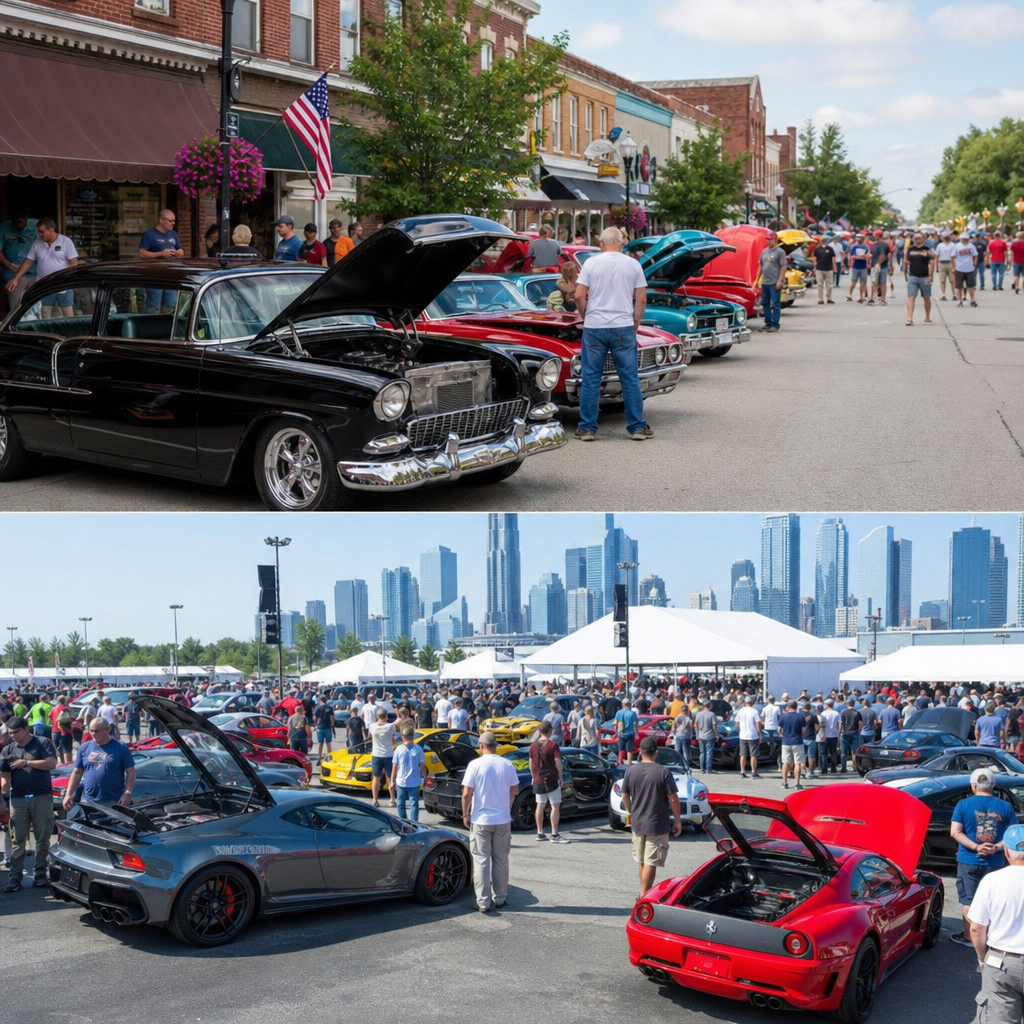
This influence extends well beyond collectors. TV-inspired nostalgia shapes conversations about design, craftsmanship, lifestyle, and history. It encourages people to appreciate classic cars not only as machines, but also as artifacts connected to identity, storytelling, and shared memory. Car shows, fan conventions, restoration projects, and online communities often draw energy from these media connections. When people talk about the charm of classic cars, they are often remembering more than the vehicles themselves. They are remembering scenes, characters, and eras those cars helped bring to life. That is why classic cars remain such a lasting part of television history and such an important thread in the wider culture of movies, media, and automotive enthusiasm.