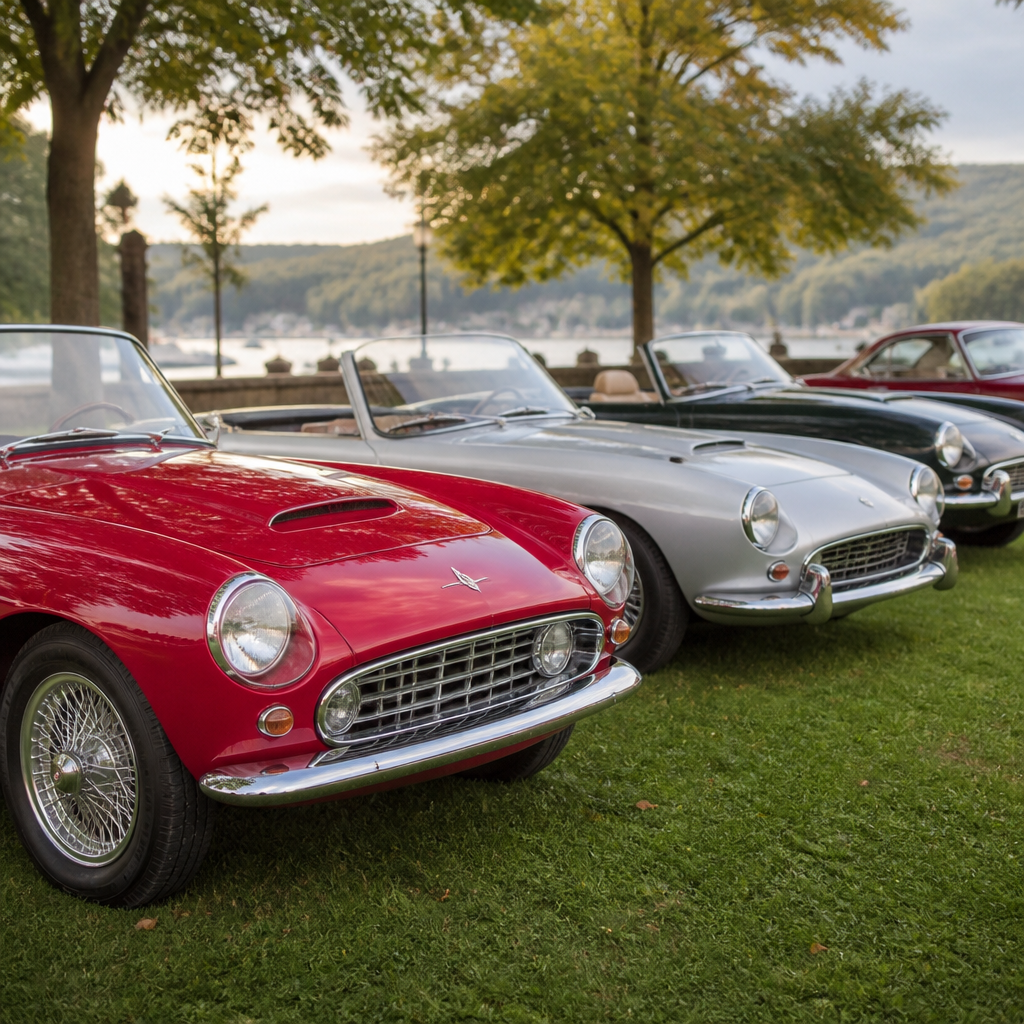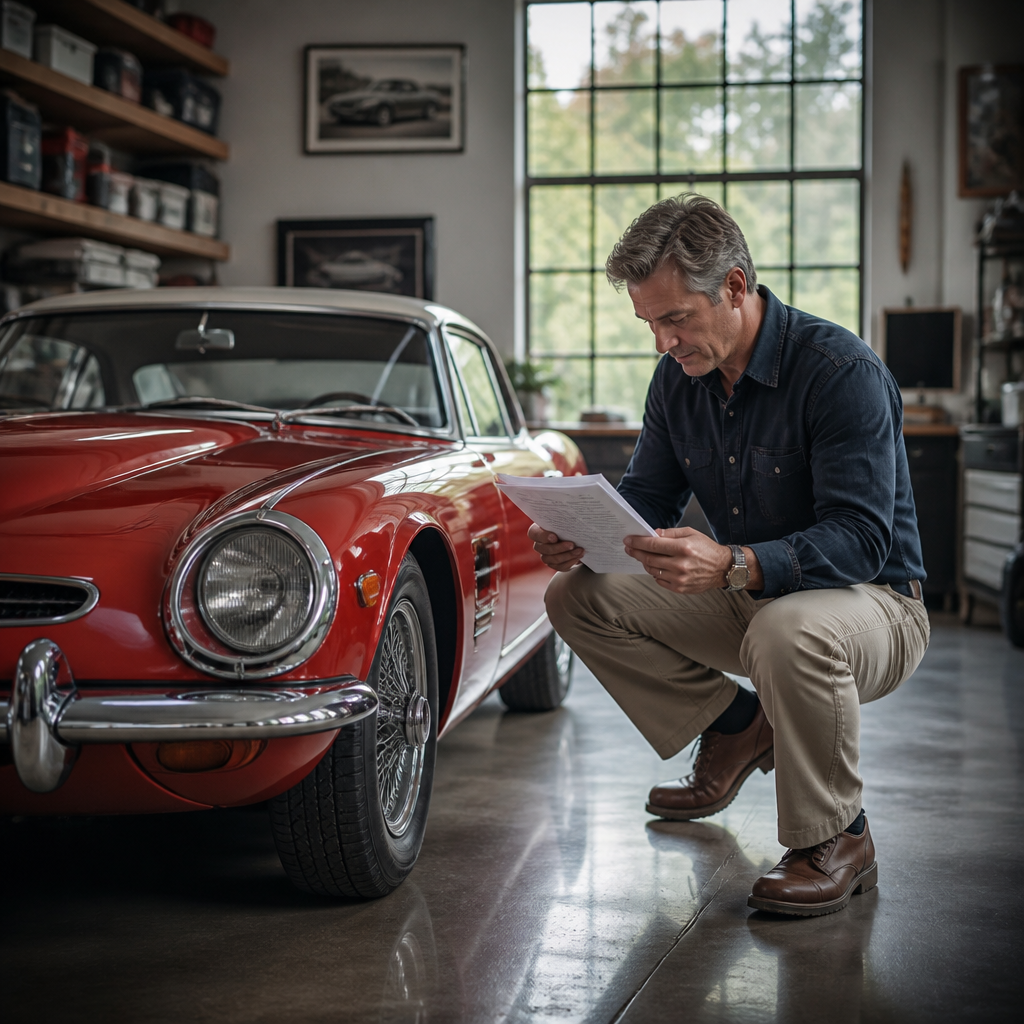
Daily driving a classic car sounds romantic until you face rush-hour heat soak, weak headlights, drum-brake fade, and parts delays, yet the right vintage model can handle modern use with surprising ease. In classic car ownership, “daily driving” means relying on an older vehicle for regular commuting, errands, school runs, and weekend highway miles rather than occasional fair-weather cruising. The best classic cars for daily driving combine durable mechanical design, strong parts support, reasonable safety upgrades, manageable fuel costs, and comfort features that do not feel punishing in present-day traffic. I have owned and maintained older cars used several times a week, and the difference between a charming hobby car and a dependable daily classic always comes down to engineering simplicity, serviceability, and the quality of the owner community behind the model.
This matters because buying the wrong classic turns every commute into a reliability gamble, while buying the right one can deliver lower purchase costs than many newer enthusiast cars, easier home maintenance, and a more engaging driving experience. A daily-drivable classic should start predictably, idle in traffic without overheating, stop confidently, track straight at highway speed, and accept sensible upgrades such as radial tires, electronic ignition, improved cooling, and seat belts. It should also have broad aftermarket support, clear repair documentation, and enough production volume that trim, brake, ignition, and suspension parts are not rare. For most buyers, the sweet spot is not the oldest or rarest car. It is the model with proven mechanicals, simple electrical systems, and a large ecosystem of specialists who have already solved the common weak points.
What Makes a Classic Suitable for Daily Driving
The core question is simple: can this car tolerate repetitive use without demanding constant specialist intervention. In practice, that means evaluating six areas. First is reliability. Cast-iron engines with modest specific output, conventional carburetion, and understressed cooling systems often survive daily use better than exotic engines that sat dormant for years. Second is parts availability. A Ford small-block, Chevrolet straight-six, air-cooled Volkswagen flat-four, or Mercedes diesel wins because service parts remain widely available from multiple suppliers. Third is ease of repair. Cars with roomy engine bays, mechanical fuel pumps, and straightforward wiring save time and labor. Fourth is safety. Even an excellent classic usually benefits from front disc brakes, dual-circuit master cylinders, halogen or LED-compatible lighting upgrades, and modern tires. Fifth is comfort. Effective ventilation, supportive seats, and stable cruising manners matter more when you drive every day. Sixth is rust resistance or, at minimum, strong replacement panel support, because corrosion ruins far more daily classics than broken engines.
Insurance and legal status also shape the decision. Many agreed-value policies restrict annual mileage or commuting, so a genuine daily driver may need standard insurance through a carrier comfortable with older vehicles. Emissions testing can be another gatekeeper depending on state rules and model year exemptions. Fuel type matters too. High-compression classics designed for leaded or premium fuel may require timing adjustments, hardened valve seats, or octane-conscious tuning. I always tell buyers to budget for baseline work immediately after purchase: all fluids, belts, hoses, ignition tune-up, brake hydraulics, tires, battery cables, and cooling-system service. Once that reset is done, a good classic often becomes more predictable than a neglected used modern car loaded with sensors, modules, and expensive plastic cooling parts.
Top Classic Cars That Work Best as Daily Drivers
Several models consistently rise to the top because they pair character with real usability. The 1965–1966 Ford Mustang is the obvious starting point. It sold in huge numbers, parts are everywhere, and six-cylinder or small-block V8 cars are mechanically straightforward. Steering can feel vague by modern standards, but suspension refreshes and radial tires transform them. The 1967–1972 Chevrolet C10 pickup is another excellent choice, especially for owners who want utility. These trucks have strong aftermarket support, simple drivetrains, and comfortable cabs compared with earlier pickups. If you prefer something compact, the 1968–1979 Volkswagen Beetle remains one of the cheapest ways into classic daily driving. It is slow, noisy, and not ideal for high-speed crash protection, but air-cooled simplicity, vast parts supply, and easy roadside repairs keep it relevant.
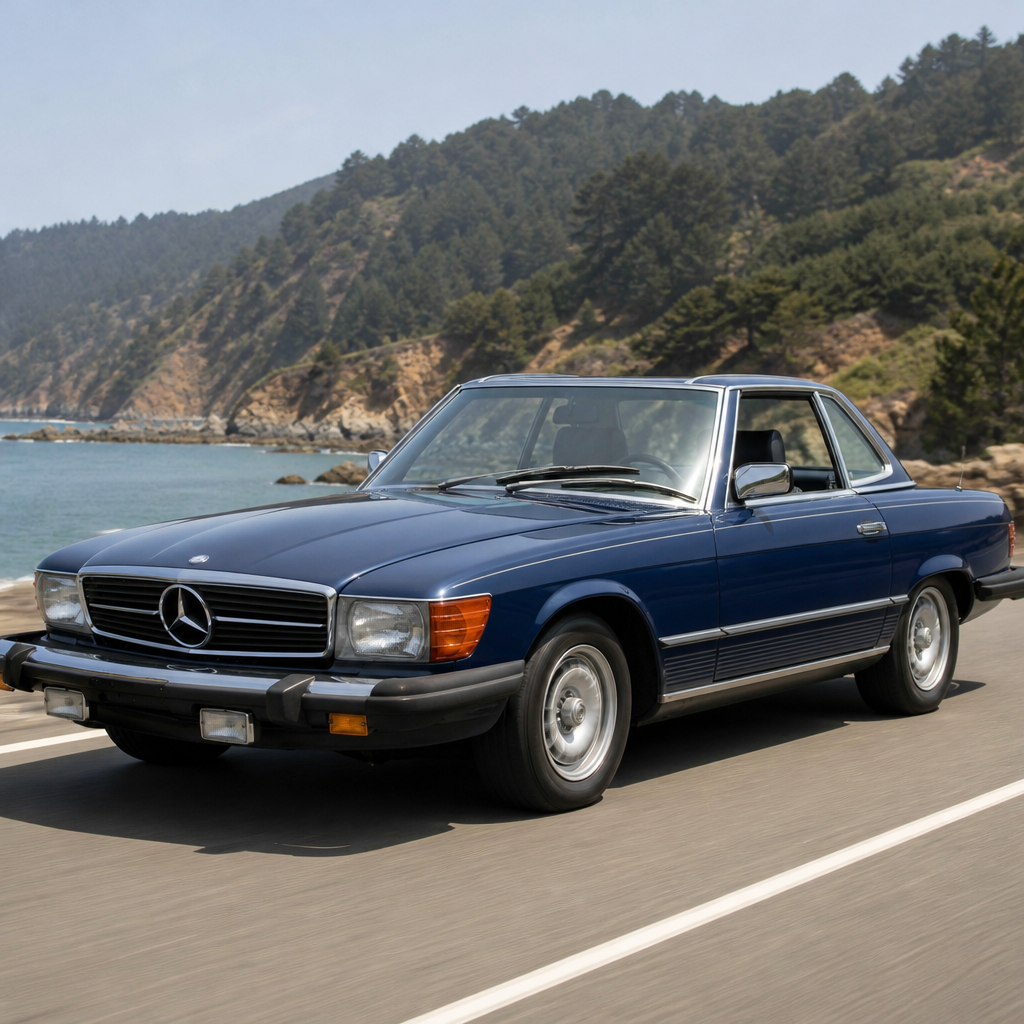
For buyers wanting more refinement, the 1975–1985 Mercedes-Benz W123 deserves its reputation. Gasoline versions are solid, but the diesels are legendary for longevity when maintained properly. The W123 offers excellent visibility, durable interiors, and a bank-vault feel rare at its price point. Another standout is the 1968–1972 Volvo 140 series, a boxy sedan with robust B18 or B20 engines, strong safety engineering for the era, and calm road manners. American buyers often overlook the 1963–1970 Mercedes-Benz W110 “Fintail” and the 1961–1969 Lincoln Continental because size and complexity vary, but both can work for experienced owners. Still, as a practical recommendation, I usually steer first-time daily-classic shoppers toward high-volume models with simpler systems and broad club support rather than prestige cars with expensive trim and limited specialist networks.
| Model | Why It Works Daily | Main Watchouts | Best Fit Owner |
|---|---|---|---|
| 1965–1966 Ford Mustang | Huge parts supply, simple engines, easy upgrades | Rust, worn steering, weak original brakes | First-time classic owner |
| 1967–1972 Chevrolet C10 | Durable drivetrains, practical bed, easy servicing | Fuel economy, rust, basic safety | DIY owner needing utility |
| 1968–1979 Volkswagen Beetle | Cheap parts, simple design, massive community | Crash safety, heater performance, highway speed | Urban commuter with backup transport |
| 1975–1985 Mercedes-Benz W123 | Longevity, comfort, strong specialist support | Vacuum issues, diesel cold starts, aging rubber | Driver wanting refinement |
| 1968–1972 Volvo 140 | Strong engines, safety focus, stable handling | Rust, trim scarcity, fuel-system aging | Family-minded enthusiast |
How to Choose the Right Daily Classic for Your Commute
The best classic for daily driving depends less on auction prices and more on how, where, and how often you drive. A ten-mile urban commute with moderate speeds favors a Beetle, Volvo 140, or six-cylinder Mustang. A forty-mile highway commute with winter weather calls for something more stable and insulated, such as a W123 or a well-sorted C10 if you need hauling capability. Climate matters enormously. Cars prone to cooling issues suffer in hot stop-and-go traffic, while carbureted engines and weak heaters become frustrating in cold regions. Rust exposure from road salt is a major concern; if your area salts heavily, preserving a valuable classic through winter becomes difficult unless you have rigorous wash routines and are willing to accept accelerated wear.
Budget should include purchase price plus deferred maintenance, not just the sticker number. A cheaper car that needs brake hydraulics, suspension bushings, wiring repair, and weatherstripping can cost more in the first year than a better example bought at a premium. I advise buyers to prioritize body condition and completeness over shiny paint. Mechanical items are generally easier to source and fix than corrosion in floor pans, torque boxes, rocker panels, or frame sections. Also consider ergonomics. Older cars vary wildly in seat comfort, pedal spacing, ventilation, and noise levels. Test drives should include low-speed traffic, parking, hard braking, and at least twenty minutes at highway speed. If the car feels tiring during a short test, it will feel exhausting by Friday after a full workweek.
Essential Upgrades for Reliability, Safety, and Comfort
A stock classic can be daily driven, but selected upgrades make it meaningfully safer and more dependable without ruining character. Electronic ignition is often the first change because it reduces points maintenance and improves cold starts. Pertronix kits, factory-style HEI conversions, and similar systems are common solutions. Cooling upgrades are next: a clean radiator, new water pump, quality thermostat, fan shroud, and properly routed hoses prevent overheating better than gimmicky additives. Brake improvements deliver the greatest confidence. Front disc conversions, dual-circuit master cylinders, modern pads or shoes, braided hoses where appropriate, and fresh hard lines can dramatically shorten stopping distances and improve consistency. Good radial tires matter as much as any suspension modification because original-style bias-ply tires give away grip, braking, and wet-weather predictability.
Comfort upgrades should solve real use problems rather than chase trends. Reliable three-point seat belts are nonnegotiable if the car lacks them. Better headlights and relays improve visibility without overloading fragile switches. Sound deadening, refreshed door seals, and rebuilt seat foam make a classic more livable on long drives. If air conditioning is important, choose a model with established retrofit kits and enough engine cooling margin to support them. Charging systems deserve attention too; an alternator conversion can stabilize voltage for electric fans, brighter lighting, and modern audio. The rule I follow is reversible modernization: improve reliability and safety while retaining the car’s serviceability. Huge wheels, radical engine swaps, and hacked wiring often create more daily-driver problems than they solve.
Maintenance Planning and Ownership Costs
Daily driving a classic demands disciplined preventive maintenance, but the work is usually understandable and scheduled. Expect shorter service intervals than with modern cars. Carbureted engines may need seasonal idle or choke adjustments. Grease fittings on suspension and driveline components require routine lubrication. Brake fluid should be flushed regularly because older hydraulic systems hate moisture. Wheel bearings, U-joints, points if still fitted, and valve adjustments on some engines all belong on the checklist. The advantage is transparency: you can inspect, hear, and feel problems developing. A modern crossover may hide failure behind software warnings; a classic usually tells you through smell, vibration, or temperature before complete breakdown if you are paying attention.
Ownership costs vary by model, but common categories are fuel, insurance, storage, consumables, and surprise age-related repairs. A W123 diesel can return respectable economy, while a carbureted V8 truck will not. Specialty tools are occasionally needed, yet factory service manuals, marque forums, and vendor tech lines reduce guesswork. I recommend building a small spares kit for the trunk: belts, hoses, ignition components, fuses, bulbs, throttle linkage clips, and basic hand tools. It is also wise to establish a relationship with one local machine shop, radiator shop, and alignment specialist familiar with older vehicles. That support network is part of what makes a classic usable every day. When a water pump fails or a carburetor floods, you need known resources, not frantic internet searching.
Common Mistakes That Make Daily Driving a Classic Miserable
The biggest mistake is buying with emotion and no systems inspection. Fresh paint hides structural rust, and a smooth test drive can conceal marginal charging, cooling, or brake performance. Another error is choosing rarity over support. Low-production luxury coupes and obscure imports may be fascinating, but waiting weeks for a window regulator or brake booster turns ownership into downtime. Owners also underestimate how many “small” issues compound. A sticky choke, weak battery cable, loose steering coupler, and seeping wheel cylinder may each seem minor, yet together they make the car unreliable and stressful. Baseline every system before trusting the car daily.
The final mistake is treating an old car like an appliance. Classics reward observation and regular attention. Check fluids often, listen for new noises, monitor tire wear, and fix leaks when small. If you do that, the best classic cars for daily driving can be genuinely dependable, enjoyable transportation rather than garage decorations. Start with a common model, buy the best body you can afford, modernize the weak points thoughtfully, and build a maintenance rhythm. That approach preserves the character people love while removing most of the frustration people fear. If you are planning to drive a classic every day, use this guide as your starting point, then compare individual models, inspection checklists, and upgrade paths before you buy.
Frequently Asked Questions
What makes a classic car good enough for daily driving?
A classic car is genuinely suitable for daily driving when it does more than look good and stir nostalgia. It needs to start consistently, run cool in traffic, stop confidently, cope with highway speeds, and have parts that are still reasonably easy to find. In practical terms, the best daily-driver classics usually have simple, durable mechanical systems, proven engines and transmissions, strong aftermarket support, and a reputation for reliability rather than fragility. They also tend to come from brands and platforms that were produced in high numbers, because popularity usually translates into better parts availability, more knowledgeable mechanics, and more troubleshooting information.
Usability matters just as much as mechanical toughness. A good daily classic should have comfortable seating, decent visibility, manageable steering effort, and enough cabin and trunk space for real life. If you plan to commute, run errands, or do school pickups, features like an effective heater, reliable wipers, and solid electrical health become non-negotiable. Cars with disc brakes, factory power steering, and robust cooling systems generally adapt to modern traffic far better than classics that require constant anticipation and compromise. The ideal daily-driven classic is not necessarily the rarest or most collectible model; it is often the one engineered with simplicity, commonality, and serviceability in mind.
Which classic cars are usually considered the best choices for regular commuting and errands?
Some of the strongest candidates are classics with a long production run, straightforward engineering, and excellent replacement-parts support. Models like the Volvo 240, Mercedes-Benz W123, air-cooled Volkswagen Beetle, 1964.5–1973 Ford Mustang with sensible drivetrains, Chevrolet Nova, and classic BMW 2002 often appear on daily-driver shortlists for good reason. They are not all identical in character, but they share important strengths: durable drivetrains, large owner communities, and a deep supply of parts and knowledge. For buyers in the United States, older domestic cars with common small-block V8s or inline-six engines can be especially practical because so many maintenance and upgrade components remain available.
That said, the “best” choice depends on how you will use the car. If your commute involves stop-and-go urban traffic, something with lighter controls, strong cooling, and decent visibility will be more pleasant than a large, heavy coupe with vague brakes. If you drive long highway distances, stability, gearing, cabin comfort, and seat support matter more. If you expect year-round use, corrosion resistance and heater performance become major factors. A wise shopper looks beyond image and asks whether the car can realistically handle heat, rain, freeway merging, parking-lot bumps, and repeated short trips. The best daily classic is the one whose design matches your actual life, not just your dream garage poster.
What upgrades or improvements are worth making to a classic car before using it every day?
Before relying on a classic car as regular transportation, it is smart to focus on upgrades that improve safety, reliability, and drivability rather than appearance. Cooling-system work is often at the top of the list, especially if the car tends to heat-soak in traffic. A clean radiator, quality hoses, a healthy water pump, proper fan setup, and a correctly tuned ignition and fuel system can transform a temperamental old car into a dependable commuter. Brakes are equally important. If the car still has marginal drums or outdated components, refreshing the entire braking system or converting to front discs where practical can make a huge difference in confidence and stopping consistency.
Electrical improvements are another major win. Brighter headlights, upgraded relays, solid grounds, a healthy alternator, and a reliable battery can greatly improve nighttime driving and day-to-day dependability. Many owners also benefit from modern radial tires, refreshed suspension bushings, better shocks, and a careful steering inspection, because these changes improve both safety and comfort without ruining the car’s character. If originality is not your top priority, additions such as electronic ignition, a dual-circuit master cylinder, seat belts, and a discreet auxiliary cooling fan can make an older vehicle much better suited to modern traffic. The goal is not to erase the classic feel, but to eliminate the predictable weak points that turn daily use into stress.
Are classic cars expensive and difficult to maintain when used as daily drivers?
They can be, but not always in the way people expect. A well-chosen classic with a strong parts network and simple mechanical design can be surprisingly affordable to maintain, especially if you can handle basic work yourself. Older cars often avoid the complexity of modern electronics, expensive sensors, and tightly packaged engine bays, which can make routine repairs more approachable. However, “simple” does not mean “maintenance-free.” A classic daily driver usually wants more frequent inspection and preventative attention than a modern commuter. Fluids, ignition components, cooling systems, carburetor tuning, brake adjustments, and suspension wear all deserve regular monitoring.
The biggest cost variables are model choice, initial condition, and deferred maintenance. Buying a cheap but tired classic often leads to a stream of repairs that quickly outweigh the savings. By contrast, paying more upfront for a sorted car with documented work can be far more economical over time. Parts availability also matters enormously. A common classic from a widely supported brand is usually much easier and cheaper to keep on the road than a low-production, brand-specific oddball with limited aftermarket support. Owners who succeed with daily-driven classics typically budget for ongoing upkeep, carry a few spare essentials, and treat preventative maintenance as part of ownership rather than an occasional inconvenience.
How do you know if a specific classic car is ready to be driven every day?
A classic car is ready for daily use when it has been evaluated like transportation, not like a weekend toy. Start with the fundamentals: hot and cold starts, idle quality, oil pressure, charging-system performance, cooling-system behavior in traffic, brake feel, steering play, tire age, and suspension condition. You want a car that can sit in stop-and-go traffic without overheating, merge onto the highway without hesitation, and stop in a straight line without drama. Service records are incredibly valuable because they reveal whether the car has been maintained consistently or merely polished for sale. A pre-purchase inspection by a mechanic familiar with older cars is one of the best investments a buyer can make.
It is also important to judge real-world practicality. Test the lights, horn, wipers, heater, windows, locks, and fuel gauge. Listen for driveline vibration, check for leaks, inspect the wiring for hacks, and look closely for rust in structural areas. Ask yourself whether you would trust the car for a rainy commute, an unexpected grocery run, or an hour of highway driving after work. Daily driving does not require perfection, but it does require predictability. A car with honest cosmetics and solid mechanicals is often a better daily choice than a freshly restored showpiece with unresolved reliability issues. When a classic car feels sorted, repeatable, and easy to live with, that is when it starts becoming a realistic everyday companion rather than a romantic gamble.