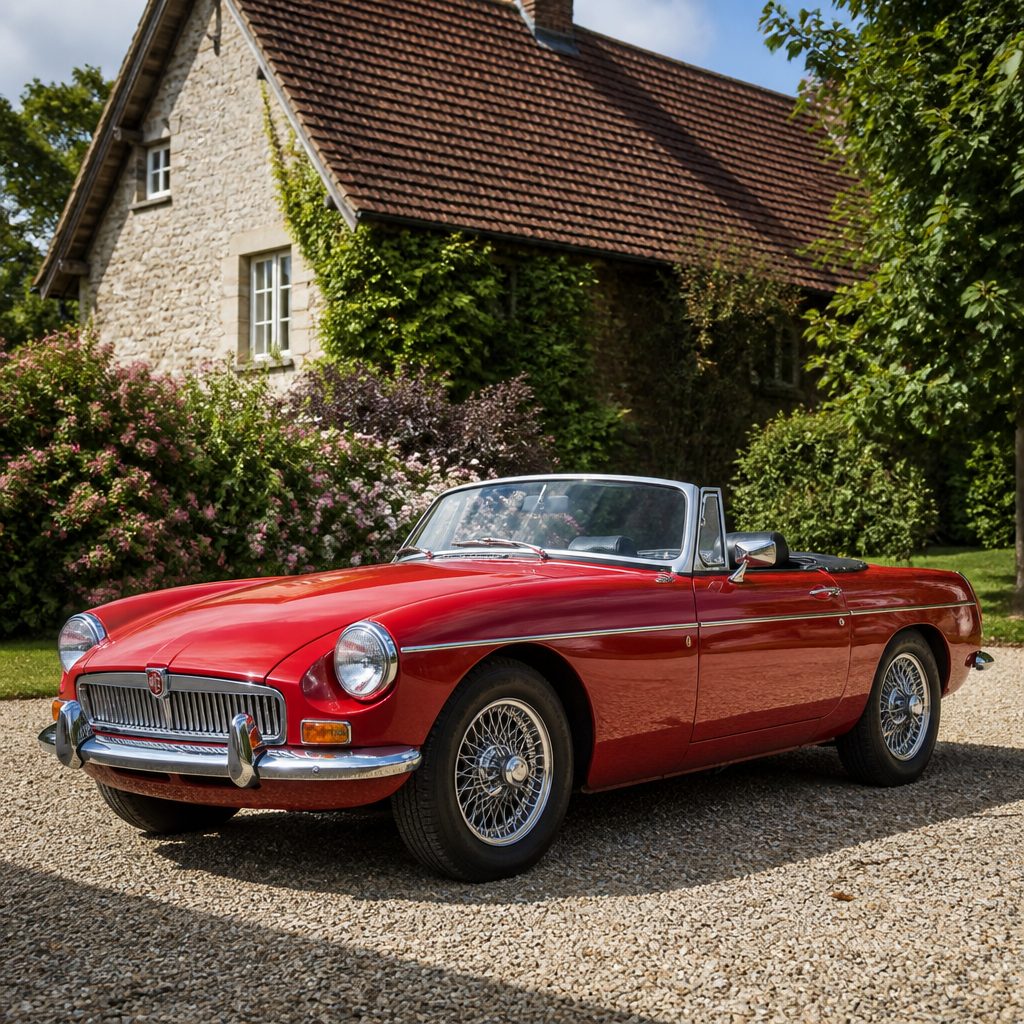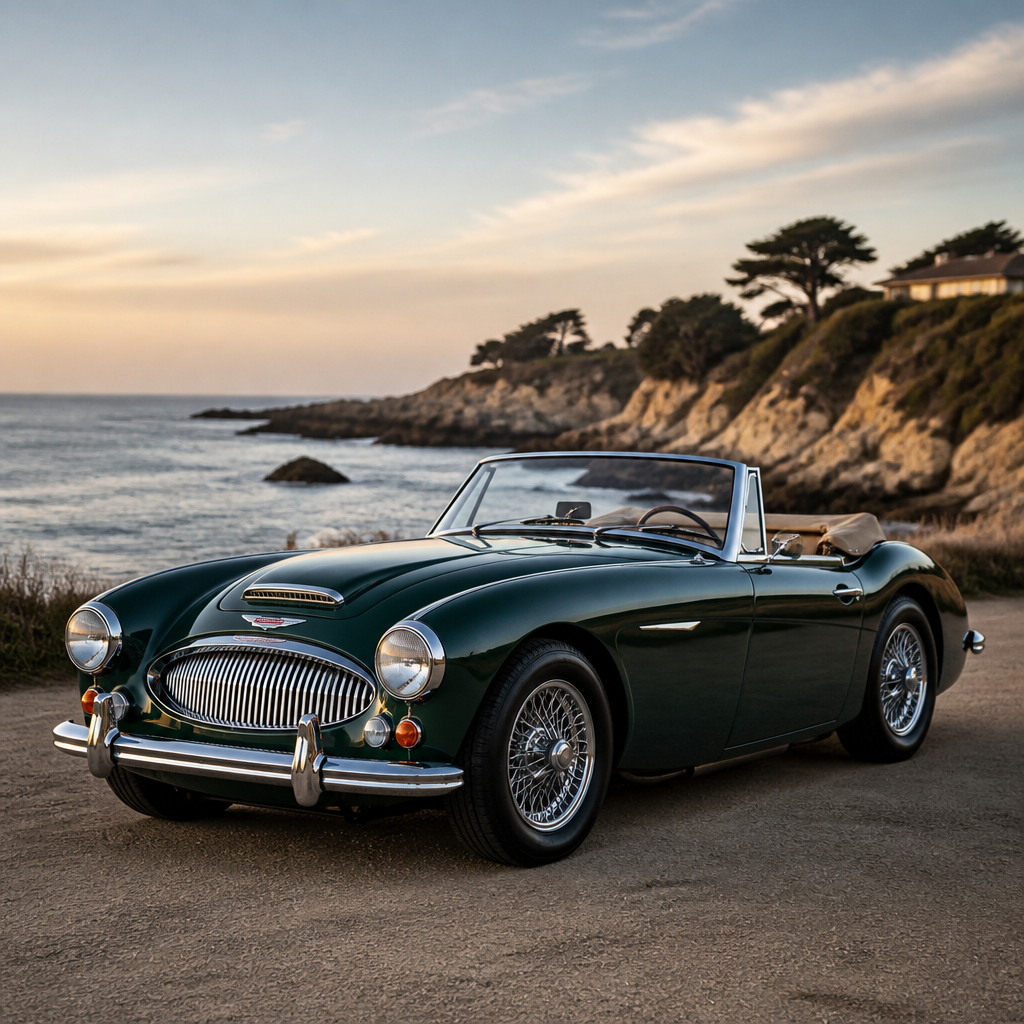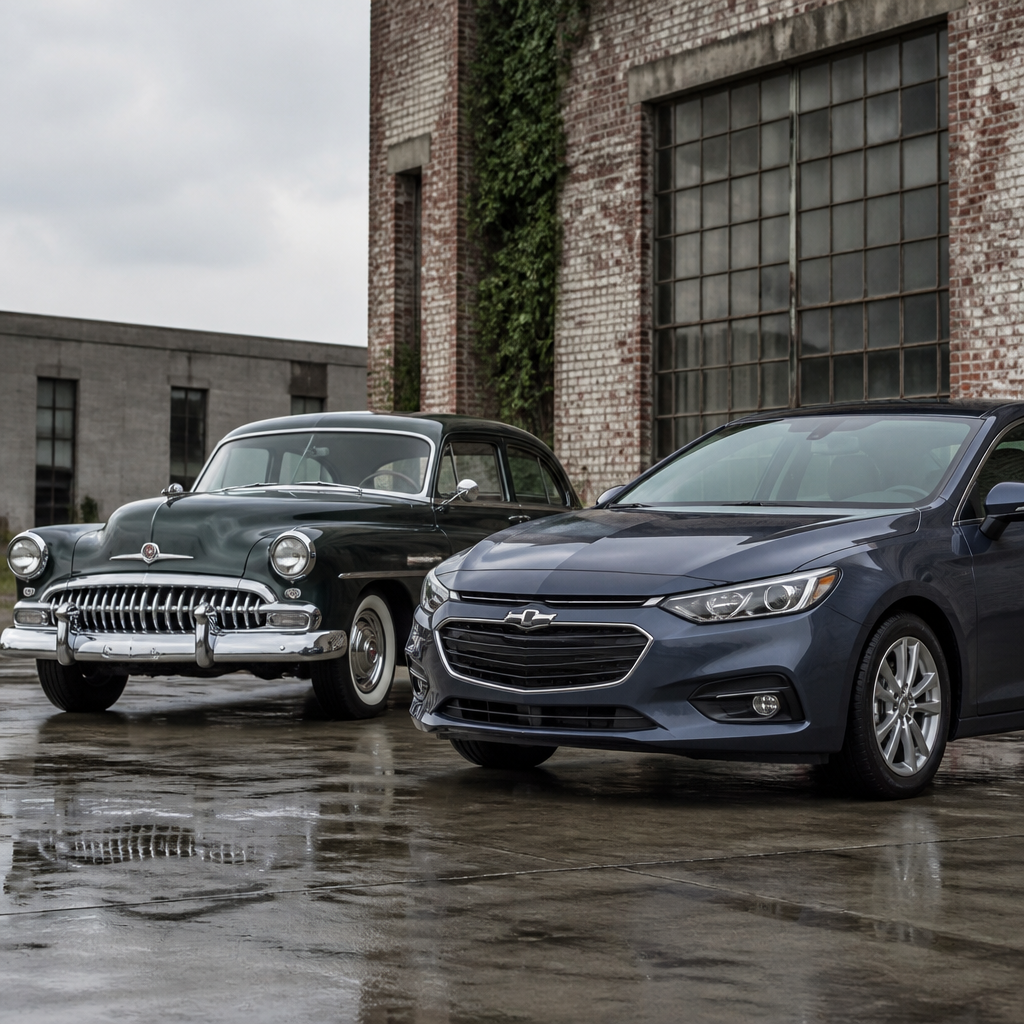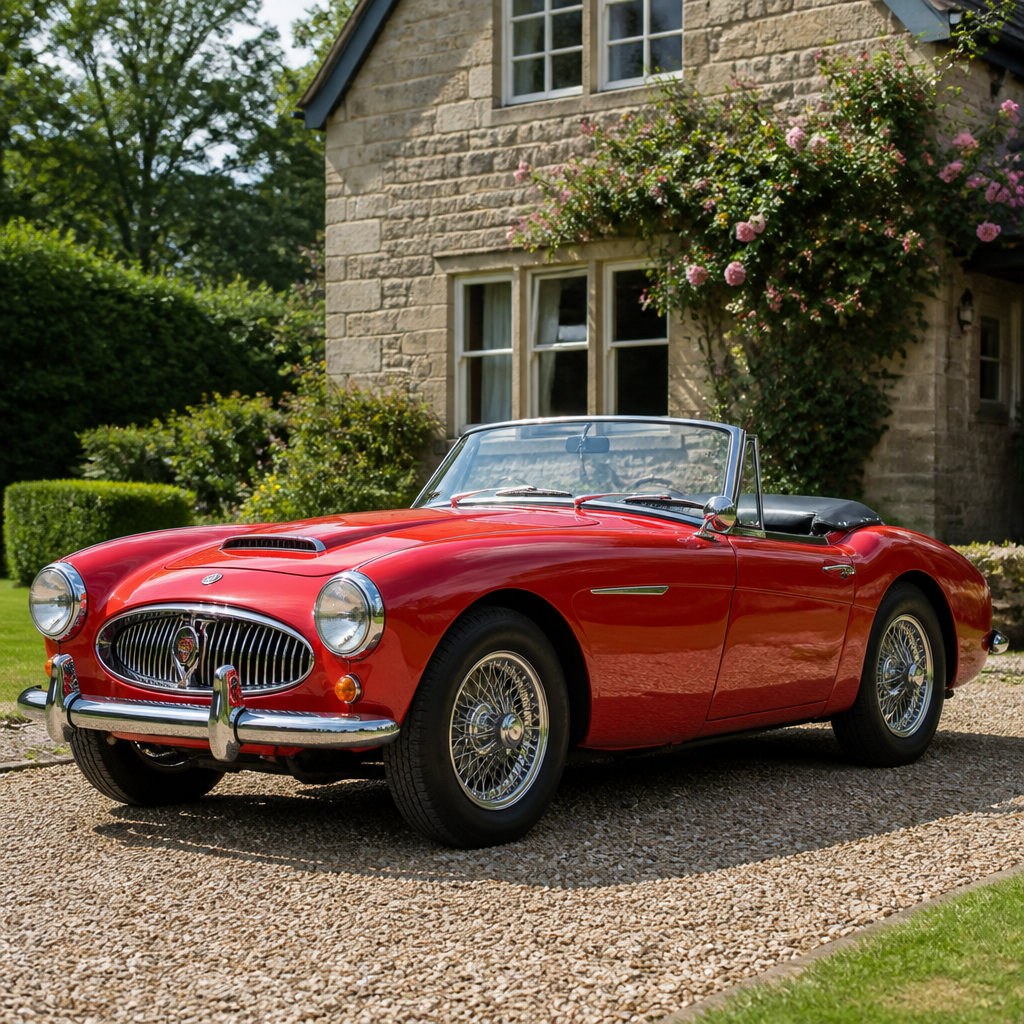
Can you daily drive a classic car? Yes, but only if you choose the right vehicle, accept the compromises, and treat ownership as an active responsibility rather than a casual convenience. In classic car ownership, “daily driving” means using an older vehicle as regular transportation for commuting, errands, school runs, and highway miles instead of reserving it for weekend shows or occasional cruises. “Classic car” is less precise. Insurance companies often use age thresholds such as twenty or twenty five years, while enthusiasts usually care more about mechanical design, parts support, and cultural significance than a strict calendar date. A fuel injected 1994 sedan and a carbureted 1967 coupe may both be classics on paper, but they deliver completely different daily driving experiences.
This matters because the dream is powerful. Many buyers imagine replacing sterile modern transport with something mechanical, stylish, and memorable. I understand the appeal. When you drive a classic regularly, fuel stops become conversations, parking lot walks become glances back over your shoulder, and routine trips feel more intentional. Yet daily driving a classic is not about romance alone. It affects safety, maintenance schedules, insurance, repair budgeting, reliability planning, and even where you park at work. The central question is not whether a classic can move through modern traffic. It can. The real question is whether your particular classic, climate, commute, skills, and tolerance for inconvenience align well enough to make daily use practical over months and years.
The answer depends on several factors: age and engineering, parts availability, weather resistance, rust protection, braking capability, highway gearing, heating and air conditioning performance, and your access to specialist mechanics. Some classics start every morning with little drama. Others require a ritual of choke adjustment, warm up time, and constant attention to leaks, bushings, and charging systems. If you want a realistic guide to daily driving a classic car, start by understanding where the benefits are genuine, where the risks are non negotiable, and what ownership habits separate a satisfying experience from a costly frustration.
What makes a classic car suitable for daily driving?
A daily drivable classic has predictable cold starts, stable cooling, dependable brakes, available replacement parts, and enough road manners for current traffic speeds. In practice, the sweet spot is often the late 1970s through the 1990s, especially cars with electronic ignition, fuel injection, overdrive transmissions, disc brakes, and large production numbers. Examples include the Mercedes-Benz W124, Volvo 240, BMW E30, Ford Panther platform sedans, Mazda MX-5 Miata NA, and many air cooled or water cooled Volkswagens with strong aftermarket support. These cars are old enough to provide the classic ownership experience but modern enough to integrate into daily life without constant compromise.
Mechanical simplicity can help, but only when paired with good parts support. A simple carbureted inline six may be easy to understand, yet if local parts stores do not carry water pumps, wheel cylinders, ignition modules, or weather seals, every breakdown becomes a waiting game. Conversely, a more complex classic with a broad owner community can be easier to keep on the road because diagnosis procedures, cross referenced part numbers, and repair guides are widely documented. Daily use rewards common platforms. Rare trim levels, one year only electronics, and obscure import models create delays that are acceptable for hobby cars but disruptive for commuters.
Structural condition matters more than cosmetic perfection. I would rather trust a faded, mechanically sorted classic with clean floors, sound brake lines, and recent suspension work than a glossy restoration hiding rust in the frame rails. For a daily driver, inspect cooling hoses, fuel lines, charging voltage, tire age, steering play, and door and trunk seals before worrying about paint depth. If the car cannot survive heat, rain, and stop and go traffic, attractive bodywork does not make it practical.
Reliability: what actually breaks when you use a classic every day?
Daily driving exposes weaknesses quickly. The most common failure points are not dramatic engine explosions but small age related faults that strand the car at inconvenient times. Rubber degrades. Vacuum lines crack. Grounds corrode. Starter solenoids stick. Radiators clog internally. Mechanical fuel pumps weaken. Alternators produce inconsistent output. Window regulators fail. Brake hoses swell. None of these issues is unusual on older vehicles, and each becomes more likely when the car is subjected to modern usage frequency rather than occasional weekend miles.
I have found that classics become dependable only after a deliberate baseline service. That means replacing wear items proactively instead of waiting for symptoms. A proper baseline often includes belts, hoses, fluids, filters, plugs, wires or coils, battery cables, tires, brake friction material, wheel bearings where applicable, coolant temperature sensors, and all suspect fuel lines. On carbureted cars, it may also include rebuilding the carburetor, setting float height, checking choke operation, and verifying ignition timing with a timing light. On fuel injected cars, it often means addressing relays, crank sensors, idle control valves, and aging pumps before they leave you on the shoulder.
Reliability also depends on use pattern. Short trips are harder on older engines than steady highway miles because moisture stays in the oil, batteries do not fully recover, and cold enrichment increases wear. If your commute is ten minutes in winter, a classic may deteriorate faster than if you drive forty stable highway miles each day. The best approach is preventive maintenance, accurate record keeping, and carrying a small trunk kit with basic tools, fuses, relays, fluids, and a charging jump pack.
Safety and comfort in modern traffic
The biggest compromise in daily driving a classic is usually safety, not reliability. Many older cars lack airbags, anti lock brakes, traction control, stability control, side impact reinforcement, collapsible steering improvements found in newer cars, and modern crash structures engineered through contemporary testing protocols. Even well built classics place occupants at a disadvantage when struck by a modern SUV or pickup with a taller front profile. That does not automatically make daily driving impossible, but it should shape your choice. A large, later classic with disc brakes and strong structural engineering is a better commuter than a tiny 1960s economy car if safety is a priority.
Braking performance deserves special attention. A classic that feels fine on a sunny test drive can become stressful in repeated stop and go traffic if it has manual drums, old fluid, marginal tires, or significant pedal fade. Upgrades such as high quality modern tires, fresh brake hardware, stainless braided hoses where appropriate, rebuilt calipers, and well matched pads can materially improve confidence without changing the character of the car. Lighting matters too. Headlight relays, proper bulb aiming, and cleaned electrical connections make night driving safer and less fatiguing.
Comfort is equally practical. Poor ventilation, weak air conditioning, intrusive cabin noise, vague wipers, and ineffective demisters will wear you down if you use the car five or six days a week. Many people underestimate how much a functioning heater, a stable cooling system, supportive seats, and adequate sound insulation affect their long term satisfaction. If your area sees heavy rain, intense heat, or winter fog, comfort systems are not luxuries. They are part of operational reliability.
Costs: purchase price is only the beginning
A cheap classic can be the most expensive way to daily drive. Buyers often focus on acquisition price and ignore the cost of sorting deferred maintenance. The realistic budget should include inspection, transportation, registration, taxes, immediate baseline service, tires, brake work, and a repair reserve. In many markets, the first year cost of putting a neglected classic into reliable daily use exceeds the initial purchase price. That is especially true for European cars with specialized parts pricing or for vehicles with rust repair needs, because rust restoration consumes labor rapidly and can uncover structural issues that escalate far beyond cosmetic work.
Operating costs vary widely by model. Carbureted V8 cars can return poor fuel economy in urban traffic, while lighter four cylinder classics may be surprisingly affordable to run. Insurance is nuanced. Agreed value classic policies are often cheaper than standard insurance, but they frequently impose mileage limits, storage requirements, and restrictions on routine commuting. If you truly plan to daily drive, verify that your policy permits unrestricted use. Do not assume a “classic” label automatically gives you lower premiums without tradeoffs.
| Cost area | Common daily-driver reality | What smart owners do |
|---|---|---|
| Purchase | Low price often hides deferred maintenance | Buy the best maintained example, not the cheapest |
| Insurance | Classic policies may restrict commuting | Confirm usage terms in writing before purchase |
| Fuel | Older engines can be inefficient and may prefer premium | Estimate monthly fuel cost from real owner data |
| Repairs | Small failures are frequent on unrestored cars | Create a reserve fund and source key parts early |
| Downtime | Waiting on parts can immobilize the car | Keep a backup transportation plan |
The financial lesson is simple. Daily driving a classic is rarely the cheapest transportation strategy. It becomes reasonable when you buy carefully, maintain proactively, and understand that convenience has a cost.
Maintenance strategy, parts sourcing, and mechanical skill
If you want to daily drive a classic successfully, your maintenance strategy matters as much as the car you choose. The strongest owners I know follow schedules rather than moods. They inspect fluids weekly, listen for changes in idle quality, monitor charging voltage, grease service points where applicable, and replace suspicious parts before failure. They also build relationships with machine shops, alignment shops familiar with older suspensions, and specialists who understand Bosch K-Jetronic, SU carburetors, GM throttle body injection, or other period systems that general repair shops may not see often.
Parts sourcing can determine whether the car feels empowering or exhausting. Before purchase, check availability for brakes, weatherstripping, glass, trim clips, radiators, fuel pumps, control arms, and ignition components. RockAuto, FCP Euro, Pelican Parts, Moss Motors, Hemmings classifieds, marque forums, and manufacturer heritage divisions can all be useful depending on the platform. The strongest daily driver candidates usually have active owner communities that document part interchange across years and markets. That knowledge shortens downtime dramatically.
You do not need to be a master technician, but basic mechanical skill changes the economics. Owners who can diagnose a no start, replace an alternator belt, bleed brakes, set idle speed, or swap a relay are much better positioned to use a classic every day. If you dislike troubleshooting or have no space to work, choose a later classic with strong specialist support and budget accordingly. Daily driving a classic is easiest when the owner either has hands on competence or reliable access to someone who does.
Choosing the right classic for your commute and climate
The best daily driver classic is not the one that looks best in photos. It is the one that matches your actual life. Start with commute length, traffic conditions, parking security, road quality, weather, and emissions rules. A vintage convertible may be joyful in coastal California and miserable in a city with summer humidity, winter salt, and unsecured street parking. An old diesel sedan may shrug off highway miles yet be a poor match for short urban trips because it never reaches ideal operating temperature. Matching the car to the environment prevents most owner regret.
Climate is decisive. Rust is the natural enemy of year round classic use, especially in regions that use road salt. Once salt enters seams, arches, rockers, and underbody cavities, corrosion accelerates and can destroy hard to replace structural metal. If you live in a rust belt climate, consider seasonal use, rigorous underbody washing, cavity wax treatment, and sacrificial winter transportation. Heat creates different challenges: vapor lock on some carbureted systems, weak cooling margins, and failing interior plastics. In very hot areas, proven air conditioning performance should be on your non negotiable list.
Parking matters more than many buyers expect. A daily driven classic parked outside at work, at stores, and on city streets faces UV damage, theft risk, door dings, and rain intrusion. If replacement glass, trim, or body panels are scarce, these exposures carry real cost. For many owners, the practical answer is a solid, usable example rather than a freshly restored show car. You worry less, use it more, and reserve concours ambitions for another vehicle.
When daily driving a classic makes sense, and when it does not
Daily driving a classic makes sense when you enjoy maintenance, have a realistic budget, can tolerate occasional downtime, and choose a platform known for durability and parts support. It also works well when you have a moderate commute, secure parking, and either a backup car or flexible transportation alternatives. In those conditions, the benefits are substantial. You get engagement, character, and a stronger connection to the machine than most modern cars offer. The ownership experience becomes part of daily life rather than a hobby squeezed into weekends.
It makes less sense when you need absolute reliability, have no contingency plan, face severe weather, or expect modern safety and convenience with no compromises. It is also a poor fit if you are drawn primarily to aesthetics and have not budgeted for sorting mechanical systems. A beautiful old car that cannot handle summer traffic, night rain, or winter starts will quickly turn admiration into resentment. The most satisfied owners are honest about limits. Some daily drive classics three seasons a year and switch to modern transport in winter. Others use a newer “future classic” with OBD diagnostics, fuel injection, and readily available service parts to split the difference.
The practical takeaway is clear. Yes, you can daily drive a classic car, but success depends on selection, preparation, and expectations. Choose a structurally sound model with strong parts support and proven road manners. Spend money on condition, safety, and baseline maintenance before cosmetics. Match the car to your climate, commute, and skill level. If you do that, daily driving a classic can be deeply rewarding, not because it is effortless, but because it turns transportation into something deliberate and memorable. Review your commute, inspect candidate models carefully, and build a realistic budget before you buy.
Frequently Asked Questions
Can you really daily drive a classic car?
Yes, you can daily drive a classic car, but success depends on choosing the right vehicle, being realistic about what older cars are like to live with, and accepting that ownership requires steady involvement. Daily driving means using the car as regular transportation for work, errands, appointments, school runs, and highway travel, not just weekend cruises. A classic can absolutely fill that role, especially if it is mechanically simple, well maintained, and supported by good parts availability. That said, an older car does not behave like a modern appliance. It may need longer warm-up times, more frequent inspections, occasional roadside troubleshooting, and a higher tolerance for noise, heat, vibration, and less predictable drivability.
The biggest difference is mindset. If you expect a classic to start, idle, brake, cool, and perform exactly like a late-model commuter with modern electronics and decades of engineering refinement, you may be disappointed. If, however, you understand that daily use means active stewardship, a classic can be deeply rewarding. Many owners successfully commute in classics every day, but they usually do so because they have selected a dependable platform, addressed known weak points, stayed ahead on maintenance, and built enough flexibility into their schedule to handle the occasional issue. In other words, daily driving a classic is possible, but it works best when convenience is not your only priority.
What makes a classic car a good candidate for daily driving?
The best daily-drivable classics tend to be mechanically straightforward, widely supported, and not overly rare or fragile. Good candidates usually have strong aftermarket parts availability, easy-to-find service information, durable engines and transmissions, and a reputation for predictable reliability when maintained properly. Cars from mainstream brands often make better daily drivers than obscure or limited-production models because replacement parts, trim pieces, seals, ignition components, and brake hardware are easier and cheaper to source. A classic that shares components with other vehicles from the same era can also be a smarter choice because that widens your repair options.
You should also look closely at how the car was built and how it has been maintained. A vehicle with a sound cooling system, healthy electrical wiring, solid brakes, and no serious rust problems is far more suitable than one that only looks good cosmetically. Body rust, old wiring, vacuum leaks, weak charging systems, and neglected fuel delivery problems can turn a charming car into an exhausting one very quickly. Modest upgrades can help too. Many daily drivers benefit from improved ignition components, better radiator and fan setups, modern tires, upgraded seat belts, and a well-sorted charging system. The goal is not necessarily to modernize the entire car, but to make it dependable enough for repeated real-world use.
Another important factor is how and where you drive. A classic that feels excellent on slower suburban roads may be tiring or under-equipped for long freeway commutes in extreme heat or heavy stop-and-go traffic. Think about weather exposure, parking conditions, trip length, and traffic patterns. A solid, simple classic that is comfortable at 45 miles per hour may not be the right daily driver if your routine involves sustained 75-mile-per-hour highway travel. Matching the car to your actual routine is often the difference between a satisfying experience and an expensive lesson.
What are the biggest compromises of using a classic car every day?
The biggest compromises are reliability variability, safety limitations, comfort tradeoffs, and the constant need for attention. Even a well-sorted classic generally demands more hands-on care than a modern vehicle. Fluids need closer monitoring, rubber components age, carburetors can be sensitive to temperature and fuel quality, ignition systems may need periodic adjustment, and small problems have a way of becoming larger ones if ignored. What would be a minor inconvenience in a newer car can become a delay, a towing event, or a missed appointment in an older one.
Safety is another major compromise. Many classics lack airbags, anti-lock brakes, traction control, crumple-zone engineering, head restraints designed to modern standards, and advanced lighting systems. Some also have weaker cabin protection, slower steering responses, and longer stopping distances than modern cars. That does not make them unusable, but it does mean the driver must operate with more awareness and less margin for error. Wet roads, nighttime driving, and dense traffic can all feel more demanding in a classic, particularly one with manual brakes, old suspension geometry, or dated tires.
Comfort and convenience are also part of the equation. Older cars often have less effective air conditioning, more cabin noise, less supportive seats, weaker defrost systems, fewer storage solutions, and a generally more physical driving experience. In some cases, that is part of the charm. In other cases, it becomes wearing when repeated five or six days a week. Fuel economy may also be poorer, and theft risk can be higher depending on the model. The key point is that daily driving a classic is rarely impossible because of one major flaw. It usually becomes difficult because of the cumulative effect of many small compromises that modern drivers are no longer used to making.
Should you modify a classic car if you plan to use it as a daily driver?
In many cases, sensible modifications are one of the smartest ways to make a classic more usable every day. The best upgrades improve reliability, safety, and drivability without undermining the character of the car. Common examples include electronic ignition, improved cooling components, better brake materials or front disc brake conversions, upgraded lighting, modern radial tires, improved seat belts, and a stronger alternator. If the vehicle suffers from known weak points, addressing those proactively is usually better than waiting for failure. A classic does not need to remain completely original to be authentic to its era and enjoyable to own.
That said, modifications should be planned carefully. Poorly executed upgrades can create new problems, especially when aftermarket parts do not work well together or when wiring and plumbing are done carelessly. A heavily modified car can also become harder to diagnose, harder to insure, and less appealing to future buyers who value originality. The ideal approach is to improve function in ways that are reversible, well documented, and appropriate for the vehicle’s intended use. If you are driving in modern traffic, safety and cooling improvements generally provide more real-world value than cosmetic changes or performance parts alone.
It is also worth considering your goals. If you want a faithful period experience, keep modifications subtle and targeted. If you want a classic-shaped commuter that starts easily, runs cool in traffic, and handles regular mileage with less stress, a more practical upgrade path makes sense. There is no single right answer, but for most owners who intend to daily drive, reliability-focused improvements are usually not only justified but wise.
Is daily driving a classic car more expensive than driving a modern car?
Often, yes, although the answer depends on the car, your mechanical ability, mileage, and what standard of reliability you expect. A classic may cost less to purchase than a newer vehicle, and some older models are mechanically simple enough to repair at home, which can reduce labor costs. However, those savings are frequently balanced by more frequent maintenance, lower fuel efficiency, specialty parts sourcing, unexpected age-related failures, and the need to refresh systems that have simply worn out over time. Hoses, seals, bushings, wiring, cooling components, brake parts, and fuel system pieces all age whether the car is driven or not.
Insurance can also be complicated. Some classic-car policies offer attractive rates, but they often come with mileage restrictions, storage requirements, or limitations on regular-use driving. If you truly intend to use the car for commuting and errands, you may need a conventional policy rather than a collector policy, and that can change the cost equation. Registration, emissions compliance, and inspection rules also vary by location and can affect how practical or affordable daily use really is.
The most important cost factor is unpredictability. A modern car often spreads its ownership costs in a more stable, scheduled way. A classic can be inexpensive for months and then suddenly need a fuel pump, starter, brake work, tires, electrical repairs, and cooling attention in a short period. Owners who do best financially are usually the ones who budget for ongoing upkeep instead of treating repairs as rare exceptions. If you go into classic daily driving expecting periodic investment rather than low-maintenance transportation, the experience is much easier to manage and much less frustrating.